Please read our important disclaimers before using this content
When you discover in your 50s, 60s, or 70s that you've been married to a narcissist for decades, the decision to leave feels both urgent and impossible. Understanding the stages of recovery from narcissistic abuse helps set realistic expectations for the road ahead, regardless of when you leave.
Urgent because:
- You've already lost so many years—you don't want to waste what's left
- Your health may be declining—you need peace, not stress
- You finally see the abuse clearly—and can't unsee it
- Your children are grown—you no longer have to "stay for the kids"
Impossible because:
- You've been married 20, 30, 40+ years—your entire adult life
- Your finances are deeply entangled—untangling them feels overwhelming
- You're approaching or in retirement—divorcing risks financial security
- Your identity is tied to this marriage—who are you without it?
- Adult children may pressure you to stay ("you're too old to divorce," "just wait until Dad dies")
- You fear you're "too old" to start over, date again, or build a new life
- Ageism tells you that your happiness doesn't matter at this stage
"Gray divorce" (divorce among adults 50+) is rising faster than any other age group. Research shows that the divorce rate among adults aged 50 and older doubled between 1990 and 2010, with over 600,000 people in this age group divorcing annually 1. People like you are realizing: It's never too late to choose freedom over abuse.
This post addresses:
- Late-recognition of narcissistic abuse in long marriages
- Financial considerations unique to gray divorce (retirement, pensions, Social Security)
- Health impacts of decades of abuse—and healing in later life
- Adult children's reactions and family dynamics
- Rebuilding identity and purpose after 50
- Dating and relationships in later life (if desired)
- Strategies for leaving after decades together
Late Recognition: "I Just Realized After 30 Years"
Why It Takes Decades to See the Abuse
You're not "stupid" for staying this long. Here's why late recognition is common:
1. Abuse was normalized from the beginning:
- You married young (before you knew what healthy relationships looked like)
- Your parents' marriage was similar (you thought this was normal)
- Abuse escalated gradually over decades (you adapted to each new level)
- You internalized messages that "marriage is hard" and "you have to work at it"
2. Language for narcissistic abuse didn't exist:
- "Narcissistic abuse," "gaslighting," "DARVO," "trauma bonding" are relatively recent terms
- Older generations were taught to endure, not name abuse
- You lacked framework to understand what was happening
3. You were socialized to stay:
- "Divorce is shameful" (especially for your generation)
- "You made your bed, now lie in it"
- "For better or worse, in sickness and health" meant endure anything
- Religious and cultural pressure to preserve marriage at all costs
4. Life was busy:
- Raising children, building careers, managing households
- You didn't have time or space to reflect on your marriage
- Survival mode for decades
5. Things "weren't always bad":
- Intermittent reinforcement (good times mixed with abuse)
- Narcissist's public image vs. private behavior
- Hope that "it will get better" or "he'll change when he retires / kids are gone / etc."
What changed?
Why you're recognizing abuse NOW:
- Children are grown: No longer focused on protecting them—you can see your own suffering
- Retirement or empty nest: More time to reflect on your life and relationship
- Health scare: Realizing life is finite—you don't want to spend remaining years this way
- Internet and awareness: Stumbled on articles about narcissistic abuse and recognized your spouse
- Therapy: Sought help for depression/anxiety and therapist helped you name the abuse
- Grandchildren: Don't want them to witness the dysfunction you tolerated for your kids
- He got worse: Retirement, aging, or loss of narcissistic supply made abuse more overt
Late recognition doesn't mean you wasted your life—it means you're finally free to see the truth.
Grief and Regret: "I Lost My Entire Adult Life"
It's normal to grieve:
- The decades you spent in abuse
- The person you could have been without constant criticism and control
- The relationships (friends, family, opportunities) you sacrificed
- The version of your spouse you thought you married (who may never have existed)
- Your youth, your prime years, your dreams
Reframe from "wasted" to "survived":
- You didn't waste your life—you survived
- You raised children (if you did)—they exist because of you
- You built a career, contributed to community, lived a life—even within abuse
- You're wiser now than you would have been at 25
- You have time left—and now you have clarity
Regret is real—but so is resilience. You can grieve what was lost AND build what's possible.
Financial Considerations in Gray Divorce
Division of Long-Term Marital Assets
After decades of marriage, assets are deeply entangled:
- Retirement accounts (401(k), IRA, pension)
- Social Security benefits
- Real estate (family home, possibly paid off or nearly paid off)
- Investments, savings, businesses
- Debt (mortgages, credit cards, loans)
Long marriage = more assets (usually)—but also more complexity.
Retirement Account Division
401(k) and IRA division:
- Marital portion is divisible (typically from date of marriage to date of separation)
- Requires QDRO (Qualified Domestic Relations Order)—legal document directing plan administrator to divide account
- Work with attorney and financial advisor familiar with QDROs
Pension division:
- Pensions earned during marriage are marital property
- Division can be: lump sum, percentage of monthly payments, or shared payments
- Some pensions have survivor benefits (important if your ex dies)
Strategic considerations:
- Tax implications (dividing retirement accounts can trigger taxes if done wrong)
- Early withdrawal penalties (if you need to access funds before retirement age)
- Survivor benefits (if you're entitled to portion of pension, what happens if ex dies?)
Protect your share: Don't sign away retirement assets without understanding long-term impact. Understanding QDROs and the division of retirement accounts in divorce is essential reading before signing any settlement.
Social Security and Spousal Benefits
If you were married 10+ years:
- You're entitled to Social Security spousal benefits (up to 50% of ex-spouse's benefit)
- This does NOT reduce your ex's benefit (it's separate)
- You can claim spousal benefit OR your own benefit (whichever is higher)
Eligibility:
- Married 10+ years
- Divorced
- Age 62 or older
- Unmarried (if you remarry, you lose spousal benefit from ex)
Strategic timing:
- You can claim spousal benefit at 62 (reduced) or wait until full retirement age for full benefit
- Your ex doesn't need to have filed for benefits yet (as long as you've been divorced 2+ years)
- Ex doesn't need to know or consent (Social Security handles it)
Why this matters: If your ex was the primary earner, spousal Social Security benefit may be significantly higher than your own—protecting your retirement income.
Division of Real Estate (Family Home)
Options for the family home:
- Sell and split proceeds: Clean break, both parties move on
- One spouse keeps the home (buys out the other's share)
- Deferred sale (one spouse stays temporarily, house sold later)
Considerations:
- Emotional attachment: You've lived there for decades—but is it worth financial strain to keep it?
- Affordability: Can you afford mortgage, taxes, maintenance on your own?
- Downsizing: Do you need this much space now that children are gone?
- Aging in place: Is this home accessible as you age? (stairs, maintenance, location)
Older adults often benefit from selling: Downsize, reduce expenses, start fresh.
Alimony / Spousal Support in Long Marriages
Long-term marriages typically result in longer (or permanent) alimony:
- If you didn't work or earned significantly less, you may be entitled to alimony
- Length of alimony often correlates with length of marriage (20+ year marriage may result in permanent support in some states)
- Amount depends on: income disparity, standard of living during marriage, age, health, earning capacity
Factors in your favor (for receiving alimony):
- You sacrificed career for marriage/children (homemaker or part-time work)
- Significant income disparity between you and spouse
- Health issues that limit your ability to work
- Age (harder to rebuild career at 60 than at 30)
Factors against you (for paying alimony):
- You have comparable income or assets
- You have higher earning capacity than spouse
Negotiating alimony:
- Consider tax implications (alimony is taxable income to recipient, deductible for payer—if divorce finalized before 2019; after 2019, different rules)
- Lump sum vs. monthly payments (trade-offs in each)
- Cost of living adjustments (COLA)—does alimony increase with inflation?
- Termination conditions (remarriage, cohabitation, death)
Work with attorney and financial advisor: Alimony decisions have major long-term financial impact.
Health Insurance After Divorce
If you're on spouse's employer health insurance:
- You'll lose coverage after divorce (unless you qualify for COBRA)
- COBRA: Temporary continuation of coverage (18-36 months)—but you pay full premium (expensive)
Post-divorce health insurance options:
- Your own employer insurance (if you're employed)
- Medicare (if you're 65+)
- Marketplace insurance (healthcare.gov)—may qualify for subsidies based on income
- Medicaid (if low income and eligible)
Negotiate health insurance in divorce:
- Ex may be required to pay for your health insurance for period of time
- Include in settlement
Pre-Medicare gap (if you're 60-64):
- You're too young for Medicare, may be retired or can't afford insurance
- COBRA, marketplace subsidies, or negotiated insurance in divorce settlement critical
Financial Planning for Late-Life Divorce
Post-divorce financial reality:
- Your income/assets will be divided (less money than during marriage)
- You may need to work longer than planned
- Standard of living may decrease
- Retirement plans may need adjustment
Steps to protect yourself financially:
- Consult financial advisor (ideally Certified Divorce Financial Analyst—CDFA)
- Understand all marital assets and debts (full financial disclosure)
- Project post-divorce budget (can you afford proposed settlement?)
- Consider long-term implications (10, 20, 30 years from now)
- Protect retirement security (don't sacrifice retirement for short-term cash)
- Update estate planning (wills, trusts, beneficiaries, power of attorney)
Financial abuse in long marriages:
- You may have been kept in the dark about finances for decades
- Spouse may hide assets, undervalue business, or create debt
- Forensic accountant may be needed (expensive but can uncover hidden assets)
Don't sign settlement without understanding it fully.
Health Impacts of Decades of Abuse
Chronic Stress and Long-Term Health Consequences
Decades of abuse take a physical toll:
- Chronic stress → elevated cortisol → impacts every body system
- Heart disease: Abuse survivors have higher rates of cardiovascular issues 2
- Autoimmune disorders: Chronic stress linked to autoimmune flare-ups
- Chronic pain: Fibromyalgia, migraines, back pain
- Gastrointestinal issues: IBS, ulcers, digestive problems
- Sleep disorders: Insomnia, sleep apnea, nightmares
- Weakened immune system: More susceptible to illness
- Accelerated aging: Chronic stress literally ages you faster
Research confirms that women who were in abusive relationships often have chronic health conditions such as lower back pain, headaches, memory loss, difficulty sleeping, depression, diabetes, asthma, and digestive disease—even years after leaving their abusers 3.
You may have attributed these to "getting older"—but they're abuse-related.
Cognitive Impacts: Memory, Focus, and "Brain Fog"
Trauma affects the brain:
- Memory problems (difficulty remembering, forgetfulness)
- Concentration issues (can't focus, easily distracted)
- Brain fog (feeling mentally slow or confused)
- Decision-making difficulties
This is NOT dementia or Alzheimer's (though may feel like it)—it's trauma.
Good news: Cognitive function often improves after leaving abuse (reduced stress → brain healing).
Mental Health: Depression, Anxiety, C-PTSD
After decades of abuse, mental health impacts are severe:
- Depression: Hopelessness, loss of interest, fatigue, suicidal thoughts
- Anxiety: Hypervigilance, panic attacks, constant worry
- C-PTSD (Complex PTSD): From prolonged, repeated trauma
- Dissociation: Feeling disconnected from yourself or reality
Studies show that women with histories of intimate partner violence have significantly higher rates of depression (2.7 times greater), anxiety disorders (4 times greater), and PTSD (7 times greater) than women without such histories 4.
Older adults may be less likely to seek mental health treatment (stigma, belief that "therapy is for weak people," not recognizing symptoms as treatable).
Therapy is critical—and it's never too late to benefit from it.
Health Considerations in Divorce Timing
Balancing health and divorce:
- If you have serious health conditions: Divorce adds stress, but staying in abuse also harms health
- Access to healthcare: Don't lose health insurance without a plan
- Caregiver dynamics: If your spouse is your caregiver (or you're their caregiver), divorce creates practical challenges
Strategic considerations:
- If you have terminal or degenerative illness, weigh quality of remaining life (peace vs. abuse)
- If spouse has serious health issues, you may feel obligated to stay—but caregiver abuse is real (and you're not required to care for your abuser)
- Consult medical providers about health impacts of both staying and leaving
Adult Children's Reactions
Common Responses from Adult Children
1. "You can't divorce Dad—you've been married 40 years!"
- Shock and disbelief (they may not have seen the abuse)
- Pressure to preserve family structure
- Fear of change and disruption to family traditions
2. "Just stick it out a few more years until he dies"
- Minimizing your suffering
- Prioritizing inheritance and financial concerns over your well-being
- Ageism ("you're too old for this to matter")
3. "You're being selfish—think of the grandkids"
- Guilt-tripping
- Concern about how divorce affects grandchildren's relationship with grandparents
- Not recognizing that protecting yourself protects grandchildren too
4. Taking sides (especially siding with narcissistic parent)
- Narcissist has spent decades turning children against you
- Adult children may have been parentified or are still enmeshed with narcissist
- Financial dependency on narcissistic parent (inheritance, loans, gifts)
5. Relief and support
- Some adult children witnessed the abuse and support your decision
- "I've been waiting for you to leave him"
- Validation and encouragement
Your adult children's reactions are about THEM (their needs, fears, trauma)—not about whether you should leave.
Navigating Adult Children During Divorce
What to share (and not share):
- You don't owe them detailed explanations
- Don't use them as therapists or confidants (inappropriate role reversal)
- Share factually without trash-talking (even if your ex is trash-talking you)
- Respect their relationship with other parent (even if it's complicated)
Setting boundaries:
- "I understand this is hard for you, but this is my decision"
- "I need you to respect my choice, even if you don't agree"
- "I won't discuss your father's faults with you—I'm focusing on my own healing"
If adult children side with narcissistic parent:
- This is painful but not uncommon
- You cannot control their choices
- Maintain your boundaries and integrity
- Over time, some adult children come to understand (others may not)
If adult children pressure you to stay for financial reasons (inheritance, family business, etc.):
- Your life and well-being are not worth sacrificing for their inheritance
- They're adults—they can manage without counting on your marital assets
Grandchildren and Divorce
Impact on grandchildren:
- Young grandchildren may not understand divorce
- Older grandchildren may have opinions
- Narcissistic ex may use grandchildren as leverage (withholding access, turning them against you)
Maintaining relationships with grandchildren:
- Consistent contact (when possible)
- Don't put grandchildren in middle
- Offer stability and love
- Model healthy boundaries (teaching them important lessons)
If narcissistic ex weaponizes grandchildren:
- Legal rights to grandchildren vary by state (some states have grandparent visitation rights laws)
- Document attempts to see grandchildren
- Consider mediation or legal action (if relationship is being severed)
Your relationship with grandchildren can survive divorce—and may even improve when you're healthier and happier.
Rebuilding Identity After Decades
Who Are You Without This Marriage?
Identity crisis is common:
- Your entire adult identity has been "wife of," "mother of," "career + wife"
- Divorce at 60 feels like losing your identity
- "Who am I now?"
This is an opportunity:
- Rediscover who you are apart from roles
- Explore interests you abandoned during marriage
- Build identity based on YOUR values, not spouse's
Questions to explore:
- What did I enjoy before marriage that I stopped doing?
- What have I always wanted to try but never did?
- Who am I when no one is criticizing or controlling me?
- What brings me joy, purpose, meaning?
Therapy, journaling, life coaching: Tools for identity reconstruction. The process of rebuilding identity after narcissistic abuse is deeply meaningful work at any age.
Ageism and Starting Over
Cultural messaging about aging:
- "You're too old to start over"
- "Your best years are behind you"
- "Just accept your life as it is"
Counter-narrative:
- People start over at 60, 70, 80—and thrive
- Average life expectancy: You may have 20-30+ years left
- Older adults have wisdom, resilience, clarity younger people lack
- You deserve happiness regardless of age
Internalized ageism:
- You may have internalized beliefs that you're "too old"
- Challenge these beliefs
- Seek role models (older adults who left marriages, started businesses, traveled, dated, thrived)
Starting over at 60 is not the same as starting at 25—it's better in many ways (wisdom, self-knowledge, financial stability, freedom from caring what others think).
Purpose and Meaning in Later Life
Post-divorce, you have opportunity to define purpose:
- Volunteer work, activism, community involvement
- Creative pursuits (art, writing, music)
- Travel and adventure
- Deepening relationships (friends, family, grandchildren)
- Spiritual exploration
- Career reinvention or part-time work you enjoy
- Hobbies and passions
Viktor Frankl (Holocaust survivor): "He who has a why to live can bear almost any how." 5
Your "why" can evolve post-divorce: No longer defined by marriage—now defined by YOUR choices.
Dating and Relationships After 50
"Am I Too Old to Date?"
No. You're not.
Dating after 50+ looks different:
- Online dating (increasingly common for older adults)
- Senior centers, community groups, shared interest activities
- Friends setting you up
- Less pressure (you're not looking to start a family or build a career together)
Challenges:
- Smaller dating pool (many people your age are married)
- Health and mobility limitations
- Ageism in dating culture
- Fear of being hurt again
Advantages:
- You know yourself better
- You know what you want and don't want
- You can spot red flags earlier
- Less tolerance for nonsense
Red Flags After Narcissistic Abuse
Watch for:
- Love-bombing (overwhelming charm and attention early on)
- Moving too fast (talks about commitment/future immediately)
- Isolating you from friends/family
- Controlling behavior (where you go, who you see)
- Criticism disguised as "jokes" or "concern"
- Lack of empathy
- Entitled attitude
- Blaming exes for everything
Green flags:
- Respect for your boundaries
- Consistency (words match actions)
- Emotional availability and communication
- Independence (has own life, doesn't need you to complete them)
- Kindness and empathy
- Accountability (can apologize, takes responsibility)
You Don't Have to Date
Being single is a valid choice:
- Many survivors prefer peace and independence over risking new relationship
- Solitude can be healing after decades of abuse
- You can have fulfilling life without romantic partner
Options:
- Single and content
- Dating casually (companionship without commitment)
- Committed relationship (if you meet someone wonderful)
All are valid. Choose what brings you peace and joy.
Strategies for Leaving After Decades Together
1. Grieve the Life You Imagined
You imagined:
- Growing old together peacefully
- Retirement travel, grandchildren, quiet companionship
- "Until death do us part"
That life is not possible with a narcissist.
Grieve it—and then build something better.
2. Consult Professionals (Attorney, Financial Advisor, Therapist)
Legal: Attorney experienced in gray divorce Financial: CDFA (Certified Divorce Financial Analyst) or financial planner Emotional: Therapist who understands late-life divorce and narcissistic abuse
Don't go through this alone.
3. Build Support Network
You need:
- Friends who support your decision
- Support groups (divorce support, DV support)
- Family members who believe you
- Online communities (gray divorce forums, abuse survivor groups)
Isolation enabled abuse for decades—connection enables healing. Building a support network in recovery is one of the most important steps you can take.
4. Plan Financially
Understand:
- All marital assets and debts
- Projected post-divorce income and expenses
- Social Security, retirement accounts, pensions
- Health insurance
- Housing options
Prepare:
- Consult CDFA or financial advisor
- Gather financial documents
- Protect your share of marital assets
5. Expect Pushback from Family and Community
Your decision will be questioned:
- "After all these years?"
- "Can't you just make it work?"
- "What about the grandchildren?"
- "You're too old to start over"
Your response:
- "This is my decision"
- "I deserve peace in my remaining years"
- "I appreciate your concern, but I've made my choice"
You don't need anyone's permission or approval.
6. Focus on What You're Gaining, Not Just What You're Losing
Losing:
- Decades of marriage
- Shared history
- Financial security (maybe)
- Family structure
Gaining:
- Peace
- Autonomy
- Safety
- Freedom to be yourself
- Opportunity to build life YOU choose
- Healing
- Time with people who truly love and respect you
The gains outweigh the losses.
It's Not Too Late
60 is not too old.
70 is not too old.
80 is not too old.
As long as you're alive, it's not too late to choose yourself. And once you do, post-traumatic growth — finding meaning and thriving after what you've endured — is genuinely possible.
You've spent decades enduring. You have years (possibly decades) left. Spend them in peace.
Your happiness matters.
Your safety matters.
Your remaining years matter.
You are not "too old" to start over—you're wise enough to know you deserve better.
Gray divorce is rising because people like you are choosing freedom.
You can too.
NOTE ON HOTLINE NUMBERS: Phone numbers for crisis hotlines, legal aid, and support services are provided as a resource. These numbers are current as of publication but may change. Please verify hotline numbers are still active before relying on them. For the National Domestic Violence Hotline, visit thehotline.org for current contact information.
Resources
Gray Divorce and Late-Life Support:
- AARP Divorce Resources - Resources and guidance for gray divorce
- Gray Divorce Stories - Community support and personal stories
- Psychopath Free by Jackson MacKenzie - Recovery from narcissistic abuse
- National Center for Lesbian Rights - LGBTQ+ older adults legal support
Financial Planning and Legal Aid:
- Institute for Divorce Financial Analysts - Find a Certified Divorce Financial Analyst (CDFA)
- Legal Services Corporation - Find income-based legal aid
- Social Security Administration - Spousal benefit information and resources
- AARP Legal Services Network - Legal planning resources
Mental Health and Crisis Support:
- Psychology Today - Therapists - Find therapists specializing in older adults and divorce
- National Domestic Violence Hotline - 1-800-799-7233 (SAFE) for safety planning
- 988 Suicide & Crisis Lifeline - Call or text 988 for crisis support (24/7)
- National Center on Elder Abuse - Elder abuse resources and support
Your age is not a barrier to freedom. Your years are not wasted. Your future is still yours to write. It's never too late to choose peace.
References
- Brown, S. L., & Lin, I. F. (2012). The gray divorce revolution: Rising divorce among older adults, 1990-2010. The Journals of Gerontology Series B: Psychological Sciences and Social Sciences, 67(6), 731-741. https://academic.oup.com/psychsocgerontology/article/67/6/731/614154 ↩
- Campbell, J. C., Sheridan, D. J., & Kub, J. E. (1997). Risk factors for femicide in abusive relationships: Results from a multisite case control study. American Journal of Public Health, 93(7), 1089-1097. https://ajph.aphapublications.org/ ↩
- Coker, A. L., Davis, K. E., Arias, I., Desai, S., Sanderson, M., Brandt, H. M., & Smith, P. H. (2002). Physical and mental health effects of intimate partner violence for men and women. American Journal of Preventive Medicine, 23(4), 260-268. https://pmc.ncbi.nlm.nih.gov/articles/PMC2967430/ ↩
- Trevillion, K., Oram, S., Feder, G., & Howard, L. M. (2012). Experiences of domestic violence and mental disorders: A systematic review and meta-analysis. PLoS ONE, 7(12), e51740. https://journals.plos.org/plosone/article?id=10.1371/journal.pone.0051740 ↩
- Frankl, V. E. (1946/2006). Man's search for meaning: An introduction to logotherapy. Beacon Press. ↩
- World Health Organization. (2012). Understanding and addressing violence against women: Intimate partner violence. WHO Guidelines. https://www.who.int/publications/i/item/understanding-and-addressing-violence-against-women ↩
- National Institute of Mental Health. (2022). Post-traumatic stress disorder (PTSD). National Institutes of Health. https://www.nimh.nih.gov/health/topics/post-traumatic-stress-disorder-ptsd ↩
- U.S. Social Security Administration. (2025). Benefits for children, families, and survivors. https://www.ssa.gov/benefits/ ↩
- American Psychological Association. (2008). Understanding intimate partner violence. https://www.apa.org/science/about/psa/intimate-partner-violence ↩
- National Center on Elder Abuse. (2023). Types of elder abuse. Administration for Community Living. https://ncea.acl.gov/about/pages/index.aspx ↩
Recommended Reading
From Clarity House Press — plus trusted books for deeper understanding
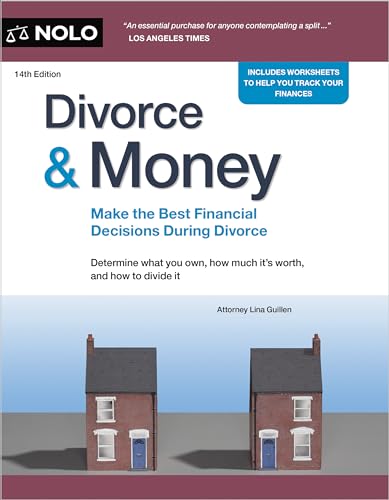
Divorce & Money
Violet Woodhouse, CFP & Lina Guillen, Esq.
Comprehensive Nolo guide covering property division, credit, tax, alimony, and child support.
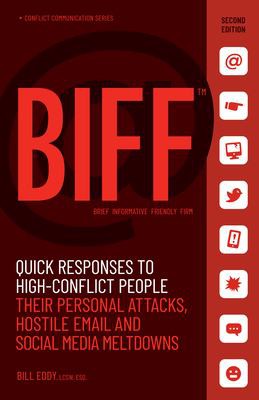
BIFF: Quick Responses to High-Conflict People
Bill Eddy, LCSW Esq.
Brief, Informative, Friendly, and Firm responses for dealing with high-conflict people.
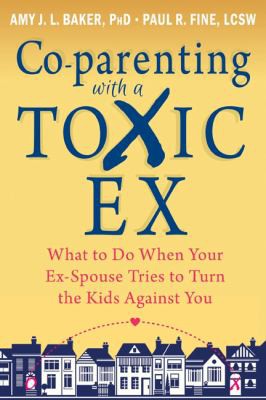
Co-Parenting with a Toxic Ex
Amy J. L. Baker, PhD & Paul R. Fine, LCSW
Evidence-based strategies when your ex tries to turn kids against you. Parental alienation prevention.

High Conflict People in Legal Disputes
Bill Eddy
Practical guide for disputing with a high-conflict personality through compelling case examples.
As an Amazon Associate, Clarity House Press earns from qualifying purchases. Your price is never affected.
Found this helpful?
Share it with someone who might need it.
Tags
About the Author

Clarity House Press
Editorial Team
The editorial team at Clarity House Press curates and publishes evidence-based content on narcissistic abuse recovery, high-conflict divorce, and healing. Our content is informed by research, survivor experiences, and established trauma-informed approaches.
View all posts by Clarity House Press →Published by Clarity House Press Editorial Team