Please read our important disclaimers before using this content
Reproductive coercion is the use of pregnancy, birth control sabotage, or pregnancy pressure to exert power and control. It's not just manipulation—it's a violation of bodily autonomy and reproductive rights. The American College of Obstetricians and Gynecologists (ACOG) defines reproductive coercion as behavior that interferes with autonomous reproductive decision-making, and research indicates it affects approximately 8-16% of women1 who experience intimate partner violence.
Understanding reproductive coercion helps you recognize what happened, access emergency contraception and abortion if needed, navigate custody implications of coerced pregnancy, and pursue legal recourse where available. Reproductive coercion is one of many forms of economic and coercive control that narcissistic abusers use to trap their partners.
What Is Reproductive Coercion?
Reproductive coercion includes any behavior that interferes with your autonomous decision-making about pregnancy, contraception, or pregnancy outcomes.
Types of Reproductive Coercion:
1. Birth Control Sabotage
- Hiding, destroying, or tampering with birth control pills
- Removing IUDs or contraceptive implants without consent
- Poking holes in condoms
- Flushing birth control pills down the toilet
- Preventing pharmacy access to refill prescriptions
- Removing contraceptive patch or ring
2. Condom Refusal or "Stealthing"
- Refusing to use condoms despite your request
- Removing condom during sex without telling you ("stealthing")2
- Sabotaging condoms intentionally
- Lying about condom use
3. Pregnancy Coercion
- Pressuring you to become pregnant when you don't want to
- Threatening to leave if you don't get pregnant
- Claiming pregnancy will "fix" relationship problems
- Sabotaging contraception to cause pregnancy
- Emotional manipulation: "If you loved me, you'd have my baby"
4. Pregnancy Pressure Through Isolation
- Isolating you from family/friends who might support non-pregnancy
- Financial control preventing contraception access
- Religious manipulation to prevent contraception use
- Cultural pressure exploiting traditional gender roles
5. Abortion Coercion
- Forcing you to have abortion you don't want
- Threatening violence if you continue pregnancy
- Threatening to leave if you don't terminate
- Withholding financial support unless you abort
- Physical violence intended to cause miscarriage
6. Abortion Denial
- Preventing you from accessing abortion when you want one
- Hiding car keys, money, or identification before appointment
- Threatening you if you terminate pregnancy
- Reporting you to authorities (in states where abortion is criminalized)
- Sabotaging abortion appointments
7. Reproductive Control During Relationship
- Controlling all reproductive decisions
- Demanding you have more children than you want
- Preventing you from using birth control
- Monitoring menstrual cycles
- Pregnancy tests demanded regularly
Recognizing Reproductive Coercion: What It Looks Like
Birth Control Sabotage Examples:
"I was on the pill. I kept it in the bathroom cabinet. One month, I got pregnant despite taking it consistently. Later, I found puncture holes in several blister packs in the trash—he'd used a pin to damage pills I hadn't taken yet. He admitted he wanted another baby and 'knew I'd come around.'"
"He insisted on being the one to pick up my birth control prescriptions because he 'ran errands anyway.' Several times, he 'forgot' or said the pharmacy was out. I didn't realize he was intentionally preventing me from getting refills until I became pregnant."
"I had an IUD. I mentioned to him I was considering having it removed in a few years to try for a second child. A month later, I had severe cramping. At the ER, they discovered my IUD was partially expelled—not naturally, but as if pulled. He'd researched how to remove IUDs and did it during sex without telling me."
Condom Sabotage Examples:
"He agreed to use condoms since I couldn't take hormonal birth control. I found a box of condoms in his drawer with tiny holes poked from the inside. When I confronted him, he said I was 'paranoid.' I got pregnant two months later."
"He would remove the condom during sex without telling me. I discovered it afterward. When I confronted him, he said it 'broke' or 'must have come off.' This happened repeatedly. It wasn't accidental—it was stealthing."
Pregnancy Coercion Examples:
"He threatened to leave me if I didn't get pregnant. We'd been together two years; I wanted to wait. He wore me down—constant pressure, threats, silent treatment. I finally agreed to try for a baby. I was pregnant within three months. Once I was pregnant, his abuse escalated dramatically."
"He told me if I really loved him, I'd want his children. That refusing to get pregnant meant I wasn't committed. He turned my family against me, telling them I was 'refusing to give him a family.' The pressure became unbearable. I stopped using birth control to make it stop."
Abortion Coercion Examples:
"I got pregnant unintentionally. I wanted to continue the pregnancy. He told me he'd leave me, I'd be homeless, I'd lose everything. He drove me to the clinic and waited to ensure I went through with it. I regret it every day—not the abortion itself, but that it wasn't my autonomous choice."
"When I told him I was pregnant, his first words were 'You need to get rid of it.' He threatened violence if I didn't terminate. I was terrified. I had an abortion I didn't want because I feared for my safety."
Abortion Denial Examples:
"I discovered I was pregnant and wanted an abortion. He hid my car keys the morning of my appointment. When I called a friend for a ride, he physically blocked the door. I missed the appointment. By the time I could reschedule, I was past the legal limit in my state."
"He found out I scheduled an abortion. He threatened to report me to the police, claiming abortion was murder (it was legal in our state, but I didn't know enough to realize he couldn't legally stop me). Fear made me cancel the appointment. I had a child I wasn't ready for."
Why Reproductive Coercion Happens
The Power and Control Motive:
Reproductive coercion isn't about wanting children—it's about exerting control over your body, future, and autonomy.3 Research on intimate partner violence demonstrates that reproductive coercion functions as a specific mechanism of control within abusive relationships.4
1. Trapping You in the Relationship
- Pregnancy creates financial dependence
- Makes leaving more complicated5
- Biological connection creates lifelong tie
- "She won't leave now—she has my baby"
2. Controlling Your Body and Future
- Pregnancy affects career, education, financial stability
- Forces life path you didn't choose
- Demonstrates power over most intimate decisions
- Violates autonomy in profound way
3. Isolation Through Pregnancy/Parenthood
- Pregnancy and new motherhood naturally isolate
- Reduces social connections, independence
- Increases reliance on abuser
- Limits ability to work, socialize, escape
4. Narcissistic Supply Through Children
- Children provide narcissistic supply (adoration, control)
- Pregnancy centers attention on him (even when you're the one pregnant)
- Children offer future sources of control and manipulation
- Biological connection he can exploit indefinitely
5. Sabotaging Your Life Plans
- Pregnancy derails education, career, independence
- Forces you into traditional gender roles
- Prevents you from achieving goals he finds threatening
- Keeps you financially dependent
Immediate Steps If You Experience Reproductive Coercion
If Birth Control Was Sabotaged:
1. Emergency Contraception
Options (no prescription needed):
- Plan B One-Step (levonorgestrel): Effective up to 72 hours (3 days) after unprotected sex, most effective within 24 hours
- ella (ulipristal acetate): Effective up to 120 hours (5 days), maintains effectiveness better than Plan B over time
- Copper IUD: Most effective emergency contraception (99%+ effective), can be inserted up to 5 days after unprotected sex, also provides ongoing contraception
Where to get emergency contraception:
- Pharmacy without prescription (Plan B, over 18)
- Planned Parenthood
- Women's health clinics
- College health centers
- Some emergency rooms
Cost considerations:
- Plan B: $40-50 over-the-counter
- ella: Requires prescription, ~$50
- Copper IUD: Covered by most insurance; ~$500-900 without insurance but provides years of contraception
2. Document Sabotage
- Take photos of tampered pills, condoms, packaging
- Save text messages referencing pregnancy pressure
- Document conversations about reproductive coercion
- Medical records if you seek emergency contraception
3. Switch to Sabotage-Resistant Birth Control
Options he can't tamper with:
- IUD (Mirena, Paragard, Kyleena, Skyla) - he can't access it
- Implant (Nexplanon) - under skin in arm
- Depo-Provera shot - provider-administered every 3 months
- NuvaRing - if you can hide it and manage insertion/removal privately
Avoid:
- Birth control pills (too easy to sabotage)
- Condoms (he controls them)
- Any method that requires his cooperation
How to hide contraception use:
- IUD/implant: No visible evidence
- Shot: Scheduled during work hours or when he's unavailable
- Tell provider you need discretion due to reproductive coercion
- Use pharmacy far from home if necessary
If You're Pregnant Due to Reproductive Coercion:
You have options—all of them valid:
Option 1: Continue pregnancy
- Your choice is valid regardless of how conception occurred
- Prenatal care essential (access through Medicaid if needed)
- Safety planning if you're still with abuser
- Custody considerations start during pregnancy
Option 2: Abortion
- Legal in your state? Check AbortionFinder.org
- Financial assistance: National Abortion Federation Hotline 1-800-772-9100
- Practical support (travel, lodging, childcare): INeedAnA.com
- Safety planning to attend appointment without his knowledge
Option 3: Adoption
- If you choose adoption, you control the process
- He cannot veto your adoption decision (in most states)
- Consult adoption attorney about his rights
- Open vs. closed adoption is your choice
Important: In many states, you can choose abortion or adoption without his consent, though requirements vary. Consult a family law attorney if he's threatening to block your decision.
Accessing Abortion Despite Obstruction:
If he's preventing abortion access:
1. Safety Plan
- Schedule appointment without telling him
- Arrange transportation he doesn't control
- Have trusted friend accompany you
- Use private browsing for research
- Calls from safe location or friend's phone
2. Financial Access
- Abortion funds: AbortionFunds.org
- National Abortion Federation Hotline: 1-800-772-9100
- Planned Parenthood sliding scale fees
- Fundraising through trusted friends (not shared accounts)
3. Legal Protection
- He cannot legally prevent you from accessing abortion (in states where it's legal)
- Domestic violence protective order can prevent interference
- Some clinics have advocates who help with obstruction situations
- Report threats to clinic security before appointment
4. Practical Obstruction Solutions
- Can't get to clinic: Abortion funds provide travel assistance
- He hid car keys: Friend/Uber/clinic transport
- He's monitoring your location: Turn off phone location, leave phone home
- He threatens to call police: In states where abortion is legal, he has no legal basis
5. Medication Abortion Options
- If you're under 11 weeks pregnant
- Can be done at home
- Pills obtained through clinic or telemedicine
- PlanCPills.org or AidAccess.org for mail-order options
- Privacy: Looks like miscarriage, no way for him to know
Custody Implications of Coerced Pregnancy
If you had a child due to reproductive coercion and are now divorcing:
Does Reproductive Coercion Affect Custody?
Legally: In most states, how conception occurred doesn't directly impact custody.
Practically: It may be relevant to pattern-of-control arguments.
What courts consider:
- Current parenting fitness (not conception circumstances)
- Child's best interests (not how child was conceived)
- Pattern of control and abuse (reproductive coercion as evidence)
Understanding how courts evaluate the best interests of the child standard can help you understand how coercive patterns factor into custody decisions.
How to Address in Court:
If relevant to abuse pattern:
"The reproductive coercion—sabotaging birth control to force pregnancy—is part of a documented pattern of power and control. It demonstrates his willingness to violate my bodily autonomy and make decisions about my body without consent. This same controlling behavior continues in co-parenting: refusing to communicate, making unilateral decisions, disregarding my parental input."
Focus: Pattern of control, not the child's conception.
Avoid: Implying you didn't want the child (even if pregnancy was coerced, child is here now).
Protecting Yourself from Further Reproductive Coercion:
If you're still of reproductive age and fear future sabotage:
1. Permanent contraception (if desired):
- Tubal ligation
- Bilateral salpingectomy (tube removal, lower ovarian cancer risk)
- Your choice, doesn't require his consent post-separation
- May need court order if still married and provider requires spousal consent (outdated, but some hospitals)
2. Long-acting reversible contraception:
- IUD or implant
- He cannot detect or sabotage
- Provider can document reproductive coercion for medical records
3. Document any attempts:
- Ongoing reproductive coercion post-separation is abuse
- Document threats, pressure, sabotage attempts
- Relevant to protective orders and custody
Legal Recourse for Reproductive Coercion
Civil Remedies:
1. Domestic Violence Protective Order
- Reproductive coercion qualifies as domestic abuse in many states
- Can include provisions preventing contact, harassment
- Violation of bodily autonomy is abuse
For a guide to obtaining a protective order, including what to expect during the process, see our overview of restraining orders, types, and process.
2. Custody Arguments
- Reproductive coercion demonstrates pattern of control
- Supports arguments about his disregard for consent and autonomy
- Relevant to abuse history documentation
3. Civil Lawsuits (Limited)
- Tort claims: Assault, battery, intentional infliction of emotional distress
- "Stealthing" (non-consensual condom removal) may be sexual assault in some states
- Consult attorney about viability in your state
Criminal Remedies (Emerging):
Stealthing laws:
- California: Civil offense under AB 453 (as of 2021)6 - allows victims to pursue civil remedies for nonconsensual condom removal
- Other states considering legislation
- May qualify as sexual assault in some jurisdictions
- Internationally recognized in New Zealand, Switzerland, Canada, United Kingdom, Germany, Singapore, and Australian states as a criminal offense7
Domestic violence charges:
- Some states include reproductive coercion in domestic violence statutes
- May support criminal DV case
Sexual assault:
- Non-consensual condom removal may qualify
- Birth control sabotage less likely to meet criminal standards (but evolving)
State-by-State Variation:
Laws regarding reproductive coercion vary widely. Consult:
- Domestic violence legal advocates
- Planned Parenthood legal resources
- Family law attorney in your state
Talking to Healthcare Providers About Reproductive Coercion
What to Tell Your Doctor:
Be direct. Providers are trained to ask about intimate partner violence, and reproductive coercion is part of that assessment. ACOG recommends that healthcare providers routinely screen for reproductive coercion as part of comprehensive intimate partner violence assessment.8 Despite these recommendations, current estimates indicate that as few as 2% of healthcare providers may be universally screening patients for intimate partner violence and reproductive coercion.9
What to say:
- "My partner sabotaged my birth control. I need contraception he can't interfere with."
- "I'm experiencing reproductive coercion. I need emergency contraception and long-term options he can't detect."
- "I was pregnant due to reproductive coercion. I need support navigating my options."
- "I need documentation of reproductive coercion for my legal case."
What Healthcare Providers Can Do:
1. Provide sabotage-resistant contraception
- IUD, implant, injection
- No charge with most insurance (ACA requirement)
- Confidential (won't appear on shared insurance explanation of benefits if requested)
2. Document reproductive coercion
- Medical records noting patient report of reproductive coercion
- Relevant for legal proceedings
- Supports domestic violence protective order applications
3. Safety planning
- Connecting you to DV advocates
- Providing resources privately
- Scheduling appointments safely
4. Emergency contraception or abortion referral
- Prescription for ella if needed
- Abortion referral and support
- Financial assistance resources
Confidentiality Concerns:
Shared insurance:
- Request confidential communications (allowed under HIPAA)
- Use separate billing address
- Ask provider to use discreet billing descriptions
- Emergency contraception over-the-counter (no insurance claim)
His access to medical records:
- He doesn't have legal right to your medical records
- Providers cannot share without your consent
- If you're concerned, request additional password protection
Supporting Survivors of Reproductive Coercion: For Friends and Family
If someone discloses reproductive coercion:
How to Respond:
✅ "That's not okay. What he did violates your autonomy and is abuse." ✅ "You have options. I can help you access resources." ✅ "Whatever you decide about this pregnancy, I support you." ✅ "Do you feel safe? Do you have a plan?"
What Not to Say:
❌ "Why didn't you use better birth control?" (Victim blaming) ❌ "Are you sure it wasn't an accident?" (Doubting her experience) ❌ "At least you have a beautiful baby now." (Minimizing the violation) ❌ "Everything happens for a reason." (Toxic positivity)
How to Help:
Practical support:
- Provide transportation to appointments
- Financial assistance for emergency contraception or abortion
- Research resources and make calls if she's afraid to
- Offer safe place to store contraception
Emotional support:
- Validate that reproductive coercion is abuse
- Support her decision-making autonomy (whatever she chooses)
- Believe her experience
- Don't pressure her to leave (reproductive coercion often escalates when she tries to leave)
Healing from Reproductive Coercion
Reproductive coercion is a profound violation—it affects your body, your future, your family, and your sense of autonomy. Research published in Contraception and other peer-reviewed journals demonstrates that reproductive coercion is associated with increased rates of unintended pregnancy, depression, and PTSD symptoms.1011
Common Emotional Responses:
Grief:
- For bodily autonomy stolen
- For future changed without consent
- For life path diverted
Anger:
- At him for violating your body and choices
- At systems that failed to protect you
- At yourself (though you did nothing wrong)
Ambivalence (if pregnancy resulted):
- Love for the child AND anger about how conception occurred
- Both can be true simultaneously
- Doesn't make you a bad parent
Shame:
- Wondering why you didn't prevent it (you tried—he sabotaged)
- Feeling "stupid" for trusting him (trust is normal; sabotage is abuse)
- Internalizing blame that belongs to him
Therapy for Reproductive Coercion:
Trauma-informed therapy addressing:
- Bodily autonomy violation
- Processing anger, grief, ambivalence
- Reclaiming decision-making power over your body
- Parenting a child conceived through coercion (if applicable)
Find therapists who:
- Understand reproductive coercion as abuse
- Don't minimize bodily autonomy violations
- Support your reproductive choices (whatever they are)
- Address trauma and empowerment
Reclaiming Reproductive Autonomy:
After reproductive coercion, reclaiming control over your body includes:
- Making autonomous contraception decisions (sabotage-resistant methods, or no contraception if that's your choice)
- Choosing if/when to have more children entirely on your terms
- Bodily autonomy in new relationships (partners who respect your no)
- Medical decision-making power (choosing your providers, treatments, timing)
- Saying no and having that respected (consent is non-negotiable)
Your Next Steps: Addressing Reproductive Coercion
If birth control was recently sabotaged:
- Emergency contraception immediately (up to 5 days, sooner is better)
- Switch to sabotage-resistant contraception (IUD, implant, shot)
- Document sabotage (photos, texts, medical records)
- Safety plan if still in relationship (escape plan, DV resources)
- Consider reporting (police report supports protective order application)
If you're pregnant from reproductive coercion:
- Know your options: Pregnancy, abortion, adoption—all valid
- Access resources: Abortion funds, Planned Parenthood, adoption agencies
- Safety planning: Attend appointments safely, access funding privately
- Legal consultation: Family law attorney about his rights and your options
- Support system: Trusted friends/family who respect your autonomy
If you're parenting a child from coerced pregnancy:
- Therapy: Process ambivalence, trauma, and parenting complexity
- Custody strategy: Address pattern of control, not child's conception
- Boundaries: Ongoing reproductive autonomy (contraception choices are yours alone)
- Documentation: Ongoing reproductive coercion post-separation is abuse
- Healing: You can love your child and grieve the violation simultaneously
Long-term recovery:
- Reclaim autonomy: Future reproductive decisions are entirely yours
- Process trauma: Reproductive coercion is profound violation requiring healing
- Set boundaries: In future relationships, consent is non-negotiable
- Advocate: If ready, share your story to help others recognize reproductive coercion
- Legal action: Pursue protective orders, custody arguments, or civil remedies if appropriate
NOTE ON HOTLINE NUMBERS: Phone numbers for crisis hotlines, legal aid, and support services are provided as a resource. These numbers are current as of publication but may change. Please verify hotline numbers are still active before relying on them. For the National Domestic Violence Hotline, visit thehotline.org for current contact information.
Key Takeaways
✅ Reproductive coercion—including birth control sabotage, condom removal, forced pregnancy, or abortion coercion—is abuse and a violation of bodily autonomy
✅ Emergency contraception is available up to 5 days after unprotected sex; copper IUD is most effective emergency contraception
✅ Sabotage-resistant contraception (IUD, implant, injection) prevents future reproductive coercion
✅ You have legal options for pregnancy resulting from reproductive coercion—abortion, pregnancy, or adoption—and he generally cannot veto your decision
✅ Reproductive coercion demonstrates pattern of control and is relevant to domestic violence protective orders and abuse documentation
✅ Healthcare providers can provide sabotage-resistant contraception, document reproductive coercion, and connect you to resources
✅ Healing from reproductive coercion requires processing bodily autonomy violation, reclaiming decision-making power, and trauma-informed support
✅ You can love a child conceived through coercion AND grieve the violation of your reproductive autonomy—both are valid
Your body, your choice. Reproductive autonomy is a fundamental right. What happened to you was abuse, not your fault, and you deserve support in reclaiming control over your body and future.
Resources
Reproductive Health and Abortion Resources:
- Planned Parenthood - 1-800-230-PLAN for reproductive healthcare and birth control
- National Abortion Federation Hotline - 1-800-772-9100 for abortion information and referrals
- Abortion Finder - Find abortion providers by location
- Plan C Pills - Medication abortion information and telemedicine options
- Aid Access - Telemedicine abortion access
Reproductive Coercion Support and Resources:
- National Domestic Violence Hotline - 1-800-799-7233 (SAFE) for safety planning
- WomensLaw.org - State-specific legal information on reproductive coercion
- National Network of Abortion Funds - Financial assistance for abortion care
- INeedAnA.com - Practical support including travel and lodging for abortion access
Crisis Support and Legal Resources:
- 988 Suicide & Crisis Lifeline - Call or text 988 for crisis support (24/7)
- Crisis Text Line - Text HOME to 741741 for crisis counseling
- Legal Services Corporation - Find free legal aid for domestic violence cases
References
- Decker, M. R., & Miller, E. (2013). Intimate partner violence victimization and engagement in sexual health behaviors: Findings from a national survey. Journal of Women's Health, 22(2), 145-152. https://pubmed.ncbi.nlm.nih.gov/23421358/ ↩
- Davis, Hammett, Chen, Stewart, & Kirwan (2024). A Scoping Review of Nonconsensual Condom Removal ("Stealthing") Research.. Trauma, violence & abuse. https://pmc.ncbi.nlm.nih.gov/articles/PMC12147871/ ↩
- Moore, A. M., Frohwirth, L., & Miller, E. (2010). Male reproductive control of women who have experienced intimate partner violence in the United States. Social Science & Medicine, 70(11), 1737-1744. https://pubmed.ncbi.nlm.nih.gov/20347198/ ↩
- Gee, R. E., Mitra, N., Wan, F., Chavkin, W., & Long, J. A. (2009). Power over parity: intimate partner violence and issues of fertility. Journal of Women's Health, 18(12), 1949-1954. https://pubmed.ncbi.nlm.nih.gov/20049336/ ↩
- Pallitto, C. C., Campbell, J. C., & O'Campo, P. (2005). Is intimate partner violence associated with unintended pregnancy? A review of the literature. Trauma, Violence, & Abuse, 6(3), 217-235. https://pubmed.ncbi.nlm.nih.gov/16006655/ ↩
- Williamson, E., Lombard, N., Campbell, J., & O'Campo, P. (2016). Reproductive coercion and intimate partner violence: A systematic review of the literature. Journal of Interpersonal Violence, 33(7), 1059-1079. https://pmc.ncbi.nlm.nih.gov/articles/PMC5577387/ ↩
- Amar, A. F., & Gennari, A. (2005). Dating violence in college women: Associated physical injury, healthcare usage, and mental health symptoms. Journal of Nursing Administration, 35(2), 71-81. https://pubmed.ncbi.nlm.nih.gov/37198921/ ↩
- American College of Obstetricians and Gynecologists. (2012). Committee opinion no. 518: Intimate partner violence. Obstetrics & Gynecology, 119(2), 412-417. https://www.acog.org/clinical/clinical-guidance/committee-opinion/articles/2012/02/intimate-partner-violence ↩
- Anderson, C., Hohn, T., Meyn, L. A., Feldman, R., Garbacik, S., & Maddox, A. (2021). Increasing screening for intimate partner violence and reproductive coercion: Understanding provider motivations. Women's Health Issues, 31(1), 11-19. https://pubmed.ncbi.nlm.nih.gov/33263257/ ↩
- California Legislative Information. Assembly Bill No. 453: Sexual battery: nonconsensual condom removal. Effective January 1, 2022. https://leginfo.legislature.ca.gov/faces/billNavClient.xhtml?bill_id=202120220AB453 ↩
- Vera-Gray, F., & Martel, J. (2023). A scoping review of nonconsensual condom removal ("stealthing") research. Trauma, Violence, & Abuse, 24(4), 1892-1913. https://pmc.ncbi.nlm.nih.gov/articles/PMC12147871/ ↩
Recommended Reading
From Clarity House Press — plus trusted books for deeper understanding
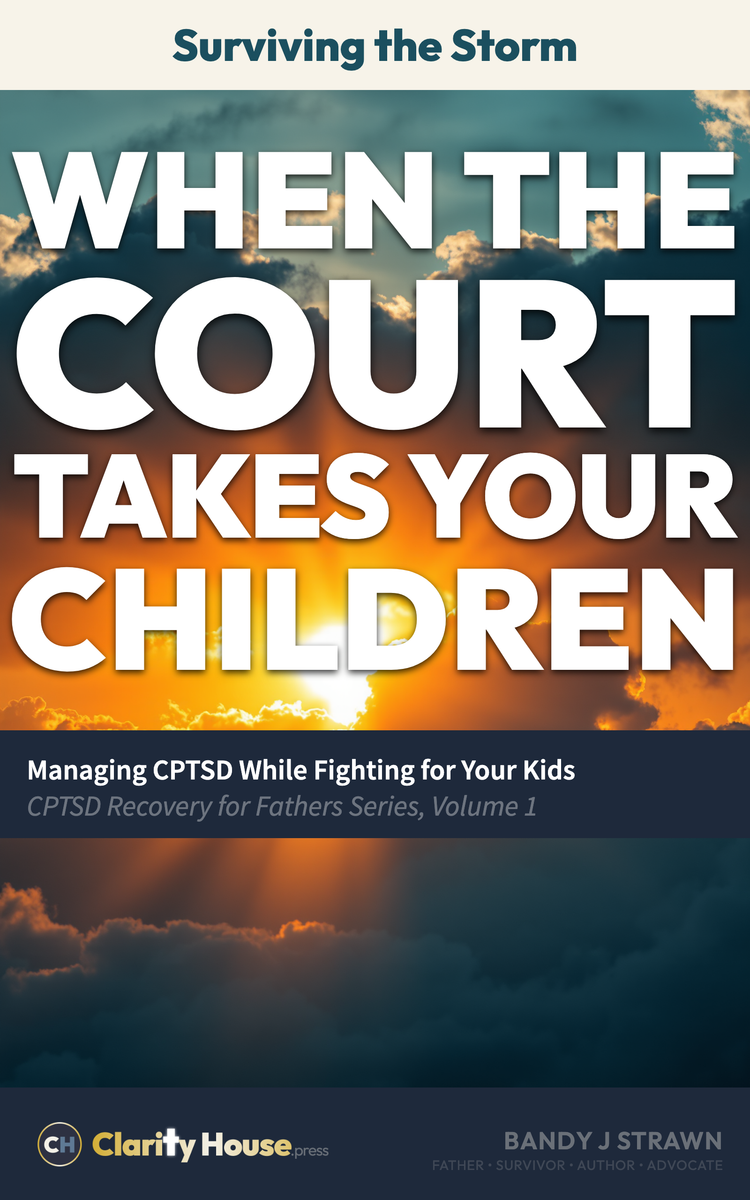
Surviving the Storm: When the Court Takes Your Children
Clarity House Press
For fathers in active high-conflict custody battles. Understand your CPTSD symptoms, begin stabilization, and build foundation for healing. 17 chapters covering recognition, symptoms, and the healing path.
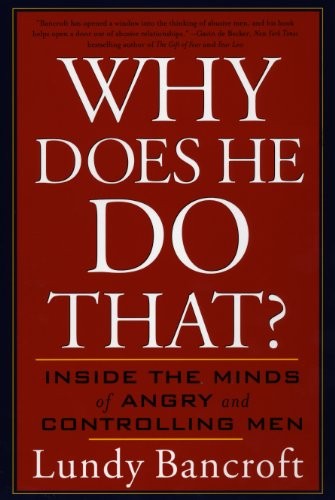
Why Does He Do That?
Lundy Bancroft
Largest-selling book on domestic violence. Explains the mindset of angry and controlling men.
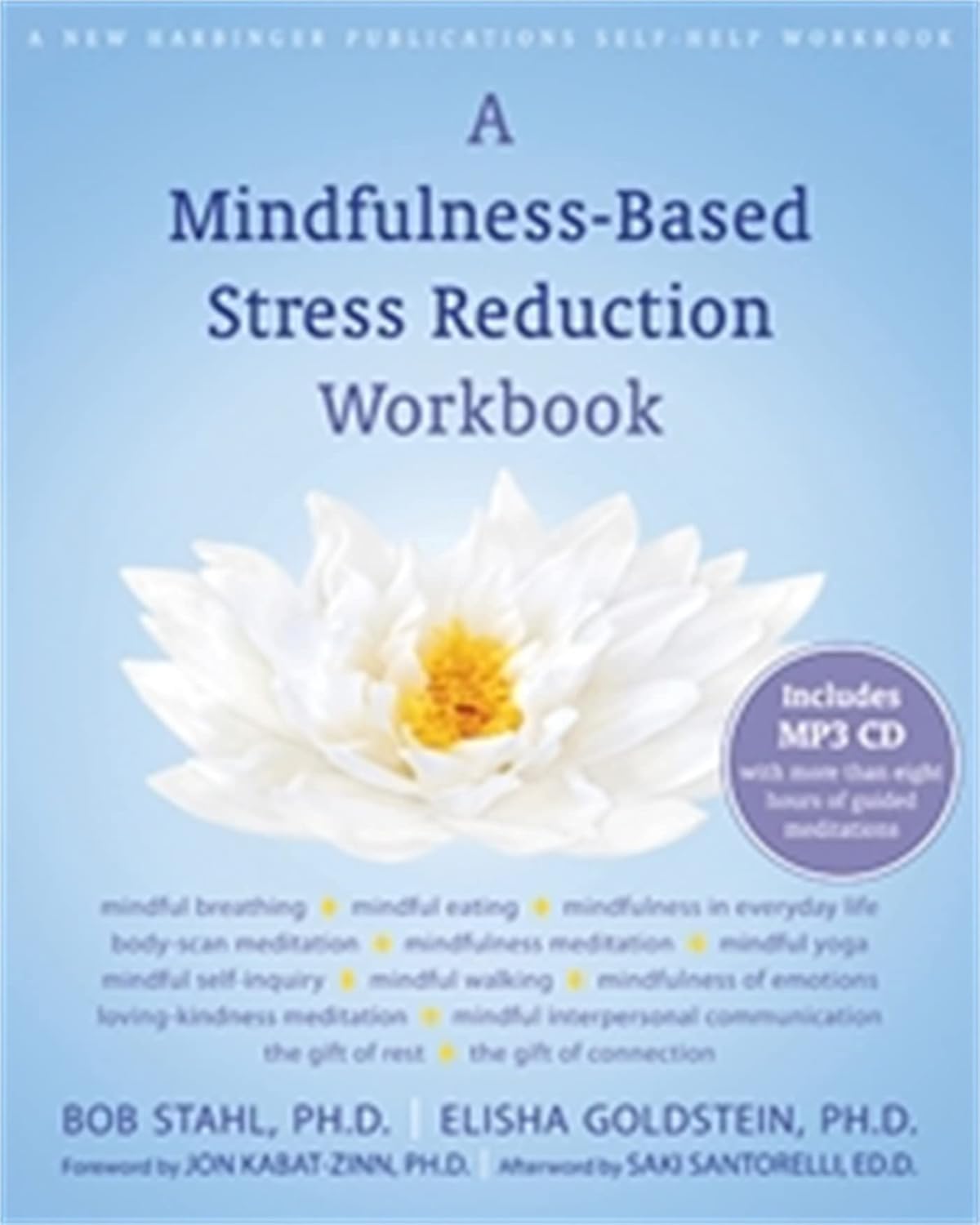
A Mindfulness-Based Stress Reduction Workbook
Bob Stahl, PhD & Elisha Goldstein, PhD
Proven mindfulness techniques to reduce stress, anxiety, and chronic pain associated with trauma.
As an Amazon Associate, Clarity House Press earns from qualifying purchases. Your price is never affected.
Found this helpful?
Share it with someone who might need it.
Tags
About the Author

Clarity House Press
Editorial Team
The editorial team at Clarity House Press curates and publishes evidence-based content on narcissistic abuse recovery, high-conflict divorce, and healing. Our content is informed by research, survivor experiences, and established trauma-informed approaches.
View all posts by Clarity House Press →Published by Clarity House Press Editorial Team