Please read our important disclaimers before using this content
If you're reading this, you're likely facing a challenge that few people truly understand: rebuilding connection after narcissistic abuse systematically isolated you. This article provides practical guidance on identifying safe people, building new relationships, and creating the support network essential for healing.
This isn't abstract theory—it's evidence-based guidance drawn from clinical expertise in complex trauma, attachment repair research, and the lived experiences of survivors who've successfully rebuilt their support systems.
A note before you begin: This article discusses narcissistic abuse, isolation, and relationship rebuilding. If you find yourself becoming activated while reading, that's information—not failure. Feel free to take breaks, use grounding techniques, or return to this content when your nervous system feels more resourced.
Why Building Support Feels Impossibly Hard
If you're struggling to connect with safe people, it's not a character flaw—it's a predictable consequence of what you've experienced. Understanding these dynamics helps you work with your nervous system rather than against it.
Isolation Was Deliberate
Narcissistic abusers systematically dismantle support networks. They criticize your friends ("She's not good for you"), create conflict with family ("Your mother is manipulative"), monopolize your time ("If you loved me, you'd want to be with me"), and make social events miserable enough that you stop trying1. Research confirms that perceived social support is strongly associated with recovery outcomes after traumatic experiences2.
This isolation wasn't accidental—it was strategic. Without witnesses, the abuse is easier to deny. Without support, you're easier to control. You may have lost contact with people who genuinely cared about you, or you may have burned bridges defending your abuser to people who saw red flags. Understanding the full range of narcissistic manipulation tactics makes it easier to see that this isolation was done to you, not a failure on your part.
Your Trust Calibration Needs Recalibration
After abuse, your internal "threat detector" is likely miscalibrated in one of two ways:
Hypervigilance: Seeing potential danger in everyone, unable to relax into connection. Every friendly gesture feels suspicious. You analyze people's motives constantly. You can't let your guard down enough to build intimacy3. A 2020 systematic review found that social isolation and PTSD interact on a neurobiological level, creating synergistic effects that intensify both conditions4.
Hypovigilance: So accustomed to red flags that you miss them entirely, or dismiss your own warning signals as "overreacting." You give people chances they haven't earned because the bar for "acceptable" treatment was lowered during abuse5.
Neither response is wrong. Both make sense given what you've experienced. But both require conscious recalibration—learning to distinguish genuine safety cues from trauma-based reactions.
Shame Creates Silence
Many survivors carry profound shame about the relationship. "I should have known." "I stayed too long." "I believed the lies." This shame creates a barrier to authentic connection because you fear judgment if people knew the "real" story6.
Here's the truth: People who have never experienced this type of manipulation genuinely cannot understand how it happens. But other survivors understand immediately. This is why survivor-specific support (groups, forums, individual connections with people who "get it") is so valuable—the need to explain is eliminated.
Your Nervous System Affects Social Capacity
Research on Social Baseline Theory shows that humans literally regulate their nervous systems through safe social connection7. This is why isolation after abuse feels so unbearable—you're not just lonely, you're physiologically dysregulated.
Building support networks isn't optional self-care; it's essential for nervous system healing8. A 2024 study of trauma survivors found bidirectional associations between social support and PTSD recovery, demonstrating that support networks both facilitate healing and are strengthened by recovery progress9. But here's the paradox: Your nervous system needs to perceive safety before social engagement is possible10. If your system is in fight/flight/freeze, social situations feel threatening rather than connecting.
This is why forcing yourself to "get out there" can backfire. You need to start where your nervous system can handle and build gradually as your window of tolerance expands.
Identifying Safe People: A Gradual Assessment Framework
After narcissistic abuse, your trust calibration may be disrupted. You may struggle to identify who is genuinely safe versus who triggers familiar patterns. This framework helps rebuild accurate assessment skills.
Green Flags in Potential Support People
- Consistency between words and actions - They do what they say they will, reliably
- Respect for your boundaries - They accept "no" without guilt-tripping, pushing, or sulking
- Non-judgmental listening - They hear your experience without minimizing, dismissing, or immediately advising
- Genuine curiosity about your perspective - They ask questions rather than assuming they know better
- Reciprocity over time - The relationship involves mutual give-and-take, not one-sided support
- Comfortable with your emotions - They don't shut down, change the subject, or make it about them when you express pain
- They have their own support system - They're not looking to you to meet all their emotional needs
- Accountability - They can acknowledge mistakes and apologize genuinely, without defensiveness
- Respect your recovery pace - They don't push you to "get over it" or suggest you're dwelling
- Understand trauma basics - Even if they haven't experienced it, they're willing to learn about trauma responses
Red Flags in Potential Support People
- Rushing intimacy - Pushing for deep connection, disclosure, or commitment before trust is established
- Dismissing your abuse experience - "Are you sure it was that bad?" or "Maybe you misunderstood their intentions"
- Advising you to forgive or reconcile prematurely - Without understanding the full picture or your safety
- Competitive suffering - Redirecting to their own problems whenever you share ("You think that's bad? Let me tell you...")
- Gossip about others - If they share others' confidences with you, they'll share yours with others
- Any relationship with your abuser - Flying monkey potential, even if unintentional
- Boundary violations - Even small ones (showing up unannounced, pressuring you) predict larger ones
- Love bombing - Excessive attention, gifts, or praise that feels overwhelming or unearned
- Difficulty with "no" - They keep asking after you've declined, or make you feel guilty for refusing
- They make you feel worse - Trust your gut: if you feel drained, anxious, or "off" after interactions
The Trust Test: Gradual Disclosure
Don't reveal everything at once. Test trustworthiness through graduated disclosure[^6]:
Level 1 (Low stakes): Share something mildly vulnerable—a preference, a minor frustration, a small truth about yourself. Observe how they respond. Do they respect it? Do they tell others? Do they use it against you later? Do they match with appropriate vulnerability of their own?
Level 2 (Medium stakes): If Level 1 passes consistently over multiple interactions, share something slightly more personal—perhaps that you're going through a difficult time, without full details. Again, observe their response. Are they supportive without prying? Do they respect your privacy?
Level 3 (Higher stakes): Only after consistent evidence of trustworthiness over weeks or months do you share deeper experiences—that you're recovering from an abusive relationship, or specific details about what happened.
This isn't paranoia—it's wisdom. Safe people will understand your need to build trust gradually. Anyone who pressures you to "open up" before you're ready is showing you they prioritize their comfort over your safety.
Understanding Your Support Ecosystem
A healthy support network isn't one perfect person who meets all your needs—it's an ecosystem of people serving different functions. This prevents burnout, disappointment, and recreating enmeshed patterns.
The Support Circle Model
Inner Circle (1-3 people): These individuals know your full story. They've earned deep trust through consistent reliability over extended time. They can hold space for your worst moments without making it about them. These might include your therapist, a best friend who's walked the journey with you, or a sibling who witnessed the abuse.
Middle Circle (3-8 people): These know you're recovering from a difficult relationship but don't need all the details. They provide companionship, practical support, and normalcy. You can be honest about having a hard day without explaining the entire backstory. These might include coworkers, workout buddies, neighbors, or friends from hobbies.
Outer Circle (broader community): These provide structure, activity partners, professional support, or casual connection. They may not know about your recovery at all. These might include yoga classmates, volunteer coordinators, professional networking contacts, or people you chat with at the dog park.
No one person belongs in your Inner Circle immediately. Trust is built over time through demonstrated consistency, not assumed because someone is kind or you're lonely.
Functional Roles in Your Network
Different people serve different functions. Not everyone can or should fill all roles:
- The Witness: Someone who validates your reality, countering gaslighting effects ("Yes, that really happened. No, you're not overreacting.")
- The Cheerleader: Someone who celebrates your progress and reminds you how far you've come when you can't see it
- The Practical Helper: Someone who assists with logistics (rides to therapy, childcare during court dates, help moving)
- The Fun Person: Someone who helps you remember life has lightness, play, and joy beyond healing work
- The Model: Someone further along in recovery who shows you what's possible, offers hope
- The Expert: Therapist, attorney, financial advisor—professional specialized support
- The Accountability Partner: Someone who gently calls you out if you're slipping into old patterns
Expecting one person (or even a partner) to fill all these roles leads to burnout and disappointment. A healthy network distributes these functions across multiple people.
Practical Strategies for Building New Connections
When you're rebuilding from scratch, knowing WHERE and HOW to start matters. Here are evidence-based approaches for making connections when you're starting from isolation.
Low-Stakes Entry Points
Start with structured, predictable environments where expectations are clear:
Recurring classes or groups: Yoga, art class, book club, fitness classes, community education courses. Weekly commitment builds familiarity naturally without pressure. You see the same people repeatedly, which allows trust to develop gradually.
Volunteer opportunities: Purpose-driven connection with clear structure and defined roles. Examples: animal shelter, food bank, literacy programs, trail maintenance. Shared mission creates natural connection points.
Recovery-specific groups: Support groups (in-person or online) where your story needs no explanation. Examples: DivorceCare, Codependents Anonymous (CoDA), C-PTSD support groups, domestic violence survivor groups. Benefit: immediate validation and shared language. Research demonstrates that peer support interventions produce significant improvements in both clinical and personal recovery outcomes1112.
Online communities (with caution): Lower-intensity starting point for those with severe social anxiety or limited mobility. Start with moderated forums focused on recovery (avoid toxic communities that promote victim identity over healing). Examples: Psychopathy Awareness forums, r/NarcissisticAbuse subreddit, CPTSD Foundation community.
Hobby communities: Photography clubs, hiking groups, gardening societies, book clubs, maker spaces. Shared activity reduces social pressure while providing natural conversation topics.
Moving from Acquaintance to Friend
Friendship doesn't happen in one conversation. It's a gradual process of increasing exposure and deepening trust:
- Attend the same activity consistently (3-4 times minimum) - Familiarity breeds comfort
- Initiate brief friendly conversation - "I loved your comment about X" or "How did you get into photography?"
- If response is warm, suggest coffee or a walk - "I've really enjoyed talking with you. Would you want to grab coffee sometime?"
- Observe their behavior across different contexts - Are they consistent? How do they treat others?
- Gradually increase time and depth of sharing - Let the friendship develop naturally without forcing intimacy
- Allow natural reciprocity to develop - Notice if they initiate sometimes, remember things you've shared, offer support
Scripts for the Socially Rusty
If you feel awkward initiating connection, these scripts can help:
Starting conversation:
- "I'm Sarah—I've seen you here a few times and wanted to introduce myself."
- "I really appreciated what you said about [topic]. Can I ask you more about that?"
Suggesting connection outside the activity:
- "I've really enjoyed talking with you. Would you be open to connecting outside of class sometime?"
- "I'm trying to build more friendships—would you want to grab coffee next week?"
Being honest about rebuilding:
- "I'm rebuilding my social life after some major changes. It feels awkward to say that, but I'm learning to ask for what I need."
- "I'm working on making new friends, which is harder as an adult than I expected. Would you be interested in [specific activity]?"
Setting boundaries early:
- "I really value your friendship, and I want to be honest that I have limited capacity right now while I'm working through some things."
- "I'm not ready to talk about it yet, but I appreciate you asking. Can I take a rain check on that conversation?"
Managing Vulnerability Hangovers
After sharing something personal—especially early in a friendship—you might experience a "vulnerability hangover": shame, regret, fear that you said too much, anxiety about how the person perceived you.
This is normal after abuse taught you that vulnerability was weaponized. These strategies help:
- Recognize it as a trauma response, not accurate assessment of the situation
- Resist the urge to immediately follow up and explain, apologize, or take it back
- Use grounding techniques to bring your nervous system back to present safety
- Remember that appropriate vulnerability deepens connection in healthy relationships
- Observe their response over time rather than catastrophizing immediately
If they respond with respect and care, that's information. If they use what you shared against you, that's different information—and tells you they're not safe for deeper connection.
Finding Specialized Support
Not all support is equal. Certain types of specialized support are particularly valuable for narcissistic abuse recovery.
Finding a Trauma-Specialized Therapist
Consider working with a therapist who has specific training in complex trauma and understands C-PTSD. If resources and access permit, look for therapists trained in evidence-based trauma modalities:
- EMDR (Eye Movement Desensitization and Reprocessing): Reprocesses traumatic memories
- CPT (Cognitive Processing Therapy): Addresses trauma-related thoughts and beliefs
- PE (Prolonged Exposure): Gradually confronts trauma memories and situations
- Somatic Experiencing: Body-based trauma processing
- IFS (Internal Family Systems): Works with parts and wounded self-states
The therapeutic alliance itself is a critical factor in recovery: a 2022 meta-analysis found that alliance significantly predicts PTSD outcomes (r = -.34) across both in-person and remote therapies13.
Questions to ask potential therapists:
- "What's your experience working with narcissistic abuse survivors specifically?"
- "Are you trained in any trauma-specific modalities? Which ones?"
- "What's your understanding of trauma bonding and C-PTSD?"
- "How do you approach situations where a client is still in contact with their abuser through coparenting?"
Red flags in therapists:
- Suggesting couples therapy with your abuser
- Minimizing your abuse experience ("Everyone has relationship problems")
- Pushing forgiveness before you're ready
- Not understanding trauma bonding or why you "stayed"
- Making you feel shame for your coping mechanisms
Finding therapists:
- Psychology Today Therapist Finder - Filter for trauma, PTSD, domestic violence specialization
- SAMHSA National Treatment Locator - Find specialized trauma providers
- National Domestic Violence Hotline - 1-800-799-7233 for local referrals
- Local domestic violence agencies often have free referral lists
Evaluating Support Groups
Support groups can provide powerful validation and reduce isolation, but not all groups are equally helpful.
Green flags in support groups:
- Facilitated by a trained professional or experienced peer leader
- Clear boundaries and group agreements
- Focus on healing and moving forward (not just venting)
- Diverse membership (not just one person dominating)
- Trauma-informed practices (respect for triggers, pacing)
- Confidentiality expectations clearly stated
Red flags in support groups:
- Promoting victim identity over recovery
- Encouraging revenge, stalking, or unhealthy behaviors
- Unmoderated triggering content without warnings
- Competitive suffering ("My abuse was worse than yours")
- Pressure to share before you're ready
- People offering "diagnoses" of your abuser
Finding groups:
- DivorceCare.org - 13-week divorce recovery groups
- National Domestic Violence Hotline - 1-800-799-7233 for local DV support groups
- CPTSD Foundation - Complex trauma resources and communities
- Codependents Anonymous (CoDA) - Some survivors find peer support groups like CoDA helpful, though CHP recommends trauma-informed frameworks over codependency models
- Al-Anon - Helpful for some survivors, especially if substance abuse was present
- 988 Suicide & Crisis Lifeline - Crisis support and resources
Dealing with Unsupportive Responses
Not everyone will respond helpfully. Some people—even well-meaning ones—may say things that hurt or minimize your experience.
Common Unhelpful Responses
"Why didn't you just leave?"
- This reveals their lack of understanding about trauma bonding, financial abuse, and fear.
- Response: "It's much more complicated than that. I'd be happy to share some resources if you're genuinely curious, but I need support right now, not interrogation."
"I never liked them anyway"
- Unhelpful because: Where were you when I needed support? This feels like "I told you so."
- Response: "I appreciate that you're on my side now. What would help me most is support going forward."
"You just need to forgive and move on"
- Reveals misunderstanding of trauma and healing timelines.
- Response: "Healing happens in its own time. Rushing forgiveness can actually interfere with recovery. I need you to trust my process."
"Have you thought about what you did to contribute?"
- Victim-blaming disguised as accountability.
- Response: "That question isn't helpful right now. I'm recovering from abuse, which is not caused by the victim's behavior."
"You're so strong / I could never go through that"
- Distances them from your reality; puts you on a pedestal that prevents real connection.
- Response: "I don't feel strong most days. I'd rather you just listen than try to find silver linings."
When you encounter people who don't understand abuse dynamics, the dissonance is real — and why healing isn't linear is often something only others who've been through it can truly grasp.
Setting Boundaries with Well-Meaning but Harmful People
Sometimes people care about you but don't know how to be helpful. You can educate them, but only if you have the energy:
"I appreciate that you care. What would help me most right now is [specific request: listening without advice, helping with childcare, just checking in occasionally]."
"I'm not ready to talk about the details yet. What I need is for you to trust that I'm making the right decisions for my safety."
"That advice doesn't work for my situation. What would really help is [specific alternative]."
"I know you mean well, but comments like that actually make this harder. Can we talk about something else?"
If someone repeatedly disrespects your boundaries, makes you feel worse, or refuses to educate themselves, it's okay to reduce contact or end the friendship. You don't owe anyone access to you while you're healing.
Rebuilding Social Skills After Abuse
Abuse damages social functioning in specific ways. Understanding these patterns helps you rebuild with intention.
Common Social Challenges After Narcissistic Abuse
Hypervigilance about others' moods: You may have learned to constantly scan for signs of anger, disapproval, or mood shifts. In healthy relationships, you don't have to walk on eggshells or manage others' emotions.
Difficulty knowing your own preferences: If you've spent years conforming to someone else's preferences, you may struggle to know what YOU want. Practice noticing small preferences (which coffee shop, which movie, which activity) and voicing them.
Over-explaining or over-apologizing: Abuse taught you that you had to justify your choices or apologize for existing. Practice making statements without justification: "I can't make it" instead of "I can't make it because X, Y, Z and I'm so sorry..."
Difficulty with reciprocity: You may default to over-giving (fawn response) or under-receiving (not letting people help you). Healthy relationships involve balanced give-and-take over time.
Reading threat into neutral interactions: Someone being quiet might feel like anger directed at you. Someone canceling plans might feel like rejection. Practice asking directly: "I noticed you've been quiet—is everything okay?" rather than assuming.
Practicing Healthy Vulnerability
Vulnerability is essential for connection, but after abuse taught you vulnerability was dangerous, you need to relearn how to share appropriately.
Healthy vulnerability:
- Sharing feelings with safe people after trust is established
- Asking for help when you need it
- Admitting you don't know something
- Sharing your authentic preferences, even if different from others
- Letting people see you're struggling without needing them to fix it
Unhealthy over-sharing (trauma dumping):
- Sharing intimate details with strangers or new acquaintances
- Using others as therapists without their consent
- Sharing without regard for others' capacity or boundaries
- Sharing to get validation rather than genuine connection
The difference is consent, timing, and reciprocity. Check in: "I'm going through something heavy—do you have space to hear about it?" Notice if the relationship has enough foundation for what you're sharing. Observe if you're giving them space to share as well.
Special Considerations
Building Support While Coparenting with Your Abuser
If you're still connected to your abuser through children, support-building has additional complications:
Flying monkey potential: Be cautious about who knows details of your legal strategy, therapy progress, or personal life. Information can get back to your ex through mutual connections.
Discretion about legal matters: Keep legal strategy close. Only Inner Circle people should know about custody concerns, attorney advice, or court preparation.
Safe people understand the danger: Anyone who says "But they're the father/mother of your children, you have to get along" doesn't understand the situation and isn't safe for vulnerable information.
Parallel parenting support: Seek support from others who understand high-conflict coparenting. Standard coparenting advice doesn't apply when one parent has narcissistic traits.
Cultural Considerations
Support network expectations and structures vary significantly across cultures. What constitutes appropriate disclosure, family involvement, and community support differs.
If you come from a culture where:
- Family loyalty is paramount, going no-contact may create additional complications
- Divorce carries significant stigma, you may face community judgment on top of personal healing
- Mental health treatment is stigmatized, finding culturally-responsive therapists matters
- Collectivist values prioritize group harmony, setting boundaries may feel like betrayal
These cultural factors are real and complicate recovery. Seek support from others who understand your specific cultural context when possible. Online communities can connect you with survivors from similar backgrounds.
When You Have Limited Access to Support
Not everyone has equal access to support networks. If you're facing barriers:
Financial limitations: OpenPath Collective (sliding scale therapy), community mental health centers, DV agency services (often free), peer-led support groups (free), online communities (free)
Geographic isolation: Online support groups, telehealth therapy, phone-based support lines, online communities can provide connection when local options are limited
Disability access needs: Ensure support groups are physically accessible, seek telehealth options, connect with disability-specific abuse survivor communities who understand compounded barriers
Immigration status concerns: Seek support from organizations experienced with immigrant survivors, know your rights (abuse-based immigration relief exists), connect with communities from your culture of origin
Building support may look different based on your circumstances—what connection looks like for you might vary based on your culture, resources, access needs, and location. All valid approaches matter.
Real-World Examples
Marcus: Building Support from Scratch
Marcus left his marriage with destroyed credit, no savings, and extreme social isolation. His ex-wife had systematically driven away his friends and family through years of creating conflict, and many people sided with her narrative that Marcus was "controlling."
His approach:
- Started with one online support group for male abuse survivors (low-stakes, anonymous)
- After three months, felt ready to try an in-person DivorceCare group
- Connected with one man from that group who became a friend
- Slowly rebuilt connections with his brother by being honest: "I wasn't able to see how isolated I'd become. I'm sorry I pushed you away. I'm working on it."
- After a year, started a hobby (woodworking class) that gave him weekly social contact without deep disclosure
- Gradually built a support ecosystem: therapist, two close friends, DivorceCare community, woodworking buddies, reconnected family
Timeline: 18 months from complete isolation to functioning support network. Not fast, but sustainable.
Jasmine: Discernment After Hypervigilance
Jasmine struggled with hypervigilance after abuse. She saw red flags in everyone and couldn't let her guard down. A therapist helped her understand her threat detection system was overactive—appropriate given what she'd experienced, but limiting her ability to connect.
Her approach:
- Used the graduated disclosure model with a potential friend
- Practiced noticing: "I feel suspicious. Is there evidence, or is this a trauma response?"
- Kept a journal of green flags when they appeared (friend remembered her birthday, friend respected her "no" to plans, friend didn't gossip)
- Gave herself permission to move slowly: "Trust is built over time, not assumed"
- After six months of consistent green flags, allowed the friendship to deepen
- Learned that safe people were patient with her pace
Outcome: Developed two genuine friendships over two years. Quality over quantity. Learned to distinguish between intuition (genuine warning) and hypervigilance (trauma response).
Maria: Finding Her People After Cultural Isolation
Maria came from a culture where divorce was highly stigmatized. When she left her husband, her extended family and community largely cut her off. She felt isolated not just from her abuser but from her entire cultural identity.
Her approach:
- Found an online support group specifically for Latina survivors of abuse
- Connected with others who understood both abuse dynamics AND cultural barriers
- Attended a Spanish-language therapy group through a DV agency
- Slowly built a "chosen family" of other women who'd left their communities
- Eventually connected with a few family members who came around after seeing her healing
- Created new community through volunteer work with immigrant rights organization
Learning: Sometimes "your people" aren't the ones you were raised with. Chosen family can provide support blood relatives cannot.
Foundations First: When You're Not Ready for Social Connection
Sometimes you're not ready for support network building. That's okay. Forcing connection before your nervous system can handle it often backfires.
You might not be ready if:
- You're still in survival mode (acute crisis, unstable housing, active safety threats)
- Your nervous system is so dysregulated that social contact feels overwhelming
- You're in early trauma therapy and processing is taking all your bandwidth
- You don't have capacity to assess safety in others yet
What to prioritize instead:
- Physical safety: Removing yourself from active abuse or threat
- Survival needs: Stable housing, food security, income
- Nervous system stabilization: Learning basic grounding and regulation techniques
- Professional support first: Therapist or support group before trying to build friendships
There's no shame in not being ready. Support-building can wait until you have enough internal stability to assess external safety.
Your Next Steps
Today: Notice one person in your life (or a place you go regularly) who might be a potential low-stakes connection. You don't have to do anything—just notice. Who feels relatively safe? Where do you see the same people regularly?
This week: If you're ready, make one small social gesture. This might be: introducing yourself to someone at a regular activity, sending a text to someone you've lost touch with, or researching one support group in your area.
This month: Experiment with one new structured social environment (class, group, volunteer opportunity). Go three times before deciding if it's a fit. Remember: you're practicing being around people, not immediately making best friends.
Ongoing: Practice graduated disclosure with one person who shows green flags. Notice how they respond to small vulnerabilities before sharing deeper ones. Trust is built in small increments over time, not assumed because someone is nice or you're lonely.
Remember: Building a support network after isolation takes time. You're not just making friends—you're relearning how to assess safety, rebuilding trust in yourself and others, and creating an entirely new social ecosystem. This is measured in years, not weeks. Every small connection matters. Every boundary you set with an unsafe person matters. Every time you practice vulnerability with a safe person matters.
You're not starting from zero—you're starting from experience. You know what you're not willing to tolerate. You know what manipulation looks like. You know your own warning signals. This wisdom, hard-won as it was, helps you build differently this time. And as your support network grows, it becomes the foundation for post-traumatic growth and a life beyond surviving.
Resources
Support Groups and Community Connection:
- Co-Dependents Anonymous (CoDA) - Some survivors find peer support groups like CoDA helpful, though CHP recommends trauma-informed frameworks over codependency models
- Al-Anon Family Groups - Support for those affected by someone else's substance abuse or controlling behavior
- SMART Recovery - Science-based mutual support groups for addiction and mental health
- Meetup - Find local interest-based groups (search "trauma recovery," "mindfulness," or specific hobbies)
Therapy and Professional Support:
- Psychology Today - Therapist Directory - Find therapists specializing in trauma, enmeshment, and relationship patterns
- Open Path Collective - Affordable therapy ($30-80/session) with verified therapists
- GoodTherapy - Support Groups - Find therapist-led support groups in your area
- SAMHSA Treatment Locator - 1-800-662-4357 (free confidential mental health treatment referrals)
Crisis Support and Online Communities:
- National Domestic Violence Hotline - 1-800-799-7233 (24/7 support for isolation and connection concerns)
- Crisis Text Line - Text HOME to 741741 (24/7 free crisis counseling)
- r/CPTSD on Reddit - 200,000+ member community for C-PTSD peer support
- Out of the Storm Forum - Moderated online forum for complex trauma survivors
Additional Resources
Professional Treatment & Therapy:
- Psychology Today Therapist Finder - Filter for trauma, PTSD, domestic violence
- SAMHSA National Treatment Locator - Specialized trauma treatment providers
- Open Path Collective - Sliding-scale therapy ($30-$80/session with verified therapists)
- American Association for Marriage and Family Therapy - LMFT specialists by state
- National Association of Social Workers - Find LCSW specialists
Support Groups:
- DivorceCare.org - Local divorce recovery support groups
- CPTSD Foundation - Complex trauma resources and communities
- Codependents Anonymous (CoDA) - Some survivors find peer support groups like CoDA helpful, though CHP recommends trauma-informed frameworks over codependency models
- Al-Anon - Helpful for some survivors, especially if substance abuse was present
- National Domestic Violence Hotline - 1-800-799-7233 for local groups
Crisis Support (24/7):
- 988 Suicide & Crisis Lifeline - Call or text 988
- Crisis Text Line - Text HOME to 741741
- RAINN (sexual assault support) - 1-800-656-4673
Books on Connection & Recovery:
- Psychopath Free by Jackson MacKenzie (narcissistic abuse recovery)
- Should I Stay or Should I Go? by Lundy Bancroft (relationship assessment)
- The Body Keeps the Score by Bessel van der Kolk (trauma and healing)
- Attached by Amir Levine & Rachel Heller (attachment styles and relationships)
Self-Compassion Resources:
- Self-Compassion.org by Dr. Kristin Neff (research-based self-compassion practices)
Financial Recovery (for addressing abuse-related financial damage):
- AnnualCreditReport.com - Official site for free annual credit reports
- National Foundation for Credit Counseling - HUD-approved counseling
References
- Beckes, L., & Coan, J. A. (2011). Social baseline theory: The role of social proximity in emotion and economy of action. Social and Personality Psychology Compass, 5(12), 976-988. https://pubmed.ncbi.nlm.nih.gov/25825706/ ↩
- Porges, S. W. (2022). Polyvagal Theory: A Science of Safety. Frontiers in Integrative Neuroscience, 16, 871227. https://pmc.ncbi.nlm.nih.gov/articles/PMC9131189/ ↩
- Brown, B. (2012). Shame resilience theory: A grounded theory study on women and shame. Families in Society, 87(1), 43-52. Research demonstrates that shame creates fear of disconnection and that vulnerability is essential for authentic connection. https://brenebrown.com/the-research/ ↩
- Goodman, L. A., & Smyth, K. F. (2011). A call for a social network-oriented approach to services for survivors of intimate partner violence. Psychology of Violence, 1(2), 79-92. Research documents how abusive partners systematically dismantle support networks through isolation tactics. https://pubmed.ncbi.nlm.nih.gov/26270387/ ↩
- Schock, K., Rosner, R., & Knaevelsrud, C. (2015). Impact of asylum interviews on the mental health of traumatized asylum seekers. European Journal of Psychotraumatology, 6(1), 26286. Hypervigilance following trauma significantly impairs social functioning and creates barriers to connection. https://pmc.ncbi.nlm.nih.gov/articles/PMC4211931/ ↩
- Freyd, J. J., Klest, B., & Allard, C. B. (2005). Betrayal trauma: Relationship to physical health, psychological distress, and a written disclosure intervention. Journal of Trauma & Dissociation, 6(3), 83-104. Research on trauma survivors shows that graduated disclosure and careful trust-building processes are essential for safe relationship formation. https://pmc.ncbi.nlm.nih.gov/articles/PMC6088388/ ↩
- Dutton, D. G., & Painter, S. L. (1993). Emotional attachments in abusive relationships: A test of traumatic bonding theory. Violence and Victims, 8(2), 105-120. Trauma bonding through intermittent reinforcement disrupts accurate threat detection, leading to tolerance of harmful behaviors. https://pubmed.ncbi.nlm.nih.gov/8193053/ ↩
- Calhoun, C. D., Stone, K. J., Cobb, A. R., Patterson, M. W., Danielson, C. K., & Bendezú, J. J. (2022). The role of social support in coping with psychological trauma: An integrated biopsychosocial model for posttraumatic stress recovery. Psychiatric Quarterly, 93(4), 949-970. https://doi.org/10.1007/s11126-022-10003-w ↩
- Sippel, L. M., Liebman, R. E., Schäfer, S. K., Ennis, N., Mattern, A. C., Rozek, D. C., & Monson, C. M. (2024). Sources of social support and trauma recovery: Evidence for bidirectional associations from a recently trauma-exposed community sample. Behavioral Sciences, 14(4), 284. https://doi.org/10.3390/bs14040284 ↩
- Vlachos, I. I., Papageorgiou, C., & Margariti, M. (2020). Neurobiological trajectories involving social isolation in PTSD: A systematic review. Brain Sciences, 10(3), 173. https://doi.org/10.3390/brainsci10030173 ↩
- Smit, D., Miguel, C., Vrijsen, J. N., Groeneweg, B., Spijker, J., & Cuijpers, P. (2023). The effectiveness of peer support for individuals with mental illness: Systematic review and meta-analysis. Psychological Medicine, 53(11), 5332-5341. https://doi.org/10.1017/S0033291722002422 ↩
- Egmose, C. H., Poulsen, C. H., Hjorthøj, C., Mundy, S. S., Hellström, L., Nielsen, M. N., Korsbek, L., Rasmussen, K. S., & Eplov, L. F. (2023). The effectiveness of peer support in personal and clinical recovery: Systematic review and meta-analysis. Psychiatric Services, 74(8), 847-858. https://doi.org/10.1176/appi.ps.202100138 ↩
- Howard, R., Berry, K., & Haddock, G. (2022). Therapeutic alliance in psychological therapy for posttraumatic stress disorder: A systematic review and meta-analysis. Clinical Psychology & Psychotherapy, 29(2), 373-399. https://doi.org/10.1002/cpp.2642 ↩
- Orlas, C. P., Herrera-Escobar, J. P., Hau, K. M., Velmahos, A., Patel, N., Sanchez, S., Kaafarani, H. M. A., Salim, A., & Nehra, D. (2021). Perceived social support is strongly associated with recovery after injury. Journal of Trauma and Acute Care Surgery, 91(3), 552-558. https://doi.org/10.1097/TA.0000000000003230 ↩
Recommended Reading
From Clarity House Press — plus trusted books for deeper understanding
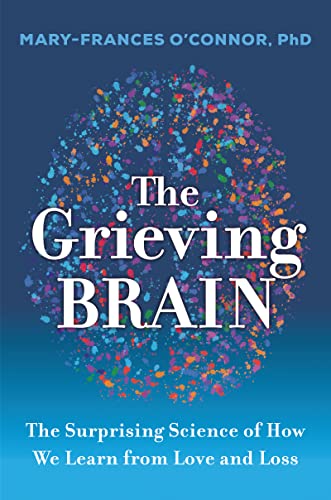
The Grieving Brain
Mary-Frances O'Connor, PhD
An accessible tour of the neuroscience of grief — why loss feels the way it does, and how the brain slowly relearns the world.
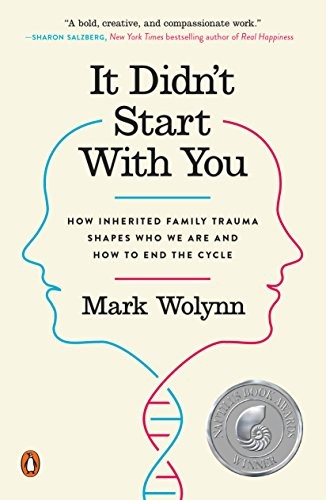
It Didn't Start with You
Mark Wolynn
Groundbreaking exploration of inherited family trauma and how to end intergenerational cycles.
As an Amazon Associate, Clarity House Press earns from qualifying purchases. Your price is never affected.
Found this helpful?
Share it with someone who might need it.
About the Author

Clarity House Press
Editorial Team
The editorial team at Clarity House Press curates and publishes evidence-based content on narcissistic abuse recovery, high-conflict divorce, and healing. Our content is informed by research, survivor experiences, and established trauma-informed approaches.
View all posts by Clarity House Press →Published by Clarity House Press Editorial Team