Please read our important disclaimers before using this content
You're sitting with your therapist and she asks, "Looking back, is there anything you've gained from this experience?" Your first reaction is rage—Gained? I lost everything. My marriage, my family structure, my sense of safety, years of my life. But then, quietly, you realize: you're stronger than you knew. You trust yourself in ways you never did. You can spot manipulation from miles away. Your relationships are deeper. Your priorities have shifted to what actually matters. You wouldn't choose to go through it again, but you're not the same person you were before. And somehow, inexplicably, some of those changes are good.
This is post-traumatic growth—and it's not the same as toxic positivity or silver-lining the abuse. It's not "everything happens for a reason" or "look on the bright side." It's the hard-won, evidence-backed reality that human beings can experience profound positive transformation after trauma—not instead of pain, but alongside it. Not because the abuse was good, but because you did the extraordinarily difficult work of integrating your experience and rebuilding yourself. Understanding trauma recovery milestones and what progress looks like helps contextualize where PTG fits in the healing journey.
Understanding Post-Traumatic Growth
What It Is (And Isn't)
Post-traumatic growth (PTG):
Definition:
- Positive psychological change that can occur as result of struggling with highly challenging life circumstances
- Not just resilience (bouncing back)
- Not just recovery (returning to baseline)
- Actual growth beyond previous functioning in specific domains
- Documented by research since the foundational work of Tedeschi and Calhoun, who developed the Posttraumatic Growth Inventory to measure positive outcomes following trauma (Tedeschi & Calhoun, 1996)
Five domains of PTG:
1. Greater appreciation for life:
- Awareness of fragility and preciousness
- Gratitude for ordinary moments
- "I don't take things for granted anymore"
- Present-moment awareness
- Savoring beauty, connection, peace
2. More meaningful relationships:
- Deeper intimacy with safe people
- Authentic connections (less superficial)
- Ability to be vulnerable
- Clearer boundaries (paradoxically allows closer safe relationships)
- Compassion and empathy expanded
3. Increased personal strength:
- "If I survived that, I can survive anything"
- Confidence in ability to handle adversity
- Self-reliance (healthy, not isolation)
- Knowing your capacity
- Trust in yourself
4. New possibilities and priorities:
- Life path changes (career, location, relationships)
- Different values (what matters vs. what doesn't)
- "I realized I only have one life"
- Pursuing dreams delayed or ignored
- Freedom to choose differently
5. Spiritual or existential change:
- Deeper spiritual connection (for some)
- Renewed or questioned faith
- Meaning-making
- "Why" questions engaged
- Connection to something larger than self
What PTG is NOT:
Not toxic positivity:
- Doesn't deny pain or trauma
- Doesn't require you to be grateful for abuse
- Not "everything happens for a reason"
- Not minimizing what you lost
- Can hold grief and growth simultaneously
Not inevitable:
- Not everyone experiences PTG
- No timeline
- Not a requirement for healing
- No pressure to "find the gift"
- Absence of PTG doesn't mean you're failing
Not linear:
- Grief and growth coexist
- Some days you feel growth, others only loss
- Both are true
- Integration is messy
- No endpoint where growth replaces pain entirely
Not immediate:
- Rarely happens in early trauma recovery
- Requires processing first
- Safety and stability needed
- Often emerges years later
- Can't force it
The Science Behind PTG
Research findings:
Who experiences PTG:
- Wide range of traumas (war, illness, loss, abuse)
- A comprehensive meta-analysis found that approximately 53% of individuals who experience traumatic events develop moderate-to-high levels of post-traumatic growth (Wu et al., 2019)
- More likely when trauma was severe (not minor stressors)
- Individual differences (personality, coping style, support)
- Cultural factors influence expression
Facilitating factors:
- Deliberate rumination (not intrusive rumination)
- Meaning-making attempts
- Social support
- Openness to experience
- Optimism (balanced, not denial)
- Willingness to engage with trauma (not avoid)
Mechanisms:
- Cognitive processing of trauma
- Shattering of assumptive world (beliefs challenged)
- Rebuilding worldview
- Narrative development (making sense of experience)
- Integration of trauma into life story
Longitudinal research:
- PTG can be stable over years
- Or fluctuate
- Not always steady upward trajectory
- Real and meaningful, not just coping statement
Important note:
- PTG and PTSD can coexist
- You can be thriving in some areas and suffering in others
- Growth doesn't erase trauma impact
- Both can be true simultaneously
How It Differs from "Everything Happens for a Reason"
Toxic positivity says:
- "God never gives you more than you can handle"
- "This happened to make you stronger"
- "There's a silver lining"
- "Everything works out for the best"
- "Just be grateful"
Problems with this:
- Implies abuse was meant to happen
- Makes you feel bad for grieving
- Minimizes real harm
- Spiritual bypassing
- Blames you if you're not "better"
Post-traumatic growth says:
- "Something terrible happened that shouldn't have"
- "I was harmed deeply"
- "AND I discovered strengths I didn't know I had"
- "AND my priorities clarified"
- "Both the pain and the growth are real"
Difference:
- Doesn't justify trauma
- Doesn't deny suffering
- Acknowledges you did hard work
- Holds complexity
- No pressure to frame abuse as gift
You can experience growth without:
- Being glad it happened
- Forgiving abuser
- Minimizing harm
- Pretending it was worth it
- Grateful for the abuse (no)
The nuance:
- Growth FROM struggling with trauma (not because of it)
- You created meaning; trauma didn't give you meaning
- Your resilience and work, not abuse's lesson
- Empowerment through survival, not through abuse
Domains of Growth in Abuse Survivors
Greater Appreciation for Life
What this looks like after narcissistic abuse:
Before abuse/early in abuse:
- Life on autopilot
- Taking safety, trust, normalcy for granted
- Future-focused (always striving)
- Missed present moments
- Didn't appreciate ordinary
After processing abuse:
- Profound gratitude for peace and safety
- "I notice when I feel calm now"
- Appreciation for simple joys (quiet morning, kind word)
- No longer take people's honesty for granted
- Every day without chaos feels precious
Specific shifts:
- Sunday morning coffee alone = luxury
- Friends who tell the truth = treasure
- Boring, predictable day = gift
- No walking on eggshells = liberation
- Your own space = sacred
Why this happens:
- Contrast effect (you know how bad it can be)
- Awareness of what you almost didn't escape
- Fragility and impermanence clear
- Gratitude for what abuse couldn't take (your mind, your truth, your essence)
Not Pollyanna:
- You're not grateful for abuse
- You're grateful you survived
- Grateful for what helped you escape
- Grateful for moments of beauty after horror
- Realistic appreciation, not toxic positivity
Deeper, More Meaningful Relationships
Before abuse:
- May have had many surface friendships
- Avoided vulnerability (didn't feel safe)
- Chose poorly (red flags missed)
- Tolerated dysfunction (normalized through abuse)
- Boundaries weak or nonexistent
After healing:
- Smaller circle, much deeper bonds
- Vulnerability with safe people
- Red flags spotted immediately
- Low tolerance for disrespect, dishonesty, manipulation
- Boundaries clear and maintained
What changed:
- You know what real connection is (vs. trauma bonding)
- Authenticity over performance
- Quality over quantity
- Can ask for what you need
- Can receive support (not just give)
- Reciprocity valued
- Safe people treasured
Relationships you may have now that you didn't before:
- Therapist who truly sees you
- Support group survivors who get it without explanation
- Friends who showed up during darkness
- Family who believed you
- New partner who is genuinely safe (if you're dating)
- Community you chose, not inherited
Capacity for intimacy:
- Paradoxically, clearer boundaries allow deeper closeness
- Vulnerability is possible when safety is established
- You can be seen fully and accepted
- Not performing or hiding
- Real, messy, human connection
Empathy and compassion:
- For others who suffer
- For yourself (self-compassion)
- No judgment of others' timelines
- "I see you" in profound way
- Can hold space without fixing
Increased Personal Strength
Discovery of strength:
You didn't know you could:
- Leave (it felt impossible)
- Survive financially on your own
- Navigate legal system
- Protect your children
- Rebuild from nothing
- Trust yourself
- Say no
- Set boundaries
- Handle his rage without crumbling
But you did. And now you know.
Confidence forged in fire:
- "If I got through that, I can handle anything"
- Not arrogance—earned self-trust
- Evidence-based confidence
- Realistic assessment of your capacity
- You've stress-tested yourself
Skills you developed:
- Documentation and organization
- Self-advocacy
- Emotional regulation under pressure
- Strategic thinking
- Resource navigation
- Crisis management
- Resilience (actual, not just buzzword)
Self-reliance (healthy):
- Can depend on yourself
- Don't need rescuing (though support is welcome)
- Capable and competent
- Not same as isolation
- Interdependence from place of strength
Boundaries as strength:
- Saying no
- Ending conversations
- Walking away
- Protecting your peace
- Not explaining or justifying
- "No" is a complete sentence internalized
Inner knowing:
- Gut instinct trusted again
- You know when something's off
- Less second-guessing
- Truth-teller (to yourself first)
- Clarity about what you will and won't tolerate
New Possibilities and Changed Priorities
Life path shifts:
Before abuse (often):
- Life dictated by external expectations
- Choices made to please others or maintain image
- Dreams deferred
- "Supposed to" life
- Fear-based decisions
After healing:
- "I only have one life" clarity
- Pursuing what actually matters to you
- Career changes (common)
- Location changes (sometimes)
- Relationship standards transformed
- "Too short for this" perspective
Common changes survivors make:
- Go back to school
- Change careers entirely
- Move (new city, new state)
- End toxic friendships
- Pursue creative passions
- Downsize lifestyle for more freedom
- Prioritize time with children
- Start businesses
- Advocacy work
Values clarification:
What matters less now:
- Others' opinions
- Appearances and image
- Material success markers
- Keeping everyone happy
- Avoiding conflict
- Being liked by everyone
What matters more:
- Authenticity
- Safety and peace
- Real connection
- Purpose and meaning
- Freedom and autonomy
- Children's wellbeing
- Your own truth
- Time (recognizing it's finite)
Permission to live differently:
- "I spent 10 years trying to make him happy. I'm done living for someone else."
- Liberation to choose
- Unapologetic about priorities
- Protective of time and energy
- Intentional about what you build
New dreams:
- Some dreams died (intact family)
- New dreams emerged (authentic life)
- Possibilities you couldn't see before
- Freedom to imagine differently
- Building life you actually want
Spiritual or Existential Change
Faith challenged and deepened:
For those with faith:
- Crisis: "Why did God allow this?"
- Anger at God (normal, healthy)
- Wrestling with theology
- May leave toxic faith communities
- Find deeper, more authentic spirituality
- Faith tested and refined
- "God was with me in it, not punishing me with it"
For those who lose faith:
- Can't reconcile abuse with loving God
- Religion used as weapon by abuser
- Spiritual abuse alongside emotional
- Leaving faith tradition entirely
- No shame in this
- Integrity in questioning
For those who find faith:
- Spiritual awakening through suffering
- Connection to something larger
- New framework for meaning
- Not religion necessarily—spirituality
- Practices that sustain (meditation, nature, community)
Existential shifts:
Meaning-making:
- "Why did this happen?" evolves to "What do I do with this?"
- Purpose from pain (not because of pain)
- Legacy thinking
- "How can I use this?"
- Contributing to something beyond yourself
Mortality awareness:
- "Life is short" not cliché anymore
- Urgency without anxiety
- Intentionality
- Less time wasting
- Bucket list becomes action plan
Philosophy of life:
- Deeper questions engaged
- What is a life well-lived?
- What is love (real love)?
- What is strength?
- What matters?
Connection to humanity:
- Part of larger human experience of suffering
- Not alone (existentially)
- Common humanity (Kristin Neff's term)
- We all suffer, struggle, survive
- Solidarity with others who hurt
Facilitating Post-Traumatic Growth
You Can't Force It
Important truths:
PTG is not a goal:
- Healing is the goal
- Safety is the goal
- Functioning is the goal
- PTG is a potential byproduct
- Not a requirement
- Not a measure of success
It can't be rushed:
- Early trauma: focus on survival and stabilization
- Middle trauma recovery: processing and integration
- Later: meaning-making and growth emerge
- Timeline varies wildly (years often)
- Patience required
Pressure to find growth is harmful:
- "What did you learn?" too early is cruel
- You don't have to make meaning yet (or ever)
- Growth will come if it comes
- Your job is to heal, not to grow
- Growth is grace, not achievement
What Supports PTG
Even though you can't force it, research shows these help:
Process trauma, don't avoid:
- Therapy that addresses trauma directly
- EMDR, CPT, PE, or other trauma-focused modality
- Not just talk therapy about daily life
- Facing what happened
- Integration work
Deliberate reflection:
- Journaling about experience
- Making sense of what happened
- "What does this mean?"
- Not obsessive rumination
- Thoughtful, intentional processing
Social support:
- People who listen without fixing
- Support groups with others who understand
- Community
- Not isolation
- Being witnessed in your pain and healing
Narrative development:
- Telling your story (when ready, to safe people)
- Creating coherent narrative from fragmented trauma
- Writing, speaking, sharing
- Your story making sense to you
- Authoring your own narrative (not his version)
Meaning-making activities:
- Advocacy or helping others (see survivor to advocate: helping others heal)
- Creative expression (art, music, writing)
- Spiritual practices
- Connecting suffering to purpose
- "This happened. What now?"
Openness to experience:
- Willingness to feel (not just numb)
- Curiosity about yourself
- Trying new things
- Learning
- Not closing off entirely
Self-compassion:
- Treating yourself with kindness
- Acknowledging your suffering
- Common humanity (others suffer too)
- Mindfulness (present with pain without being consumed)
- Kristin Neff's framework
Hope (realistic):
- Belief that healing is possible
- Not Pollyanna optimism
- Grounded hope
- Evidence-based (you see small improvements)
- Future-oriented even in pain
When PTG Doesn't Happen
And that's okay:
Some people don't experience PTG:
- Ongoing trauma (can't grow when still in danger)
- Severe PTSD symptoms (survival mode)
- Lack of support
- Personal factors
- Just don't (and that's fine)
This doesn't mean:
- You're failing
- You didn't work hard enough
- Something's wrong with you
- You can't heal
- Your recovery is less than others'
This does mean:
- Your healing is your healing
- No pressure to find silver lining
- Recovery is enough
- Surviving is enough
- You don't owe anyone growth
What matters most:
- You're safe now
- You're healing
- You're functioning
- You survived
- That's enough
Living Post-Traumatic Growth
Integration into Daily Life
PTG isn't destination—it's woven into how you live:
Morning practice:
- Gratitude for ordinary (peace, coffee, safety)
- Not performative—genuine noticing
- "I'm grateful I'm here"
Relationships:
- Showing up authentically
- Vulnerability with safe people
- Boundaries maintained
- Reciprocity
- Deep conversations, less small talk
Work and purpose:
- Career aligned with values
- Or, job is just job and meaning is elsewhere
- Purpose beyond paycheck
- Contribution to something
Parenting (if applicable):
- Breaking cycles
- Modeling healthy relationships
- Authentic with kids (age-appropriately)
- Protecting them from what you experienced
- Healing for next generation
Choices:
- Intentional not default
- Values-driven
- "Does this align with who I am now?"
- Less "should," more "want"
Self-care:
- Not indulgence—necessity
- Protecting your peace
- Boundaries around time and energy
- Saying no
- Prioritizing wellbeing
Holding Grief and Growth Together
The both/and:
You can:
- Be grateful for your strength AND grieve that you needed it
- Love your new life AND mourn the intact family
- Appreciate your clarity AND wish you'd had it sooner
- Feel empowered AND enraged at the injustice
- Have grown AND still be healing
- Find meaning AND acknowledge the cost
Neither cancels the other:
- Growth doesn't erase pain
- Pain doesn't negate growth
- Complexity is maturity
- Both are true
- Integration holds both
Different days, different balance:
- Some days: gratitude and strength
- Some days: grief and rage
- All days: both available
- No linear progression
- Spiral, not straight line
This is the work:
- Not choosing one over the other
- Allowing both
- Expanding capacity to feel it all
- Trust that you can hold complexity
- Wisdom in the paradox
Key Takeaways
Post-traumatic growth is the real, research-backed phenomenon of profound positive transformation that can emerge after trauma—not instead of pain, but alongside it. It's not toxic positivity, not "everything happens for a reason," not minimizing harm. It's the discovery that surviving something that nearly destroyed you can reveal strengths you didn't know you had, clarify what truly matters, deepen your capacity for authentic connection, and open possibilities you couldn't see before. It's not inevitable, not required, and not a measure of your healing. But for many survivors, it's a profound and unexpected gift that emerges from the hard work of integrating trauma and rebuilding life. For those who want to understand why healing isn't linear before expecting to arrive at growth, that foundational piece is important context.
What to remember:
- PTG happens through healing work, not because of trauma
- Five domains: appreciation, relationships, strength, priorities, spiritual
- Can't be forced or rushed
- Coexists with grief and pain
- Not everyone experiences it (that's okay)
- Not the same as toxic positivity or silver-lining
What to expect:
- Emerges years into recovery often
- Fluctuates (not steady state)
- Grief and growth together
- Surprising moments of gratitude
- Changed values and priorities
- Deeper everything (pain and joy)
What supports growth:
- Processing trauma (therapy)
- Deliberate reflection (journaling)
- Social support and community
- Narrative development (making sense)
- Meaning-making activities (purpose)
- Self-compassion
- Time
Permission:
- To not experience PTG
- To grow without being grateful for abuse
- To grieve alongside growth
- To take years for this
- To hold complexity
- To live fully even after trauma
You didn't ask for this. The abuse wasn't meant to teach you anything. You didn't need to go through this to become who you are now.
But you went through it anyway. And you survived. And in the process of surviving, of healing, of rebuilding, something unexpected might emerge: you're different. And some of those differences, maybe not all but some, are good.
Stronger, yes, but not in the "what doesn't kill you" cliché. Stronger in the earned, tested, evidence-based knowledge that you can handle hard things.
Clearer about what matters. Deeper in your connections. Authentic in ways you couldn't be before. Living intentionally because you know how precious and fragile it all is.
This doesn't make the abuse okay. It doesn't justify what happened. It doesn't mean you're glad for it.
It means you did extraordinary work to integrate something terrible. And in that integration, you discovered parts of yourself that only emerge through struggle.
You're not just surviving anymore. You're building a life worth living. One aligned with your values, filled with people who truly see you, purposeful in ways that matter to you.
That's post-traumatic growth. That's thriving beyond surviving.
And you've earned every bit of it.
Resources
Therapy and Professional Support:
- Psychology Today - Therapists - Find therapists specializing in trauma and growth
- EMDR International Association - Find EMDR therapists for trauma processing
- GoodTherapy - Search for trauma-informed therapists
- National Child Traumatic Stress Network - Resources for trauma recovery
Support Groups and Crisis Resources:
- r/CPTSD - Online community for complex trauma recovery
- 988 Suicide & Crisis Lifeline - Call or text 988 for crisis support (24/7)
- Crisis Text Line - Text HOME to 741741 for crisis counseling
- CPTSD Foundation - Support groups and resources for trauma survivors
References
- Tedeschi, R. G., & Calhoun, L. G. (1996). The Posttraumatic Growth Inventory: Measuring the positive legacy of trauma. Journal of Traumatic Stress, 9(3), 455-471. https://pubmed.ncbi.nlm.nih.gov/8827649/ ↩
- Wu, X., Kaminga, A. C., Dai, W., Deng, J., Li, Z., & Ye, Z. (2019). The prevalence of moderate-to-high posttraumatic growth: A systematic review and meta-analysis. Journal of Affective Disorders, 243, 408-415. https://pubmed.ncbi.nlm.nih.gov/30268956/ ↩
- Calhoun, L. G., & Tedeschi, R. G. (2006). The foundations of posttraumatic growth: An expanded framework. In L. G. Calhoun & R. G. Tedeschi (Eds.), Handbook of posttraumatic growth: Research and practice (pp. 1-23). Lawrence Erlbaum Associates Publishers. ↩
- Helgeson, V. S., Reynolds, K. A., & Tomich, P. L. (2006). A meta-analytic review of benefit finding and growth. Journal of Consulting and Clinical Psychology, 74(5), 797-816. https://pubmed.ncbi.nlm.nih.gov/17032085/ ↩
- Zoellner, T., & Maercker, A. (2006). Posttraumatic growth in clinical psychology—A critical review and introduction of a two component model. Clinical Psychology Review, 26(5), 626-653. https://pubmed.ncbi.nlm.nih.gov/16515831/ ↩
- Linley, P. A., & Joseph, S. (2004). Positive change following trauma and adversity: A review. Journal of Traumatic Stress, 17(1), 11-21. https://pubmed.ncbi.nlm.nih.gov/15027790/ ↩
- Joseph, S., & Linley, P. A. (2005). Positive adjustment to threatening events: An organismic valuing theory of growth through adversity. Review of General Psychology, 9(3), 262-280. ↩
- Taku, K., Cann, A., Tedeschi, R. G., & Calhoun, L. G. (2008). Core beliefs shattered by trauma: Cognitive therapy for posttraumatic growth. In S. Joseph & P. A. Linley (Eds.), Trauma, recovery, and growth: Positive psychological perspectives on posttraumatic stress (pp. 95-115). John Wiley & Sons. ↩
Recommended Reading
From Clarity House Press — plus trusted books for deeper understanding
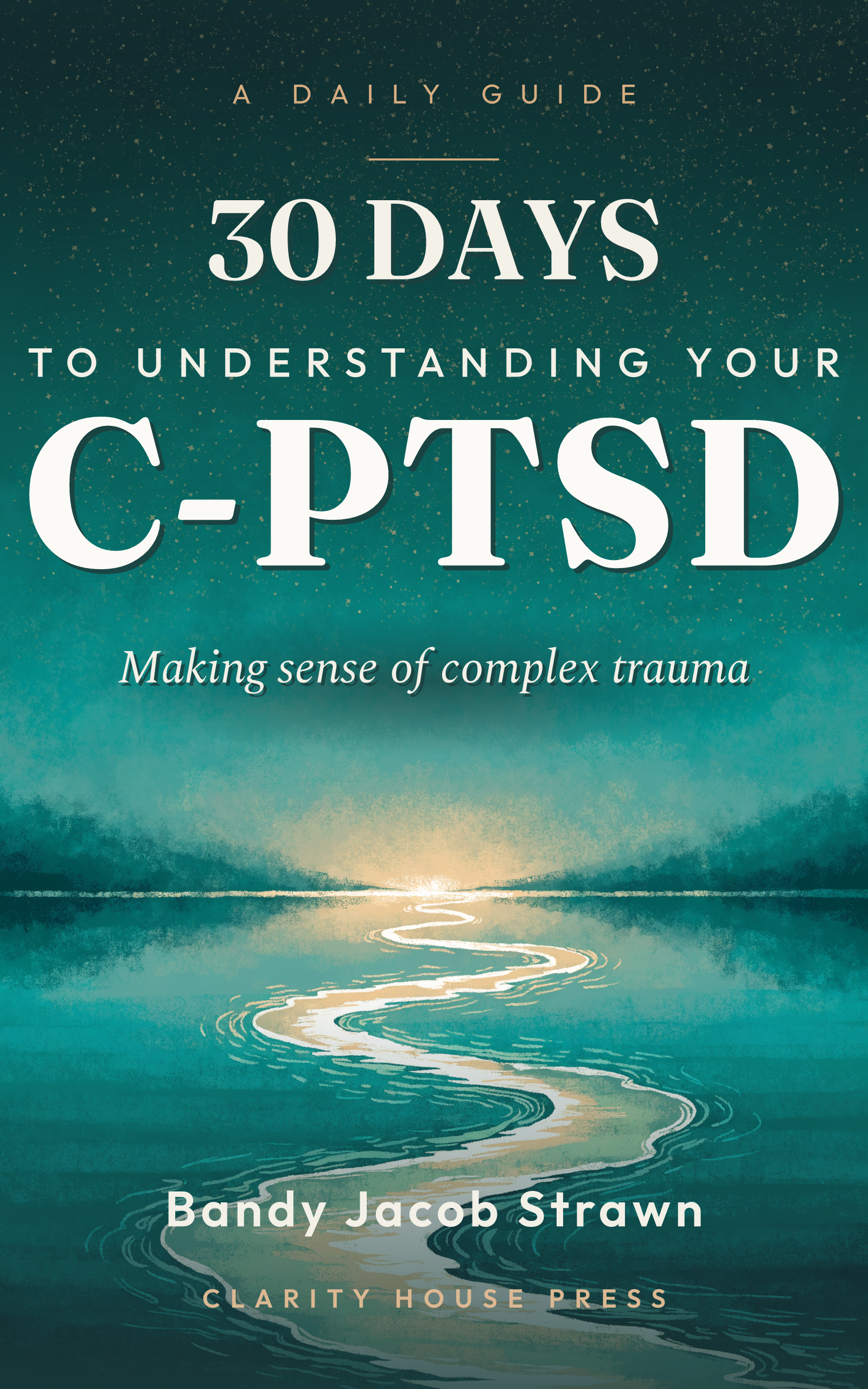

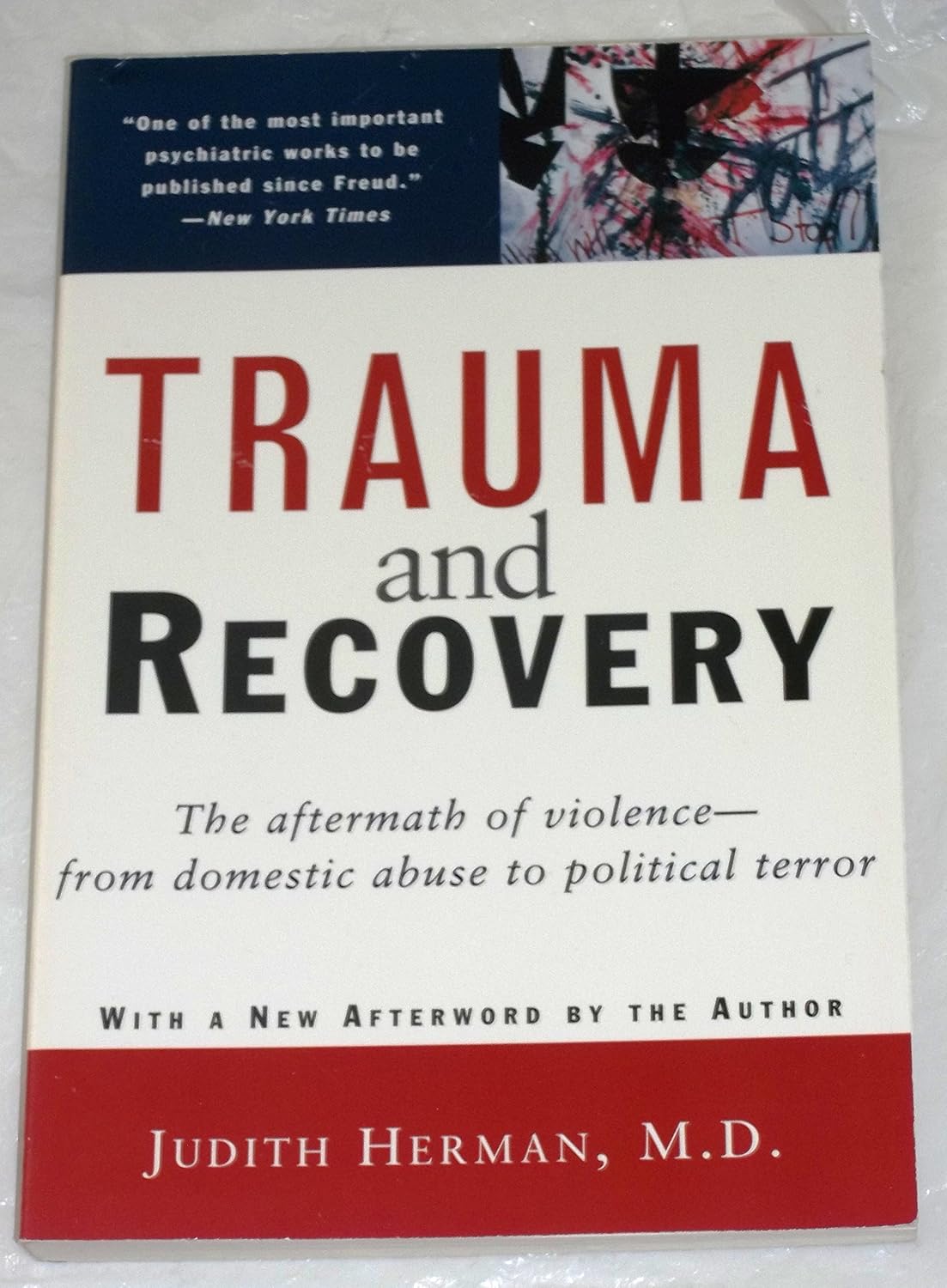
Trauma and Recovery
Judith Lewis Herman, M.D.
The seminal framework for understanding trauma and the stages of recovery — safety, remembrance, and reconnection.
Overcoming Trauma through Yoga
David Emerson & Elizabeth Hopper, PhD
Evidence-based trauma-sensitive yoga program developed at the Trauma Center with Bessel van der Kolk.
As an Amazon Associate, Clarity House Press earns from qualifying purchases. Your price is never affected.
Found this helpful?
Share it with someone who might need it.
Tags
About the Author

Clarity House Press
Editorial Team
The editorial team at Clarity House Press curates and publishes evidence-based content on narcissistic abuse recovery, high-conflict divorce, and healing. Our content is informed by research, survivor experiences, and established trauma-informed approaches.
View all posts by Clarity House Press →Published by Clarity House Press Editorial Team