Please read our important disclaimers before using this content
The Stranger in the Mirror
Many survivors describe the same disorienting moment. Months after leaving, getting ready for a first job interview in years, standing in front of the bathroom mirror—and being unable to remember how to present themselves at all.
Not because it had been so long, but because they genuinely could not remember who they'd been before.
What did they like? What did they value? What mattered to them? What once made them feel confident?
After years of becoming whoever the abuser needed them to be in any given moment—the strong protector when the partner needed to feel safe, the successful provider when there were friends to impress, invisible when the partner wanted attention elsewhere, grateful when the partner demanded worship—survivors often have no idea who they actually are.
They look in the mirror and see a stranger. Not just older—though the toll often shows—but someone they don't know at all.
It's common to break down completely in that moment—and to realize: the loss was so total that you don't even know what you're looking for.
Recovery is possible. You can never be exactly who you were before the relationship, and you were never who the abuser tried to make you. But you can become who you are now—built from the pieces that survived and the strength that emerges from putting yourself back together.
If you look in the mirror and see a stranger, if you've lost yourself so completely you don't know where to start, if you're not sure who you are outside of being the abuser's target, their supply, their scapegoat, their supporting character—this is how you rebuild your identity after narcissistic abuse eroded it to nothing. Understanding the full cycle of narcissistic abuse can help make sense of how this erosion happens systematically.
Understanding Identity Erosion in Narcissistic Abuse
You didn't just forget who you were. Your identity was systematically dismantled by someone who needed you to have no self outside of serving their needs.
How Narcissistic Abuse Erodes Identity
Narcissistic abuse profoundly impacts victims, resulting in symptoms similar to Complex Post-Traumatic Stress Disorder (C-PTSD), anxiety, and depression.1 Research shows that survivors internalize blame and lose confidence in their perceptions, deepening the identity fragmentation caused by narcissistic manipulation.2 A meta-analysis of 134 studies (N = 255,334) confirmed that trauma exposure has a significant negative relationship with self-concept, demonstrating the measurable psychological harm caused by prolonged abuse (Marchetti et al., 2024).
1. Identity confusion through shapeshifting
To survive, you learned to become whatever they needed in each moment.
You developed multiple selves:
- The appeasing self (minimizing conflict)
- The entertaining self (providing narcissistic supply)
- The invisible self (disappearing when needed)
- The perfect self (meeting impossible standards)
- The grateful self (never complaining or having needs)
After years of shapeshifting, you lost connection to your core self. All you knew was reaction to their requirements.
2. Systematic devaluation of your preferences
Every authentic preference was:
- Mocked ("You actually like that?")
- Dismissed ("That's stupid")
- Overridden ("We're doing it my way")
- Used against you ("See how selfish you are?")
- Punished (silent treatment, rage, withdrawal, withholding intimacy)
Eventually you stopped having preferences. It was safer.
3. Isolation from identity-supporting relationships
Friends and family who knew you, who reflected back your qualities and values, were systematically removed.
Without external mirrors, you only had the abuser's reflection—and it was distorted.
4. Exploitation of your values
Your values—loyalty, commitment, kindness, responsibility—were weaponized to keep you trapped and compliant.
You became confused: Are these my values or tools they're using against me?
5. Constant criticism creating internalized shame
The criticism became your inner voice. Their assessment became your self-concept.
You didn't just lose who you were. You believed you were the terrible person they described—the inadequate provider, the emotional failure, the disappointing partner, the person who couldn't do anything right.
6. Role reduction
Your identity was reduced to roles that served them:
- Their spouse (their possession, their appliance)
- Your children's parent (valued only as an extension of their family)
- Their provider (financial security, status)
- Their image manager (making them look good to others)
- Their emotional support (absorbing their emotions without having your own)
Everything else about you was irrelevant or threatening.
Identity vs. Role Confusion
After narcissistic abuse, many survivors confuse identity with roles.
Roles are functions: Father, employee, son, friend, partner, provider.
Identity is essence: Your values, passions, preferences, quirks, strengths, boundaries, dreams, authentic responses to the world.
Narcissistic abuse reduces you to roles while erasing your identity.
Recovery requires: Rebuilding identity that exists independent of any role.
The Unique Challenge of Post-Abuse Identity Rebuilding
This isn't normal identity development. It's recovering from deliberate identity destruction.
You're Not Starting Fresh
Adolescent identity formation is about discovering who you are.
Post-abuse identity rebuilding is about:
- Recovering from identity that was systematically attacked
- Distinguishing authentic self from survival self
- Untangling their messages from your truth
- Healing shame while rebuilding
- Grieving who you might have been without abuse
- Creating new identity that incorporates trauma history
This is harder. You're not building on a foundation. You're excavating foundation buried under years of abuse.
The "Who Was I Before?" Trap
Many survivors try to return to who they were before the relationship.
This doesn't work:
1. You can't unknow what you know now
You've seen human cruelty up close. You understand manipulation. You've experienced betrayal. That knowledge can't be erased.
2. That person was vulnerable to abuse
Not because they deserved it, but because certain traits (trust, empathy, compassion, giving benefit of doubt) made you a target.
Returning to that innocence means remaining vulnerable.
3. Time has passed
If you were 25 when you met and 40 when you left, fifteen years happened. You would have changed anyway.
4. Trauma changed your brain and body
Complex PTSD, often resulting from prolonged intimate partner abuse, includes disturbances in self-organization such as affective dysregulation, negative self-concept, and relational disturbance.3 C-PTSD creates actual neurological changes. Research shows trauma affects brain structure and function. You're not the same biologically.
You can't go back. You can only integrate who you were with what you survived to become who you are now.
The Identity Vacuum Is Dangerous
Without strong sense of self, you're vulnerable to:
New manipulators:
- Same patterns, different person
- Filling identity vacuum with new relationship
- Confusing intensity with intimacy again
Unhealthy coping:
- Substances, self-harm, compulsions
- Anything to avoid the emptiness of not knowing who you are
Codependency patterns:
- Defining yourself through others' needs
- Finding identity in being needed
- Perpetuating the role-based existence
Identity work isn't optional for sustained recovery. Research shows rebuilding a coherent sense of self is central to trauma recovery. Studies demonstrate that gaslighting—a core manipulation tactic in narcissistic abuse—causes victims to doubt their sense of reality, leading to loss of agency and emotional instability.4
Phase 1: Excavation - Finding What Survived
You're not empty. You're buried. Start digging.
Step 1: Identify What Remained Constant
Even through years of abuse, some core parts of you persisted.
Look for:
Values you never abandoned:
- Did you maintain certain ethical lines even under pressure?
- What principles did you protect even when they attacked them?
- What did you refuse to compromise on (even if you paid for it)?
Example: You maintained relationship with your brother even when the abuser demanded you cut him off. You paid for it with rages and silent treatment, but you didn't abandon him.
That loyalty is yours. It predates them and survived them.
Preferences that snuck through:
- Small things you chose when they weren't controlling that moment
- What you gravitated toward in brief freedom
- What you daydreamed about
- What brought you moments of peace
Example: When they were out with friends, you always listened to jazz. You'd forgotten you loved it during the relationship.
That musical preference is yours.
Competencies they couldn't erase:
- Skills you maintained despite their undermining
- Abilities they needed you to keep (even if they diminished them)
- Strengths you used to survive
Example: Your ability to problem-solve under pressure, to stay calm in chaos, to notice patterns—these helped you survive. They're yours.
Boundaries you enforced (even once):
- Times you said no and meant it
- Limits you held despite pressure
- Self-protection that emerged
Example: The one time you refused to let them berate you in front of your children. You calmly took the kids to another room despite their rage escalating. They punished you for days.
That protective instinct, that parent's shield—that's yours.
Make a list: What survived? These are your seeds.
Step 2: Distinguish Authentic from Adaptive
You developed adaptive behaviors to survive. These aren't your identity.
Adaptive (survival responses):
- People-pleasing
- Hypervigilance
- Fawning and appeasing
- Emotional numbing
- Scanning for danger
- Immediate compliance
- Shape-shifting to avoid punishment
- Minimizing your needs
These kept you alive. They're not who you are.
Authentic (core self):
- What you cared about before survival consumed you
- What you value when not under threat
- How you behave when you feel safe
- What you're drawn to in moments of freedom
- Your genuine emotional responses (before you learned to suppress them)
Exercise:
For each current behavior, ask:
- "Is this who I am, or is this how I survived?"
- "Do I do this when I feel safe, or only when I feel threatened?"
- "Is this serving me now, or is it a leftover protection I no longer need?"
Example:
- Behavior: I never state preferences about restaurants, movies, plans.
- Ask: Is this who I am or how I survived?
- Answer: This is how I survived. The abuser punished me for preferences. In safe relationships, I actually have opinions.
- Conclusion: This is adaptive, not authentic. I can release it.
You are not your survival strategies. You're the person underneath who's been waiting to emerge.
Step 3: Recover Pre-Abuse Memories
Who were you before the relationship began?
Memory recovery exercises:
Photo review:
- Look at photos from before the relationship
- What do you notice about your expression, your posture, your energy?
- What were you doing? With whom?
- What does past-you tell current-you about who you were?
Childhood and adolescent interests:
- What did you love as a child?
- What were you passionate about as a teenager?
- What did you dream of becoming?
- What brought you joy before you learned to suppress it?
Some of this may feel inaccessible if you experienced childhood abuse. That's okay. Start with whatever you can reach.
Pre-relationship adult life:
- What did you do in your free time?
- What were your friendships like?
- How did you spend money on yourself?
- What did your living space look like?
- What did you value?
Reconnect with old friends:
- People who knew you before the relationship
- Ask them what you were like
- Let them reflect back who they saw
- Some of this may be painful (you'll see how much you changed)
- Some will be revelatory (you'll remember who you were)
Read old journals or writing:
- If you have journals from before the relationship, read them
- Notice your voice, your concerns, your dreams
- This is you without their influence
You're not trying to become that person again. You're mining for core traits that can inform who you're becoming.
Step 4: Grieve the Identity Loss
Before you can build new identity, you have to mourn the old one.
You're grieving:
- Who you were before abuse
- Who you might have become without it
- The time you lost becoming someone else
- The identity milestones you missed (career development, personal growth, relationship experiences)
- The version of yourself you'll never get back
This grief is necessary. You can't rebuild on ungrieved loss.
Give yourself:
- Permission to mourn who you were
- Space to feel the rage at what was taken
- Time to sit with the loss
- Rituals that mark the end of that version of yourself (write a letter to past-you, create a memorial, acknowledge what was lost)
Only after grieving can you genuinely build something new.
Phase 2: Experimentation - Discovering Who You're Becoming
You don't find yourself through thinking. You find yourself through doing.
Step 1: The Curiosity Practice
Approach yourself with curiosity rather than judgment.
Instead of: "I should know what I like by now. What's wrong with me?"
Try: "I wonder what I might like? Let me try and see."
Experiment with:
Aesthetic preferences:
- Try different clothing styles (thrift stores make this affordable)
- Experiment with hair, facial hair, personal grooming choices
- Notice what makes you feel like yourself vs. what's costume
- Your appearance is yours to define now
Music and art:
- Explore genres you've never tried
- Notice what resonates
- Let yourself hate things without justification
- Your taste is valid
Food and drink:
- Try cuisines you've never had
- Notice what you actually enjoy vs. what you think you should enjoy
- Cook or not cook according to preference, not obligation
- Eating is about nourishment and pleasure, not performance
Activities and hobbies:
- Try things you've never done
- Revisit things you used to love
- Notice what generates energy vs. depletes it
- Hobbies don't need productivity or purpose
Social preferences:
- Small groups or large?
- Deep conversations or light banter?
- Planned activities or spontaneous?
- Lots of friends or few close ones?
Environment:
- City or nature?
- Noise or quiet?
- Cozy or minimalist?
- Color or neutral?
Give yourself permission to like things for no reason. To dislike things without justification. To change your mind.
This isn't shallow. Preferences are building blocks of identity.
Step 2: The "Hell Yes" or "No" Filter
For a while, everything was determined by:
- What the abuser wanted
- What kept the peace
- What others needed
- What you "should" do
Now, try the "Hell Yes" or "No" filter:
If it's not a "Hell Yes," it's a "No."
Applied to:
- Social invitations
- Requests for your time
- Opportunities
- Obligations (beyond actual responsibilities)
- Relationships
- Activities
This feels extreme. That's the point.
You need to overcorrect from years of ignoring your authentic responses.
Eventually you'll find middle ground. Right now, you need clarity.
Example:
- Friend invites you to book club.
- Check in: Is this a "Hell Yes"?
- If it's "I guess I should" or "It might be nice" or "I don't want to hurt her feelings" → It's a No.
- If it's "Yes! I love books and I've been craving community" → It's a Hell Yes.
This practice teaches you to notice your authentic response rather than your conditioned should.
Step 3: Values Clarification
What actually matters to you?
Common values:
- Authenticity
- Compassion
- Creativity
- Family
- Freedom
- Growth
- Health
- Honesty
- Justice
- Kindness
- Learning
- Loyalty
- Security
- Service
- Spirituality
Exercise:
1. List 10-15 values that resonate
2. For each, ask:
- Is this actually my value, or is it what I was told to value?
- Do I live this when I'm free to choose?
- Does honoring this value bring me energy or drain me?
3. Narrow to your top 5 core values
4. For each core value, ask:
- How did I compromise this during the relationship?
- How can I honor this now?
- What would my life look like if I fully embodied this value?
Example:
- Value: Integrity
- How compromised: I had to lie to keep the peace, hide things to avoid their rage, compromise my ethics to survive.
- How to honor now: Tell the truth even when it's uncomfortable. Live according to my principles. Keep my word.
- Fully embodied: A life where my actions align with my values, where I can look at myself in the mirror without shame, where I keep my promises to myself and others.
Your values guide your decisions and give your identity structure.
Step 4: Solo Time and Solitude Practice
You need time alone to hear yourself.
For years your internal voice was drowned out by their demands, their criticism, their needs.
Intentional solitude allows your authentic voice to emerge.
Practices:
Daily micro-solitude:
- 10-15 minutes completely alone
- No phone, no media, no people
- Just you and your thoughts
- Notice what arises
Solo activities:
- Walk alone
- Eat a meal alone (at home or restaurant)
- See a movie alone
- Travel alone (even just day trips)
- Sit in nature alone
The goal isn't productivity. It's presence with yourself.
At first, this feels uncomfortable. You've been avoiding yourself because being alone with your thoughts meant being with your pain.
Over time, solitude becomes where you hear yourself most clearly.
Journaling during solo time:
- What am I feeling?
- What do I need?
- What matters to me?
- What am I avoiding?
- Who am I becoming?
Your answers won't come from anyone else. They'll come from listening to yourself.
Step 5: Competency Building
Identity includes "I am someone who can do X."
Abuse eroded your sense of competence. Rebuild it.
Choose 2-3 areas to develop skill:
Could be anything:
- Professional (career skills, certifications)
- Creative (painting, writing, music)
- Physical (running, yoga, martial arts, dance)
- Practical (home repair, gardening, cooking)
- Intellectual (language learning, reading, courses)
- Social (public speaking, networking, hosting)
The specific skill matters less than the process of developing mastery.
Mastery builds identity:
- "I am someone who runs marathons"
- "I am someone who speaks Spanish"
- "I am someone who can fix plumbing"
- "I am someone who paints"
This isn't about impressing anyone. It's about proving to yourself that you can set a goal and achieve it, that you can grow, that you're not the incompetent person they said you were.
Phase 3: Integration - Building Coherent Identity
You've excavated, you've experimented. Now you integrate.
Step 1: Narrative Work
Identity is partly story you tell about yourself.
Research on narrative identity reconstruction shows that constructing a meaningful narrative of self is crucial for recovery, with higher levels of personal agency in narrative identity strongly associated with better mental health and psychological wellbeing.5 Survivors who articulate a coherent story about their lives experience more post-traumatic growth.6
Craft your narrative:
Include:
- Where you came from (childhood, early life)
- Who you were before abuse
- What happened during the relationship (without letting it define you)
- How you survived
- Who you're becoming
- Where you're going
Your story should:
- Acknowledge the abuse without centering it
- Highlight your resilience
- Include your values and growth
- Give meaning to your experience
- Point toward your future
Example narrative framework:
"I grew up in [context]. I valued [values] and pursued [interests/career/relationships]. I entered a relationship that became abusive over time. For [years], I experienced [type of abuse]. During that time, I lost connection to myself and learned to survive rather than live.
"When I left, I was [state you were in]. Recovery has involved [therapy, community, practices]. I've rediscovered [values, interests, strengths] and developed [new skills, boundaries, understanding].
"I'm someone who [core identity statements]. I value [values]. I'm building a life centered on [goals, values, vision].
"The abuse is part of my story, not the definition of my story. I'm not a victim defined by what happened to me. I'm a survivor creating who I'm becoming."
Write this. Revise it. Let it evolve.
Your narrative gives coherence to your identity.
Step 2: External Identity Markers
Identity isn't just internal. It's also how you present to the world.
Consider:
How you want to look:
- Style that reflects you (not the abuser's preferences, not "appropriate," but you)
- Body modifications if desired (tattoos, piercings, etc.)
- Hair and facial hair that makes you feel like yourself
- Presentation that aligns with your identity
Where you want to live:
- Environment that suits you
- Neighborhood that reflects your values
- Space that feels like yours
How you spend your time:
- Schedule that honors your needs
- Balance between work, rest, connection, growth
- Time use that reflects your priorities
Who you surround yourself with:
- Relationships that reflect your values
- Community that sees the real you
- People who support your growth
These external markers reinforce internal identity.
You're not being superficial. You're creating congruence between who you are inside and how you exist in the world.
Step 3: Boundaries as Identity Expression
Boundaries are where you end and others begin.
They're also expression of your identity:
Your boundaries say:
- This is who I am
- This is what I value
- This is what I will and won't tolerate
- This is how I need to be treated
Developing boundaries post-abuse:
Start with physical boundaries:
- Your body belongs to you
- Touch requires your consent
- You decide what you eat, wear, how you move
- No one has access to you without permission
Emotional boundaries:
- Your feelings are yours
- You don't absorb others' emotions
- You can choose what emotional content you engage with
- You're responsible for your emotions, not others'
Time and energy boundaries:
- Your time is valuable
- You decide how to spend it
- No isn't negotiable
- You protect your energy
Relationship boundaries:
- What you require in relationships
- What you won't tolerate
- How you need to be treated
- When you exit relationships
Each boundary you enforce reinforces: "I am a person whose needs matter. I am someone who knows what I will and won't accept. I am someone with self-respect." For practical guidance on the mechanics of this process, see our guide to setting boundaries with narcissists.
Boundaries build identity. Research on self-differentiation shows that establishing personal boundaries is fundamental to psychological health and protects against the fragmented sense of self characteristic of narcissistic abuse survivors.7
Step 4: Purpose and Meaning
Identity needs direction.
Not necessarily grand purpose (though that's fine). But some sense of what you're oriented toward.
Questions to explore:
What am I here to do?
- Not everyone has a calling, and that's fine
- But what matters to you?
- What difference do you want to make (even small)?
- How do you want to spend your finite time and energy?
What legacy do I want to leave?
- For your children (if you have them—what kind of parent do you want to be?)
- For your community
- For yourself
- What do you want to have done/been/created?
What problems do I care about solving?
- Social issues
- Personal growth
- Relationships
- Creative expression
- Community building
What brings me meaning?
- Connection
- Creativity
- Service
- Learning
- Beauty
- Growth
Your purpose doesn't need to be changing the world. It can be "being the parent my kids can count on" or "building things that last" or "being a friend who shows up when it matters."
Meaning comes from living aligned with your values toward something that matters to you.
That orientation gives your identity shape and direction.
Phase 4: Maintenance - Protecting Your Rebuilt Identity
You've rebuilt yourself. Now protect what you've created.
Guard Against Identity Erosion
Watch for signs you're slipping back into shapeshifting:
Red flags:
- Saying yes when you mean no
- Suppressing preferences to keep peace
- Changing yourself to fit someone else's needs
- Losing time for yourself
- Abandoning values to accommodate others
- Feeling like you don't know who you are again
Prevention:
- Regular check-ins with yourself
- Therapy or coaching
- Trusted friends who notice when you're changing
- Boundaries that protect your core self
- Saying no early and often
Your identity is precious. Don't give it away again.
Continued Identity Evolution
Identity isn't fixed. You continue growing.
Healthy identity evolution:
- Learning new skills
- Refining values as you experience life
- Trying new things
- Letting go of identities that no longer fit
- Growing through challenges
- Adapting to life changes
This is different from erosion:
- Evolution is intentional growth
- Erosion is loss of self to accommodate others
- Evolution enhances who you are
- Erosion diminishes who you are
You can change without losing yourself.
Differentiation in New Relationships
Eventually you'll form new close relationships (romantic, platonic, professional).
Healthy relationships require differentiation:
- You remain yourself while in relationship
- They remain themselves
- Interdependence without enmeshment
- Influence without erosion
Practice differentiation:
- Maintain separate interests and friendships
- Keep parts of yourself private
- Don't merge completely
- Notice when you're adapting vs. when you're losing yourself
- Assert boundaries early
- Choose partners who want you, not a version of you
Red flags of new identity threat:
- They want to change you
- Your preferences are wrong/stupid
- You find yourself shapeshifting again
- You lose touch with yourself
- Your friends/family notice you're different (in concerning way)
Protect your identity at least as fiercely as you protect your physical safety.
Your Next Steps
This week:
-
List 5 things that survived the abuse (values, preferences, strengths, boundaries)
-
Try one new thing (food, activity, style) and notice your authentic response
-
Practice 15 minutes of solo time daily with no agenda but listening to yourself
-
Write one paragraph of your narrative including where you are now
-
Say "no" to one thing that's not a "Hell Yes"
This month:
-
Identify your top 5 core values and write how you'll honor each
-
Choose one competency to begin developing
-
Reconnect with someone who knew you before the relationship and ask what you were like
-
Create one ritual that reinforces your identity (weekly solo activity, morning routine, creative practice)
-
Notice your boundaries and enforce at least 3 this month
This year:
-
Work with therapist on identity integration
-
Build community with people who see and value the real you
-
Take risks trying new identities and interests
-
Let go of identity elements that no longer serve you
-
Celebrate who you're becoming without needing to be "finished"
The Truth About Rebuilding Your Identity
Years after that moment of standing before the mirror not knowing who they were, survivors who do this work can answer the question "Who are you?" with genuine specificity.
You might become someone who values integrity over image, who faces hard truths head-on, who protects fiercely what you love, who works with your hands to clear your mind, who reads to understand yourself and the world, who demands authenticity in relationships, who shows up when you say you will, who speaks plainly even when it's uncomfortable, who finds humor in the absurd, who shows up for people who need someone.
Some of this is recovered from who you were before. Some is newly built. Some emerges specifically because of what you survived.
You won't be the person you would have been without abuse. You'll never know who that person might have been.
But you can become someone you actually recognize. Someone you respect. Someone you're still getting to know, who continues to evolve.
That moment of not knowing who you are? That's not failure. That's the beginning of genuine identity work.
You can't rebuild what you haven't acknowledged was lost. That moment of seeing the stranger in the mirror is when you begin the excavation.
You don't need to know who you are to start. You start, and through starting you discover.
Try things. Notice your responses. Honor your authentic reactions. Build competency. Clarify values. Create narrative. Enforce boundaries. Listen to yourself in solitude.
Slowly, gradually, through a thousand small choices and experiments and practices, you'll look in the mirror and recognize the person looking back.
Not who you were. Not who the abuser said you were. Not even who you wish you'd been without the abuse.
But who you actually are, built from what survived and what emerged and what you're choosing to become.
That person is worth knowing. Worth becoming. Worth protecting.
That self has been waiting underneath the survival strategies and adaptations and shapeshifting. It has been there all along, buried but not destroyed.
Start digging. That self is worth finding.
And when you find it, when you become it, when you look in the mirror and finally recognize yourself—that's not the end of identity work.
That's when you begin living as yourself.
The truest act of defiance against narcissistic abuse isn't just surviving. It's becoming fully, authentically, unapologetically yourself.
That's the identity they could never touch, even when they tried.
Go build it. It's already in there, waiting.
Resources
Finding Specialized Therapy:
- IFS Institute - Find Internal Family Systems practitioners
- Psychology Today - Therapists - Find trauma-informed therapists
- GoodTherapy - Search for identity and trauma specialists
- EMDR International Association - Find EMDR therapists
Crisis Support and Resources:
- National Domestic Violence Hotline - 1-800-799-7233 (SAFE) for safety planning
- 988 Suicide & Crisis Lifeline - Call or text 988 for crisis support (24/7)
- Crisis Text Line - Text HOME to 741741 for crisis counseling
- RAINN National Sexual Assault Hotline - 1-800-656-4673 for sexual assault support
References
- The Silent Scars of Narcissistic Abuse: Quantitative Insights into Psychological Impact. MedCrave Online, November 2024. Available at: https://medcraveonline.com/JPCPY/JPCPY-17-00844.pdf ↩
- A Trauma-Informed Counselling Model for Identity Reconstruction After Narcissistic Abuse. Lagos State University Psychological Journal, July 2025. Available at: https://lasupsj.com.ng/storage/articles/iN5867RWDj4l3kfhMVEuKonis2IGaJ4a3LaXcx6Y.pdf ↩
- Fernández-Fillol, C., Perez-Garcia, M., & Hidalgo-Ruzzante, N. (2021). Complex PTSD in survivors of intimate partner violence: Risk factors related to symptoms and diagnoses. European Journal of Psychotraumatology, 12(1). DOI: 10.1080/20008198.2021.2003616. PMC8682852. ↩
- Klein, W., Wood, S., & Bartz, J.A. (2025). A Theoretical Framework for Studying the Phenomenon of Gaslighting. Personality and Social Psychology Review. DOI: 10.1177/10888683251342291. PubMed: 40459040. ↩
- Llewellyn, G.M., & Hobbs, C. (2019). Narrative Identity Reconstruction as Adaptive Growth During Mental Health Recovery: A Narrative Coaching Boardgame Approach. Frontiers in Psychology, 10, 994. DOI: 10.3389/fpsyg.2019.00994. PMC6517514. ↩
- Jirek, S.L. (2017). Narrative reconstruction and post-traumatic growth among trauma survivors: The importance of narrative in social work research and practice. Qualitative Social Work, 16(2), 166-188. DOI: 10.1177/1473325016656046. ↩
- Dorahy, M.J., et al. (2015). Dissociation, shame, complex PTSD, child maltreatment and intimate relationship self-concept in dissociative disorder, chronic PTSD and mixed psychiatric groups. Journal of Affective Disorders, 172, 195-203. DOI: 10.1016/j.jad.2014.10.008. PubMed: 25451418. ↩
- U.S. Department of Health and Human Services, National Institutes of Health. (2024). How to change your name and what government agencies to notify. USA.gov. Available at: https://www.usa.gov/name-change ↩
- California Courts. (2024). Change your name in your divorce case: Self Help Guide. California Courts Self Help Center. Available at: https://selfhelp.courts.ca.gov/name-change/divorce ↩
- Psychology Today Editorial. (2024). How changing your name just might change your life. Psychology Today. Available at: https://www.psychologytoday.com/us/blog/the-psyche-pulse/202411/how-changing-your-name-just-might-change-your-life ↩
- Thriveworks Clinical Staff. (2024). How to heal from narcissistic abuse. Thriveworks Mental Health Services. Available at: https://thriveworks.com/help-with/narcissism/healing-from-narcissistic-abuse ↩
Recommended Reading
From Clarity House Press — plus trusted books for deeper understanding
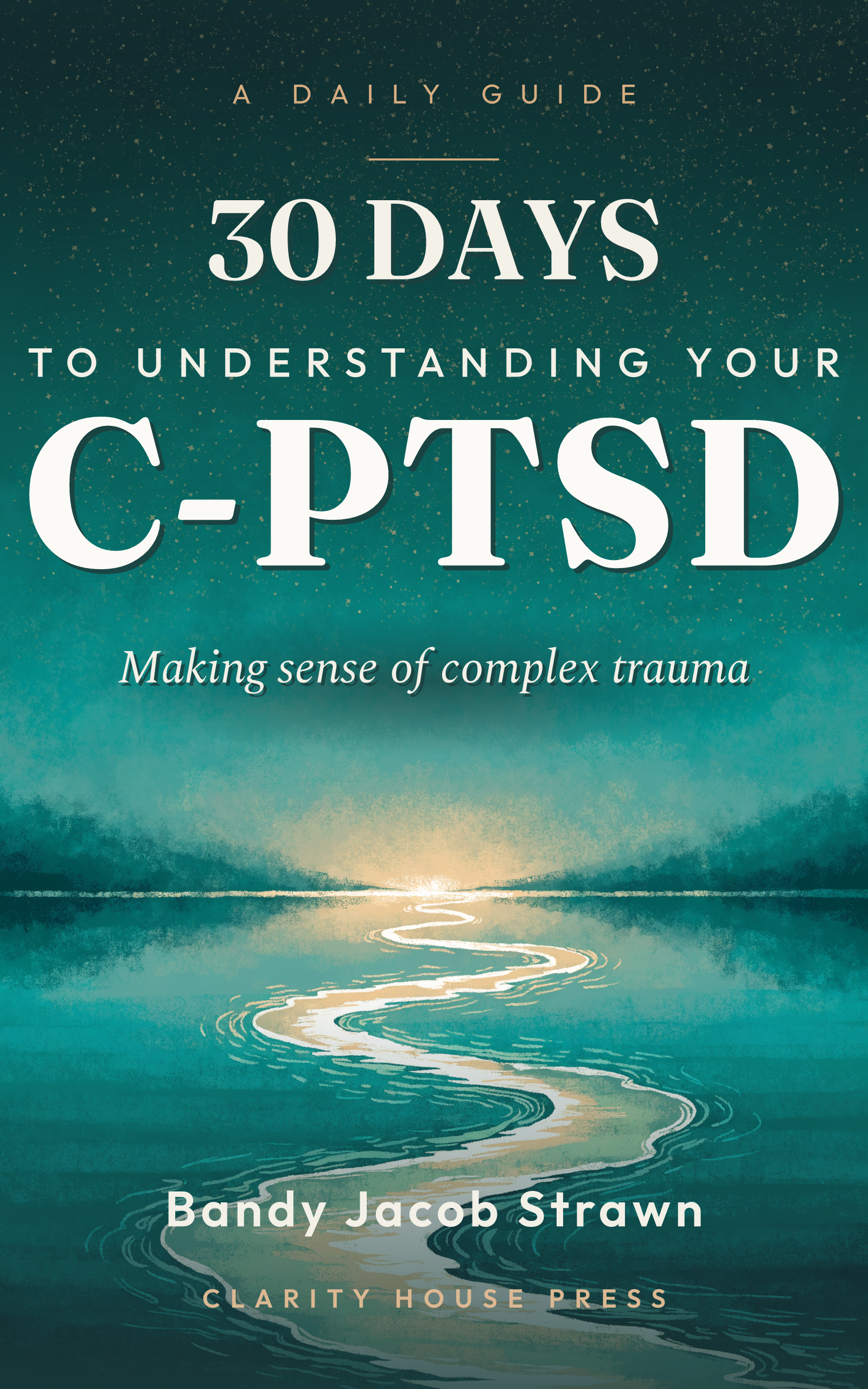

Surviving the Storm: When the Court Takes Your Children
Clarity House Press
For fathers in active high-conflict custody battles. Understand your CPTSD symptoms, begin stabilization, and build foundation for healing. 17 chapters covering recognition, symptoms, and the healing path.
In an Unspoken Voice
Peter A. Levine, PhD
Classic guide from the creator of Somatic Experiencing revealing how the body holds the key to trauma recovery.
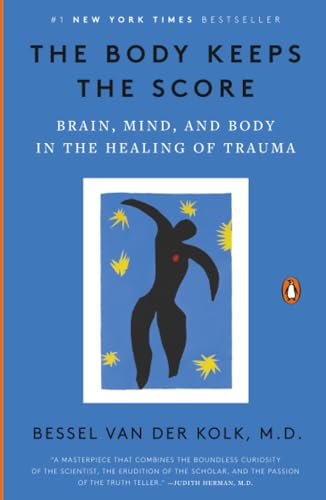
The Body Keeps the Score
Bessel van der Kolk, M.D.
A foundational look at how trauma reshapes the body and nervous system, and the approaches that help the body find safety again.
As an Amazon Associate, Clarity House Press earns from qualifying purchases. Your price is never affected.
Found this helpful?
Share it with someone who might need it.
About the Author

Clarity House Press
Editorial Team
The editorial team at Clarity House Press curates and publishes evidence-based content on narcissistic abuse recovery, high-conflict divorce, and healing. Our content is informed by research, survivor experiences, and established trauma-informed approaches.
View all posts by Clarity House Press →Published by Clarity House Press Editorial Team