Please read our important disclaimers before using this content
When you're a person of faith experiencing narcissistic abuse, you face a unique and painful conflict: the institution that should offer refuge, wisdom, and spiritual support instead pressures you to endure abuse in the name of God.
Religious narcissists weaponize scripture to justify control. Church leaders—often untrained in domestic violence dynamics1—counsel victims to "submit more," "pray harder," "forgive and forget," and "preserve the marriage at all costs." Faith communities rally around the abuser (especially if he's a respected church member) while quietly blaming the victim for "not being a good enough wife/husband." This pattern is part of a broader dynamic known as spiritual abuse recovery.
The message survivors hear from their religious communities:
- "God hates divorce"
- "Your suffering is your cross to bear"
- "Submit to your husband as unto the Lord"
- "Forgiveness means staying and reconciling"
- "If you just prayed more and had more faith, he would change"
- "You're destroying your family and defying God's plan"
The result: Survivors stay in dangerous relationships far longer than they would without religious pressure, believing that leaving equals spiritual failure, condemning their children to a "broken home," and risking eternal consequences.
This post addresses:
- How narcissists weaponize faith and scripture
- How religious communities enable abuse (often unknowingly)
- Theological responses: what the Bible actually says about abuse
- How to discern between faithful pastoral care and abuse-enabling counsel
- Strategies for leaving abuse while maintaining your faith
- Finding faith-informed, trauma-competent support
How Narcissists Weaponize Faith
1. Twisted Scripture: Using God's Word to Justify Abuse
Common scripture weaponized by abusers:
Ephesians 5:22-24 ("Wives, submit to your husbands as to the Lord"):
- Abuser's interpretation: "God commands you to obey me without question"
- Reality: This passage is about mutual submission in love (Eph 5:21), not authoritarian control. Husbands are called to love sacrificially (Eph 5:25)—abuse is not love.
1 Peter 3:1 ("Wives, submit to your husbands"):
- Abuser's interpretation: "You must submit even when I'm wrong"
- Reality: Peter addresses how to live faithfully in difficult circumstances, NOT how to enable abuse. The passage also condemns harsh, abusive treatment (1 Peter 3:7).
Matthew 18:21-22 (Forgive "seventy times seven"):
- Abuser's interpretation: "You have to forgive me and let me keep hurting you"
- Reality: Forgiveness does not mean tolerating ongoing abuse. Biblical forgiveness does not require reconciliation or continued relationship with unrepentant abusers.
Malachi 2:16 ("God hates divorce"):
- Abuser's interpretation: "God will condemn you if you leave me"
- Reality: Full verse says God hates "a man covering his garment with violence" (ESV)—God hates abuse, not victims escaping it. Jesus allowed for divorce in cases of serious covenant breaking (Matt 19:9).
Colossians 3:13 ("Forgive as the Lord forgave you"):
- Abuser's interpretation: "If you don't forgive me and stay, you're sinning"
- Reality: Forgiveness is a heart posture that releases bitterness; it does NOT require staying in abusive relationships or pretending abuse didn't happen.
1 Corinthians 7:10-11 ("A wife must not separate from her husband"):
- Abuser's interpretation: "The Bible forbids you from leaving"
- Reality: Paul addresses specific situations in Corinth. The Bible repeatedly prioritizes safety and protection of the vulnerable. God does not require you to stay in danger.
2. Spiritual Superiority and Religious Control
Claiming spiritual authority over you[^1]:
- "I'm the spiritual head of this household—you must obey me"
- "God speaks to me, not you" (dismissing your discernment or spiritual experience)
- "Questioning me is questioning God's authority"
- Using prayer, fasting, or scripture reading as tools of control
Weaponizing spiritual practices:
- Forcing you to pray with him after abusive episodes (using prayer to manipulate)
- Public displays of piety (leading Bible studies, worship teams) while abusing privately
- Controlling your relationship with God (dictating how you pray, what you read, which church you attend)
- Claiming God told him to make decisions (shutting down your input)
Spiritual gaslighting:
- "You're not hearing from God—you're being deceived by Satan"
- "Your feelings are from the enemy, not the Holy Spirit"
- "If you were truly spiritual, you'd submit without questioning"
3. Using Church Community as Flying Monkeys
Enlisting church members to pressure you:
- Telling pastor or elders his version of events (casting himself as victim)
- Using small groups or Bible studies to gather allies
- Publicly presenting as godly husband while privately abusing
- Mobilizing friends to "talk sense into you" about staying
Result: You're isolated within your own faith community. People you trusted side with your abuser, believing his narrative. Understanding flying monkeys and how narcissists enlist allies applies equally in religious contexts.
4. Threatening Spiritual Consequences
Eternal threats:
- "God will judge you for breaking your vows"
- "You're condemning our children to hell by divorcing"
- "If you leave, you're in rebellion against God"
- "You'll lose your salvation if you disobey me"
Temporal threats:
- "The church will shun you if you leave"
- "You'll lose your ministry position"
- "God will curse you and the children"
- "Your faith community will know you're a rebellious woman"
Why it works: For people of sincere faith, these threats are terrifying. The prospect of spiritual failure, losing church community, or facing God's judgment keeps survivors trapped.
How Religious Communities Enable Abuse (Often Unknowingly)
1. Pastoral Counseling Without DV Training
Most pastors have zero training in domestic violence1. They mean well but give dangerous advice:
"Have you tried praying more?"
- Implication: Your lack of prayer is causing the abuse
- Reality: Prayer doesn't change abusers—abusers change when they face consequences and choose to change
"Submit more and respect him—that's your biblical role"
- Implication: Your failure to submit is provoking abuse
- Reality: Abuse is about power and control, not your behavior. No amount of submission stops a narcissist.
"Let's do couples counseling"
- Implication: This is a relationship problem you both contribute to
- Reality: Couples counseling with abusers is dangerous—it gives them ammunition, teaches them what hurts you, and puts you at greater risk1
"Forgiveness means reconciliation"
- Implication: You must reunite with your abuser to be obedient to God
- Reality: Forgiveness can happen while maintaining boundaries. Reconciliation requires genuine repentance and lasting change (rare in narcissists).
"Think of the children—they need their father"
- Implication: Staying in abuse is better for kids than divorce
- Reality: Children are harmed by witnessing abuse. Leaving protects them from trauma and models healthy boundaries.
"God can change anyone—you just need more faith"
- Implication: If he doesn't change, your faith is insufficient
- Reality: God doesn't override free will. Abusers must choose to change. Your faith cannot control his choices.
2. Theology of Suffering and Submission
Harmful theological frameworks[^9]:
"Your suffering is sanctifying":
- Teaching that enduring abuse makes you more Christlike
- Reality: Jesus did not call victims to endure oppression—he confronted it, challenged it, and prioritized the vulnerable
"Wives must submit to husbands in all things":
- Complementarian theology taken to abusive extremes
- Reality: Even complementarian scholars affirm that submission does not mean tolerating abuse
"Divorce is always sin":
- Rigid interpretation ignoring biblical allowances for divorce
- Reality: Jesus permitted divorce for sexual immorality (Matt 19:9); Paul permitted it for abandonment (1 Cor 7:15); many theologians extend this to abuse as covenant-breaking
"Keep the family intact at all costs":
- Idolizing the nuclear family over individual safety
- Reality: God values justice, protection of the vulnerable, and human dignity over preserving abusive family structures
3. Protecting the Institution Over the Victim
Church reputation prioritized:
- "Don't report this publicly—it will hurt the church's witness"
- Covering up abuse to avoid scandal
- Quietly moving abusers to different ministries rather than holding them accountable
When the abuser is a church leader:
- Pastors, elders, deacons, worship leaders who abuse are often protected
- Victims are silenced to preserve the leader's reputation
- Institutional self-protection over victim safety
Discouraging legal action:
- "Don't involve the secular authorities—we'll handle this within the church"
- Preventing victims from filing protective orders or pressing charges
- Framing legal action as "unbiblical" (misinterpreting 1 Cor 6 about lawsuits between believers)
4. Blaming the Victim
Common victim-blaming in religious contexts:
- "What did you do to provoke him?"
- "Are you being a contentious woman?" (Proverbs 21:9)
- "Perhaps you're not submitting as God commands"
- "Have you examined your own sin?"
- "You're being divisive by talking about this"
The Proverbs 31 wife trap:
- Impossible standard of perfect wife/mother used to shame survivors
- Ignores that Proverbs 31 woman is strong, entrepreneurial, and autonomous
- Used to make you feel like your imperfection caused the abuse
5. Misunderstanding Forgiveness and Reconciliation
Church teaching often conflates forgiveness with reconciliation:
Forgiveness = releasing bitterness, entrusting justice to God, healing your own heart2
- Can happen unilaterally (doesn't require abuser's participation)
- Does NOT require continued relationship
- Is for YOUR freedom, not the abuser's benefit
Reconciliation = restored relationship based on genuine repentance, changed behavior, and rebuilt trust
- Requires BOTH parties
- Requires abuser's sustained transformation (rare)
- May never be safe or appropriate
Church pressure: "You must forgive AND reconcile"—erasing critical boundaries that protect you.
What the Bible Actually Says About Abuse
God Hates Abuse and Oppression
Psalm 11:5: "The Lord tests the righteous, but his soul hates the wicked and the one who loves violence."
Malachi 2:16: "For I hate divorce, says the Lord...so guard yourselves in your spirit, and do not be faithless. The man who hates and divorces his wife...covers his garment with violence." (God hates covering oneself with violence—abuse itself.)
Psalm 72:14: "From oppression and violence he redeems their life, and precious is their blood in his sight."
Proverbs 6:16-19: Lists seven things God hates, including "hands that shed innocent blood" and "a heart that devises wicked plans."
God opposes abuse, violence, and oppression. Abusers, not victims, are in rebellion against God.
God Prioritizes Justice and Protection of the Vulnerable
Isaiah 1:17: "Learn to do good; seek justice, correct oppression; bring justice to the fatherless, plead the widow's cause."
Proverbs 31:8-9: "Speak up for those who cannot speak for themselves...defend the rights of the poor and needy."
Zechariah 7:9-10: "Render true judgments, show kindness and mercy...do not oppress the widow, the fatherless, the sojourner, or the poor."
God commands his people to protect victims and seek justice. Enabling abuse violates biblical commands.
Jesus Confronted Abusers and Defended Victims
Jesus rebuked religious leaders who abused their authority (Matt 23) Jesus defended the woman caught in adultery from those who would stone her (John 8) Jesus welcomed children and condemned those who harm them (Matt 18:6) Jesus valued mercy over legalism (Matt 12:7)
Jesus' example: Compassion for victims, confrontation of abusers, prioritizing human dignity over rigid rules.
Biblical Grounds for Divorce Include Abuse
Matthew 19:9: Jesus permits divorce for "sexual immorality" (porneia—broad term including covenant-breaking) 1 Corinthians 7:15: Paul permits divorce when unbelieving spouse abandons the marriage Many scholars extend these principles to abuse: Abuse is covenant-breaking, comparable to adultery in its betrayal
Theological consensus growing: Abuse violates the marriage covenant; victims are not bound to stay.
Forgiveness Does Not Mean Staying
Luke 17:3: "If your brother sins, rebuke him, and if he repents, forgive him."
- Forgiveness is conditional on repentance (genuine repentance = changed behavior)
- You can forgive in your heart while maintaining safety boundaries
Matthew 18:15-17: Outlines church discipline process for unrepentant sin
- Includes removing unrepentant persons from fellowship
- Demonstrates that maintaining relationship with unrepentant abusers is not required
Discerning Faithful Pastoral Care from Abuse-Enabling Counsel
Red Flags: Abuse-Enabling Religious Counsel
Run from pastors or counselors who:
- Immediately jump to "submit more" without listening to your full story
- Suggest couples counseling (never appropriate with abuse)
- Focus on your behavior rather than his abuse
- Minimize or dismiss abuse ("all marriages have conflict")
- Quote scripture to pressure you to stay without addressing safety
- Refuse to call abuse "abuse" (using euphemisms like "anger issues" or "conflict")
- Pressure you to forgive and reconcile before abuser has shown genuine change
- Discourage you from involving law enforcement or legal protection
- Ask "what did you do to provoke him?"
- Frame leaving as sin or lack of faith
- Prioritize marriage preservation over your safety
Green Flags: Trauma-Informed, Faith-Informed Counsel
Trust pastors or counselors who:
- Prioritize your safety first ("Are you safe? Do you have a safety plan?")
- Believe you and validate your experience
- Call abuse "abuse" without minimizing
- Affirm that abuse is sin and violates God's design for marriage
- Support legal protection (restraining orders, police involvement if needed)
- Refuse couples counseling (recognize it's unsafe with abusers)
- Clarify that forgiveness does not require reconciliation
- Understand that genuine repentance requires sustained change, not just apologies
- Connect you with domestic violence resources
- Have training in domestic violence dynamics
- Respect your agency and support your decisions (not dictating what you "must" do)
- Acknowledge that sometimes divorce is the most faithful, God-honoring choice
Strategies for Leaving Abuse While Maintaining Your Faith
1. Your Faith Can Survive—And May Deepen—When You Leave
Common fear: "If I leave, I'm abandoning my faith."
Reality: Leaving abuse can be an act of faith—trusting that God values your life, safety, and dignity.
Many survivors report[^2]:
- Deeper relationship with God after leaving
- Freedom to experience God's love without abuser's distortions
- Healing that was impossible while staying in abuse
- Discovering God as refuge and protector (not demanding submission to abuse)
Your faith is not tied to your abuser or your church community. God goes with you. Many survivors find that forgiveness on their own terms — distinct from reconciliation — is an important part of their spiritual healing.
2. Find Faith-Informed, DV-Competent Support
What to look for:
- Therapists who are BOTH trauma-informed AND faith-literate
- Pastors trained in domestic violence (ask about training/certifications)
- Support groups for Christian survivors of abuse
- Legal advocates who respect your faith while protecting your safety
Resources for finding faith-informed help:
- FaithTrust Institute: faithtrustinstitute.org (religious leaders trained in DV)
- Focus Ministries: focusministries1.org (Christian DV education and support)
- Flying Free Podcast and Community: joyfulmilitantradicals.org (Christian women leaving abuse)
- Christian survivors' support groups (online communities like Untwisting Scriptures)
3. Study What the Bible Says—Not What Your Abuser Says
Recommended reading:
- "Is It Me? Making Sense of Your Confusing Marriage" by Natalie Hoffman
- "The Emotionally Destructive Marriage" by Leslie Vernick
- "When Love Hurts" by Jill Cory and Karen McAndless-Davis
- "Untwisting Scriptures" by Rebecca Davis
- "Rid of My Disgrace" by Justin and Lindsey Holcomb (theology of abuse and redemption)
Study for yourself:
- What does the Bible say about justice, oppression, protection of the vulnerable?
- How did Jesus treat victims vs. abusers?
- What is biblical forgiveness (vs. church's misinterpretation)?
- What are biblical grounds for divorce?
Reclaim your faith from your abuser's distortions.
4. You May Need to Leave Your Church (Temporarily or Permanently)
If your church is enabling your abuser[^2]:
- Prioritizes keeping your marriage intact over your safety
- Believes his narrative and blames you
- Refuses to hold him accountable
- Pressures you to reconcile
Leaving may be necessary for your safety and healing.
This does NOT mean leaving your faith—it means leaving a community that has failed to protect you.
Finding a new church:
- Look for churches that:
- Have domestic violence policies and training
- Prioritize victim safety over preserving marriage at all costs
- Understand trauma and practice trauma-informed ministry
- Have women in leadership (often more aware of DV dynamics)
- Ask potential churches: "How does your church respond to domestic violence?" Their answer will tell you a lot.
5. Address Spiritual Abuse as Part of Your Healing
Spiritual abuse = using faith, scripture, or religious authority to control, manipulate, or harm.3
Symptoms of spiritual abuse:
- Fear-based relationship with God (terrified of making God angry)
- Inability to trust your own spiritual discernment
- Shame and guilt as primary spiritual emotions
- Viewing God as angry judge rather than loving Father
- Spiritual practices (prayer, Bible reading) feel traumatic or triggering
Healing from spiritual abuse:
- Therapy with faith-informed, trauma-competent therapist
- Spiritual direction with trained director (not pastoral counseling with untrained pastor)
- Slowly re-engaging with faith practices in safe, non-coercive contexts
- Allowing yourself to question, doubt, and wrestle with God (this is biblical—see Psalms, Job, Lamentations)
- Discovering God's character apart from abuser's distortions
6. Your Children's Faith Formation Matters More Than Appearances
Fear: "Divorce will destroy my children's faith."
Reality: Growing up witnessing abuse is far more spiritually damaging than growing up in a peaceful, single-parent home.
What harms children's faith:
- Watching abuse and being told "this is what Christian marriage looks like"
- Seeing you hurt and learning that God requires victims to endure harm
- Experiencing abuse directly and being told "honor your father"
- Learning that church protects abusers and silences victims
What protects children's faith:
- Seeing you model healthy boundaries and self-respect
- Learning that God values safety and justice
- Experiencing a peaceful home free from fear
- Discovering that faith includes standing up to evil, not enabling it
You're not destroying their faith by leaving—you're protecting it.
Action Steps for Survivors in Religious Contexts
If You're Currently in an Abusive Relationship
1. Safety first—always4
- Even if church says to stay, prioritize safety
- Develop safety plan (see National Domestic Violence Hotline resources)
- Document abuse (photos, texts, emails, recordings if legal)
2. Seek outside help (beyond your church)
- Domestic violence hotline: 1-800-799-7233
- DV advocates trained in religious contexts
- Therapist with DV training (not pastoral counseling)
3. Educate yourself biblically
- Study what the Bible actually says about abuse, divorce, justice
- Read survivor stories from Christian survivors
- Learn to recognize twisted scripture
4. Build support network outside abuser's influence
- Friends or family who believe you
- Online support groups for Christian survivors
- New church community (if current church is enabling abuse)
If You're Considering Leaving
1. Consult with faith-informed DV advocates
- They can help you navigate both safety concerns AND faith questions
- Many understand the unique pressure religious survivors face
2. Find a trauma-informed, faith-literate therapist5
- Not pastoral counseling (most pastors lack DV training)
- Licensed therapist who respects your faith and understands abuse
3. Plan for spiritual isolation
- If you leave, you may lose church community (at least temporarily)
- Identify faith-based support systems before you leave
- Online Christian survivor communities can sustain you
4. Know your legal rights
- Protective orders, custody, divorce
- Faith does not negate legal protections
- Work with attorneys who respect your faith while protecting you
If You've Left and Are Healing
1. Grieve your losses
- Loss of marriage (even abusive marriages can be grieved)
- Loss of church community
- Loss of the faith narrative you were taught
- This grief is valid and part of healing
2. Rebuild your relationship with God
- Explore who God is apart from your abuser's portrayal
- Engage with scripture in new ways (devotionals for abuse survivors, trauma-informed Bible studies)
- Give yourself permission to be angry at God (He can handle it)
3. Find community that affirms your choice
- Support groups for Christian survivors
- Churches that prioritize victim safety
- Online communities of people who've walked this path
4. Consider whether/when to return to church
- You don't "have to" attend church to be a Christian
- When you're ready, look for trauma-informed, DV-aware churches
- It's okay to take your time
You Can Be Faithful to God AND Leave Abuse6
Staying in abuse is not faithfulness—it's self-destruction.
Leaving abuse is not sin—it's survival.
Protecting your children is not selfishness—it's stewardship.
Seeking justice is not vengeance—it's biblical.
God does not require you to be a martyr in your own home.
God does not value your marriage more than your life.
God does not demand that you submit to evil.
Your abuser's version of God is a lie. The real God:
- Hates violence and oppression
- Defends the vulnerable
- Values your life and dignity
- Walks with you through suffering (not because He demands it, but because we live in a broken world)
- Desires your freedom, healing, and wholeness
You can honor God AND protect yourself.
You can follow Jesus AND leave your abuser.
You can keep your faith AND lose your church.
You are not a bad Christian for choosing safety. You're a wise one.
NOTE ON HOTLINE NUMBERS: Phone numbers for crisis hotlines, legal aid, and support services are provided as a resource. These numbers are current as of publication but may change. Please verify hotline numbers are still active before relying on them. For the National Domestic Violence Hotline, visit thehotline.org for current contact information.
Resources for Survivors in Religious Contexts
Faith-Based DV Organizations:
- FaithTrust Institute - Addressing sexual and domestic violence in faith communities
- Focus Ministries - Christian domestic violence support
- GRACE (Godly Response to Abuse in the Christian Environment) - Abuse response in Christian organizations
Christian Survivor Communities:
- Flying Free - Podcast and community for Christian abuse survivors
- A Cry for Justice - Blog addressing abuse in the church
Recommended Books:
- "Is It Me?" by Natalie Hoffman
- "The Emotionally Destructive Marriage" by Leslie Vernick
- "Untwisting Scriptures" by Rebecca Davis
General DV Resources:
- National Domestic Violence Hotline - 1-800-799-7233
- RAINN National Sexual Assault Hotline - 1-800-656-4673
Spiritual Abuse Resources:
- Spiritual Abuse Resources - Understanding and healing from spiritual abuse
If you are in immediate danger, call 911.
Your faith is valid. Your abuse is real. God is not angry at you for protecting yourself. You deserve a church that defends you, not your abuser.
Resources
Finding Support and Therapy:
- Spiritual Abuse Resources - Understanding and healing from spiritual abuse
- Psychology Today - Therapists - Find trauma and spiritual abuse specialists
- GoodTherapy - Search for faith-integrated trauma therapists
- EMDR International Association - Find EMDR therapists
Crisis Support and Safety:
- National Domestic Violence Hotline - 1-800-799-7233 (SAFE) for safety planning
- RAINN National Sexual Assault Hotline - 1-800-656-4673 for sexual assault support
- 988 Suicide & Crisis Lifeline - Call or text 988 for crisis support (24/7)
- Crisis Text Line - Text HOME to 741741 for crisis counseling
References
- Ellis, H. M., Hook, J. N., Zuniga, S., Hodge, A. S., Ford, K. M., Davis, D. E., & Van Tongeren, D. R. (2022). Religious/spiritual abuse and trauma: A systematic review of the empirical literature. Spirituality in Clinical Practice, 9(4), 213–231. https://doi.org/10.1037/scp0000307 ↩
- Zust, B. L., Flicek, B., Moses, K. S., Schubert, C. N., & Timmerman, J. (2021). 10-Year study of Christian church support for domestic violence victims: 2005–2015. Journal of Interpersonal Violence, 36(7–8), 3962–3986. https://doi.org/10.1177/0886260518754473 ↩
- McMullin, S., Nason-Clark, N., Fisher-Townsend, B., & Holtmann, C. (2015). When violence hits the religious home: Raising awareness about domestic violence in seminaries and amongst religious leaders. Journal of Pastoral Care & Counseling, 69(2), 113–124. https://doi.org/10.1177/1542305015586776 ↩
- Li, S., Collison, K. L., Scharkow, M., Giromini, L., & Fairchild, G. (2023). Narcissism and intimate partner violence: A systematic review and meta-analysis. Trauma, Violence, & Abuse, 24(4), 2205–2225. https://doi.org/10.1177/15248380231196115 ↩
- Leo, D., Izadikhah, Z., Fein, E. C., & Forooshani, S. A. (2021). The effect of trauma on religious beliefs: A structured literature review and meta-analysis. Journal of Interpersonal Violence, 36(7–8), NP3838–NP3859. https://doi.org/10.1177/1524838019834076 ↩
- Pargament, K. I., & Trevino, K. (2007). Spirituality and religion in the context of trauma: Aftereffects and resources. In Psychological trauma and the healing traditions (pp. 51–71). The Guilford Press. ↩
- Johnson, M. P., & Ferraro, K. J. (2000). Research on domestic violence in the 1990s: Making distinctions. Journal of Marriage and the Family, 62(4), 948–963. https://doi.org/10.1111/j.1741-3737.2000.00948.x ↩
- Campbell, J. C., Webster, D., Koziol-McLain, J., Block, C., Campbell, D., Curry, M. A., ... Laughon, K. (2003). Risk factors for femicide in abusive relationships: Results from a multisite case control study. American Journal of Public Health, 93(7), 1089–1097. https://doi.org/10.2105/AJPH.93.7.1089 ↩
- Wendt, S., & Clarke, J. (2025). Exploring the theological context to domestic and family violence. Journal of Family Violence. https://doi.org/10.1177/10778012241254849 ↩
- Kaminer, D., Stein, D. J., Mbanga, I., & Zungu-Dirwayi, N. (2001). The Truth and Reconciliation Commission in South Africa: Relation to psychiatric status and forgiveness among survivors of human rights abuses. British Journal of Psychiatry, 178(4), 373–377. https://doi.org/10.1192/bjp.178.4.373 ↩
Recommended Reading
From Clarity House Press — plus trusted books for deeper understanding


My Grandmother's Hands
Resmaa Menakem, MSW, LICSW
A body-centered approach to healing trauma that lives in the nervous system, with practices for settling and self-regulation.
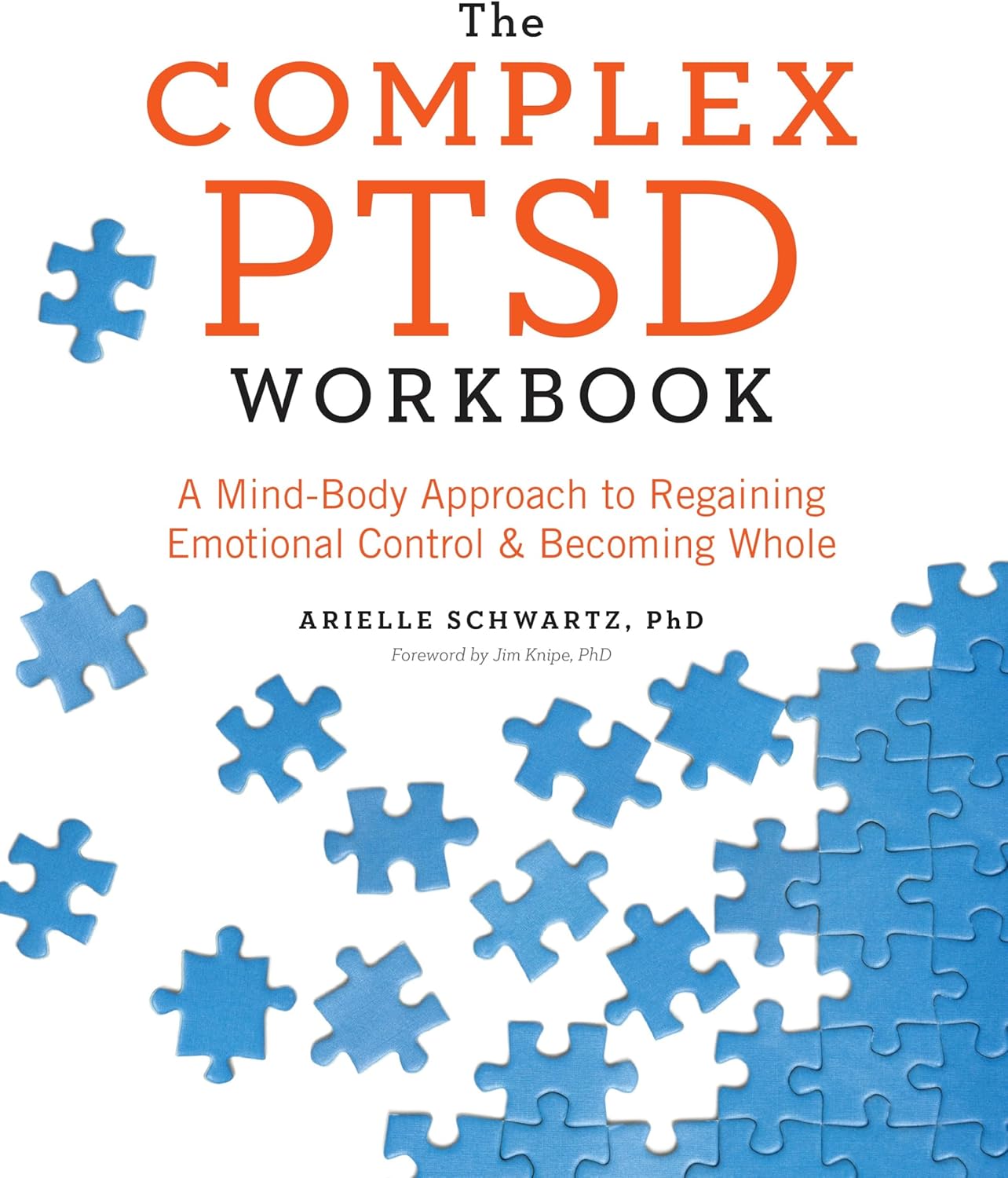
The Complex PTSD Workbook
Arielle Schwartz, PhD
A mind-body approach to regaining emotional control and becoming whole with evidence-based exercises.
As an Amazon Associate, Clarity House Press earns from qualifying purchases. Your price is never affected.
Found this helpful?
Share it with someone who might need it.
Tags
About the Author

Clarity House Press
Editorial Team
The editorial team at Clarity House Press curates and publishes evidence-based content on narcissistic abuse recovery, high-conflict divorce, and healing. Our content is informed by research, survivor experiences, and established trauma-informed approaches.
View all posts by Clarity House Press →Published by Clarity House Press Editorial Team