Please read our important disclaimers before using this content
Your LinkedIn profile used to be straightforward professional self-promotion. Now every post feels like a minefield. Should you share that promotion when your ex might weaponize your increased income in support modifications? Can you update your job title when your ex monitors your profile obsessively? What do you do about the 34 mutual professional connections who might report your activity back to your ex like flying monkeys with business cards?
Professional social media after high-conflict divorce requires a completely different strategy than before. You need career visibility to access opportunities, but privacy protection to avoid giving your ex ammunition. You need to maintain professional relationships with mutual connections without feeling surveilled. You need to share achievements without exposing vulnerabilities.
Research confirms that technology-facilitated surveillance is widespread in intimate partner violence contexts. According to CDC data, nearly half (46.8%) of female stalking victims received unwanted messages through social media, and over one-third (36.3%) reported that perpetrators used social media to monitor or track them (CDC National Intimate Partner and Sexual Violence Survey, 2021). Your vigilance about professional social media isn't paranoia—it's evidence-based protection.
It's a delicate balance—but it's absolutely achievable with strategic settings, intentional boundaries, and clear understanding of what you control and what you don't.
Understanding the Professional Social Media Dilemma
Before diving into tactics, let's name the core tension you're navigating.
The Visibility Paradox
You need visibility for:
- Job opportunities (recruiters search LinkedIn actively)
- Professional networking and relationship building
- Thought leadership and industry credibility
- Client or customer acquisition
- Career advancement and promotions
Visibility creates risk because:
- Your ex monitors your profile and activity
- Shared professional connections may report on you
- Job changes can trigger support modification motions
- Success narratives may fuel jealousy and retaliation
- Personal information can be weaponized in custody disputes
You can't afford to be invisible professionally—your career recovery depends on strategic visibility. Research shows that LinkedIn network size is positively correlated with receiving more job offers, with 57.5% of job seekers finding roles through LinkedIn (Vardeman-Winter & Place, 2023). But you also can't pretend your ex isn't watching. The solution isn't choosing one or the other—it's optimizing for both.
What Your Ex Can and Cannot See
Even if you block your ex on LinkedIn, they can:
- View your profile in private browsing/logged out
- Ask mutual connections to screenshot your profile
- See posts you make in public groups
- Find your profile via Google search
- View your professional website if linked in bio
Blocking prevents them from:
- Seeing your full activity feed
- Viewing when you're active or online
- Sending you messages or connection requests
- Endorsing your skills or recommending you
- Seeing mutual connections (you won't see theirs either)
What this looks like:
"I blocked my ex on LinkedIn, then discovered he was logging out and viewing my profile weekly—LinkedIn's 'Who Viewed Your Profile' showed 'Anonymous Viewer' from his city every Monday morning. I couldn't stop him from seeing my public profile, but I could control what was public vs. connections-only."
Privacy Settings: Your First Line of Defense
LinkedIn's privacy settings are extensive but not intuitive. Strategic configuration is essential.
Critical Privacy Settings to Adjust
Profile viewing options (Settings > Visibility > Profile viewing options):
- Change from "Your name and headline" to "Private mode"
- This means when you view others' profiles, they see "Someone at [Your Company]" not your name
- Downside: You won't see who viewed your profile in detail either
- Consider: Is knowing who viewed your profile worth your ex knowing you viewed certain profiles?
Active status (Settings > Visibility > Active status):
- Turn OFF "Show active status"
- Prevents your ex from seeing when you're online
- Reduces feeling of surveillance
Profile visibility (Settings > Visibility > Edit your public profile):
- Choose what logged-out viewers see: Name + headline only, or full profile?
- For high-conflict situations, consider minimizing public view to basics
- Remember: Recruiters often search logged-out
Activity broadcasts (Settings > Visibility > Share profile updates with your network):
- Turn OFF if you don't want every profile change broadcast to connections
- Useful when changing jobs and not ready to announce widely yet
- You can toggle on for strategic announcements, then turn back off
Followers (Settings > Visibility > Followers):
- Turn OFF "Allow followers" if you only want actual connections seeing your content
- Prevents your ex from "following" you without connection
What this looks like:
"I changed my settings so my profile edits weren't broadcast, my active status was hidden, and my public profile showed only my name and current title—nothing else. When I got promoted, I updated my profile quietly, then manually posted about it a month later when I was ready for the visibility. I controlled the timing."
Connection-Level Privacy
Connections visibility (Settings > Visibility > Who can see your connections):
- Change to "Only you" so your ex can't mine your network
- Prevents them from contacting your new professional relationships
- Especially important if you're building fresh network after isolation
Research on privacy settings effectiveness reveals important limitations: existing privacy controls do not protect the flow of personal information as effectively as most users expect, and even restricted content can be screenshot and shared by connections (Sun et al., 2015). This is why layered protection—privacy settings combined with strategic posting and connection management—is essential.
Photos and videos (Settings > Visibility > Manage who can see your photos and videos):
- Control who sees photos you're tagged in
- Important if colleagues post social photos that might include personal information
Blocking (Settings > Visibility > Blocking):
- Block your ex completely: They can't see your activity, send messages, or endorse you
- Consider blocking their close family, flying monkeys, or people who actively report on you
- Blocking is invisible to them—they don't get notified
Managing Mutual Professional Connections
You can't control other people's LinkedIn connections. You can control your boundaries and strategy.
The Mutual Connection Dilemma
Connections to keep:
- People you actively work with professionally (removing them looks odd)
- Industry leaders or important network contacts (career value outweighs risk)
- Colleagues who are neutral or supportive (not everyone is a flying monkey)
The value of maintaining diverse professional connections is backed by decades of research. Sociologist Mark Granovetter's foundational research demonstrated that "weak ties"—casual acquaintances and professional connections rather than close friends—are significantly more helpful in finding employment because they connect you to networks outside your immediate circle (Granovetter, 1973). A large-scale LinkedIn study validated this finding, showing that users with more weak tie connections doubled their chances of getting a new job (Rajkumar et al., 2022).
Connections to remove:
- Your ex's family members (not professional contacts)
- People who have actively sided with your ex or reported on you
- Connections you never actually worked with who are purely social
- Flying monkeys masquerading as professional contacts
Connections to reconsider:
- Former colleagues who maintain close friendship with your ex
- Shared industry contacts who might share your information
- People in your field who create more risk than professional value
What this looks like:
"I removed my ex's sister (she never worked in my industry anyway), two former colleagues who I knew were feeding him information, and about a dozen people I'd connected with socially but never professionally. I kept connections with the managing partners at my old firm, important industry contacts, and colleagues I genuinely worked with—even though they also knew my ex."
Posting Strategy with Mutual Connections
Assume everything is screenshot-able: If you wouldn't want your ex to see it, don't post it—even to "connections only."
Separate professional from personal: LinkedIn is not Facebook. Keep content strictly professional.
Strategic sharing: Post accomplishments, industry insights, professional milestones—not personal updates.
Avoid vague-posting: Don't subtly reference your divorce, recovery, or ex. It looks unprofessional and creates drama.
Use other platforms for personal: Save personal updates for private Instagram, Facebook with strict privacy settings, or offline communication.
Sharing Professional Achievements Without Creating Ammunition
You earned that promotion. You deserve to share professional wins. But you're also aware your ex might use increased income against you, weaponize your success as proof you're "doing fine" (therefore don't need support), or simply retaliate out of jealousy.
Strategic Achievement Sharing
What to share:
- New certifications or education completed
- Industry recognition or awards
- Thoughtful professional content (articles you wrote, insights on industry trends)
- Participation in conferences or professional events
- Career milestones (work anniversaries, role expansions that don't emphasize income)
What to delay or minimize:
- Income increases (new jobs with higher pay)
- Salary information or compensation packages
- Financial success (big sales, contracts won, revenue generated)
- Major life upgrades (new house, expensive purchases) that suggest income growth
For survivors rebuilding professionally after economic abuse, see our guide to career rebuilding after narcissistic abuse.
How to frame achievements:
- Focus on professional growth and expertise, not financial success
- "Honored to earn my PMP certification" (professional) vs. "Just got a $20K raise!" (financial)
- "Excited to join [Company] as Senior Director" (role) vs. "Thrilled about the amazing compensation package at my new job!" (income)
Timing considerations:
- If support modification hearings are pending, delay posting income-related news
- If custody evaluation is ongoing, maintain low profile
- Post when strategically safe—you control timing
What this looks like:
"I got promoted to VP with a $40K salary increase. My divorce wasn't final, and I knew my ex monitored my LinkedIn obsessively. I updated my title on LinkedIn but posted nothing. Three months later, after final orders were signed, I posted about the role—focusing on the leadership opportunity and team I was building, with zero mention of compensation."
Job Changes and Career Transitions
Changing jobs during or after high-conflict divorce adds complexity—your ex may claim you're hiding income, voluntarily underemployed, or deliberately destabilizing children's lives.
Updating Employment Information
When to update:
- After you've started the new role (not when you accept offer)
- After informing your ex if required by custody orders (some orders require advance notice of employment changes)
- When strategically safe from support modification perspective
What to include:
- Company name and role title (required for professional credibility)
- Brief description of responsibilities (focus on skills, not compensation)
- Dates of employment
What to omit or minimize:
- Salary information (never include)
- Compensation structure (bonuses, equity, perks)
- Reasons for leaving prior role (keep it neutral)
Explaining Employment Gaps
If abuse forced you out of work, created employment gaps, or interrupted your career, LinkedIn profile management requires strategic honesty. Economic abuse tactics that disrupt employment are common—and rebuilding professionally is part of the larger recovery process.
Options for gap explanations:
Sabbatical: "Professional Development Sabbatical" with brief description of skills acquired, certifications earned, or personal growth.
Consulting/Freelance: If you did any contract work, even informally, "Independent Consultant" with description of project work.
Family responsibilities: "Family Care Leave" is professionally acceptable explanation (no details required).
Career transition: "Career Transition Period" with focus on skills development, education, or strategic planning.
Honest without details: You can leave gap unexplained on LinkedIn and address in interviews. "I took time to focus on family priorities during a challenging personal period" is sufficient.
What this looks like:
"I had a two-year employment gap when abuse made working impossible—I was having panic attacks daily, attending therapy three times a week, and managing a custody battle. On LinkedIn, I called it 'Professional Development & Family Care Sabbatical.' In interviews, I said, 'I took time to address family priorities and invest in my mental health. I'm now fully ready to return to work.' No one pushed further."
Professional Branding Post-Divorce
Your professional brand is how you're perceived in your industry. Post-divorce is an opportunity to intentionally craft or refresh your brand—independent of your ex's influence or narrative.
Defining Your Professional Brand
Ask yourself:
- What do I want to be known for professionally?
- What expertise or value do I uniquely offer?
- How do I want colleagues, clients, and recruiters to perceive me?
- What professional legacy am I building?
Your LinkedIn profile should answer:
- What problems do you solve?
- For whom do you solve them?
- How are you distinctively qualified to solve them?
- What results have you achieved?
Headline Optimization
Your LinkedIn headline is the single most visible element of your profile—appears in search results, connection requests, comments on posts.
Weak headline: "Marketing Professional at ABC Company"
Strong headline: "B2B Marketing Strategist | Driving 40% Revenue Growth Through Data-Driven Campaigns | SaaS Expert"
Formula: [Role/Expertise] | [Value Proposition/Results] | [Industry/Specialization]
Avoid:
- Generic job titles without context
- "Seeking opportunities" (looks desperate)
- Personal information unrelated to work
- Anything your ex could weaponize
About Section Strategy
Your "About" section is your professional story—how you got here, what you do, what drives you.
Structure:
- Opening hook: What problem do you solve or what passion drives your work?
- Expertise overview: What are you particularly skilled at?
- Professional values: What principles guide your work?
- Key achievements: 3-5 quantified accomplishments
- Call to action: How should people connect with you?
Keep it professional: This isn't therapy. No divorce mentions, personal struggles, or victim narratives. Your professional brand is about competence, not survival.
What this looks like:
Before (trauma-focused): "After overcoming significant personal challenges, I'm rebuilding my career in project management. I'm passionate about helping others and creating positive change."
After (competence-focused): "Results-driven project manager with 12 years leading cross-functional teams in healthcare technology. I specialize in turning complex stakeholder requirements into actionable project plans that deliver on time and under budget. Proven track record: 95% on-time delivery rate, $8M in project value delivered, 30% efficiency improvement through process optimization."
Content Strategy: What to Post and When
Strategic posting builds your professional brand, demonstrates expertise, and increases visibility for opportunities—without oversharing or creating vulnerability.
Content Pillars
Industry insights: Share articles, trends, or news in your field with your analysis. Demonstrates you're current and thoughtful.
Professional wins: Certifications earned, projects completed, milestones reached (framed professionally, not financially).
Thought leadership: Original content—articles you write, perspectives on industry challenges, frameworks you've developed.
Engagement with others: Thoughtful comments on others' posts, congratulating colleagues, sharing others' content.
Helpful resources: Tools, articles, or resources that benefit your network. Generosity builds social capital.
Posting Frequency
Quality over quantity: One thoughtful post monthly is better than daily generic content.
Consistency matters: Regular posting (weekly or bi-weekly) keeps you visible algorithmically.
Strategic timing: Post when your industry is most active on LinkedIn (usually Tuesday-Thursday, 8-10 AM or 5-6 PM).
What NOT to Post
Divorce references: Ever. LinkedIn is professional space. Your personal life doesn't belong there.
Vague-posting about struggles: "Some people don't appreciate hard work" or "Rising above negativity"—looks unprofessional and dramatic.
Political or controversial content: Unless directly related to your professional expertise, avoid.
Personal photos: Family photos, vacation pictures, social events—wrong platform. Keep LinkedIn professional.
Financial details: Income, investments, purchases, debts—creates ammunition and looks tacky.
Anything reactive: Don't post when angry, upset, or triggered. Professional social media requires calm curation.
Handling Your Ex's Professional Social Media Behavior
You can't control what your ex posts about you. You can control your response—or intentional non-response.
If Your Ex Posts About You
Assess the damage:
- Is it defamatory (false statements of fact)?
- Is your name mentioned or is it vague-posting?
- Who is the audience—shared professional connections, or their personal network?
- What's the actual professional impact?
Response options:
Ignore it: Often the most powerful response. Engaging gives it oxygen. Silence lets it fade.
Direct, private communication: "Your post on [date] referenced our divorce. Please keep our personal matters private and off professional platforms."
Report to LinkedIn: If content violates LinkedIn's Professional Community Policies (harassment, false information), report it.
Document it: Screenshot, save, include in legal documentation if pattern of harassment. Research shows that 62-72% of women experiencing intimate partner violence also experience technology-based abuse, and documentation is critical for legal proceedings (Woodlock et al., 2020).
Legal action: If defamatory and professionally damaging, consult attorney about cease and desist or defamation claim. The American Bar Association provides guidance on defamation claims in the digital age.
Public response: Almost never advisable. Dignified silence or private handling is more professional. Our guide to managing smear campaigns and reputation repair offers more detailed strategies for protecting your professional standing.
What this looks like:
"My ex posted a long LinkedIn article about 'narcissistic abuse' that anyone who knew us would recognize was about me—full of lies. Every instinct screamed to defend myself publicly. Instead, I screenshot it, sent it to my attorney, and posted nothing. Within a week, colleagues were messaging me privately saying it made him look unhinged, not me. My silence was more powerful than any defense."
Monitoring Without Obsessing
Set boundaries on checking: Decide how often you'll check your ex's profile (weekly? monthly? never?) and stick to it.
Use tools strategically: Google Alerts for your name catches if they mention you publicly without you manually checking.
Private browsing: If you must check their profile, do it logged out so you don't show up in their "who viewed your profile."
Enlist support: If monitoring their activity triggers you, ask attorney or trusted friend to monitor and alert you only if legally relevant.
Your Next Steps
This week:
- Review and optimize your LinkedIn privacy settings (profile viewing, active status, connections visibility)
- Block your ex and any confirmed flying monkeys on LinkedIn
- Update your LinkedIn headline to a strong, value-focused professional brand statement
This month:
- Audit your connections—remove anyone who is purely your ex's connection or confirmed information source
- Optimize your "About" section to focus on professional expertise and results
- Post one piece of professional content (industry insight, certification earned, or thoughtful article share)
This quarter:
- Request 3-5 LinkedIn recommendations from recent colleagues who never knew your ex
- Join 2-3 industry-specific LinkedIn groups and engage meaningfully
- Establish a consistent posting rhythm (bi-weekly or monthly) focused on professional insights
If your ex has also monitored or weaponized other technology, the broader guide to protecting yourself from digital surveillance covers additional safety measures beyond social media.
Resources
Professional Branding and Social Media:
- Reinventing You by Dorie Clark - Personal rebranding and reinvention strategies
- Crush It! by Gary Vaynerchuk - Personal branding and online presence
- Building a StoryBrand by Donald Miller - Effective messaging and professional positioning
Privacy and Digital Safety:
- National Network to End Domestic Violence - Technology Safety - Digital privacy for survivors
- Electronic Frontier Foundation - Surveillance Self-Defense - Online privacy and security guides
- WomensLaw.org - Internet Safety - Legal information on online safety
Crisis Support and Professional Resources:
- 988 Suicide & Crisis Lifeline - Call or text 988 for crisis support during divorce
- Crisis Text Line - Text HOME to 741741 for crisis counseling
- National Domestic Violence Hotline - 1-800-799-7233 (SAFE) for safety planning
- LinkedIn Learning - Professional development and LinkedIn optimization courses
References
Centers for Disease Control and Prevention. (2021). The National Intimate Partner and Sexual Violence Survey: Stalking victimization. U.S. Department of Health and Human Services. https://www.cdc.gov/nisvs/media/pdfs/stalking-brief.pdf
Granovetter, M. S. (1973). The strength of weak ties. American Journal of Sociology, 78(6), 1360-1380. https://doi.org/10.1086/225469
Rajkumar, K., Saint-Jacques, G., Bojinov, I., Brynjolfsson, E., & Aral, S. (2022). A causal test of the strength of weak ties. Science, 377(6612), 1304-1310. https://doi.org/10.1126/science.abl4476
Sun, J., Zhu, X., & Fang, Y. (2015). On privacy and security in social media: A comprehensive study. Procedia Computer Science, 114, 376-383.
Vardeman-Winter, J., & Place, K. (2023). Who's missing out? The impact of digital networking behavior and social identity on PR job search outcomes. Public Relations Review, 49(3), 102327. https://doi.org/10.1016/j.pubrev.2023.102327
Woodlock, D., McKenzie, M., Western, D., & Harris, B. (2020). Intersections of stalking and technology-based abuse: Emerging definitions, conceptualization, and measurement. Journal of Family Violence, 35, 693-704. https://doi.org/10.1007/s10896-019-00114-7
Recommended Reading
From Clarity House Press — plus trusted books for deeper understanding

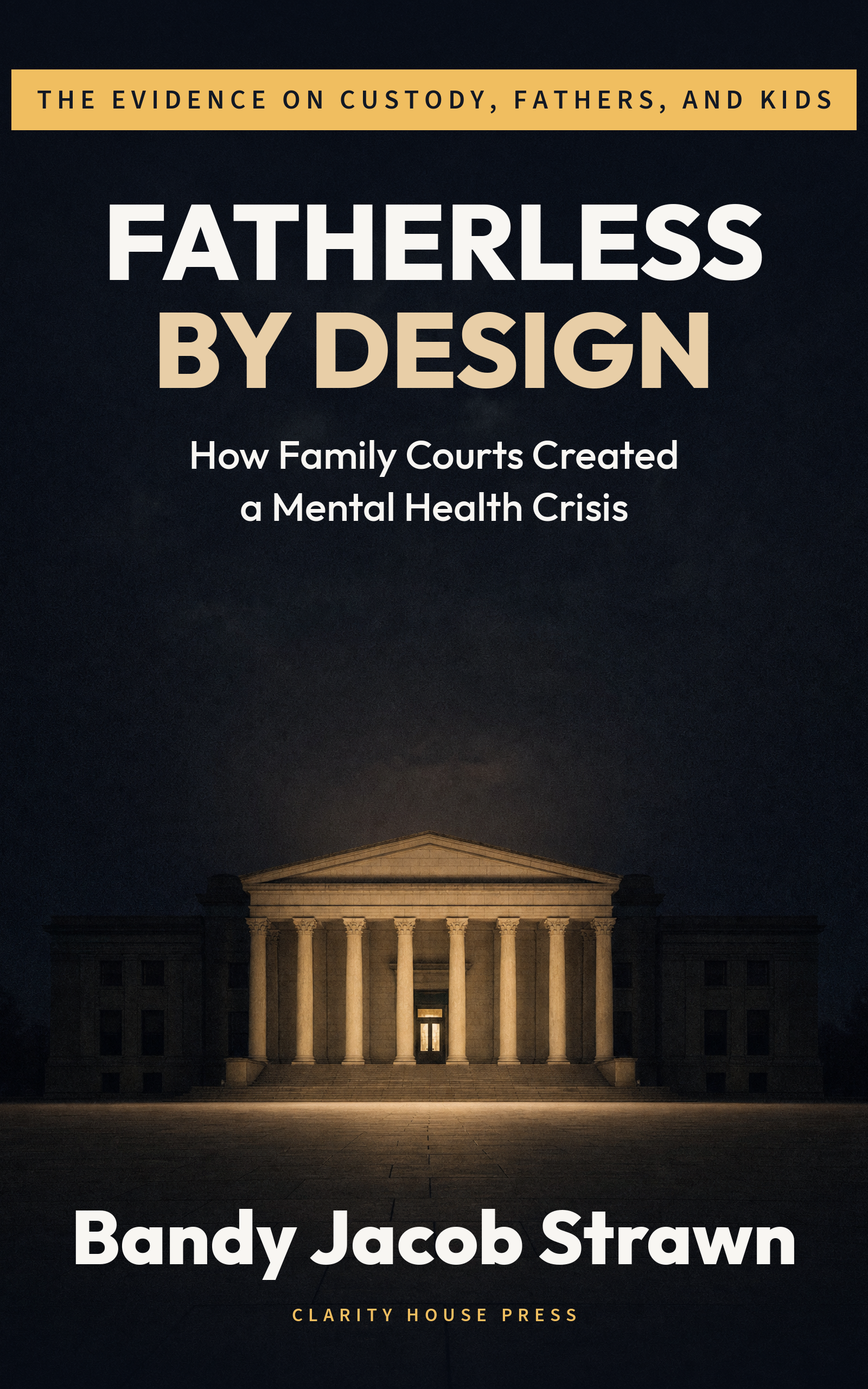

The Body Keeps the Score
Bessel van der Kolk, M.D.
A foundational look at how trauma reshapes the body and nervous system, and the approaches that help the body find safety again.
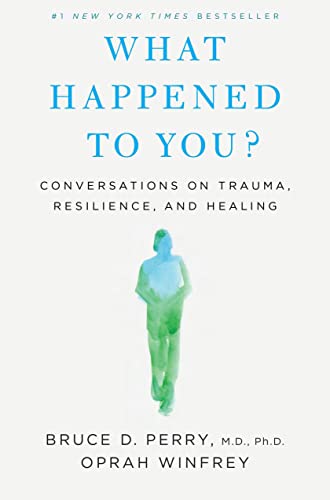
What Happened to You?
Bruce D. Perry, M.D., PhD & Oprah Winfrey
A conversational introduction to how early experience shapes us — reframing 'what's wrong with you' into 'what happened to you.'
As an Amazon Associate, Clarity House Press earns from qualifying purchases. Your price is never affected.
Found this helpful?
Share it with someone who might need it.
Tags
About the Author

Clarity House Press
Editorial Team
The editorial team at Clarity House Press curates and publishes evidence-based content on narcissistic abuse recovery, high-conflict divorce, and healing. Our content is informed by research, survivor experiences, and established trauma-informed approaches.
View all posts by Clarity House Press →Published by Clarity House Press Editorial Team