Please read our important disclaimers before using this content
Your best friend stops returning calls. Colleagues ask if you're "doing okay" with odd concern in their voices. Your child's teacher mentions she's "heard things are difficult at home" with a tone suggesting she's heard your home is the problem. Your ex-mother-in-law testifies in court that you've "always had a temper."
You're not paranoid. You're experiencing a smear campaign—a systematic, deliberate pattern of character assassination designed to destroy your credibility, isolate you from support systems, and control the narrative about your relationship and its ending. Understanding how DARVO works as a manipulation tactic will help you recognize the specific structure of the smear campaign and why it is so effective at confusing witnesses and court professionals.
What Is a Smear Campaign?
A smear campaign is the strategic dissemination of false or distorted information about someone to damage their reputation. In the context of narcissistic abuse and high-conflict divorce, it typically includes:
The Clinical Foundation: Character Assassination as Abuse Tactic
Research on character assassination—the deliberate and sustained effort to damage someone's reputation—reveals it as a calculated abuse tactic with profound psychological impact. Academic research defines character assassination as involving "the traumatic psychological impact of character attacks on targets,"1 with victims experiencing serious mental health consequences including anxiety, depression, social withdrawal, and diminished sense of self-worth.2 Studies demonstrate that coercive control, which includes reputational abuse, shows particularly strong associations with PTSD, depression, and anxiety in victims of intimate partner violence.3
DARVO (Deny, Attack, Reverse Victim and Offender) is the primary framework abusers use in smear campaigns:
- Deny the abuse occurred or minimize its severity
- Attack the victim's credibility, mental health, or motives
- Reverse roles, positioning themselves as the victim and the actual victim as the perpetrator
Research by psychologist Jennifer Freyd demonstrates that DARVO is particularly effective because it exploits common social biases: the tendency to believe charismatic individuals, doubt emotional victims, and prefer simple narratives over complex abuse dynamics.4
The Preemptive Strike: Clinical observations show that sophisticated abusers launch smear campaigns before victims disclose abuse. By establishing the "unstable ex" narrative early, they inoculate listeners against the truth. This is called "preemptive reputation management" in the literature on organizational psychology—and high-conflict individuals apply it ruthlessly in personal contexts.
Components of Smear Campaigns
Outright lies:
- Fabricating events that never happened
- False allegations of abuse, infidelity, mental illness, or addiction
- Invented conversations or confessions
Distortions of truth:
- Taking real events out of context
- Exaggerating minor incidents
- Omitting critical information that would explain your actions
Projection:
- Accusing you of behaviors they engaged in
- Attributing their emotional state or actions to you
- Reversing victim and offender roles
Strategic timing:
- Beginning before you leave (preemptive narrative control)
- Intensifying during divorce proceedings
- Continuing indefinitely if it serves their purposes
The Timeline: When Smear Campaigns Happen
Understanding when smear campaigns typically occur helps you recognize the pattern and prepare accordingly.
During the Relationship: Laying Groundwork
Even while you're together, a high-conflict partner may be subtly managing your reputation:
To mutual friends: "Sarah's been really stressed lately. I'm worried about her."
To family: "I try to help with the kids, but she criticizes everything I do."
To your own relatives: "I know you're her mother, but I'm concerned. She's been having these mood swings..."
This serves multiple purposes: testing who will believe negative information about you, establishing plausible deniability ("I was just concerned"), and creating a foundation for escalation later.
During Discard: The Narrative Flip
When they're preparing to leave or have found new supply:
"I've tried everything to make this work. I just can't do it anymore. She's impossible to live with."
The person who was abusive throughout the relationship suddenly positions themselves as the exhausted, long-suffering partner who finally gave up. Listeners who don't know the full history find this narrative compelling—especially if the abuser has been laying groundwork for months or years.
During Separation/Divorce: Full Escalation
This is typically when smear campaigns reach maximum intensity:
- False allegations to CPS, police, or courts
- Detailed (false) accounts to attorneys, mediators, or custody evaluators
- Aggressive recruitment of flying monkeys
- Social media campaigns
- Attempts to reach your employer or professional contacts
- Parental alienation efforts with children
Case Example: The Friend Group Destruction
Maria and her husband Jake had a tight friend group of three other couples. When Maria filed for divorce after years of emotional abuse, Jake immediately scheduled individual coffee meetings with each couple. He told them Maria was having a "mental health crisis," that she'd "suddenly decided she hates men," and that he was "trying to protect the kids from her instability." He showed carefully edited text messages of Maria's responses to his provocations, framing her reasonable anger as evidence of volatility.
Within two weeks, Maria received messages from two couples saying they "needed to step back during this difficult time." The third couple ghosted her entirely. Jake's campaign was so effective that when Maria tried to explain the abuse, one friend said, "I think you need to talk to someone. Jake's version sounds more... rational."
It took Maria three years to rebuild a friend group—this time, intentionally choosing people with no connection to Jake.
Years Later: Ongoing Maintenance
Even years after separation, some high-conflict individuals maintain the smear campaign:
- Updating mutual contacts with "concerns"
- Continuing to speak negatively to children (ongoing parental alienation)
- Sabotaging new relationships by contacting new partners
- Interfering with your professional reputation when opportunities arise
This is particularly common if you've moved on successfully—your healing and happiness threaten their narrative that you were the problem.
The Psychology: Why Abusers Launch Smear Campaigns
1. Narrative Control
High-conflict individuals, particularly those with narcissistic or antisocial traits, cannot tolerate being perceived as the "bad guy."
When you leave or establish boundaries, you threaten their preferred narrative. The smear campaign reestablishes them as the victim and you as the perpetrator before you can tell your side.
2. Preemptive Strike
If they know you might disclose abuse:
"I'm worried about Sarah. She's been so unstable lately. I hope she doesn't start making things up about me."
By the time you describe what actually happened, listeners have been primed to view your account skeptically.
3. Isolation as Control
Destroying your support system serves multiple purposes:
- Reduces resources available to you (emotional, financial, informational)
- Increases your dependence on them
- Decreases witnesses who might corroborate your experience
- Provides narcissistic supply through the drama and attention
4. Punishment
You left. You established boundaries. You're no longer controllable through traditional means.
The smear campaign is retribution designed to hurt you where you're vulnerable—your reputation, relationships, and parental standing.
5. Cognitive Dissonance Management
They may genuinely believe their distorted narrative. Acknowledging their abusive behavior would require tolerating psychological discomfort. It's easier to:
- Reframe their behavior as justified reactions to your provocation
- Remember events differently
- Believe you're the actual abuser
This isn't conscious dishonesty; it's psychological self-protection that makes them extremely convincing.
Common Smear Campaign Tactics
The Preemptive Victim Narrative
Months before separation: "I'm trying so hard to make this marriage work, but Sarah is just so difficult. I don't know how much more I can take."
This plants seeds of:
- You as the problem
- Them as the long-suffering partner
- Any complaints you make later as further evidence of your difficult nature
The Mental Health Weaponization
"I'm really worried about John's mental health. He's been paranoid, accusing me of things that never happened. I think he needs help."
This is particularly insidious because:
- It positions your accurate description of abuse as delusional thinking
- Concern-trolling is socially acceptable and hard to challenge
- Seeking therapy later can be framed as confirming their narrative
- If you've actually sought trauma treatment, they cite it as proof
The Protective Parent Performance
"I just want what's best for the kids, but their mother is so focused on punishing me that she's hurting them."
Common variations:
- You're "alienating" the children
- You're "using the kids as pawns"
- You won't "co-parent effectively"
- You're "bitter and can't move on"
Reality: You're likely protecting children from documented harmful behavior while they portray boundaries as vindictiveness.
The False Equivalency
"We both made mistakes. We both said things we regret. But I'm willing to move forward for the kids."
This lumps together:
- Your reactive responses to abuse
- Their systematic abusive behavior
And positions them as the mature, forgiving party while you're stuck in the past.
The Flying Monkey Recruitment
They don't just lie to people—they weaponize them. For a comprehensive guide to recognizing and countering these recruited allies, see our article on flying monkeys and how narcissists deploy them:
- Share "concerns" about you with your own family members
- Feed information to your employer or colleagues
- Brief attorneys, therapists, or custody evaluators with distorted history
- Recruit mutual friends to "talk sense into you"
Research has identified multiple categories of "flying monkeys"—individuals who assist narcissists in their manipulation—including entourage members, accomplices, enablers, and campaign managers. Studies show that 70% of individuals experiencing narcissistic abuse report feeling isolated due to distorted perceptions from their social circle created by these enablers.5
The Documentation Hoax
"I have texts/emails/recordings that prove Sarah is unstable/abusive/dishonest."
They may:
- Reference documentation that doesn't exist
- Present heavily edited or out-of-context communications
- Describe your reasonable reactions to abuse as evidence of your instability
- Have recordings of arguments they deliberately escalated
The Social Media Martyrdom
Vague-posts that signal distress without naming you:
- "Some people can't let go of anger even for their children's sake"
- "When you try your best but it's never enough"
- "Grateful for the people who see the truth"
Plus direct posts:
- Selective family photos implying you're absent
- Parenting content suggesting superior devotion
- "Missing my kids" content on your custody time
The Triangulation Network
High-conflict individuals excel at triangulation—using third parties to attack you:
Flying monkey recruitment:
- Their family members who "witness" your behavior (actually witnessing your reactions to abuse)
- Mutual friends positioned as concerned mediators
- New partners who hear only their version
- Professionals (therapists, attorneys) given selective information
Information warfare:
- Sharing confidential details about you to create intimacy with flying monkeys
- Asking questions designed to extract information they can weaponize
- Using children as messengers and information sources
- Monitoring your social media through others if you've blocked them
The Half-Truth Campaign
The most convincing smear campaigns mix truth with distortion:
Truth: You yelled during an argument. Omitted: They deliberately escalated for 45 minutes until you reacted. Their version: "She has anger issues. She screams at me in front of the kids."
Truth: You see a therapist. Omitted: You started therapy to heal from their abuse. Their version: "Even her therapist is concerned about her mental state." (The therapist never said this.)
Truth: You requested they not attend your son's soccer game. Omitted: They showed up drunk to the last game and caused a scene. Their version: "She's trying to keep me away from my own kids."
This technique is particularly insidious because there's a grain of truth that makes the entire false narrative seem plausible.
Who Gets Targeted: The Victims of Smear Campaigns
Mutual Friends
Often the first casualties. High-conflict individuals typically move quickly to claim this territory:
- Private conversations expressing "concern" about you
- Positioning themselves as the reasonable one trying to be fair
- Offering selective evidence (out-of-context messages, edited recordings)
- Making people feel special by confiding in them ("I haven't told anyone else this...")
Friends without direct knowledge of your relationship often find the abuser's version more compelling because:
- It's told first (primacy effect)
- It's delivered calmly while you may be emotional
- It positions them as the reasonable party
- It doesn't require them to acknowledge they missed signs of abuse
Your Own Family
Particularly painful but increasingly common:
- Your ex positions themselves as still caring about family relationships
- They express "concern" to your parents or siblings
- They may continue contact with your family while excluding you
- They weaponize your family's legitimate observations (you seem stressed, angry, different) without providing context
Case Example: The Family Alienation
David's ex-wife Rachel maintained close contact with his parents throughout their divorce. She called his mother regularly, expressing worry about David's "drinking" (he had two beers with dinner occasionally) and his "anger" (his legitimate frustration at her false allegations). She sent his parents articles about substance abuse and domestic violence, with highlighted sections.
When David tried to explain Rachel's emotional abuse, his parents suggested couples counseling. When he provided documentation of her false CPS allegations, they said "there are two sides to every story." Rachel's campaign was so effective that David's own mother testified in court about her "concerns" regarding his fitness as a parent—based entirely on Rachel's false narrative.
David eventually rebuilt his relationship with his parents, but it took four years and Rachel losing credibility through escalating, contradictory allegations that even his parents couldn't ignore.
Coworkers and Professional Contacts
Less common but devastating when it happens:
- Calls to your workplace expressing "concern" about your stability
- False allegations that require HR investigation
- Social media posts that tag your employer or professional contacts
- Reviews on professional platforms (for therapists, attorneys, etc.)
- Complaints to licensing boards for licensed professionals
Your Children
Perhaps the most damaging target:
Direct parental alienation:
- Telling children you don't love them or don't want to see them
- Expressing fear of you or describing you as dangerous
- Blaming you for the divorce or family disruption
- Sharing inappropriate details about legal proceedings or finances
Subtle alienation:
- Asking children to keep secrets from you
- Showing distress during transitions to your custody time
- Scheduling fun activities that conflict with your time
- Making children feel guilty for enjoying time with you
- "Confiding" in children about how hard their life is without expressing it as criticism of you
Research demonstrates that exposure to parental alienating behaviors in childhood has profound long-term mental health impacts. A 2022 study found that 90% of adults alienated in childhood reported specific mental health difficulties including depression, anxiety, PTSD, and suicidal ideation, with 95% experiencing emotional pain they attributed to parental alienating behaviors.6 Additional research confirms that children subjected to these behaviors experience both immediate and long-term consequences including self-esteem issues, anxiety, depression, substance use, increased suicidality, school difficulties, and elevated risk of future relationship problems.7
The Legal System
High-conflict individuals weaponize legal processes:
False allegations:
- Domestic violence (to obtain restraining orders)
- Child abuse or neglect (triggering CPS investigations)
- Substance abuse
- Mental illness requiring intervention
Strategic discovery:
- Filing motions that require you to spend resources responding
- Subpoenaing your therapy records, medical records, employment records
- Using discovery as fishing expeditions for ammunition
Testimony and affidavits:
- Their friends and family providing sworn statements based on the false narrative
- Presenting you as high-conflict while they're reasonable and cooperative
- Documenting your "alienating behaviors" (which are actually protective boundaries)
New Partners
If you begin dating:
- Contacting new partners with "warnings" about you
- Sending new partners screenshots or recordings out of context
- Claiming you're moving too fast or exposing kids to unstable relationships
- Using your new relationship as evidence you "never cared" about the marriage
If they begin dating:
- Their new partner hears only their version
- The new partner may become an active flying monkey
- Your children compare the "stable" new relationship to your "drama"
- Court filings reference their "healthy new relationship" vs. your "inability to move on"
The Impact: What Smear Campaigns Do to Victims
Psychological Effects
- Reality questioning: Constant challenges to your account make you doubt your own memory and perception
- Hypervigilance: Scanning for threats to your reputation in every interaction
- Social withdrawal: Avoiding situations where you might encounter people who believe the narrative
- Complex grief: Mourning relationships, community, reputation—things still living but lost to you
Practical Consequences
- Custody implications: If evaluators or judges believe the narrative
- Employment problems: If the campaign reaches your workplace
- Professional license threats: False complaints to licensing boards
- Financial costs: Defending yourself legally against false allegations
- Support system erosion: Losing friends, family, community connections
The Specific Impact on Different Target Groups
For victims losing friends:
- Isolation during the most difficult period of your life
- Loss of shared history and community
- Questions about your own judgment (how did I not see their true character?)
- Difficulty trusting new relationships
For victims experiencing family estrangement:
- Grief compounded by betrayal from people who should protect you
- Children losing relationships with extended family who believe the narrative
- Holiday and milestone disruption
- Second-guessing your reality when your own family doubts you
For victims in custody battles:
- Court-ordered reunification therapy based on false alienation claims
- Loss of custody or parenting time
- Children's relationships damaged by parent who claims you're alienating them
- Supervised visitation based on false allegations
- Years of litigation draining resources while defending against lies
For professionally targeted victims:
- Career damage or job loss
- Licensing board investigations requiring legal defense
- Reputation damage in professional community
- Stress affecting job performance, creating self-fulfilling prophecy
For victims whose children are alienated:
- Watching your children repeat false narratives
- Helplessness as they're manipulated against you
- Long-term relationship damage that may take years to repair
- Grief for the childhood they're losing to a parent's vendetta
PTSD and Complex Trauma
Research by Dr. Judith Herman and others indicates that victims of sustained smear campaigns often develop Complex PTSD (C-PTSD) symptoms:
- Hypervigilance about social interactions and reputation
- Difficulty trusting others
- Shame and guilt (even though you did nothing wrong)
- Emotional dysregulation when confronted with lies
- Difficulty maintaining sense of self when reality is constantly questioned
- Somatic symptoms (headaches, digestive issues, chronic pain)
A 2021 study in Psychological Trauma found that victims of coercive control that included reputational abuse had higher rates of C-PTSD than victims of physical abuse alone—the sustained nature and social consequences created particularly severe trauma responses.
The Injustice Burden
The deepest wound is often the unfairness:
- You're being punished for leaving abuse
- You're doing the right thing and being portrayed as the villain
- The truth doesn't matter as much as you thought it would
- Bad behavior is being rewarded while your integrity is being questioned
- People believe the abuser specifically because they're skilled at deception
- Your children are being harmed to hurt you
Research on social ostracism and exclusion confirms the severe psychological toll: even brief episodes of ostracism trigger the same brain regions associated with physical pain, while longer-term exclusion leads to resignation, alienation, depression, helplessness, and feelings of unworthiness.8 The combination of reputational abuse and social exclusion creates particularly devastating trauma responses.
Legal Considerations: When Smear Campaigns Become Actionable
Understanding Defamation Law
Not all lies are legally actionable, but smear campaigns may cross into defamation territory:
Defamation requires:
- False statement of fact (not opinion)
- Published to third parties (told to someone other than you)
- Causing reputational harm
- Made with knowledge of falsity or reckless disregard for truth
Challenges in pursuing defamation claims:
- High bar for proving damages
- Expensive litigation
- Discovery may expose personal information you'd prefer private
- Litigation gives the abuser continued attention and access to you
- Truth is an absolute defense (they may mix enough truth to complicate claims)
When defamation claims may be worth pursuing:
- False allegations to employers causing job loss or professional damage
- False licensing board complaints
- Demonstrable financial damages
- Pattern so egregious that formal legal action serves as deterrent
Consult a defamation attorney in your state to evaluate whether you have a viable claim and whether pursuing it serves your interests.
Parental Alienation in Custody Proceedings
Parental alienation is recognized in family courts, though definitions and standards vary by jurisdiction.
Case Example: The Custody Battle
Jennifer's ex-husband Marcus told their two children (ages 8 and 11) that Jennifer "chose work over being a mom" and "doesn't really want custody." He scheduled fun weekend trips during Jennifer's custody time, then acted disappointed when the kids couldn't go because "your mom has you that weekend." He asked the kids questions designed to elicit negative responses about Jennifer, then documented their statements.
In court, Marcus claimed Jennifer was alienating the children—presenting their reluctance to transition to her house as evidence. Jennifer's attorney countered with:
- Documentation of Marcus's statements to the children (obtained through the kids' therapist)
- Text messages showing Marcus scheduling conflicts with Jennifer's time
- Pattern of Marcus denying Jennifer information about school events and medical appointments
- Evidence that children's resistance began only after Marcus started his campaign
The judge recognized Marcus's projection (accusing Jennifer of alienation while engaging in it himself) and ordered reunification therapy with specific protocols to address his alienating behaviors. Jennifer's documentation was critical in establishing the pattern.
How courts evaluate alienation claims:
Courts look for:
- Frivolous allegations: Repeated false CPS reports, restraining order requests without merit
- Interference with communication: Blocking phone calls, withholding information
- Interference with parenting time: Creating conflicts, encouraging refusal
- Bad-mouthing: Direct evidence of one parent denigrating the other
- Creating dependency: Fostering belief that the child needs to protect or care for the alienating parent
- Pattern vs. isolated incidents: Systematic behavior versus one-time conflicts
Documentation that helps:
- Children's statements (recorded in therapy notes or your dated log)
- Communications showing interference or manipulation
- Third-party observations (teachers, coaches, therapists)
- Evidence of false allegations and their outcomes
- Pattern of behavior over time
Important: Courts are increasingly sophisticated about false alienation claims—when an abusive parent accuses the protective parent of alienation to distract from their own behavior. Document both the smear campaign AND your consistent efforts to facilitate the child's relationship with the other parent (even when difficult).
Impact on Custody Decisions
Smear campaigns can affect custody in several ways:
Direct impact:
- Judges or evaluators believe false allegations
- Restrictions on your custody or parenting time
- Supervised visitation requirements
- Court-ordered services (parenting classes, individual therapy, substance abuse evaluations)
Indirect impact:
- Draining financial resources needed for legal defense
- Emotional toll affecting your presentation in court
- Alienated children expressing preferences based on false narrative
- Perception that "where there's smoke, there's fire"
Protective factors:
- Consistent documentation disproving allegations
- Professional witnesses (therapist, physician, children's providers)
- Your attorney presenting pattern of false claims
- Evidence of the other parent's campaign (showing DARVO pattern)
- Your maintained boundaries and appropriate behavior despite provocation
False Allegations and Legal Consequences
False CPS reports: In most states, knowingly making false reports to CPS is illegal, but:
- Difficult to prove the reporter knew allegations were false
- CPS investigates all reports, even clearly retaliatory ones
- Multiple false reports can eventually establish pattern
- Attorney can document pattern for court
False police reports:
- More serious—can result in criminal charges for the false reporter
- Requires proof of knowingly false statements
- Your attorney should document these for family court even if criminal charges aren't pursued
False restraining order applications:
- Some jurisdictions have consequences for frivolous protective order requests
- Creates court record of false allegations
- May affect credibility in custody proceedings
- Document the false allegations and the outcome (dismissal, expiration, etc.)
When to Involve Law Enforcement
Do involve police when:
- Your ex violates court orders
- You have evidence of stalking or harassment
- False allegations put you at immediate legal risk
- There's threat of violence or credible safety concern
- They've committed identity theft or financial crimes (services like Aura and Norton LifeLock can help detect and document financial identity theft)
Be cautious about involving police for:
- General smear campaign tactics (not typically criminal)
- Social disputes that don't rise to criminal level
- Situations that may be interpreted as "he said/she said"
Remember: Police reports create documentation. Even if charges aren't filed, the report establishes:
- Contemporaneous record of incident
- Your willingness to involve authorities (contradicts "hiding something")
- Pattern over time if multiple reports filed
Protecting Professional Licenses
If you hold a professional license (therapist, physician, attorney, nurse, teacher, etc.), you are particularly vulnerable:
Immediate steps when facing false licensing complaints:
- Hire an attorney experienced in professional licensing defense (don't rely on family law attorney)
- Respond to all Board communications promptly and professionally
- Provide clear factual responses with documentation
- Don't ignore communications hoping they'll go away
- Document the complaint as part of the pattern in family court
Prevention:
- Maintain meticulous professional records
- Document any concerning communications from ex-partner
- Inform your professional liability insurance carrier if at risk
- Consider preemptive consultation with licensing defense attorney
False licensing complaints are particularly cruel because they:
- Target your livelihood
- Create public record (in many states)
- Require expensive legal defense
- Cause professional stress during already difficult time
- May be discovered by employers or colleagues
But they also can backfire on the abuser if proven false, especially if your attorney can establish the pattern in family court.
How to Protect Yourself: Evidence-Based Strategies
1. Document Everything
Create a contemporaneous record. Our guide on what to document and how to do it effectively provides a systematic framework for building a record that will hold up in court:
Communication:**
- Save all texts, emails, voicemails (use apps that backup automatically)
- Screenshot social media posts before they're deleted
- Note phone calls in a dated log (time, duration, summary)
Incidents:
- Date, time, location, witnesses, what happened
- Your children's direct quotes when they report coaching or alienation
- Third-party contacts (flying monkeys, professionals who've been fed false information)
Financial:
- All transactions, especially if economic abuse is part of the narrative
- Evidence of your financial responsibility vs. claims of recklessness
This serves multiple purposes:
- Legal protection in court
- Reality anchor for your own memory
- Evidence of patterns that reveal systematic behavior
2. Strategic Silence (Mostly)
Resist the urge to defend yourself publicly.**
Why:
- Defending yourself gives the campaign oxygen and attention
- You can't control what people believe
- Engaging suggests the accusations deserve response
- It positions you as reactive, which feeds the "unstable" narrative
Exception: When silence will be interpreted as admission (legal contexts, professional licensing boards, certain custody scenarios)
3. The JADE-Free Information Diet
Do not Justify, Argue, Defend, or Explain** yourself to:
- Flying monkeys
- Casual acquaintances
- People who've demonstrated they believe the smear campaign
- Your ex (gray rock method applies)
Instead:
"I understand there are different perspectives on what happened. I'm focusing on moving forward."
Then change the subject or end the conversation.
4. Cultivate Witnesses
The people who matter most are:
Professionals in your life:**
- Your individual therapist (who sees you regularly and can testify to your presentation)
- Your children's therapist (who observes parent-child dynamics)
- Your physician (who has medical records of your stability)
- Teachers, coaches, or other regular contacts with you and your children
Personal support:
- Build relationships with people who have no connection to your ex
- Invest in chosen family who witness your actual parenting and personhood
- Join support groups with people who understand this dynamic
These witnesses provide:
- Reality checking for you
- Potential testimony if needed
- Immune systems against the smear campaign narrative
5. Control Your Narrative in Legal Contexts
In court filings, evaluations, or professional settings:
Be specific:**
- ❌ "He's a narcissist who lies about me"
- ✅ "On [date], he told [person] that [specific false claim]. The documentation shows [factual correction]."
Pattern over individual incidents:
- Demonstrate systematic behavior rather than he-said-she-said disputes
- Show repeated false allegations followed by your documentation disproving them
- Identify themes (DARVO patterns, projection, etc.)
Professional language:
- Avoid diagnostic labels you're not qualified to give
- Use terms from court filings or professional literature: "high-conflict behavior," "documented false allegations," "parental alienation behaviors"
6. Protect Your Digital Footprint
Assume anything you post or say electronically will be:
- Taken out of context
- Used against you
- Shared with people you didn't intend
Social media:**
- Make accounts private
- Avoid posting about the divorce, custody, or your ex
- Assume your ex has access through flying monkeys even if blocked
- Don't use social media to vent frustration
Electronic communication:
- Use co-parenting apps with built-in oversight when possible
- Assume all communication may be shown in court
- Don't text or email when emotional (draft, wait, reconsider)
7. Address False Allegations Formally
When your ex makes false allegations to authorities:
Child Protective Services:**
- Cooperate fully
- Provide requested documentation
- Don't badmouth your ex to investigators
- Document the false allegation and outcome
- Consult your attorney about establishing a pattern
Employers:
- Know your workplace policies
- Document harassment if they contact your employer
- Consider involving HR if it affects your work environment
Professional licensing boards:
- Retain an attorney immediately
- Respond to all official communications promptly
- Provide clear factual responses with documentation
- Take this seriously—your livelihood is at stake
8. Therapeutic Support
Work with a therapist who:
- Understands narcissistic abuse and high-conflict dynamics
- Won't suggest couples counseling or reconciliation inappropriately
- Can help you reality-test when gaslighting makes you question yourself
- May be able to provide professional observations for court if needed
This is not optional.** The psychological impact of a smear campaign is significant, and you need professional support to metabolize it healthily.
What NOT to Do
Don't launch a counter-campaign:
- You're not trying to match their tactics
- It makes you look as unstable as they claim
- It's exhausting and ultimately counterproductive
- Your goal is truth and peace, not winning a PR war
Don't try to convince everyone:
- Some people will believe the smear campaign no matter what
- That's painful, but it's information about them, not about you
- Focus energy on people who matter (court, professionals, real friends)
Don't neglect self-care:
- The stress of a smear campaign has physical and psychological health impacts
- Protect your sleep, nutrition, exercise, and social connection
- This is a marathon, not a sprint
Don't give up:
- Smear campaigns often eventually collapse under their own contradictions
- Truth has a way of surfacing over time
- People who matter will eventually see patterns
- Your consistency and integrity become evident through your behavior over time
Rebuilding After a Smear Campaign
The work of recovery includes rebuilding what was destroyed—but differently, and often better.
Evaluating Who to Reconnect With
Not everyone who believed the smear campaign deserves access to your rebuilt life:
Consider reconnecting with people who:
- Reached out to hear your side (even if initially skeptical)
- Maintained neutral boundaries rather than actively joining the campaign
- Apologized when they realized the truth
- Demonstrated capacity for self-reflection about why they believed it
- Have relationships with your children you want to preserve
Be cautious about reconnecting with people who:
- Required extensive proof before believing you
- Made you audition for their belief by defending yourself repeatedly
- Never acknowledged their role in your isolation
- Expect you to "move on" without addressing what happened
- Maintain relationships with your abuser despite knowing the truth
- Still believe "there are two sides" when presented with documentation
Don't reconnect with people who:
- Actively participated in the smear campaign
- Testified against you in court based on lies
- Repeated false allegations to others
- Refuse to acknowledge they were wrong
- Continue relationship with your ex that involves your children
The truth: Some relationships cannot be repaired. That is a loss worth grieving. It's also information about who those people are—and many survivors report their post-campaign friend group is smaller but more authentic.
Building a New Support System
Rather than trying to rebuild what you lost, many survivors find it more healing to build something new:
Intentional connection:
- Seek relationships with people who have no history with your ex
- Join support groups (in-person or online) with people who understand this dynamic
- Build chosen family based on shared values, not shared history
- Develop friendships slowly, watching for green flags (consistency, empathy, reciprocity)
- Consider therapy groups focused on recovery from narcissistic abuse
Protecting new relationships:
- Be thoughtful about when and how you share your story
- Watch for people who seem overly interested in the drama rather than your healing
- Notice who shows up consistently in non-crisis times
- Build relationships based on present connection, not trauma bonding
- Trust people who demonstrate trustworthiness over time, not immediately
Chosen family characteristics:
- Believe you without requiring proof
- Respect your boundaries (including not maintaining close relationships with your ex)
- Support your healing without pressuring you to "get over it"
- Celebrate your progress and validate your experience
- Show up consistently, especially in small ways
Rebuilding Professional Reputation
If the smear campaign affected your career:
Document the resolution:
- If false complaints were dismissed, keep that documentation
- If investigations cleared you, maintain those records
- Build a file of positive professional evaluations and references
- Create a network of colleagues who can speak to your actual work
Consider strategic disclosure:
- With trusted colleagues or supervisors, a brief factual account may be appropriate
- "I went through a difficult divorce. My ex made false allegations that were investigated and dismissed."
- Provides context without dwelling on drama
- Demonstrates you can discuss it professionally
Rebuild through consistency:
- Excellent work over time contradicts any lingering doubts
- Professional relationships deepen as people witness your actual character
- Awards, promotions, positive evaluations create competing narrative
- Time is your ally—present reality eventually outweighs past allegations
Time, Truth, and Your Children
Perhaps the most important long-term rebuilding involves your children:
As children mature:
- They develop capacity to evaluate information critically
- They accumulate their own data points about each parent's behavior
- They can compare what they were told about you to what they experience
- Alienation attempts often backfire when children realize they were manipulated
Your job during this process:
- Maintain consistency regardless of their behavior toward you
- Don't badmouth their other parent (even when tempting)
- Let your relationship with them speak for itself
- Be the safe parent they can return to
- Document for them (journal, letters) so they have your perspective when ready
- Trust that truth surfaces—sometimes slowly, but reliably
Warning signs of progress:
- Children begin questioning inconsistencies in the alienating parent's narrative
- They express guilt about how they treated you (handle gently)
- They share information they were told to keep secret
- They seek your perspective on events
- They express anger at being manipulated
How to respond:
- Validate their feelings without "I told you so"
- Provide truth gently, with documentation if they want it
- Acknowledge the harm that was done to them (not just to you)
- Support their relationship with the other parent (if safe) while maintaining your truth
- Consider therapy for them to process the manipulation
The Gifts Hidden in Destruction
Many survivors report unexpected gifts from surviving a smear campaign:
Clarity about who people really are:
- You know who shows up in crisis
- You've identified people's capacity for critical thinking
- You've learned who can tolerate complexity vs. who needs simple narratives
- You understand who earns access to your life
Deeper authenticity:
- Less concern about others' opinions
- Stronger boundaries
- Clarity about your values
- Reduced tolerance for manipulative behavior
Resilience and strength:
- You survived one of the most difficult experiences possible
- You maintained integrity under intense pressure
- You've developed tools for handling future challenges
- You know your capacity to endure injustice and continue fighting for truth
Improved discernment:
- Better at recognizing manipulation tactics
- Quicker to identify red flags in relationships
- Stronger intuition about people's character
- Enhanced protective instincts for yourself and your children
This doesn't make the smear campaign worth it. The harm was real, the losses are genuine, and the injustice remains. But these gifts are yours—earned through suffering, yes, but yours nonetheless.
Long-Term Perspective
In the short term (0-2 years): Smear campaigns often feel most intense. You're managing active crisis, establishing custody, going through divorce proceedings.
Medium term (2-5 years): People who matter start seeing patterns. Your ex may move on to new targets. Your consistent behavior contradicts the narrative.
Long term (5+ years): Your children grow old enough to evaluate information themselves. Your rebuilt life speaks for itself. The smear campaign becomes obvious as a pattern rather than legitimate concern.
The truth: Some relationships are permanently lost. Some people will always believe the false narrative. And that is genuinely painful.
Also true: The people who matter—including your children as they mature—will eventually have enough data points to see reality. Your job is to be consistent, documented, and honest while that process unfolds.
Your Next Steps
This week:
- Start or improve your documentation system (digital folder, app, or physical binder)
- Audit your social media for posts that could be weaponized; delete or make private
- Identify three people who witness your actual life and can reality-check when you doubt yourself
This month:
- Consult with your attorney about any active false allegations and how to document the pattern
- If you don't have a therapist, begin searching for one familiar with narcissistic abuse dynamics
- Create a standard response script for flying monkeys or people who reference the smear campaign
Ongoing:
- Document incidents as they occur
- Build a life that contradicts the false narrative through your consistent behavior
- Focus on the people and systems that actually matter (court, your children, real friends)
- Practice radical acceptance: you cannot control what people believe, only what is true
Key Takeaways
- Smear campaigns are systematic character assassination designed to control narrative, isolate victims, and rewrite history using DARVO tactics
- They follow a timeline: Laying groundwork during the relationship, intensifying during separation/divorce, sometimes continuing years later
- Multiple targets are attacked: Mutual friends, your own family, coworkers, children, legal system, and new partners
- Research shows victims experience Complex PTSD from sustained reputational abuse comparable to physical abuse
- Legal options exist but are complex: Defamation claims, parental alienation documentation, addressing false allegations formally
- Courts increasingly recognize false alienation claims where abusers accuse protective parents of alienation while engaging in it themselves
- Documentation is your strongest defense: Contemporaneous records, professional witnesses, pattern evidence over time
- Most effective response is strategic: Document everything, strategic silence publicly, focus on people and systems that matter
- Professional support is essential: Therapists who understand narcissistic abuse, attorneys experienced in high-conflict cases
- Rebuilding requires intentionality: Not everyone who believed the campaign deserves access to your rebuilt life
- Your children will eventually evaluate for themselves: Maintain consistency, let your relationship speak, trust that truth surfaces
- Time is your ally: Patterns become evident, contradictions surface, your consistent behavior contradicts the narrative
- The goal is truth and peace, not winning a public relations war against someone who specializes in public relations
You are not crazy. You are not the villain. And the people who matter will eventually accumulate enough data points to see the pattern. Until then, document, stay consistent, and trust that truth has a way of surfacing over time. As you rebuild your support network, our guide on building a support network in recovery can help you identify the people who will stand by you and recognize the authentic connections worth investing in.
Resources
Narcissistic Abuse and Reputation Management:
- Psychology Today Therapist Finder - Find therapists specializing in narcissistic abuse
- National Alliance on Mental Illness (NAMI) - Mental health education and support
- EMDR International Association - Find certified EMDR therapists for trauma
- Greater Good Science Center - Evidence-based well-being practices
Legal and Domestic Violence Support:
- Legal Services Corporation - Find free legal aid for defamation and abuse cases
- National Domestic Violence Hotline - 1-800-799-7233 (SAFE) (24/7)
- WomensLaw.org - State-specific legal information
- American Bar Association Family Law Section - Find family law attorneys
Crisis Support:
- 988 Suicide & Crisis Lifeline - Call or text 988 (24/7)
- Crisis Text Line - Text HOME to 741741
- SAMHSA National Helpline - 1-800-662-4357
References
- Shiraev, E., & Makhovskaya, O. (2020). The traumatic psychological impact of character attacks on targets. In S. A. Samoilenko, M. Icks, J. Keohane, & E. Shiraev (Eds.), Routledge Handbook of Character Assassination and Reputation Management. Routledge. https://www.routledge.com/Routledge-Handbook-of-Character-Assassination-and-Reputation-Management/Samoilenko-Icks-Keohane-Shiraev/p/book/9781032081779 ↩
- Character Assassination and Reputation Politics (CARP) Research Lab. (2019). Character assassination research. George Mason University, University of Baltimore, and University of Amsterdam. https://communication.gmu.edu/research-and-centers/carp/routledge-handbook-cfp ↩
- Lagdon, S., Armour, C., & Stringer, M. (2014). Adult experience of mental health outcomes as a result of intimate partner violence victimisation: A systematic review. European Journal of Psychotraumatology, 5(1), 24794. https://systematicreviewsjournal.biomedcentral.com/articles/10.1186/s13643-022-02025-z ↩
- Freyd, J. J. (1997-2023). DARVO: Deny, Attack, and Reverse Victim and Offender. University of Oregon. https://dynamic.uoregon.edu/jjf/defineDARVO.html ↩
- Schneider, A., & Sadler, J. (2020). The flying monkeys of narcissists: Understanding narcissistic abuse. International Journal of Psychology and Psychoanalysis. https://cptsdfoundation.org/2024/12/09/how-covert-narcissists-use-flying-monkeys-to-create-trauma-and-cptsd-a-guide-to-finding-support/ ↩
- Harman, J. J., Leder-Elder, S., & Biringen, Z. (2022). The impact of parental alienating behaviours on the mental health of adults alienated in childhood. Children, 9(4), 475. https://doi.org/10.3390/children9040475 ↩
- Verrocchio, M. C., Marchetti, D., Carrozzino, D., Compare, A., & Fulcheri, M. (2021). Long-term emotional consequences of parental alienation exposure in children of divorced parents: A systematic review. Current Psychology, 42, 5660-5678. https://doi.org/10.1007/s12144-021-02537-2 ↩
- Williams, K. D. (2007). Ostracism. Annual Review of Psychology, 58, 425-452. https://doi.org/10.1146/annurev.psych.58.110405.085641 ↩
Recommended Reading
From Clarity House Press — plus trusted books for deeper understanding



The Narcissist in Your Life
Julie L. Hall
Comprehensive guide based on hundreds of survivor interviews illuminating narcissistic abuse in families.
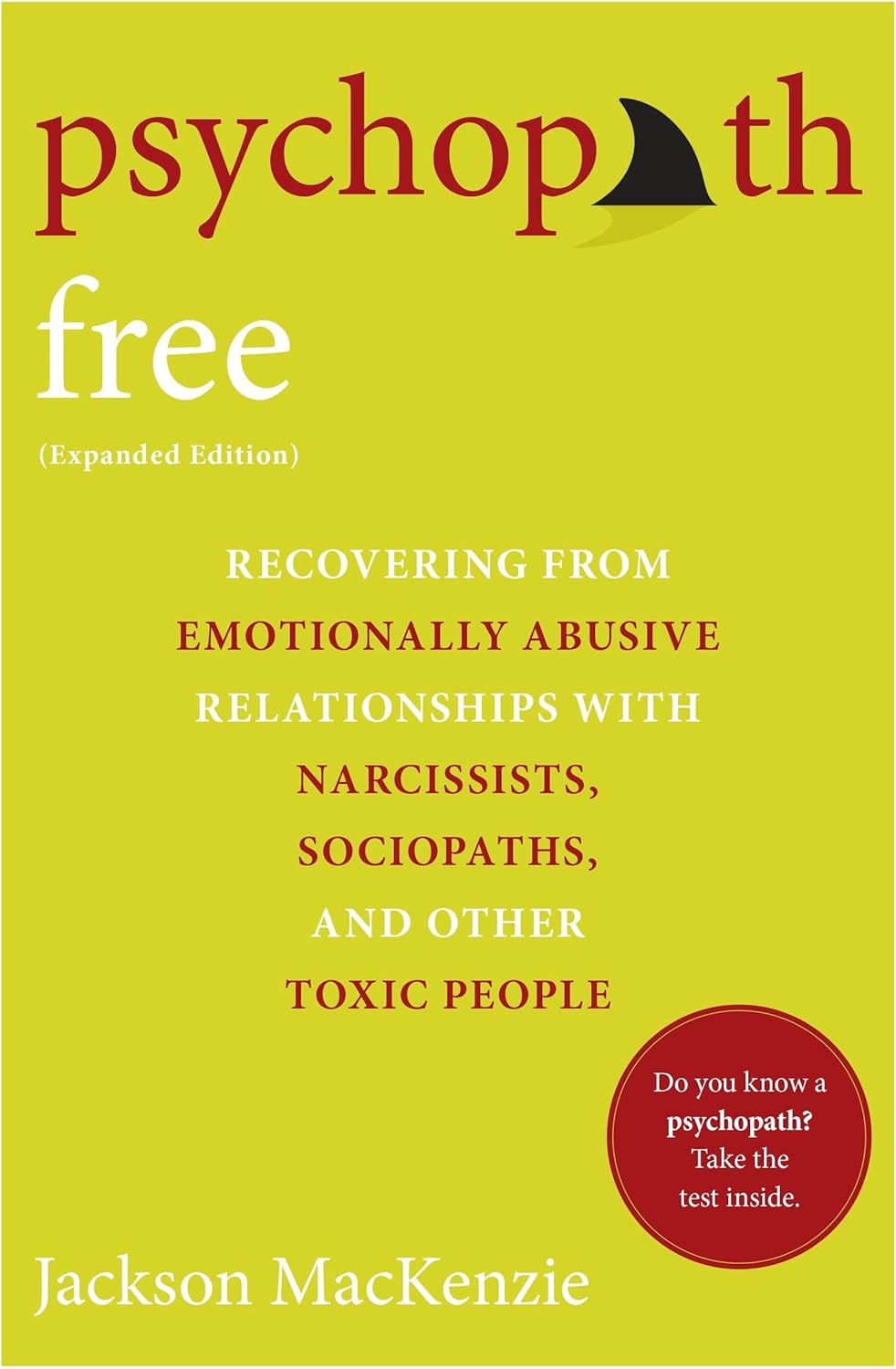
Psychopath Free
Jackson MacKenzie
Recovering from emotionally abusive relationships with narcissists, sociopaths, and other toxic people.
As an Amazon Associate, Clarity House Press earns from qualifying purchases. Your price is never affected.
Found this helpful?
Share it with someone who might need it.
About the Author

Clarity House Press
Editorial Team
The editorial team at Clarity House Press curates and publishes evidence-based content on narcissistic abuse recovery, high-conflict divorce, and healing. Our content is informed by research, survivor experiences, and established trauma-informed approaches.
View all posts by Clarity House Press →Published by Clarity House Press Editorial Team