Please read our important disclaimers before using this content
You can't leave if you can't afford to. Economic abuse ensures exactly that.
Financial or economic abuse occurs when an abuser uses money as a tool to gain power and control in a relationship. It's one of the most effective forms of abuse because it creates actual, material barriers to leaving—not just emotional ones. This is closely related to other manipulation tactics that narcissistic abusers use to maintain power in a relationship.
Research from the National Network to End Domestic Violence shows that 99% of domestic violence cases involve some form of financial abuse, yet it's one of the least discussed and least understood forms of control.1 The Centers for Disease Control and Prevention estimates that intimate partner violence costs the U.S. economy nearly $3.6 trillion over victims' lifetimes, including $2.1 trillion in medical costs and $1.3 trillion in lost productivity.2
What Is Economic Abuse?
Economic abuse includes any behavior that controls your ability to acquire, use, or maintain financial resources. This can occur whether you work or not, whether you have your own income or not.
The goal is always the same: to make you financially dependent and unable to leave.
Common Economic Abuse Tactics
1. Controlling Access to Money
- Withholding money for basic necessities (food, medication, children's needs)
- Requiring you to ask permission for every purchase
- Giving you an "allowance" insufficient for household needs
- Taking your paycheck and giving you limited cash
- Controlling all bank accounts and passwords
- Refusing to add your name to accounts or assets
2. Sabotaging Employment
- Forcing you to quit your job
- Showing up at your workplace and causing scenes
- Calling you excessively during work hours
- Deliberately making you late (hiding keys, starting arguments before you leave)
- Refusing to help with childcare so you can't work
- Bad-mouthing you to your employer or colleagues
3. Ruining Your Credit
- Opening credit cards in your name without permission (this is identity theft and can be reported to law enforcement)
- Running up debt and refusing to pay
- Forcing you to take out loans for them
- Filing for bankruptcy in your name
- Failing to pay bills despite having money, letting accounts go to collections in your name
Abusers commonly use coerced debt—incurring debt in a survivor's name through fraud, coercion, or manipulation—as a financial control tactic. A federally funded study found that 17.9% of participants had experienced coerced debt, with unauthorized credit cards accounting for nearly half of cases.3 This practice differs from identity theft fraud in that duress-based coercion does not have federal remedies, leaving survivors vulnerable to debt collectors. Services like Aura and Norton LifeLock can alert you to new accounts opened in your name or unauthorized credit inquiries.
4. Hiding Financial Information
- Refusing to share information about income, debts, or assets
- Maintaining secret bank accounts or credit cards
- Concealing assets before divorce
- Lying about job loss or income changes
- Filing taxes separately and refusing to share copies
5. Exploitation and Theft
- Stealing money from your purse or accounts
- Forcing you to work in a family business without pay
- Taking money meant for children's needs
- Selling your belongings without permission
- Forcing you to give them your inheritance or settlement money
6. Creating Debt and Legal Liability
- Forcing you to co-sign loans they don't intend to pay
- Buying expensive items on joint credit
- Refusing to pay child support or alimony despite ability
- Forcing you to file fraudulent tax returns (WARNING: You can be held criminally liable for tax fraud. Consult a tax attorney immediately if this has occurred.)
- Creating tax debt in your name
Why Financial Abuse Works
Economic abuse is effective because:
1. It Creates Real Barriers Unlike emotional abuse where the barrier is internal, economic abuse creates actual material obstacles. You literally can't afford rent, a security deposit, an attorney, or to support yourself and your children. Research shows that 73% of survivors stayed longer in an abusive relationship than they wanted to because of concerns about supporting themselves or their children financially.4 Economic barriers to leaving can result in staying with an abusive partner for longer and experiencing greater danger.
2. It's Socially Invisible Friends and family may not recognize financial control as abuse, especially if you appear to have a comfortable lifestyle. "But they provide for you" misses the point that provision without autonomy is control.
3. It's Difficult to Prove Unlike physical abuse, financial abuse leaves no visible marks. Courts may see "financial disagreements" rather than systematic control.
4. It Creates Shame Victims often feel embarrassed about not having access to money or being financially unsophisticated—never recognizing they were deliberately kept in that position. Economic abuse significantly impacts mental and physical health outcomes. Survivors of economic abuse experience increased risk for poor mental health and financial insecurity compared to those who experienced no intimate partner violence.5
Red Flags of Economic Abuse
- You don't know how much money your household has
- You don't have access to bank account information
- You can't make purchases without permission or accounting for every dollar
- Your partner controls all financial decisions
- You're discouraged or prevented from working
- Your partner has ruined your credit or created debt in your name
- You're given money for household expenses that's inadequate
- Your partner makes large purchases without consulting you but monitors your spending closely
- You don't have money of your own for emergencies
Financial Abuse in High-Income Relationships
Economic abuse isn't limited to low-income households. In fact, it can be particularly insidious in high-income situations. For male survivors navigating this dynamic, economic abuse against men explores how the patterns manifest when the victim is the primary earner.
- You live in a wealthy home but have no access to bank accounts
- Your partner earns significant income but gives you minimal money
- Assets are held in trusts or business entities you don't control
- You have a lifestyle appearance of wealth but no actual financial autonomy
- Your partner uses expensive gifts as substitutes for financial transparency or independence
The outsider sees designer clothes and luxury vacations. You see a prison with expensive furniture. "Gilded cage" abuse is still abuse.
My Story: The Day I Found the Bank Statements
I thought we were broke. For three years, my ex told me we couldn't afford daycare, couldn't afford a car repair, couldn't afford groceries without stretching every dollar. I felt like a failure every time I asked for money for our kids' school supplies.
Then, during the divorce, discovery revealed the truth: He had $47,000 in a savings account I didn't know existed. Another $23,000 in a retirement account he said "wasn't doing well." While I was buying dented cans at the discount grocery store, he was transferring money to accounts in his name only.
The financial abuse wasn't about the money. It was about keeping me small, dependent, and unable to imagine a life without him. When I finally left with $200 and a maxed-out credit card in my name, I thought I had nothing. I was wrong. I had something he couldn't take: the truth about what he'd done, and the determination to rebuild.
Three years later, I have my own savings account, good credit, and a career. The money matters, but what matters more is this: I'll never ask permission to buy my own kids shoes again.
— Sarah, 34, Michigan
Planning Your Financial Exit
If you're experiencing economic abuse and planning to leave:
SAFETY FIRST: If you're in immediate danger, prioritize physical safety over financial planning. Contact the National Domestic Violence Hotline (1-800-799-7233) before taking any of these steps.
A comprehensive scoping review of research on economic abuse found that economic empowerment interventions are among the most promising approaches to addressing intimate partner violence.6 This means taking concrete steps to establish financial independence—while still prioritizing your physical safety—is both evidence-based and feasible.
Immediate Steps (while still in relationship):
-
Gather financial documents (secretly if necessary)
- Tax returns (past 3-5 years)
- Bank statements
- Retirement account statements
- Credit card statements
- Mortgage/loan documents
- Vehicle titles
- Insurance policies
- Business financial records
-
Check your credit report (annualcreditreport.com - access from a safe device at a library, friend's home, or DV advocate's office)
- Look for unknown accounts
- Document any fraudulent activity
- Freeze your credit if necessary
-
Open your own bank account (at a different bank)
- Use a trusted friend's address for statements, a P.O. Box, or ask a DV advocate about mail safety options
- Do not use email or phone your partner has access to
- Start saving any money you can safely hide
-
Document economic abuse
- Screenshot denied requests for money
- Save texts showing financial control
- Keep records of sabotaged employment
- Note dates and specific incidents
-
Consult with a domestic violence financial advocate (before an attorney if possible)
- Many DV organizations have financial specialists
- They can help you understand your options
- Services are typically free and confidential
During Divorce:
- Hire a forensic accountant if you suspect hidden assets — forensic accountants in high-asset divorce explains what they do and when to hire one
- Request temporary support immediately
- Document all marital assets and debts thoroughly
- Protect your credit by closing joint accounts when legally able
- Consider a Qualified Domestic Relations Order (QDRO) for retirement asset division
After Leaving:
- Separate all financial accounts
- Rebuild your credit with secured credit cards
- Create a budget based on your actual income
- Educate yourself about financial management
- Consider financial counseling to rebuild skills and confidence
Legal Protections
NOTE: Legal protections for economic abuse vary significantly by state and jurisdiction. Consult with a family law attorney licensed in your state to understand your specific rights and remedies.
During divorce, you may be entitled to:
- Temporary spousal support (also called "pendente lite" support, meaning support while litigation is pending)
- Attorney fee awards (if spouse has superior access to funds)
- Reimbursement for dissipated marital assets
- In some states, a greater share of marital property if economic abuse is proven (varies by jurisdiction)
Economic abuse may be considered in:
- Custody determinations (as evidence of controlling behavior)
- Spousal support amounts and duration
- Division of marital property
- Restraining order applications
Key Takeaways
- Economic abuse is control of financial resources to create dependency and prevent leaving
- It occurs in 99% of domestic violence cases
- Tactics include controlling access, sabotaging employment, ruining credit, and hiding information
- High-income relationships can involve sophisticated economic abuse
- Financial abuse creates real material barriers, not just emotional ones
- Planning requires secretly gathering documents, opening separate accounts, and consulting with advocates
- Legal remedies include temporary support, attorney fee awards, and consideration in property division
- Economic empowerment interventions are evidence-based approaches to rebuilding independence
Financial abuse is not about whether you're good with money. It's about someone deliberately keeping you from having power over your own life. Recovery is possible. Learn more about rebuilding after economic abuse—from credit repair to career re-entry—in our dedicated guide. You can rebuild your credit, your knowledge, and your financial independence. Thousands of survivors have rebuilt their financial lives after economic abuse—learning to manage money, establishing credit, creating careers, and achieving true financial autonomy. You can too.
Resources
Financial Abuse Support and Recovery:
- National Domestic Violence Hotline - 1-800-799-7233 (economic abuse is domestic violence)
- National Consumer Law Center - Financial rights and credit repair after abuse
- Credit.com - Free credit monitoring and financial recovery resources
- Allstate Foundation Moving Ahead - Financial empowerment for survivors
Legal and Financial Assistance:
- LawHelp.org - Free and low-cost legal assistance for economic abuse cases
- WomensLaw.org - State-specific financial abuse legal information
- American Bar Association - Family Law - Find attorneys for financial abuse cases
- One Mom's Battle - Financial abuse in high-conflict relationships
Crisis Support and Resources:
- National Network to End Domestic Violence - Economic justice and financial empowerment resources
- SAMHSA Helpline - 1-800-662-4357 (mental health treatment referrals)
- Psychology Today - Financial Abuse Therapists - Find specialists in economic abuse recovery
- r/NarcissisticAbuse - Community support from financial abuse survivors
References
Resources:
- National Domestic Violence Hotline: 1-800-799-7233 (24/7 support, safety planning)
- National Network to End Domestic Violence: Financial abuse resources
- Allstate Foundation Purple Purse: Financial education and resources
- National Foundation for Credit Counseling: Credit counseling and financial education
- Women's Law: State-specific legal information on divorce and economic abuse
- Legal Services Corporation: Find free legal aid in your area
- FinAbility: Financial education for DV survivors
References
- Sardinha, L., & Stockl, H. (2016). "Economic Abuse as an Invisible Form of Domestic Violence: A Multicountry Review," Violence Against Women, 22(13), 1603-1620. https://pubmed.ncbi.nlm.nih.gov/29587598/ ↩
- CDC. "Lifetime Economic Burden of Intimate Partner Violence Among U.S. Adults." Centers for Disease Control and Prevention. https://stacks.cdc.gov/view/cdc/59509. Based on analysis of medical costs, lost productivity, and criminal justice impacts across 43 million U.S. adults with intimate partner violence victimization history. ↩
- National Domestic Violence Hotline. (2022). Research findings on financial abuse barriers to leaving. Cited in multiple studies on intimate partner violence exit barriers and economic dependency as a primary factor in relationship duration. ↩
- Littwin, A. (2024). "Coerced Debt in Intimate Partner Violence: A Federally Funded Study of Identity Theft and Coercion." Research presented at the University of Texas Law School, examining 17.9% prevalence of coerced debt among study participants in Texas and Michigan. ↩
- Mellar, Fanslow, Gulliver, & McIntosh (2024). Economic Abuse by An Intimate Partner and Its Associations with Women's Socioeconomic Status and Mental Health.. Journal of interpersonal violence. https://pmc.ncbi.nlm.nih.gov/articles/PMC11465629/ ↩
- Adler-Tapia, R., & Settle, C. (2022). "Examining the impact of economic abuse on survivors of intimate partner violence: a scoping review," Trauma, Violence, & Abuse, 23(2), 381-397. https://pmc.ncbi.nlm.nih.gov/articles/PMC9121607/ ↩
Recommended Reading
From Clarity House Press — plus trusted books for deeper understanding
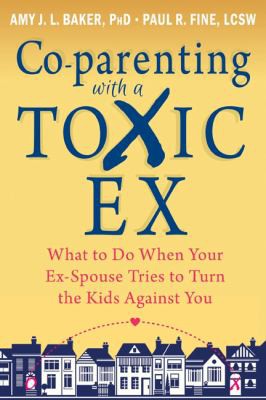
Co-Parenting with a Toxic Ex
Amy J. L. Baker, PhD & Paul R. Fine, LCSW
Evidence-based strategies when your ex tries to turn kids against you. Parental alienation prevention.
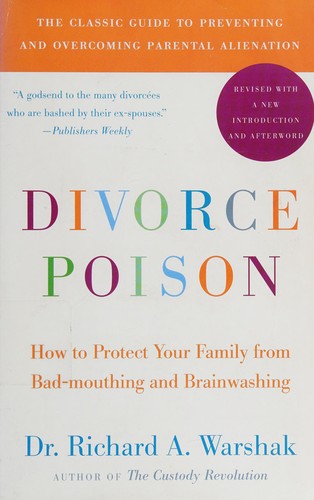
Divorce Poison
Dr. Richard A. Warshak
Classic best-selling parental alienation resource on detecting and countering manipulation tactics.

High Conflict People in Legal Disputes
Bill Eddy
Practical guide for disputing with a high-conflict personality through compelling case examples.

The High-Conflict Custody Battle
Amy J. L. Baker, PhD & J. Michael Bone, PhD
Expert legal and psychological guide to defending against false accusations in custody.
As an Amazon Associate, Clarity House Press earns from qualifying purchases. Your price is never affected.
Found this helpful?
Share it with someone who might need it.
About the Author

Clarity House Press
Editorial Team
The editorial team at Clarity House Press curates and publishes evidence-based content on narcissistic abuse recovery, high-conflict divorce, and healing. Our content is informed by research, survivor experiences, and established trauma-informed approaches.
View all posts by Clarity House Press →Published by Clarity House Press Editorial Team