Please read our important disclaimers before using this content
You sit in the courtroom waiting area, watching another survivor try to explain coercive control to a judge who doesn't understand. The custody evaluator recommends shared parenting despite documented abuse. The victim advocate, while well-meaning, gives advice that would endanger a high-conflict case. You think: If I had known what I know now, I could have saved years. If professionals understood narcissistic abuse, fewer mothers would lose custody. If the laws were different, abusers couldn't weaponize the system so easily.
And then it hits you: you could help change this. Not just for yourself—your case is done. But for the thousands of survivors who will walk through these same broken systems after you.
Many survivors channel their experience into becoming advocates or helping others through the recovery journey—legacy work begins with recognizing that your story has power beyond your own healing.
Legacy work is the shift from surviving your own case to transforming the systems that failed you and will fail others—it's policy advocacy, legislative testimony, professional training, consulting, research participation, and institutional reform work that takes your hard-won expertise and uses it to create structural change. It's the most impactful form of advocacy because it improves outcomes for survivors you'll never meet. Research shows that survivors who engage in collective action and systemic change work often experience positive psychological outcomes including empowerment and reduced emotional distress1, while contributing to meaningful policy improvements that benefit entire communities2.
Understanding Systemic Problems
What Failed You (and Still Fails Survivors)
Family court system:
Problems:
- Judges lack training in coercive control and narcissistic abuse
- "Friendly parent" provisions can punish protective parents
- Research shows that many family court judges have not received training on coercive control, domestic violence dynamics, or trauma-informed approaches
- Parental alienation weaponized against protective parents
- Custody evaluators miss psychological abuse
- Best interests standard applied without trauma lens
- Pro se litigants exploited by represented abusers
- Economic abuse continues through court costs
Result:
- Abusers get custody or shared parenting
- Protective parents silenced
- Children endangered
- System retraumatizes survivors
Recent research has identified how coercive control continues through "endless litigation" in family court as a method of post-separation abuse3, and studies reveal that custody evaluators and judges often misidentify coercive control as "mutual high conflict," resulting in unsafe custody arrangements4.
Domestic violence services:
Gaps:
- Focus on physical violence, miss coercive control
- Shelter model doesn't fit middle-class, employed survivors
- Short-term crisis intervention, not long-term recovery
- Limited post-separation services
- No expertise in high-conflict custody
- Underfunded and overwhelmed
Result:
- Many survivors don't fit "typical victim" profile
- Lack of support after leaving
- No bridge from DV services to legal services
Mental health system:
Problems:
- Therapists misdiagnose reactive abuse as mutual abuse
- Lack of training in narcissistic abuse and trauma bonding
- Couples therapy recommended in abusive relationships
- PTSD from abuse misdiagnosed as borderline, bipolar, etc.
Understanding when a therapist doesn't understand narcissistic abuse can help you articulate exactly what training gaps need to be addressed.
- Insurance doesn't cover specialized trauma treatment adequately
- Waitlists for good therapists
Result:
- Misdiagnosis weaponized in custody
- Harmful treatment recommendations
- Survivors blamed
Research demonstrates that approximately 70% of people experience trauma at some point in their lives, yet many mental health professionals lack adequate training in trauma-informed approaches5. Studies show that trauma-informed interventions can significantly reduce PTSD symptoms, depression, and anxiety when properly implemented6.
Legal system:
Issues:
- Protective orders hard to get and enforce
- Emotional abuse not grounds in many states
- Discovery process retraumatizing
- Attorneys untrained in trauma-informed practice
- Cost prohibitive (abuser can bankrupt survivor)
- Restraining orders don't stop court-based harassment
Result:
- Legal system becomes weapon
- Survivors can't afford protection
- Abuse continues through litigation
Law enforcement:
Failures:
- DARVO believed (abuser claims to be victim)
- Dual arrest when survivor defends themselves
- Violations of protective orders not prosecuted
- "Civil matter" dismissal of abuse
- Lack of understanding of psychological abuse
- Some abusers are police (blue wall of silence)
Result:
- Survivors afraid to call police
- Abuser emboldened
- No accountability
These systems are broken. And you know exactly how because you lived it. What makes this particularly insidious is that institutional betrayal—when the very institutions meant to protect survivors instead cause additional harm—can lead to severe psychological consequences including post-traumatic stress, depression, anxiety, and suicidal ideation7. Your experience navigating these failures gives you unique insight into how to prevent institutional betrayal for future survivors.
Your Insider Knowledge as Expertise
What you know that they don't:
Family court:
- How abusers manipulate evaluations
- What questions reveal abuse vs. miss it
- How "high conflict" label is weaponized
- What actually protects children (not 50/50 with abuser)
- How system can be reformed
DV services:
- What actually helped vs. standard protocols that don't fit
- Gap between leaving and rebuilding
- Needs of professional, middle-class survivors
- Post-separation abuse as distinct from relationship violence
Therapy:
- What trauma-informed actually means
- How to spot coercive control in client's story
- Why couples therapy is dangerous
- What helped you heal (and what didn't)
Legal:
- Attorney behaviors that helped vs. harmed
- Discovery tactics that matter
- How to present abuse to judges
- What reforms would actually protect survivors
Your experience is data. Your survival is expertise. Your insight is what systems need to improve. Research demonstrates that individuals who develop psychological preparedness through their experiences—including knowledge of tactics used against them, prior exposure, and commitment to a cause—show significantly greater resilience when facing subsequent challenges (Basoglu et al., 1997). Research on posttraumatic growth shows that survivors often develop what researchers call "the positive legacy of trauma"8—including new possibilities, personal strength, deeper relationships, and a renewed appreciation for life. This growth, combined with your hard-won expertise, positions you uniquely to facilitate systemic change through what researchers identify as "expert companionship": providing nonjudgmental, supportive relationships that encourage meaning-making and constructive advocacy9.
Legislative Advocacy and Policy Change
Understanding the Legislative Process
How laws are made:
Federal level:
- Bill introduced in House or Senate
- Committee hearings (this is where you testify)
- Debate and amendments
- Vote in both chambers
- Presidential signature
- Implementation by agencies
State level:
- Similar process at state legislature
- Often more accessible for citizen input
- Family law is state-level (custody, divorce)
- Domestic violence laws vary by state
Local level:
- City council, county commissioners
- Ordinances and policies
- Funding for local DV services
- Law enforcement protocols
Where survivor input matters most:
- Committee hearings (testimony)
- Stakeholder meetings
- Bill drafting (through advocacy organizations)
- Implementation (how agencies carry out laws)
Providing Legislative Testimony
What it is:
- Speaking at legislative hearing about proposed bill
- Usually 3-5 minutes
- Written testimony also submitted
- Lawmakers ask questions
- Public record (filmed, transcribed)
Types of testimony:
Personal story:
- "I'm here to tell you how this law would have changed my life."
- Humanizes policy
- Most powerful form of advocacy
- Connects abstract law to real impact
Expert testimony:
- "Based on my experience working with 100 survivors..."
- Data and patterns
- Professional credibility
- Systemic perspective
Hybrid (best):
- Personal story illustrating why law needed
- Data showing you're not alone
- Specific policy recommendation
- Impact if passed
How to prepare:
Research the bill:
- Read full text
- Understand what it does and doesn't do
- Know who supports and opposes
- Talking points from advocacy orgs
Draft testimony:
- Opening: who you are
- Personal story (2 minutes)
- Connection to bill ("This law would have...")
- Specific ask ("I urge you to pass...")
- Closing (thank you)
Practice:
- Time yourself (stay within limit)
- Anticipate questions
- Emotional regulation (you may cry—okay, but want to finish)
- Have written copy to read if needed
Day of:
- Arrive early, check in
- Bring written testimony (copies for committee)
- Wait your turn (may be hours)
- Speak clearly into microphone
- Answer questions respectfully
- Thank committee
What to expect:
Positive:
- Lawmakers thanking you for courage
- Questions showing real interest
- Media coverage
- Advocates connecting with you after
Recent research in the Journal of Family Violence emphasizes that "centering the voices of survivors" when seeking to improve legal systems responses to domestic violence leads to more effective and survivor-responsive policies (Edwards & Dardis, 2025).
Challenging:
- Long wait times
- Hostile questions (rare but possible)
- Opposition testimony (hearing abuser-sympathetic people)
- Emotional intensity (testifying about trauma publicly)
- Bill may still not pass
Impact:
- Even if bill doesn't pass this session, your testimony is on record
- Educates lawmakers for future
- Media coverage raises awareness
- Other survivors feel less alone
- Incremental progress
Importantly, research demonstrates that activism itself provides psychological benefits: survivors who engage in anti-violence activism describe moving "from silence and shame around their sexual assault to freedom and empowerment," with activism helping participants find their voice and regain their power (Strauss Swanson & Szymanski, 2020). This aligns with what researchers describe as post-traumatic growth—finding meaning and purpose beyond surviving.
Examples of survivor-led legislative wins:
- Coercive control laws enacted in states including California, Connecticut, and Hawaii, following the UK's pioneering 2015 legislation
- Economic abuse recognition in divorce
- Parental alienation statute reforms
- Protective order expansions
- Custody evaluator training requirements
- Kayden's Law provisions requiring domestic violence training for judges, passed as part of federal legislation in 2022
You can be part of the next one.
Policy Advocacy Organizations
Where to plug in:
National:
- National Coalition Against Domestic Violence (NCADV)
- National Network to End Domestic Violence (NNEDV)
- Futures Without Violence
- National Center on Domestic Violence, Trauma & Mental Health
State:
- State domestic violence coalitions
- State bar associations (family law sections)
- Women's advocacy groups
- State-specific DV policy orgs
Roles for survivors:
- Policy committees
- Legislative tracking
- Testimony coordination (they find bills, you testify)
- Storytelling for campaigns
- Stakeholder meetings
Research shows that when advocates bring survivors' voices to funders and policymakers, they represent survivors' experiences and needs in new arenas—"whether it comes to funding, whether it comes to policymaking, how procedures are being set up" (Goodman et al., 2021).
How to get involved:
- Contact state DV coalition
- Join policy committee
- Attend legislative days (coalition-organized)
- Sign up for action alerts
- Offer to tell your story when needed
Time commitment:
- Minimal: action alerts, occasional testimony
- Moderate: monthly meetings, legislative session focus
- Intensive: policy committee leadership, year-round
Professional Training and Education
Training Therapists
What therapists need to know (that many don't):
Coercive control dynamics:
- Not just physical violence
- Psychological, economic, sexual, social control
- Pattern over time, not incidents
- Power and control wheel adapted for psych abuse
Trauma bonding:
- Why victims stay and return
- Intermittent reinforcement
- Cognitive dissonance
- Not "codependency" (pathologizing)
DARVO and narcissistic tactics:
- Deny, Attack, Reverse Victim and Offender
- Gaslighting
- Projection
- Triangulation
- Smear campaigns
When NOT to do couples therapy:
- Active abuse (any kind)
- Coercive control present
- Safety risk
- Power imbalance too severe
- Can recommend individual therapy for both separately
Trauma-informed practice:
- Believing survivors
- Pacing (not pushing too fast)
- Safety planning
- Collaboration not prescription
- Cultural humility
Custody and legal:
- How family court works (basics)
- Parental alienation weaponization
- When to write letters to court (and when not to)
- Mandated reporting vs. therapeutic alliance
How you can train therapists:
Guest lectures:
- Graduate programs (reach students)
- Continuing education workshops
- Conference presentations
- Agency in-services
Consult on curriculum:
- Work with social work/counseling programs
- Review materials for DV content
- Suggest case studies
- Ensure narcissistic abuse included
Webinars and online training:
- Record your training
- Offer CEUs (continuing education credits)
- Partner with training platforms
- Accessible to therapists nationwide
Peer consultation groups:
- For therapists working with survivors
- You as expert consultant
- Case consultations
- Skills development
Credentials helpful but not always required:
- Lived experience + advocate training often enough
- Partnering with licensed professional helps
- Some settings require credentials
- Others value experiential expertise
Studies confirm that professional training in trauma-informed care significantly improves knowledge, attitudes, and practices among healthcare providers10. Your lived experience combined with advocacy training can be particularly powerful in helping professionals understand the real-world impact of their clinical decisions.
Training Attorneys
What family law attorneys need:
Trauma-informed client communication:
- Clients may dissociate, seem scattered
- Not lying—trauma memory fragmented
- Need patience and repetition
- Emotional support within professional boundaries
Documenting abuse:
- What evidence judges actually credit
- How to present coercive control
- Patterns over incidents
- Psychological abuse documentation
Opposing narcissistic personality:
- Expect DARVO
- Anticipate smear campaigns
- Protective orders and violations
- High-conflict tactics
- Never underestimate
Custody strategy:
- When to push for sole vs. accept shared
- Parallel parenting not co-parenting
- Protective provisions in orders
- Expert witnesses who understand abuse
Economic abuse:
- Finding hidden assets
- Forensic accountants
- Imputing income
- Preventing litigation abuse (frivolous filings)
How to train attorneys:
CLE (Continuing Legal Education):
- Bar associations need CLE providers
- 1-2 hour presentations
- Can co-present with attorney
- Offer CLE credits
Research shows that attorneys themselves experience significant trauma exposure through their work, with increased PTSD symptoms associated with work-related trauma11. Trauma-informed legal practice not only helps clients but also strengthens legal advocacy and improves attorney-client relationships while reducing secondary traumatic stress among legal professionals.
Law school guest lectures:
- Family law classes
- Clinical programs (legal aid)
- Domestic violence clinics
Consultations:
- Offer as consultant on their cases
- "This client's story sounds like narcissistic abuse. Here's what to watch for..."
- Paid or pro bono
Resource development:
- Checklists for attorneys
- Client intake forms adapted for abuse
- Sample motions and briefs
- Practice guides
Conferences:
- Family law sections
- DV-focused legal conferences
- Present workshops or panels
Training Judges and Court Personnel
Most critical and most difficult:
Why it matters:
- Judges make custody decisions
- Often lack DV/psych abuse training
- Brief hearings, enormous power
- Need to spot abuse quickly
- Can be educated
How to reach them:
Judicial education programs:
- State judicial colleges
- National Council of Juvenile and Family Court Judges
- National conferences (AFCC, others)
- Bench-bar conferences
Your role:
- Expert panels (alongside attorneys, therapists)
- Case study presenter
- Film participation (educational videos)
- Written materials contributor
What they need to learn:
- Coercive control recognition
- Adverse effects on children
- Parental alienation vs. protective parenting
- Trauma-informed courtroom
- Economic abuse through litigation
GALs and custody evaluators:
- Training programs
- Certification requirements (advocate for improving)
- Consultation on specific cases (sometimes)
Court staff:
- Victim advocates in courthouse
- Clerks (first contact for pro se litigants)
- Family court services
- Sensitivity and awareness training
Challenges:
- Judicial independence (can't tell judges what to do)
- Access can be limited
- Slow to change
- But: impact is enormous when it works
Training Law Enforcement
What police need to know:
Psychological abuse is real:
- Not "just a fight"
- Coercive control is abuse
- Recognizing DARVO
Who's the primary aggressor:
- Not who called first
- Not who's bigger -Pattern, control, fear
- Avoid dual arrest
Enforcement of protective orders:
- Violations are crimes
- Take seriously
- Document everything
Safety planning:
- High-risk situations
- Lethality assessment
- Resources and referrals
How to train:
- Police academy curriculum (partner with academy)
- Roll call training (brief, regular)
- Scenario-based training
- Ride-alongs with advocates
- DV coalition partnerships
Research Participation and Collaboration
Contributing to Evidence Base
Why research matters:
- Policy requires data
- "Evidence-based" is currency
- Your experience becomes data
- Generalizable findings
- Academic credibility helps advocacy
How to participate:
As research subject:
- Interviews for qualitative studies
- Surveys
- Longitudinal studies (followed over time)
- Share your data (anonymous)
As community consultant:
- Review research design
- Ensure questions asked right way
- Cultural competency check
- Interpretation of findings
As co-researcher:
- Participatory action research (community members as researchers)
- Co-author papers
- Present at conferences
- Equal partnership
As research initiator:
- Identify gaps
- Propose studies
- Partner with university researchers
- Funding applications
Finding researchers:
- Universities with DV research centers
- Psychology, social work, public health departments
- Researchers studying trauma, family violence, family court
- Academic conferences
What to offer:
- Access to survivor population
- Insider knowledge
- Credibility with community
- Real-world application perspective
What to ask for:
- Co-authorship if substantially involved
- Community-friendly language in publications
- Findings shared back to community
- Applied recommendations (not just academic)
Impact:
- Published studies cited in court
- Legislative testimony uses data
- Professional training references research
- Moves field forward
Media Engagement for Systemic Change
Strategic Media Advocacy
When media matters:
- Raises public awareness
- Influences policy makers
- Reaches survivors who need help
- Shifts cultural narratives
- Holds systems accountable
Types of media engagement:
News interviews:
- Local news (custody reform, DV awareness month)
- National news (high-profile case, new legislation)
- Expert commentary
- Personal story
Op-eds and articles:
- Newspaper opinion pieces
- Online publications
- Magazines
- First-person essays
Documentary participation:
- Feature films
- TV series
- Short documentaries
- Advocacy films
Podcast interviews:
- DV-focused podcasts
- Mental health podcasts
- True crime (if comfortable)
- Parenting, legal, general interest
Social media campaigns:
- Hashtag campaigns (#WhyIStayed, etc.)
- Awareness months
- Viral moments
- Coordinated advocacy
How to engage strategically:
When to say yes:
- Aligns with your message
- Platform reaches your audience
- Safety secured
- Children protected (privacy)
- You're in good headspace
When to say no:
- Exploitative
- Sensationalist (trauma porn)
- Would endanger you or kids
- Misrepresents issue
- Gut says no
Preparation:
- Media training (some orgs provide)
- Talking points prepared
- Boundaries clear (what you'll discuss)
- Support person with you
- Legal review if concerned
Your message:
- Personal story as entry point
- Connect to systemic issue
- Specific call to action
- Hope and solutions (not just despair)
Examples:
- "I'm sharing my story to show why we need coercive control laws."
- "Family court gave my abuser shared custody. Here's how to fix the system."
- "Therapists need training in narcissistic abuse. Here's what they should know."
Building Media Relationships
Long-term strategy:
- Become known expert
- Journalists come to you for comment
- Regular contributor
- Thought leader
How to build:
- Respond quickly when media asks
- Provide good quotes
- Connect them to other sources
- Reliable and professional
- Follow up with resources
Platforms:
- HARO (Help A Reporter Out) - journalists seeking sources
- Press releases (work with org)
- Media lists (compile contacts)
- LinkedIn for professional connections
Building credibility:
- Published writing
- Speaking engagements
- Credentials (if you have them)
- Affiliations with organizations
- Consistent message over time
Consulting and Direct Systems Change
Consulting with Organizations
Who needs survivor consultants:
DV organizations:
- Program development (what actually helps)
- Training development
- Board service
- Strategic planning
- Survivor leadership programs
Family court:
- Court improvement projects
- Custody evaluation protocol review
- Bench cards development (quick reference for judges)
- Pro se assistance programs
Therapy practices:
- Trauma-informed care implementation
- Case consultation
- Training development
- Protocol review
Law firms:
- Case consultation (specific client situations)
- Training for attorneys
- Client resource development
- Practice improvement
What you offer:
- Expertise from experience
- Survivor perspective
- Quality improvement lens
- Credibility with survivor community
- "Nothing about us without us" fulfilled
As researchers at the University of Melbourne emphasize: "How can we tell if an intervention to reduce domestic violence is actually working if you aren't asking the women who are living with it day in and day out?" (Kaspiew & Horsfall, 2023). Your lived expertise is essential for effective systems change.
How to start:
- Offer pro bono initially (build portfolio)
- Reach out to organizations you trust
- Leverage connections from advocacy work
- Formalize consulting practice over time
- Set rates when established
Compensation:
- Pro bono for some (mission-driven)
- Hourly rates for others ($50-$200+ depending on credentials and scope)
- Contract work
- Stipends or honorariums
- Value your expertise
Writing Policy and Protocols
Documents that need survivor input:
Court:
- Custody evaluation protocols
- Judicial bench cards
- Pro se resource guides
- Restraining order processes
- Family court best practices
DV services:
- Intake procedures
- Safety planning guides
- Support group curricula
- Transitional housing policies
- Post-separation services
Therapy:
- Assessment tools
- Treatment protocols
- Supervision guidelines
- Ethics guidelines for abuse cases
Law enforcement:
- Domestic violence response protocols
- Protective order enforcement
- Lethality assessment tools
- Victim communication procedures
How to contribute:
- Volunteer for workgroups
- Review and comment on drafts
- Pilot test new protocols
- Implementation feedback
- Revision based on survivor experience
Why it matters:
- Policies shape thousands of cases
- One good protocol helps for years
- Prevents others from experiencing what you did
- Institutionalizes best practices
- Legacy that outlasts you
Creating Lasting Impact
Measuring Your Legacy
How you'll know you made a difference:
Laws changed:
- Bill you testified for passed
- Policy you advocated for implemented
- Protocol you helped write adopted
Professionals trained:
- Therapists who now recognize coercive control
- Attorneys who take DV cases seriously
- Judges who understand narcissistic abuse
- Police who don't dual arrest
Survivors helped:
- Better outcomes in family court
- Access to trauma-informed therapy
- Enforcement of protective orders
- Services that actually fit their needs
Culture shifted:
- Coercive control in public consciousness
- "Financial abuse" recognized
- Post-separation abuse acknowledged
- Survivor voices centered
Not always visible:
- You may never see the impact
- Survivor you helped through testimony
- Professional who changed practice
- Policy that prevented harm
- Seeds planted, trees grown later
Sustaining the Work
This work is marathon, not sprint:
Preventing burnout:
- Choose your battles (can't fix everything)
- Collaborate (not all on you)
- Celebrate small wins
- Take breaks (advocacy sabbaticals)
- Balance with rest and joy
- Ongoing therapy
Building sustainability:
- Join organizations (don't solo)
- Mentor new advocates (pass the torch)
- Train others to do what you do
- Document your work (replicable)
- Create systems that outlast you
Knowing when to step back:
- Energy depleted
- Health suffering
- Mission drift (trying to do too much)
- Compassion fatigue
- Need for personal life
- Other priorities
Permission to:
- Do this for a season, not forever
- Focus on one issue, not all systems
- Say no to requests
- Rest without guilt
- Transition out when done
- Change how you contribute over time
Key Takeaways
Legacy work transforms personal pain into systemic change that improves outcomes for thousands of survivors you'll never meet. If you're considering public speaking about your abuse experience, the same principles of strategic messaging and trauma-informed preparation apply. Through legislative testimony, professional training, research collaboration, media advocacy, and consulting work, your hard-won expertise can reform the broken systems that failed you—family courts, DV services, mental health, law enforcement, and legal systems. This is the most impactful form of advocacy because it creates structural improvements that last beyond your individual case.
What to remember:
- Your insider knowledge is expertise systems need
- Legislative testimony powerfully influences policy
- Training professionals (therapists, attorneys, judges) multiplies impact
- Research participation strengthens evidence base
- Media engagement shifts public narrative
- Consulting improves organizational practices
- Small changes compound into large impact over time
What to expect:
- Slow progress (systems change incrementally)
- Frustration with resistance to change
- Profound satisfaction when something shifts
- Long timeline (years for legislative wins)
- Collaborative work (rarely solo victories)
- Impact you may never see directly
- Legacy that outlasts you
How to start:
- Identify which system failed you most
- Connect with advocacy organizations
- Offer to tell your story
- Join policy committees
- Provide training to professionals
- Participate in research
- Start small, build over time
Permission:
- To focus on one issue
- To work at sustainable pace
- To step back when needed
- To celebrate small wins
- To say no to opportunities
- To protect your wellbeing while advocating
You didn't choose to become an expert in narcissistic abuse, family court dysfunction, or systemic failures. But here you are, with knowledge that could spare others years of suffering. Whether you start by writing your memoir or sharing your story publicly or through quieter forms of advocacy, your contribution matters.
The question isn't whether you're qualified to do this work. You survived the system. You learned it inside and out. You're more qualified than most professionals who will never experience what you did.
The question is: what will you do with that expertise?
You can keep it to yourself—and that's okay. You've given enough.
Or you can use it to change things. To make the next survivor's path a little less brutal. To train the therapist who'll recognize abuse sooner. To advocate for the law that will protect someone's children. To consult on the policy that prevents what happened to you from happening to others.
That's legacy work. That's turning your worst experience into meaningful, lasting change.
One testimony. One training. One protocol. One survivor at a time.
You can't fix all the broken systems. But you can improve one. And that one improvement might save someone's life.
Your pain has purpose if you give it one.
Not because you have to. Because you can.
And because the survivors who come after you deserve better than what you got.
Build the system you needed. That's how you heal the world.
One policy change at a time.
Resources
Advocacy and Policy Reform Organizations:
- Family Violence Appellate Project - Legal advocacy and systemic reform for family court cases
- National Coalition Against Domestic Violence - Policy advocacy and systemic change resources
- National Network to End Domestic Violence - Policy work and advocacy toolkits
- Center for Judicial Excellence - Family court reform and advocacy
Community Organizing and Activism:
- National Organization for Women (NOW) - Feminist advocacy and activism resources
- Futures Without Violence - Policy change and prevention programs
- National Parents Organization - Shared parenting and family law reform
- Mothers of Lost Children - Advocacy for protective parents
Healing Through Advocacy:
- Psychology Today - Therapists - Filter for "activism" and "trauma recovery"
- 988 Suicide & Crisis Lifeline - Call or text 988 for crisis support during advocacy work
- Crisis Text Line - Text HOME to 741741 for crisis counseling
- SAMHSA National Helpline - 1-800-662-4357 (mental health support)
Additional References
Basoglu, M., Mineka, S., Paker, M., Aker, T., Livanou, M., & Gok, S. (1997). Psychological preparedness for trauma as a protective factor in survivors of torture. Psychological Medicine, 27(6), 1421-1433. https://doi.org/10.1017/S0033291797005679
Edwards, K. M., & Dardis, C. M. (2025). Centering Domestic Violence Survivor Voices: A Call for Holistic Survivor-Centered Systems Responsiveness. Journal of Family Violence. https://doi.org/10.1007/s10896-025-00835-y
Goodman, L. A., Thomas, K., Cattaneo, L. B., Heimel, D., Woulfe, J., & Chong, S. K. (2021). Improving Safe Housing Access for Domestic Violence Survivors Through Systems Change. Housing Policy Debate, 32(3), 470-494. https://doi.org/10.1080/10511482.2021.1947865
Kaspiew, R., & Horsfall, B. (2023). Listening to the voices of survivors of violence and abuse. Pursuit, University of Melbourne. https://pursuit.unimelb.edu.au/articles/listening-to-the-voices-of-survivors-of-violence-and-abuse
Strauss Swanson, C., & Szymanski, D. M. (2020). From pain to power: An exploration of activism, the #MeToo movement, and healing from sexual assault trauma. Journal of Counseling Psychology, 67(6), 716-728. https://doi.org/10.1037/cou0000429
References
- DeBlaere, C., Brewster, M. E., Sarkees, A., & Moradi, B. (2014). The Protective Power of Collective Action for Sexual Minority Women of Color. Psychology of Women Quarterly, 38(1), 20–32. https://doi.org/10.1177/0361684313493252; Strauss Swanson, C., & Szymanski, D. M. (2020). From pain to power: An exploration of activism, the #Metoo movement, and healing from sexual assault trauma. Journal of Counseling Psychology. https://doi.org/10.1037/cou0000429 ↩
- Vestergren, S., Drury, J., & Hammar Chiriac, E. (2018). How collective action produces psychological change and how that change endures over time: A case study of an environmental campaign. British Journal of Social Psychology. https://doi.org/10.1111/bjso.12270 ↩
- Jaffe, P. G., Ellis, A., Scott, K. L., Birnbaum, R., & Almeida, A. (2025). Appropriate parenting arrangements in cases of intimate partner violence and coercive control: From research and legislative reform to changes in practice. Family Court Review, 63(1). https://doi.org/10.1111/fcre.70002 ↩
- Family Violence Appellate Project. (2024). Coercive Control in High-Conflict Custody Litigation. https://fvaplaw.org/wp-content/uploads/2024/08/COERCIVE-CONTROL-IN-HIGH-CONFLICT-CUSTODY-LITIGATION.pdf ↩
- National Center for Biotechnology Information. (2024). Trauma-Informed Therapy. StatPearls Publishing. https://www.ncbi.nlm.nih.gov/books/NBK604200/ ↩
- Marsac, M. L., Kassam-Adams, N., Hildenbrand, A. K., et al. (2021). Trauma informed interventions: A systematic review. PLOS ONE. https://doi.org/10.1371/journal.pone.0252747 ↩
- Christl, M.-E., Tran Pham, K.-C., Rosenthal, A., & DePrince, A. P. (2024). When Institutions Harm Those Who Depend on Them: A Scoping Review of Institutional Betrayal. Trauma, Violence, & Abuse. https://doi.org/10.1177/15248380241226627 ↩
- Tedeschi, R. G., & Calhoun, L. G. (1996). The Posttraumatic Growth Inventory: Measuring the positive legacy of trauma. Journal of Traumatic Stress, 9(3), 455-471. https://doi.org/10.1007/BF02103658 ↩
- Dufour, G. K., Katzman, J. S., Callahan, K. L., et al. (2025). Posttraumatic Growth as a Pathway to Wellness for Individuals and Organizations. Behavioral Sciences, 15(12), 1653. https://doi.org/10.3390/bs15121653 ↩
- Berring, Holm, Hansen, Delcomyn, & Søndergaard (2024). Implementing Trauma-Informed Care-Settings, Definitions, Interventions, Measures, and Implementation across Settings: A Scoping Review.. Healthcare (Basel, Switzerland). https://pmc.ncbi.nlm.nih.gov/articles/PMC11083630/ ↩
- Levin, A. P., & Greisberg, S. (2020). Towards trauma-informed legal practice: a review. Journal of Public Health (Oxford), 30(6). https://doi.org/10.1093/pubmed/fdaa147 ↩
Recommended Reading
From Clarity House Press — plus trusted books for deeper understanding
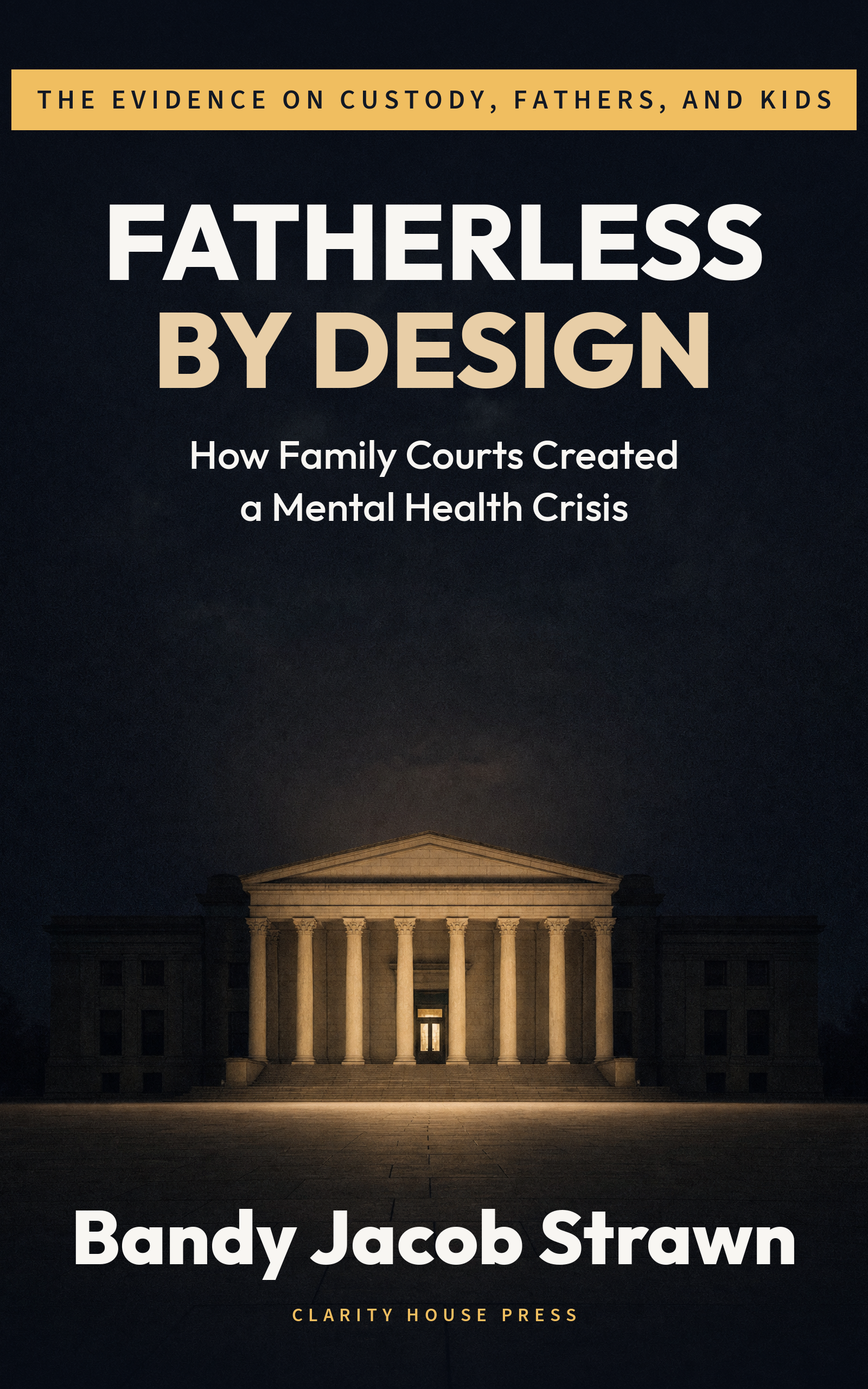
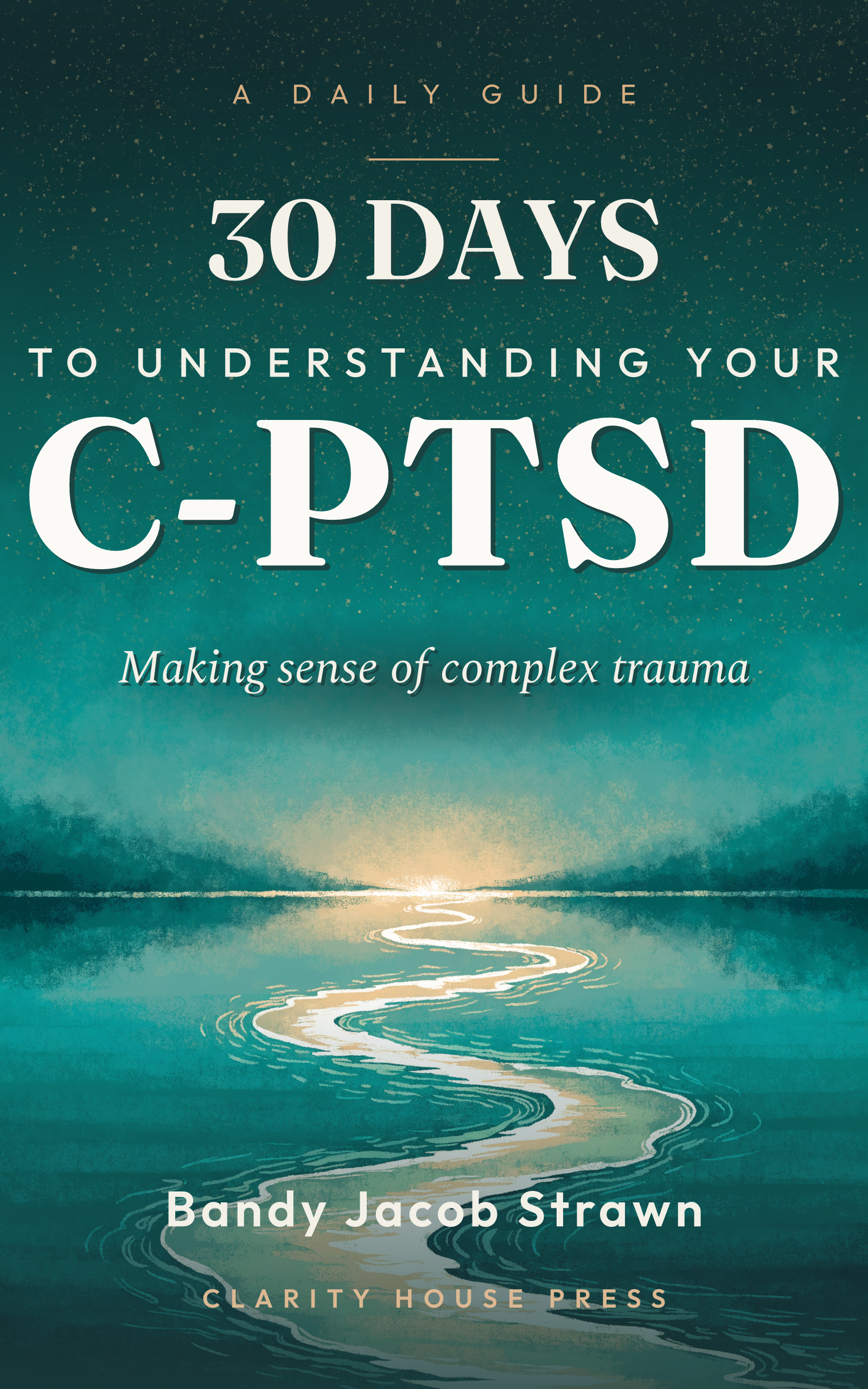
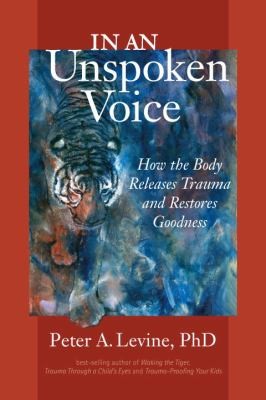
In an Unspoken Voice
Peter A. Levine, PhD
Classic guide from the creator of Somatic Experiencing revealing how the body holds the key to trauma recovery.
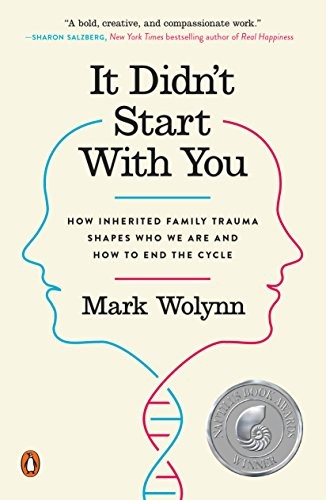
It Didn't Start with You
Mark Wolynn
Groundbreaking exploration of inherited family trauma and how to end intergenerational cycles.
As an Amazon Associate, Clarity House Press earns from qualifying purchases. Your price is never affected.
Found this helpful?
Share it with someone who might need it.
Tags
About the Author

Clarity House Press
Editorial Team
The editorial team at Clarity House Press curates and publishes evidence-based content on narcissistic abuse recovery, high-conflict divorce, and healing. Our content is informed by research, survivor experiences, and established trauma-informed approaches.
View all posts by Clarity House Press →Published by Clarity House Press Editorial Team