Please read our important disclaimers before using this content
"Have you considered what you might be doing to contribute to this dynamic?"
My therapist leaned forward with genuine concern. We were six sessions into discussing my marriage, and she was trying to help me take responsibility for my part in our problems.
I'd just described how my husband had orchestrated a two-week campaign convincing me I'd agreed to a financial decision I absolutely had not agreed to. How he'd revised history, brought up "conversations" that never happened, and ultimately made me doubt my own memory of events that occurred three days earlier.
Her response was to explore my communication style and whether I was being clear enough.
I left that session feeling crazy. Maybe I really was the problem. Maybe I was so poor at communication that I couldn't remember what I'd agreed to. Maybe my husband was right and I was the unstable one making false accusations.
It took another year and a different therapist to recognize that the first therapist, despite her credentials and good intentions, had no framework for understanding covert psychological abuse. Without that framework, she'd inadvertently reinforced the exact gaslighting that had brought me to therapy in the first place.
Finding the right therapist when you're recovering from narcissistic abuse isn't just about credentials or availability. It's about finding someone who understands these specific dynamics and won't accidentally cause additional harm. The comparison of group therapy vs. individual therapy for survivors can help you decide which format best fits where you are in recovery.
Why Traditional Therapy Approaches Don't Always Work
Most therapists are trained in approaches that assume relatively good faith from all parties, focus on insight and behavior change, and emphasize personal responsibility for relationship dynamics.
These are valuable therapeutic principles for many situations. For narcissistic abuse recovery, they can be actively harmful.
Relationship therapy assumes both parties want repair. Standard couples counseling techniques work when both people are committed to understanding each other better and changing problematic patterns.
When one party is invested in maintaining control and the other is trying to survive, these techniques become weapons. The abusive partner learns what bothers you and uses it more effectively. They perform insight and change in sessions while escalating abuse at home.
Individual therapy often focuses on your contribution to problems. Good therapists help clients examine their patterns, take responsibility for their behavior, and develop insight into how they create difficulties in their lives.
This is therapeutic when you're dealing with normal relationship challenges or working through your own issues. When you're in an abusive relationship, the constant focus on what you're doing wrong reinforces the abuser's narrative that you're the problem.
Many therapeutic frameworks emphasize forgiveness and moving forward. Letting go of resentment, finding compassion for others' struggles, and releasing the past are healthy goals in many contexts.
In narcissistic abuse recovery, premature forgiveness can prevent you from fully recognizing what happened and protecting yourself from ongoing manipulation. You can't heal from abuse you haven't fully acknowledged.
Therapists may push for reconciliation or family preservation. Particularly in family therapy contexts, there's often a bias toward keeping families together and helping parents co-parent effectively.
When one parent is psychologically abusive, these goals can sacrifice children's wellbeing for the appearance of cooperative co-parenting.
Not all therapists understand covert abuse. Overt domestic violence—physical abuse, obvious intimidation, explicit threats—is widely recognized and addressed in mental health training.
Covert psychological abuse—gaslighting, DARVO, coercive control, intermittent reinforcement—is less understood. Many therapists simply don't have frameworks for recognizing these dynamics.1 Research shows that narcissistic abuse formulations of domestic violence are lesser-known concepts not routinely recognized in healthcare systems, despite the profound impact on survivors.2
Red Flags in Therapy
Certain therapeutic responses indicate your therapist may not understand narcissistic abuse dynamics or may be approaching your situation in ways that could be harmful.
"What are you doing to contribute to this cycle?"
While personal responsibility matters, if this is the primary focus when you're describing abuse, the therapist is missing the power differential that defines abusive relationships.
Abusive relationships aren't symmetrical conflicts where both parties share equal responsibility. One person is exploiting and the other is surviving.
"Have you tried [communication technique]?"
Suggestions to use "I statements," practice active listening, or communicate your needs more clearly assume your partner is operating in good faith and capable of empathy.
These techniques don't work with someone invested in misunderstanding you. They often backfire, giving the abuser more information to use against you.
"You need to forgive and move on."
Premature pressure to forgive prevents full processing of what happened. You can't forgive what you haven't fully acknowledged, and you shouldn't forgive ongoing abuse.
"Maybe they have narcissistic traits but that doesn't mean they're a narcissist."
While it's true that narcissistic personality disorder is a specific diagnosis, this response often minimizes your experience. Whether or not your partner meets diagnostic criteria, if they're engaging in narcissistic abuse patterns, that's what matters for your recovery.
"You're both hurting each other."
This false equivalence ignores that reactive abuse—the survival responses of someone being abused—is not the same as the intentional manipulation of the abuser.
"Have you considered couples counseling?"
Couples counseling is contraindicated when there's abuse in the relationship. It provides the abuser with more ammunition and creates the illusion of mutual problem-solving when the actual issue is one person's exploitation of the other. A meta-analysis of 22 studies (N = 11,520 participants) revealed a significant positive relationship between trait narcissism and intimate partner violence perpetration, with vulnerable narcissism showing stronger associations than grandiose narcissism.3
"You seem very focused on what they did wrong."
This criticism of your "victim mentality" or inability to "take responsibility" may actually be appropriate attention to the harm done to you. Healing requires acknowledging and processing that harm, not minimizing it to appear balanced.
"But they seem so nice/concerned/invested in their family."
If your therapist has met your abuser (in couples sessions, family therapy, or even briefly) and been charmed by their presentation, they may doubt your account of the private abuse.
Abusers are often skilled at public performance. Your therapist should understand this dynamic.
"Are you sure you're remembering this correctly?"
Questions about your memory or perception, especially when you're describing gaslighting, replicate the abuse dynamic. Your therapist should believe your experience.
Diagnosis focus on you, not the relationship dynamics.
If you're being diagnosed with relationship problems, communication disorders, or personality issues without assessment of whether you're in an abusive relationship, the therapist is pathologizing your trauma responses.
What Trauma-Informed Therapy Looks Like
Trauma-informed therapists understand narcissistic abuse and approach your healing differently.
They believe your experience. You don't have to prove abuse happened or convince your therapist it was "bad enough." They take your account seriously and validate that what you experienced was real and harmful.
They understand covert abuse dynamics. They recognize gaslighting, DARVO, intermittent reinforcement, coercive control, and other manipulation tactics. They don't need education from you about these patterns.
They name abuse as abuse. They don't euphemize psychological manipulation as "conflict" or "communication problems." They call it what it is.
They focus on your safety and wellbeing, not relationship repair. If you're still in the relationship, they help you assess safety and make informed decisions. They don't push you to leave before you're ready, but they also don't prioritize keeping the relationship together over your wellbeing.
They help you distinguish between accountability and self-blame. There's a difference between recognizing patterns you want to change and taking responsibility for someone else's choice to abuse you. Good therapists help you understand this distinction.
They address trauma responses without pathologizing them. Hypervigilance, difficulty trusting, emotional reactivity, people-pleasing, and other trauma responses are understood as adaptations to abuse, not personality flaws. Research indicates that survivors of narcissistic abuse commonly experience symptoms similar to Complex Post-Traumatic Stress Disorder (C-PTSD), including anxiety (82% of survivors), depression, and dissociation.4
They don't require you to forgive. They support you in processing anger, grief, and betrayal without pressure to let go before you're ready. They understand that anger can be protective and appropriate.
They recognize reactive abuse. They understand that defensive responses, losing your temper, or fighting back during abuse aren't equivalent to the calculated manipulation of the abuser.
They support boundary-setting. They help you identify and maintain boundaries appropriate to your situation, including limited or no contact if that's what serves your healing.
They provide psychoeducation. They help you understand abuse dynamics, trauma responses, and recovery processes. This education empowers you to recognize and name what happened.
They collaborate rather than prescribe. They respect your expertise in your own life and work with you to develop strategies that fit your circumstances rather than imposing one-size-fits-all approaches.
They understand the legal and custody complexities. If you're dealing with family court, they recognize how abuse dynamics play out in custody contexts and don't give naive advice about co-parenting or communication. A 2024 systematic review found that coercive control in intimate partner violence requires understanding social and systemic entrapment frameworks—not just individual behavior patterns—to effectively support survivors.5
They're patient with the non-linear healing process. They understand that recovery from narcissistic abuse involves cycles of clarity and confusion, strength and vulnerability, progress and setback.
Finding the Right Therapist
Not every therapist advertises expertise in narcissistic abuse, but there are ways to identify those likely to understand these dynamics.
Look for specific training or specialties:
- Trauma therapy (EMDR, Somatic Experiencing, Internal Family Systems)
- Domestic violence and intimate partner abuse
- Complex PTSD
- Personality disorders (from the perspective of treating those affected by them)
- High-conflict divorce and co-parenting
- Adult children of narcissistic parents
Research demonstrates that narcissistic abuse necessitates expanded therapeutic approaches, integrating trauma-informed methods such as Trauma-Focused Cognitive Behavioral Therapy (TF-CBT) and Eye Movement Desensitization and Reprocessing (EMDR) specifically designed for complex trauma survivors.6
Ask direct questions during initial consultation:
- "Do you have experience working with survivors of narcissistic abuse or covert psychological abuse?"
- "What's your approach to couples counseling when there's emotional abuse in the relationship?"
- "How do you work with clients who are co-parenting with a high-conflict or personality-disordered ex-partner?"
- "What's your understanding of trauma bonding and intermittent reinforcement?"
Their answers will reveal whether they have genuine expertise or are just generally familiar with the terms.
Red flags in initial consultation:
- Vague or defensive responses to questions about abuse expertise
- Immediate push for couples counseling without safety assessment
- Minimizing language ("difficult relationship," "conflict," "communication issues")
- Emphasis on forgiveness or moving forward
- Suggestion that you're too focused on the other person's behavior
Green flags in initial consultation:
- Clear articulation of how they work with abuse survivors
- Validation of your experience without needing detailed convincing
- Specific knowledge of narcissistic abuse dynamics
- Questions about your safety and support system
- Understanding that healing is a process without fixed timeline
- Respect for your autonomy in decision-making
Seek referrals from:
- Domestic violence organizations
- Divorce support groups for high-conflict situations
- Other survivors in recovery
- Attorneys who specialize in high-conflict family law
- Online directories filtering for trauma and abuse specialties
Consider modality and approach. Different therapeutic approaches work for different people:
Cognitive Behavioral Therapy (CBT) helps identify and change thought patterns, which can be useful for addressing distorted beliefs installed by abuse.
EMDR (Eye Movement Desensitization and Reprocessing) processes traumatic memories and can be effective for PTSD symptoms.
Somatic therapies address how trauma lives in the body, which is crucial since narcissistic abuse often creates physical symptoms and nervous system dysregulation. A 2024 systematic review found that coercive control is associated with significant mental health impacts including post-traumatic stress disorder (PTSD), complex PTSD, and depression.7
Internal Family Systems (IFS) works with different parts of self, which can help address the fragmentation that abuse creates.
Psychodynamic therapy explores deeper patterns and early life experiences that may have made you vulnerable to narcissistic relationships.
No single approach is universally best. What matters is finding both a modality that resonates with you and a therapist who understands abuse dynamics within whatever framework they practice. For a closer look at specific approaches, the CPT for complex trauma guide explains one of the most evidence-based options.
When You're Already Working With Someone
If you're currently in therapy and realizing your therapist doesn't understand narcissistic abuse, you have several options.
Educate your therapist. Some therapists are willing to learn. You might share articles, books, or videos about narcissistic abuse and see if they're open to incorporating this framework.
This works best when:
- Your therapist is generally helpful and you have good rapport
- They're open to feedback and new information
- The gaps are more about specific knowledge than fundamental approach
- They're willing to admit what they don't know
This doesn't work when:
- Your therapist is defensive about their expertise
- They dismiss your attempts to provide information
- The issue is fundamental philosophy (relationship emphasis, forgiveness focus) not just missing knowledge
- You're doing emotional labor to educate them instead of receiving care
Request a referral. You can ask your current therapist to refer you to someone with narcissistic abuse expertise. This allows you to transition without burning bridges.
Switch therapists directly. You don't need permission to see a different therapist. If your current therapeutic relationship isn't serving you, you can simply find someone new.
Many people feel guilty about "therapist shopping" or worry they're being difficult clients. These concerns are often remnants of the abuse dynamic—you've been trained not to trust your own judgment or assert your needs.
Finding the right therapist is not disloyal. It's essential self-care.
Take a break. If you've had harmful therapy experiences, you may need time before trusting another therapist. That's okay. Support groups, books, online communities, and self-directed healing are valid while you're not in therapy.
What to Do If Therapy Has Been Harmful
Sometimes therapy doesn't just fail to help—it actively causes harm by reinforcing abuse narratives, pathologizing trauma responses, or pressuring inappropriate forgiveness.
Acknowledge the harm. Recognizing that therapy hurt you is not a criticism of all therapy. It's a statement about a specific experience that didn't serve your healing.
Process the experience. You may need to work through betrayal, anger, or additional self-doubt created by harmful therapy. This processing can happen with a new, trauma-informed therapist, in support groups, or through journaling and self-reflection.
Recognize it wasn't your fault. If a therapist didn't understand narcissistic abuse and gave you harmful advice or reinforced your abuser's narrative, that's a failure of professional competence, not evidence that you're unteachable or hopeless.
Consider reporting if appropriate. If a therapist violated ethical boundaries, encouraged you to stay in a dangerous situation, or caused significant harm through incompetence, reporting to their licensing board is an option.
This is not required for your healing, but it may protect future clients.
Don't let one bad experience prevent future healing. Many survivors have to try multiple therapists before finding the right fit. That search is worthwhile even though it's frustrating.
Self-Advocacy in Therapy
Even with a good trauma-informed therapist, you need to advocate for what you need.
Be clear about your goals. Are you seeking help to leave a relationship, to heal after leaving, to understand what happened, to process specific trauma, to develop better boundaries, to co-parent effectively?
Different goals require different therapeutic focus.
Communicate what's helpful and what's not. "When you asked about my contribution to the dynamic, I felt blamed. Can we focus more on understanding the abuse patterns?" is appropriate feedback.
Good therapists welcome this information. Defensive responses suggest you're not with the right person.
Ask for specific approaches when you need them. "I'm not ready to work on forgiveness yet. I need help processing anger." "Can we spend more time on safety planning?" "I want to understand the neurobiology of trauma bonding."
Set boundaries in the therapeutic relationship. You don't have to answer every question, complete every homework assignment, or follow every suggestion. You're the expert on your own life.
Notice your gut responses. If sessions consistently leave you feeling worse, doubting yourself more, or confused about your reality, something is wrong. Trust that instinct.
Remember therapy should empower, not diminish. You should leave sessions with greater clarity, validation, understanding, and tools—not more self-blame, confusion, or obligation.
The Therapeutic Relationship Itself
The relationship with your therapist models healthy relating and can be reparative after experiencing narcissistic abuse.
Good therapy demonstrates:
- Consistent boundaries and reliability
- Genuine empathy without enmeshment
- Honesty including acknowledgment of limitations
- Respect for your autonomy
- Accountability when mistakes happen
- Focus on your needs, not the therapist's
These relational qualities may be foreign if you're coming from an abusive dynamic. Experiencing them in therapy helps you recognize what healthy relationships feel like.
Watch for:
- Therapist self-disclosure that centers their experience
- Boundary violations (contacting you outside sessions inappropriately, dual relationships)
- Defensiveness when you offer feedback
- Pressure to make decisions they prefer
- Investment in specific outcomes rather than your process
- Making you responsible for their feelings
These patterns replicate abuse dynamics and suggest this isn't the right therapeutic relationship.
Recovery Support Beyond Individual Therapy
Therapy is valuable but not sufficient for full recovery from narcissistic abuse.
Support groups provide community with others who understand. Peer validation is powerful, especially when you've been isolated or gaslit.
Educational resources (books, podcasts, articles) help you understand what happened and recognize patterns. Knowledge is empowering.
Somatic practices (yoga, dance, martial arts, bodywork) address how trauma lives in your body in ways talk therapy alone can't reach.
Spiritual or meaning-making practices help some people process the existential dimensions of betrayal and rebuild trust in the world.
Legal and financial advocacy may be necessary components of safety and recovery when you're dealing with custody, divorce, or economic abuse.
Time and patience with yourself are essential. There's no timeline for healing, no checklist that once completed means you're done.
Recovery is not linear. It's not constant progress. It's cycles of understanding, integrating, grieving, growing, and sometimes circling back through the same territory at deeper levels. The stages of narcissistic abuse recovery maps this non-linear journey so you can locate yourself within it.
The right therapist companions this journey. They don't rush it, don't pathologize it, and don't try to fix you because you're not broken.
You're healing from intentional harm. That takes time, support, understanding, and safety.
Your Next Steps
If you're looking for a therapist:
- Identify 3-5 potential therapists with relevant specialties
- Prepare questions about their experience with narcissistic abuse
- Schedule initial consultations before committing to ongoing work
- Trust your gut about fit, not just credentials
- Be willing to keep searching if the first few aren't right
If you're currently in therapy:
- Assess whether your therapist understands abuse dynamics
- Notice whether sessions help or harm
- Consider providing education if the relationship is otherwise good
- Give yourself permission to switch if it's not working
- Advocate for what you need
If therapy hasn't been available or helpful:
- Explore support groups for narcissistic abuse survivors
- Build a library of educational resources
- Develop somatic and creative healing practices
- Connect with community online or in person
- Remember healing happens in many ways, not just therapy
For all survivors:
- You deserve support that validates your experience
- Bad therapy doesn't mean you're unhealthy or unteachable
- Recovery is possible with the right resources and time
- Your healing is worth the effort to find appropriate help
Resources
Professional Directories & Treatment Locators:
- Psychology Today Therapist Finder - Filter by trauma, abuse, PTSD, EMDR specialties
- SAMHSA National Treatment Locator - Specialized trauma and mental health treatment providers
- International Society for the Study of Trauma and Dissociation (ISSTD) - Complex trauma specialists
- EMDR International Association - Certified EMDR therapist directory
- Somatic Experiencing Directory - SE-trained practitioners
Professional Organizations & Referral Services:
- National Association of Social Workers (NASW) - Find licensed LCSW by state
- American Association for Marriage and Family Therapy (AAMFT) - LMFT specialists
- National Domestic Violence Hotline - 1-800-799-7233 for local therapist referrals
- Open Path Collective - Affordable therapy with verified trauma-informed therapists
Crisis & Support Resources:
- 988 Suicide & Crisis Lifeline - Call or text 988 (24/7)
- Crisis Text Line - Text HOME to 741741
- RAINN (sexual assault support) - 1-800-656-4673
References
- Durvasula, R., & Mabe, P. A. (2019). Recognising narcissistic abuse and the implications for mental health nursing practice. International Journal of Mental Health Nursing, 28(5), 1071-1077. https://pubmed.ncbi.nlm.nih.gov/31140886/ ↩
- Johnson, R. D., Sanchez, J. F., & Blais, R. K. (2024). The silent scars of narcissistic abuse: Quantitative insights and emerging therapies for victim recovery. Authorea Preprints. https://d197for5662m48.cloudfront.net/documents/publicationstatus/231101/preprint_pdf/5f915af179f9cf5f49b19df20a6f2293.pdf ↩
- Johnson, R. D., Sanchez, J. F., & Blais, R. K. (2024). The silent scars of narcissistic abuse: Quantitative insights and emerging therapies for victim recovery. Authorea Preprints. https://d197for5662m48.cloudfront.net/documents/publicationstatus/231101/preprint_pdf/5f915af179f9cf5f49b19df20a6f2293.pdf ↩
- Wangmann, J., & Cody, A. (2024). Understanding intimate partner violence: Why coercive control requires a social and systemic entrapment framework. Trauma, Violence & Abuse, 25(1), 654-668. https://pmc.ncbi.nlm.nih.gov/articles/PMC10666472/ ↩
- Johnson, R. D., Sanchez, J. F., & Blais, R. K. (2024). The silent scars of narcissistic abuse: Quantitative insights and emerging therapies for victim recovery. Authorea Preprints. https://d197for5662m48.cloudfront.net/documents/publicationstatus/231101/preprint_pdf/5f915af179f9cf5f49b19df20a6f2293.pdf ↩
- Carton, H., & Egan, V. (2023). Narcissism and intimate partner violence: A systematic review and meta-analysis. Trauma, Violence & Abuse, 25(3), 2155-2167. https://pubmed.ncbi.nlm.nih.gov/37702183/ ↩
- Dixon, L., & Graham-Kevan, N. (2024). The trauma and mental health impacts of coercive control: A systematic review and meta-analysis. Trauma, Violence & Abuse, 25(1), 789-802. https://pmc.ncbi.nlm.nih.gov/articles/PMC10666508/ ↩
Recommended Reading
From Clarity House Press — plus trusted books for deeper understanding

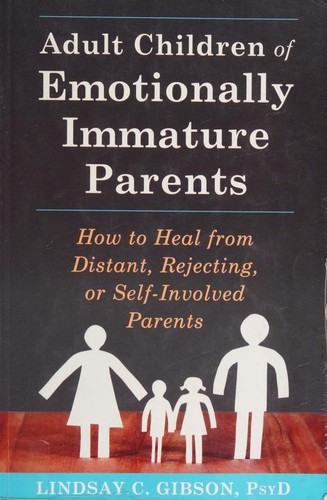
Adult Children of Emotionally Immature Parents
Lindsay C. Gibson, PsyD
A gentle, practical guide to understanding relationships with emotionally distant parents and reclaiming your inner life.
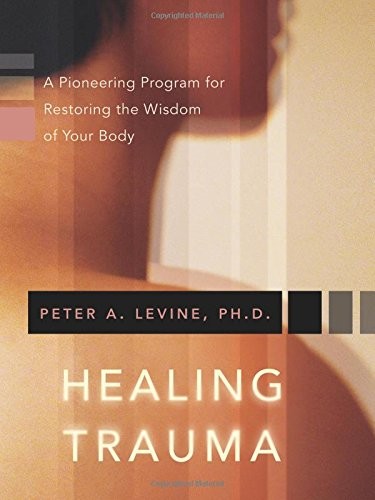
Healing Trauma
Peter A. Levine, PhD
Practical how-to guide for body-based trauma recovery with 12 guided Somatic Experiencing exercises.
As an Amazon Associate, Clarity House Press earns from qualifying purchases. Your price is never affected.
Found this helpful?
Share it with someone who might need it.
About the Author

Clarity House Press
Editorial Team
The editorial team at Clarity House Press curates and publishes evidence-based content on narcissistic abuse recovery, high-conflict divorce, and healing. Our content is informed by research, survivor experiences, and established trauma-informed approaches.
View all posts by Clarity House Press →Published by Clarity House Press Editorial Team