Please read our important disclaimers before using this content
If you're divorcing a narcissist in Florida, you need to know this: Florida's family court system presents unique dangers for abuse survivors. The state mandates a presumption of shared parenting, has explicit parental alienation laws that are routinely weaponized against protective parents, and makes relocation nearly impossible—even when staying threatens your safety. For comparison with other states, see our guide on father-friendly jurisdictions which ranks Florida's 2023 reforms in context.
Florida's framework assumes both parents are equally fit and deserving of equal decision-making authority and substantial time with children. When one parent is a documented abuser or high-conflict personality, this presumption can be catastrophic.
This comprehensive guide breaks down what Florida survivors need to know about custody law, parental responsibility, timesharing schedules, and protecting children when the legal system fails to recognize the danger you face.
Understanding Florida's Parental Responsibility and Timesharing
Florida abolished the term "custody" in 2008, replacing it with "parental responsibility" and "timesharing."
Key Florida Terminology
Parental Responsibility: The decision-making authority regarding the child's welfare, including education, healthcare, and religious upbringing. This is what other states call "legal custody."
Shared Parental Responsibility: Both parents have equal decision-making rights and must confer on major decisions. This is Florida's strong presumption.
Sole Parental Responsibility: One parent has exclusive decision-making authority. Rare in Florida and requires proof that shared responsibility would be detrimental.
Timesharing: The schedule establishing when the child is with each parent. This is what other states call "visitation" or "parenting time."
Majority Timesharing: The parent with whom the child spends more than 50% of overnights. Relevant for child support calculations and school enrollment decisions.
Florida's Presumption of Shared Parental Responsibility
Florida Statute §61.13(2)(c)(2) establishes a strong presumption that shared parental responsibility is in the best interest of the child.1
What This Means:
- Courts presume both parents should have equal decision-making authority
- Major decisions about education, healthcare, and religion require both parents' agreement
- Overcoming this presumption requires clear and convincing evidence that shared responsibility is detrimental
Exceptions to Shared Parental Responsibility:
Florida law allows sole parental responsibility only when the court finds shared responsibility would be detrimental to the child. Grounds include:
- Domestic violence: Credible evidence of domestic violence creates a rebuttable presumption against shared parental responsibility (but not an absolute bar)
- Parental unfitness: Substance abuse, mental illness affecting parenting, history of child abuse or neglect
- Geographic distance: When parents live too far apart to make shared decision-making practical
- Inability to communicate: When conflict is so severe that shared decision-making is impossible (though courts are skeptical of this argument)
How High-Conflict Partners Weaponize Shared Responsibility
Refusing to Agree on Anything: Your ex uses their equal decision-making authority to block every decision you propose—school choice, medical treatment, extracurriculars.
Demanding Veto Power: High-conflict parents interpret "shared responsibility" as "I get to veto anything you want."
Creating Decision Deadlock: Your ex manufactures disagreements to force you back to court repeatedly, draining your finances and energy.
Using Parental Alienation Claims: If you seek sole parental responsibility due to your ex's obstructionism, they'll claim you're trying to "alienate" them.
Protecting Yourself Under Shared Parental Responsibility
Request Specific Allocation of Decisions: Florida allows courts to assign specific decision-making categories to each parent even under shared responsibility.
Examples:
- One parent has final say on education, the other on healthcare
- Routine medical decisions (check-ups, urgent care) don't require joint consent, but major medical procedures do
- One parent chooses extracurriculars, the other handles religious upbringing
Build Evidence of Detriment: If you need sole parental responsibility, document:
- Your ex's refusal to communicate or cooperate
- Instances where delays caused by their obstruction harmed the child
- Evidence of domestic violence, substance abuse, or parental unfitness
- Expert testimony (therapist, guardian ad litem) supporting sole responsibility
Utilize the Parenting Coordinator: Florida allows appointment of parenting coordinators to make decisions when parents can't agree. This removes your ex's veto power on day-to-day issues.
Florida's Best Interest Factors for Timesharing
While Florida presumes shared parental responsibility, timesharing (the physical schedule) is determined by the child's best interests.
Statutory Best Interest Factors (§61.13(3))
Florida courts must consider 20 specific factors:1
- Each parent's facilitation of a close relationship between the child and the other parent
- Anticipated division of parental responsibilities after the dissolution
- Adherence to existing timesharing schedules and reasonable parenting
- Geographic viability of the parenting plan
- Moral fitness of the parents
- Mental and physical health of the parents
- Home, school, and community record of the child
- Reasonable preference of the child (if of sufficient intelligence, understanding, and experience)
- Knowledge and capacity to provide age-appropriate needs
- Parental tasks performed before the dissolution
- Extracurricular activity schedules of the child
- Capacity to maintain a consistent routine
- Substance abuse by either parent
- Domestic violence history (with weight given to safety concerns)
- Sexual or child abuse history
- Parenting tasks performed by each parent
- Capacity to participate in parenting tasks
- Time-sharing schedule that maintains stability
- Capacity to protect the child from ongoing litigation
- Any other factor relevant to the child's best interest
The "Friendly Parent" Provision: A Double-Edged Sword
Factor #1—each parent's facilitation of the relationship with the other parent—is heavily weighted in Florida.
How It Works: Courts favor parents who actively encourage and facilitate the child's relationship with the other parent.
The Problem for Abuse Survivors: High-conflict partners weaponize this factor by claiming you're not "friendly" when you:
- Set boundaries to protect yourself and the child
- Limit contact due to documented abuse
- Seek sole parental responsibility or reduced timesharing
- Express concerns about the other parent's behavior
Protecting Yourself:
- Document all attempts to facilitate the relationship (sending photos, suggesting extra timesharing, informing the other parent of school events)
- Frame concerns as child-safety issues, not personal grievances
- Use business-like, neutral language in all communications
- Never badmouth the other parent in writing or where it could be documented
Factor #19: Protecting the Child from Ongoing Litigation
Florida recognizes that endless litigation harms children. Courts consider each parent's willingness to resolve disputes cooperatively.
High-Conflict Trap: Your ex files endless motions for modifications, contempt, and emergency relief—then blames you for the ongoing litigation.
Countering the Narrative:
- Document that you've proposed settlement, mediation, and collaborative approaches
- Show that your ex rejects reasonable proposals
- Request attorney fees and sanctions for frivolous filings
- Ask the court to restrict future filings without leave of court
Timesharing Schedules: Equal vs. Majority Timesharing
Florida does not presume equal (50/50) timesharing, but the statute requires courts to begin their analysis with the premise that both parents are equally capable.
Standard Timesharing Schedules in Florida
While there's no statutory "standard" schedule, common timesharing arrangements include:
Majority Timesharing to One Parent:
- Every other weekend (Friday-Monday) to the non-majority parent
- One weeknight dinner visit
- Alternating holidays and school breaks
Rotating Weekly Schedule (50/50):
- Week-on, week-off rotation
- Common when parents live close together
2-2-3 Schedule (50/50):
- Parent A: Monday-Tuesday
- Parent B: Wednesday-Thursday
- Alternate Friday-Sunday
- Results in equal overnights over two-week period
4-3 Schedule (50/50):
- Parent A: Four days
- Parent B: Three days
- Rotate the pattern
Factors Courts Consider for Equal Timesharing
Equal timesharing is appropriate when:
- Parents live close together (same school district)
- Both parents have flexible work schedules
- Parents can communicate cooperatively
- The child is old enough to handle frequent transitions
- Both parents have been actively involved in parenting2
When Equal Timesharing Is Not Appropriate:
- High-conflict parents who cannot cooperate3
- Young children who need stability and routine
- One parent has work schedule incompatible with parenting (overnight shifts, extensive travel)
- Parents live far apart
- Documented domestic violence or substance abuse
- One parent has not been historically involved in parenting
How High-Conflict Partners Push for Equal Timesharing
Using It as Control: Even if they've never been involved parents, high-conflict partners demand 50/50 time to maintain control over you.
Reducing Child Support: Equal timesharing reduces or eliminates child support obligations.
Weaponizing "Friendly Parent" Factor: Claiming you're "alienating" by opposing equal time.
Manufacturing Involvement: Suddenly becoming "involved" parent after separation to claim equal capability.
Countering Equal Timesharing Requests
Document Historical Parenting:
- Who took the child to doctor appointments?
- Who attended school conferences and events?
- Who handled bedtime, homework, meals, and daily care?
- Who stayed home when the child was sick?
Show Practical Barriers:
- Distance between residences
- Work schedules incompatible with parenting
- Lack of appropriate housing or child accommodations
- Child's extracurricular schedule tied to one parent's home
Demonstrate Child's Needs:
- Young children need stability, not frequent transitions
- Children with special needs benefit from routine and one primary home
- Teenagers need stability in school and peer relationships
Expert Testimony: Custody evaluators, therapists, and guardians ad litem can provide evidence about what timesharing arrangement serves the child's best interest.
Florida's Parental Alienation Statute: A Dangerous Weapon
Florida is one of the few states with an explicit parental alienation statute, making it a particularly dangerous jurisdiction for protective parents.
CRITICAL CONTEXT: "Parental alienation" is a highly controversial theory that lacks scientific validation. The American Psychological Association, National Organization for Women, and numerous domestic violence experts have raised serious concerns about how alienation claims are weaponized against protective parents—especially mothers—who report abuse. In Florida, documented abusers routinely accuse protective parents of "alienation" when children exhibit fear or resistance, resulting in custody transfers TO the abuser and AWAY from the protective parent.
Florida Statute §61.13(2)(c)(3)
Florida's statute allows courts to consider whether one parent is more likely to "facilitate and encourage a close and continuing parent-child relationship" with the other parent. In practice, this has become a weapon against protective parents.
How Florida Courts Define "Parental Alienation": Conduct by one parent that:
- Undermines the child's relationship with the other parent
- Interferes with timesharing or communication
- Makes allegations of abuse (whether true or false)
- Speaks negatively about the other parent to the child
- Fails to enthusiastically encourage the relationship with the other parent
The Critical Problem: This definition fails to distinguish between:
- A child's justified rejection of an abusive parent (protective alignment)
- A parent's appropriate safety boundaries (protective parenting)
- Manufactured rejection coached by a manipulative parent (actual alienation)
How Courts Apply Parental Alienation in Florida
Red Flags Courts Look For:
- Child expresses fear or hatred of a parent inconsistent with that parent's actual behavior
- Child uses adult language or concepts to describe the other parent
- Child's reasons for rejecting a parent are vague, scripted, or irrational
- Child aligns completely with one parent against the other
- Rejection of the other parent began or intensified after separation
Consequences of Alienation Findings:
- Modification of timesharing to increase the "alienated" parent's time
- Transfer of majority or sole timesharing to the "alienated" parent
- Court-ordered therapy (reunification therapy)
- Sanctions against the "alienating" parent
- Limitations on the "alienating" parent's decision-making authority
The Danger for Abuse Survivors
Parental alienation claims are increasingly weaponized against protective parents, particularly mothers who. Our article on how abusers weaponize parental alienation claims explains the specific tactics used and how to counter them:
- Report abuse or express concerns about the other parent's behavior
- Seek to limit or supervise the other parent's timesharing
- Have children who don't want to see the other parent
- Advocate for their children's safety
- Document the other parent's harmful behavior
- Believe their children when they express fear or discomfort
The Deadly Reversal: Florida courts frequently treat the protective parent as the "alienator" and transfer custody to the abusive parent, reasoning that the child needs to "repair the relationship" with the rejected parent. This happens even when:
- Domestic violence is documented
- The child has witnessed abuse
- The child has articulated specific, credible reasons for fear
- Mental health professionals support the child's position
- The "alienated" parent has a history of harmful behavior
Research shows that court-ordered contact with abusive parents—particularly through coercive "reunification therapy"—causes severe psychological harm to children and increases risk of physical abuse.45
Protecting Yourself from Parental Alienation Claims
Facilitate the Relationship Visibly:
- Send photos and updates to the other parent
- Encourage phone/video calls (document when the other parent doesn't call)
- Speak neutrally or positively about the other parent to the child
- Never prevent timesharing unless there's a legitimate safety concern
Document, Don't Editorialize:
- Keep factual records of incidents and concerns
- Let your attorney present concerns to the court, not you directly to the child
- Never coach the child to say negative things about the other parent
Honor the Child's Voice (While Protecting Them):
- If the child expresses reluctance or fear, listen and validate—children's feelings about unsafe parents are often accurate
- NEVER dismiss, minimize, or override a child's expressed fear or discomfort with a parent
- Document what the child says in their own words (but never coach or lead)
- Ensure the child knows they're not responsible for adult decisions and won't be punished for their feelings
- If the child's preference needs to be heard, request a guardian ad litem or child's therapist to convey it independently
- Distinguish between age-appropriate preference (wanting to stay at a friend's house) vs. safety concerns (fear of a parent)
The guide on how family courts evaluate parental alienation claims provides a broader overview of the evidence courts find credible versus dismissible.
Seek Professional Involvement (With Extreme Caution):
- Individual therapy for the child with a trauma-informed therapist who understands domestic violence and coercive control—NOT one who specializes in "alienation"
- Guardian ad litem to independently assess the family (vet their training and bias carefully)
- Custody evaluator trained in domestic violence, coercive control, and childhood trauma—NOT evaluators who specialize exclusively in parental alienation
CRITICAL WARNING ABOUT "REUNIFICATION THERAPY": If a Florida court orders "reunification therapy" or "family reunification counseling" with a parent your child fears, this is a red flag. Reunification therapy—particularly when coercive or intensive—has been linked to severe psychological harm, suicide attempts, and escalated abuse. Many reunification programs operate from the assumption that the child's rejection is manufactured and force contact regardless of the child's distress or safety concerns. Seek immediate legal counsel if reunification therapy is proposed. Request that any therapy be trauma-informed, child-led, and contingent on the rejected parent's participation in accountability work (batterer intervention, substance abuse treatment, therapy for their own behavior).
Relocation in Florida: One of the Strictest Laws in the U.S.
Florida Statute §61.13001 governs parental relocation—defined as a move more than 50 miles from the current residence for 60 or more consecutive days.6
Why This Matters for Abuse Survivors: Many survivors need to relocate to escape ongoing abuse, stalking, harassment, or economic coercion. Florida's relocation law effectively traps abuse survivors in proximity to their abusers. Courts routinely deny relocation even when:
- The survivor has documented evidence of ongoing abuse
- The abusive parent has minimal actual involvement with the child
- Remaining in Florida threatens the survivor's economic stability, mental health, or physical safety
- The survivor has strong family support in another state
Florida courts prioritize the abusive parent's "right" to frequent contact over the protective parent's safety and the child's need for a stable, non-traumatized primary caregiver.
Relocation Notice Requirements
If the Other Parent Agrees: File a written agreement signed by both parents with the court, and the court will incorporate it into an order.
If the Other Parent Objects: You must file a formal Petition to Relocate and provide extensive notice.
Notice Must Include:
- Your new address and phone number
- Date of intended move
- Reasons for relocation
- Proposed revised timesharing schedule
- Statement that the other parent may file an objection within 20 days
Failure to Comply: Relocating without following the statute is grounds for contempt, modification of custody, and civil/criminal penalties.
Burden of Proof in Contested Relocation
If You're the Parent Seeking to Relocate: You have the burden of proving by a preponderance of the evidence that relocation is in the child's best interest.
Factors Courts Consider:
- Likely impact on the child's emotional, physical, and developmental needs
- Extent to which visitation rights can be preserved through substitute arrangements
- Child's preference (if of sufficient maturity)
- Whether the relocation will enhance quality of life for both parent and child
- Reasons for seeking relocation
- Whether the relocation is sought in good faith (not to frustrate the other parent's relationship)
- Impact on extended family relationships
- Educational opportunities in the new location
- Employment and economic considerations
- Whether the other parent has complied with timesharing obligations
How High-Conflict Partners Fight Relocation
Automatic Opposition: Your ex will oppose any relocation, even if they've shown little interest in parenting, simply to control you.
Alienation Claims: Expect allegations that your move is to "alienate" the child from the other parent.
False Motivation Claims: Your ex may argue you're moving for a new partner, to avoid them, or in "bad faith."
Using Child's Voice: Coaching the child to say they don't want to move.
Protecting Your Relocation Request
Document Legitimate Reasons:
- Job offer or transfer (include offer letter, salary details)
- Educational opportunity for you (graduate school, training program)
- Family support system (elderly parent needing care, extended family for childcare)
- Lower cost of living
- Escaping documented domestic violence
Propose Generous Timesharing:
- Extended summer vacations with the other parent
- All school breaks and holidays
- Virtual contact schedule (video calls, texting)
- Offer to pay for some or all travel costs
Show Child's Best Interest:
- Better schools in the new location
- Extended family relationships
- Safer neighborhood
- Economic stability for your household
Demonstrate Facilitation History:
- Show you've encouraged and facilitated the relationship with the other parent
- Document the other parent's actual involvement (or lack thereof)
Expert Support:
- Therapist testimony that the move benefits the child (and that remaining harms the child)
- Guardian ad litem recommendation in favor of relocation
- Domestic violence expert testimony about ongoing danger
Safety Planning When Relocation Is Denied:
If the court denies your relocation request, you need immediate safety planning:
- Work with a domestic violence advocate to create a safety plan for ongoing contact with your abuser
- Document all incidents of post-separation abuse, stalking, or harassment
- Consider filing for modification of the parenting plan to add safety provisions (neutral exchanges, supervised time, communication restrictions)
- Explore whether you can establish a second residence in the new location while maintaining a Florida residence for custody purposes (expensive but sometimes necessary)
- Understand that denial of relocation may itself constitute evidence of changed circumstances if the abuser escalates
Know This: Florida courts are extremely reluctant to allow relocation. Even with strong evidence that the move benefits the child and that staying endangers the protective parent, courts routinely deny relocation to preserve the abusive parent's frequent contact. Many abuse survivors are effectively trapped in Florida by this law. Plan accordingly and understand this is a systemic failure, not your failure.
Domestic Violence in Florida Custody Cases
Florida law recognizes domestic violence as a factor in custody determinations, but it does not create an automatic presumption against the abusive parent.
Florida's Domestic Violence Factors
Under §61.13(2)(c)(2), courts must consider evidence of domestic violence and create safeguards to protect the child and the abused parent.
Safeguards May Include:
- Supervised timesharing
- Exchange at neutral location with law enforcement present
- No contact between abuser and victim
- Completion of batterer's intervention program
- Substance abuse evaluation and treatment
- Prohibition on overnight timesharing until conditions are met
Florida's Weak Domestic Violence Presumption
Unlike many states, Florida does not create a strong presumption against shared parental responsibility or timesharing for documented abusers.
The Standard: If domestic violence is proven, the court must ensure the safety of the child and abused parent—but shared parental responsibility and substantial timesharing may still be ordered.
Research Note: Florida Statute §61.13 governs parental responsibility and timesharing, requiring courts to consider best interests factors including domestic violence history (Florida Statutes 2025). While Florida recognizes parental alienation behaviors within its "friendly parent" provision, it does not have a specific statute explicitly addressing "parental alienation" separate from best interests considerations.
Why This Is Dangerous—and Sometimes Deadly: Florida courts routinely order shared custody and extensive unsupervised time even when domestic violence is thoroughly documented, reasoning that abuse "between the parents" doesn't threaten children.
This ignores established research:
- Children who witness domestic violence experience severe developmental trauma, anxiety, depression, and long-term psychological harm789
- Abusive partners frequently escalate to harming children post-separation, particularly when they lose control over the adult victim
- Shared custody with an abuser gives that abuser ongoing access to the victim for continued harassment, stalking, and coercive control1011
- The most dangerous time for domestic violence victims is during and immediately after separation—when Florida courts are ordering frequent, unsupervised contact
Real-World Outcome: Florida survivors with documented abuse histories—protective orders, police reports, medical records, witness testimony—routinely lose custody to their abusers or are forced into shared custody arrangements that require ongoing contact with someone who has threatened, assaulted, or terrorized them.
Injunctions for Protection Against Domestic Violence
Florida offers civil injunctions for protection against domestic violence.
Types:
- Temporary Injunction: Granted ex parte (without the respondent present) if petitioner shows immediate danger
- Final Injunction: After a noticed hearing, can last indefinitely
What Injunctions Can Include:
- No contact provisions
- Stay-away orders from home, work, school
- Temporary custody and timesharing
- Temporary support
- Surrender of firearms
Impact on Custody: An active injunction for domestic violence is admissible in custody proceedings and weighs in favor of the protected parent.
Parenting Plans: Florida's Required Blueprint
Florida requires all parents to file a detailed Parenting Plan addressing all aspects of parenting.
Required Elements of a Parenting Plan (§61.13(2)(b))1
- Timesharing schedule: Specific days and times for each parent
- Decision-making allocation: Who makes education, healthcare, and other major decisions
- Communication method: How parents will communicate about the child
- Exchange location and method: Where and how the child will transition between parents
- Extracurricular activities: How decisions will be made and costs shared
- Healthcare information sharing: How parents will exchange medical information
- School and educational records: How parents will access and share school information
- Designation of primary residence: For school enrollment purposes
- Other provisions: Technology use, religious upbringing, travel, etc.
Strategies for High-Conflict Parenting Plans
Be Extremely Specific:
- Don't leave room for interpretation (e.g., "Parent A picks up at 6:00 PM on Friday" not "early Friday evening")
- Specify exchange locations by street address
- Include what happens if a parent is late or doesn't show
Communication Protocols:
- Require use of documented communication platforms like TalkingParents or OurFamilyWizard
- Specify response time for non-emergency communications (24-48 hours)
- Define "emergency" requiring immediate communication
Decision-Making Clarity:
- Allocate specific decisions to each parent to avoid deadlock
- Define routine vs. major medical decisions
- Specify tiebreaker mechanism (parenting coordinator, court order)
Holiday and Vacation Provisions:
- Specify exact hours for each holiday
- Indicate which holidays take precedence over regular schedule
- Require advance notice for vacation requests
- Address international travel (passport possession, consent requirements)
Modification Provisions:
- Build in annual review of schedule as child ages
- Specify conditions under which modifications can be requested
Finding the Right Attorney in Florida
Florida has 67 counties and thousands of family law attorneys. Finding one who understands high-conflict dynamics and Florida's unique laws is critical.
What to Look For
Board Certification: The Florida Bar certifies family law specialists. Board certification requires:
- Substantial family law practice
- Passing a comprehensive exam
- Peer and judicial reviews
- Continuing legal education
Experience with High-Conflict Cases: Ask prospective attorneys:
- "How do you handle parental alienation allegations?"
- "What's your approach when the other parent violates court orders?"
- "Have you handled cases involving narcissistic or personality-disordered individuals?"
Domestic Violence Competency: If abuse is a factor, ensure your attorney understands coercive control and can effectively present DV evidence.
Relocation Experience: If you may need to relocate, find an attorney with a strong track record in relocation cases.
Red Flags
- Attorneys who guarantee outcomes
- Those unfamiliar with parental alienation weaponization
- Attorneys who push for mediation/cooperation when abuse is documented
- Those who dismiss emotional or psychological abuse
- Attorneys who don't have trial experience
Managing Legal Costs in High-Conflict Florida Cases
High-conflict custody litigation in Florida is extraordinarily expensive. Expect to pay $15,000-$50,000+ for a contested case that goes to trial, and potentially $100,000+ if your ex weaponizes the system with endless motions, appeals, and modification requests.
Why Florida Cases Are So Expensive:
- Detailed parenting plans require extensive drafting and negotiation
- Parental alienation allegations often require expert witnesses and custody evaluations ($5,000-$15,000)
- Discovery in high-asset cases can be extensive
- High-conflict opponents file endless motions requiring attorney response
- Trial preparation for custody cases is intensive
Financial Access Strategies:
Unbundled Legal Services ("Limited Scope Representation"):
- Hire an attorney for specific tasks (court appearances, legal advice, document review) while handling administrative work yourself
- Can reduce costs by 30-50% but requires you to be organized and capable
- Not appropriate if you're severely traumatized or facing complex legal issues
- Florida Bar allows unbundled services—ensure your agreement clearly defines scope
Legal Aid Organizations (income-based eligibility):
- Florida Legal Services: Network of legal aid offices statewide (www.floridalegal.org)
- Community Legal Services: Available in many counties
- Law school clinics: University of Florida, Florida State, University of Miami, and other law schools offer free clinics
- Pro bono programs: Florida Bar Foundation maintains list of pro bono opportunities
Attorney Fee Awards:
- Florida allows courts to order one party to pay the other's attorney fees based on financial disparity and need
- If your ex earns significantly more, request fees in your initial petition
- Document financial abuse, hidden assets, and disparate earning capacity
- Fee awards are discretionary—not guaranteed
- Often awarded in installments, not lump sum, so you still need to pay attorney upfront
Payment Plans and Financing:
- Many family law attorneys offer payment plans
- Some accept credit cards (risky due to interest, but sometimes necessary)
- Legal financing companies exist but charge high interest rates
- Ask about sliding scale fees based on income
Self-Representation Risks in High-Conflict Cases:
- High-conflict opponents will weaponize your pro se status
- Florida's rules of evidence and procedure are complex
- You're unlikely to get judicial sympathy for procedural mistakes
- Narcissists are often skilled performers in court—you're at a disadvantage without representation
- Family courts sometimes penalize pro se litigants, viewing them as difficult or uncooperative
If You Must Represent Yourself:
- Invest in at least one consultation with an experienced attorney to understand your case strategy
- Use the Florida Courts Self-Help resources extensively
- Attend family law pro se clinics (many counties offer these)
- Join online communities for Florida pro se litigants (vet advice carefully)
- Document EVERYTHING—evidence is your only protection without an attorney
- Learn Florida Family Law Rules of Procedure and Florida Statutes Chapter 61
Advocacy for Financial Access: Florida's family law system creates a two-tier system where wealth determines outcomes. If you're denied access to justice due to cost:
- Contact your state legislators about legal aid funding
- Submit complaints to the Florida Bar about attorney fee award denials
- Document the disparity for potential appellate issues
- Connect with domestic violence and legal reform advocates
Florida-Specific Resources for Survivors
Statewide Legal Resources
Florida Courts Self-Help: Information and forms at www.flcourts.gov/Services/Family-Courts/self-help-information12
The Florida Bar Family Law Section: Resources and board-certified attorney directory at www.floridabar.org
Florida Legal Services: Directory of legal aid providers at www.floridalegal.org
NOTE ON HOTLINE NUMBERS: Phone numbers for crisis hotlines, legal aid, and support services are provided as a resource. These numbers are current as of publication but may change. Please verify hotline numbers are still active before relying on them. For the National Domestic Violence Hotline, visit thehotline.org for current contact information.
Domestic Violence Resources
Florida Coalition Against Domestic Violence: Statewide resources at www.fcadv.org | 24-hour hotline: 1-800-500-1119
Local DV Centers:
- Miami: Safespace Foundation, Florida Coalition for the Homeless
- Tampa: The Spring of Tampa Bay
- Orlando: Harbor House of Central Florida
- Jacksonville: Hubbard House
- Fort Lauderdale: Women in Distress
Parenting and Child Support Resources
Florida Department of Revenue Child Support Program: Establishment and enforcement at www.floridarevenue.com/childsupport
Parenting Coordinators: Search for qualified parenting coordinators through the Florida Academy of Collaborative Professionals at www.collaborativefamilylawyers.com
Your Next Steps: Florida Divorce Action Plan
Immediate Actions (This Week):
-
Consult with 3-5 Florida family law attorneys experienced in high-conflict cases. Ask about board certification.
-
Gather evidence of your parenting involvement: Medical appointment records, school communications, photos of daily caregiving.
-
Document domestic violence if applicable: Police reports, medical records, photos, threatening messages.
-
Research relocation requirements if you may need to move.
-
Understand parental alienation: Read Florida case law on alienation to understand how courts apply it.
First Month Actions:
-
Retain an attorney or explore unbundled services/legal aid.
-
File or respond to petition: Don't delay—establish your narrative early.
-
Draft proposed Parenting Plan: Create a detailed, child-centered plan that protects against exploitation.
-
Document facilitation efforts: Send photos to other parent, suggest extra timesharing, keep records showing you encourage the relationship.
-
Set up communication app: Use OurFamilyWizard, TalkingParents, or AppClose for all communications.
First 3-6 Months:
-
Participate in mediation with realistic expectations.
-
Engage in discovery: Find hidden assets, document the other parent's actual involvement.
-
Build best interest case: Document your parenting, stability, and child's needs.
-
Address alienation claims proactively: If your ex raises them, refute with evidence of facilitation.
-
Prepare for trial if settlement isn't possible.
Long-Term (6+ Months):
-
Finalize your case with a detailed, enforceable Parenting Plan.
-
Focus on healing: Trauma therapy and support groups.
-
Implement parallel parenting: Minimal contact, business-like communication.
-
Monitor compliance: Document violations for potential enforcement or modification.
-
Understand modification standards: Circumstances may change—know when you can seek modification.
Final Thoughts: Navigating Florida's Dangerous Landscape
Florida's family law system fails abuse survivors. The presumption of shared parental responsibility, the weaponized parental alienation statute, and the restrictive relocation law create obstacles that are not just "challenging"—they are often insurmountable and dangerous.
You need to know the truth: Florida's legal framework was not designed with your safety in mind. It prioritizes parental rights over child safety, assumes both parents are equally fit regardless of evidence, and punishes protective parents who advocate for their children.
But thousands of Florida survivors have navigated this unjust system and protected their children despite it. With strategic legal representation, meticulous documentation, safety planning, and an understanding of how abusers weaponize the law, you can survive this.
Key Takeaways:
- Florida presumes shared parental responsibility—overcoming it requires clear evidence of detriment, but it CAN be done
- Timesharing is based on "best interests," with dangerous weight given to the "friendly parent" factor that punishes protective boundaries
- Florida's parental alienation statute is routinely weaponized against protective parents—document all facilitation efforts while refusing to endanger your children
- Relocation is extremely difficult and often denied even when necessary for safety—plan for this reality
- Domestic violence does NOT create a strong presumption in your favor—Florida courts routinely order shared custody with documented abusers
- Parenting Plans must be detailed, specific, and include safety provisions to minimize ongoing contact with your abuser
- Finding an attorney who understands high-conflict dynamics AND doesn't buy into alienation theory is essential—interview multiple attorneys
You deserve freedom. Your children deserve safety. Florida law often denies both.
This is not your fault. The system is failing you. But you can still protect yourself and your children within this broken framework.
Document everything. Build your evidence. Trust your instincts. Protect your boundaries. Get trauma-informed legal representation. Connect with other survivors who've navigated Florida's system.
You will get through this. And when you do, you'll know you did everything possible to protect your children despite a legal system that made it harder than it should have been.
Resources
Florida Legal Resources and Support:
- Florida Courts Self-Help Center - Official Florida court forms, procedures, and custody information
- Florida Bar Association - Lawyer Referral Service - Find family law attorneys experienced in high-conflict custody
- Legal Aid Service of Broward County - Free legal assistance for low-income families
- Florida Coalition Against Domestic Violence - Statewide advocacy, safety planning, and legal support
Parental Alienation and High-Conflict Resources:
- One Mom's Battle - Advocacy and education for high-conflict custody, including Florida-specific guidance
- Protective Parents Alliance - Support for parents navigating custody with abusive ex-partners
- National Parents Organization - Florida Chapter - Shared parenting advocacy and legislative updates
- High Conflict Institute - Training and resources for high-conflict family law cases
Documentation and Mental Health Support:
- TalkingParents - Certified records for custody cases
- OurFamilyWizard - Court-admissible documentation of communications and parenting time
- Psychology Today - Therapists - Find Florida therapists specializing in high-conflict divorce
- National Domestic Violence Hotline - 1-800-799-7233 (safety planning and legal advocacy)
References
- Florida Legislature. (2025). Florida Statute §61.13: Parenting plan and time-sharing; support; duties and responsibilities. The 2025 Florida Statutes. Retrieved from https://www.leg.state.fl.us/statutes/index.cfm?App_mode=Display_Statute&URL=0000-0099/0061/Sections/0061.13.html ↩
- Howell, K. H., Barnes, S. E., Miller, L. E., & Graham-Bermann, S. A. (2016). Developmental variations in the impact of intimate partner violence exposure during childhood. Journal of Injury and Violence Research, 8(1), 43–57. National Institutes of Health. https://pmc.ncbi.nlm.nih.gov/articles/PMC4729333/ ↩
- Moylan, C. A., Herrenkohl, T. I., Sousa, C., Tajima, E. A., Herrenkohl, R. C., & Russo, M. J. (2010). The effects of child abuse and exposure to domestic violence on adolescent internalizing and externalizing behavior problems. Journal of Family Violence, 25(1), 53–63. National Institutes of Health. https://pmc.ncbi.nlm.nih.gov/articles/PMC2872483/ ↩
- Centers for Disease Control and Prevention. (2024). Intimate Partner Violence Prevention Resource for Action: A compilation of the best available evidence. National Center for Injury Prevention and Control, Division of Violence Prevention. https://www.cdc.gov/intimate-partner-violence/index.html ↩
- Florida Legislature. (2025). Florida Statute §61.13001: Parental relocation with a child. The 2025 Florida Statutes. Retrieved from https://www.leg.state.fl.us/Statutes/index.cfm?App_mode=Display_Statute&URL=0000-0099/0061/Sections/0061.13001.html ↩
- Florida Courts. (2025). Self-Help Information: Family Law. Florida State Courts System. Retrieved from https://www.flcourts.gov/Services/Family-Courts/self-help-information ↩
- Baker, A. J. L., & Brassard, M. R. (2013). Adolescents caught in parental loyalty conflicts. Journal of Divorce & Remarriage, 54(5), 393–413. https://doi.org/10.1080/10502556.2013.795298 ↩
- Harman, J. J., Leder-Elder, S., & Biringen, Z. (2019). The impact of parental alienating behaviors on the mental health of adults alienated in childhood. Children and Youth Services Review, 99, 106–117. https://doi.org/10.1016/j.childyouth.2019.01.034 ↩
- Katz, E. (2022). Coercive control, domestic violence, and a five-factor framework: Five factors that influence closeness, distance, and strain in mother-child relationships. Violence Against Women, 28(3–4), 1100–1124. National Institutes of Health. https://pmc.ncbi.nlm.nih.gov/articles/PMC8974653/ ↩
- Dufour, S., Lavergne, C., Larrivée, M. C., & Trocmé, N. (2008). Who are these parents involved in child neglect? A differential analysis by parent gender and family structure. Children and Youth Services Review, 30(2), 141–156. National Institutes of Health. https://doi.org/10.1016/j.childyouth.2007.07.010 ↩
- Nielsen, L. (2018). Joint versus sole physical custody: Children's outcomes independent of parent-child relationships, income, and conflict in 60 studies. Journal of Divorce & Remarriage, 59(4), 247–281. https://doi.org/10.1080/10502556.2018.1454204 ↩
- Steinbach, A. (2019). Does shared parenting help or hurt children in high-conflict divorced families? Journal of Divorce & Remarriage, 60(4), 324–325. National Institutes of Health. https://pmc.ncbi.nlm.nih.gov/articles/PMC7986964/ ↩
Recommended Reading
From Clarity House Press — plus trusted books for deeper understanding


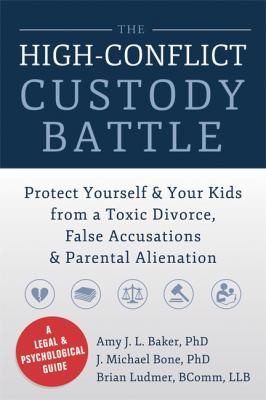
The High-Conflict Custody Battle
Amy J. L. Baker, PhD & J. Michael Bone, PhD
Expert legal and psychological guide to defending against false accusations in custody.
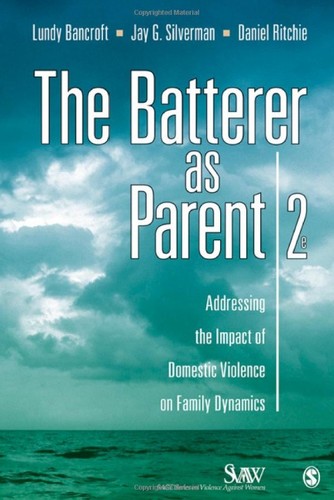
The Batterer as Parent
Lundy Bancroft, Jay G. Silverman & Daniel Ritchie
How domestic violence impacts family dynamics, with approaches for custody evaluations.
As an Amazon Associate, Clarity House Press earns from qualifying purchases. Your price is never affected.
Found this helpful?
Share it with someone who might need it.
About the Author

Clarity House Press
Editorial Team
The editorial team at Clarity House Press curates and publishes evidence-based content on narcissistic abuse recovery, high-conflict divorce, and healing. Our content is informed by research, survivor experiences, and established trauma-informed approaches.
View all posts by Clarity House Press →Published by Clarity House Press Editorial Team