Please read our important disclaimers before using this content
You see a post in a survivor group from someone describing exactly what you lived through. Your heart recognizes the confusion, the self-blame, the desperate hope that maybe you're wrong about what's happening. You want to reach out, to say "I understand. I survived this. You will too." The urge to help is powerful—you know what you wish someone had told you, and you can see yourself in their pain.
The desire to help other survivors is a natural part of healing, and for many people it becomes a profound source of meaning and purpose. Research on post-traumatic growth1 documents how meaning-making through helping others can be a significant component of trauma recovery when undertaken at the appropriate stage of healing. Many survivors begin by participating in peer support groups before moving into facilitation or advocacy roles — the progression is natural and sustainable. But the transition from survivor to advocate requires intention, preparation, and clear boundaries. Moving into advocacy work too early can re-traumatize you. Moving into it at the right time, with the right support and structure, can be one of the most transformative parts of your recovery journey.
Assessing Your Readiness
When It's Too Early
Signs you're not ready yet:
Still in crisis mode:
- Divorce/custody battle ongoing and high-conflict
- Frequent contact with abuser causing regular distress
- Severe PTSD symptoms disrupting daily functioning
- Active safety concerns
- Survival mode, not recovery mode
Enmeshed with your own story:
- Can't hear others' experiences without making it about yours
- Giving advice that worked for you as if it's universal
- Can't separate their situation from your triggers
- Need to share your story more than listen to theirs
- Using others' pain to process your own
Seeking validation through helping:
- Need others to acknowledge how bad your abuse was
- Feel better when you compare ("at least I didn't...")
- Looking for community primarily to vent
- Want recognition as "healed" or "strong"
- Helping to avoid your own grief work
Fragile boundaries:
- Can't say no to survivor requests
- Taking on emotional responsibility for others' healing
- Checking phones at all hours to respond
- Feeling guilty when you can't help
- Unable to separate their crisis from your wellbeing
Unprocessed trauma:
- Flashbacks, nightmares, hypervigilance still severe
- Haven't addressed your own trauma in therapy
- Rage or grief that's still consuming
- Dissociation frequent
- Emotional regulation severely impaired
This doesn't mean you're failing. It means you're still healing. And that's exactly what you should be doing.
Signs You're Ready
Indicators of readiness:
Stable foundation:
- Legal situation resolved or manageable
- Safety established
- Basic functioning restored
- Support system in place
- Mental health treatment working
Self-awareness:
- Can recognize your triggers
- Know when to step back
- Understand your limits
- Aware of your own needs
- Practice self-care consistently
Perspective:
- Can hold space for experiences different from yours
- Don't need to "fix" or have all answers
- Comfortable with ambiguity
- Recognize complexity of abuse dynamics
- Understand everyone's timeline is different
Boundaries:
- Can say no without guilt
- Separate their feelings from yours
- Take breaks when needed
- Don't take responsibility for others' outcomes
- Protect your own wellbeing first
Processed enough:
- Therapy has addressed acute trauma
- Can talk about your experience without being consumed
- Emotional regulation functional
- Triggers managed (not eliminated, but managed)
- Grief acknowledged and being processed
Clear motivation:
- Want to help from place of service, not need
- Giving back feels meaningful but not mandatory
- Not seeking validation or healing through helping
- Purpose-driven but not identity-dependent
- Can walk away if it becomes harmful
General timeline:
- Often not ready until at least 1-2 years post-separation
- Sometimes longer depending on complexity
- No universal timeline—individual assessment matters
- Ongoing high conflict extends timeline
- Active custody battles delay readiness
The "Wounded Healer" Concept
Using your experience as strength:
Carl Jung's concept:
- Wounded healer: someone whose own wound becomes source of healing for others
- Pain transformed into compassion
- Experience as expertise
- Depth through suffering
In survivor advocacy:
- You understand in ways professionals often can't
- Lived experience creates credibility and connection
- "I've been there" offers hope
- Pattern recognition from personal experience
But:
- Wounded doesn't mean unhealed
- Your wound must be tended before you can help others
- Without healing, you're bleeding on people trying to bandage them
- Advocacy work doesn't heal you—it can be meaningful after you've done healing work
Balance:
- Use your experience as tool, not as identity
- Share from scars, not open wounds
- Wisdom from reflection, not raw pain
- Service from overflow, not from emptiness
Types of Advocacy and Support
Informal Peer Support
What it looks like:
- Responding in online survivor groups
- Meeting other survivors for coffee
- Sharing your story when asked
- Being available to friends going through similar situations
- Offering resources or information
Benefits:
- Low commitment, flexible
- No formal training required
- Natural extension of community
- Can start small and see how it feels
- Stop anytime without leaving organization
Risks:
- No structure or supervision
- Easy to overextend
- Boundaries harder to maintain
- Vicarious trauma without support
- Can become all-consuming
Best practices:
- Set clear limits on availability
- Don't give legal or clinical advice
- Share resources, not just opinions
- Practice self-care
- Know when to refer to professionals
Facilitating Support Groups
Types:
- In-person survivor groups
- Online communities
- Church or community center groups
- Recovery-focused groups
- Issue-specific (divorce, co-parenting, dating after)
Training needed:
- Group facilitation training
- Trauma-informed care basics
- Crisis intervention
- Boundary setting
- Often provided by DV organizations
Considerations:
- Regular time commitment
- Emotional labor significant
- Supervision/support essential
- Liability considerations
- Potential for burnout high
Skills required:
- Hold space without fixing
- Manage group dynamics
- Recognize crisis and refer appropriately
- Maintain confidentiality
- Model healthy boundaries
Where to start:
- Volunteer with established DV organization
- Co-facilitate with experienced person
- Get training before starting
- Have supervision structure
- Don't go it alone
Hotline or Text Line Volunteering
What it involves:
- National DV Hotline (thehotline.org)
- Crisis Text Line
- Local DV agency hotlines
- Trained crisis response
- Scheduled shifts
Training:
- Comprehensive training required (30-40 hours often)
- Crisis intervention
- De-escalation
- Risk assessment
- Resource navigation
- Ongoing continuing education
Benefits:
- Structured, supervised
- Clear boundaries (shift ends, you're done)
- Training and support provided
- Make meaningful difference
- Experience for professional credentials
Challenges:
- Hearing crisis stories regularly
- Vicarious trauma
- Emotional intensity
- Ongoing time commitment
- Must follow protocols (can feel limiting)
Good fit if:
- You have several hours per week
- Can handle crisis without personalizing
- Want structure and training
- Strong emotional regulation
- Comfortable with technology
Advocacy and Systems Change
Legislative advocacy:
- Testifying at hearings
- Meeting with legislators
- Letter-writing campaigns
- Policy reform work
- Changing laws
Court system reform:
- Family court task forces
- Guardian ad litem training
- Judicial education
- Protocol development
- Systemic advocacy
Professional training:
- Training therapists on coercive control
- Educating attorneys on trauma
- Teaching medical professionals about abuse
- Law enforcement training
- School counselor education
Media engagement:
- Sharing story with press
- Op-eds
- Documentary participation
- Podcast interviews
- Raising awareness
Considerations:
- Public visibility (safety implications)
- Requires well-processed story
- Impact on children
- Potential retaliation from ex
- Emotional exposure
When this works:
- Legal matters fully resolved
- Children old enough to consent/understand
- Safety secured
- Clear boundaries with media
- Support system strong
Starting Your Own Organization
Options:
- Nonprofit organization
- Support group
- Educational platform
- Coaching practice (if credentialed)
- Content creation (blog, social media)
Requirements:
- Nonprofit: legal structure, board, funding, 501(c)(3)
- Support group: space, insurance, structure
- Platform: time, consistency, boundaries
- Coaching: certifications, ethics training, insurance
- Content: platform, strategy, self-care
Timeline:
- Don't rush this
- Start small (volunteer, then expand)
- Test your capacity
- Build sustainability before scaling
- Often 3-5 years post-separation minimum
Risks:
- Burnout
- Financial instability
- Mission drift
- Vicarious trauma
- Becoming consumed by work
Success factors:
- Clear mission
- Defined scope
- Strong boundaries
- Diverse funding (not just you)
- Support and supervision
- Sustainable pace
Preventing Vicarious Trauma and Burnout
Understanding Vicarious Trauma
Vicarious trauma is recognized as a significant occupational hazard for those working with trauma survivors, requiring proactive prevention strategies.2
What it is:
- Secondary trauma from hearing others' trauma stories
- Cumulative effect of empathetic engagement with trauma
- Changes to your worldview, sense of safety, trust
- Not same as compassion fatigue (exhaustion from caring)
- Not same as burnout (exhaustion from workload)
Symptoms:
- Intrusive thoughts about others' stories
- Nightmares about scenarios described to you
- Hypervigilance returning
- Difficulty trusting
- Cynicism or hopelessness
- Emotional numbing
- Physical symptoms (headaches, stomach issues, fatigue)3
Who's at risk:
- Previous trauma survivors (that's you)
- Empathetic, caring people
- Those without supervision
- People doing trauma work without training
- Anyone doing this work—professionals too
Protective factors:
- Awareness that it exists
- Strong supervision/consultation
- Regular self-care
- Boundaries
- Balanced life outside advocacy
- Personal therapy ongoing
Self-Care for Advocates
Non-negotiables:
Personal therapy:
- Your own therapist separate from advocacy work
- Process your reactions to helping
- Address vicarious trauma symptoms
- Maintain your healing
- Not optional—essential
Supervision or consultation:
- Regular check-ins with experienced advocate
- Peer consultation group
- Organizational supervision if volunteering
- Someone to discuss cases/situations with
- Accountability for self-care
Boundaries:
- Set hours: "I'm available these times"
- Device separation: work phone/personal phone
- Physical boundaries: designated space for advocacy work
- Emotional boundaries: their feelings, your feelings
- Say no: "I can't take that on right now"
Replenishment:
- Activities that fill you up
- Relationships outside survivor community
- Hobbies unrelated to abuse/trauma
- Joy, beauty, lightness
- What refuels you
Balance:
- Advocacy isn't your whole identity
- Life beyond helping
- Relationships, interests, rest
- Purpose but not consumption
- Full life, not just service
Recognizing Burnout
Signs:
- Dread going to meetings/groups
- Resentment toward people you're helping
- Feeling nothing when hearing difficult stories
- Irritability
- Sleep disturbances
- Wanting to quit constantly
- Physical exhaustion that rest doesn't fix
What to do:
- Take immediate break
- Assess if you can return or need to step away
- Increase therapy/support
- Re-evaluate boundaries
- Consider different role or organization
- Sometimes stepping back is self-care, not failure
Prevention:
- Start small, increase slowly
- Check in with yourself regularly
- Adjust before burnout hits
- Talk about what you're experiencing
- Take vacations/breaks
- Honor your limits
Sharing Your Story
Deciding What to Share
Public vs. private:
Private sharing:
- One-on-one conversations
- Small support groups
- Anonymous online forums
- Controlled audience
- Lower risk
Public sharing:
- Blog, social media
- Speaking engagements
- Media interviews
- Book/memoir
- High visibility, high impact, higher risk
Considerations before going public:
- Impact on legal matters (can ex use this against you?)
- Children's privacy and feelings
- Family reactions
- Professional implications
- Safety concerns
- Permanence (internet is forever)
If you plan to share your story on social media platforms, reviewing how to protect your digital privacy and maintain boundaries as an advocate will help you do so safely, especially if you're still in contact with your abuser or navigating active custody proceedings.
Questions to ask:
- Why do I want to share this?
- What do I hope to accomplish?
- Who might be hurt by this?
- Can I handle negative responses?
- Am I sharing from healed place or seeking healing through sharing?
- Is this the right time?
Protecting Children
When your story is also their story:
Their privacy:
- They didn't choose to have their story public
- Other kids will find out
- Follows them into adulthood
- Changes their narrative
- Impacts their relationship with other parent (however complicated)
Age-appropriate consent:
- Young children: can't consent, protect fully
- Teens: involve in decision, respect their no
- Adult children: their choice about their own participation
What you can share:
- Your experience, your feelings
- General dynamics without identifying details
- Lessons learned
- Hope and healing
- What helped you
What to protect:
- Children's names, photos, identifying information
- Specific incidents they experienced
- Their relationship with other parent
- Details that identify them
- Their trauma (that's theirs to share or not)
Pseudonyms, anonymity:
- Change names (yours and theirs)
- Alter identifying details
- Composite stories
- General enough to protect, specific enough to help
Managing Reactions
When you share your story publicly:
Positive responses:
- "Me too"
- Gratitude
- Connection
- Feeling less alone
- Validation
Negative responses:
- Victim-blaming
- "He wasn't that bad"
- "You're bitter"
- Flying monkeys
- Abuser's retaliation
- Family anger
Preparation:
- Decide in advance how you'll handle criticism
- Moderate comments or disable them
- Support system ready
- Boundaries with engagement
- Remember: you can't control others' reactions
Don't:
- Engage with trolls or flying monkeys
- Defend yourself endlessly
- Read every comment
- Try to convince skeptics
- Sacrifice your peace for reach
Do:
- Share for those who need it
- Let it help who it helps
- Ignore who it doesn't
- Protect your wellbeing
- Remember your why
Training and Credentials
Peer Support Certifications
Peer support certification programs provide essential training in boundaries, ethics, and crisis intervention that protect both supporters and those seeking help.4
Certified Peer Support Specialist:
- Formal credential in many states
- 40-80 hours training typically
- Covers mental health recovery, trauma, ethics
- Allows you to work in some settings
- Brings professionalism to lived experience
DV Advocate Certification:
- Offered through state coalitions
- 30-40 hours core training
- Crisis intervention, safety planning, legal advocacy
- Volunteer or professional track
- Updates required
Where to find training:
- State DV coalition websites
- National DV Hotline (thehotline.org)
- Mental health peer support organizations
- Community colleges
- Nonprofit organizations
Additional Helpful Training
Trauma-informed care:
- Understanding trauma responses
- Creating safety
- Avoiding re-traumatization
- Empowerment approach
Crisis intervention:
- De-escalation
- Risk assessment (suicide, homicide)
- When and how to refer
- Grounding techniques
Cultural competency:
- Understanding diverse backgrounds
- Recognizing your own biases
- Serving populations different from you
- Intersectionality in abuse
Boundaries and ethics:
- Dual relationships
- Confidentiality
- Scope of practice
- When to refer
- Mandatory reporting
Group facilitation:
- Group dynamics
- Managing conflict
- Keeping groups safe
- Inclusion practices
Self-care and vicarious trauma:
- Recognizing symptoms
- Prevention strategies
- When to step back
- Sustaining this work
When to Pursue Professional Credentials
Licensed Professional Counselor (LPC):
- Master's degree in counseling (2-3 years)
- Supervised hours (2,000-4,000 depending on state)
- Licensing exam
- Allows you to provide therapy
- Your lived experience + clinical training = powerful combination
Licensed Clinical Social Worker (LCSW):
- Master's in Social Work (2 years)
- Supervised clinical hours (varies by state)
- Licensing exam
- Therapy, case management, advocacy
- Often work in DV agencies, hospitals, private practice
Life Coach Certification:
- No state regulation (be cautious of credential mills)
- Reputable programs: ICF-accredited
- 60-125 hours training typically
- Focuses on goals, not therapy
- Can integrate survivor support into coaching
Considerations:
- Time and financial investment significant
- Not necessary to help others
- Brings professional depth
- Liability and ethical responsibilities
- Can formalize your calling
Timeline:
- Usually pursue 3-5+ years post-separation
- After your own healing well established
- When you're ready for significant commitment
- Don't rush—your experience isn't going anywhere
Balancing Advocacy and Self-Care
Setting Boundaries
Time boundaries:
- Specific hours for advocacy work
- "Office hours" even if unpaid
- Days off, vacations
- Response time expectations ("I'll respond within 24 hours, not immediately")
Emotional boundaries:
- Not responsible for others' healing
- Can't save everyone
- Their crisis doesn't have to be your crisis
- Compassion without consumption
Physical boundaries:
- Separate spaces if possible
- Work phone vs. personal phone
- Meet in public places if in-person
- Protect your address/personal information
Scope boundaries:
- What you will and won't do
- Referrals for what's outside your scope
- "I'm not a therapist/lawyer" clarity
- Stick to peer support role
When to Step Back
Red flags:
- Advocacy work is only source of meaning
- Can't disconnect
- Relationships suffering
- Health declining
- Joy absent
- Resentment building
- Symptoms of vicarious trauma
Temporary break:
- Take weeks or months off
- Assess if you want to return
- Use time for replenishment
- No guilt—it's necessary
Permanent transition:
- Sometimes advocacy work is for a season
- Doesn't mean you failed
- Priorities shift
- Other callings emerge
- You can help in different ways
Permission:
- You can stop anytime
- Helping doesn't have to be forever
- Your wellbeing matters most
- Serving others doesn't require self-sacrifice
- Stepping back is wise, not weak
Integration into Full Life
Advocacy as part of life, not all of life:
Other roles:
- Parent
- Partner/friend
- Professional in other field
- Hobbies and interests
- Rest and play
Whole person:
- You are more than your trauma
- More than your advocacy
- Full, complex human
- Room for joy, silliness, ordinariness
- Life beyond abuse and recovery
Healthy integration:
- Advocacy work meaningful but bounded
- Enhances life, doesn't consume it
- Part of post-traumatic growth, not identity
- Service from wholeness, not brokenness
Key Takeaways
The desire to help other survivors is beautiful and powerful—but timing, training, and boundaries matter as much as compassion. Moving into advocacy work before you're ready can re-traumatize you and harm the people you're trying to help. Moving into it when you're prepared, with support structures and clear limits, can be one of the most meaningful parts of your healing journey.
What to remember:
- You're not ready until you're stable, boundaried, and self-aware
- Informal peer support to formal advocacy: many paths available
- Training and supervision aren't optional—they're essential
- Vicarious trauma is real, preventable with self-care
- Your story is powerful; share it thoughtfully
- Protect children's privacy always
- Professional credentials bring depth but aren't required
- Boundaries sustain this work; without them, burnout inevitable
What to expect:
- The call to help often comes during your own healing
- Readiness usually 1-2+ years post-separation, sometimes longer
- Advocacy work is rewarding and draining
- You can't save everyone, and that's okay
- Some will criticize your sharing; help who it helps
- You may do this for season or lifetime—both are fine
How to start:
- Assess your readiness honestly
- Start small: online groups, one-on-one support
- Get training before facilitating or advising
- Build supervision and peer support
- Protect your wellbeing first
- Increase slowly based on capacity
Permission:
- To not be ready yet
- To want to help and still need to heal
- To start and stop advocacy work
- To have boundaries even in service
- To step back when it's too much
- To transform pain into purpose on your timeline
Advocacy work from a healed place is powerful. Advocacy work from a wounded place is wounding. The difference is timing, preparation, support, and boundaries. If your advocacy aspirations extend toward formal organizational work, see the guide on starting a nonprofit for survivors for what that path realistically requires.
Your experience has value. Your story matters. Your healing comes first. And when you're ready—truly ready—your voice can light the path for others still in the dark.
You don't have to help everyone. You don't have to help right now. You don't have to help forever.
But if and when you do, do it with your eyes open, your boundaries clear, and your own cup full.
The world needs advocates. It needs you. Just make sure you're taking care of yourself in the process.
Because you can't pour from an empty cup. And you can't guide others to freedom if you're still finding your own way out.
Take your time. Get support. Set boundaries. Then, when you're ready, share the light that helped you find your way.
The survivors who come after you will be grateful you did.
Resources
Advocacy and Peer Support Training:
- National Alliance on Mental Illness (NAMI) - Peer support specialist training
- Mental Health America - Advocacy and peer support resources
- National Domestic Violence Hotline - Volunteer and advocacy opportunities
- Psychology Today Therapist Finder - Find trauma therapists
Mental Health and Self-Care:
- SAMHSA National Helpline - 1-800-662-4357 (24/7)
- Compassion Fatigue Awareness Project - Resources for helpers
- Self-Compassion - Dr. Kristin Neff's self-compassion resources
Crisis Support:
- 988 Suicide & Crisis Lifeline - Call or text 988 (24/7)
- Crisis Text Line - Text HOME to 741741
References
- Tedeschi, R. G., & Calhoun, L. G. (2004). Posttraumatic growth: Conceptual foundations and empirical evidence. Psychological Inquiry, 15(1), 1-18. https://www.ncbi.nlm.nih.gov/pmc/articles/PMC3980841/ ↩
- Bride, B. E., Jones, J. L., & MacMaster, S. A. (2007). Correlates of the trauma symptom inventory among childcare workers. Journal of Child and Adolescent Trauma, 1(1), 1-11. https://pubmed.ncbi.nlm.nih.gov/ ↩
- Pearlman, L. A., & Mac Ian, P. S. (1995). Vicarious traumatization: An empirical study of the effects of trauma work on trauma therapists. Professional Psychology: Research and Practice, 26(6), 558-565. https://pubmed.ncbi.nlm.nih.gov/ ↩
- Repper, J., & Carter, T. (2011). A review of the literature on peer support in mental health services. Journal of Mental Health, 20(4), 392-411. https://pubmed.ncbi.nlm.nih.gov/ ↩
- Dutton, D. G., & Painter, S. L. (1993). Emotional attachments in abusive relationships: A test of traumatic bonding theory. Violence and Victims, 8(2), 105-120. https://pubmed.ncbi.nlm.nih.gov/8rolls677/ ↩
- Stamm, B. H. (2010). The Concise ProQOL Manual (2nd ed.). ProQOL.org. https://www.proqol.org/proqol-manual ↩
- Cunningham, K. C., & MacEachern, A. D. (2018). Vicarious trauma in domestic violence services: Helping workers help survivors. Journal of Family Violence, 33(1), 53-61. https://pubmed.ncbi.nlm.nih.gov/ ↩
- Nelson-Gardell, D., & Harris, D. (2003). Childhood abuse history, secondary traumatic stress, and child welfare workers. Child Welfare, 82(1), 5-26. https://pubmed.ncbi.nlm.nih.gov/ ↩
- Hooper, L. M. (2007). The application of attachment theory and family systems theory to the phenomena of parentification. The Family Journal, 15(3), 217-223. https://pubmed.ncbi.nlm.nih.gov/ ↩
- World Health Organization. (2013). Responding to intimate partner violence and sexual violence against women: WHO clinical and policy guidelines. WHO Publications. https://www.who.int/publications ↩
Recommended Reading
From Clarity House Press — plus trusted books for deeper understanding

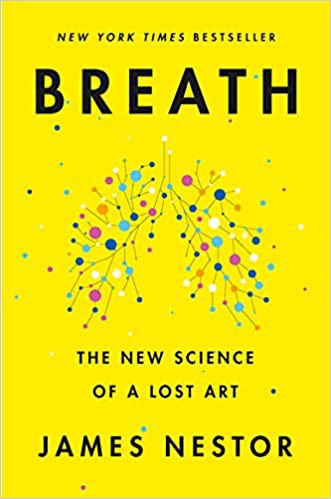
Breath: The New Science of a Lost Art
James Nestor
International bestseller on the science of breathing and how it transforms health and reduces stress.
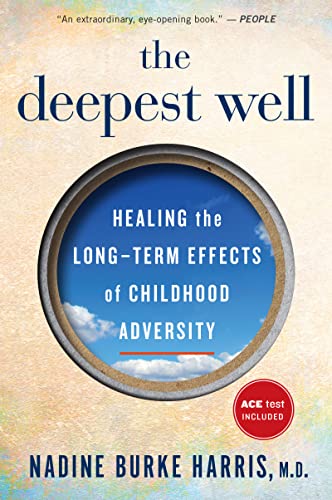
The Deepest Well
Nadine Burke Harris, M.D.
A pediatrician's clear explanation of how adverse childhood experiences affect lifelong health — and what recovery can look like.
As an Amazon Associate, Clarity House Press earns from qualifying purchases. Your price is never affected.
Found this helpful?
Share it with someone who might need it.
Tags
About the Author

Clarity House Press
Editorial Team
The editorial team at Clarity House Press curates and publishes evidence-based content on narcissistic abuse recovery, high-conflict divorce, and healing. Our content is informed by research, survivor experiences, and established trauma-informed approaches.
View all posts by Clarity House Press →Published by Clarity House Press Editorial Team