Please read our important disclaimers before using this content
The invitation arrives: a local domestic violence organization wants you to speak at their annual fundraiser. Or a friend asks if you'd share your story at a church women's group. Or you're contacted about testifying at a legislative hearing on family court reform. Your stomach flips—part excitement, part terror. The idea of standing in front of people and claiming your truth publicly is both powerful and terrifying.
Public speaking about your abuse can be transformative—for you and for your audience—but it's fundamentally different from sharing in a support group or with friends. Once you speak publicly, you can't take it back. Your words may be recorded, shared, misinterpreted, or weaponized. And yet, for many survivors, public speaking becomes a crucial part of healing and advocacy, a way to transform private pain into public purpose. For those thinking about larger advocacy work, our guide to becoming a survivor advocate explores the longer-term commitment of this path.
Assessing Your Readiness to Speak Publicly
Emotional and Psychological Readiness
Signs you're ready:
Processed enough trauma:
- Can talk about abuse without dissociating
- Emotional regulation functional during difficult conversations1
- Therapy has addressed acute symptoms
- Telling your story doesn't retraumatize you2
- Can handle questions without falling apart
Clear sense of purpose:
- Know why you want to speak (help others, create change, reclaim power)
- Not seeking validation or revenge
- Motivated by service, not proving yourself
- Purpose transcends personal pain
- Impact-focused, not attention-seeking
Stable foundation:
- Life circumstances relatively stable
- Not in active crisis
- Support system in place
- Self-care practices working
- Mental health maintained
Perspective and boundaries:
- Can tell story without needing audience to "get it" completely
- Don't take questions or reactions personally
- Able to stop or redirect if conversation becomes harmful
- Know what you will and won't share
- Comfortable with some people disagreeing or not understanding
Confidence in your narrative:
- No longer questioning if it "was that bad"
- Don't need others to validate your experience
- Clear on what happened and what it meant
- Comfortable owning your truth
- Not seeking permission to feel how you feel
Practical Readiness
Legal considerations:
Divorce/custody:
- Divorce final (or very close)
- Custody orders established
- No pending litigation where speaking could be used against you
- Protective orders permanent if relevant
- Attorney has reviewed and not advised against
Safety concerns:
- Abuser's location known and stable (or unknown but you're protected)
- No active threats or stalking
- Restraining orders in place if needed
- Safety plan for potential retaliation
- Children's safety secured
Defamation risk:
- Understand what you can and cannot say legally
- Truth is a defense, but litigation is costly
- Consulted attorney about risky statements
- Prepared for possibility of legal threats
- Have legal support if needed
Children's age and consent:
Young children (under 13):
- Cannot meaningfully consent to your public speaking
- Their peers' parents may be in audience
- Impacts their privacy without their input
- Consider waiting or anonymizing completely
Teens (13-17):
- Can understand implications better
- Deserve to be consulted and heard
- May not fully grasp long-term impact
- Can say no or request boundaries
- Respect their concerns
Adult children (18+):
- Can consent or decline
- Deserve advance notice of what you'll share
- May have concerns about their privacy
- Can participate or ask you not to
- Their autonomy matters
Your timeline consideration:
- Generally 2-5+ years post-separation for public speaking
- Longer if custody high-conflict
- Individual readiness varies
- No shame in waiting longer
Signs It's Too Early
Red flags that you're not ready:
Active legal battles:
- Custody litigation pending
- Divorce ongoing
- Modification hearings scheduled
- Anything ex could use against you
- Attorney advises against it
Speaking publicly while custody litigation is active can jeopardize your case. Understanding what family court doesn't tell you about custody battles helps survivors time disclosure decisions carefully.
Safety risks:
- Abuser doesn't know your location
- Active threats or stalking
- Protective order temporary
- Children's safety compromised
- Fear of retaliation significant
Seeking healing through speaking:
- Haven't processed trauma in therapy
- Need audience validation
- Want to "prove" you were abused
- Speaking to convince yourself
- Using stage as therapy3
Can't regulate emotions:
- Break down when telling story
- Rage overwhelms when speaking about ex
- Dissociate during recounting
- Severe anxiety before/during speaking
- PTSD symptoms triggered severely
Revenge or vindication motivation:
- Want to publicly shame ex
- Need others to know how terrible he is
- Hope he or his family/friends will hear about it
- Seeking public judgment against him
- Anger driving more than purpose
Children object:
- Teens or adult children ask you not to
- Would violate their privacy
- Damage relationship with them
- They're not ready even if you are
- Their no should be honored
If several red flags apply, it's not time yet. Your story isn't going anywhere. Protect yourself and your family first.
Deciding What to Share and What to Protect
Levels of Public Disclosure
Anonymous sharing:
- Share story without identifying details
- "A survivor's story" not your name
- No photos
- Can share fully without personal exposure
- Protects privacy and safety maximally
Semi-anonymous:
- First name only
- General location, not specific
- No photos or obscured photos
- Some identifying details changed
- Balance between authenticity and protection
Fully public:
- Full name and photo
- Your complete identity
- Identifiable details included
- Maximum vulnerability and impact
- Highest risk and exposure
Choosing your level:
- Safety first: what level is safe?
- Children second: what protects their privacy?
- Impact third: what serves your purpose?
- Comfort fourth: what can you emotionally handle?
Creating Your Core Story
The elements:
Opening (2-3 minutes):
- Hook that captures attention
- Who you were before (relatable, human)
- Hint at what's coming
- Establish credibility and connection
The middle (10-15 minutes):
- What happened (broad strokes, not every detail)
- Specific examples that illustrate dynamics
- Turning point or realization
- Leaving and aftermath
- Challenges faced
The resolution (3-5 minutes):
- Where you are now
- What you've learned
- Hope and healing (without toxic positivity)
- Why you're sharing
- Call to action for audience
Total: 20-30 minute core story, adaptable for different time slots
What to include:
- Specific examples that illustrate broader patterns
- Emotional truth alongside facts
- Moments audience can relate to
- Turning points and realizations
- Complexity and honesty
- Hope grounded in reality
What to protect:
- Children's specific experiences and identifying details
- Graphic violence (describe impact, not gore)
- Details that could identify ex unnecessarily
- Information that could endanger you
- Intimate details that feel violating to share
- Legal details that could be weaponized
Boundaries on What You Won't Discuss
Decide in advance:
Off-limits topics:
- Children's names, ages, identifying details
- Specific legal strategies or pending litigation
- Current location or identifying details if safety concern
- Intimate details of abuse you're not comfortable sharing publicly
- Financial specifics that feel private
- Other people's stories (friends, family) without permission
Deflection scripts:
- "I'm not comfortable going into detail about that, but what I can share is..."
- "That's my child's story to tell, not mine."
- "For legal reasons, I can't discuss specifics, but generally..."
- "I appreciate the question, but I keep that private."
- "That's a great question for my therapist, but not something I share publicly."
You are allowed to:
- Say no to questions
- Redirect conversation
- Keep parts of your story private
- Change your boundaries over time
- Share different details with different audiences
- Protect yourself even while being vulnerable
Adapting for Different Audiences
Domestic violence fundraiser:
- Audience already understands abuse dynamics
- Can use clinical terms (coercive control, trauma bonding)
- Focus on systemic issues and advocacy needs
- Highlight what helped you (and what didn't)
- Inspire donors to support services
Church or faith community:
- May need to navigate religious beliefs about divorce
- Address spiritual abuse if relevant
- Speak to faith as source of strength or complication
- Challenge harmful theology gently
- Offer hope within faith context
Professional conference (therapists, attorneys):
- They want to learn from you
- Can be more clinical and detailed
- Focus on what professionals did right or wrong
- Educational angle
- Systems improvement perspective
Legislative testimony:
- Specific policy focus
- Personal story to illustrate need for change
- Keep to time limits (often 3-5 minutes)
- Professional tone
- Clear ask/recommendation
School or youth group:
- Age-appropriate content
- Focus on healthy relationships
- Warning signs
- Resources available
- Empowerment message
General public:
- Assume low knowledge about narcissistic abuse
- Explain terms
- Universal themes (everyone understands fear, confusion, hope)
- Accessible language
- Relatable examples
Managing Safety and Your Ex's Reaction
Safety Planning for Public Speaking
Before you speak:
Assess risk:
- How likely is ex to find out?
- What's his typical response to perceived exposure?
- History of retaliation or escalation?
- Current threat level?
- Children's safety implications?
Protective measures:
- Don't publicize speaking engagement on social media beforehand
- Request event organizers not tag you in public posts
- Ask for security at event if concerned
- Have friend/support person with you
- Know exit routes
- Park strategically (easy exit, visible area)
Legal preparation:
- Attorney aware you're speaking publicly
- Understand what you can/can't say
- Documented safety plan
- Update protective order if needed
- Evidence of speaking engagement (if ex claims you're "defaming" him)
During speaking engagement:
Physical safety:
- Trusted person with you
- Phone accessible
- Alert event security if you see ex or flying monkeys
- Don't share your location publicly on social media
- Vary routine after public events
Emotional safety:
- Support person who can ground you
- Exit plan if you need to leave
- Permission to stop if overwhelmed
- Therapist appointment scheduled soon after
- Self-care planned for after
After speaking:
Anticipate retaliation:
- Increased harassment or contact attempts
- Legal threats (often empty)
- Social media attacks
- Flying monkeys activated
- Attempts to discredit you
How to respond:
- Document everything
- Don't engage directly
- Block/report on social media
- Consult attorney if legal threats
- Lean on support system
- Remember your why
When to stop speaking publicly:
- Safety concerns escalate
- Children being targeted or harassed
- Legal retaliation significant
- Taking toll on your mental health
- No longer serving you
- Purpose has been fulfilled
Protecting Children from Fallout
They didn't choose this:
Minimize their exposure:
- Don't name them or show their photos
- Change identifying details
- Speak about impact on you, not specifics about them
- Keep focus on your experience
- Protect their privacy fiercely
Prepare them:
- Tell them in advance you'll be speaking
- What event, what you'll share
- Let them ask questions
- Reassure them you're protecting their privacy
- Check in after
If their peers find out:
- Provide scripts for how to respond
- Validate their feelings (embarrassment, anger, pride—all okay)
- Offer therapy support
- Don't minimize impact on them
- Ongoing conversations, not one-time talk
When other parent retaliates:
- Don't involve children in adult conflict
- Reassure them they're safe
- Don't badmouth ex (even if he's retaliating)
- Document for legal purposes
- Shield them from your stress
Their feelings matter:
- May be proud of you
- May be mortified
- May be scared
- May be angry you shared "their" story
- All feelings valid
- Honor their experience
Speaking Fees and Professional Boundaries
When and How Much to Charge
Free speaking:
Appropriate when:
- Small nonprofit with no budget
- Community group or support group
- Volunteer work you choose to do
- Platform-building (getting your name out)
- Cause deeply meaningful to you
Consider costs:
- Your time (preparation, travel, speaking)
- Emotional labor
- Childcare if needed
- Transportation
- Opportunity cost (could be working/resting)
You're allowed to:
- Say no to free speaking if it doesn't serve you
- Charge even nonprofits if you need to
- Decide case-by-case
- Value your time and expertise
Paid speaking:
Appropriate when:
- Organization has budget for speakers
- Fundraiser or paid event
- Corporate or professional conference
- Your expertise is being leveraged
- You're being asked as professional, not just survivor
Fee ranges:
- Local nonprofits: $0-$500 typically
- Professional conferences: $500-$2,500+
- Corporate events: $1,000-$5,000+
- Keynotes/larger events: $2,500-$10,000+
- Your experience and polish factor in
How to set your fee:
- Research what others charge
- Consider your expenses and time
- Value your expertise (lived experience + any credentials)
- Increase as you gain experience
- Don't undervalue yourself
Negotiating:
- "My fee is $X. What's your budget?"
- "I can do $X for this event, with travel covered."
- "I normally charge $X, but I can do $Y for nonprofits."
- Don't be afraid to ask what they're offering
- You can say no if fee doesn't work
Professional vs. Personal Boundaries
You are not their therapist:
Questions that cross the line:
- "Do you think my husband is a narcissist?" (you can't diagnose)
- "What should I do about custody?" (you can't give legal advice)
- "Should I leave?" (can't make that decision for them)
- Extensive personal questions requiring professional advice
How to redirect:
- "I'm not a therapist, but I encourage you to work with one."
- "Those sound like questions for an attorney familiar with your case."
- "I can share what helped me, but your situation is unique."
- "I recommend you reach out to [resource]."
Emotional boundaries:
- You're not responsible for fixing their situation
- Can offer hope and resources, not solutions
- Their pain is not your burden to carry
- Compassion without consumption
- You can leave when speaking is done
After-speaking boundaries:
- Decide in advance if you'll give personal contact info (usually no)
- "You can reach me through [organization email/website]"
- Or, "I'm not able to provide ongoing support, but here are resources..."
- Permission to say no to coffee dates, ongoing texts, etc.
- Protect your time and energy
Social media boundaries:
- Don't have to accept all friend/follow requests
- Can have private personal accounts and public advocacy accounts
- Block flying monkeys and trolls immediately
- You don't owe anyone access to you
- Curate your digital space
Building a Speaking Platform
If you want to speak regularly:
Create materials:
- Professional headshot
- Bio (several lengths: 50 words, 100 words, 250 words)
- List of topics you speak on
- Testimonials from past events
- Video of you speaking (if possible)
- Website or social media presence
Where to find opportunities:
- DV organizations (contact directly)
- Professional conferences (submit proposals)
- Churches, community groups (networking)
- Schools, universities (reach out to student affairs)
- Speakers bureaus (some match speakers with events)
- Social media (share that you're available to speak)
Growing your reach:
- Start local, expand regionally/nationally
- Record your talks (with permission) for promotion
- Collect testimonials and reviews
- Network with other speakers
- Consistent quality and professionalism
- Say yes to small opportunities (they can lead to bigger ones)
Sustaining this work:
- Don't say yes to everything
- Balance free and paid engagements
- Protect your wellbeing
- Take breaks when needed
- This doesn't have to be forever
- Let it serve you, not consume you
Impact vs. Exposure: Making the Decision
The Benefits of Speaking Publicly
For your audience:
- "Me too" moments—feeling less alone4
- Hope that recovery is possible
- Education about abuse dynamics
- Validation of their experience
- Resources they didn't know existed
- Courage to leave or seek help
For systemic change:
- Legislative testimony changes laws
- Professional training improves systems
- Media engagement raises awareness
- Donor engagement funds services
- Collective survivor voices shift culture
- Your story as data point for change
For you:
- Reclaiming your narrative
- Transforming pain into purpose - the American Psychological Association documents how sharing experiences can facilitate post-traumatic growth
- Sense of agency and empowerment
- Healing through helping (when ready), a process described in detail in our guide to post-traumatic growth
- Building community and connection
- Legacy beyond your personal experience
Meaningful impact is real. This work matters.
The Costs of Going Public
Privacy loss:
- Can't take it back
- People know your most vulnerable experiences
- Strangers have opinions about your life
- Google-able forever
- Children's friends/parents know
Emotional exposure:
- Reliving trauma publicly
- Vulnerability on display
- Judgment and criticism
- Compassion fatigue from repeated telling
- Vicarious trauma from others' stories afterward
Safety risks:
- Ex escalates
- Legal retaliation
- Harassment from flying monkeys
- Physical safety concerns
- Children targeted
Relationship impact:
- Family members uncomfortable
- Friends may distance
- Professional reputation implications
- Dating becomes complicated (they Google you)
- Ex's family and friends hostile
Time and energy:
- Preparing talks
- Travel
- Emotional labor
- Recovery time after
- Ongoing requests for your time
Is it worth it? Only you can answer.
Making the Decision
Questions to ask yourself:
Readiness:
- Am I emotionally, legally, practically ready?
- Is this the right time in my healing journey?
- Do I have support in place?
- Can I handle potential consequences?
Purpose:
- Why do I want to do this?
- What do I hope to accomplish?
- Is this about me or about helping others?
- Will this serve my healing or harm it?
Protection:
- Can I protect my children adequately?
- Is my safety secure enough?
- Do I have legal/professional support?
- Can I set and maintain boundaries?
Cost-benefit:
- What are potential benefits (for me, for others)?
- What are potential costs (privacy, safety, relationships)?
- Do benefits outweigh costs?
- Can I live with worst-case scenario?
Gut check:
- Does this feel right in my body?
- Or does it feel like "should"?
- Am I excited or just afraid (fear can be part of growth)?
- Would I regret not doing this?
- Would I regret doing this?
Trust yourself. Your hesitation might be wisdom. Your desire might be calling. Both deserve consideration.
Key Takeaways
Public speaking about narcissistic abuse can be powerful, meaningful, and transformative—but it requires careful assessment of readiness, strategic boundaries, safety planning, and honest evaluation of whether the impact is worth the exposure. When done from a healed place with adequate protection, speaking can create change and offer profound purpose. When done prematurely or without safeguards, it can create harm.
What to remember:
- Readiness includes emotional, legal, practical, and family considerations
- Decide what to share and protect before you speak
- Children's privacy is not negotiable
- Safety planning is essential, not optional
- You can charge for speaking—your expertise has value
- Professional boundaries protect your wellbeing
- Impact is real, but so are costs
- You can change your mind anytime
What to expect:
- Nervousness before speaking (normal even when ready)
- Emotional intensity during and after
- Gratitude from some audience members, criticism from others
- Potential retaliation from ex
- Requests for ongoing support (set boundaries)
- Deep sense of purpose when it's the right time
- Toll on your energy (plan recovery time)
How to proceed:
- Assess readiness honestly using criteria above
- Consult attorney about legal risks
- Discuss with children age-appropriately
- Create core story with clear boundaries
- Start small (local, private) before going big (media, public)
- Build support system for before and after
- Evaluate after each engagement whether to continue
Permission:
- To not be ready yet
- To never speak publicly (this isn't required for healing)
- To speak once and stop
- To change what you share over time
- To charge for your time and expertise
- To protect your peace over impact
- To prioritize your family's wellbeing
Your story has power. Speaking it publicly amplifies that power—for good and for risk.
When you're ready, when it's safe, when the purpose is clear and the protections are in place, your voice can change lives. It can shift systems. It can validate someone who desperately needs to hear "me too." It can create legacy beyond your personal pain.
But it's not required. You don't have to speak publicly to be healed or to have helped. Your quiet healing matters just as much as someone else's public advocacy.
If you choose to speak, do it from strength, with support, with boundaries intact, and with your eyes open to both the power and the cost.
Your voice matters. How and when you use it is entirely up to you.
Speak your truth when you're ready. Protect your peace always.
Resources
Public Speaking and Advocacy:
- Toastmasters International - Public speaking skills and practice
- TEDx Speaker Guide - Preparing impactful talks
- National Speakers Association - Professional speaking resources
- Speaking Out on Abuse - National DV Hotline advocacy resources
Trauma-Informed Speaking Support:
- Psychology Today - Therapists - Find therapists for public speaking support
- GoodTherapy - Search for trauma-informed therapists
- Psychopath Free - Community for narcissistic abuse survivors
- r/CPTSD - Support community for complex trauma survivors
Crisis Support and Safety:
- National Domestic Violence Hotline - 1-800-799-7233 (SAFE) for safety planning
- 988 Suicide & Crisis Lifeline - Call or text 988 for crisis support (24/7)
- Crisis Text Line - Text HOME to 741741 for crisis counseling
- RAINN - 1-800-656-4673 for sexual assault support
References
- Roley, M. E., Contractor, A. A., Weiss, N. H., & Armour, C. (2021). Emotion regulation difficulties in trauma survivors: The role of trauma type and PTSD symptom severity. Journal of Contextual Behavioral Science, 20, 239-248. https://pubmed.ncbi.nlm.nih.gov/21035621/ ↩
- van der Kolk, B. A., Roth, S. H., Pelcovitz, D., Sunday, S., & Spinazzola, J. (2005). Disorders of extreme stress: The empirical foundation of a complex adaptation to trauma. Journal of Traumatic Stress, 18(5), 389-399. Concept supported by contemporary retraumatization prevention research. National Center for PTSD, SAMHSA. https://www.ncbi.nlm.nih.gov/books/NBK207185/ ↩
- Tedeschi, R. G., & Calhoun, L. G. (1996). The Posttraumatic Growth Inventory: Measuring the positive legacy of trauma. Journal of Traumatic Stress, 9(3), 455-471. https://pmc.ncbi.nlm.nih.gov/articles/PMC9807114/ ↩
- Lindhout, A. (2016). Vicarious post-traumatic growth: How sharing trauma experiences facilitates resilience. Research demonstrating that survivor disclosure and peer support promote post-traumatic growth. American Psychological Association. https://www.apa.org/monitor/2016/11/growth-trauma ↩
- Oliver, E., Coates, A., Bennett, J. M., & Willis, M. L. (2024). Narcissism and intimate partner violence: A systematic review and meta-analysis. SAGE Open, 14, 1-34. https://pmc.ncbi.nlm.nih.gov/articles/PMC11155208/ ↩
- Foa, E. B., & Kozak, M. J. (1986). Emotional processing of fear: Exposure to corrective information. Psychological Bulletin, 99(1), 20-35. Foundational theory supporting trauma-focused cognitive behavioral therapy and emotional regulation in PTSD treatment. https://pubmed.ncbi.nlm.nih.gov/32166007/ ↩
- Powers, M. B., Halpern, J. M., Ferenschak, M. P., Gillihan, S. J., & Foa, E. B. (2010). A meta-analytic review of prolonged exposure for posttraumatic stress disorder. Clinical Psychology Review, 30(6), 635-641. Evidence-based trauma-focused treatment demonstrating symptom reduction. https://pubmed.ncbi.nlm.nih.gov/21035621/ ↩
- Survivor preferences for response to intimate partner violence disclosure. Multiple studies emphasizing that survivors value respect, protection, documentation, and control in disclosure processes. PubMed. https://pubmed.ncbi.nlm.nih.gov/15995152/ ↩
- Karatzias, T., & Cloitre, M. (2019). Complex PTSD: Update on research and practice. Journal of Traumatic Stress, 32(3), 373-380. Classification and understanding of complex trauma responses in abuse survivors. https://pmc.ncbi.nlm.nih.gov/articles/PMC9879871/ ↩
- Trauma-Informed Care in Behavioral Health Services. (2014). SAMHSA Treatment Improvement Protocol (TIP) Series, No. 57. Center for Substance Abuse Treatment. U.S. Department of Health and Human Services. Guidance on preventing retraumatization and supporting survivor safety in disclosure and treatment. https://www.ncbi.nlm.nih.gov/books/NBK207185/ ↩
Recommended Reading
From Clarity House Press — plus trusted books for deeper understanding

Surviving the Storm: When the Court Takes Your Children
Clarity House Press
For fathers in active high-conflict custody battles. Understand your CPTSD symptoms, begin stabilization, and build foundation for healing. 17 chapters covering recognition, symptoms, and the healing path.
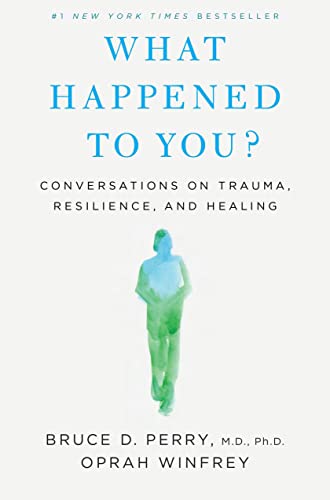
What Happened to You?
Bruce D. Perry, M.D., PhD & Oprah Winfrey
A conversational introduction to how early experience shapes us — reframing 'what's wrong with you' into 'what happened to you.'

Waking the Tiger: Healing Trauma
Peter A. Levine & Ann Frederick
An introduction to Somatic Experiencing and the body's innate capacity to release trauma and restore balance.
As an Amazon Associate, Clarity House Press earns from qualifying purchases. Your price is never affected.
Found this helpful?
Share it with someone who might need it.
Tags
About the Author

Clarity House Press
Editorial Team
The editorial team at Clarity House Press curates and publishes evidence-based content on narcissistic abuse recovery, high-conflict divorce, and healing. Our content is informed by research, survivor experiences, and established trauma-informed approaches.
View all posts by Clarity House Press →Published by Clarity House Press Editorial Team