Please read our important disclaimers before using this content
The idea came to you gradually or all at once: I should write a book about this. Maybe you've been journaling for years and realize you have a story that could help others. Maybe you're tired of seeing abuse minimized and want to illuminate the truth. Maybe you simply need to make sense of what happened, and writing is how you process. The pull to transform your pain into something meaningful—a book that validates, educates, empowers—is strong and legitimate.
Writing your memoir can be profoundly healing, purposeful, and impactful, but it's also complex, exposing, and potentially risky. The decision to tell your story publicly requires careful consideration of timing, legal protection, your children's privacy, the publishing landscape, and your own readiness to have your most painful experiences become public. When done thoughtfully and at the right time, memoir writing can be transformative. When rushed or under-protected, it can create new harm. Understanding how the stages of recovery progress helps you identify whether you've reached the integration stage where memoir writing is genuinely healing rather than retraumatizing.
Is It Time to Write Your Memoir?
Signs You're Ready
Emotional readiness:
Sufficient healing:
- Acute trauma processed enough to write without re-traumatization
- Can revisit painful memories without dissociating
- Emotional regulation functional
- Not writing to process for first time (therapy first, then memoir)
- Writing from reflection, not raw wound
Clarity of purpose:
- Clear why you want to write (help others, reclaim narrative, legacy)
- Not seeking revenge or public vindication
- Purpose beyond "making him pay"
- Motivated by service or healing, not rage
Stable foundation:
- Life circumstances relatively stable
- Not in active crisis
- Legal matters resolved or near resolution
- Safety established
- Support system in place
Perspective:
- Can see story with some distance
- Not enmeshed in every detail
- Able to shape narrative, not just vent
- Insight into patterns and meaning
- Can hold complexity
Practical readiness:
Time and energy:
- Writing a book takes 6 months to 2 years typically
- Consistent time to write
- Mental energy available
- Not in survival mode
- Capacity for sustained project
Legal situation:
- Divorce final or near final
- Custody orders in place
- No pending litigation where memoir could be weaponized
- Protective orders permanent if needed
- Consulted attorney about potential legal issues
Children's age/consent:
- Young children: likely too early
- Teens: can have meaningful input
- Adult children: can consent to their role in story
- Or, structure memoir to protect their privacy completely
Timeline consideration:
- Often 2-5 years post-separation minimum
- High-conflict custody battles delay timeline
- Ongoing litigation makes publishing risky
- No universal timeline, but rushing rarely serves
Signs It's Too Early
Red flags:
Active legal issues:
- Custody battle ongoing
- Divorce not final
- Pending modifications
- Anything ex could use memoir against you in court
- Attorney advises against it
Understanding narcissistic abuse impacts:
Research shows that narcissistic abuse results in symptoms similar to Complex Post-Traumatic Stress Disorder (C-PTSD), with anxiety being the most common symptom at 82%, followed by C-PTSD, depression, and dissociation.1 Effects can be extremely debilitating and long-lasting, with individual recovery being a complex process.2
Safety concerns:
- Abuser's location unknown or unstable
- Threats or stalking ongoing
- Protective order temporary
- Fear of retaliation real
- Children's safety compromised
Seeking healing through writing:
- Haven't processed trauma in therapy yet
- Writing as first attempt to make sense of it
- Need validation you haven't received
- Hoping book will prove you were right
- Using memoir as therapy substitute
Children's privacy at risk:
- Young children can't consent
- Would identify them publicly
- Story is equally theirs and you're unilaterally sharing
- Will follow them into adulthood
- They've asked you not to
Revenge motivation:
- Primary goal is to expose abuser
- Want to "make him pay"
- Seeking public vindication
- Need others to know how bad he is
- Anger driving more than purpose
Fragile emotional state:
- PTSD symptoms severe
- Suicidal ideation
- Substance use concerning
- Can't write about events without severe distress
- Dissociation frequent
If several of these apply, wait. Your story isn't going anywhere. But telling it prematurely can create harm you can't undo.
Legal Protection
Defamation Considerations
What you need to know:
Truth is a defense:
- If what you write is true, it's not defamation (generally)
- But proving truth in court is expensive and exhausting
- Even if you win, litigation itself is damaging
- Ex may sue anyway to harass you
Opinion vs. fact:
- "He was emotionally abusive" = your interpretation (protected opinion)
- "He hit me on March 15, 2019" = factual claim (must be provable)
- "I felt scared and controlled" = your experience (protected)
- "He's a narcissist" = diagnosis (be careful, especially if not clinically diagnosed)
Public figure vs. private person:
- If ex is public figure, higher bar for defamation
- If private person, easier for them to claim harm
- Most exes are private people (higher risk)
Balancing truth-telling and legal safety:
- Write your truth
- Document everything you claim
- Consult attorney before publishing
- Consider changing identifying details
- Use composite characters or pseudonyms if needed
Changing Names and Details
Pseudonyms:
For yourself:
- Publish under pen name
- Protects some privacy
- Ex can still identify it's about them
- Children less easily identified by peers
- Professional reputation separated
For abuser:
- Change ex's name (standard practice)
- Alter occupation, physical details
- Modify location
- Composite character (blend details to obscure)
- Enough changes to make unidentifiable (legally safer)
For others:
- Change names of children (always)
- Friends, family members
- Attorneys, therapists (with permission or changed)
- Anyone who didn't consent to be in book
What you can keep:
- Your state/general location (if relevant)
- Timeline (though can adjust dates)
- General circumstances
- Emotional truth
- Patterns and dynamics
Disclaimer:
- "Names and identifying details have been changed to protect privacy"
- "This is a memoir; dialogue and events are reconstructed from memory"
- Standard memoir disclaimers
- Doesn't eliminate legal risk but reduces it
Working with an Attorney
When to consult:
- Before you publish (not after)
- Manuscript substantially complete
- Considering publishing options
- Want legal review of risky sections
What attorney reviews:
- Potentially defamatory statements
- Claims that could be challenged
- Privacy invasions
- Whether changing details is sufficient
- Risk assessment overall
Attorney specialties:
- Media law or publishing law (not family law)
- First Amendment attorneys
- Defamation defense
- May be expensive but worth it
Attorney may advise:
- Remove specific allegations
- Rephrase as "I perceived" or "I felt"
- Increase anonymization
- Risk is acceptable vs. too high
- Don't publish (in extreme cases)
Publishers and legal review:
- Traditional publishers have lawyers review
- Self-publishing: you're responsible for your own legal protection
- This is not optional
"Based on a True Story" Option
Fictionalize your memoir:
Why people do this:
- Legal protection stronger (fiction defense)
- Creative freedom to reshape narrative
- Can address sensitive topics more safely
- Children's privacy better protected
- Less direct retaliation risk
What you lose:
- Impact of "this really happened"
- Validation of claiming your truth
- Nonfiction platform (different marketing)
- Your name attached to your story (if using pseudonym)
Hybrid approach:
- "Inspired by true events"
- Novel based on your experience
- Emotional truth, fictionalized details
- Author's note explaining origin
- Gets story out with some protection
Consider if:
- Legal risk too high for memoir
- Children very young
- Safety concerns significant
- Still want to tell story
- Creative writing appeals to you
Protecting Your Children
Their Story, Not Just Yours
Fundamental question:
When your story involves your children, you're making decisions about their narrative, their privacy, their relationship with the other parent, and their future. This is not just about you.
What's at stake:
Their privacy:
- Peers will find out
- Teachers, coaches, neighbors will know
- Follows them into adulthood
- Can't be undone
- Internet is forever
Their relationship with other parent:
- However terrible he was to you, that's their father
- Complicates their already complex feelings
- May feel forced to defend him or you
- Public knowledge changes family dynamics
- Affects their processing of their own experience
Their narrative:
- You're shaping how their childhood is understood
- They may have different perspective as they age
- Taking away their choice to tell or not tell
- Claiming authority over shared experience
Their future:
- College applications, job searches
- Romantic relationships
- Mental health
- Identity formation
- Google searches
This doesn't mean you can't write. It means you must carefully consider how.
Age-Appropriate Consent
Young children (0-12):
Cannot meaningfully consent:
- Don't understand implications
- Can't assess long-term impact
- May say yes to please you
- Lack capacity for informed consent
Your options:
- Wait until they're older
- Anonymize completely (no way to identify them)
- Write but don't publish until they're older
- Focus on your experience, minimize details about them
Protect them fully:
- No names, photos
- Change ages, genders if needed
- Minimal details about their lives
- General enough to obscure identity
Teens (13-17):
Can have input, not full consent:
- Understand more about implications
- Can express preferences
- May not fully grasp permanence
- Still developing identity
How to involve them:
- "I'm thinking of writing about our experience. How do you feel about that?"
- Share relevant sections (not whole book)
- Ask what they're comfortable with
- Respect their no
- Let them opt out completely or partially
They may:
- Support fully
- Ask you not to
- Want you to wait
- Want identifying details changed
- Have conditions ("don't mention X")
Respect their boundaries. This is their life too.
Adult children (18+):
Can consent or decline:
- Old enough to understand impact
- Can make informed decision
- Right to say no
- Or enthusiastic yes
Approach:
- Share manuscript sections about them
- Ask explicit permission
- Discuss concerns openly
- Revise based on their input
- Get written consent if including details about them
They may:
- Support and contribute
- Ask for changes
- Decline to be included
- Share their own perspective to include
Their decision is final. If they say no, honor it.
Writing Around Them
It's possible to tell your story while protecting theirs:
Focus on your experience:
- Your emotions, thoughts, healing
- Dynamics of abusive relationship
- Your journey to leaving and recovering
- Minimize children's role in narrative
General references:
- "My children" not names or ages
- "The kids were impacted" not specific incidents
- "Co-parenting challenges" not custody details
- Vague enough to protect, specific enough to be honest
Composite details:
- Change number of children
- Alter ages, genders
- Adjust timelines
- Create distance between memoir and their reality
What you can still share:
- Your fear for them
- Your guilt
- Your determination to protect them
- Impact of abuse on parenting
- General co-parenting challenges
- Your healing so you could be better parent
Result:
- Honest memoir
- Children protected
- Story impactful
- Privacy maintained
The Writing Process
Therapeutic Value
Writing as healing:
Benefits:
- Organizes fragmented traumatic memories
- Creates coherent narrative from chaos
- Externalizes pain (on page, out of body)
- Meaning-making
- Sense of control over story
- Catharsis
Research shows:
- Expressive writing reduces PTSD symptoms and depressive symptoms when done properly3
- Creates distance from trauma
- Integration of experience
- Cognitive processing and narrative coherence increase after repeated expressive writing about traumatic events4
- Expressive writing therapy significantly alleviates symptoms and enhances resilience in survivors of intimate partner violence5
Writing your memoir also requires you to understand why healing isn't linear—drafting chapters about your worst experiences may temporarily intensify symptoms before they improve.
Narrative therapy concept:
- Becoming author of your own story
- Separating self from trauma (externalization)
- Re-authoring through narrative exposure: new perspective on old events6
- Empowerment through storytelling
- Writing about emotional experiences promotes psychological and physical health benefits7
But:
- Writing memoir is NOT therapy
- Doesn't replace therapeutic processing
- Can retraumatize if you're not ready
- Should supplement therapy, not substitute
Avoiding Retraumatization
Writing about trauma safely:
Preparation:
- Process trauma with therapist first
- Write when you're stable, not in crisis
- Have support system ready
- Know your limits
- Plan self-care during writing
While writing:
- Set time limits (don't write for 8 hours straight)
- Take breaks between difficult scenes
- Grounding techniques when activated
- Stop if you're dissociating
- Journal/therapy to process reactions
Signs you're retraumatizing yourself:
- Nightmares increasing
- Flashbacks worsening
- Can't stop crying while writing
- Severe anxiety before writing sessions
- Dissociation frequent
- Physical symptoms intensifying
If this happens:
- Stop writing temporarily
- Increase therapy sessions
- Process with professional
- Assess readiness
- May need more healing before writing
Pacing:
- You don't have to write chronologically
- Start with easier parts
- Build tolerance for difficult sections
- Skip and return later if too activating
- Slow and steady
Support:
- Don't isolate during writing process
- Share with therapist what you're working on
- Writing group or memoir class (accountability and support)
- Trusted friend who can check in
Structure and Craft
This is a book, not just a journal entry:
Memoir craft:
- Character development (including yourself)
- Narrative arc (beginning, middle, end)
- Scenes not just summary
- Dialogue (reconstructed, acknowledged as approximate)
- Pacing (not every detail, curated story)
- Theme (what's this book really about?)
Opening hook:
- Start where stakes are high
- Inciting incident
- Make reader care immediately
- Not necessarily beginning chronologically
Structure options:
- Chronological (before, during, after)
- Thematic (chapters by theme: gaslighting, legal, recovery)
- Framed (present day reflecting back)
- Hybrid
Show, don't tell:
- Not "He was abusive" (telling)
- But scenes demonstrating abuse (showing)
- Readers draw their own conclusions
- More powerful than labeling
Your arc:
- Who you were before (naivete, hope)
- What happened (abuse, confusion, awakening)
- Who you've become (wisdom, strength, complexity)
- Transformation is the story
Resources:
- Memoir writing classes
- Books on craft (Mary Karr's "The Art of Memoir", Anne Lamott's "Bird by Bird")
- Writing groups
- Developmental editor for memoir
- Beta readers
Publishing Options
Traditional Publishing
How it works:
Literary agent:
- Query agents with proposal (overview, sample chapters, platform)
- Agent represents you to publishers
- Agent takes 15% of book earnings
- Necessary for major publishers
Book proposal:
- Overview of book
- Why you're qualified to write it
- Target audience
- Competitive titles
- Marketing platform (social media, email list)
- Sample chapters (usually 2-3)
Publisher:
- If agent sells it, publisher pays advance (often $5,000-$50,000 for debut memoir)
- Publisher handles editing, design, printing, distribution
- You receive royalties after advance earns out
- Published in bookstores, library systems
Timeline:
- Query to agent: 6-12 months
- Agent to book deal: 6-18 months
- Book deal to publication: 12-18 months
- Total: 2-4 years typically
Benefits:
- Professional editing, design, distribution
- Bookstore presence
- Credibility
- Marketing support (varies widely)
- Advance payment
Challenges:
- Extremely competitive (most manuscripts rejected)
- Need strong platform (social media following, etc.)
- Less creative control
- Long timeline
- Publisher may want changes you're uncomfortable with
Self-Publishing
How it works:
You are the publisher:
- Hire editor, cover designer, formatter
- Upload to platforms (Amazon KDP, IngramSpark)
- Set price and distribution
- Handle marketing entirely
- Keep higher percentage of royalties (70% typically)
Costs:
- Developmental edit: $1,500-$5,000
- Copy edit/proofread: $500-$2,000
- Cover design: $300-$1,500
- Formatting: $200-$500
- Marketing: variable
- Total upfront: $2,500-$10,000+ typically
Platforms:
- Amazon Kindle Direct Publishing (KDP) - largest
- IngramSpark - bookstore/library distribution
- Apple Books, Barnes & Noble, Kobo
- Can upload to multiple
Benefits:
- Complete creative control
- Fast timeline (publish when ready, 3-6 months)
- Higher royalty percentage
- Keep all rights
- No rejection by gatekeepers
Challenges:
- Upfront costs
- You handle all marketing
- Less bookstore presence (though possible via IngramSpark)
- Stigma (decreasing but still exists)
- Quality varies widely in self-publishing (must invest in professional editing/design)
Success factors:
- Professional editing (not optional)
- Professional cover design
- Marketing plan
- Email list/platform
- Patience (sales build slowly)
Hybrid Publishing
Middle ground:
What it is:
- Publisher provides some services (editing, design, distribution)
- Author pays some costs upfront (less than self-publishing typically)
- Profit-sharing model
- Faster than traditional, more support than self-publishing
Legitimate vs. vanity presses:
- Legitimate: selective, quality standards, fair contracts
- Vanity: publishes anyone who pays, expensive, predatory contracts
- Research extensively before signing
Questions to ask:
- What services are included?
- What are the costs?
- Who owns the rights?
- What are the royalty terms?
- Can I see books you've published?
- References from other authors?
Benefits:
- Support without full self-publishing burden
- Faster than traditional
- Professional services included
- More control than traditional publishing
Challenges:
- Upfront costs (though usually less than full self-publishing)
- Marketing still largely your responsibility
- Varies widely in quality and terms
- Due diligence essential
Managing Publicity and Reactions
Launch and Promotion
Marketing your memoir:
Platform building:
- Social media (Instagram, Facebook, TikTok)
- Email list (start collecting now)
- Blog or website
- Speaking engagements
- Podcast interviews
- Media outreach
Launch strategy:
- Pre-launch buzz (advance reader copies)
- Launch week push (family, friends, followers buy)
- Reviews (Amazon, Goodreads)
- Book clubs
- Ongoing promotion
Messaging:
- What's the book about (briefly)
- Who is it for
- Why it matters
- Your story's unique angle
- Call to action (buy, review, share)
Boundaries:
- Decide in advance how much publicity you can handle
- Media interviews: what you will and won't discuss
- Social media: engagement limits
- In-person events: safety considerations
- It's okay to say no
Handling Criticism and Backlash
You will face negative responses:
From abuser:
- May threaten to sue
- Social media attacks
- Flying monkeys activated
- Attempts to discredit you
- Retaliation (legal, social, financial)
Preparation:
- Consult attorney before publication about risk
- Document any threats
- Block on social media
- Don't engage directly
- Have safety plan
From family/mutual friends:
- "You're airing dirty laundry"
- "You're just bitter"
- "His side is different"
- Taking his side
- Cutting you off
Response:
- Remember your why
- You're not writing for them
- Their discomfort doesn't mean you're wrong
- Set boundaries
- Protect your peace
From strangers/readers:
- Victim-blaming
- "Not all men"
- Skepticism
- Harsh reviews
- Trolls
How to handle:
- Don't read all comments/reviews
- Moderate or disable comments
- Supportive people screen for you
- Focus on positive feedback
- Remember who this book is for (not critics)
Support system:
- Therapist to process reactions
- Friends who believe you
- Other survivor-authors
- Publishing community
- Remember: every memoirist faces criticism
Impact on Children (Again)
When the book is public:
Their peers may read it:
- Kids are cruel
- Bullying potential
- Questions and gossip
- Defending or explaining
Prepare them:
- Tell them before it's public what will be in book
- Discuss how they'll handle questions
- Provide scripts if wanted
- Ongoing check-ins after publication
- Therapy support if needed
Their other parent's reaction:
- May increase conflict
- Legal retaliation attempts
- Alienation tactics
- Using book to paint you negatively
Protect them from fallout:
- Don't involve them in adult conflicts
- Reassure it's not their responsibility
- Shield from your stress about reactions
- Keep their relationship with other parent separate (as much as possible)
Long-term:
- They may have complex feelings about book
- May be proud, embarrassed, angry, grateful
- Feelings may change over time
- Honor whatever they feel
- Ongoing relationship repair if needed
Ask yourself honestly:
- Is potential harm to children worth the benefit of publishing?
- Sometimes yes (greater good, their safety required you leaving and this helps others)
- Sometimes no (not worth pain it causes them)
- Only you can decide
Key Takeaways
Writing your memoir about narcissistic abuse can be profoundly healing and impactful—but it requires careful consideration of timing, legal protection, your children's privacy, publishing options, and your readiness to have your most vulnerable experiences become public. When done thoughtfully, memoir writing can transform your pain into purpose. When rushed or unprotected, it can create harm that's hard to undo.
What to remember:
- Readiness usually comes 2-5+ years post-separation, not immediately—tracking your recovery milestones can help you assess where you are
- Legal consultation before publication is essential
- Children's privacy and consent are not negotiable
- Writing process can heal or retraumatize depending on readiness
- Traditional, self, and hybrid publishing each have trade-offs
- Negative reactions are inevitable; prepare support system
- Your story matters, and so does how you tell it
What to expect:
- Memoir writing takes 6 months to 2+ years
- Publishing process adds 3 months to 3 years depending on path
- Emotional intensity during writing
- Criticism and backlash alongside gratitude and validation
- Impact on family dynamics
- Long-term presence (book exists forever)
How to proceed:
- Assess readiness honestly
- Process trauma with therapist first
- Consult attorney about legal risks
- Consider children's privacy deeply
- Invest in professional editing and design
- Build support system for publication
- Remember your why when criticism comes
Permission:
- To write and not publish
- To wait until children are older
- To change names and details for protection
- To say no to publicity that feels unsafe
- To fictionalize if memoir too risky
- To tell your story on your terms and timeline
Your story is yours to tell. The question isn't whether you should write your memoir, but when, how, and with what protections in place.
Write from your scars, not your open wounds. Write with legal guidance. Write with your children's wellbeing centered. Write with craft and care. Write with support.
And when you do publish, know that your words will reach someone in the dark who desperately needs to know they're not alone, they're not crazy, and there is a way out.
That's the power of memoir. That's why it matters. That's why it's worth doing carefully.
Your story could save someone's life. Make sure telling it doesn't derail your own.
Write when you're ready. Protect what matters. Tell your truth.
The world needs your story. Tell it well.
Resources
Writing and Publishing:
- Association of Writers & Writing Programs - Writing resources and community
- National Association of Memoir Writers - Memoir writing support
- The Memoir Project - Memoir writing guidance
- Psychology Today Therapist Finder - Find trauma-informed therapists
Legal and Safety:
- American Bar Association - Find literary and defamation attorneys
- National Domestic Violence Hotline - 1-800-799-7233 (SAFE)
- SAMHSA National Helpline - 1-800-662-4357 (24/7)
Crisis Support:
- 988 Suicide & Crisis Lifeline - Call or text 988 (24/7)
- Crisis Text Line - Text HOME to 741741
References
- Pavlacic, J. M., Buchanan, E. M., Maxwell, N. P., Hopke, T. G., & Schulenberg, S. E. (2019). A meta-analysis of expressive writing on posttraumatic stress, posttraumatic growth, and quality of life. Journal of Traumatic Stress, 32(4), 573-583. https://journals.sagepub.com/doi/abs/10.1177/1089268019831645 ↩
- Pennebaker, J. W. (2018). Expressive writing in psychological science. Perspectives on Psychological Science, 13(2), 226-229. DOI: 10.1177/1745691617707315. https://journals.sagepub.com/doi/full/10.1177/1745691617707315 ↩
- Glass, K., Flory, K., Hankin, B. L., Kloos, B., & Turecki, G. (2009). Expressive writing to improve resilience to trauma: A clinical feasibility trial. Complementary Therapies in Clinical Practice, 15(3), 158-164. https://cssh.northeastern.edu/pandemic-teaching-initiative/wp-content/uploads/sites/43/2020/10/GlassetalTraumaResilience.pdf ↩
- Pennebaker, J. W. (1997). Writing about emotional experiences as a therapeutic process. Psychological Science, 8(3), 162-166. https://journals.sagepub.com/doi/10.1111/j.1467-9280.1997.tb00403.x ↩
- Baikie, K. A., & Wilhelm, K. (2005). Emotional and physical health benefits of expressive writing. Advances in Psychiatric Treatment, 11(5), 338-346. https://www.cambridge.org/core/journals/advances-in-psychiatric-treatment/article/emotional-and-physical-health-benefits-of-expressive-writing/ED2976A61F5DE56B46F07A1CE9EA9F9F ↩
- The Silent Scars of Narcissistic Abuse: Quantitative Insights. (2024, November). Preprint research study. https://d197for5662m48.cloudfront.net/documents/publicationstatus/231101/preprint_pdf/5f915af179f9cf5f49b19df20a6f2293.pdf ↩
- Durvasula, R. (2019). Recognising narcissistic abuse and the implications for mental health nursing practice. Issues in Mental Health Nursing, 40(8), 644-654. PubMed ID: 31140886. https://pubmed.ncbi.nlm.nih.gov/31140886/ ↩
Recommended Reading
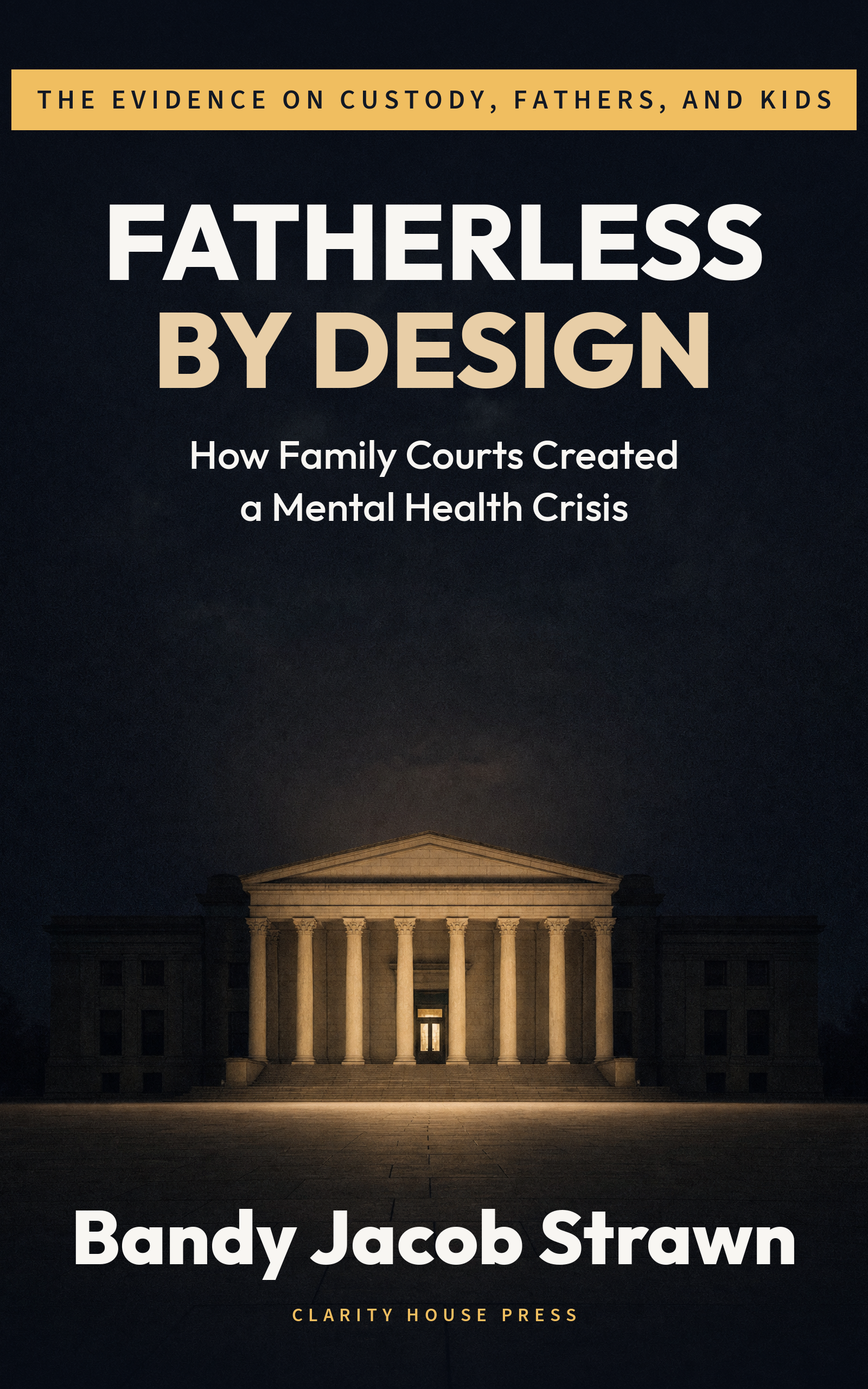
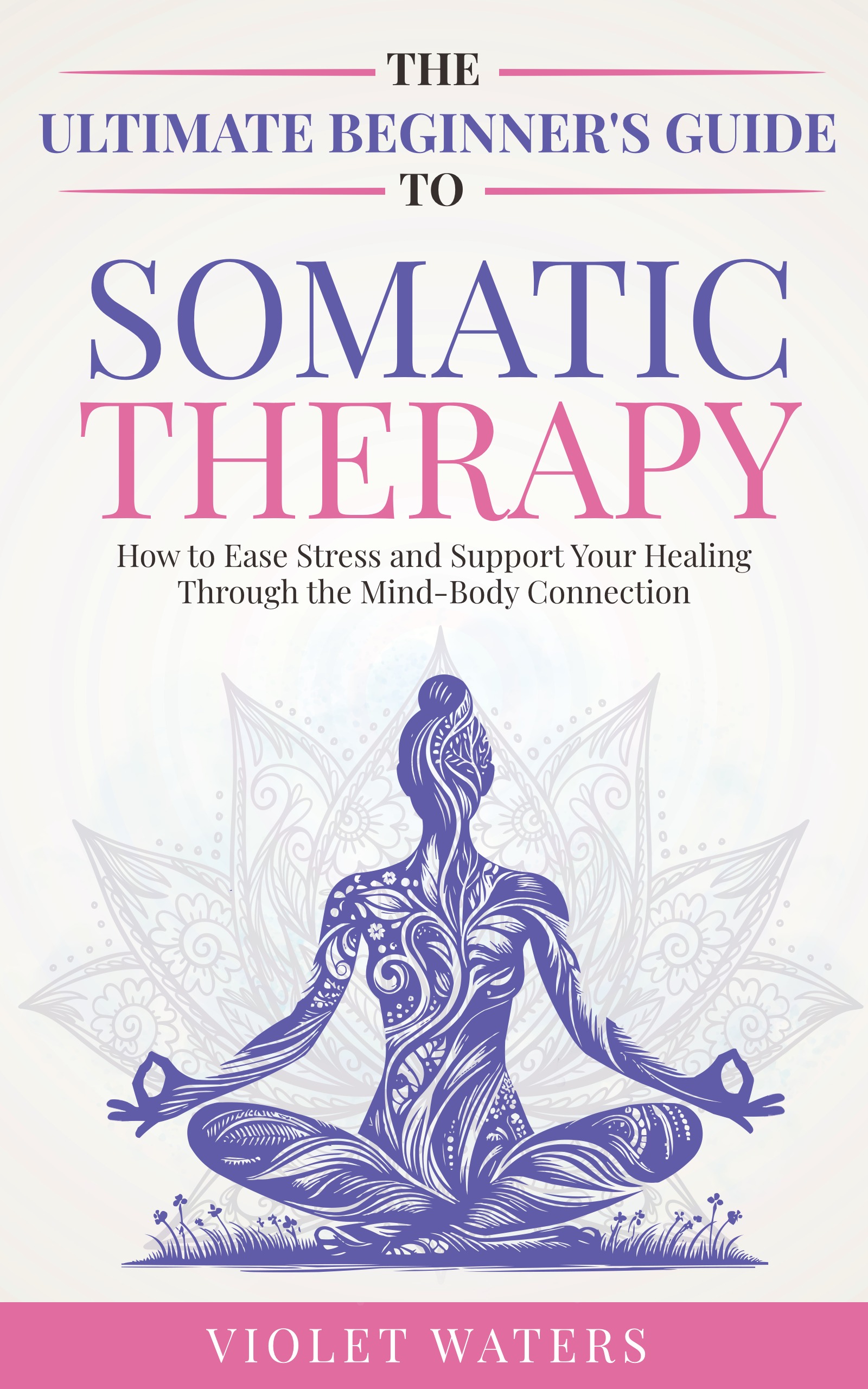
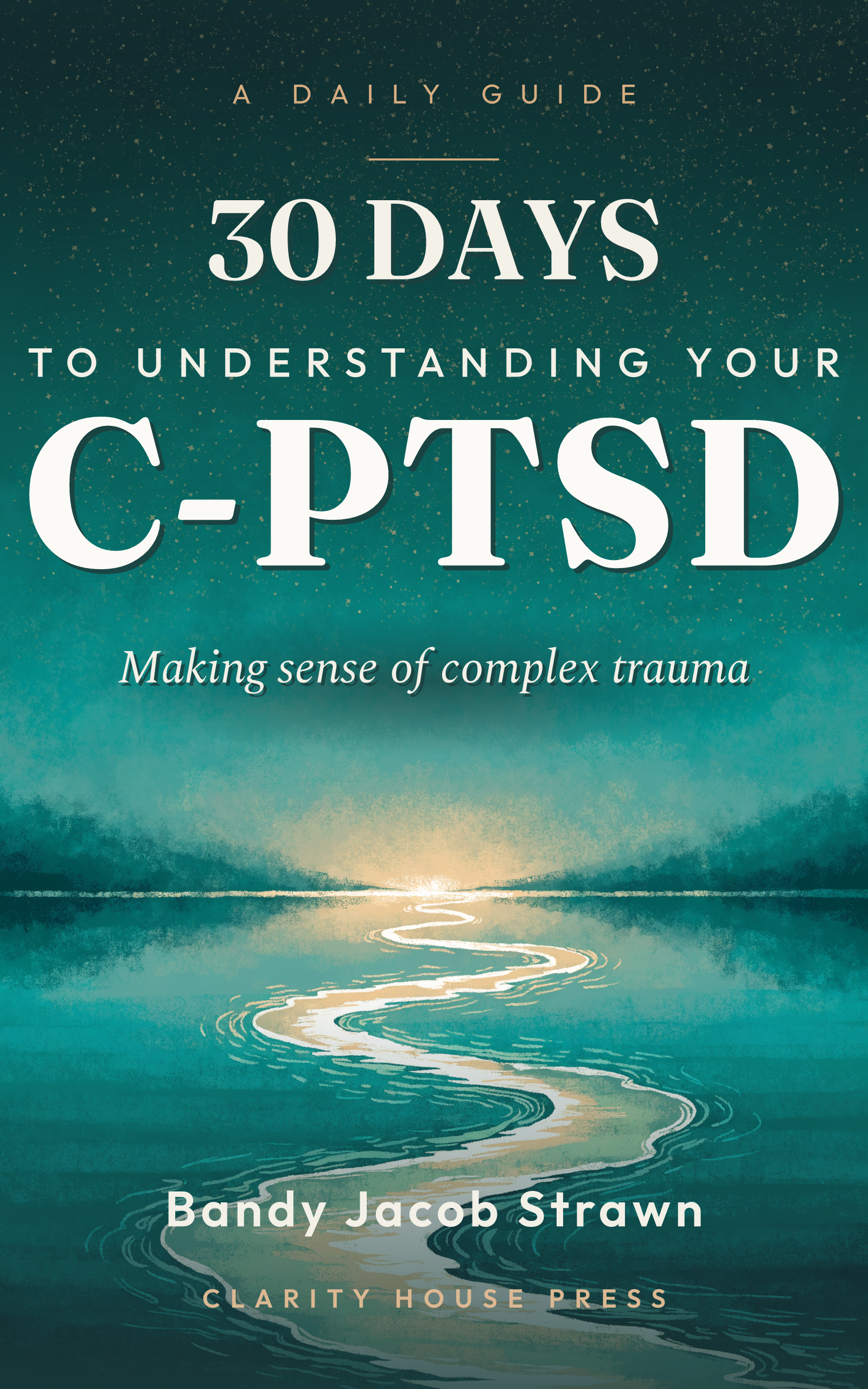
From Clarity House Press — plus trusted books for deeper understanding
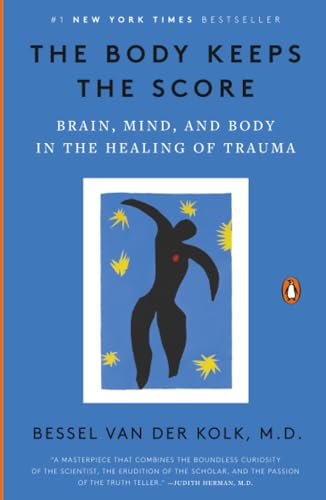
The Body Keeps the Score
Bessel van der Kolk, M.D.
A foundational look at how trauma reshapes the body and nervous system, and the approaches that help the body find safety again.
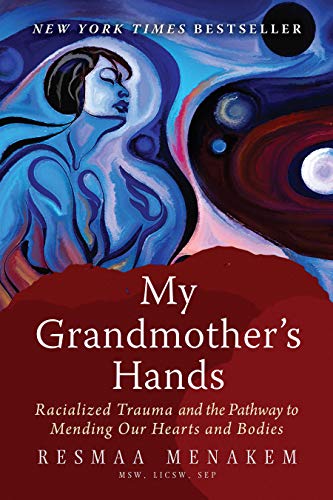
My Grandmother's Hands
Resmaa Menakem, MSW, LICSW
A body-centered approach to healing trauma that lives in the nervous system, with practices for settling and self-regulation.
As an Amazon Associate, Clarity House Press earns from qualifying purchases. Your price is never affected.
Found this helpful?
Share it with someone who might need it.
Tags
About the Author

Clarity House Press
Editorial Team
The editorial team at Clarity House Press curates and publishes evidence-based content on narcissistic abuse recovery, high-conflict divorce, and healing. Our content is informed by research, survivor experiences, and established trauma-informed approaches.
View all posts by Clarity House Press →Published by Clarity House Press Editorial Team