Please read our important disclaimers before using this content
"Look how much I sacrifice for you." "Nobody else would do what I do for this family." "After everything I've given up for you, this is how you treat me?"
If these phrases sound familiar, you may have encountered a communal narcissist—someone who weaponizes generosity, martyrdom, and apparent selflessness to gain admiration, control others, and avoid accountability for harmful behavior.
Unlike the stereotypical grandiose narcissist who openly demands attention and admiration, communal narcissists derive their narcissistic supply from being seen as exceptionally caring, helpful, and sacrificial. They're the "selfless" parent, the "tireless" volunteer, the "always there for everyone" friend. But beneath the altruistic facade lies the same core pathology: an insatiable need for admiration, a lack of genuine empathy, and a pattern of exploitation disguised as generosity. Understanding the difference between covert and overt narcissism can help clarify why the communal subtype is so difficult to identify and name.
Understanding communal narcissism is critical for survivors of abuse, especially those divorcing a "martyr parent" who uses their apparent sacrifices as evidence of superior parenting in custody battles.
What Is Communal Narcissism?
Communal narcissism is a research-supported presentation pattern within narcissistic personality disorder characterized by individuals who satisfy grandiose self-motives in communal domains rather than agentic ones—seeking admiration for being exceptionally caring, helpful, and moral rather than powerful or accomplished.1
Core Features:
- Grandiose self-concept centered on being uniquely helpful, generous, and caring
- Need for admiration specifically for communal traits (kindness, sacrifice, altruism)
- Exploitation of others through apparent helping behaviors
- Limited capacity for genuine empathy combined with ability to perform empathic responses2
- Using generosity to establish status, power, and control
- Victimhood and martyrdom when their "sacrifices" aren't sufficiently appreciated
Diagnostic Note: Communal narcissism describes a research-supported presentation pattern, not a separate DSM-5-TR diagnosis. Only qualified mental health professionals can diagnose Narcissistic Personality Disorder (NPD) after comprehensive clinical evaluation.3 This article uses "communal narcissism" to describe a recognized behavioral pattern, not a formal diagnostic category.
The Paradox: They genuinely believe they're selfless while simultaneously demanding recognition for that selflessness—which negates the very concept of altruism.
How Communal Narcissists Operate
1. Performative Generosity
Communal narcissists help others—but always with an audience. Their "kindness" must be witnessed, acknowledged, and praised.
Examples:
- Volunteering at every school event but making sure everyone knows about it
- Posting every charitable act on social media with humblebrags
- Bringing food to a struggling friend but telling everyone in the community
- "Sacrificing" their career for children but constantly reminding the family of this choice
The Tell: If a tree falls in the forest and no one is around to applaud the communal narcissist's generosity, did it even happen? Their helping behaviors evaporate when there's no recognition to be gained. Research confirms that communal narcissists' self-reported prosocial behavior does not match their actual prosocial actions, and peers often rate them significantly lower on genuine helpfulness than they rate themselves.4
2. Martyrdom and Victimhood
When their "sacrifices" aren't sufficiently appreciated—or when someone sets a boundary—communal narcissists shift into victimhood.
Common Statements:
- "After everything I've done for you, this is how you repay me?"
- "I gave up my entire life for this family, and you're so ungrateful"
- "Nobody appreciates how hard I work to keep this family together"
- "I'm the only one who cares about [children/elderly parent/community]"
The Pattern: They create a narrative where they're perpetually under-appreciated saints surrounded by selfish, ungrateful people. This victimhood garners sympathy while making others feel guilty for having needs or boundaries.
3. Strategic "Helping" to Establish Dominance
Communal narcissists use generosity to create debt, obligation, and dependency. Research demonstrates that narcissistic individuals show reduced generosity in social decision-making tasks and use apparent helping behaviors as manipulation tactics to exert dominance and control.5
Tactics:
- Offering "help" you didn't ask for, then holding it over you
- Doing favors that create obligation ("I helped you move, so you owe me")
- Inserting themselves into situations to become indispensable
- Using their "support" to gain access, information, or control
- Financial "generosity" that creates dependency (paying bills while preventing partner from working, "lending" money with strings attached, controlling joint accounts while framing it as "I handle the finances so you don't have to worry")
The Control Mechanism: "I'm helping you" becomes "You need me" becomes "You owe me" becomes "You can't leave me or say no to me."
Financial Abuse Note: When communal narcissists control finances under the guise of "taking care of everything," this constitutes economic abuse even when framed as generous caretaking. If your partner insists on managing all finances while preventing your financial independence, this is a red flag regardless of how they frame it.
4. Comparison and Status Through Altruism
Communal narcissists position themselves as morally superior through their "selflessness."
Examples:
- "Unlike some parents, I actually show up to every game"
- "I'm the only one who volunteers at the shelter every week"
- "While others are selfish, I put everyone else first"
- "I'm not materialistic like other people—I care about helping others"
The Function: This establishes a hierarchy where they're the "good person" and everyone else (especially you) is selfish, lazy, or uncaring by comparison.
5. Weaponized Caretaking
In relationships, communal narcissists use caretaking to infantilize partners, create dependency, and avoid reciprocity.
Patterns:
- Insisting on "taking care of everything" then resenting partner's dependence
- Doing tasks for partner that partner wants to do themselves
- Using their "caretaking" to justify controlling decisions ("I handle everything, so I decide")
- Denying partner's competence or contributions ("You can't do it as well as I can")
The Trap: They create a dynamic where you're simultaneously dependent on their "help" and blamed for being dependent.
Communal Narcissism in Parenting: The Martyr Parent
This subtype is particularly damaging in parent-child relationships and devastating in high-conflict custody battles.
The Martyr Parent Pattern
During Marriage:
- "I gave up my career for you kids"
- "I do everything for this family while your father/mother does nothing"
- Making children feel guilty for normal childhood needs
- Using their "sacrifices" to justify intrusive control
- Positioning themselves as the only parent who truly cares
During Divorce:
- Presenting themselves as the sole dedicated parent
- Documenting every act of "selfless" parenting for court
- Claiming the other parent is selfish, uninvolved, or incompetent
- Using volunteer work, school involvement, and community service as evidence of superior parenting
- Portraying themselves as the victim of an ungrateful, abandoning spouse
Post-Divorce:
- Telling children about their "sacrifices" to stay in the marriage "for them"
- Using guilt to enforce loyalty ("After everything I've done for you...")
- Sabotaging the other parent's relationship with children by positioning themselves as the only one who truly cares
- Continuing to martyr themselves in every co-parenting interaction
Why This Is Particularly Effective in Family Court
Communal narcissists often succeed in custody battles because:
- They look good on paper: Volunteer records, school involvement, community ties
- They're skilled performers: Convincingly portray devoted, selfless parenting
- They weaponize the other parent's boundaries: When you stop enabling, they call you "uninvolved"
- They exploit gender stereotypes: Especially effective for mothers who align with traditional caregiving expectations
- They garner sympathy: Present as the wronged, selfless spouse abandoned by a selfish partner
Important Qualification: Effectiveness in family court depends significantly on judicial understanding of narcissistic abuse dynamics and the quality/quantity of documented evidence. Not all communal narcissists succeed in custody battles, particularly when protective parents work with experienced attorneys and present clear documentation of patterns over time.
Red Flags: Is Your Partner/Ex a Communal Narcissist?
- Constant reminders of their sacrifices: "I gave up X for you/the kids"
- Performative helping: Every generous act must have an audience
- Martyr complex: They're always the unappreciated victim
- Guilt-tripping: "After everything I've done for you..."
- Conditional generosity: Their "help" comes with strings attached
- Status through altruism: They're morally superior because they're "selfless"
- Resentment of others' success: Especially if that success involves self-care or boundaries
- Weaponized caretaking: Using "helping" to control, infantilize, or create dependency
- Refusal to accept help: Because it undermines their superior helper status
- Comparison narratives: "Unlike other parents, I actually..."
- Publicity for good deeds: Social media posts, telling everyone, making sure people know
- Inability to let others contribute: Must be the indispensable one
The Impact on Targets
Impact on Children Being Raised by Communal Narcissist Parents
Children raised by communal narcissist parents face unique psychological challenges that can have lasting developmental and psychological consequences.6
Parentification: Children are cast as ungrateful recipients who must constantly express appreciation for "sacrifices" the parent chose to make. This reverses the parent-child dynamic, making children responsible for the parent's emotional needs.
Guilt-Based Control: Normal developmental needs (independence, boundaries, separate interests) are framed as betrayal of the parent's sacrifices. Children learn that having needs makes them "selfish" and "ungrateful."
Impaired Autonomy Development: The parent's insistence on "helping" undermines children's development of competence, decision-making skills, and confidence in their own capabilities.
Distorted View of Relationships: Children learn that love equals obligation, that receiving help creates permanent debt, and that relationships are transactional rather than mutually supportive.
Loyalty Conflicts: When parents divorce, children are caught between their genuine experiences with both parents and the communal narcissist's narrative that only they truly care.
Note for Protective Parents: If you're co-parenting with a communal narcissist, work with a trauma-informed therapist to help your children develop healthy guilt boundaries, recognize manipulation tactics, and understand that their other parent's "sacrifices" don't obligate them to suppress their needs or feelings.
Emotional Consequences
Guilt and Obligation: You feel perpetually indebted, never able to "pay back" their sacrifices. Setting boundaries triggers crushing guilt because "they've done so much for you." Research confirms that narcissistic individuals tactically employ guilt and manipulation as weaponry to undermine victims' identity and reality, exerting dominance and control.7
Confusion: They seem so caring, so selfless—how can someone so generous also be so harmful? This cognitive dissonance keeps you trapped—the same mechanism that makes all narcissistic abuse so difficult to leave.
Invalidation: When you try to name the problem, they and others dismiss you: "How can you complain? They do so much for you!"
Erosion of Competence: Their insistence on "taking care of everything" undermines your confidence in your own abilities.
Emotional Exhaustion: Constantly managing their need for appreciation, their martyrdom, and their resentment when you don't perform adequate gratitude.
Relationship Consequences
Imbalanced Dynamics: The relationship revolves around their giving and your receiving (and never adequately appreciating).
Inability to Reciprocate: They reject your attempts to give back, help, or contribute—maintaining their superior position as the selfless giver.
Loss of Autonomy: Their "help" becomes a mechanism of control, making it difficult to make independent decisions or develop competence.
Social Isolation: Others see them as wonderful and can't understand why you're unhappy, leaving you isolated in your experience.
Strategies for Navigating a Communal Narcissist
If You're Still in the Relationship
1. Recognize the Pattern: Understanding that their "generosity" is a manipulation tactic, not genuine altruism, is the first step.
2. Set Boundaries Around "Help":
- "I appreciate the offer, but I'd like to handle this myself"
- "Thank you, but I didn't ask for help with that"
- "I need to build my own skills in this area"
Safety Note: When you set boundaries with a communal narcissist, they may escalate to victimhood, smear campaigns, or other manipulative behaviors. If you have safety concerns or fear retaliation, consult a domestic violence advocate before implementing boundary changes.
3. Refuse to Accept Unasked-For Help: If they insert themselves without invitation, don't treat it as a favor you now owe.
4. Don't Engage with Martyr Statements: When they say "After everything I've done for you...":
- "I appreciate what you've done, but that doesn't mean I can't have boundaries"
- Silence (don't defend, justify, or over-explain)
5. Document the Reality: Keep records of your own contributions, involvement, and parenting—especially important if divorce is on the horizon.
6. Build Independent Competence: Develop skills, financial independence, and capability in areas they've controlled through "helping."
If You're Divorcing/Co-Parenting
1. Expect the Martyr Narrative: They will present themselves as the selfless, devoted parent and you as the selfish, uninvolved, or ungrateful spouse. Prepare for this.
2. Document Everything:
- Your involvement in children's lives (school, activities, healthcare)
- Your financial contributions
- Your parenting time and engagement
- Instances of their using "sacrifices" to manipulate or guilt children
3. Don't Defend Against the Narrative: You can't convince a communal narcissist or their flying monkeys that you're not selfish. Stop trying. Instead, focus on demonstrating your parenting through action and documentation.
4. Use Gray Rock for Martyr Bait: When they try to guilt you:
- "I'm doing what I believe is best for the children"
- "We can discuss parenting decisions through [communication app]"
- No response (when appropriate)
5. Work with Professionals Who Understand This Dynamic: Find an attorney and therapist who recognize communal narcissism and can help you navigate the "but they seem so nice" problem.
6. Prepare for the Long Game: Communal narcissists are often very effective in court initially. You may need to demonstrate the pattern over time through documentation and consistency.
If You're the Adult Child
1. Recognize Your Parent's Pattern: Understanding that their "sacrifices" were about their need for admiration, not your wellbeing, can be liberating.
2. Reject the Guilt: You don't owe someone appreciation for parenting they chose to do. You didn't ask to be born; they chose to have children.
3. Set Boundaries:
- "I appreciate what you did, but I need to make my own decisions"
- "I'm not comfortable with you helping me in that way"
- "I need space to develop my own competence"
4. Prepare for Victimhood: When you set boundaries, they will likely shift into "after everything I've done for you, you're so ungrateful" mode. This is predictable and not your responsibility to manage.
5. Build Your Own Life: Develop independence, capability, and relationships that aren't based on obligation and debt.
Healing from Communal Narcissistic Abuse
Therapeutic Focus Areas
1. Disentangling Guilt from Boundaries: Working with a therapist to understand that you can appreciate past help while still having boundaries in the present.
2. Rebuilding Competence and Confidence: Developing skills and self-trust that were undermined by their "helpfulness."
3. Understanding Healthy Generosity: Learning what reciprocal, healthy giving looks like without obligation, debt, or control.
4. Processing the Betrayal: Grieving the realization that their "selflessness" was performative, not genuine care. This grief is real and complex—mourning what never was is a critical part of recovery from any narcissistic relationship.
5. Developing Authentic Self-Worth: Building an identity not based on being the "grateful recipient" of their generosity. This work often connects to rebuilding your identity after narcissistic abuse as a whole.
Rebuilding Your Narrative
From: "I'm so ungrateful. They sacrificed everything for me, and I can't even appreciate it."
To: "Their 'sacrifices' were their choice, often made for their own status and control. I can acknowledge what was helpful while also recognizing the harm. I'm not obligated to perpetually defer to someone who weaponized generosity."
When Communal Narcissism Intersects with Other Patterns
Religious/Spiritual Abuse
Communal narcissists thrive in religious communities where self-sacrifice, martyrdom, and servanthood are valorized. They use spiritual language to enhance their status and shame those who set boundaries.
Common Phrases:
- "I'm called to serve" (while demanding recognition)
- "Unlike those who are selfish, I put God's work first" (comparison)
- "The Bible says to honor your mother/father" (when you set boundaries)
Racial/Cultural Dynamics
In cultures with strong filial piety expectations or collectivist values, communal narcissists weaponize cultural norms:
- "In our culture, family comes first" (ignoring that this shouldn't mean abuse)
- "You're becoming too Americanized/individualistic" (when you set boundaries)
- Using cultural expectations of gratitude and obligation to maintain control
Disability and Caregiving
Communal narcissists who care for disabled family members, children, or aging parents can be particularly difficult to challenge because:
- Their caregiving appears noble and self-sacrificing
- Questioning their motives seems cruel
- They use the dependent person as evidence of their selflessness
- But: they often resent the caregiving, use it for status, and may not actually be providing good care
Final Thoughts for Survivors
If you're navigating a relationship with a communal narcissist, the most confusing aspect is often the gap between how they appear to others and how they make you feel. Everyone sees the generous volunteer, the dedicated parent, the tireless helper. But you experience the guilt-tripping, the martyrdom, the control disguised as care, the obligation without autonomy.
You're not crazy. You're not ungrateful. You're not selfish.
True generosity doesn't create debt. Real sacrifice doesn't demand recognition. Genuine care respects autonomy.
When generosity becomes a weapon, it's not actually generosity—it's exploitation with better PR.
NOTE ON HOTLINE NUMBERS: Phone numbers for crisis hotlines, legal aid, and support services are provided as a resource. These numbers are current as of publication but may change. Please verify hotline numbers are still active before relying on them. For the National Domestic Violence Hotline, visit thehotline.org for current contact information.
Resources
Understanding Communal Narcissism:
- The Covert Passive-Aggressive Narcissist by Debbie Mirza - Discusses communal narcissism subtypes
- Malignant Self-Love by Sam Vaknin - Section on altruistic narcissism
- Communal Narcissism Research - APA - Gebauer et al. foundational study
- Psychology Today - Narcissism - Articles on narcissism types
Therapeutic Support and Recovery:
- Psychology Today - Narcissistic Abuse Therapists - Find specialists in narcissistic abuse recovery
- National Domestic Violence Hotline - 1-800-799-7233 (communal narcissists can be emotionally/financially abusive)
- Will I Ever Be Good Enough? by Karyl McBride - Narcissistic mothers including communal types
- r/raisedbynarcissists - Community support for adult children
Legal and High-Conflict Resources:
- One Mom's Battle - High-conflict custody resources with narcissistic ex-partners
- American Bar Association - Family Law - Find attorneys experienced with high-conflict cases
- GoodTherapy - Trauma Specialists - Locate trauma-informed therapists
- SAMHSA Helpline - 1-800-662-4357 (mental health treatment referrals)
References
Remember: Seeing through the performance of selflessness to recognize the exploitation beneath is not cynicism—it's clarity. You deserve relationships built on genuine care, not weaponized generosity.
References
- Gebauer, J. E., Sedikides, C., Verplanken, B., & Maio, G. R. (2012). Communal narcissism. Journal of Personality and Social Psychology, 103(5), 854-878. https://doi.org/10.1037/a0029629 ↩
- Nehrlich, A. D., Gebauer, J. E., Sedikides, C., & Schoel, C. (2019). Agentic narcissism, communal narcissism, and prosociality. Journal of Personality and Social Psychology, 117(1), 142-165. https://doi.org/10.1037/pspp0000190 ↩
- American Psychiatric Association. (2022). Diagnostic and Statistical Manual of Mental Disorders (5th ed., text rev.). https://doi.org/10.1176/appi.books.9780890425787 ↩
- Barry, C. T., Doucette, H., Loflin, D. C., Rivera-Hudson, N., & Herrington, L. L. (2017). "Let me take a selfie": Associations between self-photography, narcissism, and self-esteem. Psychology of Popular Media Culture, 6(1), 48-60. https://doi.org/10.1037/ppm0000089 ↩
- Böckler, A., Sharifi, M., Kanske, P., Dziobek, I., & Singer, T. (2017). Social decision making in narcissism: Reduced generosity and increased retaliation are driven by alterations in perspective-taking and anger. Personality and Individual Differences, 104, 1-7. https://doi.org/10.1016/j.paid.2016.07.020 ↩
- Karakose, T., Yirci, R., Basyigit, H., & Kucukcakir, A. (2023). Healing the next generation: An adaptive agent model for the effects of parental narcissism. BMC Psychology, 11(1), 54. https://doi.org/10.1186/s40359-023-01099-4 ↩
- Green, A., & Charles, K. (2019). Voicing the victims of narcissistic partners: A qualitative analysis of responses to narcissistic injury and self-esteem regulation. SAGE Open, 9(2). https://doi.org/10.1177/2158244019846693 ↩
Recommended Reading
From Clarity House Press — plus trusted books for deeper understanding

Surviving the Storm: When the Court Takes Your Children
Clarity House Press
For fathers in active high-conflict custody battles. Understand your CPTSD symptoms, begin stabilization, and build foundation for healing. 17 chapters covering recognition, symptoms, and the healing path.

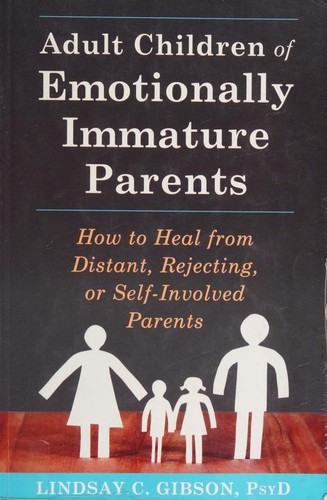
Adult Children of Emotionally Immature Parents
Lindsay C. Gibson, PsyD
A gentle, practical guide to understanding relationships with emotionally distant parents and reclaiming your inner life.

In Sheep's Clothing
George K. Simon Jr., PhD
Understanding and dealing with manipulative people in your life.
As an Amazon Associate, Clarity House Press earns from qualifying purchases. Your price is never affected.
Found this helpful?
Share it with someone who might need it.
About the Author

Clarity House Press
Editorial Team
The editorial team at Clarity House Press curates and publishes evidence-based content on narcissistic abuse recovery, high-conflict divorce, and healing. Our content is informed by research, survivor experiences, and established trauma-informed approaches.
View all posts by Clarity House Press →Published by Clarity House Press Editorial Team