Please read our important disclaimers before using this content
When most people think of narcissistic abuse, they picture the obvious type: the loud, domineering, grandiose personality who openly brags about their superiority, explodes in rage, and clearly sees themselves as above everyone else. While narcissistic personality disorder affects an estimated 6.2% of the general population,1 many cases go unrecognized because they do not match this stereotypical presentation.
That's overt narcissism, and while it's absolutely real and damaging, it's not the most insidious form.
The most dangerous narcissistic abuse often comes from someone everyone else thinks is wonderful: the "nice guy" who volunteers at the church, the devoted partner who sends you flowers at work, the sensitive soul who cries when they've hurt you, the self-deprecating professional who seems so humble.
Behind closed doors, they're destroying you—but so subtly, so gradually, with such plausible deniability that when you finally try to tell someone, you're met with disbelief.
"Him? He's the nicest person I've ever met."
"You're so lucky to have someone so caring."
"Are you sure you're not overreacting?"
This is covert narcissism, and it's uniquely crazy-making because the abuse is invisible to everyone but you.
Understanding the difference between overt and covert narcissism isn't just academic—it's essential for recognizing what you're dealing with, documenting the abuse, getting validation, and protecting yourself in court and life.
What Is Covert Narcissism?
Covert narcissism (also called vulnerable narcissism) shares the same core pathology as overt narcissism (see the DSM-5 criteria for Narcissistic Personality Disorder).2 Research has demonstrated that narcissistic grandiosity and vulnerability represent two distinct dimensions of narcissism with different personality correlates but a shared core of entitlement and antagonism.3
- Grandiosity: Belief they're special and superior (though they hide it better)
- Lack of empathy: Inability to genuinely care about others' feelings4
- Need for narcissistic supply: Constant need for attention, admiration, control
- Entitlement: Belief that rules don't apply to them and others exist to serve their needs
- Exploitation: Using people as objects to meet their needs
- Fragile ego: Hypersensitive to any perceived criticism or challenge
The difference: Covert narcissists express these traits indirectly, through passive-aggression, victimhood, and manipulation disguised as sensitivity. Research shows that vulnerable narcissism is characterized by self-consciousness, social insecurity, defensiveness, and a hypersensitive attitude in interpersonal relations.5
While the overt narcissist says "I'm better than you," the covert narcissist says "No one understands how special and misunderstood I am."
While the overt narcissist openly rages, the covert narcissist gives you silent treatment and makes you feel guilty for upsetting them.
While the overt narcissist brags about their achievements, the covert narcissist humble-brags and fishes for compliments by self-deprecating.
The core pathology is identical. The presentation is different.
And that difference makes covert narcissism much harder to recognize, name, and escape.
Overt vs. Covert Narcissism: Side-by-Side Comparison
Let's look at how these two types express the same underlying narcissistic traits:
Grandiosity
Overt narcissist:
- "I'm the best at everything I do"
- Openly brags about achievements, possessions, status
- Name-drops, exaggerates accomplishments
- Expects VIP treatment everywhere
- Interrupts conversations to talk about themselves
Covert narcissist:
- "No one understands how talented/sensitive/special I am"
- Humble-brags: "I can't believe they gave me another award. I don't deserve it." (fishing for validation)
- Positions themselves as misunderstood genius or unappreciated martyr
- Expects special treatment but frames it as having unique needs: "I'm just more sensitive than most people"
- Steers conversations to their suffering or struggles
Why covert is harder to spot: Overt grandiosity is obvious. Covert grandiosity looks like humility or vulnerability, so you feel guilty for even noticing the self-centeredness.
Need for Admiration and Control
Overt narcissist:
- Demands praise directly: "Tell me I did a great job"
- Controls through dominance and intimidation
- Makes unilateral decisions and expects compliance
- "My way or the highway"
Covert narcissist:
- Fishes for praise indirectly: "I'm terrible at this" (waiting for you to reassure them)
- Controls through guilt, obligation, and playing victim
- Makes you feel selfish for wanting input: "I thought you'd be happy with what I chose. I was trying to do something nice for you."
- "I'm just trying to help" (while undermining your autonomy)
Why covert is harder to spot: You don't feel controlled—you feel guilty. They're "just trying to help," and if you object, you're the ungrateful one.
Lack of Empathy
Overt narcissist:
- Openly dismissive: "I don't care how you feel about this"
- Interrupts you when you're upset to talk about themselves
- Shows visible irritation when you need emotional support
- "Get over it"
Covert narcissist:
- Appears empathetic, but makes your pain about them: "It hurts me so much to see you like this" (now you're comforting them)
- Listens to your problem, then one-ups it: "You think that's bad? Let me tell you what happened to me..."
- Gives advice you didn't ask for instead of emotional support
- "I'm just worried about you" (framed as care, but dismisses your actual feelings)
Why covert is harder to spot: They seem caring and attentive. You feel guilty for wanting more emotional support because they're "trying so hard."
Response to Criticism
Overt narcissist:
- Explosive rage
- Overt retaliation or punishment
- Yelling, insults, intimidation
- "How dare you criticize me?"
Covert narcissist:
- Silent treatment (sometimes for days or weeks)
- Passive-aggressive punishment (forgetting important commitments, withholding affection)
- Sulking, withdrawing, playing victim
- "I guess I can't do anything right. I'm such a terrible person." (making you comfort them)
- "I'm too sensitive for this kind of conflict"
Why covert is harder to spot: You're the one apologizing for bringing up the issue. They never addressed your concern—they flipped it so you're now managing their hurt feelings.
Entitlement
Overt narcissist:
- "Rules don't apply to me"
- Cuts in line, expects special treatment, openly violates boundaries
- Cheats, lies, steals without much effort to hide it
- "I deserve this"
Covert narcissist:
- "I have special needs because I'm more sensitive/traumatized/complicated than others"
- Expects you to accommodate them while they ignore your needs
- Cheats, lies, steals but with elaborate justifications about how they were forced to or how they're the real victim
- "After everything I've been through, I deserve..."
Why covert is harder to spot: Their entitlement is framed as victimization. You feel cruel for not accommodating their "special needs."
Rage and Aggression
Overt narcissist:
- Explosive, visible rage
- Yelling, throwing things, punching walls
- Overt threats
- Physical intimidation
Covert narcissist:
- Passive-aggressive "niceness" that feels threatening
- Silent treatment
- Weaponized incompetence (conveniently "forgetting" important things)
- Sabotage disguised as accidents
- Undermining disguised as concern
- Quiet seething followed by sudden cold withdrawal
Why covert is harder to spot: There's no dramatic explosion. Just a slow, suffocating withdrawal of warmth that makes you feel like you're losing your mind.
Public vs. Private Persona
Overt narcissist:
- What you see is what you get (mostly)
- Arrogant in public and private
- May be charming initially but the mask slips quickly
- People eventually see the pattern
Covert narcissist:
- Extreme split between public and private persona
- Wonderful, humble, kind in public
- Cold, critical, punishing in private
- The mask rarely slips around others, only you
Why covert is harder to spot: No one believes you because they only see the public persona. You start to question if you're imagining the private version.
Why Covert Narcissistic Abuse Is Especially Crazy-Making
Overt narcissistic abuse is devastating, but at least it's visible. You can point to the explosion, the insult, the control.
Covert narcissistic abuse operates in shadows. The tactics are:
1. Plausible Deniability
Every abusive action has an innocent explanation:
- Silent treatment: "I just needed space. I didn't realize you were so needy that I couldn't have time to myself."
- Sabotage: "I forgot. It was an honest mistake. Why are you attacking me?"
- Undermining: "I was trying to help. I thought you'd appreciate the advice."
- Triangulation: "I was just venting to a friend. I'm allowed to have support."
You can never prove intent. Everything can be explained away as misunderstanding, sensitivity, or you being "too demanding."
2. You're Always Apologizing
Somehow, every conflict ends with you apologizing:
- You bring up that they hurt you → they cry about how you hurt them by saying that → you're comforting and apologizing to them
- You ask for more quality time → they withdraw and sulk → you apologize for being "needy"
- You set a boundary → they claim you're rejecting them → you apologize for making them feel bad
The original issue is never addressed. You just feel guilty.
3. The Victim Performance
Covert narcissists are expert victims:
- They've had the hardest life
- They're the most sensitive
- They're constantly hurt by others (especially you)
- They're trying so hard but it's never good enough
- Everyone takes advantage of them
You're cast as just another person hurting this poor, wounded soul.
And because we're conditioned to protect victims, we sacrifice ourselves trying to avoid adding to their pain.
4. Intermittent Reinforcement Through Withdrawal
Overt narcissists use explosive rage for intermittent reinforcement. Covert narcissists use withdrawal. The foundational research on trauma bonding by Dutton and Painter demonstrated that intermittent maltreatment creates powerful emotional attachments—their study found that relationship variables including intermittency of abuse accounted for 55% of the variance in attachment to abusive partners.6 Research on pathological narcissism in intimate relationships has found that interpersonal dysfunction is a core feature, often involving hostile and conflictual patterns of relating that may extend to coercive control.7
- They're warm and connected → suddenly cold and distant → you scramble to figure out what you did wrong → they eventually warm up again
This keeps you in a constant state of anxiety, hypervigilance, and desperate people-pleasing.
5. The Gaslighting Is Subtle
Overt narcissists gaslight directly: "That never happened. You're crazy."
Covert narcissists gaslight subtly:
- "I don't think it happened that way, but maybe I'm remembering wrong. I guess I just don't understand."
- "You seem really stressed. Are you feeling okay? Maybe you should talk to someone."
- "I never meant it that way. I'm sorry you interpreted it like that."
They're not calling you crazy--they're gently suggesting you might be confused, stressed, or overreacting. It's harder to name and fight. For a comprehensive look at this tactic, see gaslighting: clinical definition and recovery. Research confirms that gaslighting is a particularly insidious form of psychological violence that targets cognitive processes involved in evaluating memories, potentially undermining victim-survivors' recollection, confidence, and self-trust.8
6. Everyone Thinks They're Wonderful
This is the most isolating part:
- Your family loves them
- Your friends think they're so caring
- Therapists see them as self-aware and sensitive
- Judges view them as the reasonable, cooperative party
When you try to describe the abuse, you sound paranoid or vindictive because what you're describing doesn't match who everyone else sees.
You feel completely alone with a reality no one else can see.
Red Flags Specific to Covert Narcissism
If you're wondering whether you're dealing with a covert narcissist, look for these patterns:
1. The Martyr Complex
- They're always sacrificing for others (and reminding you of it)
- They do things "for you" that you didn't ask for, then guilt you with it later
- They frame every disagreement as you being ungrateful for their sacrifices
- "After everything I've done for you, this is how you treat me?"
2. Passive-Aggressive Punishment
- Silent treatment lasting days or weeks
- "Forgetting" important events, commitments, or things you asked for
- Doing things badly on purpose so you stop asking (weaponized incompetence)
- Subtle sabotage: ruining plans, undermining your goals, creating chaos around important events
3. Emotional Unavailability Disguised as Sensitivity
- They're "too overwhelmed" to support you emotionally
- They need constant reassurance and comfort from you, but when you need it, they're unavailable
- They frame emotional unavailability as self-care: "I have to protect my energy"
- Your emotional needs make them feel "pressured" or "attacked"
4. Covert Manipulation Through "Helping"
- They give unsolicited advice constantly
- They "help" in ways that undermine your autonomy
- They make decisions for you "to make your life easier"
- When you object, they're hurt: "I was just trying to help. I guess nothing I do is good enough."
5. Comparing Their Suffering to Yours
- Any problem you have, they've had worse
- You can't be sad/stressed/hurt without them making it about their pain
- They compete with you for "who has it worse"
- Your suffering is minimized; theirs is centered
6. Chronic Victimhood
- They're always the victim of someone else's bad behavior
- Every ex is "crazy" or "abusive"
- Every boss is "unfair"
- Every friend "betrayed" them
- They never take accountability—it's always someone else's fault
7. The Public Persona vs. Private Cruelty Split
- Everyone thinks they're amazing
- Behind closed doors, they're cold, critical, withholding
- They save their worst behavior for when there are no witnesses
- You feel like you're living in a different reality than everyone else sees
8. Boundary Violations Framed as Love
- They read your texts/emails and call it "making sure you're safe"
- They show up uninvited and call it "being spontaneous and romantic"
- They make major decisions without consulting you and call it "taking initiative"
- They control your schedule, finances, or relationships and call it "caring"
9. Self-Deprecation as Manipulation
- They put themselves down constantly, forcing you to reassure them
- "I'm so stupid. I can't do anything right." (You must now comfort them and tell them they're amazing)
- They fish for compliments by insulting themselves
- Your failure to constantly prop up their ego is framed as you being unsupportive
10. The Smear Campaign Disguised as Vulnerability
- They tell everyone how hard the relationship is for them
- They position themselves as the patient, long-suffering partner
- They frame your boundaries or reactions to abuse as you being difficult/unstable
- By the time you leave, everyone already thinks you're the problem
How Covert Narcissists Manipulate Through Victimhood
The covert narcissist's primary weapon is playing victim.
This serves multiple purposes:
1. Avoids Accountability
If they're the victim, they can't be the abuser:
- You confront them about hurtful behavior → they cry about how you're attacking them → you're now apologizing
2. Extracts Narcissistic Supply
Being the victim gets them:
- Attention
- Sympathy
- Admiration for how much they "endure"
- Control (you're managing their emotions instead of addressing the issue)
3. Isolates You
If they're the victim and you're the "difficult" one:
- People side with them
- You're painted as cold, mean, or crazy
- You lose support
4. Justifies Their Abuse
"I only did [abusive behavior] because you [made me feel bad]."
Their abuse is reframed as self-defense against your "attacks."
5. Makes You Responsible for Their Emotions
If they're the victim of your "hurtful" behavior:
- You must manage their feelings
- Your needs disappear
- You're walking on eggshells to avoid "hurting" them
Every interaction becomes about protecting the narcissist's fragile ego.
Getting Validation When No One Believes You
This is the cruelest part of covert narcissistic abuse: no one believes you.
Your abuser is charming, humble, "so caring" to everyone else. When you try to describe the abuse, you sound paranoid, vindictive, or mentally unstable.
Here's how to get validation and support:
1. Find a Trauma-Informed Therapist
Not all therapists understand covert narcissistic abuse. A systematic review and meta-analysis found that coercive control exposure is moderately associated with PTSD and depression, highlighting the importance of specialized trauma-informed care.9 You need someone who (SAMHSA's guide to trauma-informed care):
- Specializes in narcissistic abuse recovery
- Understands coercive control
- Won't push couples therapy (which is dangerous with abusers)
- Validates your experience
Ask potential therapists directly: "Are you familiar with covert narcissism and coercive control?"
2. Connect with Survivor Communities
Other survivors will recognize your story immediately:
- Online forums (r/NarcissisticAbuse on Reddit)
- Facebook groups for narcissistic abuse survivors
- Local support groups (check domestic violence organizations)
- Books and podcasts by experts (Dr. Ramani, Dr. Les Carter)
You'll finally hear: "Oh my god, mine did that too."
That validation is lifesaving.
3. Document Everything
Since no one sees the private abuse, you need evidence:
- Keep a journal with dates, times, specific incidents
- Screenshot text messages showing passive-aggression, gaslighting, guilt-tripping
- Record conversations (where legal)
- Save emails, voicemails, any written communication
- Take photos of "forgotten" commitments or sabotage
Over time, patterns emerge that even skeptics can't deny.
4. Use the Gray Rock Method
Stop trying to get validation from the narcissist or people they've charmed:
- Go as low-contact as possible
- If you must interact (co-parenting, etc.), be boring and factual
- Don't share emotions, vulnerabilities, or personal information
- Don't defend yourself against their smear campaigns
You can't control their narrative. You can only protect your peace.
5. Trust Your Own Reality
This is the most important step:
If you feel chronically anxious, confused, guilty, and exhausted in this relationship, you're not crazy. Something is wrong.
Trust your body. Your nervous system is telling you that you're not safe.
6. Educate Yourself
Read books, watch videos, listen to podcasts about covert narcissism:
- "Should I Stay or Should I Go?" by Dr. Ramani
- "The Covert Passive-Aggressive Narcissist" by Debbie Mirza
- Dr. Les Carter's YouTube channel (Surviving Narcissism)
The more you learn, the more you'll recognize your experience reflected back at you.
You're not imagining it. This is real.
7. Prepare for Disbelief and Detach from It
Most people won't understand. They'll say:
- "He seems so nice, though."
- "Are you sure you're not overreacting?"
- "Maybe you both just need therapy."
Let them be wrong. You don't need everyone to believe you. You just need to believe yourself and find a few key people who understand.
8. Get Legal and Financial Advice Early
If you're planning to leave:
- Consult with a lawyer who understands high-conflict divorce
- Work with a financial advisor to understand your assets and liabilities
- Open your own bank account they don't know about
- Secure copies of important documents
Covert narcissists often weaponize the legal system. Be prepared.
Covert Narcissism in Family Court
This is where covert narcissism becomes most dangerous.
In court, the covert narcissist is:
- Calm, reasonable, cooperative
- "Just wants what's best for the children"
- Sad and bewildered by your "accusations"
- Willing to do anything to make peace (performs compliance)
You, by contrast, are:
- Traumatized and emotionally dysregulated
- Angry (rightfully, but it looks bad)
- Struggling to articulate the invisible abuse
- Appearing "high conflict" because you're trying to set boundaries
Judges and custody evaluators often side with the covert narcissist.
How to protect yourself in family court:
1. Document patterns, not incidents:
Show the pattern of behavior over time:
- Silent treatment after every boundary you set
- Weaponized incompetence around parenting responsibilities
- Chronic "forgetting" that sabotages your schedule or the children's needs
- Passive-aggressive communication
2. Use their own words:
Text messages and emails where they:
- Guilt-trip you
- Play victim
- Subtly threaten or undermine
- Triangulate with the children
3. Hire an attorney who understands covert abuse:
Not all attorneys recognize this. You need someone who:
- Understands high-conflict personality disorders
- Won't push mediation or collaborative divorce (dangerous with covert narcissists)
- Knows how to expose manipulation tactics to judges
4. Get a custody evaluation from someone trained in abuse dynamics:
Standard custody evaluators often fall for the covert narcissist's performance. You need someone who:
- Understands coercive control
- Looks at patterns, not just surface presentation
- Assesses for personality disorders
5. Request court-monitored communication:
Apps like TalkingParents or OurFamilyWizard:
- Create a paper trail
- Reduce opportunities for manipulation
- Show the court their passive-aggressive patterns
6. Focus on the children's best interests, not your grievances:
Frame everything as:
- Protecting the children from emotional manipulation
- Ensuring consistent, healthy co-parenting
- Creating stability and safety
Don't focus on how much they've hurt you (judges dismiss that). Focus on the harm to the children.
7. Prepare for them to play victim:
They will tell the court:
- You're alienating the children
- You're mentally unstable
- You're vindictive about the divorce
- They're just trying to protect the kids from your toxicity
Have evidence ready to counter this narrative.
The Truth About Covert Narcissism
Covert narcissism is not "less severe" than overt narcissism. It's not "narcissism lite."
It's the same pathology with a different mask. Research has confirmed that both grandiose and vulnerable narcissism share a common core of antagonism and entitlement, despite their different surface presentations.10
And in many ways, it's more damaging because:
- The abuse is invisible to others
- You're isolated with a reality no one else can see
- You gaslight yourself ("Maybe I am overreacting")
- The narcissist weaponizes their victimhood against you
- Courts and professionals are easily fooled
If you're in a relationship with a covert narcissist:
- You're not imagining it. The abuse is real.
- You're not too sensitive. You're responding normally to abnormal behavior.
- You're not the problem. Their inability to take accountability is the problem.
- You're not crazy for struggling to explain this. Covert abuse is designed to be invisible.
The fact that no one else sees it doesn't mean it's not happening. It means they're good at hiding it.
But you know what's happening behind closed doors.
You feel the knot in your stomach before they come home.
You recognize the subtle shift in their tone that means you're about to be punished with silence.
You see the look in their eyes when they make you apologize for their behavior.
You carry the exhaustion of managing someone else's fragile ego at the expense of your own sanity.
That's not love. That's abuse.
And you deserve to be believed, validated, and free.
The "nice guy" abuser is the hardest to spot—but once you see the pattern, you can't unsee it.
And once you see it clearly, you can finally start planning your escape from a nightmare that no one else believes is real.
But it's real.
And you're not alone.
Resources
Understanding Narcissism Types:
- Dr. Ramani Durvasula - Covert Narcissism - Clinical expert on covert vs. overt narcissism patterns
- Psychology Today - Narcissism Directory - Find therapists specializing in narcissistic abuse
- Narcissist Abuse Support - Community and resources for different narcissism types
- Out of the FOG - Information on personality disorders and manipulation tactics
Recovery & Support:
- National Domestic Violence Hotline - 1-800-799-7233 (24/7 support for covert abuse patterns)
- Love is Respect - Resources on recognizing subtle abuse
- Psychopath Free - Community for survivors of covert manipulation
- CPTSD Foundation - Trauma recovery from long-term covert abuse
References
- American Psychiatric Association. (2022). Narcissistic Personality Disorder. In StatPearls. National Center for Biotechnology Information. https://www.ncbi.nlm.nih.gov/books/NBK556001/ ↩
- Jauk, E., & Kaufman, S. B. (2018). The Relationship between Grandiose and Vulnerable (Hypersensitive) Narcissism. Frontiers in Psychology, 9, 1600. https://pmc.ncbi.nlm.nih.gov/articles/PMC5601176/ ↩
- Baskin-Sommers, A., Krusemark, E., & Ronningstam, E. (2014). Empathy in Narcissistic Personality Disorder: From Clinical and Empirical Perspectives. Personality Disorders: Theory, Research, and Treatment, 5(3), 323-333. https://pmc.ncbi.nlm.nih.gov/articles/PMC4415495/ ↩
- Grapsas, S., Brummelman, E., Back, M. D., & Denissen, J. J. A. (2021). Grandiose and Vulnerable Narcissistic States in Interpersonal Situations. Journal of Personality and Social Psychology, 120(6), 1664-1688. https://pmc.ncbi.nlm.nih.gov/articles/PMC7953573/ ↩
- Day, Townsend, & Grenyer (2022). Pathological narcissism: An analysis of interpersonal dysfunction within intimate relationships.. Personality and mental health. https://pmc.ncbi.nlm.nih.gov/articles/PMC9541508/ ↩
- Miano, P., Ristaino, G., & Matranga, D. (2024). Gaslighting Exposure During Emerging Adulthood: Personality Traits and Vulnerability Paths. Journal of Interpersonal Violence, 39(21-22), 4530-4554. https://pmc.ncbi.nlm.nih.gov/articles/PMC11456334/ ↩
- Dokkedahl, S. B., Kristensen, T. R., Murphy, S., & Elklit, A. (2023). The Trauma and Mental Health Impacts of Coercive Control: A Systematic Review and Meta-Analysis. Trauma, Violence, & Abuse, 24(5), 3296-3313. https://pmc.ncbi.nlm.nih.gov/articles/PMC10666508/ ↩
- Stinson, F. S., Dawson, D. A., Goldstein, R. B., Chou, S. P., Huang, B., Smith, S. M., Ruan, W. J., Pulay, A. J., Saha, T. D., Pickering, R. P., & Grant, B. F. (2008). Prevalence, Correlates, Disability, and Comorbidity of DSM-IV Narcissistic Personality Disorder: Results from the Wave 2 National Epidemiologic Survey on Alcohol and Related Conditions. Journal of Clinical Psychiatry, 69(7), 1033-1045. https://pmc.ncbi.nlm.nih.gov/articles/PMC2669224/ ↩
- Dutton, D. G., & Painter, S. (1993). Emotional attachments in abusive relationships: A test of traumatic bonding theory. Violence and Victims, 8(2), 105-120. https://pubmed.ncbi.nlm.nih.gov/8193053/ ↩
- Cain, N. M., Pincus, A. L., & Ansell, E. B. (2008). Narcissism at the crossroads: Phenotypic description of pathological narcissism across clinical theory, social/personality psychology, and psychiatric diagnosis. Clinical Psychology Review, 28(4), 638-656. https://pmc.ncbi.nlm.nih.gov/articles/PMC2362773/ ↩
Recommended Reading
From Clarity House Press — plus trusted books for deeper understanding
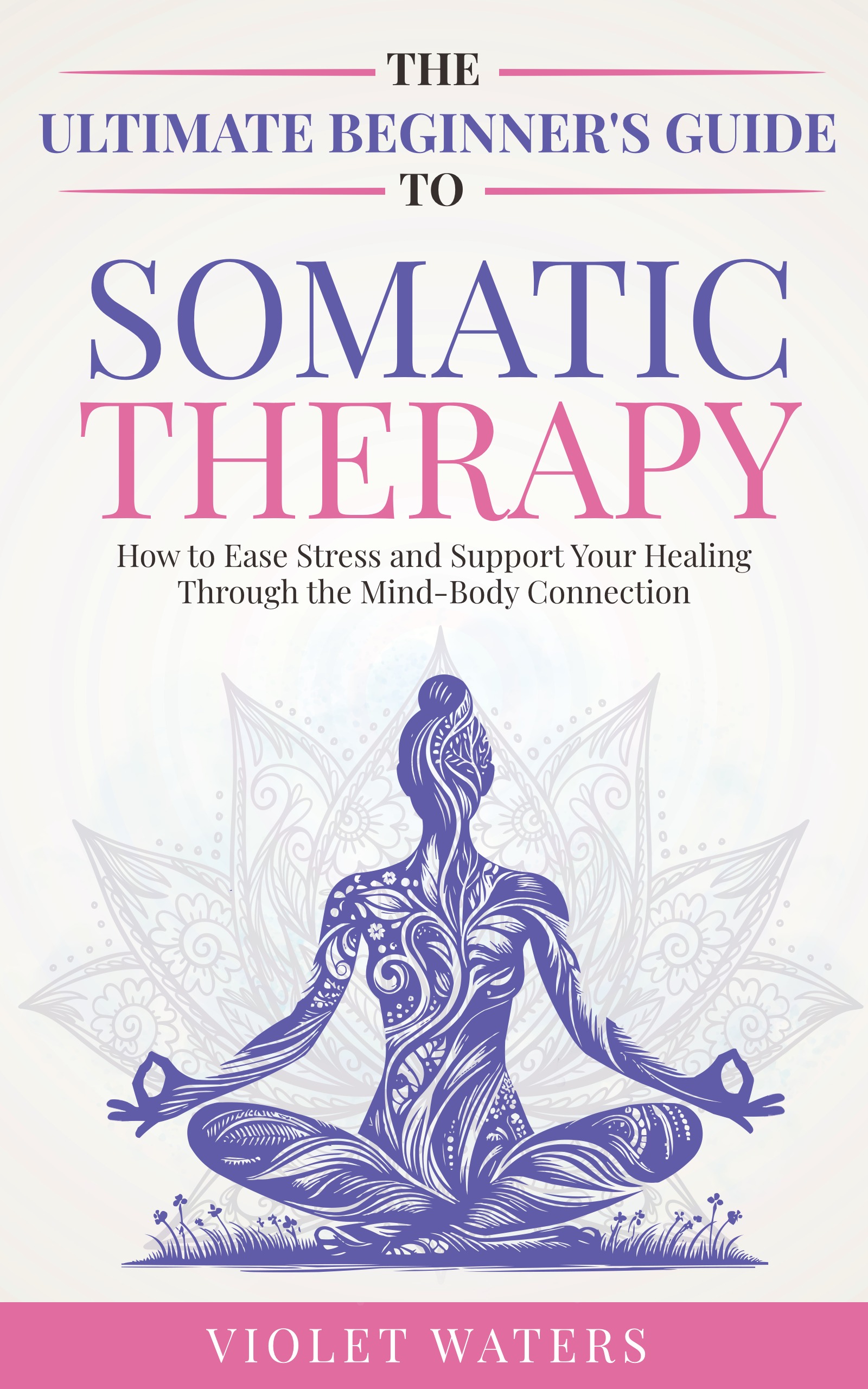


The Gift of Fear
Gavin de Becker
Survival signals that protect us from violence and recognizing warning signs.

Whole Again
Jackson MacKenzie
How to fully heal from abusive relationships and rediscover your true self after emotional abuse.
As an Amazon Associate, Clarity House Press earns from qualifying purchases. Your price is never affected.
Found this helpful?
Share it with someone who might need it.
About the Author

Clarity House Press
Editorial Team
The editorial team at Clarity House Press curates and publishes evidence-based content on narcissistic abuse recovery, high-conflict divorce, and healing. Our content is informed by research, survivor experiences, and established trauma-informed approaches.
View all posts by Clarity House Press →Published by Clarity House Press Editorial Team