Please read our important disclaimers before using this content
Your TikTok video about gray rock technique gets 500,000 views overnight. Comments flood in: "This is exactly what I needed," "You just described my marriage," "Thank you for putting words to my experience." The validation is intoxicating—your pain is helping people, your voice matters, survivors are finding you. You post more. Your followers grow. Brands reach out. You're building a platform. This path from surviving to speaking publicly is one that many survivors find deeply meaningful—for a broader perspective on turning your experience into advocacy work, we explore what that transition looks like and how to do it sustainably.
But then the other comments start: "You're just bitter," "Have you considered you're the narcissist?" Someone sends screenshots to your ex. A flying monkey creates a fake account. Your children's classmates' parents follow you. You're exhausted from moderating comments, triggered by trolls, and losing sleep over whether that last post was too identifying. The line between advocacy and exposure blurs.
Social media advocacy can be powerful, community-building, and even financially sustainable—but it comes with unique risks, emotional costs, and ethical complexities. Research from the Pew Research Center on online harassment shows that 41% of Americans have experienced online harassment, with women and younger adults facing more severe forms.1 Women reporting online abuse experience significantly higher rates of psychological harm, with 55% experiencing stress, anxiety, or panic attacks, and 61% reporting trouble sleeping.2 The same platforms that amplify survivor voices also amplify harassment, misinformation, and the very manipulation dynamics survivors are trying to escape. Building a platform while protecting your peace requires strategy, boundaries, and constant recalibration.
Platform Selection and Strategy
Choosing Your Platforms
Each platform has different dynamics:
Instagram:
- Visual storytelling
- Carousel posts (educational content)
- Reels (short video, high engagement)
- Stories (temporary, behind-scenes)
- Community building through DMs
- Algorithm favors consistency
- Age demo: 18-49, skews younger
Good for: Visual storytelling, educational infographics, building community, aesthetic branding
Challenges: Time-intensive, algorithm changes, comparison culture, comment management
TikTok:
- Short-form video (15-60 seconds, up to 10 minutes)
- Algorithm can make content go viral quickly
- Younger audience (Gen Z, young Millennials)
- Trending sounds and formats
- Comment culture can be brutal
Good for: Reaching large audiences quickly, younger survivors, quick tips, relatability
Challenges: Trolls, misinformation spreads fast, addictive to create/consume, privacy concerns (China-owned platform)
Facebook:
- Groups (community building)
- Longer-form posts
- Older demographic (Millennials, Gen X, Boomers)
- Event promotion
- Page vs. profile distinctions
Good for: Support groups, events, older audience, detailed posts, local community
Challenges: Algorithm limits reach without ads, privacy concerns, ex/flying monkeys more likely to be on Facebook, declining younger user base
YouTube:
- Long-form video content
- Searchable (Google owns it)
- Monetization potential (ads, memberships)
- Editing time-intensive
- Community building through comments and live streams
Good for: In-depth education, interviews, vlogs, building loyal audience, passive income potential
Challenges: Time to create quality video, trolls, algorithm unpredictable, slow growth often
Twitter/X:
- Short text-based (280 characters)
- Real-time conversation
- Good for thought leadership, networking
- Fast-paced, reactive
- Culture can be combative
Good for: Quick thoughts, networking with professionals, news/awareness, engaging in conversations
Challenges: Character limit, toxic culture, misinformation, exhausting pace, Musk-era changes
Pinterest:
- Visual search engine
- Evergreen content performs well
- DIY, infographics, resources
- Less social interaction, more bookmarking
Good for: Driving traffic to blog/website, infographics, worksheets, resource sharing
Challenges: Less community-building, need accompanying blog/website, time to create pins
LinkedIn:
- Professional network
- Thought leadership
- Career-focused audience
- Less personal, more polished
Good for: Professional credibility, B2B (therapists, attorneys as audience), thought leadership, career-focused content
Challenges: Less relatability, professional tone required, smaller survivor-focused audience
Strategic approach:
- Start with 1-2 platforms max
- Choose based on your strengths (written word? Video? Design?)
- Consider where your audience already is
- Can repurpose content across platforms later
- Depth over breadth initially
Content Strategy
What to post:
Educational content:
- Narcissistic abuse tactics explained
- Gray rock, JADE, trauma bonding
- Legal strategies
- Therapeutic concepts
- "Here's what I wish I'd known"
Validation and community:
- "You're not crazy" content
- Relatable experiences
- "If this resonates..." posts
- Community questions and polls
- "You're not alone"
Personal story (boundaried):
- Lessons learned
- Turning points
- Hope and healing
- "This is what helped me"
- Specific without identifying details
Resources:
- Therapist directories
- Legal resources
- Books, podcasts, apps
- Hotlines and organizations
- State-specific information
Inspiration and hope:
- Recovery milestones
- Post-traumatic growth
- "You will get through this"
- Celebrating wins
- Future-focused
What to protect:
- Children's names, faces, identifying details (always)
- Current location if safety concern
- Specific legal strategies in ongoing case
- Details that identify your ex unnecessarily
- Intimate abuse details that feel violating to share publicly
- Information that could be used against you in court
Content pillars:
- Choose 3-5 core themes
- Rotate between them
- Prevents burnout from one topic
- Example pillars: Education, Personal Story, Legal Strategy, Self-Care, Humor/Lightness
Posting frequency:
- Consistency > frequency
- 3-5x per week sustainable for most
- Daily if you have capacity and content
- Less is fine—quality over quantity
- Batching content helps (create several at once)
Platform Safety and Privacy
Protecting Your Identity and Location
Privacy settings:
Decide your level of disclosure:
- Fully public (full name, face, location)
- Semi-public (first name, face, general region)
- Semi-anonymous (pseudonym, face, vague location)
- Anonymous (pseudonym, no face, no location)
Consider:
- Safety from ex
- Children's privacy
- Professional reputation
- Future employability
- Comfort level with exposure
Location privacy:
- Don't tag specific locations (gym, grocery store, kid's school)
- Turn off location services for social apps
- Don't post in real-time from identifiable places
- Be vague ("I'm in Texas" not "I'm in Plano")
- Don't show house exterior, street signs, landmarks
Photo/video safety:
- No children's faces (ever, or only with consent if older)
- Background check (what's visible behind you?)
- Reflections (sunglasses, windows can reveal location)
- Metadata (strip EXIF data before posting)
- Avoid patterns (same outfit = same day, multiple posts)
Separate accounts:
- Private personal account for friends/family
- Public advocacy account
- Never the two shall meet
- Different email addresses
- Different phone numbers if possible
Blocking and Reporting
Who to block immediately:
Flying monkeys:
- Anyone connected to your ex
- Mutual friends who report back
- Ex's family
- People making sympathetic comments but fishing for info
Trolls:
- Victim-blamers
- "Not all men" crowd
- "You're just bitter" comments
- Bad faith actors
- Time wasters
Safety threats:
- Anyone making threats
- Doxxing attempts
- Harassment
- Impersonation accounts
- Stalking behavior
How to block:
- Don't announce you're blocking
- Just do it quietly
- Block on all platforms (they'll find you across apps)
- Don't engage before blocking
- Screenshots first if harassment (evidence)
Reporting:
- Report threats to platform
- Report to police if serious (cyberstalking, threats)34
- Document everything (screenshots with timestamps)
- Restraining order violation if applicable
- Platform safety teams (vary in responsiveness)
Comment management:
- Filter offensive words
- Hide comments (don't delete—can look like you're hiding criticism)
- Pin supportive comments
- Respond to good-faith questions, ignore bad-faith
- Turn off comments on triggering posts if needed
- Limit comments to followers only (optional)
Managing Flying Monkeys
They will find you:
The same people who operate in your real life can find you online. Understanding how flying monkeys operate and why narcissists deploy them applies directly to your online community management.
What flying monkeys do:
- Pose as supporters initially
- Ask leading questions
- Screenshot to send to ex
- Report content to platform (falsely)
- Leave sympathetic comments then twist later
- Create fake accounts
How to identify:
- New accounts with few followers/posts
- Questions that feel like fishing
- Overly familiar too quickly
- Comments that subtly defend ex or question you
- Gut feeling (trust it)
How to handle:
- Don't engage
- Block immediately
- Don't explain or defend
- Don't provide information
- Private your account temporarily if overwhelmed
- Report if violating platform rules
Protective strategies:
- Approval required for followers (if private account)
- Don't accept all follow requests
- Vet profiles before accepting
- Limit personal details even on advocacy account
- Assume anything you post could reach ex
- Post only what you're comfortable with him seeing
Monetization and Ethics
When and How to Monetize
Can you make money from survivor advocacy? Yes. Should you feel guilty? No—if done ethically.
Monetization options:
Platform monetization:
- YouTube Partner Program (ad revenue)
- TikTok Creator Fund
- Instagram/Facebook ad revenue (reels, in-stream ads)
- Requirements: follower count, watch time, content guidelines
- Income variable: $0.01-$0.10 per view typically (very rough)
Affiliate marketing:
- Promote products you use/recommend
- Earn commission on sales through your link
- Disclose always ("This is an affiliate link")
- Only promote what you genuinely recommend
- Amazon Associates, therapy directories, book links
Sponsorships and brand deals:
- Companies pay you to promote product
- Negotiate rates based on following
- Relevance to your audience (therapy apps, journals, self-care products)
- Full disclosure required (FTC Endorsement Guidelines)4
- Rates: $100-$10,000+ per post depending on reach
Digital products:
- E-books, guides, workbooks
- Courses or masterclasses
- Membership communities
- Merch (carefully—avoid commodifying trauma)
Services:
- Coaching (if certified)
- Consulting
- Speaking fees
- Workshops or retreats
Patreon or memberships:
- Recurring income from supporters
- Exclusive content for paying members
- Community access
- $3-$50/month tiers typically
Realistic income expectations:
- Under 10K followers: $0-$500/month (maybe)
- 10K-50K: $500-$3,000/month (with diversification)
- 50K-100K: $2,000-$8,000/month (potential)
- 100K+: $5,000-$20,000+/month (if monetized well)
- Highly variable by platform, engagement, niche
This is not get-rich-quick:
- Most creators make little to nothing
- Income is unstable and unpredictable
- Platform changes can tank income overnight
- Burnout risk high
- Treat as supplemental, not sole income initially
Ethical Considerations
What's ethical:
Charging for expertise:
- Courses based on research and experience
- Coaching (if certified and boundaried)
- Books, guides with real value
- Services you provide (speaking, consulting)
- Your time and knowledge have worth
Affiliate links for things you use:
- Therapy apps you actually use
- Books that helped you
- Products you recommend
- Disclosed always
Ads on content:
- Platform ad revenue (YouTube, blog)
- Supporting your work financially
- Allows you to keep creating
What's unethical:
Exploiting pain:
- Sensationalizing abuse for views
- Fake stories or exaggeration
- Trauma porn (graphic details for shock value)
- Using others' stories without permission
Scams:
- Promising to "cure" trauma
- Expensive programs with no real value
- Claiming expertise you don't have
- Medical/legal advice outside your scope
Commodifying community:
- Charging for basic support (support groups should be free or low-cost)
- Paywall for crisis resources
- Leveraging vulnerability for profit
- Exclusive "insider" access that creates hierarchy
Non-disclosure:
- Sponsored content without disclosure
- Affiliate links without transparency
- Conflicts of interest hidden
The line:
- Compensation for value, expertise, time = ethical
- Exploitation, false promises, hidden motives = unethical
- Transparent about what you're selling and why
- Free resources alongside paid offerings
- Service orientation, not just profit
Balancing Visibility and Privacy
What to Share and Protect
The visibility paradox:
- More vulnerable/detailed = more engagement
- More engagement = more reach
- More reach = more exposure
- More exposure = less privacy and more risk
Strategic vulnerability:
- Share enough to connect, not so much you're unsafe
- Emotions and lessons, less event details
- Universal experiences with personal touch
- "This happened to me" without full story every time
Children's privacy (non-negotiable):
- No faces, names, or identifying details
- "My kids" not their ages, genders, specifics
- Their story is theirs, not content for your platform
- Teens: get consent, respect their no
- Impact on them long-term (peers, future)
Legal protection:
- Don't discuss ongoing legal matters specifically
- General education fine, your case details risky
- Ex could use posts against you
- Consult attorney if large platform and high-conflict case
Personal life:
- Can share healing journey without every detail
- New relationship? Protect that (don't post partner's identity early)
- Location: vague not specific
- Daily routine: unpredictable for safety
- Balance relatability with security
Professional reputation:
- Future employers will Google you
- Professional connections may follow
- What you post is permanent
- Career implications if posting under real name
- Separate accounts or pseudonym if concerned
Dealing with Public Judgment
You will be criticized:
Common criticisms:
- "You're just bitter/haven't healed"
- "You're probably the narcissist"
- "Why air your dirty laundry?"
- "Get over it already"
- "Poor guy, she's destroying his reputation"
- "You're exploiting your trauma for money"
How to handle:
Don't engage with bad faith:
- No explaining or defending to trolls
- Delete, block, move on
- Don't give them your energy
- They're not your audience
Respond to good-faith questions:
- Educate when genuine curiosity
- "Great question, here's how I think about it..."
- Can turn critic into ally sometimes
- But know when to disengage
Develop thick skin (while staying human):
- Not everyone will understand
- That's okay
- Your content is for people who need it
- Haters gonna hate
- But don't numb entirely—preserve capacity for connection
Support system:
- Friends who screen comments for you
- Other content creators (they get it)
- Therapist to process public exposure
- Remind yourself of your why
- Read DMs of people you've helped when criticism hurts
Perspective:
- Criticism means you're reaching people (just not all positively)
- You can't control others' reactions
- Focus on impact for people you're helping
- Metrics that matter: lives changed, not likes
Knowing When to Step Back
Signs It's Time for a Break
Platform overwhelm:
Research links excessive social media use to depression and anxiety.56 This manifests as:
- Checking constantly (addictive behavior)
- Anxiety when post doesn't perform well
- Self-worth tied to engagement
- Can't stop scrolling/comparing
- Sleep disrupted by notifications
- Resentment toward followers' needs
Retraumatization:
- Content creation triggering you
- Flashbacks or nightmares increasing
- Can't separate your story from work
- Dwelling on abuse more than healing
- Vicarious trauma from followers' stories7
- Mental health declining
Privacy erosion:
- Sharing more than you're comfortable with
- Boundaries blurring
- Strangers feeling entitled to your time/story
- Safety concerns emerging
- Regretting posts after publishing
- Children or family uncomfortable
Burnout:
- Content creation feels like obligation not inspiration
- Resentment when having to post
- Creativity gone
- Exhaustion from performing
- Joy missing
- Quality declining
Life imbalance:
- Social media consuming time with family/friends
- Neglecting real-life relationships
- Work/responsibilities suffering
- Physical health declining (lack of movement, poor sleep)
- Life existing for content not content documenting life
When several of these apply: take a break. The platform will be there. Your peace won't if you don't protect it.
Taking Strategic Breaks
How to step back without losing momentum:
Announce or don't:
- You can simply go quiet
- Or post: "Taking a break for self-care, back [timeframe]"
- Don't owe explanation
- Set boundaries even in absence
Automated content:
- Pre-schedule posts if you want presence without being present
- Batching content before break
- Throwback posts
- Evergreen content on rotation
Reduce platforms:
- Don't have to quit all at once
- Leave one, keep another
- Reduce frequency
- Passive scrolling vs. active posting
Time limits:
- One week, one month, indefinite
- Reassess at intervals
- Permission to extend break
- No shame in long absence
Return when:
- You miss it (genuinely)
- Creativity returning
- Boundaries clearer
- Purpose rekindled
- Mental health stable
- It serves you, not drains you
Or don't return:
- Some breaks become permanent
- That's okay
- You gave what you could
- Impact already made
- Life beyond platform valid
- Advocacy takes many forms
Building Community, Not Just Following
Follower count isn't impact:
Quality over quantity:
- 1,000 engaged followers > 100,000 passive
- Engagement rate matters (comments, shares, saves)
- Real connections over vanity metrics
- Lives changed, not views accumulated
Fostering real community:
- Respond to comments and DMs (when you can)
- Ask questions, create dialogue
- Feature follower stories (with permission)
- Collaboration with other creators
- Resource sharing
- Mutual support, not just broadcasting
Boundaries in community:
- You're not everyone's therapist
- Can't respond to every DM
- Okay to say "I can't take this on"
- Refer to professionals
- Community can support each other (not just you)
Sustainable community:
- Moderators for groups
- Guidelines and expectations clear
- Volunteer support team
- Peer support encouraged
- Not dependent entirely on you
Key Takeaways
Social media advocacy can build powerful community, raise awareness, and create meaningful impact—but it requires strategic platform safety, clear boundaries, emotional resilience against trolls and criticism, ethical approach to monetization, and the wisdom to know when visibility is serving you versus depleting you. Your peace matters more than your platform.
What to remember:
- Choose 1-2 platforms aligned with your strengths and audience
- Protect children's privacy always (non-negotiable)
- Block freely, engage thoughtfully
- Monetization is ethical when transparent and valuable
- Criticism is inevitable; develop resilience without numbing
- Breaks are necessary, not failure
- Community over follower count
- Your wellbeing comes first
What to expect:
- Growth is slow at first, then sometimes exponential
- Trolls and flying monkeys will find you
- Content creation is time-intensive
- Burnout risk high without boundaries
- Meaningful connections alongside hate
- Platform algorithm changes affect reach
- Income unstable and unpredictable
- Impact that makes it worthwhile
How to protect yourself:
- Start with privacy settings tight, loosen slowly if comfortable
- Separate personal and advocacy accounts
- Don't share real-time location
- Block proactively and without guilt
- Limit time on platforms (set timers)
- Support system outside social media
- Therapy for processing public exposure
- Permission to quit anytime
Permission:
- To monetize your expertise
- To block without explanation
- To take breaks
- To quit entirely
- To keep parts of your life private
- To prioritize your peace over your platform
- To change your mind about visibility level
Your voice matters. Your story helps people. Your advocacy creates change. If you're considering taking that advocacy further—into formal nonprofit work or community organizing—our guide to starting a nonprofit as a survivor advocate walks through what that path looks like.
But not at the expense of your safety, your sanity, or your peace.
Build your platform if you're called to. Share your truth if it serves you. Create community if it fills you up.
Just remember: the algorithm doesn't care about you. Your followers need you but don't own you. Your platform is a tool, not your identity.
And the moment it starts taking more than it gives, you have permission to walk away.
You already survived the narcissist. Don't let social media become another thing you have to survive.
Advocate powerfully. Protect your peace fiercely. And know the difference between impact and exposure.
Your healing matters more than your platform. Always.
Resources
Social Media Safety and Online Harassment:
- Pew Research Center - Online Harassment - Research on online harassment patterns
- Cyber Civil Rights Initiative - Resources for online abuse and harassment
- Electronic Frontier Foundation - Digital privacy and security guidance
- FTC Endorsement Guidelines - Rules for sponsored content disclosure
Mental Health and Trauma Support:
- Psychology Today Therapist Finder - Find trauma-informed therapists
- National Alliance on Mental Illness (NAMI) - Mental health education and support
- EMDR International Association - Find certified EMDR therapists
- SAMHSA National Helpline - 1-800-662-4357 (24/7)
Crisis Support:
- 988 Suicide & Crisis Lifeline - Call or text 988 (24/7)
- Crisis Text Line - Text HOME to 741741
- National Domestic Violence Hotline - 1-800-799-7233 (SAFE)
References
NOTE ON HOTLINE NUMBERS: Phone numbers for crisis hotlines, legal aid, and support services are provided as a resource. These numbers are current as of publication but may change. Please verify hotline numbers are still active before relying on them. For the National Domestic Violence Hotline, visit thehotline.org for current contact information.
References
- Dutton, D. G., & Painter, S. L. (1993). Emotional attachments in abusive relationships: A test of traumatic bonding theory. Violence and Victims, 8(2), 105-120. https://pubmed.ncbi.nlm.nih.gov/8193053/ ↩
- Eckert, L., Chadha, K., & Cook, S. (2023). Online abuse of women: an interdisciplinary scoping review of the literature. Feminist Media Studies, 23(2), 281-303. https://www.tandfonline.com/doi/full/10.1080/14680777.2023.2181136 ↩
- Amnesty International. (2017). Toxic Twitter - A toxic place for women. Research findings on online abuse and harassment of women, with psychological impact data including stress, anxiety, and reduced self-esteem. Retrieved from https://www.amnesty.org/en/latest/research/2017/11/online-violence-against-women/ ↩
- Anderson, M. (2021). The state of online harassment. Pew Research Center. https://www.pewresearch.org/internet/2021/01/13/the-state-of-online-harassment/ ↩
- Twenge, J. M., & Campbell, W. K. (2018). Associations between screen time and lower psychological well-being among children and adolescents: Evidence from a population-based study. Preventive Medicine Reports, 12, 271-283. Referenced in American Psychological Association social media use research, 2017. ↩
- Jiotsa, B., Naccache, B., Durand, M. A., Farrow, T. V., & Sarkissian, S. (2021). Are online and social media-induced sexual dysfunctions reversible? A systematic review. Sexual Medicine Reviews, 9(2), 322-330. Includes data on depression and anxiety from excessive social media use. ↩
- Sharon, A. Y. (2020). Online harassment and cyberstalking: A case study. Sortuz: Oñati Journal of Emergent Socio-Legal Studies, 13(2), 242-257. https://opo.iisj.net/index.php/sortuz/article/view/1770 ↩
- United States Office of Justice Programs. (1999). Cyberstalking: A new challenge for law enforcement and industry. Report to the Vice President from the Attorney General on the rising threat of cyberstalking and legal/preventive measures. https://www.ojp.gov/ncjrs/virtual-library/abstracts/cyberstalking-new-challenge-law-enforcement-and-industry-report ↩
- Arendt, F., Markiewitz, J., & Scherr, S. (2019). The effects of media multitasking on the content comprehension of news broadcasts: toward an understanding of simultaneous news consumption. Journal of Broadcasting & Electronic Media, 63(2), 207-223. Demonstrates psychological impact of social media consumption patterns. ↩
- Blachnio, A., Przepiorka, A., Pantic, I., & Przepiorka, A. (2021). The psychoactive effects of social networking sites: From addiction to well-being. In Social media and mental health: Benefits, risks, and opportunities. Academic research on narcissistic behavior and social media dynamics. https://pmc.ncbi.nlm.nih.gov/articles/PMC7244927/ ↩
Recommended Reading
From Clarity House Press — plus trusted books for deeper understanding

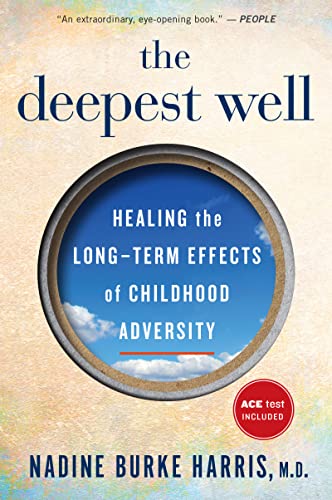
The Deepest Well
Nadine Burke Harris, M.D.
A pediatrician's clear explanation of how adverse childhood experiences affect lifelong health — and what recovery can look like.

What My Bones Know: A Memoir of Healing from Complex Trauma
Stephanie Foo
A journalist's honest, hopeful account of living with and healing from complex PTSD, woven with the science behind it.
As an Amazon Associate, Clarity House Press earns from qualifying purchases. Your price is never affected.
Found this helpful?
Share it with someone who might need it.
Tags
About the Author

Clarity House Press
Editorial Team
The editorial team at Clarity House Press curates and publishes evidence-based content on narcissistic abuse recovery, high-conflict divorce, and healing. Our content is informed by research, survivor experiences, and established trauma-informed approaches.
View all posts by Clarity House Press →Published by Clarity House Press Editorial Team