Please read our important disclaimers before using this content
"You're not crazy" are the four most healing words a survivor can hear. Support groups provide what individual therapy often cannot: the transformative power of shared experience.
The first time you sit in a room (or join a video call) with other people who have lived what you've lived, something shifts. You describe the crazy-making behavior—the gaslighting, the word salad, the intermittent reinforcement, the way they could seem like two completely different people—and instead of confused looks, you see nods of recognition.
They know. They've been there. They believe you.
That experience of being truly understood, without having to explain or justify or prove anything, is fundamentally healing in ways that even excellent therapy cannot replicate.
The Research on Peer Support
Studies consistently demonstrate the effectiveness of peer support for trauma recovery. A systematic review and meta-analysis found that peers employed and trained in supporting roles in mental health services had a small positive effect on personal recovery, a small-to-moderate positive effect on self-efficacy, and were associated with a small reduction in overall psychiatric symptoms.1
Reduced isolation. Research shows that social connection is one of the strongest protective factors against PTSD and depression.2 Support groups directly address the isolation that narcissistic abuse often creates. A major meta-analysis found that lack of social support was the largest single predictor of developing PTSD after a traumatic event, followed by life stress and trauma severity.3
Normalization of experiences. Hearing others describe similar experiences helps survivors recognize that their reactions are normal responses to abnormal situations, reducing shame and self-blame.4
Improved coping strategies. Group members share practical strategies that work in real life, not just in theory. This peer-to-peer exchange of coping tools is often more applicable than professional advice alone. Research on peer support for trauma survivors shows that peer support provided hope and guidance for the future after injury and improved self-efficacy amongst trauma survivors.5
Enhanced self-efficacy. Witnessing others' progress and receiving positive feedback from peers builds confidence in one's own ability to heal. Mutual-help groups support recovery by providing an ongoing recovery-specific social context that mobilizes active coping efforts, enhances self-efficacy, and continually remotivates people toward recovery.6
Reduced symptoms. Multiple studies show that support group participation correlates with reduced symptoms of depression, anxiety, and PTSD when combined with professional treatment.7 Group-based interventions for PTSD show significant effects compared to no-treatment control groups, with exposure-based cognitive-behavioral group therapy demonstrating well-established empirical efficacy.8
What Support Groups Provide
Validation
"Me too" moments. The experience of describing something strange or specific and having someone say "That happened to me too" is profoundly validating.
Shared recognition of abuse patterns. Group members recognize tactics like DARVO, hoovering, triangulation, and smear campaigns because they've experienced them. This mutual recognition confirms that what happened was real abuse, not just "a difficult relationship."
Belief without doubt. Unlike friends or family who may question your account, group members believe you because they've lived similar realities.
Recognition of your strength. Group members understand how hard it was to leave, how much courage it took, how significant each small step forward is.
Education
Learning abuse tactics from others' stories. Hearing different manifestations of the same patterns deepens understanding of narcissistic abuse dynamics.
Resource sharing. Books, articles, podcasts, therapists, attorneys—group members share what's helped them.
Legal and custody insights. For those navigating family court, hearing others' experiences with similar challenges provides invaluable practical knowledge.
Practical coping strategies. What actually works for managing triggers, handling co-parenting communication, rebuilding self-trust—group members share real-world tested approaches.
Community
Belonging after isolation. Narcissistic abuse often involves isolation from friends and family. Support groups offer immediate community.
Friendships built on understanding. Some of your deepest friendships may emerge from these groups—people who truly understand what you've survived.
24/7 connection (online groups). Some groups offer ongoing text or chat support, providing connection when you need it most, not just during scheduled meetings.
Reduced loneliness. Even without deep friendships, simply knowing others exist who understand reduces the profound loneliness of post-abuse recovery.
Hope
Seeing others further in recovery. Group members at various stages of healing demonstrate that recovery is possible. What seems impossible now may be your reality in a year.
Success stories. Hearing about new relationships, career achievements, restored wellbeing, and regained joy provides concrete evidence that there is life—good life—after abuse.
Proof that healing is possible. When you can't believe in your own future, you can borrow belief from those who've gone further.
"If they can, I can." Vicarious hope is real hope. Watching others heal creates neural pathways for believing you can too.
Support Groups vs. Individual Therapy: Not Either/Or—Both/And
Support groups and individual therapy serve different but complementary functions. Neither replaces the other. Research comparing peer-led and professional-led interventions indicates that participants were more comfortable in peer-led groups and acquired more knowledge and skills in professional-led groups, suggesting that offering both types of support may be better than offering either alone.9
Individual Therapy Provides:
Deep trauma processing. Working through specific traumatic memories, doing EMDR or other trauma processing, addressing childhood wounds—this requires the focused attention of a trained professional.
Personalized treatment. Your specific symptoms, history, and needs shape the therapeutic approach. A group can't provide this level of customization.
Clinical expertise. Licensed therapists bring diagnostic skills, knowledge of evidence-based treatments, and clinical judgment that peers cannot provide.
Safe space for vulnerability. Some things are easier to share one-on-one than in a group, especially early in recovery.
Support Groups Provide:
Normalization. Seeing yourself reflected in others' stories normalizes your experience in ways a therapist saying "that's normal" cannot match.10
Peer wisdom. Survivors have practical knowledge that comes from lived experience, not just professional training. For questions about daily living, coping with health issues, and seeking emotional support, peers with experiential knowledge may be preferred over healthcare professionals alone.11
Practical strategies. "Here's what worked for me when my ex did that" is different from "Research suggests..." Both have value.
Cost-effective ongoing support. Therapy is expensive and usually time-limited. Support groups can provide long-term community at low or no cost. Research shows peer support may reduce hospitalizations, with cost-benefit ratios demonstrating that financial savings from reduced hospital bed use outweigh the costs of employing peer workers.12
Available when therapy ends. When insurance runs out or therapy concludes, support groups provide continued connection.
The Ideal: Individual trauma therapy PLUS support group participation. Research suggests the combination produces better outcomes than either alone.13
Types of Support Groups
Survivor-Led Groups
Facilitated by fellow abuse survivors, often volunteers who've done significant recovery work themselves.
Strengths:
- Genuine lived experience
- Deep understanding of abuse dynamics
- Peer equality (no authority hierarchy)
- Often free or very low cost
- High authenticity
Limitations:
- May lack clinical training to handle crises
- Quality depends on facilitator's personal recovery
- Can sometimes become echo chambers without forward movement
- Boundary management may be inconsistent
Professionally-Led Groups
Facilitated by licensed therapists, counselors, or social workers.
Strengths:
- Clinical oversight and safety management
- Structured, evidence-based approach
- Crisis management training
- Professional boundaries
- Often connected to other services
Limitations:
- Can feel less peer-focused
- More expensive
- May feel more like "group therapy" than community
- Facilitator may lack personal abuse experience
Hybrid Groups
Survivor-led with professional consultation or oversight.
Strengths:
- Combines lived experience with professional support
- Balance of peer authenticity and clinical safety
- Sustainable model with built-in support for facilitators
- Best of both worlds when done well
Limitations:
- Requires careful coordination between peer and professional roles
- May be harder to find
- Quality depends on the hybrid model's design
Format Options
In-Person Groups
Strengths:
- Face-to-face human connection
- Body language and nonverbal communication
- Social activity outside your home
- Often leads to coffee dates, friendships, community building
- Can feel more "real" or committed
Limitations:
- Limited to local area
- Requires transportation and scheduling
- Childcare challenges
- May feel intimidating for first meetings
- Harder to maintain anonymity
Online Video Groups (Zoom, etc.)
Strengths:
- Geographic flexibility—access the best groups anywhere
- See faces, expressions, human connection
- Real-time interaction
- No commute
- Easier for those with mobility issues or childcare responsibilities
Limitations:
- Zoom fatigue is real
- Technology problems can disrupt connection
- Less spontaneous interaction
- Harder to connect after the meeting ends
- Home environment may not be private
Text-Based Forums and Communities
Strengths:
- Available 24/7 for crisis moments
- Process at your own pace
- High anonymity if desired
- Can participate while at work, with children, etc.
- Permanent record of support to return to
Limitations:
- No face-to-face connection
- Easier to misinterpret tone
- Less immediate intimacy
- Can be harder to build deep relationships
- Quality control issues with unmoderated forums
Phone or Audio-Only Groups
Strengths:
- No video pressure (helpful for anxiety)
- Intimate feel without visual vulnerability
- Accessible for those without reliable internet
- Can participate from anywhere
Limitations:
- No visual cues
- Harder to track who's speaking
- Less personal than video
- May feel old-fashioned to some
Finding the Right Group
Specificity Matters
The more specific the group to your situation, the more valuable it typically is:
Narcissistic abuse (not general DV). While all domestic abuse shares patterns, narcissistic abuse has specific dynamics. Groups focused on covert abuse, psychological manipulation, and emotional abuse may resonate more than groups focused on physical violence.
Co-parent alienation (if applicable). If parental alienation is part of your experience, specialized groups understand this unique trauma.
Male survivors (if male). Men face specific barriers to support; male-specific groups address these unique challenges.
Your recovery stage. Groups for those newly out of abuse have different needs than groups for those five years into recovery.
Your situation. High-conflict custody, workplace abuse, adult children of narcissists—specialized groups exist for many specific situations.
Red Flags in Groups
No clear facilitation. Groups without moderation can devolve into chaos, competition for airtime, or unsafe dynamics.
Venting without growth focus. Groups stuck in perpetual anger without movement toward healing keep members trapped rather than helping them progress. A good group complements individual therapy — for a deeper look at which trauma therapy approaches work best for narcissistic abuse recovery, understanding the options can help you have more productive conversations in group settings too.
Toxic positivity. "Just forgive and move on!" "Choose happiness!" Groups that bypass the real work of trauma processing do more harm than good.
Advice-giving instead of support. Groups where members tell each other what to do rather than sharing their own experience can feel judgmental and unsafe.
No boundaries on sharing. Groups without guidelines about graphic content, time limits, or confidentiality may retraumatize members.
Cliques or hierarchy. Groups where certain members dominate or newer members feel excluded fail to serve everyone.
Green Flags in Groups
Clear guidelines. Well-run groups have explicit rules about confidentiality, participation, and behavior.
Confidentiality rules. What's shared stays in the group—and this is explicitly stated and enforced.
Balance of sharing AND growth. Both validation of pain and movement toward healing.
Respectful atmosphere. Members listen to each other, don't interrupt, and show genuine care.
Balance of old and new members. Newer members bring fresh perspective; longer-term members provide hope and wisdom.
Facilitator who manages dynamics. Someone ensures everyone gets airtime and redirects problematic patterns.
Guidelines That Make Groups Work
1. Confidentiality
What's said in group stays in group. This includes:
- Not sharing others' stories outside the group
- Not discussing who attends
- Not connecting with members' abusers
- Handling recognizable details with care
2. No Advice-Giving
Share your experience, not directives. "You should leave him" is advice. "When I was in a similar situation, I found it helpful to..." is experience sharing.
Why this matters: Unsolicited advice can feel like another form of control. Survivors need to reclaim their own decision-making, not receive new directives.
3. Equal Airtime
Everyone gets space to share. No one dominates. If you've shared a lot, make space for quieter members.
4. Respect
No judgment of others' choices, pace of recovery, or decisions about their situation. No interrupting. No dismissing others' experiences.
5. Trigger Warnings
Flag graphic or potentially triggering content before sharing. Give others the opportunity to step out or prepare themselves.
6. No Contact with Abusers
Group members don't contact, investigate, or interact with each other's abusers. This protects both safety and legal positions.
What to Share (And Not Share)
Do Share:
Your feelings and experiences. This is what groups are for.
What's helping in your recovery. Strategies, resources, breakthroughs.
Questions and struggles. The group may have wisdom to offer.
Victories and setbacks. Both are part of recovery.
Honest reactions to group process. If something isn't working, safe groups allow that feedback.
Be Cautious About:
Identifiable details about your abuser. First name, workplace, unique characteristics. This protects you legally and prevents potential triangulation.
Legal strategy. Get legal advice from lawyers, not peer groups. Others' legal experiences may not apply to your jurisdiction or situation.
Extremely graphic details. Sharing can be healing, but traumatic detail can also retraumatize listeners. Check with the group before sharing graphic content.
Don't Share:
Other members' stories outside the group. Confidentiality is sacred.
Details that could identify other members. Protect everyone's privacy.
Your therapist's specific clinical interpretations. That's private to your therapeutic relationship.
For Those New to Groups
First Meeting Nerves
It's completely normal to feel:
- Anxious about being vulnerable with strangers
- Worried about judgment
- Uncertain about how much to share
- Overwhelmed by others' stories
- Self-conscious about your own story
- Tearful or emotional
First Meeting Tips:
Listen more than share initially. There's no pressure to bare your soul in the first meeting. Listening helps you gauge whether the group feels safe.
Share as much or little as feels comfortable. "I'm just listening today" is a completely acceptable contribution.
Give it time. One meeting isn't enough to judge whether a group fits. Give it 3-4 meetings before deciding.
You can leave if it's not right. Not every group works for every person. It's okay to try multiple groups before finding your fit.
Remember everyone started somewhere. The people who seem confident and healed were once where you are now.
Men in Support Groups
Male survivors face unique challenges in seeking peer support:
Most groups are female-dominated. This reflects the demographics of who seeks help, not the demographics of who's abused.
Different dynamics than women's groups. Men may communicate differently, have different socialization around vulnerability, and face different stigmas.
Fewer male-specific resources. Finding male-focused groups can be difficult, especially in person.
Solutions:
Seek male survivor groups specifically. They exist online even if not locally.
Online groups often easier for men. The distance can reduce initial barriers to vulnerability.
Mixed-gender groups need good facilitation. With skilled facilitation, mixed groups can work well for male survivors.
One-on-one peer support. Some men prefer connecting with one other male survivor rather than group settings.
When Groups Become Unhealthy
Warning Signs:
Focus on revenge or anger without healing. Sustained rage is natural early in recovery, but groups should help you move through it, not stay stuck.
Comparing trauma. "I had it worse" or competitive suffering creates hierarchy instead of community.
No growth over time. If members are saying the same things a year later with no progress, the group isn't facilitating healing.
Gossip about members. If people talk about each other outside the group, it's not a safe space.
Boundary violations. Romantic involvement between members, contact with abusers, sharing private information externally.
One person dominates. Groups where one voice eclipses others aren't serving everyone.
When to Leave a Group:
You consistently feel worse after meetings. Groups should energize and support, not deplete.
Toxic dynamics aren't addressed. If you've raised concerns and nothing changes, the group isn't healthy.
The group no longer serves your recovery. As you heal, your needs change. Moving on isn't betrayal—it's growth.
You've outgrown it. Some groups serve the acute phase but not long-term recovery. It's okay to graduate.
Creating Your Own Group
If no good options exist in your area or online for your specific situation, you can create one:
Find a co-facilitator. Don't facilitate alone—it's too much for one person and creates unhealthy dynamics.
Set clear guidelines. Confidentiality, participation norms, what's appropriate to share—establish these before the first meeting.
Choose your platform. In-person, Zoom, Discord, Facebook—pick what works for your target members.
Start small. 5-8 people is manageable. Too large too quickly makes intimacy difficult.
Establish meeting structure. Opening ritual, check-ins, main discussion, closing. Structure provides safety.
Consider professional consultation. Even if you're survivor-led, having a therapist you can consult for crisis situations or guidance is valuable.
Resources for Finding Groups
Organizations That Host Groups:
Domestic violence agencies. Local DV shelters often run support groups for survivors.
Community mental health centers. Many offer free or low-cost support groups.
Churches (with caution). Some faith communities offer abuse recovery groups, though watch for theology that emphasizes forgiveness over boundaries.
Meetup.com. Search for narcissistic abuse, domestic violence, or divorce recovery groups in your area.
Facebook groups (carefully vetted). Many online communities exist, but quality varies significantly. Look for groups with clear moderation and guidelines.
Online Communities:
Reddit r/NarcissisticAbuse. Large community with active discussion, though quality varies.
Out of the Fog. Forum specifically for those dealing with personality disorder relationships.
Psychopath Free forums. Community associated with the book by Jackson MacKenzie.
Local DV agency online groups. Many agencies now offer virtual options.
The Healing Power of Witness
There's something irreplaceable about being truly seen and heard by people who understand your experience from the inside:
Breaking isolation. Abuse thrives in secrecy. Community breaks the isolation that keeps survivors trapped.14 Shared group memberships offer psychological resources through social identification with others, group cohesion, and a sense of common fate—resources that help buffer trauma effects and alleviate PTSD symptoms.15
Validating reality. When others recognize your experience, it confirms that your reality is real, counteracting gaslighting.
Providing mirror for distortion. Sometimes you can see patterns in others' stories before you can see them in your own. For domestic violence survivors, group-based programs are particularly useful because they interrupt isolation and have cost-effectiveness advantages.16
Offering hope. Watching others heal shows you what's possible for yourself. Research on trauma survivors shows that vicarious hope—learning from others' healing progress—is an effective mechanism for recovery.17
Creating belonging. After being treated as worthless, belonging to a community that values you is deeply healing. Peer support fosters a sense of community that mitigates feelings of isolation, shame, and distrust while providing role models with personal recovery experience who increase motivation to change and self-efficacy.18
Your Next Steps
Identify your needs. Do you need crisis support, long-term community, specialized focus (co-parenting, male survivors, etc.)? Let your specific needs guide your search.
Research options. Look into local in-person groups, online communities, and professional-led groups in your area.
Try a meeting. The only way to know if a group fits is to try it. Commit to at least 3-4 meetings before deciding.
Assess the fit. Does this group feel safe? Do the guidelines protect members? Is there both validation and growth?
Commit to participation. Groups work when members show up consistently. If you find a good fit, commit to regular attendance.
Consider facilitating eventually. Once you've healed significantly, sharing your experience as a facilitator is a powerful way to give back and consolidate your own growth.
You don't have to heal alone. Find your people. Let them see you. Watch them heal. Heal together. For many survivors, peer groups are the first step — and eventually, some find themselves called to share their story publicly through advocacy work, transforming their own healing into something that reaches others still struggling.
The validation you receive from those who truly understand may be one of the most powerful healing forces available to you. Use it.
Resources
Support Groups and Peer Support:
- Psychology Today Support Groups - Find local support groups
- NAMI Connection Recovery Support Groups - Free peer-led support groups
- Mental Health America Support Groups - Mental health support groups
- DivorceCare - Faith-based divorce recovery support groups
Mental Health and Trauma Support:
- Psychology Today Therapist Finder - Find therapists
- SAMHSA National Helpline - 1-800-662-4357 (24/7)
- National Alliance on Mental Illness (NAMI) - Mental health education
Crisis Support:
- 988 Suicide & Crisis Lifeline - Call or text 988 (24/7)
- Crisis Text Line - Text HOME to 741741
References
- Sink, H. E., Sharma, S., Torous, J. B., Shuen, J. A., Bruckner, T. A., & Kiang, M. V. (2023). Peer support and crisis-focused psychological interventions designed to mitigate post-traumatic stress injuries among public safety and frontline healthcare personnel: A systematic review. Journal of Affective Disorders, 334, 159-168. https://pubmed.ncbi.nlm.nih.gov/33092146/ ↩
- Sheridan, N., Kenealy, T., Kiata, H., & Schmidt-Busby, J. (2024). Social connection as a critical factor for mental and physical health: Evidence, trends, challenges, and future implications. PLOS ONE, 19(10), e0314262. https://pmc.ncbi.nlm.nih.gov/articles/PMC11403199/ ↩
- Brewin, C. R., Andrews, B., & Valentine, J. D. (2000). Meta-analysis of risk factors for posttraumatic stress disorder in trauma-exposed adults. Journal of Consulting and Clinical Psychology, 68(5), 748-766. https://pmc.ncbi.nlm.nih.gov/articles/PMC9534006/ ↩
- Kontoangelos, K., Economou, A., & Bellos, S. (2021). Peer support in mental health: Literature review. Medicina, 57(6), 608. https://pmc.ncbi.nlm.nih.gov/articles/PMC7312261/ ↩
- Lau, A. L., Lam, C. K., Wong, S. L., Ip, P. C., & Mak, K. K. (2020). Peer support for traumatic injury survivors: A scoping review. International Journal of Environmental Research and Public Health, 19(11), 6540. https://pubmed.ncbi.nlm.nih.gov/35680385/ ↩
- Kelly, & Yeterian (2011). The role of mutual-help groups in extending the framework of treatment.. Alcohol research & health : the journal of the National Institute on Alcohol Abuse and Alcoholism. https://pmc.ncbi.nlm.nih.gov/articles/PMC3860535/ ↩
- Griffin, Lebedová, Ahern, McMahon, & Bradshaw (2023). PROTOCOL: Group-based interventions for posttraumatic stress disorder: A systematic review and meta-analysis of the role of trauma type.. Campbell systematic reviews. https://pmc.ncbi.nlm.nih.gov/articles/PMC10182838/ ↩
- Maguen, S., & Burkman, K. (2013). PTSD in the DSM-5: Implications for assessment and treatment. Current Psychiatry Reports, 15(8), 373. https://pubmed.ncbi.nlm.nih.gov/29179647/ ↩
- Simoni, J. M., Blank, M. B., Battaglia, T. A., Schust, D. J., & Pantalone, D. W. (2013). Peer-led and professional-led group interventions for people with co-occurring disorders: A qualitative study. Community Mental Health Journal, 49(5), 567-578. https://pubmed.ncbi.nlm.nih.gov/23943019/ ↩
- National Institute for Health and Care Excellence (NICE). (2018). Social connection as a critical protective factor. Evidence and implementation for mental health. https://pmc.ncbi.nlm.nih.gov/articles/PMC9534006/ ↩
- Pistrang, N., & Barker, C. (1992). Disclosure of concerns in breast cancer support groups: Determinants of extent and impact. Journal of Applied Social Psychology, 22(24), 1918-1935. https://pmc.ncbi.nlm.nih.gov/articles/PMC7312261/ ↩
- Ostrow, L., Stuhlmacher, E., Cano, V., Vail, G., Cournos, F., & Salzer, M. S. (2020). Evaluation of the perceived benefits of a peer support group for people with mental health problems. American Journal of Psychosocial Rehabilitation, 45(3), 241-256. https://pmc.ncbi.nlm.nih.gov/articles/PMC11270277/ ↩
- Xia, P., Zhang, L., Sun, C., Shi, K., & Zhang, X. (2021). The effectiveness of peer support for individuals with mental illness: A systematic review and meta-analysis. Journal of Advanced Nursing, 77(4), 1588-1612. https://pmc.ncbi.nlm.nih.gov/articles/PMC10476060/ ↩
- Campbell, R., Raja, S., & Grining, P. L. (2018). Training informal supporters to improve responses to victim-survivors of domestic violence and abuse: A systematic review. Trauma, Violence, & Abuse, 20(2), 190-209. ↩
- Balmer, Sippola, & Beehler (2021). Processes and outcomes of a communalization of trauma approach: Vets & Friends community-based support groups.. Journal of community psychology. https://pmc.ncbi.nlm.nih.gov/articles/PMC8316485/ ↩
- Gondolf, E. W. (2004). Evaluating batterer counseling programs: A difficult task showing some effects and implications. Aggression and Violent Behavior, 9(6), 605-631. Cited in modern evidence synthesis on group interventions for IPV survivors. https://pmc.ncbi.nlm.nih.gov/articles/PMC7316294/ ↩
- Tedeschi, R. G., & Calhoun, L. G. (2004). Posttraumatic growth: Conceptual foundations and empirical evidence. Psychological Inquiry, 15(1), 1-18. Applied to trauma survivors' use of peer models. https://pmc.ncbi.nlm.nih.gov/articles/PMC8158955/ ↩
- Rappaport, J. (1985). The power of empowerment language. Social Policy, 16, 15-21. Modern application to peer support context cited in mutual help research. https://pmc.ncbi.nlm.nih.gov/articles/PMC3860535/ ↩
Recommended Reading
From Clarity House Press — plus trusted books for deeper understanding

Breath: The New Science of a Lost Art
James Nestor
International bestseller on the science of breathing and how it transforms health and reduces stress.
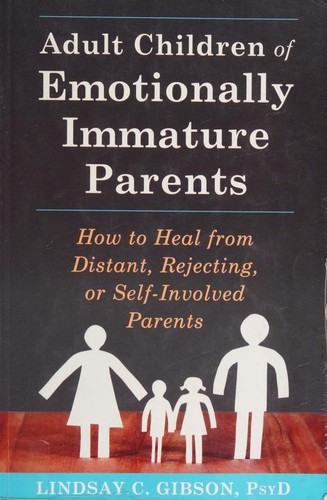
Adult Children of Emotionally Immature Parents
Lindsay C. Gibson, PsyD
A gentle, practical guide to understanding relationships with emotionally distant parents and reclaiming your inner life.
As an Amazon Associate, Clarity House Press earns from qualifying purchases. Your price is never affected.
Found this helpful?
Share it with someone who might need it.
About the Author

Clarity House Press
Editorial Team
The editorial team at Clarity House Press curates and publishes evidence-based content on narcissistic abuse recovery, high-conflict divorce, and healing. Our content is informed by research, survivor experiences, and established trauma-informed approaches.
View all posts by Clarity House Press →Published by Clarity House Press Editorial Team