Please read our important disclaimers before using this content
You've been volunteering with domestic violence survivors for a year, and you see gaps everywhere—services that don't exist, needs that aren't being met, survivor voices missing from leadership. You think: I could start something. I could build the organization I wish had existed for me. The vision is clear: a nonprofit that actually gets it, run by survivors, for survivors, addressing the needs others ignore. You're passionate, committed, and ready. The path from personal survival to helping others through advocacy is one that many survivors walk — formal nonprofit founding is one of many ways to channel that transformation.
Starting a nonprofit to serve abuse survivors can create real, lasting change—but passion and personal experience, while essential, aren't enough. Nonprofits require legal structure, financial sustainability, governance, strategic planning, and operational systems that many founders underestimate. The survivor-to-founder journey is profound and challenging, filled with both extraordinary impact and brutal realities about funding, burnout, and mission drift.
Identifying the Need and Your Unique Value
Market Research and Gap Analysis
Before you start anything:
What already exists?
- Research local and national organizations serving your target population
- What services do they provide?
- What populations do they serve?
- What are their gaps or limitations?
- Could you partner with existing orgs instead of starting new one?
Why this matters:
- Don't duplicate services unnecessarily
- Funders want to know why community needs another organization
- Partnership may accomplish more than starting from scratch
- Understanding landscape prevents reinventing wheel
- Competition for funding is real
Gap analysis questions:
- What need is currently unmet?
- Who is being underserved by existing organizations?
- What unique approach or population will you address?
- Why can't existing organizations fill this gap?
- Is the gap big enough to sustain an organization?
Examples of legitimate gaps:
- No services for post-separation abuse in your county
- Existing DV organizations don't address narcissistic abuse specifically
- No support for professional women (lawyers, doctors) in abusive relationships
- Faith-based community lacks trauma-informed domestic violence resources
- LGBTQ+ survivors underserved by mainstream DV organizations
- No services in languages other than English
Red flags that might not need new nonprofit:
- "I didn't like how existing org operated" (can you improve from within?)
- "I want to run my own thing" (ego-driven, not need-driven)
- "No one else understands" (collaboration might be better)
- Services exist but just need more capacity (funding current orgs might help more)
Your Unique Value Proposition
What will make your organization different and needed?
Your approach:
- Survivor-led (if that's missing in your area)
- Specific therapeutic modality (EMDR-focused, somatic-based)
- Population-specific (professional women, men, LGBTQ+, specific ethnic community)
- Issue-specific (post-separation abuse, parental alienation, legal advocacy)
- Geographic (rural area with no services)
Your expertise:
- Lived experience + professional credentials
- Deep understanding of specific population
- Innovative model you've developed
- Partnerships and resources others don't have
- Specialized knowledge (legal, clinical, financial)
Your mission:
- Clear, specific, needed
- Fills gap, doesn't duplicate
- Sustainable (not dependent entirely on you)
- Measurable (you'll be able to show impact)
- Compelling (funders and volunteers will care)
Test your idea:
- Talk to survivors in your target population
- Interview funders and other nonprofits
- Pilot your program informally before formalizing
- Get feedback from professionals (therapists, attorneys)
- Would people pay for this if they could? (shows value)
Refine until you can answer:
- What specific problem are we solving?
- For whom specifically?
- How will we solve it differently/better?
- Why does this need to be a separate organization?
- How will we measure success?
Understanding Nonprofit Structure
501(c)(3) Basics
What is a 501(c)(3)?
- IRS designation for charitable organizations
- Tax-exempt (organization doesn't pay federal income tax)
- Donors can deduct contributions on their taxes (incentivizes giving)
- Required for most foundation grants
- Legal structure with specific requirements and limitations
Formation process:
1. Form a legal entity (usually nonprofit corporation):
- File articles of incorporation with your state
- State filing fee ($50-$300 typically)
- Creates legal entity separate from you personally
- Protects personal assets (usually)
2. Create bylaws:
- Internal governing rules
- Board structure and responsibilities
- Officer roles
- Meeting requirements
- Conflict of interest policy
- Standard templates available
3. Obtain EIN (Employer Identification Number):
- From IRS (free, online)
- Organization's "social security number"
- Needed for bank account, hiring, taxes
4. Apply for 501(c)(3) status:
- IRS Form 1023 or 1023-EZ
- Filing fee ($275-$600)
- Detailed questions about mission, finances, governance
- Can take 3-12 months for approval
- Strongly recommended to consult nonprofit attorney—IRS applications are complex; errors can delay approval 6-12 months or result in denial. Many state bar associations offer pro bono services for nonprofits.
5. State-level requirements:
- Register as charity with state (many states require)
- State tax exemptions (separate from federal)
- Annual reporting requirements (vary by state)
Realistic total first-year costs:
- DIY minimal filing fees: $500-$1,500
- Attorney for formation + 501(c)(3): $2,500-$7,500
- Additional essential costs:
- General liability insurance: $500-$2,000/year
- Directors & Officers (D&O) insurance: $750-$3,000/year (recommended)
- Professional liability insurance: $1,500-$5,000/year (if providing services)
- Website: $500-$3,000
- Accounting software: $300-$1,200/year
- Actual first-year total: $6,000-$20,000 minimum
Board of Directors
What is a board?
Legal requirement:
- Most states require minimum 3 board members
- Board governs the organization (you work for them, not vice versa)
- Fiduciary duty (legal obligation to act in org's best interest)
- Sets policy, hires/fires executive director, oversees finances
Board responsibilities:
- Financial oversight (budgets, audits)
- Strategic planning
- Fundraising (major donor cultivation)
- Policy governance
- Risk management
- Executive director support and evaluation
- Community representation and credibility
Diversity of skills needed:
- Financial expertise (treasurer role)
- Legal knowledge (attorney on board helpful)
- Fundraising connections and experience
- Program expertise (therapists, DV professionals)
- Community connections
- Marketing/communications
- Human resources
Diversity of people:
- Not all survivors (need professional expertise too)
- Not all professionals (need survivor perspective)
- Racial, ethnic, socioeconomic diversity2
- Age diversity
- Skills and networks diverse
- Avoid conflicts of interest (no family, no employees except ED sometimes)
Recruiting board members:
- Start with people you know and trust
- Ask for introductions to people with needed skills
- Clearly articulate time commitment and expectations
- Offer meaningful engagement (not just fundraising)
- Board orientation and ongoing training
- Term limits (prevents burnout and stagnation)
Founder as board member:
- Often, founder is initial board member
- If you become Executive Director (paid staff), some orgs require you to leave board
- Conflict of interest if you supervise yourself
- Best practice: separate governance (board) from operations (staff)
- Transition from founder to employee is hard but important
Fiscal Sponsorship Alternative
What if you're not ready for full nonprofit?
Fiscal sponsorship:
- Established 501(c)(3) "sponsors" your project
- You operate under their tax-exempt status
- They handle legal/financial admin, you run program
- Fee typically 5-15% of funds raised
- Faster start, less administrative burden
Benefits:
- Start programming immediately without waiting for 501(c)(3)
- Test model before committing to full organization
- Access grants available to 501(c)(3)s
- Less administrative work
- Can transition to full nonprofit later
Limitations:
- Sponsor has ultimate control
- Can't build your own brand as easily
- Fee cuts into budget
- Dependent on sponsor's policies
- Some funders prefer direct grantees
Good fit if:
- Want to test idea before full commitment
- Don't have board or administrative capacity yet
- Need tax-exempt status quickly
- Focused on programming, not organizational development (yet)
Where to find fiscal sponsors:
- Local community foundations
- Established DV organizations
- National fiscal sponsorship organizations (Fractured Atlas, etc.)
- Must share mission alignment
Funding Your Nonprofit
The Funding Reality
Brutal truth about nonprofit funding:
Most new nonprofits struggle financially:
- Takes 3-5 years typically to achieve financial stability3
- Many fold within first 3 years
- Funding is competitive and limited
- Research on nonprofit sustainability shows that financial sustainability involves maintaining or expanding services while developing resilience to economic shocks3
- Government funding usually requires track record
- Foundation grants take months to receive
- Individual donations are unpredictable
You will likely:
- Operate on a shoestring budget initially
- Work for free or very part-time pay for first 1-3 years
- Need another income source (job, partner's income, savings)
- Constantly fundraise (30-50% of your time)
- Face rejection from funders repeatedly
- Question whether this is sustainable
This is normal. And hard. And why many nonprofits started with passion fail.
Revenue Streams
Diversification is essential: Research demonstrates that diversifying revenue streams through donations, grants, and earned income is critical for nonprofit financial stability3.
Individual donations:
- Small donors ($10-$500)
- Major donors ($1,000+)
- Monthly recurring donors (most valuable)
- Crowdfunding campaigns
- Donor cultivation takes time and relationship
Foundation grants:
- Local family foundations (often more accessible)
- Regional/national foundations (very competitive)
- Corporate foundations
- Grant writing skill essential
- Reporting requirements significant
- Often restricted funding (can only use for specific program)
Government funding:
- Federal (VAWA, VOCA, others for DV services)
- State (varies widely)
- Local (city/county contracts)
- Usually requires established track record
- Complex applications and compliance
- Reimbursement model often (you pay first, get reimbursed)
- Political vulnerability (administration changes can cut funding)
Earned revenue:
- Fee-for-service (therapy, coaching, workshops)
- Training and consulting
- Book sales, courses
- Speaking fees
- Caution: Can't be primary revenue for 501(c)(3)
- Mission-related only
Fundraising events:
- Galas, fun runs, auctions
- Time-intensive and expensive to produce
- Can build community but low ROI often
- Better for awareness than significant revenue
- Volunteer-dependent
Realistic first-year budget for small survivor nonprofit:
- $25,000-$75,000 (if lucky and well-connected)
- Mostly individual donations and small local grants
- Founder working mostly unpaid
- Limited programming
- Foundation-building year
Year 3-5 goal:
- $150,000-$500,000 (depending on services)
- Diversified funding (no more than 30% from one source)
- Paid staff (even if part-time)
- Established programs with demonstrated impact
- Growing donor base
Grant Writing
Essential skill for nonprofits:
What funders want to know:
- What problem are you solving? (clear, specific, data-backed)
- Who are you serving? (population, numbers, demographics)
- What will you do? (program description, evidence-based if possible)
- Why you? (qualifications, expertise, unique value)
- How much will it cost? (budget, cost per client)
- How will you measure success? (outcomes, metrics, evaluation)
Grant writing components:
- Executive summary
- Statement of need (the problem)
- Project description (your solution)
- Evaluation plan (how you'll measure)
- Budget (detailed, justified)
- Organizational background
- Sustainability plan (funding after grant ends)
Skills required:
- Research (finding right funders)
- Writing (clear, compelling, concise)
- Data analysis (demonstrating need and impact)
- Budget development
- Storytelling (case studies, testimonials)
- Persistence (lots of rejections)
Grant writing tips:
- Align your request with funder's priorities exactly
- Use their language
- Be specific, not vague
- Data + stories (both matter)
- Follow instructions precisely
- Build relationships with program officers
- Start small (small grants more accessible initially)
- Track deadlines and requirements meticulously
Capacity:
- Grant writing is 10-20 hours per proposal typically
- May need consultant initially ($2,000-$10,000 per grant)
- Or staff grant writer eventually
- Reporting after grant awarded is significant work
- Budget time for this (it's not just asking for money)
Building Trauma-Informed Organization
Organizational Culture
Survivor-centered doesn't happen by accident:
What trauma-informed org looks like:4
Safety:
- Physical (secure location, private spaces)
- Emotional (predictable, trustworthy environment)
- Cultural (inclusive, no discrimination)
- Relational (boundaries clear, no power abuse)
Trustworthiness and transparency:
- Clear policies and procedures
- Honest communication
- No surprises
- Follow-through on commitments
- Admit mistakes and repair
Peer support and mutual self-help:
- Survivor leadership valued
- Peer support integrated
- Mutual aid not just hierarchy
- Lived experience respected as expertise
- Community-building prioritized
Collaboration and mutuality:
- Shared decision-making where appropriate
- Flattened hierarchy (as much as possible)
- Partnership not paternalism
- Survivors' voices in program design
- "Nothing about us without us"
Empowerment, voice, and choice:
- Survivors make their own decisions
- Options offered, not mandates
- Autonomy respected
- Self-determination centered
- No coercion
Cultural, historical, and gender issues:
- Intersectional understanding
- Cultural humility and competence
- Awareness of historical trauma
- Gender-responsive and LGBTQ+ affirming
- Accessible to people with disabilities
Applying trauma-informed principles to staff:
- Staff need support too (secondary trauma is real)
- Supervision and consultation
- Manageable caseloads
- Self-care encouraged and resourced
- Boundaries modeled and respected
- Professional development
CRITICAL WARNING - Secondary Trauma in Survivor Work:
Working with abuse survivors creates significant vicarious traumatization risk, especially for founders with personal abuse history567. Founders who have not fully processed their own trauma are particularly vulnerable — this is why investing in your own healing through therapy, support groups, and recovery work is not optional. Common risks include:
- Re-traumatization from clients' stories mirroring your own experience
- Compassion fatigue within 12-18 months without adequate support7
- Trauma responses triggered by client crises
- Boundary erosion (rescuer patterns from fawn response)
Required protective measures:
- Your own trauma therapist (NOT a supervisor—separate clinical support)
- Clinical supervision by licensed professional with trauma specialization5
- Peer consultation groups6
- Manageable caseload limits (clinical best practice: max 15-20 clients for trauma work)
Preventing Burnout (Yours and Your Team's)
Nonprofit founder burnout is epidemic:
Why founders burn out:
- Doing everything yourself initially
- Emotionally invested in mission personally
- Unclear boundaries (clients become friends)
- Financial stress (unpaid or underpaid)
- Constant fundraising pressure
- Vicarious trauma from clients' stories
- Isolation (small staff or solo)
- Mission creep (trying to help everyone)
- No separation from work (always "on")
How to prevent:
Structural:
- Build strong board to share burden
- Hire/delegate as soon as possible
- Clear role descriptions (even for volunteers)
- Boundaries on work hours
- Time off (take it even when "there's too much to do")
- Financial sustainability (pay yourself fairly when possible)
Personal:
- Own therapist (not negotiable)
- Supervision or consultation
- Life outside nonprofit
- Support system that's not work-related
- Hobbies and rest
- Spiritual practices if meaningful
- Physical health prioritized
Organizational:
- Manageable scope (don't try to do everything)
- Say no to mission creep
- Measure impact not just activity (quality over quantity)
- Celebrate wins (small and large)
- Acknowledge hard reality of the work
- Support each other as team
Signs you're burning out:
- Dreading work you once loved
- Resentment toward clients
- Cynicism and hopelessness
- Physical symptoms (headaches, exhaustion, illness)
- Irritability with staff/board
- Neglecting self-care
- Thinking about quitting constantly
What to do:
- Take leave (even if it feels impossible)
- Increase therapy/support
- Reassess capacity and scale back if needed
- Hire or find volunteers to share load
- Board intervention (they should notice and support)
- Consider stepping back from ED role (founder doesn't have to be ED forever)
- Permission to rest is not weakness
Succession Planning
You won't run this forever (nor should you):
Why succession matters:
- Founders are mortal, fallible, and finite
- Organizations should outlast founders
- New leadership brings fresh energy and ideas
- Your burnout or departure shouldn't collapse organization
- Funders want to know sustainability plan
When to start planning:
- Year 3-5 (seriously)
- Build leadership pipeline from day one
- Develop staff and board
- Document processes (get it out of your head)
- Cross-train
Options for transition:
- Founder steps down, new ED hired
- Founder moves to board role only
- Founder becomes consultant, fully leaves staff
- Co-leadership model (founder shares power earlier)
Emotional reality:
- Your "baby" growing beyond you is hard
- Pride and grief simultaneously
- Letting go is an act of love for mission
- Your identity tied up in org (therapeutic processing needed)
Make succession possible:
- Transition founder knowledge to organization (documented procedures)
- Develop other leaders
- Diversify funding so not all relationships with you
- Strong board that can lead search for new ED
- Clear that mission transcends founder
Measuring Impact and Sustainability
Defining Outcomes
Activities (what you do):
- Provided 100 hours of therapy
- Hosted 12 support group meetings
- Trained 50 professionals
- These matter, but aren't the full picture
Outputs (what you produce):
- 25 clients served
- 150 people attended workshop
- 10 therapists certified in your training
Outcomes (what changes for people):10
- Clients report 50% reduction in PTSD symptoms
- 80% of support group attendees report feeling less isolated
- Trained therapists identify coercive control more accurately
- These are what funders care about
Impact (long-term change):
- Reduced domestic violence in community
- Improved court outcomes for survivors
- Cultural shift in understanding of abuse
- Hardest to measure, most important
Your evaluation plan needs:
- Clear outcomes you're trying to achieve
- How you'll measure them (surveys, pre/post tests, interviews)
- Timeline for evaluation
- Who will do it (staff, outside evaluator)
- How you'll use data (program improvement, fundraising)
Sustainability Indicators
Is this organization built to last?
Financial:
- Diverse funding (not dependent on one source)
- Reserves (3-6 months operating expenses ideally)
- Growing revenue year over year
- Balanced budget
- Financial systems and audits in place
Programmatic:
- Clear theory of change (if we do X, Y will result)
- Evidence of impact (data showing you're achieving outcomes)
- Demand for services (waitlist or consistent referrals)
- Program model replicable (not entirely dependent on founder's charisma)
Organizational:
- Strong board engaged in governance
- Staff retention (if you have staff)
- Volunteer base
- Professional policies and procedures
- Strategic plan guiding decisions
Reputation:
- Community awareness and support
- Professional network (referral sources)
- Funder confidence
- Media attention (positive)
- Survivor testimonials
Red flags of unsustainability:
- 100% funding from one source
- No reserves, living grant to grant
- Founder doing everything
- No evaluation or outcomes data
- High staff/volunteer turnover
- Mission creep (doing too much)
- Board inactive or struggling to recruit
Course-correct:
- Diversify funding aggressively
- Build reserves (even small amounts)
- Develop leadership and delegate
- Implement evaluation system
- Engage board or rebuild it
- Narrow focus to core mission
- Get consultant help (capacity building grants exist for this)
When to Pivot or Close
Not all nonprofits should survive:
Consider pivot if:
- Original need has been met or changed
- Another organization now does what you do better
- Funding landscape shifted
- Model isn't working despite good faith effort
- Merger with another org would serve mission better
Consider closure if:
- Financial unsustainability can't be resolved
- Founder burned out and no succession possible
- Need no longer exists
- Mission has been accomplished
- Causing harm despite good intentions
- Legal or ethical issues can't be remedied
Closing well:
- Wind down services responsibly (transition clients)
- Dissolve legally (IRS and state requirements)
- Distribute remaining assets to similar 501(c)(3)
- Communicate honestly with community
- Archive learnings (what worked, what didn't)
This is not failure:
- Some organizations are meant for a season
- Closing responsibly is act of integrity
- Mission may continue in other forms
- Your effort mattered even if org doesn't continue
Starting Smart: Practical Steps
If after all this, you're still committed:
Year 1 Roadmap
Months 1-3: Research and Planning
- Confirm the need (talk to 20+ potential clients/community members)
- Research existing organizations
- Develop initial mission and vision
- Create basic program model
- Identify initial board members (at least 3)
- Consult attorney about structure
Months 4-6: Legal Formation
- File articles of incorporation
- Draft bylaws
- Hold first board meeting
- Obtain EIN
- Open bank account
- Apply for 501(c)(3) status (or secure fiscal sponsor)
Months 7-9: Pilot Programming
- Start services in small way (even informally)
- Test your model
- Gather feedback
- Document outcomes
- Build referral network
Months 10-12: Fundraising and Refinement
- Apply for first grants (small local ones)
- Individual donor campaign
- Refine programs based on pilot
- Develop evaluation tools
- Build website and basic marketing
- Plan for year 2
Realistic expectations:
- You'll work mostly unpaid this year
- Revenue will be small ($10,000-$50,000 if you're effective)
- Serve small number of people (20-100 depending on service)
- Learn enormous amount
- Question whether you can sustain this (normal)
Resources and Support
Where to get help:
Technical assistance:
- State association of nonprofits (training, templates)
- SCORE (free business mentoring, including nonprofits)
- Local community foundation (capacity building)
- National Council of Nonprofits (ncnonprofits.org)
- Nonprofit-specific consultants
Legal:
- Nonprofit attorney (at least for 501(c)(3) application)
- Pro bono legal services (many bar associations have programs)
- DIY with templates (riskier but doable for simple orgs)
Financial:
- CPA familiar with nonprofit accounting
- QuickBooks or other accounting software
- Bookkeeper (contract or volunteer initially)
Funding:
- Foundation Center/Candid (grant research)
- Grant writing courses
- Fundraising consultants
- Peer networks (other nonprofit EDs)
Programmatic:
- National DV organizations (NNEDV, NCADV)
- State DV coalition
- Trauma-informed care training
- Evidence-based practice resources
Emotional:
- Your own therapist
- ED peer support groups
- Nonprofit founder communities (online and local)
- Board support
- Honest friends who'll tell you when you need a break
Key Takeaways
Starting a nonprofit to serve abuse survivors can create meaningful, lasting change—but it requires far more than passion and personal experience. If you're earlier in your advocacy journey and not yet ready for the full weight of founding an organization, sharing your story through social media advocacy or peer mentoring may be powerful first steps that build capacity and community before taking on formal nonprofit leadership. It requires legal structure, financial sustainability, governance, strategic planning, trauma-informed organizational practices, and the humility to learn nonprofit management while serving survivors. Many founder-led survivor nonprofits fail not because the mission doesn't matter, but because the operational and financial realities are underestimated.
What to remember:
- Research the need thoroughly before starting
- Understand nonprofit structure, governance, and IRS requirements
- Financial sustainability takes 3-5 years minimum
- Diversified funding is essential for survival
- Trauma-informed principles apply to staff and org culture, not just clients
- Founder burnout is common and preventable with boundaries and support
- Measure outcomes, not just activities
- Succession planning starts early
- Some nonprofits should pivot or close—that's okay
What to expect:
- Years of unpaid or minimally paid work initially
- Constant fundraising (30-50% of your time)
- Board development challenges
- Mission creep temptations
- Burnout risks high
- Profound impact when it works
- Community gratitude and connection
- Legacy beyond your personal experience
How to start smart:
- Test your idea informally before forming nonprofit
- Consider fiscal sponsorship for first 1-2 years
- Build board with diverse skills from beginning
- Start small, scale thoughtfully
- Invest in evaluation from day one
- Protect your own wellbeing
- Get support and mentorship from experienced EDs
- Document everything (get it out of your head)
Permission:
- To test an idea without committing to full nonprofit
- To partner with existing org instead of starting new one
- To run nonprofit for a season and then transition
- To pivot or close if circumstances change
- To pay yourself fairly when financially possible
- To have boundaries even in service of mission
- To rest and sustain yourself in this work
Starting a nonprofit is not the only way—or even the best way—to create change. Volunteering, donating, advocating, working within existing organizations, offering services independently, writing, speaking—all these create impact without the burden of organizational development.
But if you're called to build something, if the need is real and you're equipped with knowledge and support, your survivor-led organization could be exactly what the community needs.
Just go in with eyes open. Build sustainably. Lead from healed place. Protect the mission and yourself.
The world needs survivor-led organizations. But only if they're built to last and led by people who are sustained, supported, and clear-eyed about the work ahead.
Your vision matters. Your experience is valuable. Your passion is essential.
Just make sure you pair it with structure, strategy, and serious support.
Then build something that outlasts you—that's when you'll know you've created real change.
Resources
Nonprofit Formation and Management:
- National Council of Nonprofits - Resources for starting and managing nonprofits
- Foundation Center/Candid - Nonprofit research and grant databases
- IRS Tax Exempt Organization Search - Verify tax-exempt status
- TechSoup - Technology resources for nonprofits
Mental Health and Trauma Support:
- Psychology Today Therapist Finder - Find trauma-informed therapists
- National Alliance on Mental Illness (NAMI) - Mental health education and support
- SAMHSA National Helpline - 1-800-662-4357 (24/7)
- National Domestic Violence Hotline - 1-800-799-7233 (SAFE)
Crisis Support:
- 988 Suicide & Crisis Lifeline - Call or text 988 (24/7)
- Crisis Text Line - Text HOME to 741741
NOTE ON HOTLINE NUMBERS: Phone numbers for crisis hotlines, legal aid, and support services are provided as a resource. These numbers are current as of publication but may change. Please verify hotline numbers are still active before relying on them. For the National Domestic Violence Hotline, visit thehotline.org for current contact information.
References
- Poole, D. L., Nelson, J., Carnahan, S., Chepenik, N. G., & Tubiak, C. (2000). Evaluating performance measurement systems in nonprofit agencies: The Program Accountability Quality Scale (PAQS). American Journal of Evaluation, 21(1), 15-26. ↩
- Forbes, D. P. (1998). Measuring the unmeasurable: Empirical studies of nonprofit organization effectiveness from 1977 to 1997. Nonprofit and Voluntary Sector Quarterly, 27(2), 183-202. ↩
- SAMHSA (2014). SAMHSA's concept of trauma and guidance for a trauma-informed approach. U.S. Department of Health and Human Services, Substance Abuse and Mental Health Services Administration. https://www.samhsa.gov/resource/dbhis/trauma-informed-organizational-toolkit ↩
- Eklund, K., Rapp, R. C., & York, R. (2008). A scoping review of vicarious trauma interventions for service providers working with people who have experienced traumatic events. Trauma, Violence, & Abuse, 19(4). PMC8426417. ↩
- Ben-Porat, A., Itzhaky, H., & Weiss-Dagan, S. (2022). Secondary traumatic stress and vicarious post-traumatic growth among social workers who have worked with abused children. Journal of Social Work, 22(1), 1-20. https://journals.sagepub.com/doi/abs/10.1177/1468017320981363 ↩
- Adams, R. E., Boscarino, J. A., & Figley, C. R. (2006). Compassion fatigue and psychological distress among social workers: A validation study. American Journal of Orthopsychiatry, 76(1), 103-108. PMC7671948. ↩
- Yoon, N. (2025). How much does nonprofit board governance matter? Role of interlocking directorates, executive power, and women on boards in executive compensation. Review of Public Personnel Administration, 45(1). https://journals.sagepub.com/doi/10.1177/0734371X231221505 ↩
- Buse, K., Bernstein, R. S., & Bilimoria, D. (2016). The influence of board diversity, board diversity policies and practices, and board inclusion behaviors on nonprofit governance practices. Journal of Business Ethics, 133(1), 179-191. ↩
- Lynch-Cerullo, K., & Cooney, K. (2011). Moving from outputs to outcomes: A review of the evolution of performance measurement in the human service nonprofit sector. Nonprofit and Voluntary Sector Quarterly, 40(2), 307-326. ↩
- RAND Corporation. (2014). Financial sustainability for nonprofit organizations: A review of the literature. RAND Research Report RR-121. https://www.rand.org/pubs/research_reports/RR121.html ↩
Recommended Reading
From Clarity House Press — plus trusted books for deeper understanding
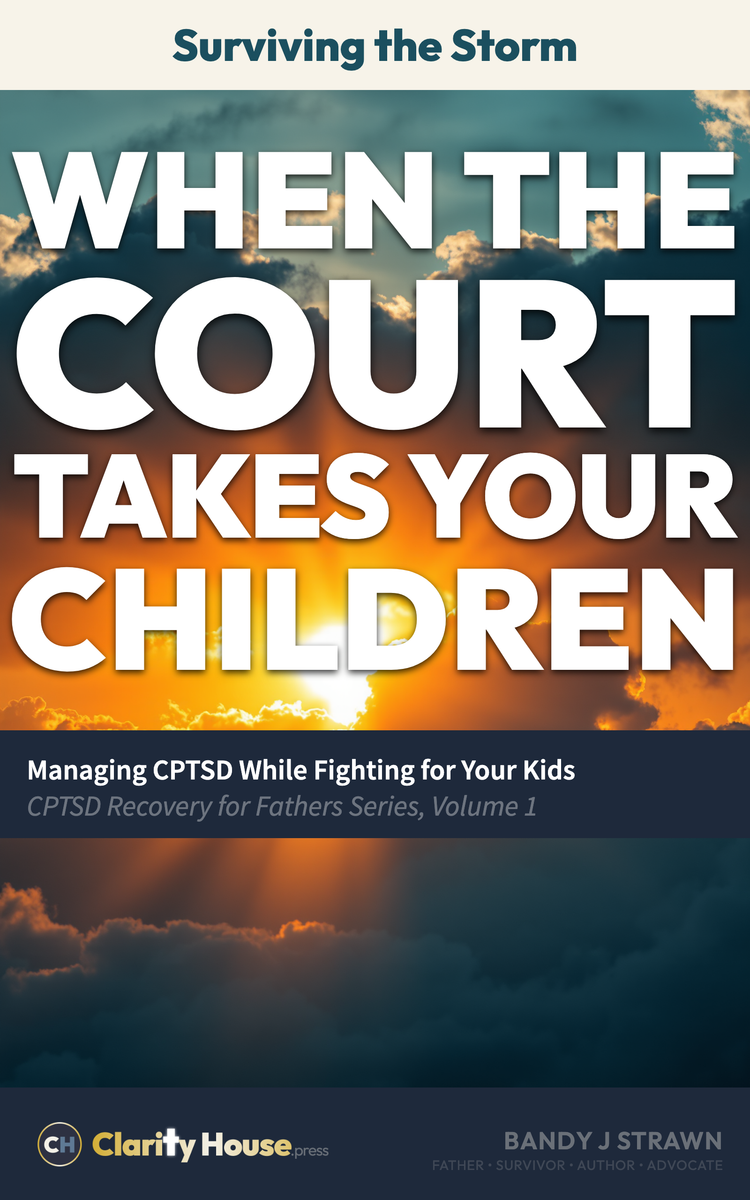
Surviving the Storm: When the Court Takes Your Children
Clarity House Press
For fathers in active high-conflict custody battles. Understand your CPTSD symptoms, begin stabilization, and build foundation for healing. 17 chapters covering recognition, symptoms, and the healing path.
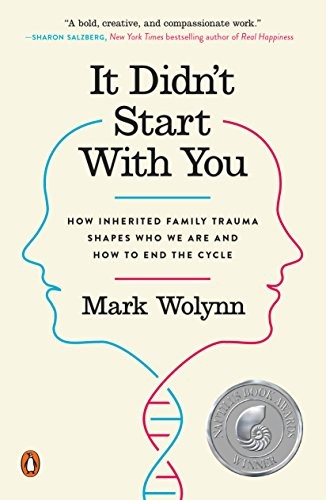
It Didn't Start with You
Mark Wolynn
Groundbreaking exploration of inherited family trauma and how to end intergenerational cycles.
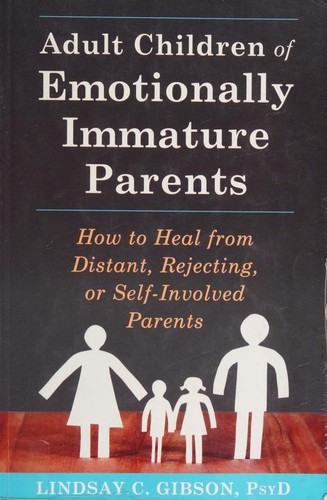
Adult Children of Emotionally Immature Parents
Lindsay C. Gibson, PsyD
A gentle, practical guide to understanding relationships with emotionally distant parents and reclaiming your inner life.
As an Amazon Associate, Clarity House Press earns from qualifying purchases. Your price is never affected.
Found this helpful?
Share it with someone who might need it.
Tags
About the Author
Clarity House Press
Editorial Team
The editorial team at Clarity House Press curates and publishes evidence-based content on narcissistic abuse recovery, high-conflict divorce, and healing. Our content is informed by research, survivor experiences, and established trauma-informed approaches.
View all posts by Clarity House Press →Published by Clarity House Press Editorial Team