Please read our important disclaimers before using this content
The abuse did not just wound you psychologically—it shattered your spiritual framework. If you were religious, you might be questioning how God could allow this, why your prayers were not answered, or whether faith leaders who supported your abuser can be trusted. If you were not religious, you might be struggling with existential questions: why do bad things happen, what is the point of trying, is there any meaning or justice in the universe?
Narcissistic abuse creates spiritual crisis because it confronts you with fundamental questions about meaning, justice, trust, and whether the world is ultimately safe or good. If the abuse also happened within a religious context — where scripture was weaponized or church leaders failed to protect you — healing from spiritual and religious trauma requires additional, specific attention.
Spiritual recovery does not require returning to religion (though it can). It requires rebuilding whatever gives your life meaning, purpose, and connection to something beyond trauma.
Understanding Spiritual Trauma
Spiritual trauma refers to damage to your relationship with faith, meaning, purpose, or the transcendent—whatever you understand those concepts to mean.
What Spiritual Trauma Looks Like
For religious survivors:
- Loss of faith in God or your understanding of the divine
- Anger at God for allowing the abuse
- Feeling abandoned by the divine
- Questioning religious teachings about suffering, marriage, forgiveness, or family
- Distrust of religious leaders or communities
- Inability to pray, worship, or practice as before
- Feeling cut off from spiritual community
- Guilt about doubting or leaving your faith
For non-religious survivors:
- Loss of belief in human goodness
- Existential crisis about meaning and purpose
- Nihilism or despair about life having any point
- Loss of faith in justice or fairness
- Questioning whether ethical behavior matters
- Feeling disconnected from any larger sense of meaning
- Difficulty finding reasons to hope or continue
- Cynicism about love, connection, and human nature
For everyone:
- Shattered sense of the world as safe or predictable
- Loss of trust in your own judgment about people
- Questioning everything you believed about relationships
- Feeling fundamentally alone in the universe
- Loss of hope about the future
Why Narcissistic Abuse Creates Spiritual Crisis
Trust violation at the deepest level: You trusted someone who betrayed that trust systematically. This doesn't just damage trust in that person—it damages trust itself. If you could be so wrong about someone you loved, what else are you wrong about? This disorientation is related to the complex PTSD symptoms that develop after sustained betrayal — including distorted perceptions of self, others, and the world.
Evil confronted directly: Narcissistic abuse confronts you with genuine malevolence—intentional cruelty, calculated manipulation, lack of empathy. Many belief systems struggle to explain evil, and encountering it up close challenges comfortable abstractions.
Prayer and faith "failed": If you prayed for the relationship to improve, for the abuse to stop, for God to change your partner—and nothing changed—your faith feels betrayed. Why didn't God intervene?
Religious communities failed: Many survivors experienced religious leaders who dismissed the abuse, counseled them to submit or try harder, or sided with the abuser. This isn't just bad advice—it's spiritual betrayal by those who claimed to represent the sacred.
Meaning structures collapsed: Whatever meaning you had attached to the relationship, the family, the future—it all collapsed. You're left with wreckage where you once had a coherent story about your life.
The Spiritual Crisis Spectrum
Spiritual crisis after abuse exists on a spectrum:
Spiritual Questioning
Characteristics:
- Doubting specific beliefs while maintaining broader faith
- Questioning the religious institution while still believing in God
- Wondering about meaning while still seeking it
- Feeling distant from spirituality but not rejecting it
This is normal. Spiritual questioning after trauma is healthy. It means you're processing what happened and integrating it into your worldview.
Spiritual Rupture
Characteristics:
- Significant loss of faith or meaning
- Feeling fundamentally disconnected from the sacred
- Anger at God, the universe, or life itself
- Inability to practice or engage with spirituality
- Active rejection of previous beliefs
This is also normal. Rupture is often necessary before reconstruction can happen. It means your previous spiritual framework couldn't hold what happened—and it needed to break so something more robust could be built.
Spiritual Despair
Characteristics:
- Complete loss of meaning or purpose
- Feeling that life is fundamentally pointless
- Hopelessness about recovery or the future
- Isolation from all sources of transcendence
- May overlap with depression
This needs attention. If spiritual despair is accompanied by depression, suicidal thoughts, or inability to function, professional help is essential. Spiritual crisis can become dangerous when it removes all reasons for living. Support groups for survivors can provide community and perspective during this acute phase — the validation of being truly understood by others who have been through similar experiences.
Processing Spiritual Pain
Before rebuilding, you need to process the spiritual pain. The VA National Center for PTSD recognizes that traumatic experiences can involve life threat, loss, or moral dilemmas that may challenge people's spiritual or religious beliefs, and clinicians should be aware that spiritual struggle may be relevant in clients' interpretation of events and subsequent recovery.
Allowing Anger at the Divine
If you're religious, you may need to be angry at God.
This is permitted. Many faith traditions have robust traditions of lament—expressing anger, pain, and disappointment to God. The Psalms contain explicit anger: "My God, my God, why have you forsaken me?" Job challenged God directly about injustice. Lament is not the opposite of faith; it's a form of faith.
What anger at God might sound like:
- "Why didn't you stop this?"
- "I trusted you to protect me, and you didn't."
- "Where were you when I was suffering?"
- "How could you let this happen?"
Suppressing this anger doesn't make it go away. It just goes underground, blocking genuine spiritual connection. Allow yourself to feel and express the anger, whether to God directly, in journaling, or with a spiritual director or therapist.
Grieving Spiritual Loss
You're grieving multiple losses:
- The faith or meaning you had before
- The community or practices that supported you
- The story you told about your life
- The sense that the world makes sense
- The connection to transcendence you once felt
Spiritual grief is real grief. It deserves the same respect and space as any other loss. Don't rush yourself to "get over it" or "find new faith quickly."
Naming the Spiritual Wounds
Specific wounds to name:
- "The church told me to stay, and staying nearly destroyed me."
- "I believed God would protect me, and I feel abandoned."
- "I can't pray anymore—it feels meaningless."
- "I don't know what I believe about anything."
- "I lost my community when I left the marriage."
- "I don't know who I am without my faith."
Naming the wounds specifically helps you address them specifically.
Paths to Spiritual Reconstruction
There is no single path to spiritual recovery. Research on spiritual well-being after trauma indicates that different patterns of appraisals and coping predict components of spiritual well-being (faith, meaning, and peace), and all three components—particularly meaning and peace—are related to psychological adjustment. Here are several possibilities:
Returning to Faith (Revised)
Some survivors return to their religious tradition—but with a revised understanding.
What revised faith might look like:
- Understanding God differently (less controlling, more companion in suffering)
- Distinguishing between God and the religious institution
- Finding communities that believe abuse is wrong
- Reinterpreting scriptures that were weaponized
- Embracing mystery and uncertainty alongside faith
- Integrating the dark night of the soul into spiritual maturity
This path requires:
- Working through anger and doubt rather than suppressing it
- Finding faith communities that support survivors
- Reconstructing theology that can hold trauma
- Patience—revised faith develops slowly
Finding New Faith Communities
If your original faith community was harmful, you might find better ones.
Healthier faith communities:
- Believe abuse is wrong, period
- Support survivors rather than protecting abusers
- Don't pressure you to reconcile or forgive prematurely
- Allow questions, doubt, and spiritual exploration
- Have healthy boundaries with leaders
- Practice what they preach about love and justice
Finding them:
- Look for affirming congregations (look up directories for your faith tradition)
- Ask other survivors for recommendations
- Visit multiple communities before committing
- Trust your gut—if it feels unsafe, it probably is
- Look for leaders who are accountable and transparent
Exploring New Spiritual Traditions
Some survivors find meaning in traditions different from their upbringing.
Possibilities to explore:
- Other branches of your original faith
- Different religions entirely
- Indigenous or earth-based spirituality
- Buddhism, Hinduism, or Eastern traditions
- Secular spirituality or humanism
- Twelve-step spirituality (concept of Higher Power)
Guidelines for exploration:
- Go slowly—spiritual shopping can become avoidance
- Look for communities, not just concepts
- Beware of high-demand groups or cults (trauma survivors are vulnerable)
- Let resonance guide you—what actually helps?
- Exploration can be permanent or temporary
Secular Meaning-Making
Faith is not required for meaning. Many survivors find deep meaning through secular paths.
Sources of secular meaning:
- Connection to other humans
- Service and contribution
- Creative expression
- Nature and the natural world
- Science and understanding
- Beauty and art
- Ethical living
- Legacy and impact
Secular meaning-making frameworks:
- Existential philosophy (creating meaning through choice)
- Humanism (human flourishing as highest value)
- Stoicism (virtue and acceptance)
- Secular Buddhism (practices without religious beliefs)
- Ethical frameworks that don't require the divine
Sitting with Not Knowing
Some survivors find that spiritual reconstruction takes years—and that's okay.
The "in-between" space:
- Not committed to previous faith
- Not committed to new faith
- Not committed to no faith
- Exploring, questioning, sitting with uncertainty
This is a legitimate spiritual position. Many contemplative traditions honor "not knowing" as spiritually mature. You don't have to have answers to live a meaningful life.
Practical Steps for Spiritual Recovery
Working with Spiritual Care Providers
Research shows that positive religious coping—which includes attempts to gain comfort, intimacy, and closeness with God—is generally associated with fewer symptoms of psychological distress and greater reports of psychological growth after traumatic events.
Types of spiritual care:
- Spiritual directors (trained companions for spiritual exploration)
- Chaplains (often available through hospitals, hospices, or crisis centers)
- Pastoral counselors (therapists with religious training)
- Clergy who understand trauma
- Therapists who integrate spirituality
Questions to ask:
- Do you have experience with trauma survivors?
- How do you handle doubt and questioning?
- What's your view on abuse and forgiveness?
- Can you support me if I leave my faith tradition?
- How do you integrate spirituality and psychology?
Practices for Spiritual Healing
Contemplative practices:
- Meditation (religious or secular)
- Centering prayer
- Journaling about meaning and questions
- Lectio divina (sacred reading)
- Walking meditation or prayer walks
Embodied practices:
- Yoga (originally a spiritual practice)
- Singing or chanting
- Creative expression as spiritual practice
- Time in nature as connection to the transcendent
- Ritual and ceremony
Community practices:
- Finding safe spiritual community
- Service to others
- Participating in traditions that feel meaningful
- Creating new rituals for your healing journey
- Connection with other survivors on spiritual paths
Reclaiming What Was Stolen
Abusers often weaponize religion and spirituality. Part of recovery is reclaiming what was stolen.
If they used religion to control you:
- You can reclaim your faith tradition apart from them
- The abuse was about them, not about God
- Their interpretation was wrong, not necessarily all interpretation
If they used spiritual language:
- "Forgiveness" doesn't mean what they said it means
- "Submission" was their tool, not divine will
- "God's plan" doesn't include abuse
If they damaged your sense of meaning:
- They don't get to define meaning for you
- Your search for meaning is yours alone
- Creating meaning is an act of resistance
Spiritual Bypassing Warning
Beware of spiritual bypassing—using spiritual concepts to avoid dealing with difficult emotions.
Signs of Spiritual Bypassing
Premature forgiveness:
- Forgiving to skip the grief and anger
- Forgiving because you "should"
- Forgiving to appear spiritual
- Forgiving before processing what happened
Toxic positivity:
- "Everything happens for a reason" used to avoid pain
- "God has a plan" used to dismiss suffering
- "Just trust" used to avoid legitimate questions
- "Focus on gratitude" used to suppress grief
Avoidance through transcendence:
- Using meditation to escape rather than heal
- Using spiritual community to avoid individual work
- Using religious busyness to avoid dealing with trauma
- Using "faith" as reason not to get professional help
Healthy Spirituality vs. Bypassing
Healthy spirituality:
- Integrates darkness and light
- Allows questions and doubt
- Processes emotions rather than transcending them
- Supports rather than replaces therapy
- Develops gradually through authentic experience
Spiritual bypassing:
- Jumps to light without processing darkness
- Demands certainty and answers
- Uses spirituality to escape emotions
- Substitutes spiritual practice for needed treatment
- Adopts beliefs quickly without integration
Your Next Steps
This week:
- Notice your current spiritual state without judgment
- Name specific spiritual wounds from the abuse
- Allow yourself to feel spiritual grief or anger
- Identify what meaning-making supported you before abuse
This month:
- Explore one practice that might support spiritual healing
- Consider whether you need professional spiritual care
- Connect with one person who understands spiritual crisis
- Journal about questions you're carrying about meaning and faith
Long-term:
- Allow spiritual reconstruction to happen at its own pace
- Explore paths that resonate without forcing conclusions
- Build practices that support meaning and connection
- Integrate spirituality with other recovery work
Remember: Your spiritual crisis is a natural response to having your world turned upside down. The abuse damaged your ability to trust—and spirituality requires trust. The shattering of your previous meaning structures, while painful, creates space for something more robust to grow.
You don't have to have answers. You don't have to return to previous faith. You don't have to find new faith. You just have to keep living, keep questioning, and keep being open to meaning wherever you find it.
The divine—however you understand it—was not the abuser. The universe—however you understand it—is not defined by one person's cruelty. There is more than what they did to you. Finding that "more" is spiritual recovery.
Resources
Spiritual Healing and Religious Trauma:
- Recovering From Religion - Support for spiritual healing after religious trauma
- JourneyFree - Dr. Marlene Winell's religious trauma syndrome resources
- Center for Action and Contemplation - Richard Rohr's contemplative spirituality resources
- Faith Trust Institute - Faith-based response to domestic violence
Mental Health and Trauma Support:
- Psychology Today Therapist Finder - Search for trauma-informed therapists
- National Alliance on Mental Illness (NAMI) - Mental health education and support
- EMDR International Association - Find certified EMDR therapists
- SAMHSA National Helpline - 1-800-662-4357 (24/7)
Crisis Support:
- 988 Suicide & Crisis Lifeline - Call or text 988 (24/7)
- Crisis Text Line - Text HOME to 741741
- National Domestic Violence Hotline - 1-800-799-7233 (SAFE)
Recommended Reading
From Clarity House Press — plus trusted books for deeper understanding
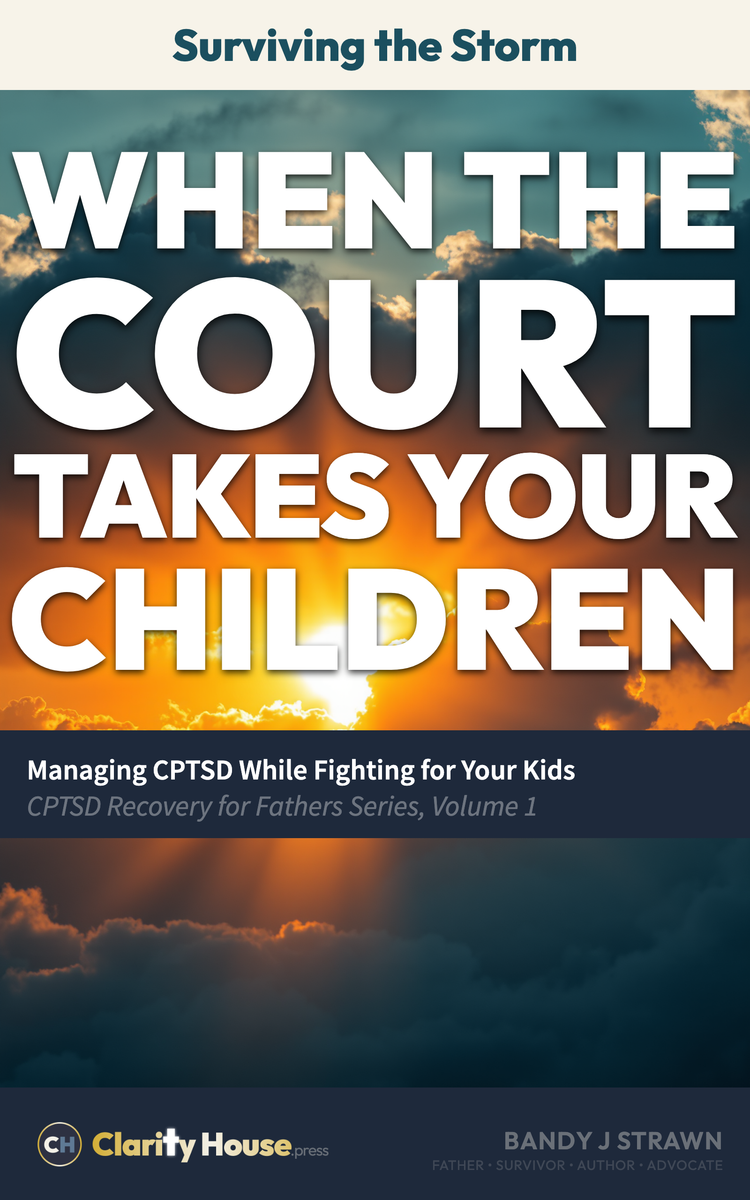
Surviving the Storm: When the Court Takes Your Children
Clarity House Press
For fathers in active high-conflict custody battles. Understand your CPTSD symptoms, begin stabilization, and build foundation for healing. 17 chapters covering recognition, symptoms, and the healing path.
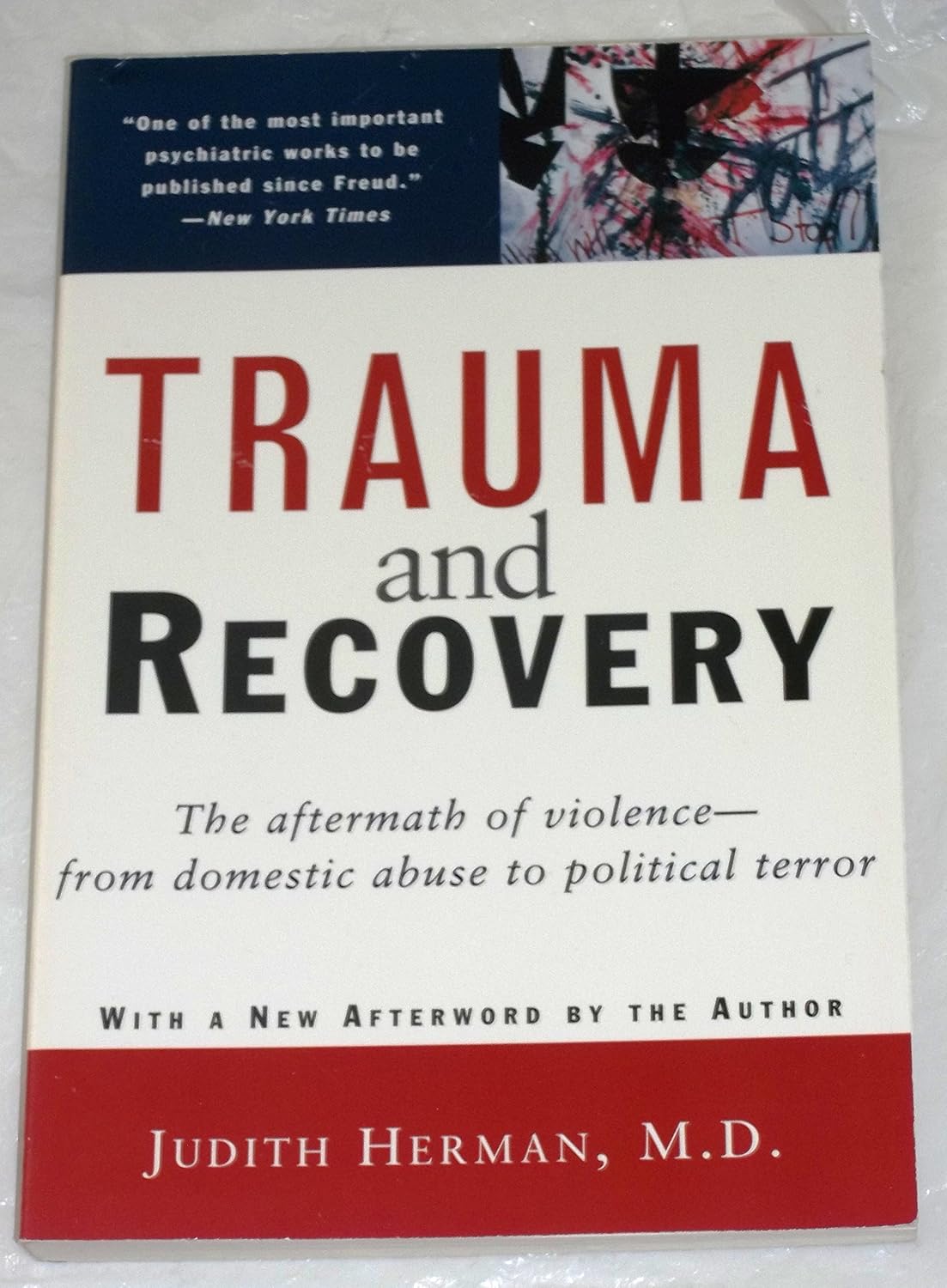
Trauma and Recovery
Judith Lewis Herman, M.D.
The seminal framework for understanding trauma and the stages of recovery — safety, remembrance, and reconnection.
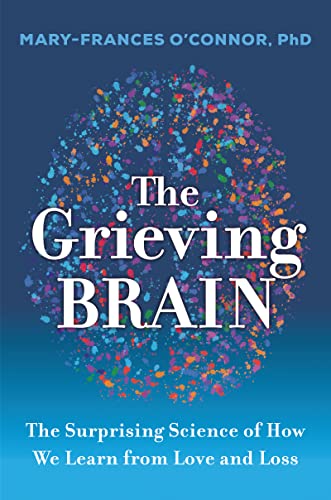
The Grieving Brain
Mary-Frances O'Connor, PhD
An accessible tour of the neuroscience of grief — why loss feels the way it does, and how the brain slowly relearns the world.
As an Amazon Associate, Clarity House Press earns from qualifying purchases. Your price is never affected.
Found this helpful?
Share it with someone who might need it.
About the Author

Clarity House Press
Editorial Team
The editorial team at Clarity House Press curates and publishes evidence-based content on narcissistic abuse recovery, high-conflict divorce, and healing. Our content is informed by research, survivor experiences, and established trauma-informed approaches.
View all posts by Clarity House Press →Published by Clarity House Press Editorial Team