Please read our important disclaimers before using this content
If you're reading this, you're likely facing a particular kind of pain that few people truly understand. When the faith community that promised sanctuary becomes the source of your trauma, when scripture meant to comfort is weaponized to control, when spiritual leaders abuse their authority, the wounds cut deep into your identity, belief system, and sense of safety in the world.
Spiritual abuse and religious trauma are real, documented phenomena with measurable psychological impacts.1 This isn't about having doubts or disagreeing with doctrine. This is about systematic manipulation, control, and harm inflicted through religious systems and spiritual authority. The manipulation tactics used in spiritually abusive settings closely mirror those used in narcissistic abuse relationships — including gaslighting, isolation, and coercive control, simply wrapped in religious language.
This article provides practical guidance for understanding spiritual abuse, recognizing religious trauma syndrome, navigating the deconstruction process, and rebuilding your life—with or without faith—on your own terms.
Understanding Spiritual Abuse and Religious Trauma
What Is Spiritual Abuse?
Spiritual abuse occurs when religious authority, doctrine, or spiritual power is used to control, manipulate, or harm others. Unlike theological disagreement or strict religious practice, spiritual abuse involves systematic patterns of coercion, exploitation, and psychological manipulation cloaked in religious language.
Dr. Lisa Oakley and Justin Humphreys, leading researchers in spiritual abuse, define it as "a form of emotional and psychological abuse characterized by a systematic pattern of coercive and controlling behavior in a religious context." This abuse damages a person's spiritual development, religious experience, and often their entire worldview.
Spiritual abuse can occur in any religious tradition—Christian, Jewish, Muslim, Hindu, Buddhist, or other faith communities. It happens in large institutional churches, small independent congregations, cults, and even one-on-one spiritual mentoring relationships.
Religious Trauma Syndrome
Dr. Marlene Winell, a psychologist who specializes in recovery from religious indoctrination, coined the term "Religious Trauma Syndrome" (RTS) to describe the cluster of symptoms experienced by individuals leaving authoritarian religious groups.2 Research demonstrates that religious trauma produces symptoms consistent with PTSD and Complex PTSD presentations.34
Religious Trauma Syndrome includes:
- Cognitive symptoms: Difficulty with critical thinking, black-and-white thinking patterns, confusion about reality, trouble making decisions without seeking divine guidance
- Emotional symptoms: Depression, anxiety, panic attacks, grief, anger, feelings of being "damaged goods," shame about normal human needs and desires
- Social symptoms: Loss of social network, family estrangement, difficulty trusting others, social anxiety, feeling like an outsider in mainstream culture
- Identity symptoms: Confusion about who you are outside the religious identity, loss of meaning and purpose, existential crisis
While not currently recognized as a formal diagnosis in the DSM-5, RTS symptom clusters align closely with Complex Post-Traumatic Stress Disorder (C-PTSD), and many religious trauma survivors meet diagnostic criteria for PTSD, anxiety disorders, or depression.
Research by Dr. Winell and others demonstrates that religious trauma creates measurable psychological harm comparable to other forms of complex trauma, particularly when the abuse began in childhood.
Characteristics of Spiritually Abusive Systems
Not all strict religious communities are abusive, but certain characteristics consistently appear in spiritually abusive environments:
Authoritarian Leadership Leadership operates with unquestioned authority. The pastor, priest, imam, rabbi, or spiritual leader's interpretations are presented as God's direct will. Questioning leadership equals questioning God. Leaders often claim special revelation, unique anointing, or spiritual authority that places them beyond accountability.
Thought Control and Information Management Members are discouraged from reading materials outside approved sources, questioning doctrine, or exposing themselves to "worldly" perspectives. Critical thinking is framed as lack of faith. Doubt is sin. Questions are spiritual rebellion.
Us vs. Them Mentality Sharp boundaries exist between the "faithful" and the "world." Outsiders are dangerous, deceived, or demonic. Former members are shunned, slandered, or portrayed as backslidden and bound for hell. This creates intense fear of leaving and cuts members off from outside perspective.
Perfectionism and Impossible Standards Members face constantly moving goalposts. You're never spiritual enough, submitted enough, faithful enough. Normal human limitations are framed as spiritual failure. Grace is preached but not practiced.
Shame and Fear-Based Control Compliance is maintained through shame about inherent sinfulness, fear of hell, fear of God's punishment, fear of demonic attack, and fear of losing salvation. These fears create hypervigilance and chronic anxiety.
Suppression of Individuality Personal needs, boundaries, feelings, and desires are framed as selfishness or carnality. Conformity to group norms is spiritualized. Unique gifts, questions, or perspectives that don't fit the system are suppressed.
Spiritual Elitism The group has special truth, special calling, or special favor that others lack. Members are the elect, the remnant, the truly committed. This creates superiority and isolation from broader communities.
Exploitation of Members Leaders exploit members for money, labor, sexual access, or other resources. This exploitation is framed as service to God, spiritual investment, or faith testing.
Spiritual Abuse Tactics: How It Happens
Weaponized Scripture
Scripture becomes a tool for control rather than spiritual nourishment. Specific passages are cherry-picked and twisted to justify abuse while ignoring broader context, themes of mercy, justice, and love.
Common examples include:
- Submission passages used to trap women in abusive marriages ("Wives submit to your husbands")
- Obedience to authority used to silence dissent ("Obey your leaders and submit to them")
- Suffering passages used to normalize abuse ("Take up your cross"; "Count it all joy")
- Forgiveness passages used to prevent accountability ("Forgive seventy times seven"; "Turn the other cheek")
- Judgment passages used to instill fear ("Depart from me, I never knew you")
The same scriptures, in healthy contexts, communicate love, mutual respect, sacrifice, reconciliation, and justice. In abusive contexts, they become weapons that trap, silence, and harm.
Spiritual Gaslighting
Spiritual gaslighting involves denying your perception of reality and attributing your concerns to spiritual deficiency — a pattern that parallels how gaslighting works in abusive relationships more broadly. When you raise legitimate concerns, you're told:
- "You're being influenced by demons"
- "You don't have enough faith"
- "God is testing you"
- "You're in rebellion against authority"
- "The enemy is using you to divide the church"
- "You're too carnal/worldly/intellectual to understand spiritual things"
This causes you to doubt your own discernment, perception, and even sanity. You begin to mistrust yourself and rely entirely on leadership's interpretation of reality.
Fear of Hell and Eternal Consequences
Perhaps the most psychologically damaging tactic is the weaponization of hell, damnation, and eternal consequences. In abusive religious systems, hell becomes a tool for behavioral control.
Leaving the group equals leaving God. Questioning leadership equals eternal separation from God. Normal developmental doubts equal apostasy. This creates paralyzing fear that makes escape psychologically impossible even when physical departure is feasible.
For many religious trauma survivors, fear of hell persists years after leaving, creating intrusive thoughts, panic attacks, and existential terror.
Spiritual Bypassing
Leaders use spiritual platitudes to dismiss real problems, legitimate feelings, and justified anger. Instead of addressing harm, members are told to "just pray more," "have more faith," "forgive and forget," or "God works all things for good."
This prevents processing of trauma, blocks healthy emotional responses, and maintains abusive systems by framing problems as individual spiritual failure rather than systemic dysfunction.
The Intersection of Spiritual Abuse and Narcissistic Abuse
Spiritual abuse frequently overlaps with narcissistic abuse, particularly when religious leaders exhibit narcissistic personality patterns. The religious context provides unique cover for narcissistic dynamics:
Divine Authority as Narcissistic Supply The narcissistic leader doesn't just demand obedience—they claim to speak for God. Disagreeing with them is framed as disagreeing with the divine. This provides unlimited narcissistic supply and makes accountability nearly impossible.
Spiritual Language Obscures Manipulation Classic narcissistic tactics—gaslighting, DARVO (Deny, Attack, Reverse Victim and Offender), love bombing, devaluation, hoovering—are all repackaged in spiritual language. The abuse is harder to recognize and name when it's cloaked in prayer, prophecy, and pastoral concern.
Religious Community as Flying Monkeys The congregation becomes unwitting enablers. When victims speak out, fellow members defend the leader, report doubters to leadership, and enforce shunning. The entire community structure serves narcissistic defense mechanisms.
Isolation Through Spiritual Separation Just as narcissistic abusers isolate victims from outside support, spiritually abusive systems isolate members from "worldly" influences, creating total dependence on the religious community and leader.
Many survivors of spiritual abuse recognize they were in narcissistically abusive relationships with religious leaders or systems. Understanding this intersection helps name dynamics that felt confusing and validates experiences that were dismissed as "spiritual warfare."
Specific Challenges in High-Control Religious Communities
Shunning and Relational Cutoff
Many high-control religious groups practice formal or informal shunning. When you leave or are expelled, members are instructed to cut contact. This can mean:
- Parents refusing contact with adult children
- Loss of your entire friend network overnight
- Business relationships and employment lost
- Being treated as dead at family gatherings
- Former friends crossing the street to avoid you
The psychological impact of shunning is severe. Neuroscience research on ostracism demonstrates it activates the same brain regions as physical pain.5 For individuals raised in these communities, shunning means loss of everyone and everything you've ever known.
Total Identity Reconstruction
In enmeshed religious communities, your entire identity is built around the faith: your worldview, values, daily practices, social network, career choices, how you dress, what you eat, how you speak, what you read, who you marry, how you parent. Your internal sense of self is inseparable from the religious identity.
Leaving requires reconstructing identity from the ground up. Questions like "Who am I without this faith?" or "What do I actually believe?" or "What do I want?" may be entirely foreign. You're learning to be a person, not just a member.
Economic Entanglement
Some religious communities create financial dependence: working only for church-affiliated businesses, tithing that prevents savings, unpaid labor for ministry, financial decisions made by leadership. Leaving may mean economic devastation with no safety net.
Geographic Isolation
Insular religious communities may be geographically concentrated. Everyone in your town attends the same church. Your children's school is church-affiliated. Local businesses are run by members. Leaving the faith means potentially relocating entirely to escape the social consequences.
The Deconstruction Process and Faith Crisis
What Is Deconstruction?
Deconstruction is the process of critically examining religious beliefs you've held, often since childhood, and determining what you actually believe versus what you've been told to believe. It's dismantling the belief structure to see which pieces hold up to scrutiny and which were built on fear, manipulation, or faulty reasoning.
For some, deconstruction leads to reconstruction: building a healthier faith framework. For others, it leads to deconversion: leaving religion entirely. Both paths are valid.
Phases of Deconstruction
While everyone's journey is unique, common patterns emerge:
The Trigger Something creates a crack in the foundation: witnessing hypocrisy, experiencing abuse, learning historical facts about your tradition, encountering contradictions in scripture, or seeing harmful outcomes of beliefs.
The Avalanche Once you start questioning, other questions follow. The entire structure becomes suspect. Everything you've believed is up for examination. This phase is often terrifying and disorienting.
The Anger Phase As you recognize manipulation, lies, and harm, rage is a common response. You were betrayed by people and systems you trusted most. Anger is a healthy, necessary part of processing.
The Grief Phase Profound loss follows: loss of community, certainty, identity, relationships, meaning, and possibly your concept of God. This grief is real and deserves space to be felt.
The Rebuilding Phase Eventually, most people begin exploring what they do believe, what values they hold, and what kind of life they want to build. This may include modified faith, different spiritual practice, secular meaning-making, or agnosticism/atheism.
The Faith Crisis
A faith crisis often accompanies deconstruction. Questions that were previously off-limits become unavoidable:
- Is God real, or is this just what I was conditioned to believe?
- If God is real, is God good given the suffering I've experienced and witnessed?
- Can I trust my spiritual experiences, or were they psychological phenomena?
- What happens after death if not heaven and hell?
- Is there meaning and purpose outside religious framework?
These questions can trigger existential terror, particularly if you've been taught that doubt equals damnation. The crisis is intensified by loss of community and fear of consequences.
Working through faith crisis requires time, support, and often professional help from therapists who understand religious trauma.
Survivor Stories: Different Religious Backgrounds
Sarah's Story: Evangelical Purity Culture
Sarah grew up in a conservative evangelical church where purity culture was central to youth ministry. She was taught that her virginity was her gift to her future husband, that modesty was her responsibility to prevent men from sinning, and that sexual feelings were shameful.
She married at 19 to her first boyfriend to avoid sexual sin. The marriage was sexually dysfunctional—years of shame didn't disappear at the altar—and emotionally abusive. When she tried to leave, church leaders counseled submission and told her divorce would devastate her husband's ministry.
After finally leaving both the marriage and the church, Sarah spent years in therapy addressing sexual shame, learning that her body wasn't an object to guard or give away, and rebuilding her understanding of consent, desire, and autonomy. She now identifies as a progressive Christian but no longer attends church.
"The trauma wasn't just the abuse in my marriage," Sarah explains. "It was the entire framework that taught me I existed for male approval and God's glory, never for myself. Recovering meant learning I'm a whole person with inherent worth, not a purity object."
Michael's Story: Authoritarian Leadership in a Charismatic Church
Michael was part of a charismatic church with a magnetic senior pastor who claimed direct prophetic revelation. Members were organized into "covenant groups" with leaders who monitored spiritual growth, approved major life decisions, and reported concerns to senior leadership.
When Michael felt called to attend graduate school out of state, his covenant leader denied permission, saying God revealed this wasn't His will. Michael submitted but grew increasingly resentful. When he began questioning other directives, he was labeled rebellious and subjected to "spiritual discipline."
After finally leaving, Michael experienced severe anxiety, depression, and intrusive thoughts that God would punish his rebellion. It took three years of therapy specializing in religious trauma before he could trust his own decision-making.
"I couldn't make simple choices without panic," Michael remembers. "What to eat for dinner felt like a test where wrong choices meant divine rejection. I had to relearn that I'm allowed to want things, make choices, and even make mistakes without cosmic consequences."
Rivka's Story: Leaving Ultra-Orthodox Judaism
Rivka was raised in a Hasidic community in Brooklyn. Her entire world was Yiddish-speaking, religiously observant, and completely separate from secular culture. She had an arranged marriage at 18 and four children by 25.
After discovering her husband was having an affair, Rivka began questioning the rigid gender roles and restrictions in her community. When she cut her hair and started wearing pants, whispers spread. When she questioned religious authorities, she was ostracized.
Leaving meant losing her children in a custody battle to a community-supported ex-husband. It meant learning English, getting a GED, navigating secular employment with no work history, and living estranged from her entire family.
"People don't understand what it means to leave," Rivka says. "It's not like leaving a church and finding another one. It's like being an immigrant in your own country. Everything—language, cultural references, how to dress, what's normal—I had to learn from scratch. And I lost my children. The price of freedom was everything."
Rebuilding Spirituality (Or Not) After Religious Trauma
The Full Spectrum of Options
There is no one right path after religious trauma. Survivors forge diverse spiritual paths:
Secular/Atheist/Agnostic: Many survivors leave religion entirely, finding meaning in humanism, relationships, nature, social justice, or simple presence in life without metaphysical framework.
Spiritual But Not Religious: Some maintain spiritual practices—meditation, prayer, connection to something transcendent—without organized religion.
Different Religious Tradition: Some find healing in faith traditions radically different from their origin: former evangelicals becoming Buddhist, former Catholics becoming Pagan, former Muslims becoming Unitarian Universalist.
Progressive/Deconstructed Version of Origin Faith: Some stay within their tradition's framework but reconstruct beliefs around justice, inclusion, mystery, and love rather than control and fear.
No Label Necessary: Some resist categorization entirely, holding questions without needing answers, embracing uncertainty.
All paths are valid. Your spirituality (or lack thereof) is yours to determine.
Healthy Spirituality Markers
If you choose to engage with spirituality or religion after trauma, markers of health include:
- Questions welcomed: Doubt is treated as part of faith, not opposition to it
- Mutual respect: No spiritual hierarchy where some people are more spiritual than others
- Personal autonomy: You make your own decisions about beliefs, practices, and participation
- Transparent leadership: Leaders are accountable, finances are open, power isn't concentrated
- Grace for humanity: Normal human needs, feelings, and limitations are accepted
- No coercion: Participation is truly voluntary; leaving doesn't result in shunning
- Intellectual honesty: Science, reason, and evidence are valued alongside faith
- Justice-oriented: Focus on reducing harm and increasing flourishing, not maintaining power structures
Red Flags to Avoid
When exploring new spiritual communities, watch for familiar patterns:
- Love bombing followed by increasing control
- Pressure to cut ties with concerned friends or family
- Financial pressure or requirement to share financial information
- Exclusive truth claims ("We have what others don't")
- Charismatic leader whose authority can't be questioned
- Information control or discouragement from outside reading
- Us vs. them mentality about outsiders
- Shame-based messaging about inherent unworthiness
- Rapid escalation of commitment expected
Trust your instincts. If something feels familiar in a bad way, it probably is. For more on what healthy communities and relationships look like — the qualities to seek rather than red flags to avoid — see recognizing green flags in healthy relationships.
Therapy for Religious Trauma
Finding the Right Therapist
Not all therapists understand religious trauma. Many well-meaning therapists minimize it, miss spiritual abuse dynamics, or inadvertently reinforce religious messaging.
Essential qualifications to seek:
- Experience with religious trauma, spiritual abuse, or cult recovery
- Understanding of Complex PTSD
- Familiarity with authoritarian systems and coercive control
- No pressure to maintain faith or return to religion
Screening questions for potential therapists:
- "Do you have experience working with religious trauma or spiritual abuse?"
- "Are you familiar with high-control religious groups and coercive dynamics?"
- "Do you have your own religious beliefs that might affect treatment?"
- "Will you support my exploration even if it leads to leaving faith entirely?"
Types of therapy particularly helpful:
Trauma-focused therapies have strong evidence for treating PTSD symptoms:6
- Trauma-focused therapy (EMDR, Somatic Experiencing, IFS, CPT) addresses the neurological impact of trauma.7 EMDR in particular demonstrates significant effectiveness, with remission rates ranging from 36% to over 90% across multiple studies.
- Cognitive-behavioral approaches help identify and challenge harmful thought patterns installed by religious systems
- Narrative therapy helps externalize harmful beliefs and reconstruct your story
- Group therapy with other religious trauma survivors reduces isolation
Secular vs. Faith-Based Therapy
Many religious trauma survivors need secular therapists, at least initially. Religious language, prayer in session, or scripture-based interventions can be triggering when you're healing from spiritual abuse.
If you want to maintain or explore faith, eventually working with a progressive faith-based therapist might be helpful. But especially early in recovery, therapist neutrality about your religious choices is essential.
What Therapy Can Address
Effective therapy for religious trauma addresses:
- PTSD symptoms (intrusive thoughts about hell, panic attacks, hypervigilance)
- Cognitive distortions installed by religious teaching
- Shame about normal human experiences (sexuality, anger, doubt, ambition)
- Difficulty making decisions without seeking divine approval
- Fear-based thinking patterns
- People-pleasing and fawning responses
- Difficulty setting boundaries
- Rebuilding identity outside religious framework
- Processing grief and loss
- Developing self-trust and internal authority
Practical Challenges After Leaving
Leaving Your Religious Community
Physical departure is often easier than psychological separation. Practical challenges include:
Announcing your departure: You don't owe anyone an explanation, but you may want to communicate clearly with close relationships. Expect pushback, attempts to "win you back," and potential shunning.
Handling flying monkeys: Former friends may reach out with "concern," subtle manipulation, or attempts to report information back to leadership. Boundaries are essential.
Managing family relationships: Family members still in the faith may pressure, plead, or cut contact. This is profoundly painful. You can't control their response, only your own boundaries.
Creating new community: Loneliness after leaving is real. Building new community takes time. Look for recovery groups, secular communities, or interest-based social connections.
Relationship Losses
The relational cost of leaving can be devastating. You may lose:
- Parents and siblings who choose the faith over relationship with you
- Your spouse if they don't deconstruct alongside you
- Lifelong friends who were only friends within the religious context
- Mentors and spiritual parents who invested in your development
- Professional networks if you worked in ministry or faith-based organizations
Grief these losses. They're real. The fact that you chose freedom doesn't make the pain less legitimate.
Identity Reconstruction
Who are you when your entire identity was "Christian," "devoted Muslim," "faithful daughter of the church"?
Identity reconstruction involves:
- Discovering your preferences: What do you actually like, not what you were told to like?
- Exploring your values: What matters to you, not what you were told should matter?
- Developing your voice: What do you think, separate from what authority figures think?
- Trying new experiences: Experimenting with things that were forbidden
- Accepting uncertainty: Living with questions instead of imposed answers
- Building new communities: Finding people who appreciate you as you are
This process takes years. Be patient with yourself.
Practical Life Skills
If you were raised in insular communities, you may lack practical life skills:
- Navigating secular employment
- Understanding mainstream cultural references
- Managing finances without tithing expectations
- Making medical decisions without faith healing framework
- Approaching education and critical thinking
- Understanding consent and healthy relationship dynamics
- Setting boundaries without guilt
You're not deficient—you're learning skills you were never taught. Resources like community colleges, life coaches, or online tutorials can help fill gaps.
Resources for Religious Trauma Survivors
Books and Websites
- Leaving the Fold by Dr. Marlene Winell - The foundational text on religious trauma syndrome
- Pure by Linda Kay Klein - Examination of purity culture's harm, particularly to women
- The Subtle Power of Spiritual Abuse by David Johnson and Jeff VanVonderen - Naming spiritual abuse dynamics
- Educated by Tara Westover - Memoir of leaving fundamentalist Mormon upbringing
- RecoveringFromReligion.org - Secular support and resources for leaving religion
- JourneyFree.org - Dr. Marlene Winell's religious trauma recovery resources
- The Life After Podcast - Podcasts and resources for post-religious life
Support Communities
- Recovering From Religion Hotline - 1-844-368-2848 (1-84-I-DOUBT-IT), helpline for people questioning religion
- r/ExChristian, r/ExMuslim, r/ExJW, r/ExMormon (Reddit) - Online communities for specific faith backgrounds
- Secular Therapy Project - Directory of secular therapists
- International Cultic Studies Association (ICSA) - Resources on high-control groups and recovery
Professional Support
Seek therapists specializing in:
- Religious trauma or spiritual abuse
- Cult recovery
- Complex PTSD
- Identity development
- Existential therapy
Key Takeaways
- Spiritual abuse is real trauma with measurable psychological impact, not just disagreement about doctrine
- Religious Trauma Syndrome describes the cluster of symptoms experienced when leaving authoritarian religious groups
- High-control religious systems share identifiable characteristics: authoritarian leadership, thought control, us vs. them thinking, fear-based compliance, and exploitation
- Deconstruction is a process that may lead to reconstruction of faith or complete deconversion—both are valid
- Therapy works best when the therapist understands religious trauma and doesn't pressure you toward any particular spiritual outcome
- Practical challenges are real: relationship losses, identity reconstruction, and life skills development take time
- You're not alone: Thousands of people have walked this path and built meaningful lives on the other side
Your Next Steps
-
Today: Name what happened to you. If you experienced spiritual abuse or religious trauma, use those words. Naming is the beginning of healing.
-
This week: Identify one safe person—therapist, friend outside the faith, online support community—you can talk to honestly about your experience and questions.
-
This month: Begin researching therapists who specialize in religious trauma. Schedule consultations with two or three to find the right fit.
-
Ongoing: Practice self-compassion. Religious trauma creates shame, but you are not defective, rebellious, or deceived. You are healing from real harm. Progress isn't linear. Grief, anger, and doubt are all part of the process.
Resources
Religious Trauma and Spiritual Abuse Support:
- Recovering From Religion - Support for leaving religion, hotline 1-844-368-2848
- JourneyFree - Dr. Marlene Winell's religious trauma syndrome resources
- International Cultic Studies Association - Resources for cult recovery
- Secular Therapy Project - Find secular therapists for religious trauma
Mental Health and Trauma Support:
- Psychology Today Therapist Finder - Search for religious trauma specialists
- National Alliance on Mental Illness (NAMI) - Mental health education and support
- EMDR International Association - Find certified EMDR therapists
- SAMHSA National Helpline - 1-800-662-4357 (24/7)
Crisis Support:
- 988 Suicide & Crisis Lifeline - Call or text 988 (24/7)
- Crisis Text Line - Text HOME to 741741
- National Domestic Violence Hotline - 1-800-799-7233 (SAFE)
References
NOTE ON HOTLINE NUMBERS: Phone numbers for crisis hotlines, legal aid, and support services are provided as a resource. These numbers are current as of publication but may change. Please verify hotline numbers are still active before relying on them. For the National Domestic Violence Hotline, visit thehotline.org for current contact information.
References
- Koch, B. R., Lyons, J. S., & McCreary, B. S. (2022). Development of the Spiritual Harm and Abuse Scale. Journal for the Scientific Study of Religion, 61(2), 250-270. https://onlinelibrary.wiley.com/doi/abs/10.1111/jssr.12792 ↩
- Singh, Yadav, Chauhan, & Agrawal (2024). Religious trauma syndrome: The futile fate of faith.. Industrial psychiatry journal. https://pmc.ncbi.nlm.nih.gov/articles/PMC11553601/ ↩
- Leo, D., Izadikhah, Z., Fein, E. C., & Ahmadi Forooshani, S. (2021). The effect of trauma on religious beliefs: A structured literature review and meta-analysis. Trauma, Violence, & Abuse, 22(5), 1120-1138. https://journals.sagepub.com/doi/10.1177/1524838019834076 ↩
- Stone, C. R. (2022). Christian shame and religious trauma. Religions, 13(10), 925. https://www.mdpi.com/2077-1444/13/10/925 ↩
- Eisenberger, N. I., Williams, A. C., Cyranowski, J. M., Ninan, P. T., & Dab, S. (2009). Perceived ostracism and social distress: Activation of pain-responsive brain regions. NeuroImage, 47(1), 300-306. https://pubmed.ncbi.nlm.nih.gov/19588897/ ↩
- U.S. Department of Veterans Affairs & Department of Defense. (2023). VA/DoD clinical practice guideline for management of post-traumatic stress disorder. https://www.ptsd.va.gov/professional/treat/txessentials/emdr_pro.asp ↩
- de Jongh, A., Amann, B. L., Hofmann, A., Farrell, D., Rozental, A., & Cuijpers, P. (2024). State of the science: Eye movement desensitization and reprocessing (EMDR) therapy. Journal of Traumatic Stress, 37(1), 66-82. https://onlinelibrary.wiley.com/doi/10.1002/jts.23012 ↩
- Salter, M., & Carr, S. (2024). Trauma and mental health impacts of coercive control: A systematic review and meta-analysis. Trauma, Violence, & Abuse, 25(1), 87-105. https://pmc.ncbi.nlm.nih.gov/articles/PMC10666508/ ↩
- Marvin, C. A., & Irvine, J. P. (2024). Religious/spiritual abuse and trauma: A systematic review of the empirical literature. Spirituality in Clinical Practice, 11(1), 22-38. https://psycnet.apa.org/record/2022-92433-001 ↩
- Muskrat, T. Y., Porcaro, A. K., Worley, M. G., Franco, A. E., Parmenter, J. G., & Sánchez, F. J. (2025). "Being yourself is a sin": The impact of evangelical purity culture on sexual and gender minority people socialized as women. Sex Roles, 92(3), 121-142. https://journals.sagepub.com/doi/10.1177/00110000251352578 ↩
Recommended Reading
From Clarity House Press — plus trusted books for deeper understanding


Surviving the Storm: When the Court Takes Your Children
Clarity House Press
For fathers in active high-conflict custody battles. Understand your CPTSD symptoms, begin stabilization, and build foundation for healing. 17 chapters covering recognition, symptoms, and the healing path.
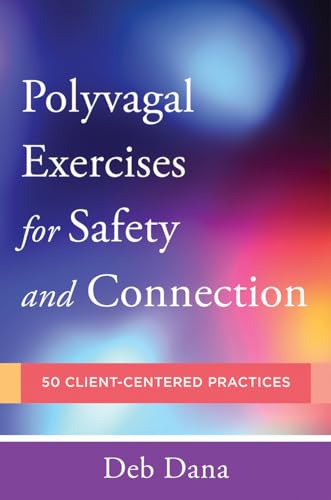
Polyvagal Exercises for Safety and Connection
Deb Dana, LCSW
50 client-centered practices for regulating the autonomic nervous system.
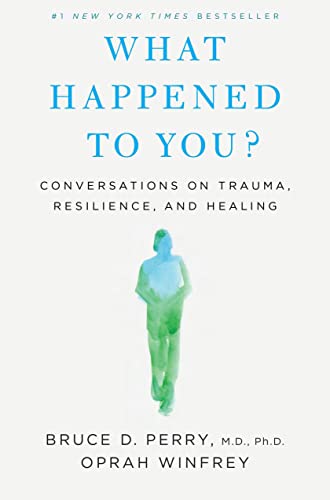
What Happened to You?
Bruce D. Perry, M.D., PhD & Oprah Winfrey
A conversational introduction to how early experience shapes us — reframing 'what's wrong with you' into 'what happened to you.'
As an Amazon Associate, Clarity House Press earns from qualifying purchases. Your price is never affected.
Found this helpful?
Share it with someone who might need it.
About the Author

Clarity House Press
Editorial Team
The editorial team at Clarity House Press curates and publishes evidence-based content on narcissistic abuse recovery, high-conflict divorce, and healing. Our content is informed by research, survivor experiences, and established trauma-informed approaches.
View all posts by Clarity House Press →Published by Clarity House Press Editorial Team