Please read our important disclaimers before using this content
And you notice: You're having nightmares. You're hypervigilant about your own relationship. You feel numb or cynical. You can't stop thinking about your client's case. You're exhausted in a way sleep doesn't fix.
You're experiencing secondary traumatic stress—also called vicarious trauma or compassion fatigue—the cost of caring for trauma survivors. And recognizing it isn't weakness or unsuitability for the work. It's a normal response to absorbing others' trauma that requires intentional management. Understanding complex PTSD in depth can help helpers recognize when their reactions reflect secondary trauma rather than their clients' symptoms.
What Is Secondary Trauma?
Secondary traumatic stress (STS) is the emotional distress that results from exposure to another person's traumatic experiences, particularly when you're in a helping role.
Key Characteristics
Indirect exposure:
- You didn't experience the trauma directly
- You're learning about it through survivors' accounts
- You're witnessing the aftermath and ongoing impacts
Similarity to PTSD: STS can produce symptoms that mirror PTSD[^1]:
- Intrusive thoughts or images from clients' stories
- Avoidance of trauma-related work or materials
- Hypervigilance and heightened startle response
- Difficulty sleeping
- Emotional numbing or detachment
- Irritability or anger
Sudden onset: Unlike burnout (which develops gradually), STS can appear quickly after exposure to particularly distressing material.
Related Concepts
Vicarious trauma:
- Broader than STS; includes changes to worldview and belief systems
- Can alter your trust in people, safety perceptions, sense of meaning
- Cumulative over time
Compassion fatigue:
- Reduced capacity for empathy and compassion
- Emotional exhaustion from constant empathic engagement
- Feeling depleted by others' needs
Burnout:
- Emotional exhaustion from work in general, not necessarily trauma-specific
- Often related to organizational factors (workload, lack of control, poor support)
- Develops gradually over time
These often coexist. A therapist working with trauma survivors might experience STS from case content, compassion fatigue from emotional demands, and burnout from heavy caseload and poor organizational support. Research shows these conditions can significantly impact standards of patient care, relationships with colleagues, and lead to serious mental health conditions including PTSD, anxiety, or depression1.
Who's at Risk?
Professional Helpers
Therapists and counselors:
- High exposure to detailed trauma narratives
- Empathic engagement required for therapeutic relationship
- May carry cases emotionally outside sessions
Attorneys (especially family law):
- Reading detailed declarations of abuse
- Representing clients whose trauma affects case strategy
- Vicarious exposure to high-conflict, traumatic situations2
- Limited emotional boundaries (can't simply refer difficult cases)
Domestic violence advocates:
- Crisis intervention work
- Helping clients in active danger
- Witnessing systems fail survivors
- Limited resources to meet overwhelming needs
Medical professionals:
- Emergency room staff seeing assault victims
- Nurses providing ongoing care to trauma survivors
- Physicians treating chronic conditions related to abuse
Child protective services workers:
- Investigating child abuse and neglect
- Making high-stakes decisions with limited information
- Witnessing children in distress3
Judges and court personnel:
- Exposure to case materials (declarations, evidence, testimony)
- Limited ability to help beyond legal role
- Witness manipulation and abuse in courtroom
Informal Helpers
Friends and family:
- Supporting loved ones through abuse and divorce
- Carrying the emotional weight of their experiences
- Often without training or professional boundaries
Support group facilitators:
- Repeated exposure to multiple trauma narratives
- Emotional responsibility for group members
Online community moderators:
- Constant exposure to abuse stories and crisis situations
- Limited ability to help from online platform
Risk Factors for Secondary Trauma
Personal History
Trauma survivors are not immune—and may be more vulnerable:
If you're a survivor yourself:
- Clients' experiences may trigger your own trauma
- Boundaries between your trauma and theirs can blur
- May overidentify or become enmeshed
- Healing from your own trauma is essential, not optional4
Personal factors that increase risk:
- Current life stress
- History of unresolved trauma
- Lack of personal support system
- Perfectionistic tendencies
- Difficulty setting boundaries
Professional Factors
High-risk work conditions:
- Large caseload of trauma survivors
- Insufficient supervision or consultation
- Lack of organizational support
- Limited control over work conditions
- Inadequate training in trauma work
- Isolation (solo practice, working alone)
Type of exposure:
- Detailed narratives (worse than summaries)
- Child abuse cases (particularly high impact)
- Sexual violence
- Betrayal trauma (narcissistic abuse, infidelity)
- Cases involving active danger
Lack of Self-Care
Insufficient protective factors:
- No personal therapy
- Poor work-life boundaries
- Limited non-work identity
- Inadequate rest and recovery
- Lack of peer support
Symptoms of Secondary Trauma
Cognitive Symptoms
- Intrusive thoughts about clients' experiences
- Difficulty concentrating
- Preoccupation with cases outside work hours
- Decreased ability to make decisions
- Confusion or disorientation
Emotional Symptoms
- Emotional numbing or detachment
- Difficulty feeling empathy (compassion fatigue)
- Irritability or anger
- Anxiety or hypervigilance about safety (yours or others')
- Depression or hopelessness
- Cynicism about people or systems
Physical Symptoms
- Insomnia or disturbed sleep
- Fatigue that doesn't improve with rest
- Headaches or muscle tension
- Gastrointestinal problems
- Weakened immune system (frequent illness)
Behavioral Symptoms
- Avoidance of certain clients or case types
- Procrastination on trauma-related work
- Increased substance use
- Social withdrawal
- Changes in eating or exercise habits
- Difficulty maintaining boundaries
Worldview Changes (Vicarious Trauma)
- Decreased trust in people
- Heightened sense of danger in the world
- Loss of hope or meaning
- Questioning previously held beliefs
- Difficulty enjoying previously pleasurable activities
The Impact on Your Work
On Clients/Those You're Helping
When you're experiencing STS:
- Reduced empathy and attunement
- Difficulty being present
- Boundary violations (over-involvement or under-involvement)
- Ethical risks (decision-making impaired)
- Reduced effectiveness
Your clients deserve a helper who's managing their own secondary trauma so they can show up regulated and present.
On Your Career
STS can lead to:
- Leaving the field prematurely
- Avoiding necessary work (trauma cases)
- Professional isolation
- Ethical complaints
- Malpractice risk (impaired judgment)
Addressing STS is career sustainability.
On Personal Life
Secondary trauma doesn't stay at work:
- Strained relationships (bringing home stress, emotional unavailability)
- Parenting impacts (overprotective or detached)
- Loss of joy in activities
- Health consequences
- Decreased quality of life
Prevention and Management Strategies
1. Personal Therapy
Non-negotiable for trauma workers.**
What you need:
- Regular therapy (not just when in crisis)
- Therapist who understands helper roles and secondary trauma
- Space to process countertransference, difficult cases, and vicarious trauma
- Your own trauma work if you're a survivor
Self-compassion interventions have shown effectiveness in reducing secondary traumatic stress among healthcare workers, with improvements also seen in anxiety, depression, compassion fatigue, and burnout5. Our guide to self-compassion practices for trauma recovery provides practical exercises applicable to helpers as well as survivors.
Frequency:
- At minimum: monthly ongoing
- Ideally: weekly or biweekly during high-stress periods
- Increased frequency when symptoms emerge
2. Professional Supervision and Consultation
Even experienced practitioners need:**
- Regular clinical supervision or consultation
- Peer consultation groups
- Specialist consultation for complex cases
- Space to debrief emotionally difficult cases
This serves multiple purposes:
- Case conceptualization and strategy
- Emotional processing
- Reducing isolation
- Identifying countertransference and boundary issues
3. Caseload Management
Structure your work to reduce risk:**
Diversity:
- Mix of trauma and non-trauma cases
- Variety of presenting issues
- Different client populations
Limits:
- Maximum percentage of caseload dedicated to trauma (many recommend 50% or less)
- Spacing out trauma appointments (not back-to-back)
- Building in recovery time between difficult sessions
Saying no:
- It's okay to not take every trauma case
- Refer when you're at capacity
- Recognize your limits as ethical practice, not weakness
If you work with narcissistic abuse survivors specifically, understanding manipulation tactics and coercive control can prevent secondary traumatization from confusion about what actually happened in clients' relationships.
4. Boundaries Between Work and Personal Life
Time boundaries:**
- Defined work hours
- No case notes at home (if possible)
- Limited on-call availability
- Vacation time actually taken
Mental boundaries:
- Transition rituals (music, walk, change of clothes) between work and home
- Mindfulness practices to be present at home
- Strategies to contain intrusive case-related thoughts
Physical boundaries:
- Separate work phone if possible
- Designated workspace (not your bed or primary living space)
- Professional clothes vs. home clothes
5. Regular Self-Assessment
Monthly check-in:**
- Am I experiencing any STS symptoms?
- What's my current stress level?
- Am I maintaining boundaries?
- When did I last feel joy?
- How's my sleep, eating, exercise?
Use standardized tools:
- Professional Quality of Life Scale (ProQOL)6
- Secondary Traumatic Stress Scale
- Regular screening helps catch symptoms early
6. Self-Care as Professional Responsibility
Not optional luxuries:**
Physical:
- Adequate sleep (7-9 hours)
- Regular exercise
- Nutrition
- Medical care
Emotional:
- Personal therapy
- Supportive relationships
- Activities that bring joy
- Creative expression
Spiritual/meaning:
- Practices that connect you to purpose
- Community or spiritual involvement (if that fits for you)
- Nature, art, music, or other transcendent experiences
This isn't selfish—it's necessary for sustainable helping.
7. Training and Education
Understanding trauma helps:**
- Trauma-informed care training
- Neurobiology of trauma
- Specific training in narcissistic abuse, high-conflict personalities, etc.
- Understanding reduces vicarious trauma (contextualization helps)
Why this helps:
- Reduces sense of helplessness (you have tools)
- Provides framework for understanding (less overwhelming)
- Connects you to community of practice
8. Advocacy for Systemic Change
When organizational factors contribute:**
Individual advocacy:
- Reasonable caseload limits
- Supervision and consultation time built into job expectations
- Access to training
- Organizational support for self-care
Collective advocacy:
- Professional organizations setting standards
- Workplace policies that prevent STS
- Cultural change around helper self-care
Why this matters: Individual self-care can't compensate for exploitative work conditions. Some STS is a systems problem, not an individual weakness.
9. Building Resilience Through Connection
Protective factors:**
Professional community:
- Peer support groups
- Professional organizations
- Trauma therapist networks
- Shared experience reduces isolation
Personal community:
- Relationships outside your work
- People who know you beyond your professional role
- Activities unrelated to helping
Meaning-making:
- Remembering why you do this work
- Celebrating small wins
- Witnessing client growth and healing
- Balancing awareness of harm with awareness of resilience
For Informal Helpers: Friends and Family
You're at Risk Too
You might not have professional training, but you're doing helper work:
- Listening to repeated trauma narratives
- Providing support during crisis
- Absorbing someone's pain
- Feeling responsible for their healing
STS doesn't require professional credentials—just exposure.
What Informal Helpers Need
1. Boundaries:
- You can love someone and limit availability
- "I can talk for 30 minutes tonight" is a complete sentence
- It's okay to redirect to professional help
2. Your own support:
- Therapy if you're carrying someone's trauma
- Friends who aren't connected to the situation
- Space to process your own feelings
3. Recognition:
- This is hard work you're doing
- Compassion fatigue is real for you too
- You're allowed to need breaks
4. Permission to not fix:
- You can witness suffering without solving it
- Your job is support, not rescue
- Professional help exists for a reason
When to Seek Help
Red flags requiring immediate intervention:
- Suicidal or self-harm thoughts
- Substance use to cope
- Significant impairment in work functioning
- Ethical boundary violations
- Complete emotional numbing
- Inability to feel empathy for clients
- Persistent nightmares or flashbacks
- Physical health deterioration
Don't wait until crisis. Early intervention prevents escalation.
Your Next Steps
This week:
- Complete a self-assessment (ProQOL scale is free online)
- Identify one boundary you need to strengthen
- Schedule or attend therapy if you don't have it
This month:
- Evaluate your caseload for trauma exposure percentage
- Connect with peer support or consultation group
- Identify one self-care practice to implement consistently
- Discuss secondary trauma risk with supervisor
Ongoing:
- Regular self-assessment (monthly)
- Maintain therapy and supervision
- Advocate for systemic changes in your workplace
- Remember: caring for yourself is caring for those you help
Key Takeaways
- Secondary traumatic stress is a normal response to exposure to others' trauma, not weakness or unsuitability for the work
- Symptoms mirror PTSD: intrusive thoughts, hypervigilance, avoidance, emotional numbing
- Risk factors include personal trauma history, high caseload, lack of support, and poor boundaries
- Prevention requires personal therapy, supervision, caseload management, and boundaries
- Self-care is professional responsibility, not optional luxury
- Informal helpers (friends, family) are at risk too and deserve support
- Addressing STS sustains your career and effectiveness in helping others
- Early intervention prevents escalation and burnout
Resources
Secondary Trauma and Professional Support:
- The National Child Traumatic Stress Network - Secondary traumatic stress resources for professionals
- The Vicarious Trauma Toolkit - Tools for trauma-exposed professionals
- SAMHSA National Helpline - 1-800-662-4357 for mental health referrals
- Psychology Today Therapist Finder - Find trauma-informed therapists
Self-Care and Wellness Resources:
- Greater Good Science Center - Evidence-based well-being practices
- The Center for Self-Compassion - Self-compassion resources for helpers
- National Alliance on Mental Illness (NAMI) - Mental health support and education
- Anxiety and Depression Association of America (ADAA) - Mental health resources
Crisis Support and Resources:
- 988 Suicide & Crisis Lifeline - Call or text 988 for crisis support (24/7)
- Crisis Text Line - Text HOME to 741741 for crisis counseling
- National Domestic Violence Hotline - 1-800-799-7233 (SAFE) for support
References
If you help trauma survivors—professionally or personally—you're doing sacred, difficult work. And part of that work is protecting your own humanity, empathy, and wellbeing so you can continue showing up. That's not selfish. That's sustainable compassion.
References
- National Center for PTSD & VA Office of Mental Health and Suicide Prevention. (2022). A scoping review of vicarious trauma interventions for service providers working with people who have experienced traumatic events. PubMed Central (PMC). https://pmc.ncbi.nlm.nih.gov/articles/PMC8426417/ ↩
- Compassion Fatigue Research Working Group. (2014). Compassion fatigue among healthcare, emergency and community service workers: A systematic review. PubMed Central (PMC). https://pmc.ncbi.nlm.nih.gov/articles/PMC4924075/ ↩
- Levin, A. P., & Greisberg, S. (2022). Prevalence and predictors of secondary trauma in the legal profession: A systematic review. PubMed Central (PMC). https://pmc.ncbi.nlm.nih.gov/articles/PMC9176334/ ↩
- National Child Traumatic Stress Network. (2008). Secondary trauma and child welfare staff: Guidance for supervisors. U.S. Department of Justice Office for Victims of Crime. https://www.nctsn.org/sites/default/files/resources/secondary_trauma_child_welfare_staff_guidance_for_supervisors.pdf ↩
- Pearlman, L. A., & Saakvitne, K. B. (1995). Trauma and the therapist: Countertransference and vicarious traumatization in psychotherapy with incest survivors. Journal of Traumatic Stress, 8(2), 115-135. ↩
- Rushforth, Durk, Rothwell-Blake, Kirkman, & Ng (2023). Self-Compassion Interventions to Target Secondary Traumatic Stress in Healthcare Workers: A Systematic Review.. International journal of environmental research and public health. https://pmc.ncbi.nlm.nih.gov/articles/PMC10298083/ ↩
- Stamm, B. H. (2010). The Professional Quality of Life Scale: Compassion satisfaction, burnout, and compassion fatigue subscales in helping professions. Helping professions center. ProQOL.org https://proqol.org/ ↩
Recommended Reading
From Clarity House Press — plus trusted books for deeper understanding
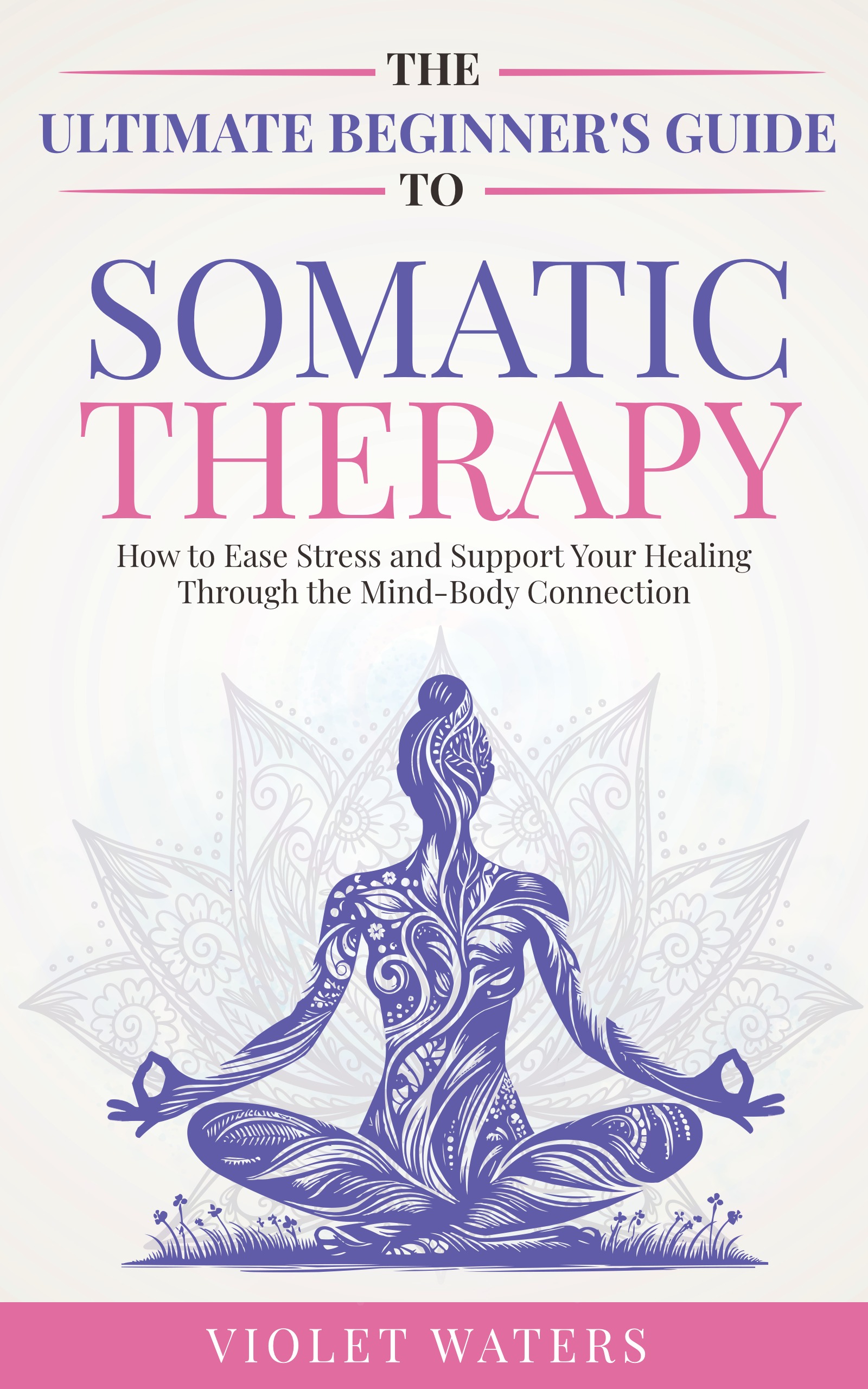

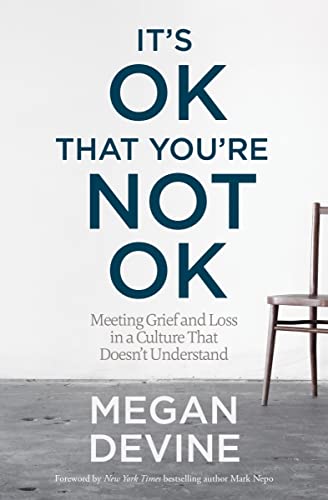
It's OK That You're Not OK
Megan Devine, LPC
A grounded, permission-giving companion for grief that resists tidy timelines and lets loss simply be witnessed.
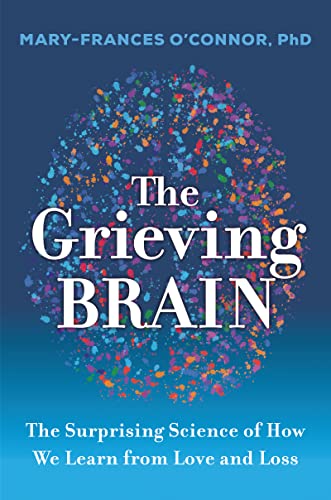
The Grieving Brain
Mary-Frances O'Connor, PhD
An accessible tour of the neuroscience of grief — why loss feels the way it does, and how the brain slowly relearns the world.
As an Amazon Associate, Clarity House Press earns from qualifying purchases. Your price is never affected.
Found this helpful?
Share it with someone who might need it.
About the Author

Clarity House Press
Editorial Team
The editorial team at Clarity House Press curates and publishes evidence-based content on narcissistic abuse recovery, high-conflict divorce, and healing. Our content is informed by research, survivor experiences, and established trauma-informed approaches.
View all posts by Clarity House Press →Published by Clarity House Press Editorial Team