Please read our important disclaimers before using this content
I found the Facebook group at 2 AM on a Tuesday, three weeks after I'd finally left.
"Survivors of Narcissistic Abuse – Private Support Group – 12,000 members"
I clicked "Join," answered the screening questions, and waited. By morning, I was approved. Within hours, I'd read hundreds of posts from people describing experiences nearly identical to mine—the gaslighting, the financial control, the way he'd turn my own words against me. For the first time since leaving, I didn't feel crazy or alone. Building a broader support network beyond online spaces is equally important, but these virtual communities are often the entry point.
I started posting. Sharing my story. Getting validation and advice from people who understood. The group became my lifeline—the place I went when I couldn't sleep, when I was doubting myself, when I needed to remember I wasn't the problem.
Three months later, my attorney called. My ex had filed a motion using screenshots of my posts from the "private" support group. Someone had been taking screenshots of everything I wrote and sending them to him. My vulnerable moments, my fears, my struggles—all of it was now evidence in my custody case, presented to argue I was unstable, struggling to cope, and inappropriate for discussing private family matters in public forums.
I never found out who the infiltrator was. A friend of his who'd joined pretending to be a survivor? A fake profile he'd created himself? Someone who'd been paid to monitor the group? It didn't matter. The damage was done.
That's when I learned that online support groups—as healing and necessary as they are—come with serious risks if you're in a high-conflict divorce or custody battle. Virtual community can save your sanity. But without the right precautions, it can also be weaponized against you.
Why Online Support Groups Matter for Survivors
Before we talk about the risks, let's acknowledge why these spaces are so vital:
Accessibility:
- Available 24/7 when you're struggling
- No geographic limitations
- Free or low-cost
- No need for childcare to attend
- Accommodate any schedule, including odd hours
Validation:
- People who truly understand narcissistic abuse
- Shared experiences that prove you're not alone
- Language and concepts others don't know
- Specific validation for your exact situation
Information and resources:
- Recommendations for trauma-informed therapists
- Legal strategies from people who've been through it
- Book recommendations and educational content
- Practical tips from survivors further along in recovery
Community and connection:
- Friendships with people who get it
- Reduce isolation
- Accountability and support
- Celebrating wins with people who understand how hard they were
Anonymity:
- Can share without local stigma
- Protect privacy from people in your physical community
- Explore thoughts and feelings safely
- Test ideas before taking action
For many survivors—especially those in rural areas, with limited resources, or managing custody schedules that make in-person support impossible—online communities are often the only accessible option for peer support.
Research consistently demonstrates that peer support groups can have meaningful positive effects on mental health outcomes. A comprehensive systematic review and meta-analysis of 49 trials involving 12,477 participants found that peer support has small but significant effects on personal recovery and reduces anxiety symptoms.1 Social support networks serve as independent predictors of both mental and physical health,2 with perceived social support playing a crucial mediating role in reducing stress and improving mental health outcomes.3
The problem: Not all online communities are safe. And the very features that make them helpful can also make them dangerous. During the COVID-19 pandemic, domestic violence organizations rapidly adopted digital technologies to provide virtual support services, highlighting both the necessity and vulnerability of online platforms for survivor support.4 Research analyzing online health communities for domestic violence survivors found eight distinct types of information needs, ranging from shelter information to safety planning—demonstrating the vital role these spaces play while also revealing how much identifying information survivors may inadvertently share.5
The Risks: How Online Support Groups Can Be Compromised
Infiltration by Abusers or Flying Monkeys
How it happens:
Fake profiles:
- Your ex creates a profile posing as a survivor
- Answers screening questions convincingly (they know the terminology from you)
- Joins the group and gains access to everything posted
- Screenshots your posts and uses them in court
Flying monkeys:
Understanding the full scope of the flying monkeys phenomenon helps explain how these proxy actors operate on behalf of abusers.
- Your ex's friends or family join posing as survivors
- They may genuinely have abuse histories (making them credible)
- Motivated by loyalty to your ex to report what you post
- You may not even know these people, so wouldn't recognize them
Paid infiltrators:
- Your ex hires someone to join groups you're in
- Professional "investigators" or desperate people needing money
- Dedicated to monitoring and reporting your activity
- May engage to build credibility before reporting
Multiple accounts:
- Infiltrators create several profiles to seem like different people
- Build credibility by commenting on others' posts
- Watch multiple groups you might be in
- Harder to identify a pattern
Doxxing and Privacy Violations
What is doxxing? Publishing private information about someone online (real name, address, phone number, workplace, children's school, etc.) to harass or endanger them.
How it happens in support groups:
You share identifying details:
- Mention your city, workplace, or children's names
- Describe specific incidents that someone local could recognize
- Reference unique details (landmarks, businesses, events)
- Post photos with metadata or identifiable backgrounds
Someone connects the dots:
- Pieces together information from multiple posts
- Cross-references with your other social media
- Uses Google or social media searches to identify you
- Shares your real identity within the group or publicly
Information is weaponized:
- Shared with your ex if they don't already have access
- Posted publicly to harass or threaten you
- Used to contact your employer, family, or children's school
- Leveraged for extortion or manipulation
Posts Used as Evidence in Court
What gets screenshotted:
Emotional venting:
- "I hate him so much I wish he would just die"
- "I can't do this anymore, I'm falling apart"
- "My kids are driving me crazy"
- "I need a drink" or references to coping mechanisms
Parenting struggles:
- Admitting you're overwhelmed
- Asking for advice about difficult child behaviors
- Expressing frustration with custody arrangements
- Discussing children's struggles adjusting
Mental health disclosures:
- Depression, anxiety, PTSD symptoms
- Medication discussions
- Therapy struggles
- Suicidal ideation (even historical or intrusive thoughts)
New relationship information:
- Discussing dating too soon
- Introducing new partners to children
- Romantic or sexual content
- Relationship problems
Legal strategy discussions:
- Plans for custody motions
- Discussing attorney advice
- Strategizing about ex's weaknesses
- Sharing details about pending litigation
How it's used:
Decontextualized: A vulnerable moment shared in a support group is presented as your general state of being.
Example: You post after a hard day: "I can barely function today. The PTSD is overwhelming and I can't stop crying."
In court: "Respondent admits to being unable to function and being overwhelmed, demonstrating inability to care for children."
Twisted: Your words are interpreted in the worst possible light.
Example: You post: "I told the kids we're not going back to him, this is our fresh start."
In court: "Respondent admits to parental alienation by telling children they will never reconcile with their father."
Aggregated: Multiple posts over months are compiled to paint a picture of instability.
Example: 10 posts over 6 months mentioning feeling overwhelmed = "Pattern of chronic inability to cope with parenting responsibilities."
Group Drama and Toxicity
Not all online groups are healthy:
Lack of moderation:
- No screening of members
- No rules or enforcement
- Trolls and agitators allowed
- Misinformation spreads unchecked
Trauma-bonding without healing:
- Groups that reinforce victim identity without encouraging growth
- Vilifying all exes without nuance
- Encouraging revenge or toxic behaviors
- "Trauma Olympics" where members compete over whose abuse was worse
Bad advice:
- Encouraging illegal actions (violating custody orders, hiding money, lying in court)
- Dismissing legitimate mental health needs ("therapy is for weak people")
- Recommending dangerous confrontations
- Pushing one-size-fits-all solutions
- Exposure to graphic abuse stories
- Vicarious traumatization from others' experiences
- Triggering content without warnings
- Overwhelming negativity
The importance of moderation cannot be overstated. Research in 2024 found that severe online harassment increased significantly, with nearly 40% of internet users experiencing some form of online harassment.6 Despite this, major technology platforms have reduced their trust and safety teams, leaving many online communities vulnerable to harassment and abuse. Effective moderation requires both technological tools and human oversight to protect vulnerable community members.
Boundary violations:
- Members who become too enmeshed
- Expecting constant availability or support
- Stalking members across platforms
- Sharing private messages publicly
Finding Safe Online Support: What to Look For
Green flags for healthy, safer support communities:
Strong Screening and Moderation
Entrance requirements:
- Application process with screening questions
- Verification of survivor status (not just clicking "join")
- Moderator approval required
- Clear group rules posted and enforced
- Active moderation removing problem members
- Zero tolerance for abuse within the group
Questions that show thoughtful screening:
- "Describe your experience with narcissistic abuse"
- "Have you read about narcissistic abuse? What resources?"
- "Why do you want to join this specific group?"
- "Will you respect members' privacy and confidentiality?"
Red flags:
- Anyone can join instantly
- No screening questions
- Thousands of members with minimal moderation
- Rules that aren't enforced
- Moderators who are rarely active
Clear Privacy Policies and Expectations
Well-run groups have explicit rules:
What's expected:
- No screenshots ever (zero tolerance)
- No sharing member information outside group
- No cross-posting to other groups without permission
- Report suspicious accounts to moderators
- Use anonymity and don't share identifying info
- No unsolicited DMs to members
- Content warnings for triggering material
Consequences for violations:
- Immediate removal for privacy violations
- Reporting to platform for harassment
- Public accountability (posting that someone was removed and why)
Red flags:
- No privacy policy
- Vague or unenforced rules
- "What happens in the group stays in the group" with no actual enforcement
- No consequences for violations
Trauma-Informed Moderation
Moderators who understand abuse dynamics:
They prioritize:
- Member safety over group growth
- Nuanced understanding of abuse tactics
- Resources that are evidence-based
- Healing and recovery, not just venting
- Boundaries and healthy coping
- Diverse experiences and intersectionality
They provide:
- Trigger warnings on difficult content
- Resources for crisis support (hotlines, emergency contacts)
- Balanced advice (not just validation, but also growth)
- Professional referrals when needed
- De-escalation of conflicts within group
Red flags:
- Moderators with unclear credentials or experience
- No resources provided
- Encouraging unhealthy behaviors
- Taking sides in member disputes
- Burnout leading to minimal moderation
Appropriate Size and Format
Smaller groups (under 500 members):
Pros:
- Easier to screen and moderate
- Members recognize each other, can spot infiltrators
- More intimate and supportive
- Less likely to go viral or attract attention
- Stronger accountability
Cons:
- Less active (fewer posts)
- May not have 24/7 activity
- Smaller resource pool
- Can become echo chamber
Larger groups (1000+ members):
Pros:
- Always active
- Diverse perspectives and experiences
- More resources and information
- 24/7 support available
Cons:
- Harder to screen and moderate
- More likely to have infiltrators
- Overwhelming volume of posts
- Less intimate, harder to form connections
Closed vs. private vs. secret groups:
Closed (visible but membership required):
- Anyone can see the group exists and who's in it
- Can't see posts without joining
- Your membership is visible to others
Private (requires approval, not searchable):
- Group isn't searchable publicly
- Membership not visible
- Must be invited or find direct link
- Can't see anything without joining and approval
Secret (invitation only, completely hidden):
- Doesn't appear in searches
- Can't be found unless invited
- Most private option
- Membership completely hidden
Best for high-conflict situations: Private or secret groups with screening.
Focus on Healing, Not Just Venting
Healthy groups balance:
- Validation (you're believed, your experience was real)
- Education (understanding abuse dynamics)
- Coping strategies (managing trauma symptoms)
- Practical guidance (legal, financial, logistical)
- Hope and growth (recovery is possible)
- Community (connection and friendship)
Unhealthy groups focus only on:
- Anger and hatred toward exes
- Revenge fantasies
- Reinforcing victimhood
- Vilifying anyone who disagrees
- Staying stuck in trauma
Protecting Yourself in Online Support Groups
Even in the best groups, take precautions:
Create Anonymous Profile
If using Facebook groups:
- Create a separate account not linked to your real identity
- Use a pseudonym or initials
- No profile photo, or use generic image
- Don't connect with real-life friends on this account
- Use different email address
- Access only from private/incognito browsing
If using other platforms (Reddit, Discord, forums):
- Choose username not connected to other accounts
- Don't reuse usernames from other platforms
- Use throwaway email address
- VPN for additional privacy
- No identifying information in profile
Share Strategically
What's okay to share:
- General dynamics of your abuse (gaslighting, control, etc.)
- Emotions and struggles (without identifying details)
- Questions about legal or therapeutic processes
- Requests for resource recommendations
- Support for others
What NOT to share:
- Real names (yours, ex's, children's, lawyers', therapists')
- Location (city, state, or specific landmarks)
- Unique identifying details (rare profession, unusual family structure)
- Specific upcoming court dates or legal strategies
- Information that could be used against you in court
- Photos with metadata or identifiable features
Frame carefully:
- "I'm struggling with PTSD today" not "I'm suicidal"
- "Looking for therapy recommendations" not "I can't handle my kids"
- "Navigating custody challenges" not "I hate being a parent right now"
- Assume everything will be screenshotted and shown to a judge
Watch for Red Flags in Members
Potential infiltrators might:
- Join multiple similar groups at once (check their join dates)
- Ask very specific questions trying to get you to identify yourself
- Be overly interested in your specific situation
- Screenshot or save posts (you may never know, but be cautious)
- Share information that sounds too similar to your ex's perspective
- Encourage you to share details or take inadvisable actions
- DM you asking for more information
- Have profiles that seem fake (no history, generic photos, minimal information)
Trust your instinct:
- If someone makes you uncomfortable, trust that
- Report suspicious accounts to moderators
- Don't engage in DMs with people you don't know well
- Be wary of anyone who seems too invested in your specific case
Use Private Messaging Carefully
Group DMs can be helpful but carry risks:
Safer practices:
- Only DM people you've interacted with publicly first
- Don't share anything more private in DM than you would in group
- Remember DMs can be screenshotted too
- Be wary of new friendships moving very fast
- Keep most communication in the group where moderators can see
When to be extra cautious:
- Someone you've never seen post publicly DMs you
- Questions that seem like information gathering
- Requests for photos, location, or identifying details
- Moving communication off-platform too quickly
- Romantic or overly emotional intensity
Document Group Activity If Needed
If you're concerned about infiltration:
- Screenshot concerning posts from suspicious accounts
- Note usernames and join dates of questionable members
- Report to moderators with specific concerns
- Document if moderators don't respond appropriately
- Keep records in case you need to prove harassment
What to Do If Your Posts Are Used Against You
If screenshots of your support group posts appear in court:
Don't Panic—This Is Manageable
The posts are out of context: Your attorney can argue:
- Support group posts are meant to be private therapeutic spaces
- Taken out of context of entire conversation
- Represent a moment in time, not general state
- Other members' responses show you were seeking healthy coping
- Evidence was obtained through invasion of privacy
The infiltration itself is evidence:
- Someone posed as a survivor to spy on you (obsessive, controlling)
- Violation of support group privacy (lack of boundaries)
- Using your healing against you (continued abuse)
- Demonstrates the exact behavior that necessitated you leaving
Address the Content Directly
Don't lie or minimize: If you said it, acknowledge it—but provide context.
Example: "Yes, I posted that I was struggling. I was in a trauma support group specifically for people dealing with PTSD from abuse. That post was made at 2 AM after a nightmare, and I was reaching out for support. The responses—which my ex conveniently didn't include in his screenshots—were other survivors encouraging me to call my therapist and use my coping skills, which I did. This was me actively seeking healthy support, not evidence of instability."
Reframe:
- Seeking support = strength and self-awareness
- Struggling = normal response to trauma, not inability to parent
- Venting in appropriate space = healthy coping
- Asking for help = responsible behavior
Request Exclusion of Evidence
Your attorney can argue:
Illegally obtained:
- Ex or their agent infiltrated a private support group under false pretenses
- Violated platform terms of service
- May violate state privacy laws
- Similar to wiretapping or unauthorized recording
Irrelevant:
- Posts don't reflect actual parenting
- Emotional state in private support group not relevant to custody
- No evidence children were affected
More prejudicial than probative:
- Inflammatory out-of-context posts will bias court against you
- Minimal relevance but maximum prejudice
- Invasion of therapeutic space chills your recovery
Violation of therapeutic privilege:
- Support groups serve therapeutic function
- Should be protected similar to therapy communications
- Using healing activities against you discourages seeking help
Alternative Support: Lower-Risk Options
If online groups feel too risky:
In-Person Support Groups
Benefits:
- No digital evidence created
- Harder to infiltrate (people see each other's faces)
- Confidentiality can be enforced
- Real-world community
Challenges:
- Childcare needed
- Geographic limitations
- Scheduling constraints
- Still possible to have flying monkeys attend
Finding them:
- National Domestic Violence Hotline: 1-800-799-7233 (can refer to local groups)
- Therapist offices often host groups
- Women's centers and domestic violence agencies
- Churches or community organizations
One-on-One Peer Support
Benefits:
- Build trust with specific people
- No group exposure
- Can vet thoroughly
- More private
How to find:
- Connect individually with people from larger groups (cautiously)
- Therapist or DV advocate referrals
- Mutual friends in similar situations
Precautions:
- Still share cautiously
- Build trust over time
- Meet in public if in person
- Protect identifying information
Professional Support Only
Benefits:
- Legal privilege protections
- No evidence risk
- Expert guidance
- Confidentiality requirements
Options:
- Individual therapy (see our telehealth privacy guide)
- Support groups run by licensed professionals
- Coaching from certified trauma professionals
- Attorney consultations for legal questions
Drawbacks:
- Expensive
- Less peer connection
- May not replace community feeling
- Professional boundaries limit relationship
Closed Anonymous Platforms
Higher security options:
Signal groups:
- End-to-end encrypted
- Disappearing messages option
- Phone numbers not visible to group
- Can set privacy controls
Discord servers:
- Invitation only
- Robust moderation tools
- Can create private channels
- Username-based, not real identity
Reddit (private subreddits):
- Invitation or mod approval only
- Pseudonymous
- Desktop and mobile access
- Can delete posts
Wire or Threema groups:
- Secure messaging apps
- Better privacy than mainstream options
- Smaller communities
Note: No platform is 100% secure if someone in the group is actively working against you.
Creating or Moderating Safe Spaces
If you want to start a support group:
Screening Process
Require:
- Written application with specific questions
- Google Voice call or video verification (optional but helpful)
- References from existing members (for invitation-only groups)
- Waiting period before approval
- Agreement to group rules
Questions to ask:
- Describe your abuse experience
- What are you hoping to get from this group?
- Have you been in other support groups? Which ones?
- Will you respect member privacy?
- Do you understand this group is for survivors only?
Red flags in applications:
- Vague or generic abuse descriptions
- Can't articulate what narcissistic abuse means
- Overly interested in "learning about" abuse rather than healing from it
- Resistant to rules or privacy policies
- Applying to many groups simultaneously
Group Rules
Essential policies:
Privacy:
- No screenshots ever
- No sharing member information
- No cross-posting without permission
- Anonymous participation encouraged
- Violators immediately removed
Respect:
- No victim-blaming or judgment
- Support all members regardless of specifics
- Agree to disagree respectfully
- No unsolicited advice
- Content warnings for triggering material
Safety:
- Report suspicious accounts
- No contact information sharing publicly
- No meeting in person without extreme caution
- Moderators vet new members carefully
Content:
- Stay on topic (abuse recovery, not general venting)
- No promoting illegal actions
- No medical or legal advice (only peer support)
- Crisis situations should be directed to professionals
Consequences:
- First violation: warning
- Second violation: removal
- Privacy violations: immediate permanent removal and reporting to platform
Active Moderation
Daily tasks:
- Approve or deny new member requests
- Monitor posts for rule violations
- Respond to member reports
- Remove problematic content or members
- Post resources and support
Weekly tasks:
- Review member list for suspicious accounts
- Update resources
- Post discussion prompts or support topics
- Check in on active members
Monthly tasks:
- Evaluate group health and dynamics
- Update rules if needed
- Recruit co-moderators to prevent burnout
- Assess whether group is serving its purpose
Moderator Self-Care
Running a support group is emotionally taxing:
- Set boundaries around your availability
- Have co-moderators to share load
- Take breaks when needed
- Seek your own support
- Step down if it becomes overwhelming
- Remember you can't save everyone
Your Next Steps
This week:
-
Audit current group memberships: Which groups are you in? How secure are they?
-
Create anonymous profile if needed: For joining higher-security groups
-
Review past posts: Anything you should delete or that could be problematic?
-
Find better groups: Research groups with strong screening and moderation
-
Adjust what you share: Practice framing posts with court in mind
This month:
-
Leave unsafe groups: Better no support than compromised support
-
Apply to safer communities: Smaller, well-moderated, private groups
-
Build one-on-one connections: Carefully, with people you trust
-
Consider professional support: Supplement or replace peer support
-
Talk to attorney: About online support group risks in your case
Ongoing:
-
Share strategically: Always assume posts could be screenshotted
-
Watch for red flags: In members, in group dynamics, in your own posts
-
Maintain anonymity: Don't get comfortable and reveal identifying information
-
Balance support with safety: Get what you need without compromising your case
-
Diversify support: Don't rely only on online communities. Understanding the broader benefits of support groups and peer validation alongside the risks leads to a more grounded approach. For added safety, learn about social media boundaries after narcissistic abuse to protect yourself across all digital platforms.
NOTE ON HOTLINE NUMBERS: Phone numbers for crisis hotlines, legal aid, and support services are provided as a resource. These numbers are current as of publication but may change. Please verify hotline numbers are still active before relying on them. For the National Domestic Violence Hotline, visit thehotline.org for current contact information.
Resources
Finding Safe Support and Privacy Tools:
- National Domestic Violence Hotline - 1-800-799-7233 for support group referrals
- RAINN - Online chat support and resources
- Electronic Frontier Foundation - Platform privacy guides and digital security
- Safety Net Project - Technology safety resources for survivors
Secure Communication Platforms:
- Signal - End-to-end encrypted messaging with disappearing messages
- Wire - Secure messaging alternative
- Discord - Private servers with robust moderation tools
- ProtonMail - Encrypted email service
Professional Support and Therapy:
- Psychology Today - Therapists - Find trauma-informed therapists
- GoodTherapy - Therapist directory for trauma and abuse recovery
- 988 Suicide & Crisis Lifeline - Call or text 988 for crisis support (24/7)
- Crisis Text Line - Text HOME to 741741 for crisis counseling
Online support communities can be lifelines during the darkest times of divorce and recovery. The connection, validation, and resources they provide are often irreplaceable—especially when local support isn't available or accessible.
But they're not without risk. Every post is potentially evidence. Every member might not be who they claim. Every vulnerability you share could be weaponized.
The goal isn't to isolate yourself or avoid all online support. The goal is to be strategic, careful, and intentional about where and how you seek community. Find the safest spaces possible. Share in ways that protect you legally while still allowing you to receive the support you need. Build trust slowly and verify carefully.
Your healing matters. Your community matters. But your safety and your custody case matter too. You can have both—you just need to be smarter about how you pursue them.
References
- Egmose, C. H., Holmberg, T., Mueser, K. T., McGurk, S. R., & Fjeldsted, R. (2023). The effectiveness of peer support in personal and clinical recovery: Systematic review and meta-analysis. Psychiatric Services, 74(8), 847-858. https://doi.org/10.1176/appi.ps.202100138 ↩
- Holt-Lunstad, J. (2024). Social connection as a critical factor for mental and physical health: Evidence, trends, challenges, and future implications. World Psychiatry, 23(3), 312-332. https://doi.org/10.1002/wps.21224 ↩
- Acoba, E. F. (2024). Social support and mental health: The mediating role of perceived stress. Frontiers in Psychology, 15, 1330720. https://doi.org/10.3389/fpsyg.2024.1330720 ↩
- Storer, H. L., & Nyerges, E. X. (2023). The rapid uptake of digital technologies at domestic violence and sexual assault organizations during the COVID-19 pandemic. Violence Against Women, 29(5), 1085-1096. https://doi.org/10.1177/10778012221094066 ↩
- Guan, S., Hui, V., Stiglic, G., Constantino, R. E., Lee, Y. J., & Wong, A. K. C. (2025). Classifying the information needs of survivors of domestic violence in online health communities using large language models: Prediction model development and evaluation study. Journal of Medical Internet Research, 27, e65397. https://doi.org/10.2196/65397 ↩
- Anti-Defamation League. (2024). Online hate and harassment: The American experience 2024. https://www.adl.org/resources/report/online-hate-and-harassment-american-experience-2024 ↩
Recommended Reading
From Clarity House Press — plus trusted books for deeper understanding
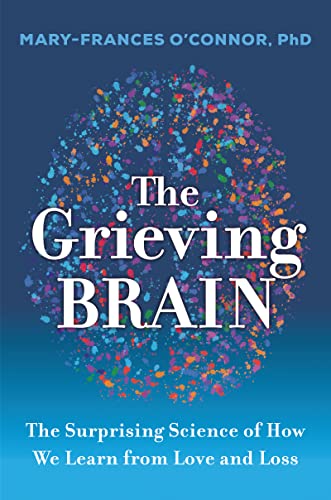
The Grieving Brain
Mary-Frances O'Connor, PhD
An accessible tour of the neuroscience of grief — why loss feels the way it does, and how the brain slowly relearns the world.
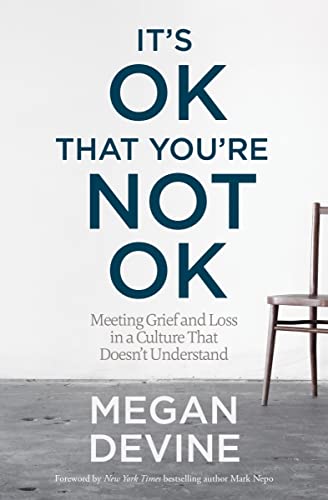
It's OK That You're Not OK
Megan Devine, LPC
A grounded, permission-giving companion for grief that resists tidy timelines and lets loss simply be witnessed.
As an Amazon Associate, Clarity House Press earns from qualifying purchases. Your price is never affected.
Found this helpful?
Share it with someone who might need it.
Tags
About the Author

Clarity House Press
Editorial Team
The editorial team at Clarity House Press curates and publishes evidence-based content on narcissistic abuse recovery, high-conflict divorce, and healing. Our content is informed by research, survivor experiences, and established trauma-informed approaches.
View all posts by Clarity House Press →Published by Clarity House Press Editorial Team