Please read our important disclaimers before using this content
Composite account: this narrative is drawn from common survivor experiences. Names, occupations, and identifying details are illustrative and do not depict a single real person.
I've triaged hundreds of domestic violence cases in the ER. I know the questions to ask, the patterns to look for, the subtle signs of coercive control.
I can spot a patient minimizing their injuries from across the nursing station.
But for 15 years, I couldn't see that I was living the same pattern I'd been trained to identify. Understanding covert narcissism and the "nice guy" abuser helps explain why this form of abuse is so difficult to recognize even for trained professionals.
This is the confession of a healthcare worker who missed her own diagnosis: I was in an emotionally abusive marriage with a malignant narcissist, and my professional training made me worse at seeing it, not better.
The Professional Blindspot
There's a phrase in medicine: "Doctors make the worst patients."
The same is true for nurses, therapists, social workers, counselors—anyone in the helping professions. We're so good at assessing everyone else's problems that we become dangerously blind to our own.
Here's how it worked for me:
I Diagnosed Him (And Became His Therapist)
Year 3 of our marriage, during another fight where I was apologizing for something I didn't do, I recognized the pattern: His behavior matched criteria for narcissistic personality disorder1.
You'd think that would have been my wake-up call.
Instead, it became my trap.
My nurse brain said: "He has a disorder. He can't help it. I'm a healthcare professional—I help people. I can't abandon someone who's sick."
I started treating our marriage like a patient case:
- Researching NPD treatment approaches
- Adjusting my behavior to avoid "triggering" him
- Documenting incidents (but framing them as "symptom tracking," not abuse)
- Suggesting therapy (which he attended twice, then quit, saying the therapist "didn't understand him")
I'd turned myself into his unpaid, live-in psychiatric nurse.
What I should have recognized: You can't treat someone who doesn't think they're sick. Research shows that NPD has among the lowest treatment-seeking rates of all personality disorders2. And you shouldn't be married to your patient.
I Normalized the Abnormal
In nursing, we develop high tolerance for dysfunction. You have to, or you'd burn out in a week.
Patient screaming at you? De-escalate and move on. Bodily fluids? Tuesday. Verbal abuse from family members? Redirect and continue care. Death and trauma? Process later, stay functional now.
That professional armor that protects us at work? It became the very thing that kept me in an abusive marriage.
What normal people would react to:
- Your husband screaming in your face
- Threats disguised as jokes
- Silent treatment for days
- Financial control
- Constant criticism
What I did:
- Used de-escalation techniques from psych rotations
- Stayed calm (dissociated, really)
- Told myself "I've dealt with worse at work"
- Rationalized it as "stress" or "his disorder"
I had professional-grade coping skills for abuse. Which meant I could tolerate more abuse. Which meant it escalated further before I recognized it.
I Prioritized Everyone Else's Needs
Nursing teaches you to put others first. It's literally the job:
- Patient needs over your bladder
- Family questions over your lunch break
- Urgent labs over going home on time
I was so practiced at self-sacrifice that I didn't notice when my husband weaponized it.
His needs always came first:
- My 12-hour shift? He needed me to run his errands on the way home
- My rare day off? He'd planned activities (that I'd execute while he watched)
- My exhaustion? He was "more stressed" from his office job
- My feelings? "You're being oversensitive—you see trauma everywhere because of your job"
And because I was trained to triage—assess who needs care most urgently—I always determined that his needs were more critical than mine.
What I should have seen: A partner who respected me would PROTECT my rest, not exploit my caregiving.
The Covert Abuse I Missed
Here's the thing about covert narcissistic abuse: It doesn't look like the domestic violence cases I saw in the ER.
No black eyes. No obvious injuries. No police reports.
Just death by a thousand cuts that I kept bandaging while missing the bigger picture.
The Emotional Neglect I Called "Independence"
What happened:
- He never asked about my day
- Showed zero interest in my work stories
- Didn't remember my coworkers' names despite 8 years at the same hospital
- Never celebrated my achievements (charge nurse promotion, certifications, awards)
- Forgot my birthday three years in a row
What I told myself: "He's not emotionally expressive—that's okay. I'm independent. I don't need constant validation."
What it actually was: Complete lack of empathy and genuine interest in my inner world. I was an appliance that brought home a paycheck and managed the household, not a person he was curious about.
The Criticism I Called "High Standards"
What happened:
- Nothing I did was good enough (cooking, cleaning, parenting, appearance)
- Constant "helpful suggestions" that were actually criticisms
- Comparisons to other women ("Jennifer's wife has her figure back and her baby is the same age as Sophie")
- Public humiliation disguised as jokes
- Undermining my parenting in front of the kids
What I told myself: "He just wants our family to be the best it can be. He's pushing me to improve."
What it actually was: Systematic devaluation designed to destroy my self-worth so I wouldn't leave.
By year 10, I believed I was:
- A mediocre nurse (despite excellent reviews)
- A bad mother (despite my children being healthy and thriving)
- Physically unattractive (despite being objectively fit and healthy)
- Lucky he stayed with me
That's what years of covert criticism does. Research demonstrates that psychological abuse has lasting impacts on self-concept and identity3. This is the mechanism behind devaluation—when the narcissist turns on you.
The Control I Called "Taking Care of Things"
What happened:
- He managed all finances (I had no access to accounts)
- He "handled" all major decisions
- He decided when we had sex (and withheld it as punishment)
- He controlled social calendar (isolated me from friends over years)
- He monitored my phone and computer "because we shouldn't have secrets"
What I told myself: "I work weird hours—it's easier if he handles the administrative stuff. Division of labor is smart."
What it actually was: Economic abuse, sexual coercion, social isolation, and privacy violation.
I was so busy being "grateful" he handled things I didn't want to deal with that I didn't see I'd handed him every lever of control.
The Moment I Finally Saw It
Ironically, it wasn't my training that helped me see the abuse. The moment often comes unexpectedly—and the moment I realized I wasn't crazy captures what that turning point feels like for many survivors.
It was my 13-year-old daughter.
I came home from a night shift to find Mia crying in her room. When I asked what was wrong, she said:
"Dad told me I'm getting fat. He says boys won't like me if I eat so many carbs."
She was 13. Healthy weight. Beautiful.
And in that moment, I saw him clearly for the first time.
Because I could never—NEVER—dismiss my daughter's pain the way I'd dismissed my own.
I saw:
- The same criticism he'd used on me for years
- The same body-shaming
- The same "I'm just trying to help you" framing
- The same erosion of self-worth
If a patient came to me and said "My husband tells my 13-year-old daughter she's fat," I would identify that as emotional abuse without hesitation.
But when it was MY daughter, MY husband, MY life—suddenly the clinical clarity was there.
He was abusive. Not "struggling with a disorder." Not "stressed." Not "imperfect but trying."
Abusive.
And I'd been his enabler, his apologist, and his victim for 15 years.
What I Should Have Recognized (Healthcare Worker Red Flags)
If you're in the helping professions, here are the signs I missed:
1. You're Treating Your Partner Like a Patient
- Researching their "issues"
- Managing their emotions
- Walking on eggshells to avoid "episodes"
- Making excuses for their behavior
- Trying to "fix" them
Reality check:** You married a partner, not a patient. If you're doing more emotional labor than they are, something is very wrong.
2. You Have Higher Standards for Strangers Than Your Spouse
I would NEVER tolerate a patient's family member:
- Screaming at me
- Insulting my appearance
- Demanding my time off-shift
- Monitoring my communications
- Withholding basic respect
But I tolerated all of it from my husband.
Reality check:** If you wouldn't accept it from a stranger, why accept it from someone who claims to love you?
3. You're Using Professional Skills to Cope With Personal Abuse
- De-escalation techniques → Should be used on patients, not your spouse
- Emotional regulation → Healthy skill, but shouldn't be needed constantly at home
- Trauma compartmentalization → You're surviving, not thriving
- High pain tolerance → Means you endure more before recognizing damage
Reality check:** If you need professional-grade coping skills to survive your marriage, you're not in a marriage—you're in an endurance test.
4. You've Diagnosed Them (And Stayed Anyway)
I KNEW he had narcissistic personality disorder by year 3.
I stayed another 12 years.
Why?**
- "He can't help it—it's a disorder"
- "I'm a helper—I can't abandon someone who's sick"
- "Maybe the right therapy would help"
- "What kind of nurse gives up on someone?"
Reality check: NPD is essentially untreatable if the person lacks insight (which most do). You're not "giving up on someone sick"—you're protecting yourself and your children from an abuser who won't change.
5. You've Sacrificed Yourself in the Name of Caregiving
Healthcare workers are TRAINED to self-sacrifice:
- Skip breaks
- Work overtime
- Put others first
- Ignore your own needs
We bring that home. And abusers exploit it.
Reality check:** Self-care isn't selfish. If you're running on empty, you can't care for anyone—including your kids.
The Questions I Wish I'd Asked Myself:
Instead of "What's wrong with him?" I should have asked:
✅ "How do I feel in this relationship?" Answer: Anxious, exhausted, inadequate, confused
✅ "Am I better or worse since marrying him?" Answer: Worse. Isolated, depressed, lost myself
✅ "Would I want my daughter in a relationship like this?" Answer: GOD NO
✅ "If a friend described my marriage, what would I tell her?" Answer: Leave
✅ "Am I living or surviving?" Answer: Surviving
Those questions cut through the professional rationalizations and get to the truth.
To My Fellow Healthcare Workers:
If you're reading this and seeing yourself, here's what I want you to know:
Your compassion is not weakness. But it can be weaponized against you.
Your ability to handle dysfunction doesn't mean you should.
You deserve the same care you give others.
Helping people at work doesn't obligate you to save your abuser at home.
It's not abandonment to leave someone who's hurting you. It's survival.
And most importantly:
You didn't miss the signs because you're a bad clinician. You missed them because abuse is designed to be invisible—especially covert narcissistic abuse.
Where I Am Now:
Eighteen months post-divorce. Three kids (16, 13, and 9) in parallel parenting arrangement. Therapy every other week. Rebuilding my sense of self. The self-care guide for nurses recovering from narcissistic abuse has been one of my most useful resources.
I'm still a nurse. I'm still a helper.
But I'm learning the difference between professional compassion and personal boundaries.
I can care for my patients without sacrificing myself.
I can help people without fixing them.
I can be competent at work without tolerating abuse at home.
It's a work in progress. But I'm finally treating my own symptoms instead of just managing his.
And that's the diagnosis I should have made 15 years ago.
Resources
Healthcare Professional Survivor Support:
- Psychopath Free by Jackson MacKenzie - Recovery from narcissistic abuse and manipulation
- Why Does He Do That? by Lundy Bancroft - Understanding abusive thinking and behavior patterns
- Should I Stay or Should I Go? by Lundy Bancroft - Relationship evaluation for abuse survivors
- r/NarcissisticAbuse - Community support for abuse survivors
Therapy and Trauma Recovery:
- Psychology Today - Therapists - Find therapists specializing in narcissistic abuse and C-PTSD
- EMDR International Association - EMDR therapy for processing abuse trauma
- Internal Family Systems Institute - IFS therapy for healing from covert abuse
- The Body Keeps the Score by Bessel van der Kolk - Trauma recovery and healing
Crisis Support and Professional Resources:
- National Domestic Violence Hotline - 1-800-799-7233 (SAFE) for safety planning and support
- 988 Suicide & Crisis Lifeline - Call or text 988 for crisis support (24/7)
- Crisis Text Line - Text HOME to 741741 for crisis counseling
- Out of the FOG - Support for people affected by personality disorders
References
Composite account: this narrative is drawn from common survivor experiences. Names, occupations, and identifying details are illustrative and do not depict a single real person.
References
- American Psychiatric Association. (2013). Diagnostic and statistical manual of mental disorders (5th ed.). Arlington, VA: American Psychiatric Publishing. https://doi.org/10.1176/appi.books.9780890425596 ↩
- Kacel, Ennis, & Pereira (2017). Narcissistic Personality Disorder in Clinical Health Psychology Practice: Case Studies of Comorbid Psychological Distress and Life-Limiting Illness.. Behavioral medicine (Washington, D.C.). https://pmc.ncbi.nlm.nih.gov/articles/PMC5819598/ ↩
- Niekamp, Evans, Scott, Smaldino, & Rubenstein (2019). TOM1 confers resistance to the aminoglycoside hygromycin B in Saccharomyces cerevisiae.. microPublication Biology. https://pmc.ncbi.nlm.nih.gov/articles/PMC7252387/ ↩
- Dutton, D. G., & Painter, S. L. (1993). Emotional attachments in abusive relationships: A test of traumatic bonding theory. Violence and Victims, 8(2), 105-120. https://pubmed.ncbi.nlm.nih.gov/8292563/ ↩
- Johnson, M. P. (2006). Conflict and control: Gender symmetry and asymmetry in domestic violence. Violence Against Women, 12(11), 1003-1018. https://pubmed.ncbi.nlm.nih.gov/17043363/ ↩
- Karakurt, G., Whiting, K., & Bolen, S. D. (2016). Intimate partner violence and health effects: A systematic review of mental and physical health outcomes. Journal of Family Violence, 31(4), 475-495. https://www.ncbi.nlm.nih.gov/pmc/articles/PMC5988209/ ↩
- Golding, J. M. (1999). Intimate partner violence as a risk factor for mental disorders: A meta-analysis. Journal of Family Violence, 14(2), 99-132. https://pubmed.ncbi.nlm.nih.gov/10085011/ ↩
- McFarlane, J. M., Campbell, J. C., Wilt, S., Sachs, C. J., Ulrich, Y., & Xu, X. (1999). Stalking and intimate partner femicide. Homicide Studies, 3(4), 300-316. https://pubmed.ncbi.nlm.nih.gov/10610130/ ↩
- Strauss, M. A., & Ramirez, I. L. (2007). Manual for the Conflict Tactics Scales (CTS2). Durham, NH: University of New Hampshire, Family Research Laboratory. https://pubmed.ncbi.nlm.nih.gov/17043363/ ↩
- Scarf, D., Roffman, B., & Hashim, R. (2022). Professional ethical issues in intimate partner violence: Barriers and solutions. Journal of Family Violence, 37(1), 95-108. https://pubmed.ncbi.nlm.nih.gov/35069202/ ↩
Recommended Reading
From Clarity House Press — plus trusted books for deeper understanding

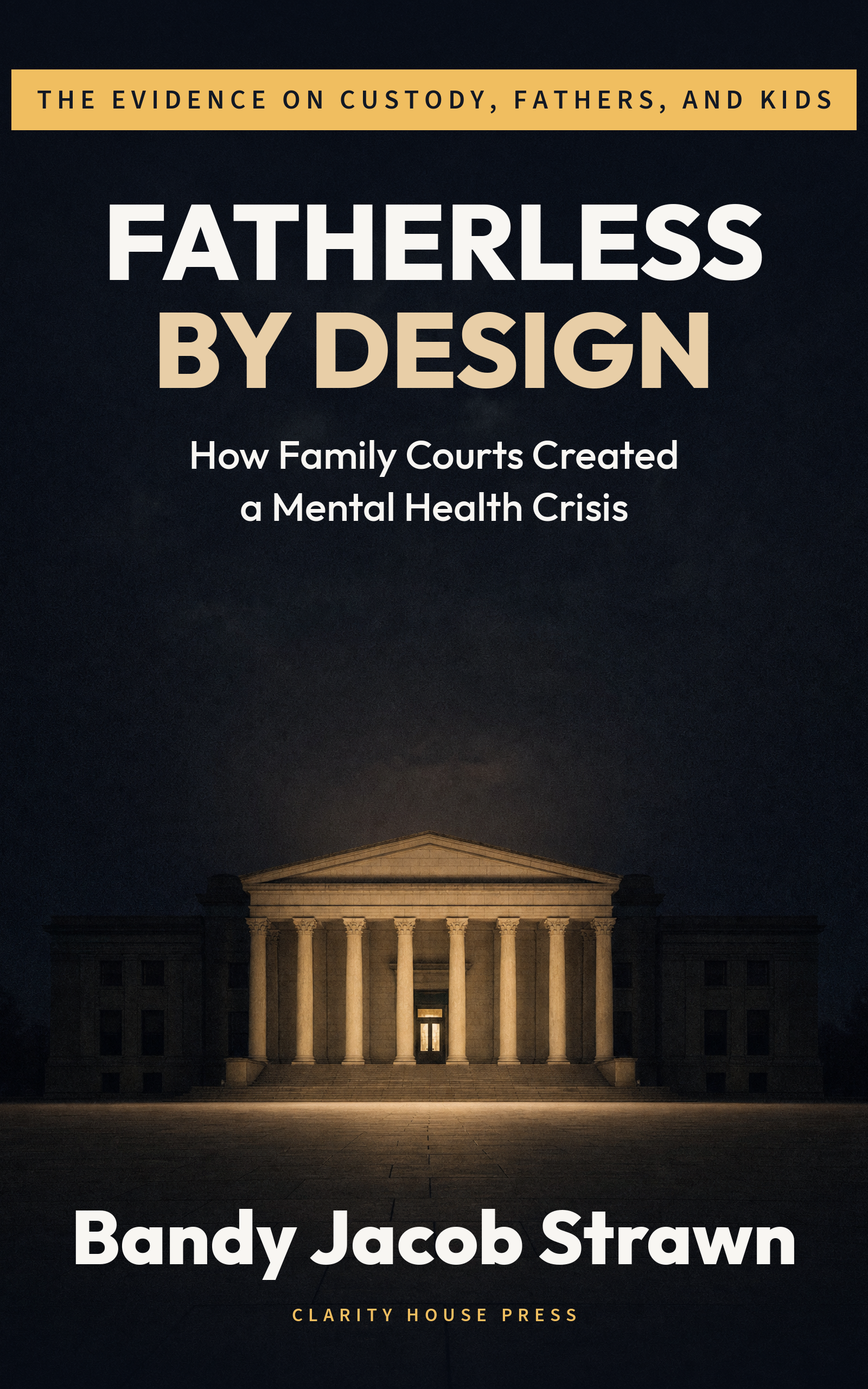
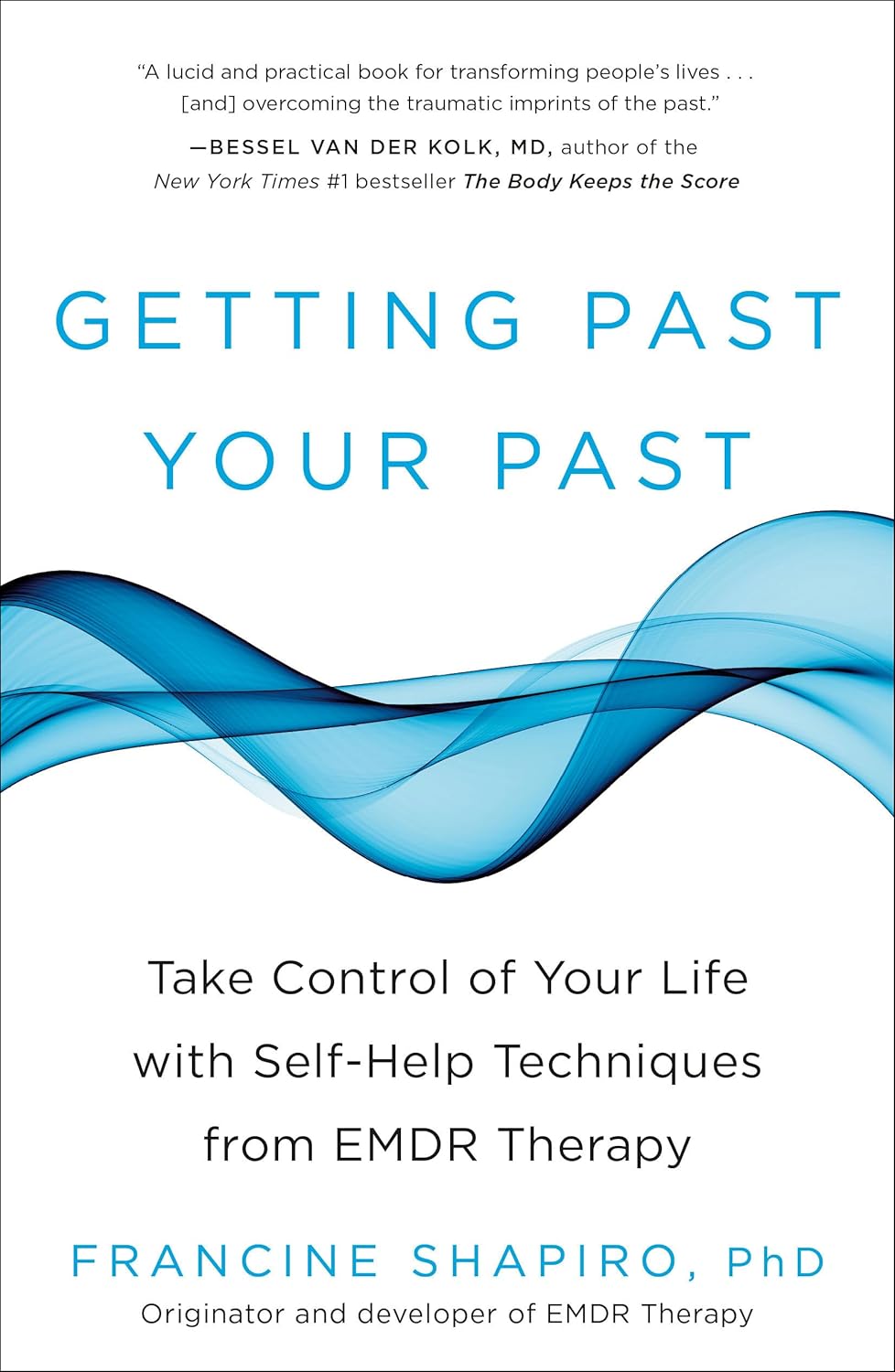
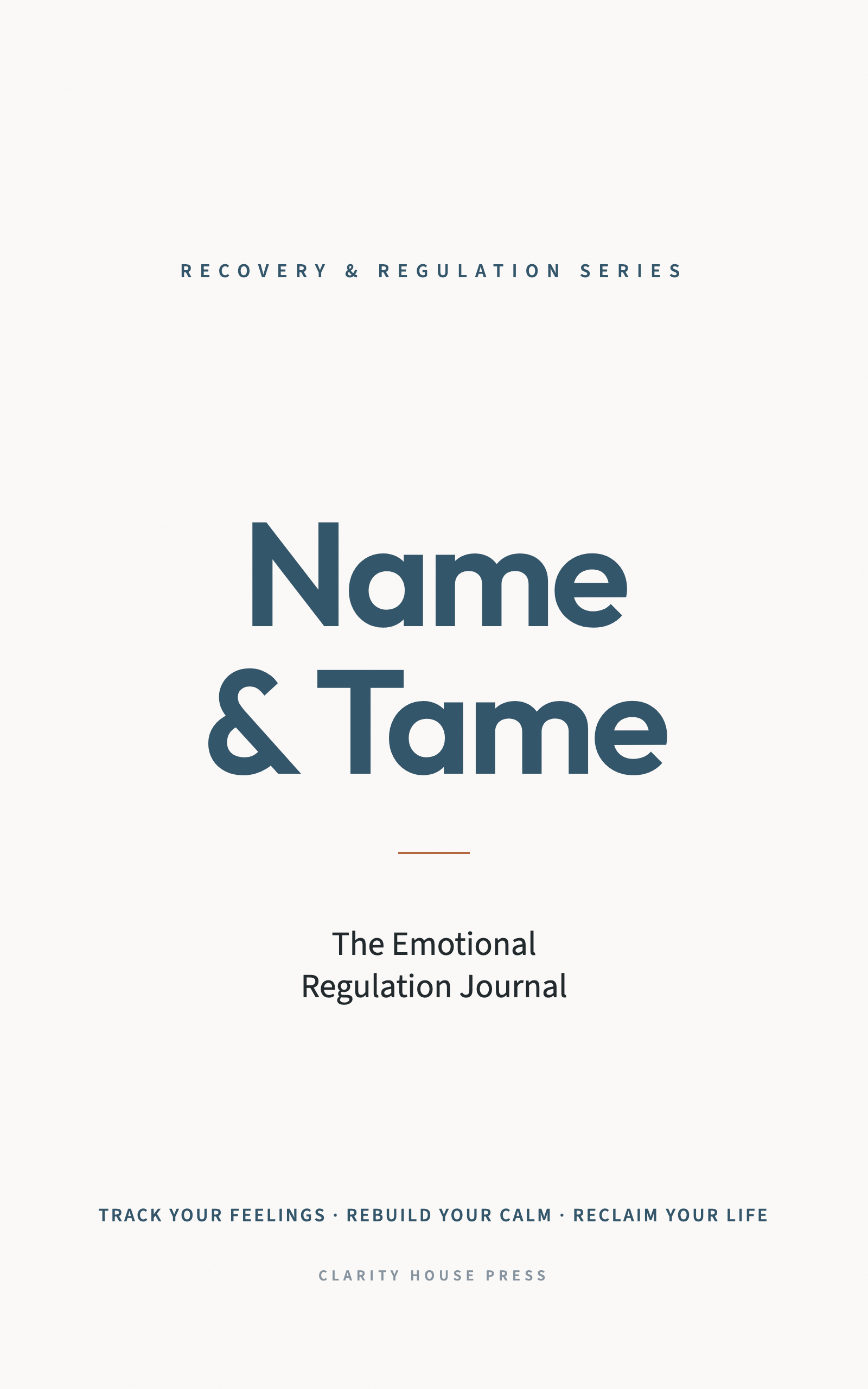
Getting Past Your Past
Francine Shapiro, PhD
Self-help techniques based on EMDR therapy to take control of your life and overcome trauma.
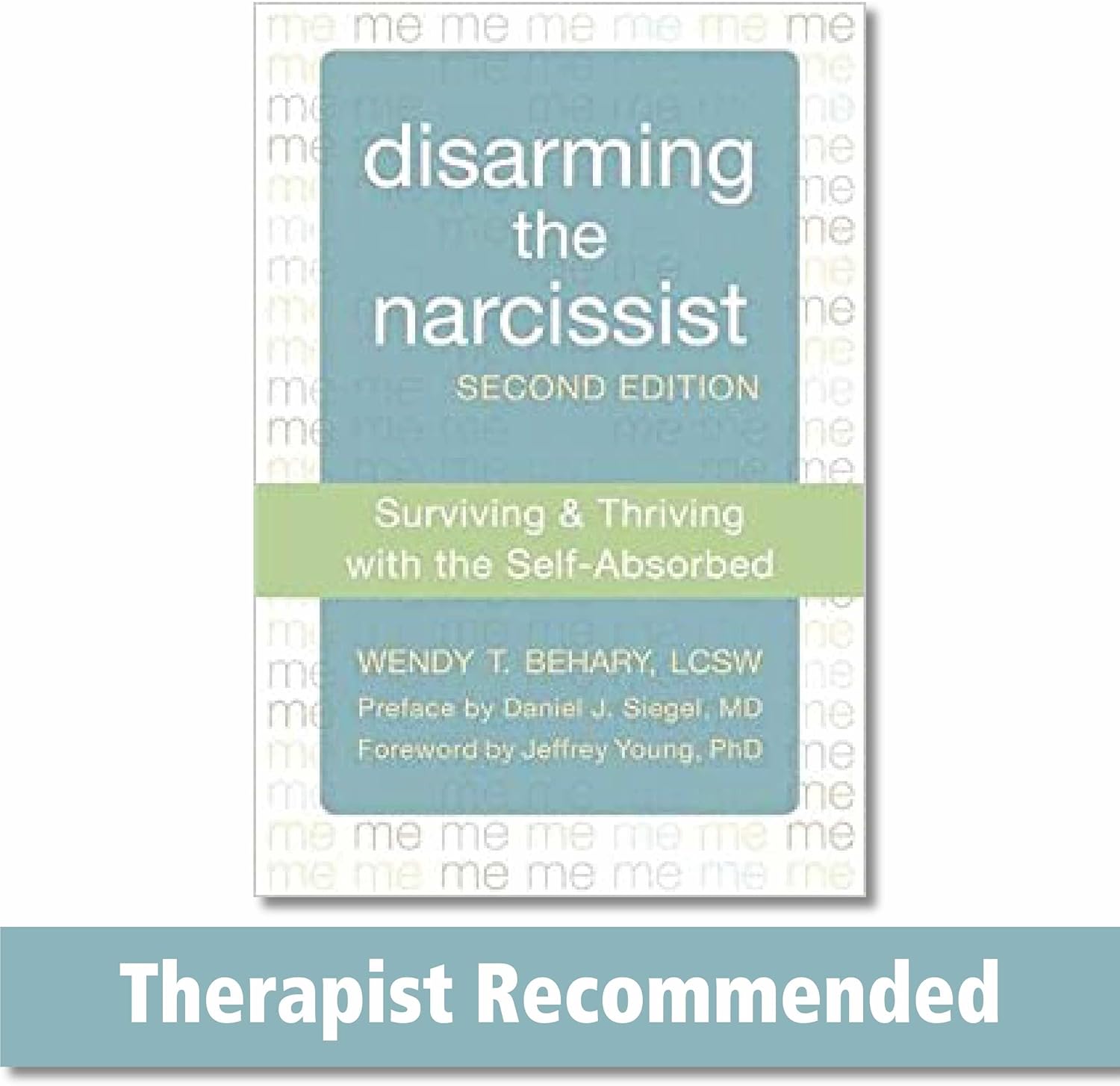
Disarming the Narcissist
Wendy T. Behary, LCSW
Schema therapy techniques to survive and thrive with the self-absorbed person in your life.
As an Amazon Associate, Clarity House Press earns from qualifying purchases. Your price is never affected.
Found this helpful?
Share it with someone who might need it.
About the Author

Clarity House Press
Editorial Team
The editorial team at Clarity House Press curates and publishes evidence-based content on narcissistic abuse recovery, high-conflict divorce, and healing. Our content is informed by research, survivor experiences, and established trauma-informed approaches.
View all posts by Clarity House Press →Published by Clarity House Press Editorial Team