Please read our important disclaimers before using this content
Composite account: this narrative is drawn from common survivor experiences. Names, occupations, and identifying details are illustrative and do not depict a single real person.
For 15 years of marriage, I operated on an unsustainable model:
Give to patients at work. Give to husband at home. Give to children constantly. Give to everyone.
Take for myself? Never.
I told myself this was noble. Selfless. The mark of a good nurse, good wife, good mother.
Really, it was the perfect setup for a narcissistic abuser to drain me completely while I rationalized it as virtue.
Eighteen months post-divorce, I'm relearning something nursing school never taught me: Self-care isn't selfish. It's survival.
And for those of us who've been systematically taught that our needs don't matter, self-care is actually a radical act of recovery.
The Healthcare Worker Trap: Why We're Terrible at Self-Care
There's a reason nurses have some of the highest rates of burnout, compassion fatigue, and—I'd argue—vulnerability to narcissistic abuse.
We're literally trained to sacrifice ourselves.
What Nursing School Teaches:
✅ Patient needs come first ✅ Your bladder can wait until the end of shift ✅ Miss lunch—there's an emergency ✅ Stay late to help the next shift ✅ Don't complain—others have it worse ✅ Ignore your body's signals—there's work to do
What it doesn't teach:
❌ You can't pour from an empty cup ❌ Burnout makes you a worse caregiver ❌ Self-neglect is not a virtue ❌ Your needs matter too
I brought every single one of those "lessons" home to my marriage.
How My Ex Exploited It:
Year 2: "You're tired from work? I had a stressful day too. Can you just handle dinner? I really need to decompress."
Year 5: "You always prioritize your patients over me. I'm your husband—I should come first."
Year 8: "If you really loved this family, you'd work more shifts so we could afford the house I want."
Year 12: "You're so selfish lately. All you do is complain about being tired. Other wives manage just fine."
By year 15, I was working 50-hour weeks (including nights), managing 100% of childcare and household labor, and believing I was selfish for wanting a nap.
That's what narcissistic abuse does to helpers: It weaponizes our caregiving until we're empty.
The Clinical Foundation: Why Self-Care Is Trauma Recovery
Before we get to the practical strategies, you need to understand what's happening in your brain and body after narcissistic abuse.
This isn't about bubble baths. This is about neurobiology.
Your Nervous System After Abuse: The Science
Research on complex trauma shows that chronic exposure to narcissistic abuse fundamentally changes your nervous system (van der Kolk, 2014). After years of:
- Walking on eggshells (hypervigilance)
- Managing someone else's emotional dysregulation
- Experiencing unpredictable rage and silent treatments
- Being gaslit about your reality
- Living in constant threat assessment
Your autonomic nervous system gets stuck in survival mode.
What this looks like clinically:
Sympathetic Activation (Fight/Flight):
- Elevated cortisol levels
- Increased heart rate at rest
- Hypervigilance and scanning for threats
- Difficulty relaxing even when safe
- Sleep disruption
- Digestive issues
Dorsal Vagal Shutdown (Freeze/Collapse):
- Dissociation and numbness
- Extreme fatigue despite rest
- Emotional flatness
- Difficulty feeling pleasure (anhedonia)
- Social withdrawal
The Polyvagal Theory (Porges, 2011) explains that your body develops a "neuroception" of danger—a subconscious threat detection system that stays activated long after you've left the abusive relationship.
Self-care for trauma survivors isn't about pampering. It's about teaching your nervous system you're safe now.
Self-Compassion Research: The Missing Piece
Dr. Kristin Neff's groundbreaking research on self-compassion (2003-present) reveals something critical for abuse survivors:
Self-compassion predicts well-being better than self-esteem.
Here's why that matters:
Self-esteem is contingent—it depends on evaluation ("I'm good because I achieve/help/succeed"). Narcissistic abusers systematically destroy self-esteem by devaluing your achievements and worth.
Self-compassion is unconditional—it's treating yourself with kindness regardless of performance or external validation.
Neff's research shows self-compassion has three components:
- Self-kindness vs. self-judgment
- Common humanity vs. isolation ("I'm not alone in suffering")
- Mindfulness vs. over-identification with pain
For abuse survivors, this reframe is revolutionary: You don't have to earn your worth. You deserve care simply because you're suffering.
Clinical studies show self-compassion:
- Reduces PTSD symptoms (Thompson & Waltz, 2008)
- Decreases depression and anxiety
- Improves emotional regulation
- Increases resilience after trauma
Reparenting: Giving Yourself What You Didn't Get
Many survivors of narcissistic abuse (especially from narcissistic parents or partners) never learned healthy self-care because no one modeled it.
You were taught:
- Your needs are burdensome
- Asking for help is weakness
- Self-sacrifice equals love
- You exist to serve others
Reparenting means becoming the nurturing, protective parent you needed.
This includes:
- Setting boundaries (protection)
- Meeting basic needs (nutrition, sleep, safety)
- Validating your feelings ("It makes sense you feel this way")
- Allowing rest without earning it
- Treating yourself with the compassion you'd show a child
(See detailed guide: Reparenting Yourself After Narcissistic Abuse)
What Real Self-Care Looks Like (Beyond Instagram Aesthetics)
Let me be clear: Self-care isn't bubble baths and face masks.
I mean, those are nice. But they're not the foundation of recovery from narcissistic abuse.
Real self-care—the kind that actually heals trauma—addresses four domains:
1. Basic Needs Self-Care (The Foundation)
After years of neglecting myself, I had to relearn that meeting basic human needs isn't selfish—it's survival.
Sleep:
- 7-9 hours nightly (non-negotiable)
- Consistent sleep/wake times
- Sleep hygiene practices
- Treating insomnia as a medical issue, not a personal failing
Nutrition:
- Regular meals (not grazing on kids' leftovers)
- Adequate protein, healthy fats, complex carbs
- Hydration (64+ oz water daily)
- Food as fuel, not punishment or reward
Physical Safety:
- Secure housing with locks that work
- No contact or controlled contact with abuser
- Safety planning for custody exchanges
- Financial security basics (separate bank accounts, emergency fund)
Healthcare:
- Annual physicals and preventive care
- Addressing stress-related health issues (headaches, digestive problems, chronic pain)
- Mental health treatment (therapy, medication if needed)
- Not "pushing through" concerning symptoms
Case Example: Basic Needs Self-Care
Maria, 42, emergency room nurse and mother of two, came to therapy after her divorce barely able to feed herself. "I'd work 12-hour shifts, come home, make elaborate meals for my kids, then eat crackers over the sink at 11 PM. I'd lost 30 pounds—not the healthy way. My hair was falling out. I had stress ulcers."
Her therapist prescribed "radical basic care": Three meals daily, scheduled. Sleep before midnight. One medical appointment per month to address the backlog of ignored health issues.
"It felt absurd that my homework was 'eat lunch.' But my body was in such a deficit that I literally couldn't do the deeper trauma work until I was physically nourished. Six weeks in, my brain fog lifted. I could think clearly enough to set boundaries with my ex. Basic needs aren't luxury—they're the platform everything else builds on."
2. Emotional Self-Care (Feeling Your Feelings)
For years I suppressed emotions to keep the peace. Anger wasn't allowed. Sadness was "manipulation." Fear made me "weak."
Emotional self-care means learning to:
Identify emotions accurately: "I'm not 'fine.' I'm anxious and exhausted."
Validate your feelings: "It makes sense I feel angry—that was abusive."
Express emotions safely:
- Journaling
- Therapy
- Trusted friends
- Creative outlets (art, music, movement)
Process trauma: EMDR, somatic experiencing, trauma-focused CBT
Allow grief: Mourning the relationship you thought you had, the future you'd planned, the family you can't provide your kids
Regulate without numbing: Using healthy coping strategies instead of dissociation, substance use, or compulsive behaviors
Case Example: Emotional Self-Care
David, 38, software engineer, spent two years after his divorce "fine." He threw himself into work, dated casually, exercised obsessively. "I told everyone I was thriving. Then I had a complete breakdown in a Home Depot parking lot because they discontinued the paint color I needed. I sobbed for 45 minutes."
His therapist explained: "You've been outrunning your grief. Your nervous system held it until you couldn't anymore." David started weekly therapy specifically to feel his feelings—the rage at her betrayal, the shame of "falling for it," the sadness that his kids would grow up in a broken home.
"Emotional self-care felt like the opposite of self-care. It hurt. But suppressing emotions was like holding a beach ball underwater—it took all my energy and eventually it exploded. Feeling my feelings on purpose, in a safe place, gave me control back."
3. Relational Self-Care (Choosing Safe People)
After narcissistic abuse, you have to rebuild your capacity for healthy relationships.
Relational self-care includes:
Boundaries with toxic people:
- Limited or no contact with your abuser
- Reducing contact with enabling family members
- Exiting friendships that drain you or minimize your experience
Investing in safe relationships:
- Therapy (a paid relationship where your needs matter)
- Support groups (narcissistic abuse recovery groups, DivorceCare)
- Friendships with people who validate and support you
- Community (book clubs, hiking groups, church/spiritual communities)
Learning healthy relationship skills:
- Asking for what you need
- Saying no without guilt
- Recognizing red flags early
- Reciprocity (not one-sided giving)
Co-regulation: Spending time with emotionally regulated people helps regulate your nervous system (this is neurobiologically real—mirror neurons)
4. Spiritual/Meaning-Making Self-Care
I'm not talking religion (though if that's your thing, great).
I'm talking about reconnecting to:
Purpose beyond survival: What matters to you? What do you value? Who do you want to become?
Transcendence: Nature, art, music, meditation—anything that connects you to something larger than yourself
Meaning-making: Making sense of the abuse, integrating it into your story without letting it define you
Hope: Believing your life can be different, better, joyful again
For me this looks like:
- Hiking (nature connection)
- Volunteering (purpose)
- Painting (creative expression)
- Journaling (meaning-making)
But first, let me be honest about the lies we tell ourselves. If you're like me, you've internalized messages that self-care is selfish. Let's name that before we build the plan.
1. Nervous System Regulation (The Foundation of Everything)
My therapist explained it like this: After years of living in fight-or-flight mode (walking on eggshells, managing his moods, constant hypervigilance), my nervous system was dysregulated.
What that looked like:
- Heart racing at neutral stimuli (text notification, email from attorney)
- Inability to relax even when safe
- Insomnia despite exhaustion
- Constant scanning for threats
- Overreacting to minor stress
My body thought I was still in danger even after leaving.
Self-care for trauma survivors starts with teaching your nervous system: You're safe now.
What actually helps:
Vagal Toning Exercises (10 minutes daily):
- Deep breathing: 4-count inhale, 6-count exhale
- Humming or singing (activates vagus nerve)
- Cold water on face (dive reflex, calms nervous system)
- Bilateral stimulation: alternating tapping shoulders or knees
(See detailed guide: Vagus Nerve Exercises: Activating Your Body's Calm Response)
Why it matters: You can't heal in fight-or-flight. You have to regulate your nervous system first.
Somatic Practices:
- Yoga (I do trauma-informed yoga via YouTube—Yoga with Adriene)
- Walking (30 minutes, no phone, just movement and breath)
- Progressive muscle relaxation before bed
Why it matters: Trauma lives in the body. Talk therapy helps, but somatic work releases what's stored physically.
2. Sleep (Non-Negotiable)
During the marriage, I averaged 4-5 hours a night:
- Working night shifts
- Managing kids solo (he "needed" his sleep)
- Too anxious to fall asleep
- Waking up to check on kids
Sleep deprivation made everything worse: emotional regulation, decision-making, immune function, pain tolerance.
My post-divorce sleep protocol:**
Same bedtime every night (even weekends): 10:30 PM No screens 1 hour before bed: Read instead Magnesium supplement: 400mg before bed (check with your doctor) White noise machine: Blocks out my racing thoughts Weighted blanket: Feels like a hug, calms my nervous system
Result: I now sleep 7-8 hours most nights. My anxiety decreased by half just from this change.
Healthcare workers: I KNOW you work weird shifts. I still do. But prioritize sleep on your days off. Your body is trying to recover from both work trauma AND home trauma.
3. Therapy (The Real Work)
I see a therapist every other week. Not a luxury—a necessity.
Trauma recovery isn't something you can white-knuckle through alone. Your brain has been rewired by years of threat detection, gaslighting, and emotional chaos. Professional help isn't weakness—it's neuroplasticity support.
What we work on:
- EMDR for trauma processing (controversial when I started, life-changing now)
- Identifying and challenging distorted beliefs ("I'm selfish if I have needs")
- Setting boundaries (with ex, with family, with coworkers)
- Grieving the marriage and family I thought I had
- Rebuilding self-worth after years of devaluation
Cost: $120/session with my insurance Value: Priceless
If you can't afford therapy:
- Check if your employer has an EAP (Employee Assistance Program)—usually 3-6 free sessions
- Look for sliding scale therapists
- Try Open Path Collective (therapy for $30-$80/session)
- Use free resources: The Holistic Psychologist on Instagram, Dr. Ramani on YouTube
4. Nutrition (Fueling Recovery, Not Punishing Yourself)
For years I ate whatever was fast and convenient:
- Hospital cafeteria food
- Drive-through on the way home
- Kids' leftovers
- Stress eating at 2 AM during night shifts
I wasn't nourishing myself. I was surviving.
Post-divorce, I had to relearn: Food is fuel, not punishment or reward.
What helps:
Meal prep on Sundays: 2 hours to prep breakfasts and lunches for the week Protein at every meal: Stabilizes blood sugar and mood Hydration: 64+ oz water daily (I use a water bottle with times marked) Gentle structure, not restriction: I eat when hungry, focus on adding nutrients rather than restricting foods
Why it matters: Your brain needs fuel to heal. Chronic stress depletes nutrients. You can't do trauma recovery on coffee and granola bars.
5. Movement (Not Punishment, Not Earning Food)
I used to "exercise" as punishment for eating or to "earn" rest.
Now I move because it regulates my nervous system and makes me feel strong.
What I do:**
- 30-minute walks: Daily, no agenda, just movement
- Yoga: 20 minutes, 3x/week (trauma-informed)
- Strength training: 2x/week (I feel physically powerful—important after abuse)
What I don't do:
- Exercise to "burn off" food
- Push through pain or exhaustion
- Use it as punishment
Reframe: Movement is a gift you give your body, not a punishment for having one.
6. Boundaries (The Hardest Self-Care)
This is where self-care gets uncomfortable for helpers.
Boundaries I've had to set:**
With my ex:
- All communication through Our Family Wizard (no phone calls, no text)
- No discussions outside of kids/logistics
- Blocked on social media
With my kids:
- "I love you, and I need 20 minutes alone right now. I'll be more present after I recharge."
- "That's a question for your dad. I'm not getting in the middle."
With coworkers:
- "I can't pick up that shift—I have plans." (The plans are rest. That counts.)
- "I'm taking my full lunch break today."
With family:
- "I appreciate your concern, but I'm handling it with my therapist and attorney."
- "I need support, not advice right now."
Why it's hard: Setting boundaries feels selfish when you've been taught your needs don't matter.
Why it's necessary: Boundaries are how you protect your recovery.
7. Joy and Play (Seriously)
After years of walking on eggshells, I'd forgotten how to just... enjoy things.
Everything was serious, heavy, crisis-oriented.
Relearning joy looks like:**
- Painting (badly, but happily)
- Reading fiction (not just self-help and trauma books)
- Dancing in the kitchen with my daughters
- Watching stupid comedy shows
- Gardening (my tomatoes don't care about my trauma)
Why it matters: Your nervous system needs positive experiences to rewire. You can't heal if everything is heavy.
Trauma-Informed Self-Care: Tools That Actually Work
Generic self-care advice doesn't cut it for trauma survivors. You need strategies specifically designed to work with a dysregulated nervous system.
Nervous System Regulation Tools
For Hyperarousal (Anxiety, Panic, Racing Heart):
4-7-8 Breathing:
- Inhale 4 counts
- Hold 7 counts
- Exhale 8 counts
- Repeat 4 times
Why it works: Activates parasympathetic nervous system (rest/digest mode)
Cold Water Therapy:
- Splash cold water on face
- Hold ice cubes in hands
- Cold shower for 30 seconds
Why it works: Triggers mammalian dive reflex, instantly calms nervous system
Bilateral Stimulation:
- Butterfly hug (cross arms, tap shoulders alternately)
- Walk (left-right movement)
- Alternate knee tapping while sitting
Why it works: Same mechanism as EMDR—engages both brain hemispheres, processes trauma
For Hypoarousal (Numbness, Dissociation, Shutdown):
Energizing Movement:
- Jumping jacks
- Dancing to upbeat music
- Brisk walk
- Cold exposure
Sensory Grounding:
- 5-4-3-2-1 technique (5 things you see, 4 you hear, 3 you touch, 2 you smell, 1 you taste)
- Strong scents (peppermint oil, coffee beans)
- Textured objects (stress ball, fuzzy blanket)
Social Connection:
- Call a friend (even 5-minute check-in)
- Pet your dog
- Hug your kids
Why it works: Brings you back into your body and present moment
Grounding Practices for Flashbacks and Triggers
When triggered by custody exchange, court documents, or unexpected contact:
Immediate grounding:
- Stop what you're doing
- Plant feet on ground
- Name 5 things you see (describe color, shape, texture)
- Touch something cold or textured
- Say out loud: "I'm [name], I'm in [location], today is [date], I am safe"
Body-based grounding:
- Progressive muscle relaxation (tense and release each muscle group)
- Yoga poses (child's pose, legs up the wall)
- Gentle stretching
Why it works: Flashbacks pull you into the past. Grounding anchors you in present reality.
Saying No Without Guilt (Self-Care as Boundary)
This is the hardest self-care practice for people-pleasers and helpers.
Scripts I use:
To extra shift requests: "I'm not available that day." (No explanation needed)
To family asking about my divorce: "I appreciate your concern, but I'm handling it with my therapist."
To my kids when I'm depleted: "I need 20 minutes alone to recharge. Then I'll be more present with you."
To social invitations when I'm overwhelmed: "I can't make it, but thank you for including me."
To my ex's manipulation attempts: "That's not something I can help with. You'll need to figure that out."
Why it's self-care: Every "yes" when you mean "no" is self-abandonment. Saying no protects your recovery.
Case Example: Self-Care as Boundary
Jessica, 35, social worker and mother of one, struggled to say no to her ex-husband's constant requests for "favors"—switching custody days, doing his laundry when he picked up their son, helping him with job applications.
"He'd say, 'If you cared about our son having a stable father, you'd help me.' I'd feel guilty and do it. Then I'd be resentful and exhausted."
Her therapist reframed: "Helping him isn't self-care. It's enabling. Self-care is protecting your time and energy so you can be present for your actual responsibilities—your son and your clients."
Jessica started saying: "That doesn't work for me." No explanation. No justification. Her ex escalated, then eventually stopped asking. "Saying no felt like self-care in action. I was protecting the recovery I'd worked so hard for."
Rest Without Guilt: Permission to Do Nothing
This is revolutionary for trauma survivors raised in toxic productivity culture or narcissistic families where your worth equaled your output.
Rest is not:
- Earned through productivity
- Laziness
- Something to feel guilty about
- A reward for "being good enough"
Rest is:
- A biological requirement
- How your nervous system resets
- How your body heals
- A human right
What rest looks like for me:
- Lying on couch doing absolutely nothing
- Napping without setting an alarm
- Reading for pleasure (not self-help books)
- Sitting in nature without phone
- Saying "I'm resting today" without justification
What's NOT Self-Care: Avoiding Harmful Patterns
Instagram and wellness culture sell a lot of things as "self-care" that are actually harmful for trauma survivors.
Spiritual Bypassing
What it looks like:
- "Just choose happiness!"
- "Focus on gratitude and your trauma will heal"
- "Raise your vibration—you're attracting negativity"
- "Forgive and forget—holding onto anger hurts you"
- "Everything happens for a reason"
Why it's harmful: It minimizes trauma, blames survivors for their pain, and prevents necessary grief and anger processing.
Real self-care: Acknowledging your pain, processing trauma with professional help, allowing all emotions (including anger and grief).
Toxic Positivity
What it looks like:
- "Good vibes only"
- "Don't dwell on the past"
- "You should be grateful you got out"
- "At least you have your kids"
- Pressure to "move on" before you're ready
Why it's harmful: Invalidates your experience, creates shame about normal trauma responses, prevents authentic healing.
Real self-care: Letting yourself feel whatever you feel without judgment. Healing isn't linear.
Self-Abandonment Disguised as Care
What it looks like:
- Overexercising to "earn" food or punish yourself
- Restrictive dieting as "health"
- Performing productivity to prove your worth
- People-pleasing to avoid conflict
- Staying in abusive relationships "for the kids"
Why it's harmful: It's the same pattern the abuse taught you—your needs don't matter, your worth is conditional, you must earn your existence.
Real self-care: Meeting your needs unconditionally. You don't have to earn rest, food, kindness, or love.
Performance Self-Care
What it looks like:
- Expensive spa days you can't afford (then stress about money)
- Posting aesthetically pleasing "self-care Sunday" content
- Treating self-care like a to-do list to check off
- Self-care that's about external validation, not internal well-being
Why it's harmful: If self-care creates stress, guilt, or financial strain, it's not actually caring for yourself.
Real self-care: Low-cost, authentic practices that genuinely restore you—even if they're not Instagram-worthy.
Self-Care Barriers After Abuse (Why It's So Hard)
If self-care feels impossible, you're not failing. There are real structural and psychological barriers.
Shame and Guilt
The message: "I should be able to do this alone. Needing help is weakness."
The reality: Trauma recovery requires support. Individual therapy, support groups, and safe relationships aren't luxuries—they're necessities.
The shift: Self-compassion practice. Would you tell a friend they're weak for going to therapy? Treat yourself with the same kindness.
Hypervigilance and Inability to Relax
The barrier: "I can't turn my brain off. Even when I try to rest, I'm scanning for threats."
The reality: Your nervous system learned hypervigilance as survival. It needs retraining through consistent regulation practices.
The shift: Start with 5 minutes of nervous system regulation daily. Build slowly. It takes time to teach your body it's safe.
Financial Constraints
The barrier: "Therapy costs $150/session. Gym memberships, organic food, spa days—I'm a single parent on one income."
The reality: Self-care doesn't require money. The most healing practices are free.
The shift: See "Practical Low-Cost Self-Care" section below.
Single Parenting Time Constraints
The barrier: "I have my kids 24/7. There's no time for myself."
The reality: You need creative solutions and permission to ask for help.
The shift:
- Trade childcare with another parent (you watch their kids one Saturday, they watch yours the next)
- Use kids' bedtime as sacred boundary (8 PM onward is your time)
- Include kids in some self-care (family walks, cooking together)
- Ask trusted family/friends for help without guilt
Active Court Battles
The barrier: "I'm spending all my money on attorneys and all my mental energy on custody litigation. Self-care feels impossible."
The reality: Court trauma is real. This is when you need self-care most.
The shift:
- Therapy specifically for litigation trauma
- Nervous system regulation before/after court
- Support groups with others in high-conflict divorce
- Boundaries around when you engage with legal documents (not right before bed, not first thing in the morning)
Practical Self-Care: What Actually Fits Into Real Life
Forget hour-long bubble baths and weekend retreats. Here's self-care that works with real constraints.
5-Minute Self-Care Practices
Morning:
- 5-minute breathing practice before getting out of bed
- Stretch while coffee brews
- Write 3 things you're grateful for (yes, even on hard days)
Midday:
- Walk around the block
- Eat lunch away from your desk
- Close your eyes and do 10 deep breaths
Evening:
- 5-minute meditation app (Insight Timer has free options)
- Gentle stretching
- Journal 3 sentences about your day
Before bed:
- Read fiction for 10 minutes
- Progressive muscle relaxation
- Gratitude practice
Total time: 20-30 minutes across the entire day
Low-Cost/Free Self-Care
Free:
- Walking in nature
- Library books
- YouTube yoga/meditation (Yoga with Adriene, The Honest Guys)
- Journaling
- Calling a friend
- Free support groups (DivorceCare, Al-Anon, narcissistic abuse recovery groups)
- Free therapy apps (Woebot, 7 Cups)
Low-cost (under $20/month):
- Meditation apps (Insight Timer, Calm)
- Art supplies (coloring books, watercolors)
- Epsom salt baths
- Thrift store books
- Plant care (grocery store succulents)
Covered by insurance:
- Therapy
- Psychiatry
- Medical care for stress-related health issues
Crisis Self-Care vs. Maintenance Self-Care
Crisis self-care (when you're barely surviving):
Focus on: Basics only
- Sleep (even if it's just 6 hours)
- Eating (even if it's not perfect)
- Showing up to work
- Keeping kids alive and safe
- One support person to call
- Therapy if possible
Permission to let go: Everything else. The house can be messy. You can order pizza. The kids can watch more TV. You're in triage mode.
Maintenance self-care (when you're stable):
Build in:
- Regular therapy
- Consistent sleep schedule
- Meal planning and nutrition
- Exercise routine
- Social connections
- Creative outlets
- Joy and play
The goal: Sustainable practices that prevent crisis, not just react to it.
Self-Care in the Co-Parenting Context
If you share custody with your abuser, self-care has to address specific triggers.
During Custody Exchanges
Before exchange:
- Nervous system regulation (breathing, grounding)
- Remind yourself: "I can do hard things. This is 5 minutes of my day."
- Have support person on standby (friend to call after)
During exchange:
- Minimal contact (no small talk, just logistics)
- Neutral body language (don't react to baiting)
- Document any concerning behavior
- Get in and out quickly
After exchange:
- Physical release (walk, yoga, dance)
- Call support person
- Journal if needed
- Engage in something joyful to shift your nervous system
After Triggering Interactions
When your ex sends a baiting text or email:
Don't: Respond immediately Do:
- Close the message
- Regulate your nervous system (5 minutes of breathing)
- Call therapist/friend/support person
- Respond hours later (or have attorney respond)
When court paperwork arrives:
Don't: Read it alone at night Do:
- Read it during the day when you're regulated
- Have support person present if possible
- Take breaks (read one section, then walk around)
- Forward to attorney, then put it away
When the Kids Are With Your Ex (Reclaiming Your Time)
This time is not for catching up on work or deep-cleaning the house.
This time is for you:
- Sleep in
- Long bath
- See friends
- Therapy
- Hobbies
- Absolutely nothing
Reframe: You're not a part-time parent. You're a full-time parent with built-in respite care. Use it.
Building a Sustainable Self-Care Practice
Knowing what to do and actually doing it are different things.
Start Small (Consistency Over Intensity)
Don't: Try to overhaul your entire life Do: Pick one practice and do it daily for 30 days
Examples:
- 5 minutes of breathing every morning
- Drinking 64 oz of water
- Going to bed by 10:30 PM
- One walk per week
Why it works: Small, consistent changes build new neural pathways. Massive overhauls create overwhelm and failure.
Build on Success
After 30 days of one practice, add another:
Month 1: Morning breathing practice Month 2: Add evening walk Month 3: Add therapy every other week Month 4: Add one social connection weekly
By month 4: You have a full self-care routine that built gradually, not all at once.
Permission to Rest (It's Not Earned)
Unlearn: "I can rest when I've finished everything."
Relearn: "Rest allows me to function. I rest so I can do what matters."
Practice saying:
- "I'm resting today."
- "I need a break."
- "I'm not available right now."
Without adding: "I'm so tired," "I've been so busy," or other justifications. You don't owe anyone an explanation for resting.
Self-Care as Boundary
Reframe: Self-care isn't selfish indulgence. It's protecting your recovery.
Every time you choose self-care, you're saying:
- My needs matter
- I deserve to be cared for
- I won't abandon myself
- My recovery is worth protecting
That's not selfish. That's survival.
Common Self-Care Myths (Let's Bust Them)
Myth 1: Self-Care Is Selfish
Reality: Self-care allows you to show up for others sustainably. You can't pour from an empty cup. Neglecting yourself doesn't make you noble—it makes you depleted.
Reframe: Self-care is how you model healthy boundaries for your kids. Do you want your children learning that their needs don't matter?
Myth 2: Self-Care Is Indulgent
Reality: Meeting basic human needs (sleep, nutrition, emotional processing, rest) isn't indulgence. It's survival.
Reframe: You wouldn't call feeding yourself "indulgent." Why is sleep or therapy any different?
Myth 3: Self-Care Fixes Everything
Reality: Self-care is necessary but not sufficient. You also need therapy, safe relationships, boundaries with toxic people, sometimes medication, and time.
Reframe: Self-care is the foundation that allows other healing modalities to work.
Myth 4: Self-Care Should Feel Good
Reality: Some self-care is hard. Therapy is uncomfortable. Setting boundaries creates guilt. Feeling your emotions hurts.
Reframe: Self-care is what's good for you, not necessarily what feels good in the moment.
Myth 5: I Don't Have Time for Self-Care
Reality: You have time for what you prioritize. And if you don't prioritize your well-being, eventually your body will force the issue (burnout, illness, breakdown).
Reframe: You don't have time NOT to do self-care. 20 minutes daily now prevents weeks of crisis later.
The Self-Care Plan That Actually Works (Evidence-Based)
Here's my current weekly structure:
Daily (Non-Negotiables):
- 10 minutes: Vagal toning breathing exercises (morning)
- 30 minutes: Walk outside
- 7-8 hours: Sleep
- 3 meals: With protein and vegetables
3x/Week:
- Yoga (20 minutes)
2x/Week:
- Strength training (30 minutes)
Every Other Week:
- Therapy session (50 minutes)
Monthly:
- One solo activity for pure joy (bookstore, art class, hiking)
As Needed:
- EMDR when trauma symptoms spike
- Extra therapy session during high-stress (custody issues, work crisis)
- Saying no to things that drain me
Total time investment: About 90 minutes daily for basics + therapy + monthly joy.
That's 10% of my day for the maintenance of my mental health.
I spend more time documenting in patient charts.
But this 10%? It's the foundation that allows me to show up for my kids, my patients, and myself.
Self-Compassion: Treating Yourself Like You'd Treat a Friend
This is the practice that changed everything for me.
Kristin Neff's Self-Compassion Framework
Dr. Kristin Neff's research shows that self-compassion is one of the strongest predictors of mental well-being—stronger than self-esteem, optimism, or positive thinking.
The three components:
1. Self-Kindness vs. Self-Judgment
Self-judgment sounds like:
- "I'm so stupid for staying 15 years"
- "I should have seen the red flags"
- "I'm a bad mother for putting my kids through this divorce"
- "I'm weak for still struggling"
Self-kindness sounds like:
- "I did the best I could with the information I had"
- "Narcissists are skilled manipulators—it's not my fault I was deceived"
- "I protected my kids by leaving an abusive situation"
- "Healing takes time. I'm doing hard work."
Practice: When you notice self-critical thoughts, ask: "Would I say this to my best friend going through the same thing?" If not, rephrase it with kindness.
2. Common Humanity vs. Isolation
Isolation sounds like:
- "I'm the only one who fell for this"
- "Everyone else has it together"
- "No one could possibly understand"
- "I'm uniquely broken"
Common humanity sounds like:
- "Millions of people experience narcissistic abuse"
- "Everyone struggles—mine just looks like this"
- "Other survivors understand exactly what I'm going through"
- "I'm having a human response to an inhuman situation"
Practice: Join a support group. Read survivor stories. Recognize you're not alone.
3. Mindfulness vs. Over-Identification
Over-identification sounds like:
- "I AM my trauma"
- "This pain will never end"
- "I can't function because of what happened"
- Drowning in emotions without perspective
Mindfulness sounds like:
- "I'm experiencing trauma symptoms, and they will pass"
- "I'm in pain right now, and I've survived pain before"
- "I'm having a difficult moment, not a difficult life"
- Observing emotions without being consumed by them
Practice: When emotions feel overwhelming, name them: "I'm noticing anxiety." This creates distance between you and the emotion.
Self-Compassion vs. Self-Esteem: Why It Matters
Self-esteem depends on:
- Comparison to others
- Achievement and success
- External validation
- Being "better than"
Narcissistic abusers destroy self-esteem by:
- Constant criticism and devaluation
- Moving the goalposts (nothing you do is ever enough)
- Comparing you unfavorably to others
- Withholding validation
Self-compassion depends on:
- Nothing. It's unconditional.
- You deserve kindness simply because you're suffering
- You're worthy of care regardless of achievement
- You're valuable because you're human
This is revolutionary for abuse survivors: Your worth isn't contingent. You don't have to earn self-compassion.
Self-Compassion Practice: The Self-Compassion Break
When you're struggling (anxiety spike, triggering interaction, shame spiral), try this:
Step 1: Mindfulness "This is a moment of suffering." (Name what you're experiencing without judgment)
Step 2: Common Humanity "Suffering is part of life. I'm not alone in this." (Connect to shared human experience)
Step 3: Self-Kindness Place hand over heart and say: "May I be kind to myself." "May I give myself the compassion I need." "May I accept myself as I am."
Science: Studies show this practice reduces cortisol (stress hormone), increases heart rate variability (marker of nervous system regulation), and improves emotional resilience.
Treating Yourself Like You'd Treat a Friend
I spent years offering compassion to patients, friends, even strangers—while speaking to myself with cruelty.
A friend tells you she's exhausted and overwhelmed: You say: "Of course you are—you're doing so much! Can I help? You need rest."
You're exhausted and overwhelmed: You think: "I'm lazy. Other people manage better. I should just push through."
The practice: Talk to yourself like you'd talk to someone you love.
When your inner critic shows up, imagine your best friend or your child saying those things about themselves. What would you tell them? Say that to yourself.
The Lies I Had to Unlearn (Permission to Prioritize Yourself)
This section comes early because many readers will skip the self-care plan entirely. If you're here thinking "self-care is selfish," please read this first.
Recovery required challenging every message I'd internalized:
Lie #1: "Self-care is selfish." Truth: Self-neglect doesn't make you virtuous. It makes you depleted. You can't care for others from an empty tank.
Lie #2: "I should be able to handle this alone." Truth: Trauma recovery requires professional help and community support. Asking for help is strength, not weakness.
Lie #3: "My needs are less important than everyone else's." Truth: Your needs matter equally. Meeting them doesn't take away from others—it allows you to show up for them sustainably.
Lie #4: "I have to earn rest through productivity." Truth: Rest is a biological necessity, not a reward. You deserve it simply because you're human.
Lie #5: "If I stop sacrificing myself, I'm not a good person." Truth: Sacrifice without boundaries is self-destruction. And you can't teach your kids to value themselves if you don't value yourself.
Lie #6: "I should be over this by now." Truth: Trauma healing has no timeline. You're exactly where you're supposed to be in your recovery.
This is your permission slip. Whatever self-care looks like for you—even if it's just drinking enough water and sleeping 6 hours instead of 5—that's the foundation. We'll build from there.
For My Fellow Healthcare Workers
If you're a nurse, doctor, therapist, social worker, or any helping professional recovering from narcissistic abuse:
Your compassion is not weakness. But it can be exploited. Protect it with boundaries.
You are not obligated to save everyone. Especially people who are actively hurting you.
Self-care is not optional. You've seen the research on burnout and compassion fatigue. Apply it to yourself.
You deserve the same care you give others. Not because you've earned it through suffering—because you're human.
Taking your lunch break is not lazy. It's modeling healthy boundaries for your colleagues and your kids.
You can be a helper AND have needs. Those things are not mutually exclusive.
What Self-Care Has Given Me
Eighteen months into consistent self-care practice:
✅ Anxiety reduced by 60% (therapist assessment) ✅ Sleep quality dramatically improved ✅ Physical health better (no more stress headaches, digestive issues) ✅ More patient with my kids ✅ Better at my job (clearer thinking, more present) ✅ Able to set boundaries without guilt ✅ Enjoying life again (not just surviving)
But the biggest change:
I no longer believe I have to earn my right to exist through endless giving.
I have value. My needs matter. I am worth caring for.
Not because I'm a nurse. Not because I'm a mom. Not because I survived abuse.
Because I'm a person.
And so are you.
Resources
Trauma Therapy and Mental Health Support:
- Psychology Today Therapist Finder - Find trauma-informed therapists
- EMDR International Association - Find certified EMDR therapists
- National Alliance on Mental Illness (NAMI) - Mental health education and support
- SAMHSA National Helpline - 1-800-662-4357 for mental health referrals (24/7)
Self-Care and Recovery Resources:
- The Center for Self-Compassion - Research-based self-compassion practices
- Greater Good Science Center - Evidence-based well-being resources
- Anxiety and Depression Association of America (ADAA) - Mental health resources
- American Nurses Association - Nurse wellness and support resources
Crisis Support and Resources:
- 988 Suicide & Crisis Lifeline - Call or text 988 for crisis support (24/7)
- Crisis Text Line - Text HOME to 741741 for crisis counseling
- National Domestic Violence Hotline - 1-800-799-7233 (SAFE) for support
References
Research on Trauma and Nervous System Regulation:
- van der Kolk, B. A. (2014). The Body Keeps the Score: Brain, Mind, and Body in the Healing of Trauma. Viking.
- Porges, S. W. (2011). The Polyvagal Theory: Neurophysiological Foundations of Emotions, Attachment, Communication, and Self-regulation. W.W. Norton & Company.
Research on Self-Compassion:
- Neff, K. D. (2003). "Self-Compassion: An Alternative Conceptualization of a Healthy Attitude Toward Oneself." Self and Identity, 2(2), 85-101.
- Neff, K. D. (2011). Self-Compassion: The Proven Power of Being Kind to Yourself. William Morrow.
- Thompson, B. L., & Waltz, J. (2008). "Self-Compassion and PTSD Symptom Severity." Journal of Traumatic Stress, 21(6), 556-558.
Resources on Narcissistic Abuse Recovery:
- Walker, P. (2013). Complex PTSD: From Surviving to Thriving. CreateSpace.
- Arabi, S. (2017). Healing the Adult Children of Narcissists: Essays on The Invisible War Zone and Exercises for Recovery. Self-published.
Recommended Support Resources:
- DivorceCare - Faith-based divorce recovery support groups (free, nationwide)
- National Domestic Violence Hotline - 1-800-799-7233 (24/7 support)
- Open Path Collective - Affordable therapy ($30-$80/session)
- Self-Compassion.org - Dr. Kristin Neff's free self-compassion exercises and guided meditations
Related Articles:
- Vagus Nerve Exercises: Activating Your Body's Calm Response
- Reparenting Yourself After Narcissistic Abuse
- Self-Compassion Practices for Trauma Survivors
- Building Self-Trust After Gaslighting
Composite account: this narrative is drawn from common survivor experiences. Names, occupations, and identifying details are illustrative and do not depict a single real person.
Recommended Reading
From Clarity House Press — plus trusted books for deeper understanding

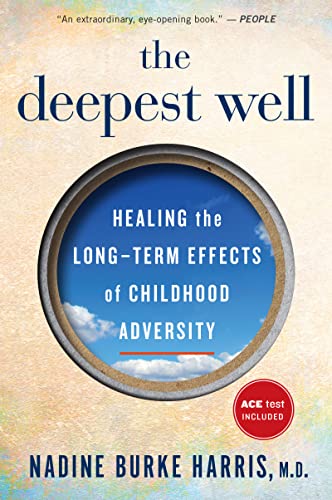
The Deepest Well
Nadine Burke Harris, M.D.
A pediatrician's clear explanation of how adverse childhood experiences affect lifelong health — and what recovery can look like.
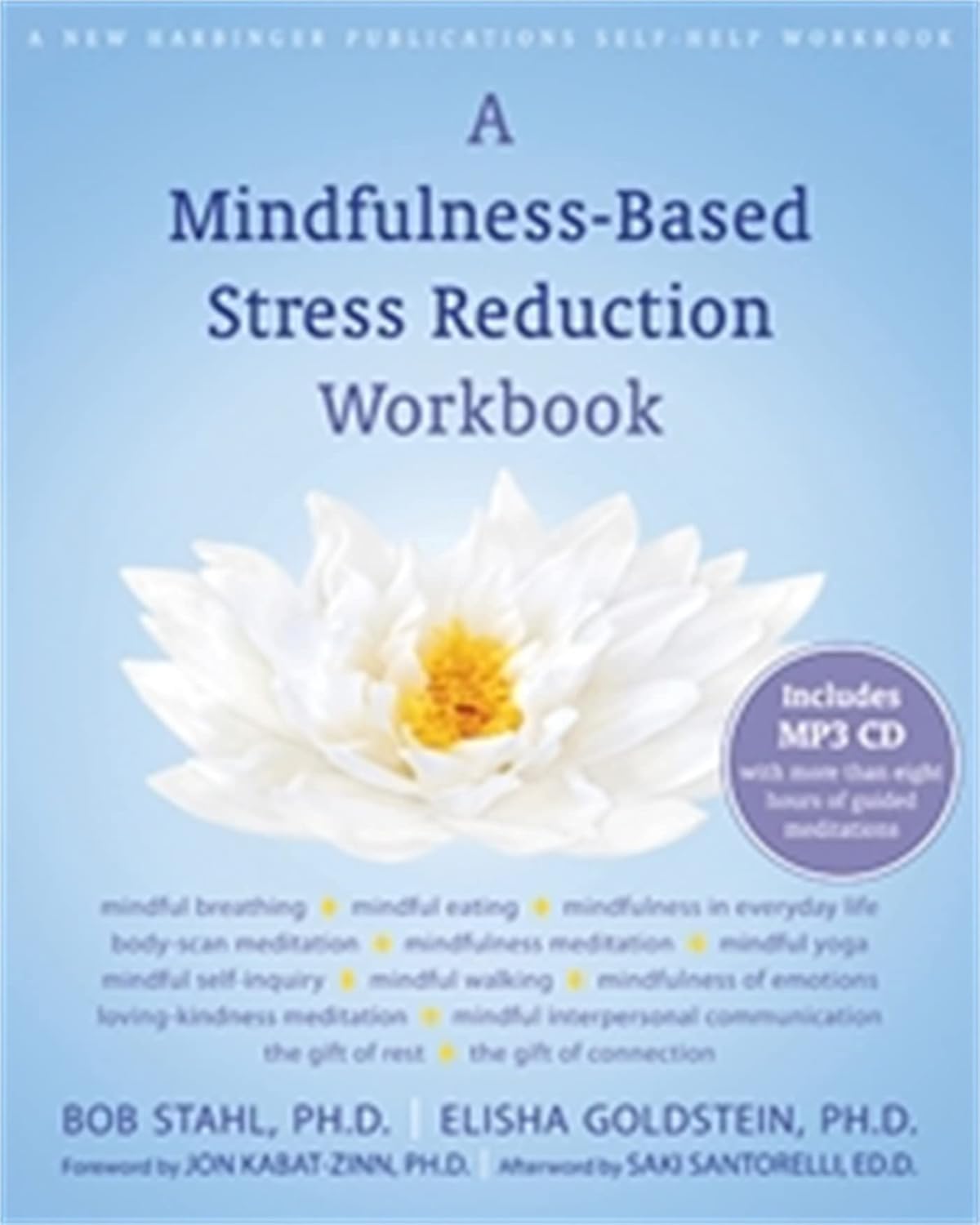
A Mindfulness-Based Stress Reduction Workbook
Bob Stahl, PhD & Elisha Goldstein, PhD
Proven mindfulness techniques to reduce stress, anxiety, and chronic pain associated with trauma.
As an Amazon Associate, Clarity House Press earns from qualifying purchases. Your price is never affected.
Found this helpful?
Share it with someone who might need it.
About the Author

Clarity House Press
Editorial Team
The editorial team at Clarity House Press curates and publishes evidence-based content on narcissistic abuse recovery, high-conflict divorce, and healing. Our content is informed by research, survivor experiences, and established trauma-informed approaches.
View all posts by Clarity House Press →Published by Clarity House Press Editorial Team