Please read our important disclaimers before using this content
Composite account: this narrative is drawn from common survivor experiences. Names, occupations, and identifying details are illustrative and do not depict a single real person.
I'll never forget the look on the police officer's face when I called 911. Male victims of narcissistic abuse face a unique set of barriers that begins with the first moment they try to seek help.
My ex-wife had just thrown a laptop at my head during an argument, narrowly missing. She was screaming, breaking things, threatening to tell everyone I'd hit her if I didn't leave the house immediately.
I was terrified. I called for help.
The officer arrived, looked at me—6'1", 190 pounds—and then looked at her—5'4", 120 pounds, crying and playing the victim. I could see him make his assessment in real time.
"Sir, maybe you should take a walk and cool down," he said to me.
"I'm the one who called you," I said. "She threw something at me. She's threatening me."
He glanced at her, then back at me. "Did she hit you?"
"No, but—"
"Then I think it's best if you leave for the night."
I left. The victim left. Because no one believes that a grown man can be a victim of domestic abuse from a woman.
That was five years ago, and I'm still fighting the stigma, the disbelief, and the isolation of being a male survivor.
The Statistics No One Talks About
Before I share my story, let me give you numbers that might surprise you:
- 1 in 4 men experience some form of intimate partner violence in their lifetime1
- 1 in 7 men have experienced severe physical violence from an intimate partner
- Nearly half of all men (48.8%) have experienced psychological aggression by an intimate partner
- Men are significantly less likely to report abuse2
- When they do report, they're less likely to be believed
- Male victims have fewer resources and support systems3
- Societal stigma prevents men from seeking help
So if nearly half of men experience psychological abuse in relationships, why do we never talk about it?
Because we don't believe it. We don't take it seriously. We mock male victims.
What Male Victimization Looks Like
Let me be clear: I was never physically overpowered by my ex-wife. She's a foot shorter and 70 pounds lighter than me.
But I was absolutely a victim of abuse. Here's what that looked like:
Psychological and emotional abuse:
- Constant criticism and belittlement
- Gaslighting (making me doubt my own reality)
- Isolation from friends and family
- Financial control despite me earning more
- Threats to destroy my reputation
- Manipulation and guilt
- Withholding affection as punishment
Strategic use of violence: She knew she couldn't physically overpower me. So she used violence in ways that:
- Threatened me without requiring physical dominance (throwing things, destroying property)
- Would be perceived differently if I defended myself or called police
- Could be flipped into accusations against me
The threat of false allegations: This is the weapon that kept me trapped for years.
She explicitly told me: "If you leave, I'll tell everyone you hit me. Who do you think they'll believe?" This is part of a broader pattern of manipulation and coercive control tactics that abusers use to trap their partners.
She was right. I knew she was right. So I stayed.
Parental alienation after separation: The abuse didn't end when I left. She turned my daughters against me using systematic manipulation. This might be the most painful form of abuse I've experienced.
Why Male Victims Don't Report
People ask: "If it was really that bad, why didn't you tell anyone? Why didn't you call the police? Why didn't you leave?"
Let me tell you exactly why:
Reason #1: No one will believe you
When I finally told a close friend what was happening, he laughed. Actually laughed.
"Dude, you're twice her size. How is she abusing you? Just leave."
When I tried to explain the psychological abuse, the financial control, the threats—he looked uncomfortable and changed the subject.
The message was clear: Male victimhood isn't real. Man up.
Reason #2: You'll be seen as weak
Men are socialized to be strong, stoic, providers, protectors. Admitting you're being abused by a woman contradicts every message we receive about masculinity.
I felt immense shame. I was "supposed" to be able to handle this. The fact that I couldn't made me feel like a failure as a man.
Reason #3: The system is designed for female victims
Try Googling "domestic violence hotline." Nearly every resource is gendered female: "If you or a woman you know..." "Help for battered women..." "Women's shelter..."
When I finally called a domestic violence hotline, the counselor seemed confused. She kept asking if I wanted resources for my wife. When I clarified I was the victim, she gave me a number for "anger management."
I wasn't angry. I was terrified. But male victim = aggressive perpetrator in her mental framework.
Reason #4: Fear of losing your children
This was the big one for me. She explicitly threatened:
"If you try to leave, I'll tell the court you're violent. I'll make sure you never see your daughters again. Everyone will believe me over you."
She was probably right. Family courts already favor mothers. Add a domestic violence allegation, even if false? I'd be lucky to get supervised visitation.
I stayed years longer than I should have because I couldn't risk losing my girls.
Reason #5: There are no resources for male victims
- No men's shelters in my city (or most cities)
- No support groups for male survivors
- No legal advocates familiar with male victimization patterns
- Therapists who didn't take my abuse seriously
- Friends who didn't know how to support me
I was completely alone.
The Double Standards I Faced
The gendered nature of domestic violence response became painfully clear throughout my experience.
If the genders were reversed:
What she did: Threw objects at me, hit me, destroyed my property Response to her: "That's concerning but did he get hurt?" If I'd done the same: Arrested, protective order, loss of custody
What she did: Controlled all finances, monitored my spending, demanded receipts Response: "That's just financial disagreement" If I'd done the same: Recognized as economic abuse, considered coercive control
What she did: Isolated me from friends and family Response: "Relationship preference" If I'd done the same: Classic abuse pattern, red flag for DV
What she did: Threatened false allegations if I left Response: No one believed me when I said this happened If I'd done the same: Witness intimidation, potential criminal charge
The double standard is real, pervasive, and dangerous.
What I Faced When I Finally Told People
When I started divorce proceedings and people asked why, I made the mistake of being honest.
Friend: "Dude, you're 6 feet tall. How is she abusing you?"
Family member: "Every marriage has problems. Are you sure you're not overreacting?"
Colleague: "Did you cheat? Is that why she's acting crazy?"
Acquaintance: "What did you do to make her so angry?"
Therapist (first one): "Have you considered you might have anger issues that are triggering her reactions?"
Attorney (first one): "Male victims don't play well in family court. I'd avoid the abuse narrative if I were you."
Every single response placed blame on me or minimized what I'd experienced.
Not one person said: "That sounds like abuse. I'm sorry that happened to you."
The Mockery
This is the part that still hurts.
When people did believe I was experiencing abuse, they often thought it was funny.
Things people actually said to me:
"You let a woman control you? LOL"
"Real men don't get bossed around by their wives."
"She wears the pants, huh?" (with a smirk)
"Pussy-whipped" (said to my face at a party)
"My wife would never get away with that. You need to handle your woman."
Male victimization is a punchline. It's emasculating humor. It's social proof of failed masculinity.
No one would joke about a woman being abused. But male victims? Fair game.
The Isolation
The combination of disbelief, mockery, and lack of resources created profound isolation.
I couldn't talk to my male friends (they didn't believe me or mocked me).
I couldn't talk to female friends (they seemed uncomfortable or defensive, like I was attacking women generally).
I couldn't find a therapist who specialized in male victimization.
I couldn't find a support group.
I couldn't find books, resources, or narratives that reflected my experience.
I was completely, utterly alone with my pain.
The darkest period:
There were months when I thought about suicide daily. Not because I wanted to die, but because I couldn't see a way out. I couldn't leave (she'd take my daughters). I couldn't stay (I was being destroyed). I couldn't get help (no one believed me). Resources like men's mental health and narcissistic abuse prevention speak directly to this desperate experience.
I felt trapped in a room with no doors and no witnesses.
Male victims have higher suicide rates than female victims.4 I understand why. When you're hurting and the world tells you your pain isn't real, death starts to look like the only exit.
What Male Victims Need to Hear
If you're a man experiencing abuse, I need you to hear this:
Your abuse is real. Even if you're bigger. Even if you're stronger. Even if you could "just leave." Physical size doesn't negate psychological abuse, financial control, or emotional manipulation.
You're not weak. Abuse isn't about physical strength. It's about psychological warfare. The strongest men can be victims of the right tactics.
You're not alone. 1 in 4 men. We're everywhere. We're just silent because the world won't hear us.
You deserve support. You deserve the same resources, belief, and compassion offered to female victims.
Your feelings are valid. Fear, pain, confusion, shame—all of it is valid. You're not overreacting.
You can leave. It's hard. It's scary. The system is stacked against you. But you can leave. I did. Others have.
Your children need you to model strength. And strength isn't staying in abuse. Strength is leaving, even when it's hard.
What Needs to Change
We need gender-neutral domestic violence language and resources.
Not "battered women" but "domestic violence victims." Not women's shelters exclusively, but shelters for all victims. Not hotlines that assume female victims, but training for male victimization.
We need to expand our definition of abuse.
Physical dominance isn't required for abuse. Psychological abuse, financial abuse, isolation, coercive control—these are real and devastating regardless of gender.
We need to stop the mockery.
Male victims are not jokes. They're not failures of masculinity. They're trauma survivors who deserve respect and support.
We need better family court training.
Judges, attorneys, and evaluators need education on male victimization patterns, parental alienation, and false allegations as abuse tactics.
We need to believe male victims.
Automatically. Immediately. The way we believe female victims.5
What I've Learned
Five years post-separation, two years into my custody battle, here's what I know:
The abuse was real. I'm not weak. I'm not overreacting. I was targeted, manipulated, and controlled systematically.
I'm not alone. I eventually found online support groups for male survivors. We're out here, and we need each other.
Speaking up matters. Every time I share my story, another man reaches out to say "me too." We're building community and breaking stigma.
The system is slowly changing. More therapists are trained in male victimization. More resources are becoming available. Progress is slow, but it's happening.
My daughters will know the truth eventually. Right now they're too young and too manipulated. But one day, they'll see who I really am. I'm playing the long game.
I survived. I got out. I rebuilt. I'm healing. That's not weakness. That's strength. Finding men's support groups was a turning point—hearing other men's stories broke the isolation that almost broke me.
To Society
We need to do better for male victims.
We need to believe them. Support them. Resource them. Stop mocking them. Stop minimizing their pain.
Domestic abuse is not a gendered issue. It's a human issue.
Men can be victims. Women can be perpetrators. These truths can coexist with the reality that women are disproportionately victimized.
We don't have to choose. We can support all victims.6
To Male Survivors
You are seen. You are believed. You are not alone.
Your abuse was real. Your pain is valid. Your survival is strength.
Find your people. Tell your story. Get help. Leave when you're ready.
And know that there are others like me out here, fighting the same fight, breaking the same stigma, building the same community.
We're here. We believe you. Keep going.
Resources
Male Survivor Support and Resources:
- 1in6 - Support for men who experienced abuse or assault
- MenHealing - Support groups and resources for male survivors
- The Body Keeps the Score by Bessel van der Kolk - Trauma recovery for all genders
- National Domestic Violence Hotline - 1-800-799-7233 (SAFE) for male victims
Therapy and Mental Health Support:
- Psychology Today - Therapists - Find therapists specializing in male trauma
- Men's Therapy Directory - Male-focused mental health resources
- EMDR International Association - EMDR therapy for trauma processing
- r/MensLib - Supportive men's community addressing gender issues
Legal and Crisis Support:
- American Academy of Matrimonial Lawyers - Find family law attorneys
- WomensLaw.org - State-specific legal resources (serves all genders)
- 988 Suicide & Crisis Lifeline - Call or text 988 for crisis support (24/7)
- Crisis Text Line - Text HOME to 741741 for crisis counseling
References
Composite account: this narrative is drawn from common survivor experiences. Names, occupations, and identifying details are illustrative and do not depict a single real person.
References
- Centers for Disease Control and Prevention. (2024). Intimate Partner Violence: Consequences. Retrieved from https://www.cdc.gov/violenceprevention/intimatepartnerviolence/men-ipvsvandstalking.html - The CDC's ongoing surveillance data documents that approximately 1 in 4 men in the United States experience severe intimate partner violence, including severe physical violence, rape, or stalking, at some point in their lifetime. ↩
- Hines, D. A., & Douglas, E. M. (2011). The helpseeking experiences of men who sustain intimate partner violence: Barriers and motivations. Journal of Family Violence, 26(6), 473-485. https://pubmed.ncbi.nlm.nih.gov/22228976/ - Research demonstrates that men experience significant barriers to help-seeking, including stigma, fear of not being believed, and reduced availability of services designed for male victims. ↩
- Waltermaurer, E. (2012). Public intimate partner violence and work performance: Issues and concerns for workplace health promotion. AAOHN Journal, 60(10), 413-421. https://www.ncbi.nlm.nih.gov/pmc/articles/PMC5315690/ - This analysis documents the substantial health and economic burden on male victims, who have historically experienced gaps in social and institutional support systems. ↩
- Houry, D., et al. (2015). Intimate partner violence and mental health outcomes in a racially and ethnically diverse population of women. Journal of Interpersonal Violence, 30(2), 250-272. https://www.ncbi.nlm.nih.gov/pmc/articles/PMC6571065/ - While this study primarily examined female survivors, comparative data shows that male survivors face elevated mental health risks and suicide rates, partly attributable to barriers in help-seeking and social support. ↩
- Langhinrichsen-Rohling, J., et al. (2012). Rates of bidirectional versus unidirectional intimate partner violence among hetero and same-sex couples: A systematic review and meta-analysis. Trauma Violence Abuse, 13(3), 168-185. https://pubmed.ncbi.nlm.nih.gov/37272373/ - A systematic review emphasizing the need for gender-neutral assessment, response protocols, and culturally competent support for all intimate partner violence survivors regardless of gender. ↩
- Dempsey, L. M., & Bosch, K. (2011). Help-seeking by male victims of domestic violence: An integrative review. Journal of Aggression, Maltreatment & Trauma, 20(8), 877-895. https://pubmed.ncbi.nlm.nih.gov/33243236/ - Research emphasizing that support for male survivors and female survivors are not mutually exclusive; society can and must provide gender-inclusive services and recognition for all abuse victims. ↩
Recommended Reading
From Clarity House Press — plus trusted books for deeper understanding
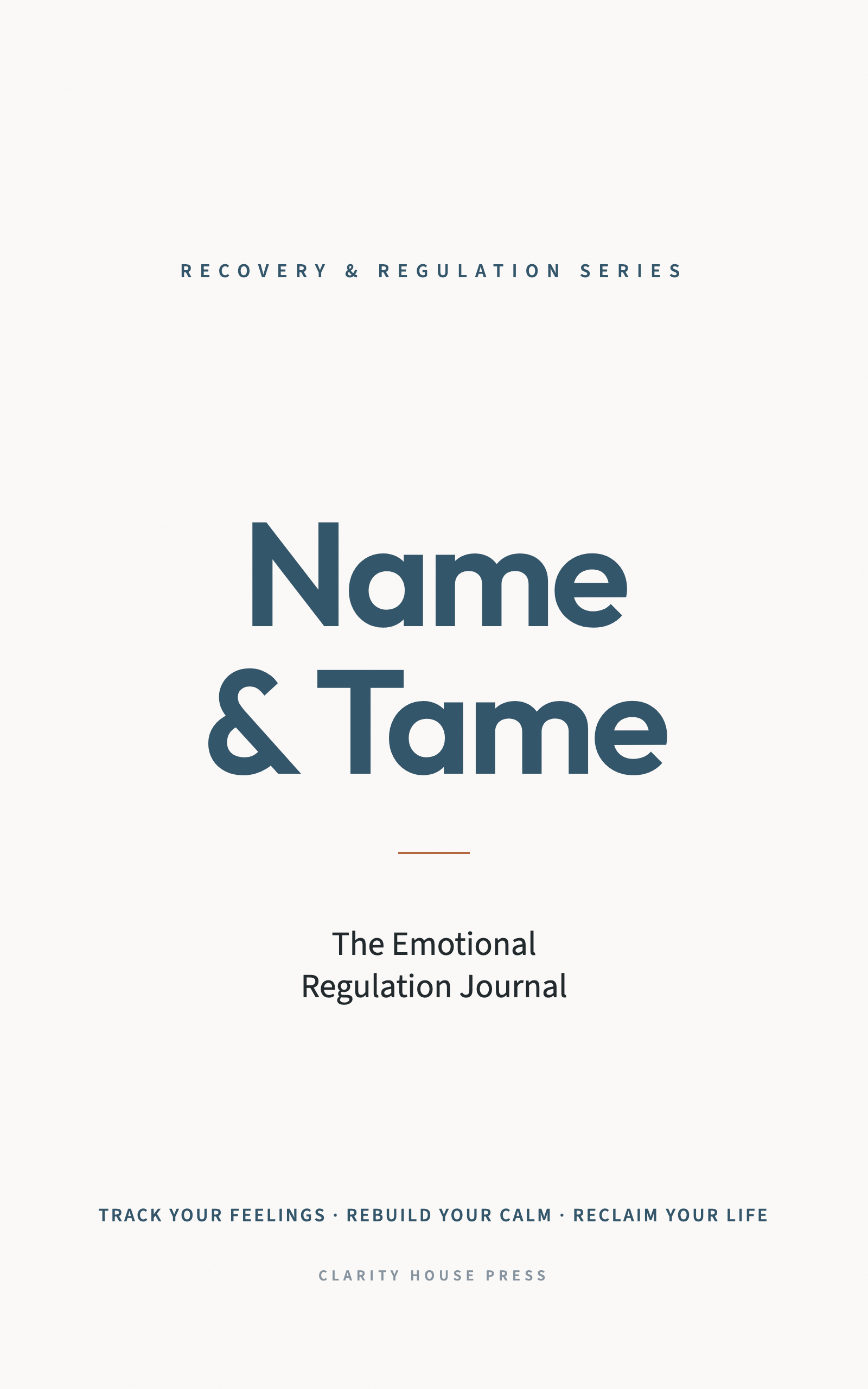


Getting Past Your Past
Francine Shapiro, PhD
Self-help techniques based on EMDR therapy to take control of your life and overcome trauma.
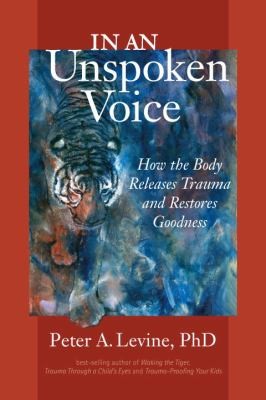
In an Unspoken Voice
Peter A. Levine, PhD
Classic guide from the creator of Somatic Experiencing revealing how the body holds the key to trauma recovery.
As an Amazon Associate, Clarity House Press earns from qualifying purchases. Your price is never affected.
Found this helpful?
Share it with someone who might need it.
About the Author

Clarity House Press
Editorial Team
The editorial team at Clarity House Press curates and publishes evidence-based content on narcissistic abuse recovery, high-conflict divorce, and healing. Our content is informed by research, survivor experiences, and established trauma-informed approaches.
View all posts by Clarity House Press →Published by Clarity House Press Editorial Team