Please read our important disclaimers before using this content
Research on father involvement and child development is complex—and often oversimplified in custody battles. While involved, engaged parents of all genders contribute to healthy child development, the story isn't as simple as "father absence = harm." Understanding how family courts evaluate parental alienation claims provides context for how this research gets weaponized in custody proceedings.
Understanding what the research actually shows—and what it doesn't—matters for fathers fighting for custody, for protective parents making difficult decisions, and for courts determining children's best interests.
What Research Shows (And What It Doesn't)
Important context first: Most "father absence" research doesn't separate father absence from:
- Economic instability (single mothers earn 60% of single fathers)
- Pre-separation family conflict and trauma
- Maternal stress and mental health impacts
- The reason for absence (death vs. abandonment vs. protective separation)
With those limitations acknowledged, correlational research shows:
Academic Achievement:
- Children with two involved, stable parents tend to perform better academically
- Higher household income and parental time both correlate with educational outcomes
- Father absence correlates with increased dropout rates (but so does poverty and family conflict)
Behavioral Outcomes:
- Children in stable, low-conflict homes show better behavioral outcomes regardless of family structure
- High-conflict two-parent homes produce worse outcomes than stable single-parent homes
- Parental involvement (from any engaged parent) predicts better impulse control and emotional regulation
Social-Emotional Development:
- Multiple secure attachments (regardless of parent gender) predict better outcomes
- Economic stability and low household conflict are stronger predictors than family structure
- Quality of parenting > quantity of parents
Gender-Specific Patterns (with major caveats):
Research shows some gender differences in outcomes, but these are heavily confounded by economic factors and stepfather presence:
Boys:
- Higher rates of externalizing behaviors (aggression, acting out) in single-mother homes
- BUT: Same patterns appear in high-conflict two-parent homes
- Risk factors: Economic instability, lack of positive male role models, maternal stress
- NOT inevitable: Many boys thrive with single mothers when economically stable
Girls:
- Some research links father absence to earlier puberty and increased sexual risk-taking
- BUT: Stronger correlation with stepfather presence and household stress than father absence per se
- Many studies fail to control for maternal dating patterns and household instability
- NOT deterministic: Many girls with involved single mothers develop healthy relationship patterns
What Engaged Fathers Contribute (When They Show Up)
The value of father involvement isn't about gender roles—it's about what happens when children have multiple secure attachments with different caregiving styles:
Parenting Diversity Benefits:
Modern research shows the benefits traditionally attributed to "fathers" are actually about:
- Having TWO engaged, attached caregivers (regardless of gender)
- Diverse parenting styles (one parent might be more playful, one more structured—this variation is beneficial)
- Multiple secure attachment figures (children benefit from loving relationships with multiple adults)
What Engaged Fathers Often Provide (when healthy):
- Physically active play and risk-taking encouragement (though many mothers do this too)
- Different communication patterns that broaden children's social skills
- Modeling of healthy masculinity and emotional expression in men
- Economic stability through dual incomes
- Additional time and attention beyond what one parent can provide
- Protection and security
Critical distinction: These benefits require ENGAGED, HEALTHY father involvement. A psychologically abusive, manipulative, or controlling father doesn't provide these benefits—even if physically present.
Types of Father Absence
Physical Absence:
- Death, incarceration, deployment
- Abandonment
- Involuntary separation (parental alienation, court-ordered distance)
Psychological Absence:
- Physically present but emotionally unavailable
- Addiction or mental illness preventing engagement
- Prioritizing work/other relationships over children
Both types create developmental challenges, though children's understanding differs.
Court Implications
Legal presumptions:
- Most states recognize children benefit from both parents
- "Best interests of child" standard typically includes maintaining relationships with both parents
When father absence is court-created:
- Custody evaluations should consider children's need for fathers
- Supervised visitation better than no contact (except in cases of documented abuse)
- Graduated reunification plans better than abrupt separation
Burden of proof:
- Courts should require clear evidence before severing father-child relationships
- Preference of child (especially if alienated) shouldn't be sole determining factor
- Long-term developmental interests outweigh short-term comfort
Protective Factors That Mitigate Father Absence
Even when father absence occurs, certain factors reduce negative impacts:
1. Involvement of Other Positive Male Role Models
- Grandfathers, uncles, coaches, mentors
- Not full replacement but significant buffer
2. Mother's Attitude Toward Father (With Critical Context)
IMPORTANT SAFETY NOTE: This recommendation applies ONLY to situations where the father was not abusive, manipulative, or psychologically harmful.
When father was healthy but absent (death, deployment, non-abusive separation):
- Children fare better when mother speaks neutrally or positively about father
- Validating father's positive qualities (when truthful) helps
- Avoiding blame and negativity reduces children's internalized shame
When father was abusive, controlling, or psychologically harmful:
- Truthful, age-appropriate explanations are healthier than forced positivity
- Children need validation that problematic behavior was real, not minimization
- Speaking "positively" about an abusive father gaslights children and teaches them to accept mistreatment
- Mother's primary duty is children's emotional safety, not protecting father's image
3. Economic Stability
- Father absence often brings financial instability
- When economic needs are met (child support, family support), some risks decrease
4. Therapeutic Intervention
- Therapy helps children process father absence
- Addresses grief, anger, self-blame
- Builds coping skills
5. Father's Continued Effort
- Even limited contact is protective
- Letters, calls, video chats maintain connection
- Showing up consistently (even if restricted) matters
For Fathers: Maintaining Connection Despite Barriers
If you're experiencing limited access:
- Follow court orders meticulously. Every violation works against you.
- Document all attempts to connect. Unanswered calls, blocked messages, refused visits.
- Use available time fully. If you get 4 hours/month, show up for all 4 hours.
- Send consistent communication. Letters, cards, age-appropriate gifts.
- Maintain financial support. Even if visitation is denied, pay support on time.
- Pursue legal remedies. File for modification if access is being blocked.
If you're completely cut off:
- Continue sending letters/cards to create record
- Maintain savings account for child
- Document all efforts
- Consult attorney about enforcement or modification
- Prepare for reunification when child is older
For Mothers: Supporting Father Involvement (When Safe)
SAFETY FIRST: These recommendations apply only when father involvement is genuinely safe and healthy for children.
If your ex-partner was abusive, controlling, or psychologically harmful, your primary obligation is protecting your children—not facilitating a relationship that harms them.
For mothers co-parenting with non-abusive ex-partners:
Don't:
- Badmouth father to children (if he wasn't abusive)
- Block appropriate contact without safety reasons
- Use children as messengers or spies
- Create scheduling barriers for control purposes
- Interrogate children after visits
Do:
- Speak truthfully and age-appropriately about father
- Facilitate smooth transitions when safe
- Encourage healthy relationship with safe parents
- Separate adult relationship from parent-child relationship
- Focus on children's needs and safety
For mothers who limited contact for protective reasons:
You are not obligated to facilitate a relationship with someone who:
- Gaslighted you or the children
- Used coercive control tactics
- Weaponized the legal system
- Engaged in parental alienation
- Created psychological harm through manipulation
Truthful, age-appropriate explanations about why contact is limited are healthier than forcing children into relationships that harm them.
My Story: "The Research Doesn't Capture This"
I spent two years reading father absence research during my custody battle. Every study my ex's attorney cited made me feel like a monster for protecting my kids from his psychological abuse.
"Father absence harms children." "Children need their fathers." "Mothers who limit access damage their children."
What the research didn't capture:
- How my daughter's anxiety attacks stopped when she didn't have to visit
- How my son stopped wetting the bed once the Sunday exchanges ended
- How both kids started sleeping through the night without nightmares
- How their grades improved when they weren't walking on eggshells
Their father never hit them. He never screamed. He was subtle: gaslighting them about their memories, using homework as punishment, telling my daughter her anxiety was "manipulation," interrogating my son about my personal life.
Courts wanted evidence. What evidence do you bring for a father who says, "You're remembering wrong," until his kids doubt their own reality?
The "father absence" research compares kids with involved fathers to kids without. It doesn't distinguish between:
- Kids whose fathers left vs. kids whose mothers created distance for protection
- Kids who lost economic stability vs. kids whose custodial parent maintained it
- Kids grieving a good father vs. kids relieved an abusive one is gone
My kids aren't "father absent." They're "psychologically-abusive-father-absent." That's not a deficit. That's healing.
Ten years later: Both kids are thriving. Both graduated high school with honors. Both have healthy relationships. Both occasionally see their father (their choice, supervised, limited).
They don't thank me for keeping them connected to someone who harmed them. They thank me for trusting them when they said something was wrong—even when I couldn't prove it in court.
The research matters. But so does this: sometimes the healthiest thing you can do for your children is protect them from someone who uses access to control and harm. Even if that someone is their father.
— Protective mother, Massachusetts
When Father Absence Is Protective
Father involvement isn't always in children's best interests. Some situations warrant limited or no contact:
Clear cases requiring limitation or supervision:
- Physical or sexual abuse
- Severe untreated mental illness posing danger
- Active addiction with erratic or dangerous behavior
- Domestic violence creating safety concerns
Psychological abuse requiring limitation (often dismissed by courts but equally harmful):
- Coercive control and manipulation of children
- Using children as weapons or messengers
- Gaslighting children about their reality or experiences
- Parental alienation tactics (turning children against other parent)
- Chronic emotional abuse (belittling, shaming, invalidating)
- Weaponizing therapy, school, or medical care to control/surveil
- Financial abuse that directly harms children's stability
- Narcissistic abuse creating developmental trauma
Important: Psychological abuse is harder to document but can be equally damaging to children's development. Courts often require physical evidence, but children's mental health matters as much as physical safety.
Graduated approaches when safe:
- Supervised visitation (when issues are addressable)
- Therapy for father addressing problematic patterns
- Graduated reunification if father demonstrates sustained change
- Ongoing monitoring and adjustment based on children's wellbeing
When complete separation is protective:
- Ongoing, unaddressed abuse of any kind
- Refusal to acknowledge harm or engage in treatment
- Pattern of using any contact to manipulate or harm children
- Children's consistent, age-appropriate fear or regression after contact
Key: Safety-based decisions supported by evidence, not assumptions. But also not dismissing psychological harm because it's harder to photograph.
Key Takeaways
What the research actually shows:
- Children benefit from multiple secure attachments with engaged, healthy caregivers
- Much "father absence harm" research conflates economic instability, pre-separation conflict, and maternal stress with father absence itself
- Quality of parenting matters more than family structure
- High-conflict two-parent homes often produce worse outcomes than stable single-parent homes
For fathers genuinely fighting alienation:
- Document everything: attempts to contact, adherence to orders, financial support
- Use every minute of allowed time
- Pursue legal remedies when contact is inappropriately blocked
- Your continued, healthy presence matters to your children's development
See our guide on enforcing parenting time when the co-parent violates custody orders for the specific legal steps available when access is blocked.
For protective parents (usually mothers):
- You are not obligated to facilitate relationships with psychologically abusive ex-partners
- Truthful, age-appropriate explanations are healthier than forced positivity about harmful people
- Protecting children from manipulation and coercive control IS protecting their development
- Courts often fail to recognize psychological abuse—trust your assessment of your children's safety
Understanding how abusers use parental alienation claims against protective parents is essential for navigating a court that may not initially recognize the pattern.
For courts:
- Father involvement benefits children when fathers are engaged, healthy, and non-abusive
- Distinguish between protective separation and alienation (requires nuanced assessment)
- Economic support matters as much as physical presence
- Psychological abuse is as harmful as physical abuse—stop requiring photographic evidence
The complexity matters: Not all father absence is harmful. Not all father presence is beneficial. Children need safe, engaged, healthy caregivers—sometimes that's both parents, sometimes it's one, sometimes it's neither biological parent. The focus should be children's actual wellbeing, not adherence to idealized family structures.
Resources
Fatherhood Research and Support:
- National Fatherhood Initiative - Research, resources, and programs supporting engaged fatherhood
- Fatherhood Institute - International fatherhood research database and evidence-based practices
- National Responsible Fatherhood Clearinghouse - Federal resources for fathers and families
- All Pro Dad - Community and resources for fathers
Child Development and Mental Health:
- American Academy of Child and Adolescent Psychiatry - Child mental health resources and provider directory
- Child Welfare Information Gateway - Resources on child wellbeing and family structures
- Zero to Three - Early childhood development resources for parents and professionals
- Psychology Today - Child Therapists - Find child therapists by specialty and location
Legal and Co-Parenting Support:
- National Parents Organization - Advocacy for shared parenting and father involvement
- TalkingParents - Co-parenting communication and documentation platform
- OurFamilyWizard - Court-admissible communication records
- American Bar Association - Family Law Section - Find family law attorneys for custody and co-parenting issues
- LawHelp.org - Free and low-cost legal assistance by state
References
- McLanahan, S., Tach, L., & Schneider, D. (2013). The Causal Effects of Father Absence. Annual Review of Sociology, 39, 399-427. https://pmc.ncbi.nlm.nih.gov/articles/PMC3904543/ ↩
- Culpin, I., Heron, J., Araya, R., et al. (2013). Father absence and depressive symptoms in adolescence: Findings from a UK cohort. Psychological Medicine, 43(12), 2615-2626. https://pmc.ncbi.nlm.nih.gov/articles/PMC10666570/ ↩
- Ge, X., Natsuaki, M. N., Neiderhiser, J. M., & Reiss, D. (2007). Genetic and Environmental Influences on Pubertal Timing: Results From Two National Sibling Studies. Journal of Research on Adolescence, 17(4), 767-788. ↩
- Fomby, P., & Cherlin, A. J. (2007). Family Instability and Child Well-Being. American Sociological Review, 72(2), 181-204. ↩
Recommended Reading
From Clarity House Press — plus trusted books for deeper understanding


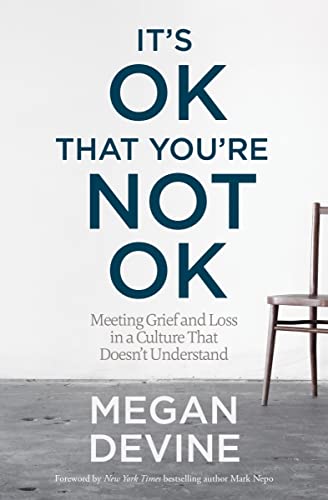
It's OK That You're Not OK
Megan Devine, LPC
A grounded, permission-giving companion for grief that resists tidy timelines and lets loss simply be witnessed.
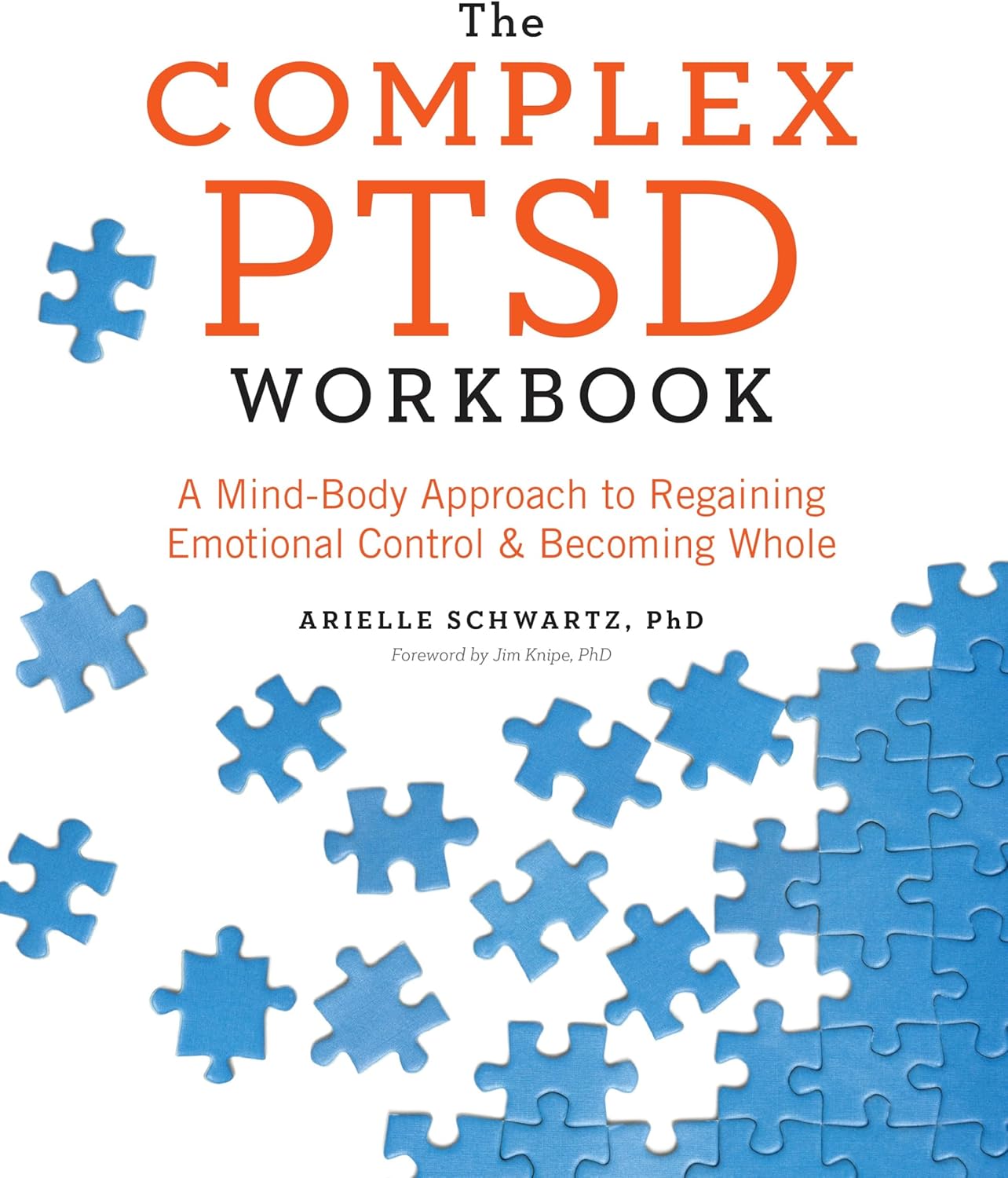
The Complex PTSD Workbook
Arielle Schwartz, PhD
A mind-body approach to regaining emotional control and becoming whole with evidence-based exercises.
As an Amazon Associate, Clarity House Press earns from qualifying purchases. Your price is never affected.
Found this helpful?
Share it with someone who might need it.
About the Author

Clarity House Press
Editorial Team
The editorial team at Clarity House Press curates and publishes evidence-based content on narcissistic abuse recovery, high-conflict divorce, and healing. Our content is informed by research, survivor experiences, and established trauma-informed approaches.
View all posts by Clarity House Press →Published by Clarity House Press Editorial Team