Please read our important disclaimers before using this content
They texted you 50 times on the first date. Called you their soulmate after two weeks. Told you they've never felt this way before. Showered you with gifts, attention, and declarations of eternal love.
For Tyler Chen, a 29-year-old graphic designer, it started at a gallery opening. A woman walked up, referenced his design influences with striking accuracy, and spent four hours with him discussing shared interests in obscure films and minimalist aesthetics. Within weeks, she'd created an elaborate shared future—a house in Portland with a studio for his design work, a golden retriever, trips to Japan. Within months, she'd moved in. Within 18 months, they were married. Within five years, he was divorced, trying to understand how the woman who'd "gotten" him so completely had systematized his destruction.
It felt like a fairy tale. Then, seemingly overnight, it became a nightmare.
This is love bombing—a manipulation tactic disguised as romance that creates powerful neurochemical bonds, making you vulnerable to the abuse that follows. It's Phase 1 of the narcissistic abuse cycle that nearly every survivor eventually recognizes in retrospect. It's particularly devastating for people in creative fields, who are trained to find meaning in patterns, to romanticize intensity, and to value depth and authenticity above all else.
What Is Love Bombing?
Love bombing is the practice of overwhelming someone with affection, attention, gifts, and promises early in a relationship to create intense emotional dependency. Coined by psychologists studying cult recruitment tactics, the term now primarily describes a manipulation strategy used by narcissists, sociopaths, and other personality-disordered individuals to rapidly establish control over romantic partners, friends, or even professional mentees.
Core Characteristics:
- Excessive flattery and adoration ("You're the most amazing person I've ever met")
- Constant communication (50+ texts daily, upset if you don't respond within minutes)
- Grand romantic gestures disproportionate to relationship length (expensive gifts on date two, weekend getaways after one week)
- Moving extremely fast (talking marriage, children, soulmates within weeks)
- Mirroring your values, interests, and dreams with suspicious perfection
- Making you feel like the center of their universe (canceling all other plans, available 24/7)
- Creating isolation from others ("I just want you all to myself," jealousy of friends/family)
- Future faking (detailed plans for shared future that never materialize)
Key distinction: Love bombing is strategic and temporary. It's Phase 1 of the idealization-devaluation-discard cycle that characterizes narcissistic abuse patterns. The mirroring tactic used during love bombing is closely related to narcissistic mirroring—the abuser's strategy of reflecting your ideal self back at you to create the illusion of a perfect match. The intensity is a feature, not a bug—it's designed to create dependency before you have time to recognize red flags.
The Narcissistic Abuse Cycle: Context for Love Bombing
Understanding love bombing requires understanding where it fits in the larger abuse pattern:
Phase 1: Idealization (Love Bombing)
Duration: Weeks to months Purpose: Create intense attachment and dependency Your experience: Euphoria, feeling "seen," rapid bonding
Phase 2: Devaluation
Duration: Months to years (can cycle repeatedly) Purpose: Maintain control while degrading your self-worth Your experience: Confusion, self-blame, trying to "earn back" Phase 1
Phase 3: Discard
Duration: Sudden or gradual Purpose: Dispose when supply is depleted or better supply appears Your experience: Devastation, shock, often followed by hoovering attempts
Love bombing sets up the entire cycle. The more intense Phase 1, the more confused and destabilized you'll be during Phase 2, and the harder it will be to accept Phase 3. The idealization creates a psychological reference point that makes you blame yourself for the inevitable devaluation.
The Neurobiology Behind Love Bombing
Love bombing works because it exploits your brain's natural attachment and reward systems:
1. Dopamine Flood Intense romantic attention triggers massive dopamine release—the same neurotransmitter involved in addiction. Landmark fMRI research by Fisher et al. (2005) demonstrated that viewing photos of romantic partners activates dopamine-rich brain regions including the ventral tegmental area and caudate nucleus—the same reward circuitry activated by cocaine. Research further shows that the behavioral, anatomical, and pharmacological parallels between social attachment and addiction share common neurobiological mechanisms (Burkett & Young, 2012).
- Novel experiences create dopamine spikes
- Unpredictable rewards (when will the next text/gift arrive?) amplify the effect
- Your brain becomes focused on getting the next "hit" of their attention
2. Oxytocin Bonding Physical intimacy, eye contact, and emotional vulnerability release oxytocin (the "bonding hormone"). Research published in Psychoneuroendocrinology found that plasma oxytocin levels are significantly higher in new lovers compared to singles (Schneiderman et al., 2012), suggesting increased oxytocinergic activity during the early stages of romantic attachment.
- Creates powerful attachment rapidly
- Makes you trust them deeply and quickly
- Bypasses normal relationship pacing that allows for red flag recognition
3. Cortisol Reduction Their constant attention and validation reduce stress hormones initially, making you feel "safe" and "seen" in ways you may never have experienced.
- When they later withdraw (devaluation phase), cortisol spikes
- You crave return to the low-stress idealization phase
- This creates the push-pull dynamic that strengthens trauma bonds
4. Neural Pathway Creation Your brain rapidly builds associations: this person = euphoria, safety, excitement.
- These pathways don't disappear when their behavior changes
- During devaluation, you keep expecting the idealization person to return
- This is why you keep making excuses or waiting for them to "go back to how they were"
The Six Core Love Bombing Tactics
Understanding specific manipulation techniques helps you recognize them in real time:
1. Excessive Attention and Availability
- Texts 50-100+ times daily
- Calls multiple times per day "just to hear your voice"
- Gets visibly upset or anxious if you don't respond within minutes
- Available 24/7, cancels all other commitments to be with you
- Shows up unannounced "because I missed you"
- Why it works: Mimics the attentiveness you've craved, makes you feel prioritized and special
2. Future Faking: The Detailed Lie
Future faking deserves special attention because it's so deceptive and so effective.
What it looks like:
- Talks about marriage, children, shared future within weeks
- Plans elaborate vacations months ahead (that rarely materialize)
- Discusses where you'll live together, names for future children
- Creates detailed shared visions (house in Portland with studio space, rescue dog, international travel)
- Integrates you into long-term plans before the relationship is established
- Makes commitments that feel binding ("we'll always have Tuesdays together," "when we move to the coast," "our kids will...")
Why it's so insidious: Future faking creates an emotional investment in a future that doesn't exist. When Tyler's partner brought a notebook to their second date and they spent two hours creating a detailed bucket list together—Japan trips, a Portland house with a studio for his design work, adopting a golden retriever, 2-3 children—it made him feel chosen and understood. But she never intended to build that life. She was collecting information about what would hook him.
The cruelty emerges during devaluation: "That bucket list was just dreaming. This is real life." The fantasy becomes evidence of his naivety, his unrealistic expectations, his emotional immaturity. The shared future becomes a weapon: "You wanted a dog? Inconvenient. You wanted to work from your own studio? Grow up. You wanted to travel? I'm tired."
Why it works: It exploits our natural human need for shared meaning and direction. When someone demonstrates they're thinking about a future WITH you, it triggers attachment systems and creates a sense of being chosen.
3. Mirroring (The "Chameleon Effect")
Mirroring is when someone reflects your interests, values, and personality back at you with suspicious perfection.
What it looks like:
- Claims to share all your interests, values, and goals
- Adopts your political views, spiritual beliefs, hobbies
- "Coincidentally" has the same relationship wounds and dreams
- Becomes who you need them to be rather than showing authentic self
- Has no hobbies, opinions, or identity that predate you
- Changes "favorite" things to match yours as you reveal your preferences
- Shows no independent judgment or decision-making
Real example: Tyler walked out of design school and met someone at a gallery opening. She mentioned noticing his "incredible use of negative space" and referenced Massimo Vignelli—a designer he was influenced by. At their first coffee date, she loved all his obscure bands, shared his passion for Wes Anderson films (she even had a favorite Wes Anderson film, though he later realized she'd discovered it on his Instagram that week), and was fascinated by the minimalist design aesthetic he'd been exploring.
What felt like magical compatibility was actually reconnaissance. She was researching his Pinterest boards, his portfolio, his Instagram. She was learning his visual language, then speaking it back to him.
Why it works: Attachment theory shows we bond most readily with people who feel familiar and who reflect our values back to us. Mirroring exploits this by creating the illusion of perfect compatibility, making you feel fundamentally understood at a neurochemical level.
4. Gift Bombing and Grand Gestures
- Expensive gifts disproportionate to relationship length
- Elaborate dates (helicopters, five-star restaurants on date two)
- Public declarations of love (social media posts, telling everyone you're "the one")
- Financial generosity designed to create obligation
- Why it works: Activates reciprocity principle (you feel obligated to return emotional investment) and creates gratitude/debt
5. Constant Contact and Digital Tethering
- Expects immediate text responses
- Wants to know your location at all times ("for safety")
- Frequent video calls throughout the day
- Gets anxious or accusatory if you're unavailable
- Why it works: Prevents reflection time, isolates you from outside perspectives, creates dependency on their attention
6. Premature Intimacy (Emotional and Physical)
- Deep emotional disclosures very early (trauma, childhood wounds, fears)
- Invites you to reciprocate with your vulnerabilities
- Physical intimacy rushed (moving in together within weeks)
- Sharing passwords, keys, financial information too quickly
- Why it works: Creates artificial closeness, exploits human tendency to bond through vulnerability, bypasses natural caution
Love Bombing Across Different Relationships
Love bombing isn't limited to romantic relationships:
Romantic Love Bombing: Sarah's Story
Sarah met Marcus on a dating app. Within 24 hours, he'd sent 40 texts. By date three, he said "I love you." By week two, he'd introduced her to his family and discussed marriage. He mirrored her passion for animal rescue, claimed to share her spiritual beliefs, and made her feel like "the only woman who'd ever truly understood him."
When she mentioned needing space to see her friends, his demeanor shifted overnight. The man who'd worshiped her suddenly criticized her appearance, accused her of cheating, and referenced how much he'd "sacrificed" during the idealization phase.
Friendship Love Bombing: Marcus's Story
Marcus met Jake at a professional conference. Jake immediately positioned himself as Marcus's mentor and biggest supporter. He texted constantly, invited Marcus to exclusive networking events, and publicly praised his work. Within weeks, Jake was calling Marcus his "brother" and discussing launching a business together.
When Marcus got a promotion Jake wanted, the support evaporated. Jake began undermining Marcus to colleagues, spreading rumors, and claiming Marcus had "used him." The idealization had never been about Marcus—it was about what Marcus could provide.
Workplace Love Bombing: Elena's Story
Elena's new boss, Patricia, seemed like a dream mentor. Patricia publicly praised Elena, gave her high-profile projects, took her to lunch weekly, and discussed promoting her rapidly. Elena felt seen and valued in ways her previous jobs had never provided.
After six months, when Elena declined to work a weekend, Patricia's behavior changed. She began excluding Elena from meetings, criticizing her work publicly, and claiming Elena was "ungrateful" given "everything I've done for you." The idealization had been strategic—creating loyalty before exploitation.
Why Creative Professionals Are Especially Vulnerable
Artists, designers, writers, musicians, and other creative professionals fall victim to love bombing at disproportionate rates. This isn't weakness—it's the convergence of specific personality traits and professional realities:
1. We Romanticize Everything
Creatives are trained to find beauty, meaning, and narrative in everything. We see patterns, symbolism, connection. So when someone shows up who seems like a movie-perfect love story, we lean in entirely.
Tyler didn't just see a woman at a gallery opening—he saw the beginning of his love story. She didn't just reference his design influences; she was demonstrating she understood the deepest parts of him. He was already writing their future before it happened. She was just playing a character in the script he was authoring.
2. We're Used to Not Being Understood
Most people don't understand design, art, music, or creative work. They don't understand why kerning matters, why color theory is essential, why you care whether something is timeless versus trendy.
When someone shows up who "gets it"—who can discuss negative space or favorite films with depth—it feels like finding your person. That's who understands you at the fundamental level others miss.
Love bombers know this. They research your Instagram, your portfolio, your Pinterest boards. They learn your visual language or your artistic influences. Then they speak it back to you with impressive accuracy.
Tyler's partner didn't randomly know about Massimo Vignelli. She'd studied Tyler's design portfolio before the gallery opening. She'd read the design books on his shelves. She'd learned his language so she could reflect it back, making him believe she truly saw him when really she was running reconnaissance.
3. We Value Authenticity and "Depth"
Creatives hate small talk. We want real conversations about real things—childhood wounds, creative fears, the meaning we're trying to create in our work, what we're afraid of.
Love bombers excel at depth conversations, but not because they're deep. They're gathering data. Research on social cognition in narcissism shows that while narcissists demonstrate intact cognitive perspective-taking abilities—understanding how to manipulate another person's beliefs and intentions—their affective empathy (relating to another's emotional state) is often impaired. This combination allows them to strategically collect information they can use against you later.
Every vulnerability Tyler shared—his fear of failure, his imposter syndrome, his struggle to believe he was talented enough—became ammunition during devaluation: "You're so insecure. That's why your career never took off. I had to push you."
4. We See Potential in Everything (Including Abusers)
Creatives are trained to see what something could become. We look at raw materials and see possibility. We look at rough drafts and imagine the finished piece. We look at people and see their potential.
This is brilliant for art. It's devastating in relationships with narcissists.
You see potential in them: "If she just worked through her childhood wounds..." "If he'd deal with his anxiety..." "Once she's settled, she'll go back to being the person I fell in love with."
The narcissist never changes. But your ability to envision possibility means you wait, hope, and invest energy trying to draw out the "best version" of someone who has no interest in being better.
5. We're Idealistic About Love Itself
Creatives believe in soulmates, in "right person, right time," in love conquering all obstacles. We've internalized these narratives from art, film, literature.
Love bombers sell us the story we want to buy. And because we're romantics who want to believe in love, we ignore every red flag to protect the narrative.
Tyler wanted to believe in soulmates. He wanted the gallery-opening-meets-future-partner story. When his new girlfriend created that story in real time, he couldn't question it without dismantling the fairy tale he'd always wanted to believe in.
Why Love Bombing Works: Psychological Vulnerabilities
Love bombing succeeds by exploiting specific psychological needs and states:
1. Attachment Needs and Childhood Wounds
Research on attachment theory shows that individuals with anxious attachment styles (often from inconsistent childhood caregiving) are particularly vulnerable to love bombing. A comprehensive review of the neurobiology of human attachments (Feldman, 2017) demonstrates how early attachment experiences shape neural systems for bonding throughout life. The intense attention feels like the consistent care you never received.
Red flag if this is you: You feel an unusual sense of relief or "coming home" during early intensity.
2. Loneliness and Isolation
Recent loss (divorce, death, job loss, relocation) creates vulnerability. Love bombers often target people during transitional periods when normal support systems are disrupted.
Red flag if this is you: You're aware you're more vulnerable than usual but dismiss concerns because "they're making me so happy."
3. Validation Hunger
If you've experienced chronic invalidation (gaslighting, emotional neglect, constant criticism), love bombing's excessive validation feels like water in a desert. Your brain craves it.
Red flag if this is you: You find yourself thinking "finally someone sees my worth" rather than questioning why a stranger is so invested so fast.
4. Dopamine Addiction Parallel
Neuroimaging research on romantic love shows that early-stage romance activates the same brain regions as cocaine addiction. Fisher et al.'s (2005) fMRI study of 17 intensely in-love individuals found significant activation in dopamine-rich reward regions—the ventral tegmental area and caudate nucleus—when viewing photos of their beloved. Love bombing amplifies this natural process, creating dependency.
Red flag if this is you: You feel anxious or incomplete when not in contact with them; your mood depends entirely on their attention.
5. Reciprocity Principle
Dr. Robert Cialdini's research on influence shows that humans feel obligated to return favors and emotional investment. Love bombers exploit this by "giving" excessively early, creating psychological debt.
Red flag if this is you: You stay despite discomfort because "they've been so good to me" or feel guilty setting boundaries.
Red Flags vs. Healthy Courtship: A Comparison
| Healthy New Relationship | Love Bombing |
|---|---|
| Gradual "I like you" → "I'm falling for you" → "I love you" over months | "I love you" within days or weeks |
| Respects when you need space or time with others | Anxiety, anger, or coldness when you're unavailable |
| Interest in your authentic self (asks questions, remembers answers) | Mirrors you perfectly, seems to have no independent identity |
| Maintains own friendships, hobbies, commitments | Abandons entire life to be with you 24/7 |
| Gives thoughtful gifts appropriate to relationship stage | Lavish expensive gifts creating obligation |
| Discusses future possibilities in age-appropriate timeframe | Detailed future plans (marriage, children, shared life) within weeks |
| Occasional texts, calls at reasonable intervals | 50+ texts daily, constant check-ins, upset at delayed responses |
| Comfortable with you having private time, separate friendships | Wants access to phones, passwords, all your time |
| Handles boundaries with respect and understanding | Boundaries trigger withdrawal, anger, or "you've changed" |
| Intensity builds gradually, feels sustainable | Overwhelming intensity that feels "too good to be true" |
| Consistent behavior over time | Performance that shifts once commitment is secured |
Red Flags Creative Professionals Specifically Rationalize Away
Because of how creative minds work, we rationalize certain red flags that others would immediately recognize. Here's what Tyler missed—and what you should watch for:
Red Flag 1: No Authentic Identity
What it looks like: They have no hobbies that predate you. Their "favorite" things match yours exactly. They have no strong opinions until they know what yours are. Their friendships seem shallow.
How creatives rationalize it: "She's just easygoing and flexible. Not everyone needs their whole identity figured out. I like that she's open to new things."
What it actually is: A total absence of self. When someone has zero independent identity and all their interests are reflections of yours, they're mirroring—not connecting.
The test: Ask detailed follow-up questions. If she loves Wes Anderson, ask about her favorite film and why, what themes she sees across his work, how his work influences her own taste. If she can't go deeper than surface-level answers, she's performing, not connecting.
Red Flag 2: Suffocating Intensity
What it looks like: 100+ texts daily. Upset if you don't respond within 15 minutes. Wants to see you every single day. Says "I love you" after 2 weeks. Talks about moving in together after 6 weeks.
How creatives rationalize it: "She's just passionate. This is what real love feels like—not the lukewarm stuff I've seen before. I should embrace the intensity."
What it actually is: Love-bombing designed to accelerate your attachment before you can see clearly. This is anxiety and control, not love.
The real cost: Intensity like this prevents reflection time. It isolates you from outside perspectives. It creates dependency on constant reassurance. And it's unsustainable—when they shift to devaluation, you're already too neurochemically bonded to leave easily.
Red Flag 3: Isolation That Feels Romantic
What it looks like: They want all your free time. They get pouty or withdrawn when you have plans with friends. They suggest your friends are "bad influences" or "don't appreciate you like I do." They frame you two as "soulmates against the world."
How creatives rationalize it: "She just wants to spend time with me. That's romantic. Maybe my friends ARE kind of immature. She helps me see that."
What it actually is: Classic isolation tactic. Remove your support system so you have no outside perspective when devaluation starts.
Why it matters: When your friends aren't in the picture, they can't say "this behavior is concerning" or "you've changed." You can't ask "does this seem normal?" to people who care about you. You're alone with the abuser's reality.
Red Flag 4: The "I Can Fix You" Savior Complex
What it looks like: They notice all your "potential" (implying you're not enough as-is). They suggest better clothes, better friends, better career strategy. They frame it as "I just want the best for you." They make themselves the only one who believes in you.
How creatives rationalize it: "She sees my potential. She's pushing me to be better. That's what a good partner does. I'm insecure, and she's helping me overcome that."
What it actually is: Slow devaluation. They're laying groundwork to make you feel inadequate so you'll work harder to please them.
Red Flag 5: Early Mask Slips (That You Ignore)
What it looks like: A moment where you see real irritation, anger, or control. They get upset at something minor. They rewrite what just happened. They sulk until you apologize for nothing.
Tyler's version: At a restaurant, a server got his order wrong. Tyler politely corrected it. His girlfriend said afterward: "You were so rude to her." He was baffled—he'd been respectful. But instead of defending reality, he apologized. She learned something crucial: he would accept her reality over objective truth.
How creatives rationalize it: "She's sensitive. I need to be more careful. She's helping me be more considerate."
What it actually is: Testing. Will you defend reality or accept their version? If you fail this test (like Tyler did), they learn they can rewrite events and you'll comply.
Why it matters: This is the moment they discover you're pliable. You'll adjust your reality to match theirs. You've just handed them enormous power.
Red Flag 6: Mirroring That's Too Perfect
What it looks like: They share every single interest you have. They have the same favorite films, bands, design influences. They claim to love things you mentioned wanting to explore.
How creatives rationalize it: "This is rare. How do we have this much in common? This is destiny."
What it actually is: Reconnaissance. They studied you, learned what would hook you, and are reflecting it back.
The test: Ask depth questions. Tyler should have asked detailed design questions. If her answers are surface-level or generic, she doesn't genuinely share the interest—she's performing it.
Specific Guidance for Creative Professionals
If you're a designer, artist, writer, or musician, protect yourself by:
1. Slow down relationships, no matter how "right" it feels. Your pattern-recognition abilities make you susceptible to seeing connections that aren't there. If it seems like destiny after three weeks, it's love-bombing, not destiny.
2. Keep your friends close. Don't isolate, even when your new partner makes you feel so understood that friends seem less necessary. Your friends see clearly because they're not neurochemically bonded.
3. Test depth, don't accept mirroring. When someone claims to share your passions, ask detailed questions. Make them prove their knowledge and genuine interest.
4. Trust your gut over your hope. You have creative intuition. You can sense when something is off. Creatives are particularly good at detecting incongruence because you're trained to notice dissonance. Listen to that signal.
5. Watch for early mask slips and believe them. When someone shows irritation, anger, or control in moments of stress, that's the real person. The charming version is the mask. Believe what you see when the performance cracks.
6. Don't stay because of the "potential" you see in them. You're trained to see possibility. But narcissists have no interest in becoming better. Your visioning ability won't redeem them.
Why Love Bombers Love Bomb
For narcissists specifically:
1. Narcissistic Supply Your adoration, attention, and validation feed their ego and fragile self-esteem. Intense early investment ensures you'll provide significant supply.
2. Control and Dependency Rapid bonding creates emotional dependency before you've established independent judgment about them. You're hooked before you realize there's a hook.
3. Ego Gratification Being able to "win you over" so completely validates their grandiose self-image. They're so special/attractive/charming that you fell completely under their spell.
4. Setting Up Future Manipulation When devaluation begins, they reference the idealization phase: "I gave you everything and this is how you repay me?" "You've changed—you used to appreciate me."
The idealization creates a reference point that makes you blame yourself during devaluation.
The Inevitable Shift: Idealization to Devaluation
Love bombing never lasts because:
- It's performance, not authenticity
- The love bomber gets bored once "conquest" is complete
- Maintaining the facade is exhausting
- Your normal human needs (boundaries, outside relationships, imperfections) feel like rejection
Common triggers for the shift:
- You establish a boundary
- You become "official" or committed (secured supply)
- You show normal human flaws
- You need something from them
- You achieve something they envy
- They find new supply
The shift often looks like:
- Sudden coldness or withdrawal
- Criticism where praise used to be
- "You've changed" accusations (you haven't—they stopped performing)
- Comparing you to others
- Withholding affection or attention
- Picking fights
- Gaslighting about the idealization ("I never said that," "You're imagining things")
The Aftermath: How Love Bombing Sets Up Trauma Bonding
Love bombing doesn't just feel good—it creates the neurological foundation for trauma bonding, making abuse harder to recognize and leave.
The Neurochemical Withdrawal Cycle
When devaluation begins, you experience neurochemical withdrawal:
During idealization: High dopamine, oxytocin, endorphins (euphoria) During devaluation: Dopamine crash, cortisol spike (panic, desperation) Your brain's response: Tries to restore equilibrium by seeking the "drug" (their approval)
This mirrors substance addiction withdrawal. You're not weak—you're experiencing predictable neurochemical responses to intermittent reinforcement.
Why You Miss the Idealization Phase
1. The Brain Wants the Idealization Back You keep trying to "earn back" the person from Phase 1—who never actually existed. This is called "slot machine psychology": you know the jackpot is possible because you've hit it before.
2. Intermittent Reinforcement (The Most Powerful Behavioral Hook) Occasional returns to idealization behaviors (hoovering, temporary "niceness") keep hope alive. The foundational research on traumatic bonding by Dutton & Painter (1993) demonstrated that two factors—power imbalance and intermittent abuse—create strong emotional attachments. Their study of 75 women found that intermittency of abuse was one of the strongest predictors of post-separation attachment, with relationship variables accounting for 55% of the variance in attachment measures six months after leaving. You can't leave because "sometimes they're still the person I fell in love with."
3. Cognitive Dissonance "The person who loved me so intensely can't be the same person hurting me now." Your brain struggles to reconcile the two versions, often resolving the dissonance by blaming yourself: "If I just fix X, they'll go back to how they were."
4. Sunk Cost Fallacy "After everything we had (idealization), I can't give up now." The more intense the idealization, the harder it is to accept it was fake.
5. Isolation Love bombing often includes isolating you from friends/family ("I want you all to myself"). When devaluation hits, you have fewer outside perspectives to reality-check what's happening. You also feel ashamed to tell people the "perfect partner" turned abusive.
6. The Idealization as Weapon During devaluation, they weaponize the idealization phase: "I gave you everything and this is how you repay me?" "You used to be so fun—what happened to you?" This makes you blame yourself for the shift rather than recognizing their behavior change.
Hoovering: Love Bombing 2.0
When you try to leave or establish boundaries, love bombers often "hoover" you back with brief returns to idealization:
- "I realize I've been wrong. You're the love of my life."
- Gifts, flowers, grand gestures reminiscent of early days
- Promises to change, go to therapy, be better
- Tears, vulnerability, declarations of can't-live-without-you
Why hoovering works: Your brain remembers the idealization and sees this as evidence "the real person is back." It rarely lasts more than days or weeks before devaluation resumes—often worse than before because you "betrayed" them by leaving.
Trauma Bond Formation
Love bombing creates the "high" that makes the "lows" of devaluation tolerable through contrast. This alternating pattern is the classic setup for trauma bonding (also called Stockholm Syndrome in relationships):
Core elements of trauma bonds:
- Power imbalance (they established dominance during idealization by being "perfect")
- Intermittent positive reinforcement (occasional returns to "nice" behavior)
- Isolation (accomplished during love bombing phase)
- Perceived inability to escape (financial, emotional, or social entanglement created during idealization)
The more intense the idealization, the stronger the trauma bond.
Vulnerable Populations: Who's Most at Risk?
While anyone can fall victim to love bombing, certain populations face heightened vulnerability:
1. People Recovering from Recent Loss
Divorce, death of loved one, job loss, relocation—these transitions create emotional openings. Love bombers often target dating apps, support groups, or networking events where vulnerable people gather.
Protection strategy: Wait until you've stabilized before dating. If you must date during transition, tell trusted friends and involve them in vetting new relationships.
2. Individuals with Low Self-Esteem or Childhood Trauma
If you grew up with emotional neglect, criticism, or inconsistent care, love bombing's validation feels like what you've always deserved but never received. Anxious attachment styles (formed in childhood) make the intensity feel like "finally, secure love."
Protection strategy: Work with a therapist on attachment wounds before seriously dating. Learn your vulnerability patterns.
3. Chronic People-Pleasers
If you've learned that your worth comes from making others happy, love bombing creates urgency to "keep them happy" by tolerating increasing boundary violations.
Protection strategy: Practice small boundary-setting with safe people to build the muscle. Notice how healthy people respond to "no" (respect) vs. manipulators (anger/withdrawal).
4. Survivors of Previous Narcissistic Abuse
Counterintuitively, survivors are often re-targeted because:
- Trauma-bonding patterns are established
- Self-esteem is already damaged
- You're isolated from support systems
- You've learned to tolerate mistreatment
Protection strategy: Take significant time after leaving before dating. Work with trauma-informed therapist. Learn red flags before re-entering dating.
5. High-Achievers and Empaths
Narcissists target successful, empathetic people because:
- High-achievers provide status (narcissistic supply)
- Empaths try harder to "fix" the relationship
- Both populations have strong reciprocity impulses
Protection strategy: Your empathy is strength, not weakness—but guard it carefully. Not everyone deserves your emotional labor.
Protection Strategies: Slowing Down New Relationships
The single most effective protection against love bombing is pacing:
The 3-Month Rule
Don't make major commitments (sexual exclusivity, "I love you," meeting family, moving in, financial entanglement) before 3 months. This timeframe allows:
- The performance to slip (narcissists struggle to maintain facade beyond 8-12 weeks)
- Your neurochemistry to stabilize (dopamine rush normalizes)
- Red flags to emerge
- You to observe how they handle conflict, boundaries, stress
Reality-Checking with Trusted Friends
Love bombing creates euphoria that clouds judgment. Combat this by:
- Telling friends specific behaviors, not just "they're amazing"
- Asking: "Does this seem healthy or too fast?"
- Noticing if you're making excuses or hiding aspects of relationship
- Listening when friends express concern (they see clearly because they're not neurochemically bonded)
Red Flag Checklist
Create a written list of non-negotiables and dealbreakers BEFORE dating. When love bombed, refer to it. Examples:
- "I will not say 'I love you' before 3 months"
- "I will not abandon my friendships for any partner"
- "I will not tolerate jealousy of my time with family"
- "I will maintain my own hobbies and interests"
- "I will not move in with someone I've known less than one year"
The Boundary Test
Deliberately establish small boundaries early (e.g., "I need Tuesday nights for my book club," "I don't text during work hours," "I'm not ready to meet your family yet") and observe response:
Healthy response: "Of course! I love that you have your own life." Love bombing response: Hurt, withdrawal, "I thought you liked me," pressure to change boundary
Watch Actions Over Time, Not Words
Love bombers are exceptional at words (future faking, declarations, promises). Evaluate:
- Do actions match words consistently over months?
- How do they treat service workers, exes, family?
- How do they handle being told "no"?
- Do they respect your time, autonomy, and separate relationships?
Recovery: Healing from Love Bombing
If you've experienced love bombing followed by devaluation or discard:
1. Recognize the Idealization Was a Tactic, Not the "Real Them"
The person you fell in love with was a performance designed to hook you. That person never existed. You're not mourning a real person—you're mourning a fiction.
Exercise: Write two lists: "Idealization Phase Behaviors" and "Current/Devaluation Behaviors." Recognize the idealization behaviors were temporary and strategic.
2. The "Nice Version" Isn't Coming Back Permanently
Hoovering (temporary returns to idealization) is manipulation to regain control, not evidence they've changed. Abusers rarely sustain changed behavior beyond days or weeks.
Exercise: Document every hoovering attempt and how long the "niceness" lasted before devaluation resumed. Pattern recognition defeats hope.
3. Document the Reality to Counteract Selective Memory
Trauma-bonded brains fixate on idealization memories and minimize abuse. Fight this by:
- Keeping a journal of specific incidents
- Saving screenshots of cruel texts
- Writing down conversations immediately after they happen
- Asking trusted friends to remind you of what you told them
4. Seek Outside Perspective
Talk to people who care about you. Narcissistic abuse thrives in isolation. Counter it with witnesses.
Find: Domestic violence advocates (even if not physically abused), therapists specializing in narcissistic abuse, online support groups, trusted friends who won't minimize your experience.
5. Learn Healthy Relationship Pacing
After love bombing, normal healthy courtship may feel "boring" or "not passionate enough." This is your brain recalibrating. Our guide to identifying green flags in new partners can help you calibrate what real, healthy connection looks like. Healthy love builds gradually:
- Friendship and respect develop over months
- Vulnerability is reciprocal and paced
- Intensity grows organically, not manufactured
- Consistency matters more than grand gestures
Exercise: Make list of what "healthy slow burn" looks like. When you feel impatient, remember: slow is safe.
6. Plan Your Exit If Still in Relationship
Love bombing followed by devaluation predicts escalating abuse. Create safety plan:
- Secure important documents, finances
- Confide in trusted people about what's happening
- Research local DV resources (even if "just" emotional abuse)
- Document abuse for potential legal needs
- Have exit plan (where you'll go, how you'll leave safely)
Recognizing the Pattern: What Love Bombing Teaches
Experiencing love bombing—painful as it is—can teach crucial discernment:
1. Too-Good-to-Be-True Usually Is Healthy relationships have friction, difference, gradual trust-building. Immediate perfection is performance.
2. Intensity ≠ Intimacy Love bombing is intense but shallow. Real intimacy develops slowly through shared vulnerability, conflict resolution, and consistent care over time.
3. Your Gut Knows If something feels "off" despite surface perfection, listen. Your subconscious detects incongruence your conscious mind rationalizes away.
4. Actions > Words Evaluate what people do consistently over months, not what they promise or declare.
5. Pacing Protects Slowing down doesn't kill real love—it only filters out manipulation.
Key Takeaways
- Love bombing is overwhelming early romance designed to create rapid emotional dependency—it's Phase 1 of the idealization-devaluation-discard cycle
- It exploits brain chemistry (dopamine, oxytocin, cortisol) to create neurochemical addiction, bypassing healthy relationship pacing
- Core tactics include excessive attention, future faking, mirroring, gift bombing, constant contact, and premature intimacy
- Love bombing works by exploiting attachment needs, loneliness, validation hunger, dopamine addiction patterns, and reciprocity principles
- Vulnerable populations include those recovering from loss, individuals with low self-esteem or childhood trauma, people-pleasers, previous abuse survivors, and high-achievers/empaths
- The aftermath creates trauma bonding through neurochemical withdrawal, intermittent reinforcement, cognitive dissonance, and weaponization of the idealization phase
- Hoovering uses temporary returns to love bombing behaviors to regain control after discard or boundary-setting
- Protection requires pacing (3-month rule), reality-checking with friends, boundary testing, and watching actions over words
- Red flags include immediate intensity, boundary violations triggering anger/withdrawal, mirroring that's too perfect, isolation from support systems, and future faking
- Recovery involves recognizing idealization was performance, accepting the "nice version" won't return, documenting reality, seeking outside perspective, and learning healthy relationship pacing
- Healthy relationships build gradually with consistent respect, reciprocal vulnerability, maintained boundaries, and sustainable intensity—not whirlwind perfection followed by devaluation
- If it feels too good to be true, it probably is: intensity is not intimacy, and real love can handle a reasonable pace
Final Thoughts
Love bombing feels intoxicating because it's designed to. It's not evidence of how much they love you—it's evidence of how effectively they manipulate. Real love builds gradually, respects boundaries, and remains consistent. It doesn't sweep you off your feet and then drop you.
If you're experiencing love bombing, slow down. Healthy love can handle reasonable pacing. If you're recovering from it, know that the person you fell in love with never existed. You fell in love with a performance crafted specifically to exploit your needs, wounds, and dreams.
Grieve the fiction. Learn the red flags. Trust your gut when something feels off despite surface perfection. And next time, trust relationships that feel steady and safe over ones that feel like a whirlwind.
Your brain's neurochemical response to love bombing doesn't make you weak—it makes you human. Understanding the neurobiology removes shame and provides clarity: you were targeted with a calculated manipulation tactic that exploits normal human bonding mechanisms.
Recovery is possible. Healthy love is real. And you deserve relationships that build you up consistently, not just during a temporary idealization phase before inevitable devaluation.
Resources:
Books:
- "Psychopath Free" by Jackson MacKenzie
- "Why Does He Do That?" by Lundy Bancroft
- "The Body Keeps the Score" by Bessel van der Kolk
- "Attached: The New Science of Adult Attachment" by Amir Levine and Rachel Heller
Research Referenced:
- Dr. Mary Ainsworth - Attachment Theory research
- Dr. Helen Fisher - Neuroimaging studies on romantic love and brain chemistry
- Dr. Robert Cialdini - "Influence: The Psychology of Persuasion" (reciprocity principle)
- B.F. Skinner - Intermittent reinforcement research
Online Resources:
Resources
Understanding Love Bombing and Narcissistic Abuse:
- Psychopath Free by Jackson MacKenzie - Love bombing and idealization phase patterns
- The Body Keeps the Score by Bessel van der Kolk - Neurobiology of trauma bonding
- Attached by Amir Levine and Rachel Heller - Understanding attachment and love bombing vulnerability
- Psych Central - Love Bombing - Educational resources on love bombing vs. healthy romance
Therapy and Recovery Support:
- Psychology Today - Therapists - Filter for "narcissistic abuse" and "trauma bonding"
- EMDR International Association - Find EMDR therapists for trauma bond recovery
- r/NarcissisticAbuse - Reddit peer support community
- National Domestic Violence Hotline - 1-800-799-7233 (SAFE) for abuse support
Crisis Support and Community:
- 988 Suicide & Crisis Lifeline - Call or text 988 for immediate crisis support (24/7)
- Crisis Text Line - Text HOME to 741741 for crisis counseling
- SAMHSA National Helpline - 1-800-662-4357 (mental health treatment referrals)
- r/LifeAfterNarcissism - Reddit recovery community
References
Burkett, J. P., & Young, L. J. (2012). The behavioral, anatomical and pharmacological parallels between social attachment, love and addiction. Psychopharmacology, 224(1), 1-26. https://pubmed.ncbi.nlm.nih.gov/22885871/
Dutton, D. G., & Painter, S. (1993). Emotional attachments in abusive relationships: A test of traumatic bonding theory. Violence and Victims, 8(2), 105-120. https://pubmed.ncbi.nlm.nih.gov/8193053/
Feldman, R. (2017). The neurobiology of human attachments. Trends in Cognitive Sciences, 21(2), 80-99. https://ruthfeldmanlab.com/wp-content/uploads/2019/05/TiCS.Neurobiology-of-attachment.2017.pdf
Fisher, H. E., Aron, A., Mashek, D., Li, H., & Brown, L. L. (2005). Romantic love: An fMRI study of a neural mechanism for mate choice. Journal of Comparative Neurology, 493(1), 58-62. https://pubmed.ncbi.nlm.nih.gov/16255001/
Schneiderman, I., Zagoory-Sharon, O., Leckman, J. F., & Feldman, R. (2012). Oxytocin during the initial stages of romantic attachment: Relations to couples' interactive reciprocity. Psychoneuroendocrinology, 37(8), 1277-1285. https://pmc.ncbi.nlm.nih.gov/articles/PMC3936960/
Vonk, J., Zeigler-Hill, V., Ewing, D., Mercer, S., & Noser, A. E. (2015). Self-serving social strategies: A systematic review of social cognition in narcissism. Current Psychology, 40, 1-21. https://link.springer.com/article/10.1007/s12144-021-01661-3
Recommended Reading
From Clarity House Press — plus trusted books for deeper understanding

Surviving the Storm: When the Court Takes Your Children
Clarity House Press
For fathers in active high-conflict custody battles. Understand your CPTSD symptoms, begin stabilization, and build foundation for healing. 17 chapters covering recognition, symptoms, and the healing path.

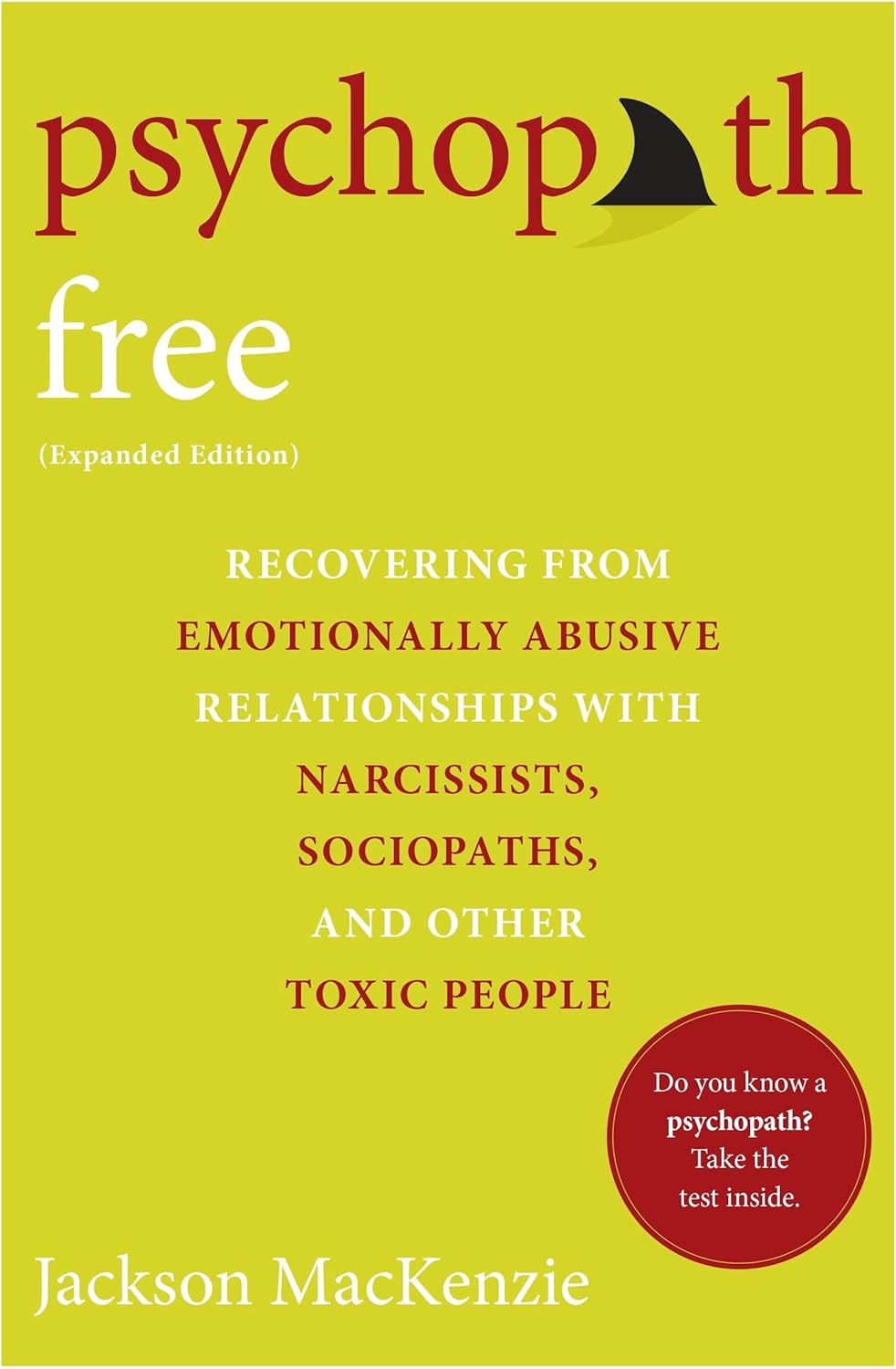
Psychopath Free
Jackson MacKenzie
Recovering from emotionally abusive relationships with narcissists, sociopaths, and other toxic people.
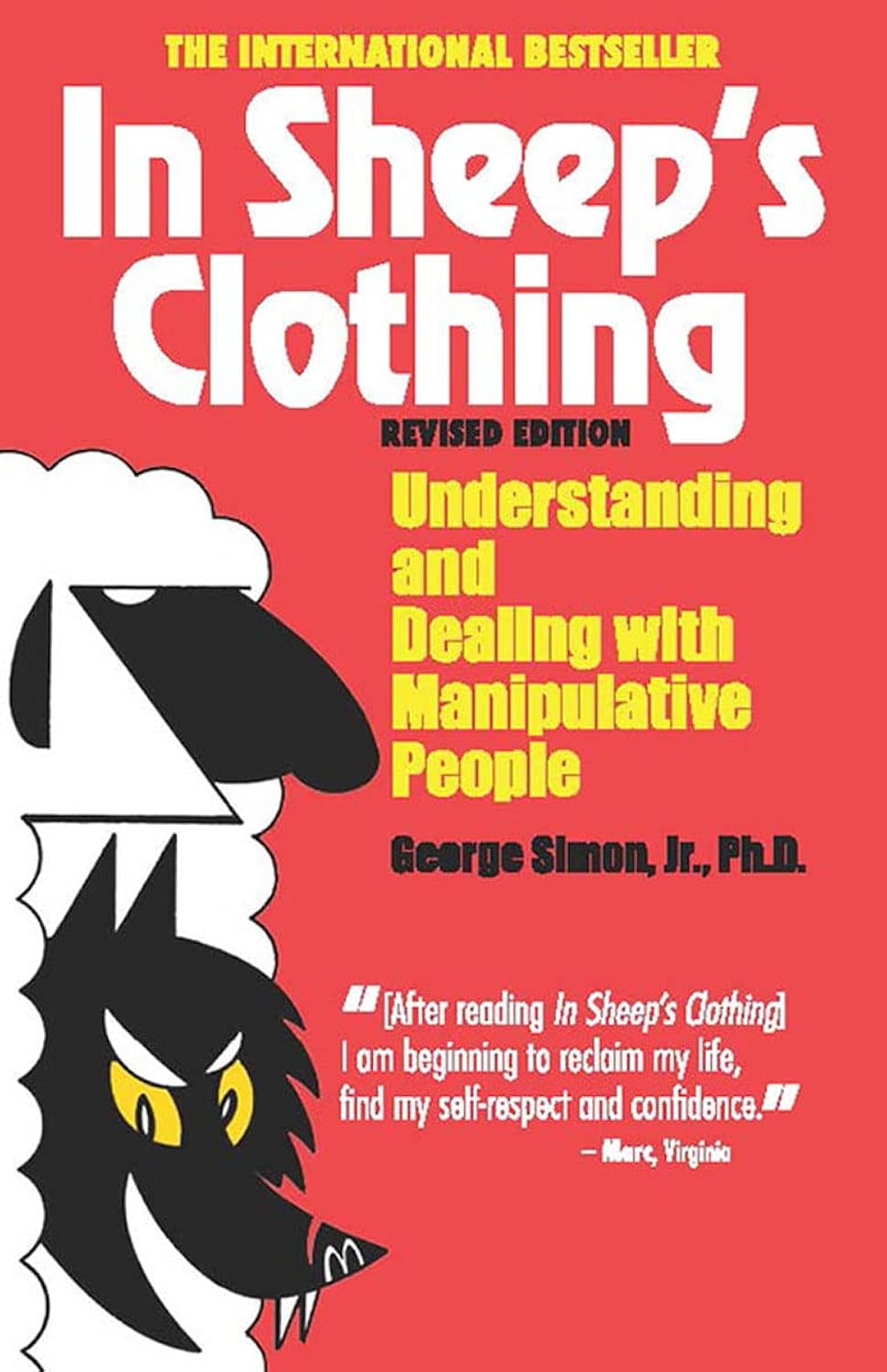
In Sheep's Clothing
George K. Simon Jr., PhD
Understanding and dealing with manipulative people in your life.
As an Amazon Associate, Clarity House Press earns from qualifying purchases. Your price is never affected.
Found this helpful?
Share it with someone who might need it.
About the Author

Clarity House Press
Editorial Team
The editorial team at Clarity House Press curates and publishes evidence-based content on narcissistic abuse recovery, high-conflict divorce, and healing. Our content is informed by research, survivor experiences, and established trauma-informed approaches.
View all posts by Clarity House Press →Published by Clarity House Press Editorial Team