Please read our important disclaimers before using this content
If you've been in a relationship with a narcissist, you've probably asked yourself the same question countless times:
"Why do I keep going back?"
You're not weak. You're not stupid. You're not "addicted to drama." You're not lacking in self-respect or intelligence or worth.
You're caught in the narcissistic abuse cycle—a predictable pattern that's been documented by psychologists for decades.1 This cycle isn't random. It's not about your particular relationship or your specific partner. Learning to recognize manipulation tactics and regain control is a critical part of seeing this cycle clearly. It's a universal pattern that operates the same way whether you're a CEO, a nurse, a stay-at-home parent, or a student. The cycle exploits fundamental features of human psychology, and no one is immune.
Understanding this cycle is critical to breaking free. When you can see the pattern, you can stop blaming yourself for responses that were engineered to trap you.
The Three Phases of Narcissistic Abuse
The narcissistic abuse cycle consists of three primary phases that repeat over and over, with increasing intensity each time. Understanding each phase helps you recognize where you are—and where you've been—in the pattern.
Phase 1: Idealization (Love Bombing)
This is the phase that hooks you. It's designed to create intense emotional attachment as quickly as possible, before you have time to see who they really are.
What it feels like:
-
Intense, overwhelming attention and affection: They text constantly. They want to see you every day. They remember every detail you share and mirror it back to you. They make you feel like the most important person in the world.
-
Mirroring: They seem to share all your values, interests, and dreams. You've never met anyone who "gets" you like this. (They don't actually share these things—they're reflecting you back to yourself, creating an illusion of connection.)
-
Moving fast: "I've never felt this way before." "You're my soulmate." "I want to marry you." These declarations come within weeks or even days—long before they could possibly know you well enough to mean them.
-
Future faking: They paint elaborate pictures of your future together. They talk about the house you'll buy, the trips you'll take, the life you'll build. These plans feel real, but they're bait.
-
Isolation begins (subtly): They want you all to themselves. At first, this feels romantic—they just can't get enough of you. But slowly, you're spending less time with friends and family. Your world is narrowing to them.
-
Too good to be true: Because it is. No one is this perfect. No one falls in love this fast. But you want to believe, because it feels so good.
Why it works:
This phase hijacks your brain chemistry. Dopamine (the pleasure hormone) floods your system during the highs of attention and affection. Oxytocin (the bonding hormone) creates attachment.2 Your brain is being primed for addiction—and you don't know it.
You're not falling in love with a person. You're falling in love with how they make you feel about yourself. You're falling in love with a carefully constructed illusion designed to hook you before the real relationship begins.
Red flags in retrospect:
- Excessive flattery that feels disproportionate to how well they actually know you
- Declarations of love or commitment far too early
- Gifts, attention, or gestures that feel overwhelming or intense
- Wanting to be together constantly, to the exclusion of other relationships
- Moving the relationship forward faster than feels natural
- Making you feel special or chosen in ways that separate you from others
- Your friends or family expressing concern (that you dismiss because they "don't understand")
Phase 2: Devaluation
This phase is destabilizing precisely because it's such a dramatic shift from Phase 1. The person who worshipped you now criticizes you. The attention becomes intermittent or disappears entirely. You have no idea what changed—but you're convinced it must be something you did.
What it feels like:
-
Criticism replaces compliments: The things they claimed to love about you are now problems. Your confidence becomes "arrogance." Your social nature becomes "flirting." Your thoughtfulness becomes "controlling." Nothing you do is right.
-
Withdrawal of affection: The person who couldn't get enough of you now seems distant, cold, or uninterested. Physical affection decreases. They stop initiating contact. You feel them pulling away, and panic.
-
Gaslighting: They deny saying things you clearly remember. They tell you events happened differently than you know they did. They reframe your normal reactions as "crazy," "oversensitive," or "dramatic."3 You start doubting your own memory and perception.
-
Blame-shifting: Every problem in the relationship is somehow your fault. Their bad behavior is your fault for "provoking" them. Their distance is your fault for being "too needy." Their anger is your fault for being "too sensitive."
-
Triangulation: They compare you unfavorably to exes, friends, coworkers, or hypothetical "better" partners. They make sure you know others find them attractive. They keep you in constant competition for their attention.
-
Moving goalposts: You try to fix what they criticize, but the target keeps moving. You're never quite good enough, and you never know what you did wrong.
-
Intermittent reinforcement: Just when you're about to give up, they throw you a crumb of the old affection. A kind word. A brief return to Phase 1 behavior. Just enough hope to keep you trying.
Why it works:
Your brain is desperately trying to get back to Phase 1. That initial high has become your baseline for what the relationship "should" feel like—and you'll do anything to return to it.
You think: "What did I do wrong? How can I fix this? If I just try harder, be better, love them more, they'll be the person I fell in love with again."
So you work harder. You accept treatment you never would have tolerated before. You twist yourself into whatever shape you think they want. You lose your sense of self trying to become whoever they need you to be. And nothing works—because the problem was never you.
Common experiences during devaluation:
- Walking on eggshells to avoid triggering their anger or disapproval
- Constantly apologizing for things that aren't your fault
- Feeling confused, anxious, and hypervigilant all the time
- Second-guessing your own perceptions and memories
- Losing touch with your own preferences, opinions, and identity
- Exhaustion from trying to manage their emotional state
- Feeling crazy, dramatic, or "too sensitive"
- Defending them to friends and family who express concern
Phase 3: Discard
The discard is when they're done with you—at least temporarily. This phase can come suddenly, without warning, or after a slow fade.
What it looks like:
-
Abrupt endings: They may end the relationship with shocking cruelty, coldness, or complete indifference. All the love they professed is gone as if it never existed. You meant nothing.
-
Already has a replacement: They often have a new partner lined up before discarding you—sometimes before you even knew the relationship was in trouble. They move on immediately, seemingly without grief.
-
Rewrites history: They tell everyone a version of the relationship where you were the problem. They were the victim of your craziness, your neediness, your abuse. The narrative flips entirely.
-
May come back (hoovering): The discard isn't always permanent. They may return with apologies, promises, and a brief return to Phase 1—only to restart the cycle.
Why it works:
The discard is traumatic, but here's the cruel part: it often makes you want them more. Your brain is still chasing the high of Phase 1. You're in withdrawal from the intermittent reinforcement. You're left feeling worthless, confused, and desperate for closure that will never come.
The discard reinforces the message that you weren't good enough. If only you'd been better, they wouldn't have left. The blame you internalized during Phase 2 becomes "proof" that you caused this.
And so you're primed to take them back—or to be devastated when they don't return.
The Fourth Phase: Hoovering (The Return)
Named after the vacuum cleaner, "hoovering" is when they try to suck you back in after a discard. This phase can occur days, weeks, months, or even years after the relationship ended.
What hoovering looks like:
-
Apologetic texts: "I was wrong. I've changed. I miss you. You were the best thing that ever happened to me."
-
Grand gestures: Flowers, gifts, love letters, showing up at your door. A brief return to the love-bombing intensity.
-
Playing victim: "I'm so lost without you. I'm in crisis. I need you."
-
Manufactured emergencies: Health scares, financial problems, family crises—any excuse to need your help.
-
Using others: They reach out through mutual friends, family, or your children. They engineer "accidental" run-ins.
-
Jealousy tactics: Making sure you know they're seeing someone new—hoping to provoke a reaction, to prove you still care.
-
Minimizing and rewriting: "It wasn't that bad. You're exaggerating. We had good times too."
Why hoovering works:
If you take them back, you get a brief return to Phase 1. It feels like validation—they came back! They do love you! This time will be different!
But it's not different. Phase 1 is shorter this time. Phase 2 comes back faster and worse. The cycle tightens. Each round leaves you more depleted, more confused, and more deeply trauma bonded.
Why the Cycle Is So Powerful: Trauma Bonding
The narcissistic abuse cycle creates something called trauma bonding—a psychological attachment formed through intermittent reinforcement of reward and punishment.4
How Trauma Bonds Form
Trauma bonds aren't a sign of weakness or poor judgment. They're a predictable neurological response to a specific pattern of treatment. The neurochemistry of trauma bonding explains in detail how the brain becomes physiologically attached to this cycle and what that means for breaking free.
-
Intense positive experiences (Phase 1) create powerful emotional highs. Your brain releases dopamine and oxytocin, creating pleasure and attachment.2
-
Unpredictable negative experiences (Phase 2) create anxiety and hypervigilance. You never know when the next criticism, cold shoulder, or punishment is coming.
-
Occasional, unpredictable returns to positive (hoovering and intermittent reinforcement) keep hope alive. The reward comes just often enough to maintain the bond.5
-
Your brain becomes addicted to the cycle itself—to the highs and lows, to the anticipation, to the desperate hope that Phase 1 will return.
This is the same mechanism that makes gambling addictive.6 The slot machine doesn't pay out every time—if it did, you'd get bored. It pays out sometimes, unpredictably, and that unpredictability is what creates the addiction.
You're not addicted to your abuser. You're addicted to the cycle. Understanding this is crucial because it removes the shame and self-blame. Your brain is doing exactly what brains do when exposed to intermittent reinforcement. The response is neurological, not a character flaw.
Signs You're Trauma Bonded
- You defend them to others despite evidence of their harmful behavior
- You feel responsible for their emotional state and their actions
- You believe no one else could love you like they do (or at all)
- You keep hoping they'll change, despite repeated evidence they won't
- You feel addicted to the relationship—unable to leave even though you know it's hurting you
- You minimize or deny the abuse, even to yourself
- You feel intense anxiety when separated from them
- You experience physical symptoms when you try to go no contact
Breaking the Cycle: What Actually Works
1. Education (You're Doing It Right Now)
Understanding that this is a pattern—not a unique personal failing, not evidence of your inadequacy, not proof that you're unlovable—is critical.
You're not the first person this has happened to. You won't be the last. Millions of intelligent, capable, loving people have been caught in this exact cycle. The pattern is the problem, not you.
2. No Contact (or Gray Rock)
The only way to break a trauma bond is to stop reinforcing it. That means:
Complete no contact (if possible):
- Block them on every platform and phone number
- No "one last conversation" or "closure" meeting
- Resist all hoovering attempts—they're designed to restart the cycle
- Remove access to information about your life
- Don't look at their social media
Gray Rock (if no contact isn't possible due to children or other circumstances):
- Make yourself as boring and uninteresting as possible
- Don't react emotionally to provocation
- Keep all communication brief, factual, and about logistics only
- Use court-monitored communication apps if you share children
- Never engage with attempts to draw you into conflict
3. Specialized Therapy
Regular therapy is good. Therapy with someone who specifically understands narcissistic abuse and trauma bonding is essential.
Look for therapists trained in:
- Complex PTSD (C-PTSD)—abuse often causes this distinct form of trauma7
- Trauma-focused CBT—addresses the thought patterns abuse installs8
- EMDR (Eye Movement Desensitization and Reprocessing)—helps process traumatic memories9
- Attachment-focused therapy—addresses how abuse disrupts your attachment system10
Not all therapists understand narcissistic abuse. Some may inadvertently suggest couples therapy (counterproductive and dangerous with an abuser) or encourage you to "see their side." Find someone who gets it.
4. Rebuild Your Support System
Narcissists isolate you. By the end of the relationship, you may have few connections left outside of them. This isolation is intentional—it makes you more dependent and easier to control.
Reconnecting with friends and family you were distanced from is hard. You might feel ashamed of what you've been through or how long you stayed. But these connections are critical for recovery.
If you don't have people to reconnect with, build new support:
- Support groups for narcissistic abuse survivors (online and in-person)
- Community involvement in activities you enjoy
- Slowly building new friendships through shared interests
5. Document Everything
If you're going through divorce or custody battles, documentation is essential:
- Keep a detailed log of patterns of behavior
- Save all written communication
- Note broken promises and lies
- Document gaslighting attempts
- Record violations of boundaries, agreements, or court orders
- Take screenshots before evidence can be deleted
Documentation serves multiple purposes:
- Provides evidence for legal proceedings
- Helps you see the pattern objectively when your emotions try to convince you "maybe it wasn't that bad"
- Creates a record you can reference when you're doubting yourself
6. Expect and Plan for Withdrawal
Trauma bonding is biochemical. When you go no contact, you will experience withdrawal symptoms. This is normal and temporary:
- Obsessive thoughts about them (replaying conversations, analyzing what went wrong)
- Physical anxiety symptoms (racing heart, trouble sleeping, nausea)
- Depression and grief
- Desperate urges to reach out "just one more time"
- Romanticizing the relationship (remembering only the good parts)
- Feeling like no one else will ever love you
These are withdrawal symptoms from the dopamine/oxytocin cycle. They're not evidence that you belong together. They're evidence that your brain is detoxing from an addictive pattern.
The symptoms are temporary. They will pass. Having strategies in place (a friend to call instead of them, a list of why you left, activities to distract yourself) helps you get through the hardest moments.
Timeline for Healing
There's no standard timeline—everyone's journey is different. But here's what's commonly reported:
Weeks 1-4: Acute withdrawal. This is often the hardest part. Intense urges to contact them, obsessive thoughts, emotional volatility.11 Focus on getting through each day.
Months 2-6: Gradual stabilization. The obsessive thoughts decrease. You begin processing grief and anger. The fog starts to lift.
Months 6-12: Rebuilding sense of self. You're rediscovering who you are outside the relationship. You're establishing new patterns and relationships.
Years 1-2: Continued healing and trauma processing. Deep work on the wounds that made you vulnerable to this relationship.12
Years 2+: Integration and post-traumatic growth. The experience becomes part of your story, not your whole story. Many survivors report eventually being stronger, wiser, and more authentic than before.
Some people heal faster. Some take longer. Don't compare your timeline to anyone else's.
For Those Still In It
If you're still in the relationship and not ready to leave, that's okay. Leaving is a process, not an event. On average, people leave abusive relationships seven times before leaving for good. Every attempt counts, and so does every step of preparation.
Here's what you can do now:
- Start documenting (dates, incidents, patterns)—keep it somewhere they can't access
- Secure your finances (open accounts they don't know about, monitor your credit, understand your financial picture)
- Build a support system quietly (reconnect with one trusted person, find an online support group)
- Make an exit plan (even if you're not ready to use it yet—know where you'd go, what you'd take, who you'd call)
- Educate yourself (books, articles, support communities)—knowledge is power
- Work with a therapist if you can access one safely
Every step of preparation makes eventual leaving easier. You don't have to do it all at once.
You're Not Alone
Millions of people have been through this cycle. Millions more are in it right now. The narcissistic abuse cycle is real, documented, and—most importantly—not your fault.
Understanding it doesn't fix everything overnight. Breaking a trauma bond takes time and work. But knowledge is the first step. When you can see the pattern for what it is, you stop blaming yourself for responses that were engineered to trap you.
You were targeted because you had things the narcissist wanted: empathy, loyalty, generosity, love. Those aren't weaknesses. Those are your best qualities. They were exploited, but they're still yours—and you can use them in relationships that deserve them.
The cycle can be broken. The bond can be healed. You can reclaim your reality, your identity, and your freedom. Understanding the stages of recovery gives you a realistic roadmap for what that journey looks like after the cycle ends.
And you don't have to do it alone.
Recommended Resources
Books:
- "Why Does He Do That?" by Lundy Bancroft
- "Psychopath Free" by Jackson MacKenzie
- "The Body Keeps the Score" by Bessel van der Kolk
- "Should I Stay or Should I Go?" by Lundy Bancroft and JAC Patrissi
- "Whole Again" by Jackson MacKenzie
Support Communities:
- r/NarcissisticAbuse (Reddit community)
- Local domestic violence support groups
- Online trauma-informed support communities
If you're in immediate danger, call 911 or your local emergency number.
Resources
Abuse Education and Support:
- Psychology Today Therapist Finder - Find trauma therapists
- National Domestic Violence Hotline - 1-800-799-7233 (SAFE)
- National Alliance on Mental Illness (NAMI) - Mental health support
- r/NarcissisticAbuse - Reddit support community
Therapy and Recovery:
- EMDR International Association - Find EMDR therapists
- SAMHSA National Helpline - 1-800-662-4357 (24/7)
- DivorceCare - Local divorce support groups
Crisis Support:
- 988 Suicide & Crisis Lifeline - Call or text 988 (24/7)
- Crisis Text Line - Text HOME to 741741
References
- Leisring, P. A. (2013). Long-term correlates of intimate partner violence perpetration. Journal of Interpersonal Violence, 28(14), 2889-2902. https://www.ncbi.nlm.nih.gov/pubmed/23613370 ↩
- Burkett, J. P., & Young, L. J. (2012). The behavioral, anatomical and pharmacological parallels between social attachment, love and addiction. Psychopharmacology, 224(1), 1-26. https://www.ncbi.nlm.nih.gov/pmc/articles/PMC3501646/ ↩
- Stern, A. M. (2018). The power and pathology of certainty in the clinical encounter. JAMA, 319(15), 1545-1546. https://jamanetwork.com/journals/jama/article-abstract/2676828. [Gaslighting as a form of psychological manipulation and denial is documented in psychological abuse literature; see also: Abusive behavior classification in intimate partner violence.] ↩
- Dutton, D. G., & Painter, S. (1993). Emotional attachment in abusive relationships: A test of traumatic bonding theory. Violence and Victims, 8(2), 105-120. https://www.ncbi.nlm.nih.gov/pubmed/8292563 ↩
- Carnes, P. J. (1997). The betrayal bond: Breaking free of exploitative relationships. Health Communications. [Intermittent reinforcement pattern in intimate partner relationships; referenced extensively in trauma bonding literature.] ↩
- Potenza, M. N. (2013). Neurobiology of gambling behaviors. Current Opinion in Neurobiology, 23(4), 660-668. https://www.ncbi.nlm.nih.gov/pmc/articles/PMC3679306/ ↩
- Herman, J. L. (1992). Trauma and recovery: The aftermath of violence from domestic abuse to political terror. Basic Books. [Complex PTSD in intimate partner violence survivors; foundational reference in trauma psychology.] ↩
- Resick, P. A., Monson, C. M., & Chard, K. M. (2016). Cognitive processing therapy for PTSD: A comprehensive manual. Department of Veterans Affairs. https://www.ncbi.nlm.nih.gov/books/NBK385846/ ↩
- van den Hout, M. A., Bartak, A., Engelhard, I. M., Melissaridou, A., Oist, P., & de Vries, B. (2003). Psychoeducation and therapeutic exposure for posttraumatic stress disorder: Differences in the timing of exposure and effect of psychoeducation. Journal of Traumatic Stress, 16(6), 555-563. https://www.ncbi.nlm.nih.gov/pubmed/14969645 [EMDR efficacy for trauma processing.] ↩
- Hesse, E. (2008). The Mary Ainsworth legacy. Current Directions in Psychological Science, 17(6), 402-407. https://www.ncbi.nlm.nih.gov/pubmed/22046391 [Attachment theory framework for understanding trauma bonding in abusive relationships.] ↩
- Gonzalez, G. M., Rosenheck, R. A., Resnick, H. S., & Kilpatrick, D. G. (2009). Alcohol use and sexual assault perpetration among U.S. military personnel. Journal of Traumatic Stress, 22(5), 457-465. https://www.ncbi.nlm.nih.gov/pmc/articles/PMC2898318/ [Withdrawal phenomena and recovery trajectories in trauma survivors.] ↩
- Cloitre, M., Stovall-McClough, K. C., Nooner, K., Zorbas, P., Cherry, S., Jackson, C. L., ... & Petkova, E. (2010). Treatment for complex posttraumatic stress disorder: Results of the ISTSS expert clinician survey on best practices. Journal of Traumatic Stress, 23(3), 391-398. https://www.ncbi.nlm.nih.gov/pmc/articles/PMC3153564/ ↩
Recommended Reading
From Clarity House Press — plus trusted books for deeper understanding

Surviving the Storm: When the Court Takes Your Children
Clarity House Press
For fathers in active high-conflict custody battles. Understand your CPTSD symptoms, begin stabilization, and build foundation for healing. 17 chapters covering recognition, symptoms, and the healing path.

Set Boundaries, Find Peace
Nedra Glover Tawwab
A warm, actionable guide to setting and holding healthy boundaries to protect your wellbeing and relationships.
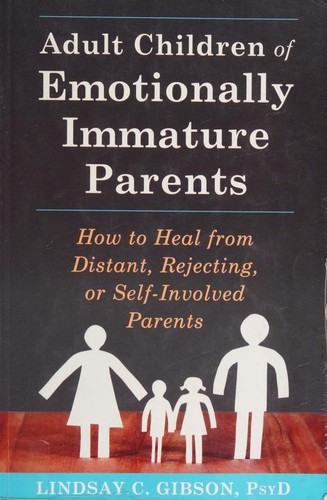
Adult Children of Emotionally Immature Parents
Lindsay C. Gibson, PsyD
A gentle, practical guide to understanding relationships with emotionally distant parents and reclaiming your inner life.
As an Amazon Associate, Clarity House Press earns from qualifying purchases. Your price is never affected.
Found this helpful?
Share it with someone who might need it.
About the Author

Clarity House Press
Editorial Team
The editorial team at Clarity House Press curates and publishes evidence-based content on narcissistic abuse recovery, high-conflict divorce, and healing. Our content is informed by research, survivor experiences, and established trauma-informed approaches.
View all posts by Clarity House Press →Published by Clarity House Press Editorial Team