Please read our important disclaimers before using this content
Composite account: this narrative is drawn from common survivor experiences. Names, occupations, and identifying details are illustrative and do not depict a single real person.
The day my divorce was finalized, I sat in my car in the courthouse parking lot and checked my bank account: $87.34.
I was 48 years old. I had two adult children. I had been married for 22 years. And I had eighty-seven dollars and thirty-four cents to my name.
Note: I was fortunate to have access to transportation and lived in an area with entry-level job opportunities. I know not everyone has these options. If you're in a rural area, dealing with transportation barriers, or have other limitations, the strategies here may need adaptation.
I wish I could tell you I felt liberated in that moment. Instead, I felt terrified. I had no job—I'd been a stay-at-home mom for two decades. I had no credit in my own name. I had no retirement savings. I had half of our marital home's equity, but it was tied up in the house and wouldn't be accessible for months.
I had $87.
If you're reading this from a similar place—whether it's $87 or $8 or $8,700 but still nowhere near enough—I want you to know something: you can rebuild. I know it feels impossible. I know the fear is suffocating. But I'm writing this from the other side, and I'm here to tell you exactly how I did it.
Understanding What Economic Abuse Took From Me
Before I share the practical steps, I need to name what happened. For twenty years, my ex-husband controlled every dollar.
I didn't realize it was abuse. I thought it was just how marriages worked, especially when one person stayed home with kids. But here's what economic abuse actually looked like in my marriage[^1]:
Financial control:
- He managed all accounts; I had no access
- I had a "household allowance" that required receipts
- I had to ask permission for any purchase over $20
- He monitored my spending obsessively
- My name wasn't on most of our accounts
Economic sabotage:
- He discouraged me from working ("the kids need you at home")
- He belittled any career interests I mentioned
- He refused to help me build credit in my own name
- He made financial decisions without my input
- He threatened financial ruin if I ever left
Isolation:
- I had no independent financial knowledge
- I didn't know what we had or owed
- I felt stupid about money (he reinforced this constantly)
- I had no financial safety net or secret savings
- My name was on the mortgage but nothing else
The result? A 48-year-old woman with a college degree, two grown kids, and a lifetime of unpaid labor—but zero financial independence.
The First 90 Days: Survival Mode
I'm not going to sugarcoat this: the first three months were brutal. But they were also when I learned I was stronger than I'd ever imagined.
Week 1: Emergency housing
I couldn't afford rent. I couldn't afford a security deposit. I moved in with my sister—sleeping on her couch with two garbage bags of belongings felt humiliating, but it saved me.
If you don't have family: Look into domestic violence shelters, even if you weren't physically abused. Many accept economic abuse survivors1. The housing and stability guide covers emergency housing options in detail. Research shows that economic abuse can continue post-separation, making emergency housing critical for survivors2. Also check local churches and women's organizations for emergency housing assistance.
Week 2: Government assistance
This was hard. I'd never needed help before. Swallowing my pride and walking into the social services office was one of the hardest things I've done. But I qualified for:
- SNAP benefits (food assistance)3
- Medicaid (health insurance)
- TANF (temporary cash assistance)4
- LIHEAP (utility assistance)
These programs literally kept me alive while I got on my feet. If you feel shame about needing help, please hear this: you paid taxes all those years. You earned this safety net. Use it without guilt.
Month 1: Income, any income
I needed money immediately. My attorney was fighting for spousal support, but that could take months. I couldn't wait.
I took the first job I could get: part-time cashier at Target. $13/hour. It wasn't glamorous. Some weeks I cried in my car before my shift because I had a master's degree and was scanning groceries. But it was money I controlled.
Pride versus survival: Survival won. Every time.
Months 3-6: Building the Foundation
Once I had stable housing (I moved into a cheap studio apartment) and income (I'd added a second part-time job), I could start actually building.
Step 1: Open accounts in my own name
This sounds basic, but it was revolutionary. For the first time in 22 years, I had a bank account that was MINE.
- Checking account at a different bank (not our old joint account bank)
- Savings account (even though I had nothing to save yet)
- Secured credit card with a $300 limit (required a $300 deposit I scraped together)
That credit card was everything. I used it for gas, paid it off every single month, and watched my credit score slowly climb from nonexistent to "poor" to "fair."
Step 2: Create a bare-bones budget
My income: $1,840/month (two part-time jobs) My expenses:
- Rent: $750
- Utilities: $80
- Phone: $35 (switched to budget carrier)
- Food: $200 (SNAP helped here)
- Gas: $100
- Car insurance: $85
- Debt payment: $50 (old medical bills)
- Everything else: $540
There was no room for error. No buffer. No fun. It was survival math.
Step 3: Track every single dollar
I used a notebook at first (later switched to an app). I wrote down every purchase. This did two things:
- Showed me where money was actually going (coffee shop twice a week = $60/month I couldn't afford)
- Gave me a sense of control I'd never had before
For the first time in my life, I knew where my money was and where it went. That knowledge was power.
Months 6-12: Climbing Out
By six months post-divorce, things started shifting.
Employment upgrade:
I got a full-time job as an administrative assistant. $38,000/year. After years of making $0, this felt like wealth. It wasn't. But it was progress. Research shows that women's household income typically drops 23-40% after divorce, with recovery taking years5.
Spousal support came through:
After eight months of legal fighting, I was awarded $1,200/month in spousal maintenance for three years. This was my lifeline to rebuild.
My new budget:
- Job income: $2,450/month (after taxes)
- Spousal support: $1,200/month
- Total: $3,650/month
I moved to a one-bedroom apartment ($975/month). I could breathe slightly. I started saving $200/month.
Credit building:
By month 12, I had:
- Paid off my secured credit card and upgraded to regular credit card
- Credit score: 580 ("poor" but improving)
- Six months of on-time payments
- No new debt
Years 1-3: Actual Recovery
This is where the real transformation happened. Not just financially—emotionally. Rebuilding your identity after narcissistic abuse and rebuilding financial independence go hand in hand; each step forward in one area reinforces the other.
Year 1 accomplishments:
- Emergency fund: $500 (my first safety net ever)
- Debt paid off: $1,200 in old medical bills
- Credit score: 620
- Retirement account opened: starting with $50/month
Year 2 accomplishments:
- Upgraded job: $48,000/year as office manager
- Emergency fund: $2,000
- Credit score: 680
- Retirement savings: $1,800
- Took a weekend trip (my first vacation in years)
Year 3 accomplishments (where I am now):
- Started my own small business (virtual assistant services)
- Combined income: $65,000/year
- Emergency fund: $8,000 (six months of expenses)
- Credit score: 720
- Retirement savings: $12,000
- Paid off all debt except car loan
- Helped my daughter with her wedding costs (this felt AMAZING)
The Practical Steps That Worked
Let me break down exactly what I did, so you can replicate it:
1. Get any income immediately Take whatever job you can get right now. You can upgrade later. You need cash flow TODAY.
2. Apply for every benefit you qualify for Seriously. All of them. SNAP, Medicaid, TANF, WIC, LIHEAP, Section 8. Check benefits.gov.
3. Build credit in your name
- Secured credit card if you have no credit
- Become authorized user on someone's good credit (if possible)
- Pay everything on time, even if it's minimum payments
- Check your credit report for errors (annualcreditreport.com is free)6
4. Follow the 50/30/20 budget (eventually)
- 50% needs (housing, food, utilities, transportation)
- 30% wants (this came later for me)
- 20% savings and debt repayment
At first, mine was more like 85/0/15. That's okay. Start where you are.
5. Automate savings Even $25/paycheck. You won't miss it. It adds up. I started with $20/month.
6. Increase income This is the biggest leverage point. I:
- Took online courses (free on Coursera, LinkedIn Learning)
- Networked constantly
- Applied for promotions
- Started side hustles
- Eventually started a business
7. Protect yourself legally
- Separate all finances completely
- Document everything
- Keep records of support payments
- Save copies of all financial documents from the marriage
What I Wish I'd Known Earlier
You don't need to understand everything to start. I was so intimidated by financial terms and concepts. Start with basics. You'll learn as you go.
Your credit score will recover. Mine went from nonexistent to 720 in three years. Be patient and consistent7.
Economic abuse isn't your fault. I blamed myself for "letting" him control everything. That's what abuse does—it makes you feel complicit. You're not. Studies show economic abuse affects mental and physical health, financial security, and quality of life—these are deliberate tactics of control8.
Community resources exist. Free financial counseling, career services, domestic violence advocates who understand economic abuse. Use them.
It gets better faster than you think. I thought I'd be broke forever. Three years later, I own a business and have savings. You can rebuild.
The Emotional Journey
Here's what the financial recovery numbers don't show:
The shame of using food stamps at the grocery store while my ex drove a BMW.
The fear that I'd never be able to support myself, that he was right when he said I'd fail without him.
The exhaustion of working two jobs while processing trauma and learning to be alone.
The rage at realizing I'd worked unpaid for 22 years raising his children and running his household and had nothing to show for it.
The pride the first time I paid rent from my own paycheck.
The disbelief when I checked my savings account and saw five figures.
The power of saying no to a purchase I couldn't afford without asking anyone's permission.
This recovery wasn't just about money. It was about reclaiming my autonomy, my competence, and my future.
For Those Still in the Marriage
If you're reading this and still married to someone who controls your finances, please start planning:
Secret safety fund:
- Cash back at grocery stores (get $20 over, pocket it)
- Sell items online and keep the money hidden
- Save gift money
- Stash cash somewhere safe (NOT in your home)
Build credit quietly:
- Check if you can add your name to a utility bill
- Consider a secured credit card
- Ask a trusted family member to add you as authorized user
Document everything:
- Bank statements
- Tax returns
- Asset information
- Debt information
- Take photos of important documents
Get legal advice: Many family law attorneys offer free consultations. Know your rights before you leave9. Post-separation financial abuse is common and can include hiding assets, failing to pay child support, sabotaging employment, and using legal proceedings to exhaust financial resources10.
Three Years Later: What Financial Freedom Looks Like
I'm 51 now. I run my own business. I have savings. I have a retirement plan. I just took my first international trip (Italy—it was incredible).
But the real victory isn't the numbers. It's this:
Last week, I wanted to buy myself a nice pair of boots. They cost $180. I checked my budget, confirmed I could afford them, and bought them. I didn't ask anyone. I didn't justify it. I didn't feel guilty.
I just bought the boots.
That might not sound like much. But for someone who once had to show receipts for every purchase, who was told she was "financially irresponsible" for buying shampoo without asking?
Those boots represent freedom.
You Can Do This
If you're at $87, or less, or even just terrified about your financial future—I see you. I was you.
It won't be easy. There will be nights you cry from exhaustion and fear. There will be setbacks. There will be moments you doubt yourself.
But there will also be moments of profound victory. The first paycheck. The first month of savings. The first time you pay a bill without anxiety. The first purchase you make just because you want to.
Financial recovery from economic abuse is possible. I'm living proof.
You deserve financial security. You deserve independence. You deserve to buy the damn boots.
Start where you are. Take the first step. You've got this.
Resources
Financial Assistance and Economic Recovery:
- FreeFrom - Financial security and economic empowerment for survivors
- National Foundation for Credit Counseling - Credit counseling and financial recovery
- Annual Credit Report - Free annual credit reports from all three bureaus
- SNAP Benefits - Food assistance eligibility and application
Housing and Emergency Assistance:
- HUD Housing Assistance - Emergency Housing Vouchers and VAWA protections
- 211 - Dial 211 for local housing, food, and financial assistance
- Modest Needs - Emergency financial assistance grants
- National Domestic Violence Hotline - 1-800-799-7233 for economic abuse resources
Legal and Career Support:
- WomensLaw.org - State-specific economic abuse and financial laws
- LawHelp.org - Free legal assistance for financial and custody issues
- Career OneStop - Job search, training, and career resources
- YWCA Career Services - Job training for survivors
References
Composite account: this narrative is drawn from common survivor experiences. Names, occupations, and identifying details are illustrative and do not depict a single real person.
References
- Adams, A. E., et al. (2022). "Examining the impact of economic abuse on survivors of intimate partner violence: a scoping review." BMC Public Health, 22, Article 1066. doi: 10.1186/s12889-022-13297-4. Available at: https://pmc.ncbi.nlm.nih.gov/articles/PMC9121607/. Among service-seeking samples, approximately 76-99% of survivors report experiencing economic abuse. Economic abuse encompasses behaviors that control a survivor's ability to acquire, use, and maintain resources, threatening their economic security and potential for self-sufficiency. ↩
- U.S. Department of Housing and Urban Development. (2025). "Domestic Violence and Homelessness." HUD Exchange. Available at: https://www.hudexchange.info/homelessness-assistance/domestic-violence/. HUD recognizes that persons experiencing domestic violence, particularly those facing economic abuse, are at increased vulnerability to homelessness. Emergency Housing Vouchers and VAWA protections are available for survivors fleeing domestic violence. ↩
- U.S. Department of Agriculture, Food and Nutrition Service. (2025). "SNAP Eligibility." Available at: https://www.fns.usda.gov/snap/recipient/eligibility. For fiscal year 2026, gross monthly income must generally be at or below 130% of the poverty line. For a family of three, this equals $2,888/month or approximately $34,656/year. ↩
- U.S. Department of Health and Human Services, Administration for Children and Families. (2025). "Temporary Assistance for Needy Families (TANF)." Available at: https://acf.gov/ofa/programs/temporary-assistance-needy-families-tanf. TANF provides federal grants totaling $16.4 billion annually to assist families with children experiencing economic hardship, including cash assistance, employment training, and child care support. ↩
- Federal Trade Commission. (2025). "Free Credit Reports." Consumer Advice. Available at: https://consumer.ftc.gov/articles/free-credit-reports. AnnualCreditReport.com is the only authorized source for free annual credit reports mandated by federal law under the Fair Credit Reporting Act. ↩
- Federal Trade Commission. (2025). "Credit Scores." Consumer Advice. Available at: https://consumer.ftc.gov/media/70850. The best way to improve credit is to demonstrate over time that debts are paid on time. Paying bills consistently and maintaining low balances helps build solid credit history. ↩
- U.S. Department of Housing and Urban Development. (2025). "Violence Against Women Act (VAWA)." Available at: https://www.hud.gov/vawa. Under VAWA, survivors of domestic violence have important housing protections and cannot be denied admission, evicted, or have assistance terminated because of violence committed against them, including situations involving poor credit history or eviction records resulting from abuse. ↩
- Spearman, K. (2024). "Post-separation abuse: A literature review connecting tactics to harm." Journal of Family Trauma, Child Custody & Child Development, 21(2), 145-164. doi: 10.1080/26904586.2023.2177233. Available at: https://pmc.ncbi.nlm.nih.gov/articles/PMC11114442/. Prior studies found 94-99% of IPV survivors report economic abuse post-separation, including hiding assets, failing to pay child support, withholding medical expenses, coercing unfair financial settlements, sabotaging employment, and creating childcare hardships. ↩
- Wilmoth, J., & Koso, G. (2002). "The Economic Consequences of Gray Divorce for Women and Men." The Journals of Gerontology: Series B, 57(1), S3-S11. Available at: https://pmc.ncbi.nlm.nih.gov/articles/PMC8599059/. Research shows household income drops by 23-40% for women following divorce. Women divorcing at older ages face particularly severe economic consequences, with women's living standards dropping 45% compared to men's 21% decline in gray divorces. ↩
- Adams, A. E., et al. (2022). "Examining the impact of economic abuse on survivors of intimate partner violence: a scoping review." BMC Public Health, 22, Article 1066. doi: 10.1186/s12889-022-13297-4. Studies found significant associations between economic abuse and mental health, physical health, financial impacts, parent-child interactions, and quality of life. Economic abuse can be engaged in from anywhere with little to no contact, making it difficult to end even post-separation. ↩
- Nikander, H., et al. (2024). "Types of Economic Abuse in Postseparation Lives of Women Experiencing IPV: A Qualitative Study from Finland." Violence Against Women, 30(1), 173-194. Available at: https://pmc.ncbi.nlm.nih.gov/articles/PMC10775644/. Inductive thematic analysis revealed four types of postseparation economic abuse: economic sabotage, withholding resources, financial harassment, and stealing. Economic deprivation can be caused by batterer's use of court action to exhaust financial resources, rendering survivors bankrupt and financially destitute. ↩
Recommended Reading
From Clarity House Press — plus trusted books for deeper understanding

Divorcing a Narcissist: Advice from the Battlefield
Tina Swithin
Practical follow-up with battlefield-tested advice for navigating custody with a narcissistic ex.
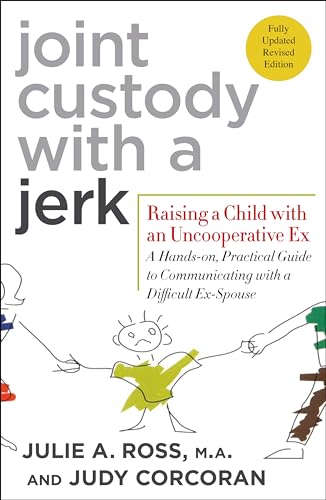
Joint Custody with a Jerk
Julie A. Ross, MA & Judy Corcoran
Proven communication techniques for co-parenting with an uncooperative ex.
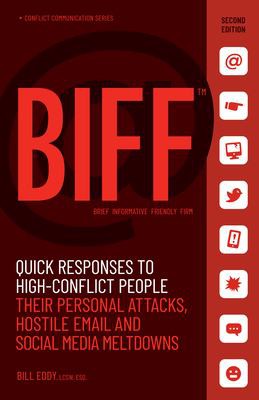
BIFF: Quick Responses to High-Conflict People
Bill Eddy, LCSW Esq.
Brief, Informative, Friendly, and Firm responses for dealing with high-conflict people.
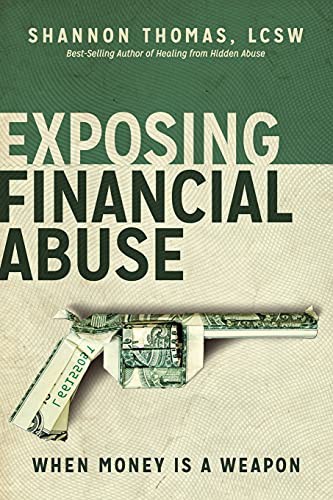
Exposing Financial Abuse
Shannon Thomas, LCSW
Expose of financial exploitation within families, relationships, and courts.
As an Amazon Associate, Clarity House Press earns from qualifying purchases. Your price is never affected.
Found this helpful?
Share it with someone who might need it.
About the Author

Clarity House Press
Editorial Team
The editorial team at Clarity House Press curates and publishes evidence-based content on narcissistic abuse recovery, high-conflict divorce, and healing. Our content is informed by research, survivor experiences, and established trauma-informed approaches.
View all posts by Clarity House Press →Published by Clarity House Press Editorial Team