Please read our important disclaimers before using this content
You left with two suitcases, $200, and no idea where you'd sleep next week. Or maybe you're still in the relationship, quietly researching options, knowing you can't stay but terrified of having nowhere to go.
Housing isn't just a roof over your head—it's the foundation of safety, recovery, and rebuilding your life. Without stable housing, everything else becomes exponentially harder: finding work, establishing routines, healing from trauma, maintaining custody of your children.
This guide provides practical resources and strategies for securing safe, stable housing when leaving an abusive relationship, from emergency shelter to long-term stability.
Understanding the Housing Crisis After Abuse
When you leave an abusive relationship, you often leave with nothing.1 Your name may not be on the lease. Your credit might be destroyed. Your employment history has gaps. You may have no rental history, no savings, no security deposit.
Add to this the unique challenges of fleeing abuse:
- Safety concerns requiring address confidentiality
- Legal complications from protective orders or custody battles
- Damaged credit from economic abuse or coerced debt2
- Employment barriers from isolation or sabotage
- Time pressure when staying means danger
Services like Aura and Norton LifeLock can help you monitor your credit for fraudulent accounts and unauthorized activity as you work to rebuild your financial foundation.
You're not just looking for housing—you're looking for housing that keeps you safe, that you can afford on a devastated budget, that landlords will approve despite red flags on your application, and that allows you to start rebuilding stability. Many survivors find that financial recovery after economic abuse is an essential parallel process to securing housing. Research shows that housing instability is as strong a predictor of poor health outcomes—including PTSD, depression, and reduced quality of life—as the level of danger in the abusive relationship itself.3
Emergency Housing Options
Domestic Violence Shelters
What they provide:
- Safe, confidential emergency housing (typically 30-90 days)
- Case management and advocacy
- Support groups and counseling
- Help with protective orders, housing applications, employment
- Children's services and support
How to access:
- National Domestic Violence Hotline: 1-800-799-7233 (24/7) for referrals to local shelters
- Local DV agencies: Many have emergency shelter beds or can connect you to options
- 211: Dial 211 for community resource referrals including emergency shelter
Important considerations:
- Shelter locations are confidential for safety
- Most accept residents regardless of income
- Many shelters accommodate children; some have pet programs
- Length of stay varies; case managers help with transition planning
- You typically cannot have visitors or disclose the location
When shelters are full:
- Ask about overflow programs or hotel voucher programs
- Request placement on waiting list and call daily
- Contact multiple shelters in your area
- Ask about sister organizations or partner agencies
Emergency Housing Vouchers
Some communities offer emergency housing vouchers or rapid rehousing programs for domestic violence survivors:
- Emergency Solutions Grant (ESG): Provides short-term rental assistance
- Rapid Rehousing: Typically covers 3-6 months of rent while you stabilize
- Homelessness prevention programs: May prevent eviction or help with deposits
Contact your local Continuum of Care or housing authority to ask about DV-specific programs.
Staying with Friends or Family
This can be safe temporary option if:
- Your abuser doesn't know the location or can't access it
- The household is stable and genuinely supportive
- There's a clear plan for transitioning to your own place
- Children's needs are met and custody considerations addressed
Safety considerations:
- Don't share the location on social media or with mutual contacts
- Have an exit plan if your abuser discovers the location
- Be cautious about overextending the welcome—have transition timeline
- Document that you're not abandoning children if they stay elsewhere temporarily
Transitional Housing Programs
Transitional housing bridges the gap between emergency shelter and permanent housing, typically offering 6-24 months of support.4 Research on housing-first interventions shows that survivors receiving structured housing support with case management report greater improvements in housing stability, safety, and mental health compared to services as usual.5
What Transitional Housing Provides
- Longer-term housing (usually 6 months to 2 years)
- Reduced rent or subsidized housing costs
- Case management and goal-setting support
- Life skills programming
- Employment assistance
- Children's programs and childcare support
- Help securing permanent housing
Eligibility and Application
Common requirements:
- History of domestic violence (documentation may be required)
- Income limits (some programs require no income, others require some employment)
- Sobriety requirements (varies by program)
- Commitment to program participation and goal-setting
- Background checks (criminal history may affect eligibility)
How to find programs:
- Ask your DV shelter or advocate for referrals
- Contact local housing authorities about DV-specific programs
- Search "[your state/city] transitional housing domestic violence"
- Contact United Way 211 for local resources
Application tips:
- Apply to multiple programs simultaneously—waitlists can be long
- Follow up weekly on application status
- Request advocacy support if needed
- Be honest about barriers (criminal history, evictions)—many programs work with complex situations
What to Expect in Transitional Housing
Structure and rules:
- Individual apartments or shared housing (varies by program)
- Regular meetings with case manager
- Participation in support groups or programming
- Curfews or visitor restrictions (especially early in program)
- Sobriety monitoring or random drug tests
- Progress toward employment and savings goals
Your responsibilities:
- Pay reduced rent (often 30% of income)
- Attend case management meetings
- Work toward program goals (employment, education, savings)
- Follow house rules and community guidelines
- Develop transition plan for permanent housing
Timeline: Most transitional housing programs expect you to transition to permanent housing within 6-24 months. Case managers work with you to build credit, savings, employment history, and rental references during this time. For survivors starting with very limited resources, the story of rebuilding financial independence from almost nothing offers practical first steps alongside inspiration.
Long-Term Housing Stability
Section 8 Housing Choice Voucher Program
The Housing Choice Voucher Program (Section 8) provides rental assistance to low-income families, allowing you to choose housing in the private market.
How it works:
- Housing authority pays portion of rent directly to landlord
- You pay approximately 30% of your income toward rent
- Voucher is portable—you can move and take it with you
- You choose housing that meets program standards
Eligibility:
- Income limits (typically below 50% of area median income)
- U.S. citizenship or eligible immigration status
- Background check (criminal history and evictions considered)
Priority categories that may help:
- Fleeing domestic violence
- Homelessness or risk of homelessness
- Extremely low income (below 30% AMI)
- Disabled or elderly household members
The reality:
- Waitlists are long: Often 1-3 years or longer in high-demand areas
- Some waitlists are closed: Not even accepting new applications
- Apply to multiple housing authorities: Different counties/cities have separate waitlists
- Emergency transfers available: If you already have a voucher and need to flee, VAWA provides emergency transfer options
How to apply:
- Contact your local Public Housing Authority (PHA)
- Check if waitlist is open (many are closed or only open periodically)
- Complete application when waitlist opens
- Provide documentation of income, household composition, domestic violence (if applicable)
- Follow up on application status
VAWA Housing Protections
The Violence Against Women Act (VAWA) provides critical housing protections for survivors.6 VAWA is recognized as one of the most effective federal laws enacted to reduce intimate partner violence—between 1993 and 2010, the rate of intimate partner violence declined 67% following VAWA's passage.7
Early lease termination:
- Allows victims to break lease early without penalty in certain situations
- Requires documentation (protective order, police report, or advocate statement)
- Provides protection from eviction due to violence committed against you
- Applies to most federally subsidized housing and some private landlords
Emergency transfers:
- If you have Section 8 or live in public housing, you can request emergency transfer to new unit if current housing is unsafe
- Must document domestic violence and safety concern
- Transfer does not mean you lose your voucher or placement
Protection from eviction:
- Landlords cannot evict you because of violence committed against you
- Cannot deny housing based on DV history (for federally subsidized housing)
How to use VAWA protections:
- Notify landlord in writing of your intent to terminate lease early due to DV
- Provide documentation: protective order, police report, signed statement from advocate, medical records, or court records
- Understand your state's specific requirements (some states have expanded VAWA protections)
- Seek legal aid if landlord challenges your termination
Affordable Housing Programs
Low-Income Housing Tax Credit (LIHTC) properties:
- Private apartments with income restrictions
- Typically 40-60% of area median income limit
- Market-rate quality but reduced rent
- Search via AffordableHousing.com or local housing authority listings
Project-based Section 8:
- Subsidized units in specific buildings
- Similar to voucher program but subsidy stays with the unit
- Often shorter waitlists than voucher program
Local affordable housing initiatives:
- Many cities have local programs for workforce housing
- Teacher/first responder housing programs sometimes include DV survivors
- Check your city/county housing department website
Financial Assistance for Housing
Security Deposit and First Month's Rent
Research demonstrates that financial assistance programs are highly effective: survivors receiving emergency financial assistance are 76% less likely to enter homelessness, with cost-benefits exceeding $20,000 per household.8
Programs that may help:
- DV agencies: Many have emergency financial assistance funds
- Catholic Charities: Offers emergency assistance regardless of religion
- Salvation Army: Provides rent and utility assistance
- Modest Needs: Online grants for short-term financial crises
- Local community action agencies: Often have emergency assistance funds
Requirements:
- Documentation of need and DV situation
- Proof of income or employment (varies)
- Clear plan for sustaining housing after initial assistance
- May require participation in financial literacy programs
Rental Assistance Programs
Emergency Rental Assistance:
- Many states still have COVID-era emergency rental assistance available
- Covers back rent, current rent, and sometimes future rent
- Income limits and documentation required
- Search "[your state] emergency rental assistance"
Homelessness Prevention Programs:
- Help prevent eviction or loss of housing
- May cover rent arrears or short-term assistance
- Contact local Continuum of Care or 211
Utility Assistance:
- LIHEAP (Low Income Home Energy Assistance Program)
- Local utility company assistance programs
- Prevent shutoffs while you're stabilizing
Building Financial Foundation
Banking access:
- If your abuser controlled finances, you may need new accounts
- Look for free checking accounts or credit union membership
- Second-chance banking programs if you have ChexSystems issues
Credit repair:
- Get free credit reports at AnnualCreditReport.com
- Dispute fraudulent accounts opened by abuser
- File police report if financial fraud occurred
- Consider credit counseling through NFCC member agencies
Employment support:
- Workforce development programs through American Job Centers
- DV agencies often have employment programs
- TANF (Temporary Assistance for Needy Families) may provide support while job searching
Safety Considerations for Housing
Address Confidentiality Programs
Most states offer Address Confidentiality Programs (ACP) for DV survivors:
What they provide:
- Substitute address for use on official documents
- Mail forwarding from substitute address to your actual location
- Legal protection of actual address in public records
- May allow voter registration without revealing address
How to enroll:
- Contact your state's ACP (often run by Secretary of State office)
- Work with domestic violence advocate who can certify your application
- Provide documentation of abuse (protective order, police report, etc.)
- Enroll before establishing new address if possible
Limitations:
- Doesn't prevent abuser from finding you through other means
- May complicate some processes (employment background checks, etc.)
- Requires ongoing mail management
Safety Planning for New Housing
Before you move in:
- Don't share address on social media or with mutual contacts
- Consider whether proximity to work/school might reveal location
- Assess whether neighbors might recognize you or report to abuser
- Install security measures immediately (new locks, security system if possible)
Physical security:
- Change locks immediately if landlord permits
- Install door/window alarms or sensors
- Use curtains/blinds to prevent viewing inside
- Consider camera doorbell or security cameras
- Park in well-lit areas or garage if available
Digital security:
- Don't tag your location on social media
- Review privacy settings on all accounts
- Remove location data from photos before sharing
- Be cautious about delivery addresses (consider Amazon locker or PO box for packages)
Document safety plan with:
- Local police (inform them of protective order and situation)
- Neighbors you trust (provide photo of abuser, car description)
- Children's schools (who is authorized for pickup, safety plan)
- Your employer (security protocols if needed)
Tenant Rights When Fleeing Abuse
You have the right to:
- Break your lease early under VAWA (federally subsidized housing) or state law
- Request lock changes at your current unit
- Seek protective order prohibiting abuser from property
- Call police without fear of eviction due to "nuisance" ordinances (increasingly prohibited)
Documentation to keep:
- Copy of your lease and early termination notice
- Protective orders or police reports
- Communication with landlord about DV situation
- Photos of any damage caused by abuser
- Records of any lock changes or security measures
Legal assistance:
- Legal aid organizations often prioritize DV housing cases
- DV advocates can help with landlord negotiations
- Fair housing organizations if you face discrimination
Overcoming Common Barriers
Credit and Background Check Issues
Evictions on your record:
- Explain circumstances in rental application (domestic violence eviction)
- Provide context: Was eviction due to abuser's actions?
- Offer additional security deposit or co-signer if possible
- Look for "second chance" landlords or individual property owners
Poor credit:
- Offer explanation letter with application
- Show recent positive payment history (utilities, phone bill)
- Provide employment verification and pay stubs
- Consider properties that don't require credit checks (private landlords)
Criminal record:
- Understand what can be legally considered in your state
- Explain circumstances if charges related to abuse (defensive actions, coerced participation)
- Provide documentation: protective orders, police reports showing you were victim
- Look for fair chance housing policies
Employment Gaps and Income Requirements
If you have employment gaps:
- Explain as "family caregiving" or personal circumstances
- Emphasize transferable skills and commitment
- Provide strong references from volunteer work, previous employment, or advocates
If income is below requirements:
- Look for income-restricted housing where limits work in your favor
- Apply for rental assistance that counts toward income requirements
- Consider roommate situations (carefully, for safety)
- Provide guarantor or co-signer if possible
- Show other assets or savings as evidence of ability to pay
Children and Custody Complications
If you have custody:
- Ensure housing meets custody order requirements (adequate bedrooms, safe environment)
- Keep detailed records of housing search for court if needed
- Maintain stability—frequent moves can be used against you
- Document any interference with housing by abuser
If custody is contested:
- Prioritize stable housing—courts value stability
- Don't let housing desperation push you into unsafe situations
- Document your housing efforts and barriers caused by abuser
- Work with attorney to show housing instability was result of abuse, not your choices
Real-World Examples
Maria's emergency shelter transition: Maria fled with her two children to a DV shelter after her husband's violence escalated. The shelter provided 60 days of safety while she worked with a case manager. During that time, she applied for transitional housing, got on the Section 8 waitlist, and worked with employment services. She moved into transitional housing after 8 weeks, where she had 18 months to build employment history, savings, and rental references. She transitioned to her own apartment using rapid rehousing assistance, which covered her first 4 months of rent while she stabilized her income.
David's VAWA lease termination: David lived in federally subsidized housing when he obtained a protective order against his abusive partner. His partner continued to show up at the apartment despite the order, making it unsafe. David used VAWA protections to request emergency transfer to a different unit in another complex managed by the same housing authority. His housing advocate helped him document the safety threat, and he transferred within 3 weeks without losing his housing subsidy.
Sarah's credit rebuilding: Sarah left her marriage with destroyed credit—her ex had opened credit cards in her name, defaulted on joint debt, and caused eviction from their apartment. She filed police reports for identity theft, disputed fraudulent accounts, and worked with a credit counselor. She rented a room in a private home (no credit check) while rebuilding, then transitioned to a LIHTC apartment that considered her full circumstances, not just her credit score. Within two years, she had stable housing and improving credit.
Key Takeaways
- Emergency shelter is available: The National DV Hotline (1-800-799-7233) can connect you to local shelter resources 24/7
- VAWA provides housing protections: You can break leases early, transfer subsidized housing, and cannot be evicted due to violence against you
- Multiple pathways exist: Emergency shelter → transitional housing → permanent housing is one path, but rapid rehousing, subsidized housing, and private market options all exist
- Financial assistance is available: Security deposits, rental assistance, and utility help can bridge gaps while you stabilize
- Barriers can be overcome: Poor credit, evictions, employment gaps, and criminal records don't make housing impossible—they require explanation, documentation, and persistence
- Safety planning is essential: Address confidentiality, physical security, and careful information sharing protect you in your new home
Your Next Steps
-
Today: If you're in immediate danger, call the National DV Hotline (1-800-799-7233) to discuss emergency shelter options. If you're planning your exit, start researching local DV agencies and their housing programs.
-
This week: Make a list of required documents: ID, Social Security cards (yours and children's), income verification, proof of DV (protective orders, police reports), and any custody orders. Store copies outside your home if possible.
-
This month: Apply to your local housing authority's Section 8 waitlist if open. Even if it's years-long, get on the list now. Research transitional housing programs and eligibility requirements. Contact at least three DV agencies to understand what housing support they offer.
-
Ongoing: Build your housing file—keep records of all rental payments, maintain documentation of income and employment, save money when possible for security deposits. If you're already housed but in danger, document safety concerns and research VAWA protections for your situation.
Additional Resources
- National Domestic Violence Hotline: 1-800-799-7233 (24/7 support, shelter referrals, safety planning)
- National Safe Housing Alliance: Resources specifically for DV housing issues
Resources
Housing Assistance and Shelter:
- National Domestic Violence Hotline - 1-800-799-7233 for emergency shelter referrals
- HUD VAWA Housing Protections - Violence Against Women Act housing rights
- 211 - Dial 211 for local housing, shelter, and financial assistance
- AffordableHousing.com - Search affordable housing nationwide
Financial Support and Housing Search:
- GoSection8 - Section 8 housing search by state
- Modest Needs - Emergency financial assistance for housing
- FreeFrom - Financial security and housing support for survivors
- National Foundation for Credit Counseling - Financial counseling and housing assistance
Legal Protection and Address Confidentiality:
- LawHelp.org - Free legal assistance for housing and protective orders
- HUD Housing Discrimination Hotline - 1-800-669-9777 for fair housing complaints
- Address Confidentiality Programs by State - Confidential address registration
- WomensLaw.org - State-specific protective orders and housing rights
References
- Chiaramonte, G. R., Hetling, A., & Tosh, A. (2023). Beyond Domestic Violence Shelter: Factors Associated With Housing Placements for Survivors Exiting Emergency Shelters. Journal of Family Violence, 38(7), 1187–1200. https://pubmed.ncbi.nlm.nih.gov/31246141/ ↩
- Pico-Alfonso, M. A., García-Linares, M. I., Celda-Navarro, N., Blasco-Ros, C., Echeburúa, E., & López-García, J. J. (2022). Examining the impact of economic abuse on survivors of intimate partner violence: a scoping review. BMC Public Health, 22(1), 1096. https://pmc.ncbi.nlm.nih.gov/articles/PMC9121607/ ↩
- Nurius, P. S., Erbacher, R., & Curry-McLean, A. (2011). Housing instability is as strong a predictor of poor health outcomes as level of danger in an abusive relationship: findings from the SHARE Study. Journal of Family Violence, 26(4), 249–257. https://pubmed.ncbi.nlm.nih.gov/21987519/ ↩
- Chiaramonte, G. R., Hetling, A., Shugford, E., & Llerena, I. (2023). Domestic Violence Housing First Model and Association With Survivors' Housing Stability, Safety, and Well-being Over 2 Years. Journal of Interpersonal Violence, 38(11), 8849–8869. https://pubmed.ncbi.nlm.nih.gov/37358850/ ↩
- Hetling, A., Chiaramonte, G. R., & Shugford, E. (2023). Domestic Violence Survivors' Housing Stability, Safety and Well-being Over Time: Examining the Role of Domestic Violence Housing First, Social Support and Material Hardship. American Journal of Orthopsychiatry, 93(4), 505–517. https://pmc.ncbi.nlm.nih.gov/articles/PMC10524944/ ↩
- U.S. Department of Housing and Urban Development. (2023). Violence Against Women Act (VAWA): Housing Rights. Federal Register, 88(2), 285. https://www.hud.gov/VAWA ↩
- National Network to End Domestic Violence. (2024). Violence Against Women Act: VAWA Overview and Housing Protections. https://nnedv.org/content/violence-against-women-act/ ↩
- Ratcliffe, C., & Collyer, S. (2015). The Impact of Homelessness Prevention Programs on Homelessness: An Evidence Review. Urban Institute. https://pubmed.ncbi.nlm.nih.gov/27516600/ ↩
- Chiaramonte, G. R., Hetling, A., Shugford, E., & Shumate, A. (2023). Impact of the Domestic Violence Housing First Model on Survivors' Safety and Housing Stability: Six Month Findings. Journal of Family Violence, 38(4), 1019–1032. https://pmc.ncbi.nlm.nih.gov/articles/PMC10919292/ ↩
Recommended Reading
From Clarity House Press — plus trusted books for deeper understanding
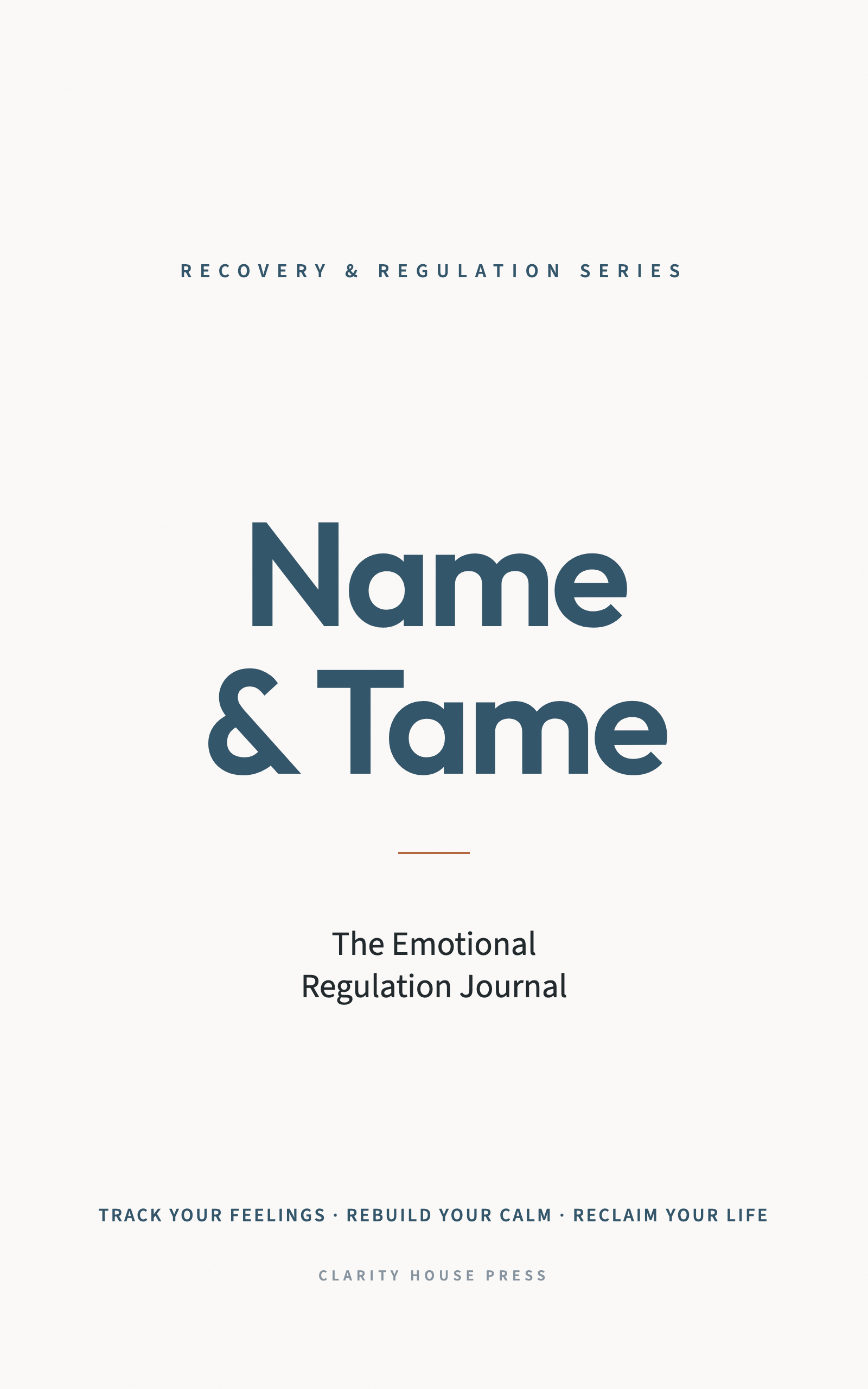


Anchored
Deb Dana, LCSW
Practical everyday ways to transform your relationship with your nervous system using Polyvagal Theory.
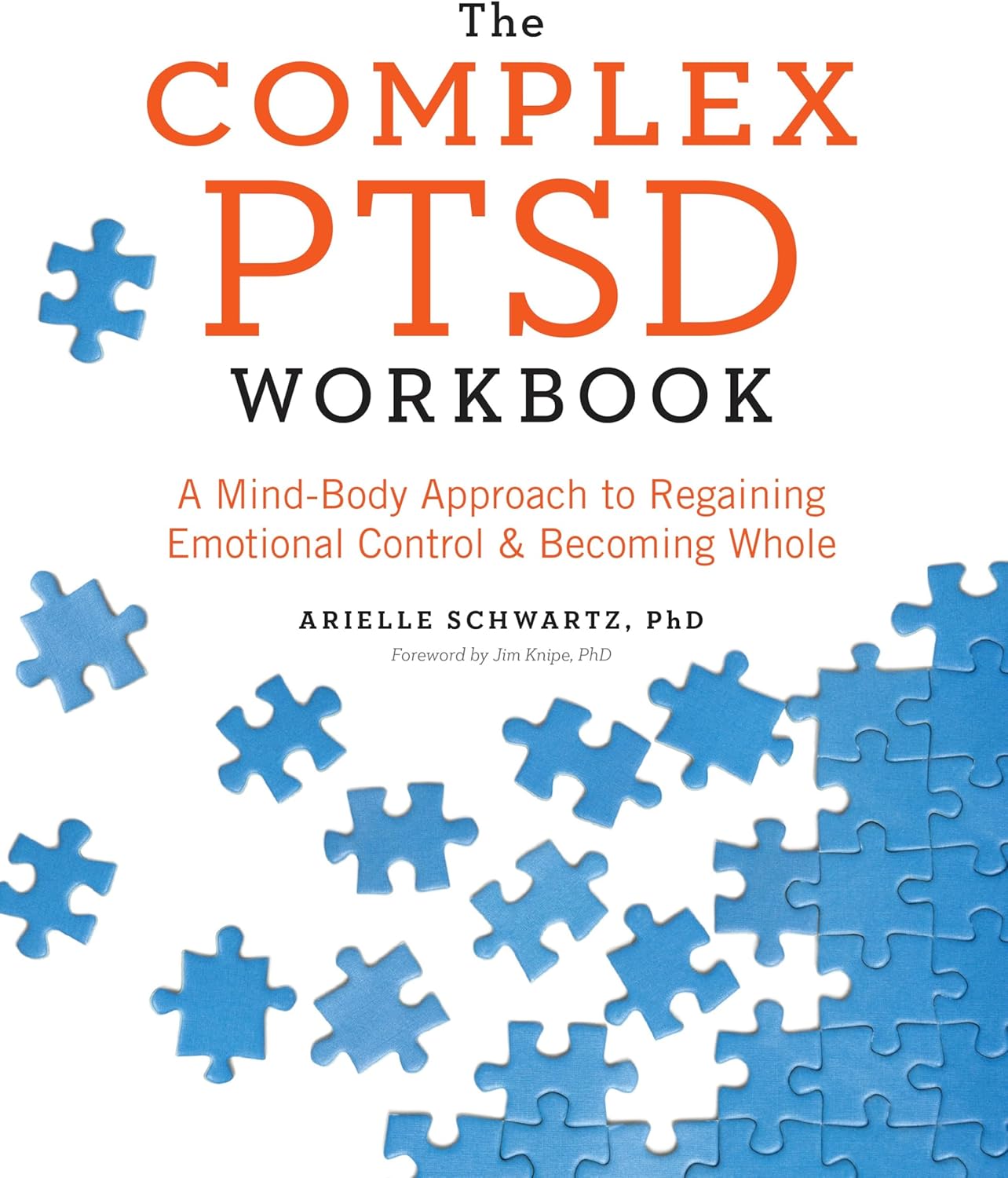
The Complex PTSD Workbook
Arielle Schwartz, PhD
A mind-body approach to regaining emotional control and becoming whole with evidence-based exercises.
As an Amazon Associate, Clarity House Press earns from qualifying purchases. Your price is never affected.
Found this helpful?
Share it with someone who might need it.
About the Author

Clarity House Press
Editorial Team
The editorial team at Clarity House Press curates and publishes evidence-based content on narcissistic abuse recovery, high-conflict divorce, and healing. Our content is informed by research, survivor experiences, and established trauma-informed approaches.
View all posts by Clarity House Press →Published by Clarity House Press Editorial Team