Please read our important disclaimers before using this content
After narcissistic abuse, boundaries feel impossible. In your previous relationship, boundaries were either non-existent (yours were trampled), or they were weapons (theirs were used to control you). You may have tried setting boundaries and had them mocked, raged against, or turned into evidence of your selfishness. Understanding coercive control and how boundaries get systematically dismantled helps explain why boundary-setting feels so foreign now.
Now you're thinking about new relationships, and you know boundaries matter. But what do healthy boundaries actually look like? Not the theoretical version—the real, practical, in-the-relationship version?
This article provides concrete examples of what healthy boundaries look like in action, why they matter, and how to develop them as someone who's been taught that your needs don't count.
What Healthy Boundaries Actually Are
Before we get to examples, let's clarify what boundaries are and aren't.
Boundaries ARE:
Clear expectations about what behavior you will and won't accept. A boundary is a statement of what's okay and not okay for you. "I don't accept being yelled at" is a boundary.
Honest communication about your limits. Boundaries require direct communication—not hints, assumptions, or hoping they'll figure it out. "I need time alone on Sunday mornings" is direct communication.
Consistent enforcement of what you've stated. A boundary without consequences isn't really a boundary—it's a request. Enforcement means following through: "I said I won't accept yelling, and you're yelling, so I'm leaving this conversation until we can talk calmly."
Self-protective, not punitive. Boundaries protect your wellbeing. They're not designed to punish or control the other person—they're designed to keep you safe and respected.
About YOUR behavior, not theirs. You can't control what they do; you can only control what you do in response. A boundary isn't "You can't yell at me." A boundary is "If you yell at me, I will leave the room."
Flexible when appropriate. Boundaries can be adjusted with trust, changed circumstances, and mutual respect. Rigid, unchanging boundaries might be walls rather than healthy limits.
Non-negotiable about safety and core wellbeing. Some boundaries are firm regardless of circumstances—those involving your physical safety, mental health, and fundamental values.
Boundaries Are NOT:
Ways to control or punish your partner. "If you don't do what I want, I'll withhold affection" is manipulation, not a boundary.
About making the other person change. Boundaries manage YOUR experience. You can't boundary someone into being different; you can only protect yourself from behavior you don't accept.
Tests to see if they care. If you set a boundary hoping they'll fight past it to prove their love, that's not a boundary—that's a game.
Walls that prevent all vulnerability. Healthy boundaries allow intimacy while protecting core needs. They're a semi-permeable membrane, not a brick wall.
One-size-fits-all. Boundaries differ based on the relationship, context, and your personal needs. What's appropriate with a new dating partner differs from a long-term committed relationship.
Why Boundaries Are Especially Hard After Abuse
Understanding why boundaries feel difficult helps you have compassion for yourself as you develop them.
Your Boundaries Were Violated
In your abusive relationship, your boundaries were systematically violated. When you said no, it was ignored. When you expressed limits, they were pushed against until you gave in. When you tried to protect yourself, you were punished. You learned that boundaries don't work—or worse, that having them makes things worse. Research documents that individuals who experienced early parental boundary violations (seductive behaviors, role reversal, or parentification) showed significantly higher levels of violence perpetration and victimization in adult romantic relationships.1
Their Boundaries Were Weapons
You may have experienced your partner's "boundaries" as tools of control: "My boundary is that you can't see your friends without me." "I need space" (used to punish through silent treatment). "I have a boundary about privacy" (used to hide affairs). This corrupted your understanding of what boundaries should be. Research on narcissistic personality disorder in intimate relationships documents that individuals with pathological narcissism use controlling, manipulative, and coercive tactics to maintain dominance within relationships.2
You Were Taught Your Needs Don't Matter
Narcissistic abuse conditions you to believe your needs are inconvenient, selfish, or wrong. If you internalized this message, setting boundaries feels like asking for too much—even when you're asking for basic respect. This connects directly to rebuilding your sense of identity after abuse.
Boundaries Led to Consequences
When you tried to set boundaries before, there were consequences: rage, punishment, guilt trips, accusations. Your nervous system learned that boundaries equal danger. Now, even in safe relationships, your body reacts as if boundary-setting is risky. Trauma survivors exposed to intimate partner violence show elevated posttraumatic stress disorder and depression, and prior trauma influences self-esteem, sense of safety, and the ability to establish healthy boundaries.3
You Don't Know What's Normal
If this was your first serious relationship, or if you grew up in a dysfunctional family, you may genuinely not know what healthy boundaries look like. You have no template.
Healthy Boundaries by Category
Let's get specific. Here are examples of healthy boundaries in different areas of a romantic relationship:
Communication Boundaries
Healthy boundaries include:
- "I need you to speak to me respectfully, even when you're frustrated."
- "I don't accept name-calling, even in arguments."
- "When I say I need to think about something, please give me that time rather than pushing for an immediate answer."
- "I prefer to discuss serious topics when we're both calm, not when either of us is tired or upset."
- "If we're having a disagreement, I need us to focus on the issue, not bring up past problems."
- "I need you to communicate directly with me, not through hints or passive aggression."
What enforcement looks like:
If they start name-calling during an argument, you say: "We agreed no name-calling. I'm going to take a break, and we can continue this conversation in an hour when we've both calmed down." Then you follow through by leaving the room.
In healthy relationships: Your partner respects these boundaries without guilt-tripping you. They may not always get it perfect, but they try, apologize when they fail, and improve over time.
Time and Space Boundaries
Healthy boundaries include:
- "I need alone time to recharge—usually an hour or two each evening."
- "Sunday mornings are my time for [hobby/rest/spirituality]. I'd like to protect that."
- "I want to maintain my friendships. I need time with friends without needing to explain or justify."
- "I prefer not to text constantly throughout the workday. Let's check in at lunch and after work."
- "I need advance notice before making plans—spontaneous plans stress me out."
- "I'm not ready to move in together yet. I need more time."
What enforcement looks like:
If they show up unexpectedly during your protected alone time, you're kind but clear: "I wasn't expecting you tonight, and this is my decompression time. Can we reschedule for tomorrow?" You're not punishing them—you're protecting what you need.
In healthy relationships: Your partner has their own needs for time and space too. There's mutual respect for autonomy without it feeling like rejection.
Physical and Sexual Boundaries
Healthy boundaries include:
- "I'm not ready for sex yet. I need to feel more emotionally connected first."
- "I need you to ask before initiating physical intimacy rather than assuming."
- "There are certain sexual acts I'm not comfortable with. Those are off the table."
- "If I say stop or slow down, I need you to immediately respect that."
- "I don't like public displays of affection beyond [hand-holding/light kiss]."
- "I need physical affection to be separate from sex sometimes—cuddling without the expectation of more."
What enforcement looks like:
If they push past your stated limit: "I said I'm not comfortable with that. I need you to respect that, or I'm going to need to take a step back from this relationship." If they continue, you follow through by stepping back.
In healthy relationships: Physical boundaries are treated as sacred. A healthy partner would never want to do something you're uncomfortable with. They ask, they check in, and they stop immediately when asked.
Emotional Boundaries
Healthy boundaries include:
- "I need you to manage your own emotions rather than expecting me to fix them."
- "When you're upset about something else, I need you to not take it out on me."
- "I can support you when you're struggling, but I can't be your only source of emotional support."
- "I need you to speak directly about your feelings rather than expecting me to guess."
- "If you're unhappy with something I've done, tell me directly rather than through silent treatment."
- "I'm not able to process your emotions while you're yelling at me."
Research on healthy intimate relationships demonstrates that autonomy and secure base support—allowing partners to maintain their own identity and independence—are critical predictors of relationship satisfaction and partner well-being.4
What enforcement looks like:
If they expect you to manage their emotions: "I can see you're really upset. I care about you, but I can't fix this for you. What do you need? Maybe talking to a friend or therapist would help?" You're supportive without becoming their emotional caretaker.
In healthy relationships: Both partners take responsibility for their own emotions while being supportive of each other. There's no expectation that one person will regulate the other.
Family and Friends Boundaries
Healthy boundaries include:
- "I'm not willing to cut off contact with my family, even if they're imperfect."
- "I need to maintain my own friendships, including friendships with people of any gender."
- "I need you to be respectful to my family, even if you don't love spending time with them."
- "I decide how much contact I have with my own family—not you."
- "I'm not comfortable with your family having a key to our home without notice."
- "I need us to make decisions about holidays together, not have one family's expectations dominate."
What enforcement looks like:
If they try to control your family relationships: "I understand you have concerns about my mother. I get to decide my own relationship with her. If you continue trying to control this, I'm going to need to reconsider this relationship." You maintain your autonomy while hearing their concerns.
In healthy relationships: Both partners maintain their own relationships outside the partnership. There's no jealousy or control over existing friendships and family connections.
Financial Boundaries
Healthy boundaries include:
- "I need us to discuss purchases over [amount] before making them."
- "I'm not comfortable combining finances until we're married/more committed."
- "I need transparency about your financial situation before we make big decisions together."
- "I want to maintain my own savings account, even if we have joint accounts."
- "I'm not willing to take on your debt or have you take on mine without a clear plan."
- "I need us both to have access to information about our shared finances."
What enforcement looks like:
If they make a large purchase without discussion: "We agreed to discuss purchases over $200. This feels like a boundary violation. I need us to recommit to this agreement, or we need to reconsider how we handle finances together." You address it directly without punishment.
In healthy relationships: Both partners are transparent about money, respect agreed-upon limits, and work toward shared financial goals without one person controlling all the resources.
Digital and Privacy Boundaries
Healthy boundaries include:
- "I'm not comfortable sharing my phone passcode. Trust is important, but so is privacy."
- "I don't want to share location with you constantly—that feels like surveillance."
- "I need you to ask before posting photos of me on social media."
- "I'm not okay with you reading my private messages or emails."
- "I'd like some privacy with my therapist—I'll share what I want to share."
- "I don't want to have a joint social media account."
What enforcement looks like:
If they go through your phone: "I thought we agreed that we both deserve privacy. Going through my phone without permission isn't okay. If you're feeling insecure about something, I'd rather you talk to me directly." You address the behavior and the underlying issue.
In healthy relationships: Both partners trust each other enough not to require surveillance. Privacy is respected as healthy, not treated as evidence of wrongdoing.
How Healthy Partners Respond to Boundaries
This is crucial: in a healthy relationship, boundaries are welcomed, not resisted.
A Healthy Partner:
Accepts your boundaries without punishment. They might be disappointed, but they don't rage, guilt-trip, or give you silent treatment.
Thanks you for communicating clearly. "I appreciate you telling me that. I'll make sure to ask first next time."
Adjusts their behavior without keeping score. They don't say "I did this for you, now you owe me."
Respects the boundary even when they disagree. They might not understand why you need space, but they give it to you anyway.
Checks in to make sure they're getting it right. "I want to make sure I'm respecting your needs—am I giving you enough space?"
Has their own healthy boundaries too. Boundaries aren't a one-way street; they also have limits you need to respect.
A Unhealthy Partner:
Argues with your boundaries. "That's ridiculous. Why would you need that?"
Makes you feel guilty for having needs. "If you really loved me, you wouldn't need so much space."
Agrees but then violates them repeatedly. "I forgot" or "I just couldn't help it" over and over.
Uses their "boundaries" to control you. Their boundaries serve their comfort at the expense of your reasonable needs.
Punishes you for setting boundaries. Silent treatment, withdrawal of affection, rage episodes, or other consequences designed to make you regret having limits.
Tests your boundaries to see if you'll enforce them. Then uses your failure to enforce as permission to violate further. These patterns are a hallmark of manipulation tactics used for control.
Building Your Boundary Muscle
If you've never had healthy boundaries, you'll need to develop them intentionally. Here's how:
Start with Self-Knowledge
Before you can set boundaries, you need to know what you need. Ask yourself:
- What makes me feel safe in relationships?
- What makes me feel disrespected or uncomfortable?
- What are my non-negotiables?
- Where am I flexible, and where am I not?
- What did I need in my previous relationship that I didn't get?
Journal about these questions. Talk about them in therapy. Your answers will form the foundation of your boundaries. For survivors, inner child work can be particularly helpful for uncovering what you genuinely need versus what you were conditioned to accept.
Practice with Small Boundaries First
Don't start with the hardest boundary. Practice with smaller ones:
- "I'd prefer to go to this restaurant instead."
- "I need to leave by 9:00 tonight."
- "I don't want to watch that movie."
Notice how it feels to state a preference. Notice how they respond. Build your confidence before tackling bigger boundaries. Research on adolescent boundary-setting shows that practicing boundary communication in low-stakes contexts significantly increases willingness and ability to communicate boundaries in higher-stakes relationship situations.5
Use "I" Statements
Frame boundaries in terms of what you need, not what they're doing wrong:
Instead of: "You're always calling too late." Try: "I need calls to end by 10pm on weeknights because I need my sleep."
This is about your needs, not an accusation. It's easier to hear and harder to argue with.
Be Direct, Not Aggressive
Boundaries can be stated calmly and clearly without aggression:
Aggressive: "Don't you dare talk to me like that." Direct: "When you raise your voice at me, I feel disrespected. I need you to speak calmly."
Both set a limit. Only one invites healthy dialogue.
Accept That Boundaries May End Relationships
Here's the hard truth: some relationships cannot survive healthy boundaries because they were only possible through your boundary-lessness. If a relationship ends because you started having boundaries, that relationship wasn't sustainable anyway.
The right person will welcome your boundaries because they want you to be healthy and respected.
Expect Initial Discomfort
Setting boundaries after being conditioned not to feel deeply uncomfortable. Your nervous system may scream danger. That's okay. The discomfort doesn't mean you're doing something wrong—it means you're doing something new.
With practice, boundaries become more natural. The discomfort decreases. What once felt impossible becomes automatic.
Get Support
Work with a therapist who can help you identify what boundaries you need, practice setting them, and process the feelings that come up. A support group can also normalize the experience and provide encouragement. Establishing safety and a strong therapeutic relationship with a counselor is foundational to recovery from trauma, with research indicating that the therapeutic relationship is one of the largest factors in an individual's ability to recover from the overwhelming effects of trauma.6
Red Flags in New Relationships
As you develop your own boundaries, watch for these warning signs in new partners:
Early boundary pushing. If they're testing your limits in the first weeks or months, expect escalation. Research shows that early boundary violations predict escalation and more severe forms of abuse over time.7
Dismissing your feelings. "You're being too sensitive" or "That's not a big deal" are not healthy responses to your stated needs.
Moving too fast. Someone who pressures for commitment, labels, or escalation before you're ready isn't respecting your timeline boundaries.
Isolation attempts. Criticism of your friends, family, or time away is a warning sign of controlling behavior to come. Controlling behavior and isolation from support networks are documented patterns in intimate partner abuse, often escalating over time.8
Love-bombing. Excessive attention, gifts, and declarations early on often precede boundary violation.
Rage at boundaries. If they explode when you set a reasonable limit, run.
Guilt trips. Making you feel bad for having needs is manipulation, not love.
Your Next Steps
Today: Write down three boundaries you need in romantic relationships. Be specific. Why does each one matter to you?
This week: Practice stating a small boundary with someone safe—a friend, family member, or therapist. Notice how it feels. Notice how they respond.
This month: Identify any current relationships (romantic or otherwise) where your boundaries aren't being respected. What would healthy enforcement look like?
In dating: Before getting seriously involved with someone new, pay attention to how they respond to your boundaries. This is critical information about whether they're a safe partner.
Ongoing: Work with a therapist on the fear and discomfort that comes with boundary-setting. These feelings are normal after abuse and can be processed and reduced.
Boundaries are not selfish. Boundaries are not mean. Boundaries are not evidence that you don't love someone enough.
Boundaries are how you protect your peace, your wellbeing, and your sense of self. They're how you create relationships based on mutual respect rather than one-sided sacrifice. They're how you ensure that you're loved as you actually are, not as a doormat.
You deserve boundaries. You deserve a partner who welcomes them. And you're capable of developing them, even if you've never had them before.
Start now. Start small. And watch how different healthy relationships feel when you finally have limits that are respected.
Resources
Books on Boundaries and Healthy Relationships:
- Boundaries by Henry Cloud and John Townsend - Foundational guide to setting and maintaining healthy boundaries
- Set Boundaries, Find Peace by Nedra Glover Tawwab - Practical boundary-setting for relationships and self-care
- Attached by Levine & Heller - Understanding attachment styles and relationship patterns
- Why Does He Do That? by Lundy Bancroft - Understanding relationship dynamics and red flags
Therapy and Relationship Support:
- Psychology Today - Therapists - Find therapists specializing in relationships and boundaries
- Emotionally Focused Therapy Directory - Find EFT therapists for secure attachment work
- The Gottman Institute - Research-based relationship education and resources
- National Domestic Violence Hotline - 1-800-799-7233, healthy relationship resources
Support Communities and Resources:
- r/HealthyRelationships - Reddit community for relationship support
- Out of the FOG - Support forum for learning healthy relationship patterns
- National Alliance on Mental Illness (NAMI) - Mental health and relationship support
- SAMHSA National Helpline - 1-800-662-4357 (mental health treatment referrals)
References
- Linder, J. R., & Collins, W. A. (2005). Parent and peer predictors of physical aggression and conflict management in romantic relationships in early adulthood. Journal of Family Psychology, 19(2), 252-262. https://pubmed.ncbi.nlm.nih.gov/15982102/ ↩
- Campbell, J. C., Laughon, K., & Woods, A. B. (2011). Intimate partner violence and physical health consequences. Archives of Internal Medicine, 172(15), 1181-1187. https://pubmed.ncbi.nlm.nih.gov/21747021/ ↩
- Day, Townsend, & Grenyer (2022). Pathological narcissism: An analysis of interpersonal dysfunction within intimate relationships.. Personality and mental health. https://pmc.ncbi.nlm.nih.gov/articles/PMC9541508/ ↩
- Autonomy and Psychological Health. (2019). The Handbook of Relationship Flourishing, 231-254. Research demonstrates that couples who maintain individual autonomy and support each other's independent goals show increased relationship satisfaction and psychological well-being. https://pubmed.ncbi.nlm.nih.gov/31621096/ ↩
- Rickert, V. I., Sanghvi, R., & Wiemann, C. M. (2002). Is lack of sexual assertiveness among adolescent and young adult women a cause for concern? Perspectives on Sexual and Reproductive Health, 34(4), 178-183. https://pubmed.ncbi.nlm.nih.gov/12214910/ ↩
- Substance Abuse and Mental Health Services Administration (SAMHSA). (2014). Trauma-informed care in behavioral health services. SAMHSA Publication No. (SMA) 14-4816. National Center for Trauma-Informed Care. A strong therapeutic relationship with a counselor is identified as one of the largest factors in an individual's ability to recover from the overwhelming effects of trauma. https://www.ncbi.nlm.nih.gov/books/NBK207195/ ↩
- Patterns of Intimate Partner Violence: Correlates and Outcomes. (2005). Journal of Family Violence, 20(2), 89-99. Research identifies early boundary testing and violations as predictive of escalating patterns of abuse over time. https://pubmed.ncbi.nlm.nih.gov/16248486/ ↩
- Spitzberg, B. H., & Cupach, W. R. (2007). The state of the art of stalking: Taking stock of the emerging literature. Aggression and Violent Behavior, 12(1), 64-86. Patterns of Surveillance, Control, and Abuse Among intimate partner abuse survivors document isolation and controlling behaviors as core components of coercive control. https://pmc.ncbi.nlm.nih.gov/articles/PMC7868443/ ↩
Recommended Reading
From Clarity House Press — plus trusted books for deeper understanding

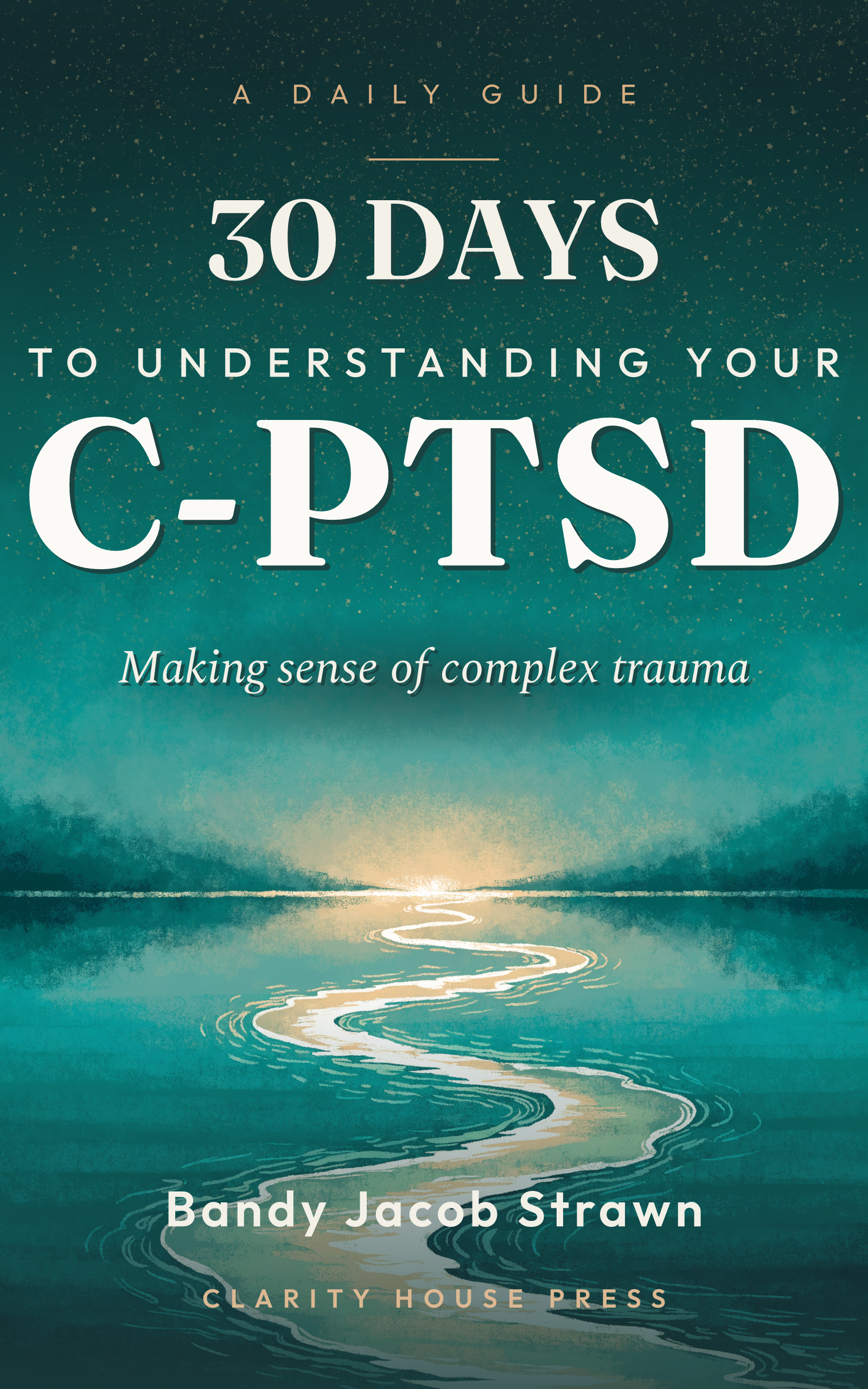
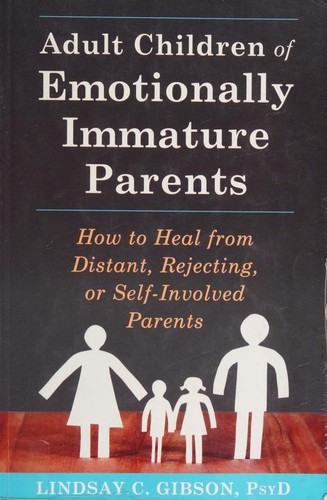
Adult Children of Emotionally Immature Parents
Lindsay C. Gibson, PsyD
A gentle, practical guide to understanding relationships with emotionally distant parents and reclaiming your inner life.
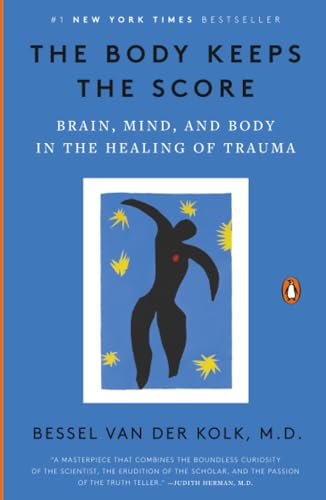
The Body Keeps the Score
Bessel van der Kolk, M.D.
A foundational look at how trauma reshapes the body and nervous system, and the approaches that help the body find safety again.
As an Amazon Associate, Clarity House Press earns from qualifying purchases. Your price is never affected.
Found this helpful?
Share it with someone who might need it.
About the Author

Clarity House Press
Editorial Team
The editorial team at Clarity House Press curates and publishes evidence-based content on narcissistic abuse recovery, high-conflict divorce, and healing. Our content is informed by research, survivor experiences, and established trauma-informed approaches.
View all posts by Clarity House Press →Published by Clarity House Press Editorial Team