Please read our important disclaimers before using this content
After narcissistic abuse, healthy love doesn't feel right. It feels boring. It feels suspicious. It feels like something must be wrong because there's nothing wrong.
You've spent months or years learning to read micro-expressions, detect mood shifts, and anticipate explosions. You've become hypervigilant, scanning for danger constantly. Now you're in the presence of someone who's...stable. Kind. Consistent.
And your nervous system doesn't know what to do with that.
This is one of the most disorienting challenges of recovery: learning to recognize green flags when your entire system is calibrated for red ones. Learning to feel safe with safety. Learning to trust trustworthiness.
Why Healthy Love Feels Wrong at First
Your brain adapted to abuse by treating unpredictability as normal. The intermittent reinforcement of narcissistic relationships—the cycle of idealization, devaluation, and occasional return to the "good times"—created neurological patterns that mistake chaos for passion and stability for boredom. The neuroscience of trauma and recovery explains exactly how the brain encodes these patterns and what it takes to rewire them.
Love bombing felt like being seen. When someone overwhelms you with attention, it feels validating. When someone pays healthy attention, it can feel insufficient.
Intensity felt like connection. Dramatic highs and lows created adrenaline, which your brain confused with excitement and love. Calm feels flat.
Unpredictability felt exciting. Not knowing what mood they'd be in kept you engaged, alert, addicted. Knowing what to expect feels dull.
Their instability made you feel needed. Being the stabilizing force in someone's chaos gave you purpose. Someone who doesn't need rescuing can feel... pointless?
Anxiety got confused with attraction. The constant uncertainty of whether they loved you, whether they'd leave, whether you'd done something wrong—that anxious energy can be mistaken for chemistry.
When you meet someone healthy, your nervous system might interpret the absence of anxiety as the absence of attraction. "I don't feel the spark" often means "I don't feel terrified."
This is not a character flaw. This is the predictable result of trauma conditioning. And it can be unlearned.
What Healthy Relationships Actually Look Like
Secure attachment in healthy relationships includes patterns that might feel unfamiliar or even suspicious at first:
Consistency
What it looks like: They say what they mean and mean what they say. Their words match their actions—not just today, but over time. You know what to expect from them. Their mood is relatively stable and predictable.
Why it might feel wrong: After abuse, consistency can feel boring or suspicious. You might wait for the "real" them to emerge, for the mask to slip, for the other shoe to drop.
What it actually means: They're regulated. They're trustworthy. You can relax because you know who you're dealing with.
Respect for Boundaries
What it looks like: When you say no, they accept it gracefully. They don't push, guilt-trip, or try to negotiate. They respect your time, your space, and your decisions even when they don't fully understand them.
Why it might feel wrong: A narcissist would have tested every boundary. Someone who respects them might feel like they don't care enough.
What it actually means: They see you as a person with your own needs and preferences, not as an extension of themselves.
Genuine Interest Without Intensity
What it looks like: They want to know about you—but at a normal pace. They ask questions and remember your answers. They're curious about your inner world without trying to consume it.
Why it might feel wrong: Love bombing feels like being the center of someone's universe. Normal interest can feel like indifference by comparison.
What it actually means: They're interested in you as a real person, not as a concept or a supply source. They have their own life and want you to have yours.
Accountability Without Drama
What it looks like: When they make a mistake, they acknowledge it clearly. They apologize specifically for what they did wrong. They explain what they'll do differently. Then they actually do differently.
Why it might feel wrong: You're used to DARVO (Deny, Attack, Reverse Victim and Offender), to arguments where you somehow end up apologizing for bringing up a problem they caused. Straightforward accountability might feel too easy.
What it actually means: They can tolerate being imperfect. They don't need to protect their ego at the expense of the relationship.
Calm During Conflict
What it looks like: Disagreements happen without escalation to crisis. Voices stay relatively calm. No one storms out. No one says cruel things they'll later deny or "didn't mean." Issues get resolved rather than accumulated.
Why it might feel wrong: Explosive conflict might feel more "real" or more passionate. Calm conflict can feel like they don't care enough to fight.
What it actually means: They're emotionally regulated. They can hold difficult feelings without acting them out on you.
Space and Togetherness
What it looks like: They have their own friends, interests, and life. They encourage you to have yours. They don't need to know where you are every moment or get anxious when you're doing your own thing.
Why it might feel wrong: Possessiveness can be confused with love. Someone who doesn't monitor your every move might feel like they don't care.
What it actually means: They're secure in themselves and in the relationship. They don't need to control you to feel okay.
Emotional Availability
What it looks like: They can discuss feelings—theirs and yours—without shutting down, deflecting, or turning it into an attack. They're present when you're struggling. They don't dismiss your emotions or one-up them with their own.
Why it might feel wrong: Narcissists often alternated between emotional unavailability and overwhelming emotional demands. Steady emotional availability might not register as significant.
What it actually means: They have emotional capacity to be a real partner, not just someone who consumes your emotional resources.
Reciprocity
What it looks like: The relationship has actual give and take. Sometimes they plan dates; sometimes you do. Sometimes they support you; sometimes you support them. Neither person does all the work.
Why it might feel wrong: If you're used to being the giver, reciprocity can feel like you're not earning your place. If you're used to demands, generosity without strings might feel suspicious.
What it actually means: They see you as an equal partner, not as a resource to extract from.
Red Flags Disguised as Green Flags
Before we go further, it's important to recognize that narcissists are very good at performing green flags—especially in the beginning. Here's how to distinguish real green flags from performed ones:
Consistency over time vs. intensity at the beginning. Real consistency reveals itself over months. Love bombing is intense but unsustainable. Pay attention to whether the "green flag" behavior continues when things get difficult, when you're less than perfect, when they don't get what they want.
Words matching actions vs. words being better than actions. Anyone can say the right things. Watch what they do when it's inconvenient. Watch how they treat people who can do nothing for them.
Accountability without manipulation vs. apologies as strategy. A narcissist may apologize to end a conflict or to manipulate you, but nothing changes. Real accountability shows in changed behavior.
Calm during conflict vs. never conflicting. Healthy partners can disagree calmly. Love-bombing narcissists often avoid all conflict initially, then explode later. Early relationship absence of conflict isn't the same as healthy conflict resolution.
Your nervous system settling vs. anxious attachment hooking. With a healthy person, over time your nervous system should calm. You should feel safer, not more anxious. If you feel increasingly on edge, that's not "chemistry"—that's danger.
The Adjustment Period: Learning to Feel Safe
If you're dating after abuse, expect an adjustment period where healthy love feels unfamiliar. Here's what that process often looks like:
The Boredom Problem
You might find yourself bored with someone who's perfectly nice. This is often your nervous system mislabeling the absence of chaos.
What to do: Give it time before deciding. Ask yourself: "Am I bored, or am I calm?" Journal about what you're actually experiencing. Notice if "boring" really means "safe" or "predictable" or "not triggering my anxiety."
The "No Spark" Problem
You might not feel "chemistry" with someone healthy. Remember: that "spark" may have been fear.
What to do: Pay attention to attraction that builds slowly over time, not just immediate intensity. Healthy attachment often grows rather than explodes. Ask yourself if you're looking for attraction or adrenaline.
The Trust Problem
You might not be able to trust their consistency. You might wait for the mask to drop, for the "real" them to emerge.
What to do: This is where time is your friend. Let them prove their consistency over months, not just weeks. Pay attention to how they act when you're not at your best, when you disappoint them, when things don't go their way.
The Worth Problem
You might feel like you don't deserve healthy treatment. You might sabotage good relationships because they don't match your internal narrative of what you deserve.
What to do: Notice self-sabotaging patterns. Work with a therapist on the core beliefs that make you feel unworthy of good treatment. Practice receiving kindness without deflecting or discounting it.
The Intimacy Problem
Real vulnerability may terrify you. Letting someone see the real you—not the performance version—might feel dangerous.
What to do: Go slow. Share gradually. Notice how they respond to your vulnerability. A healthy partner will make vulnerability feel safer over time, not more dangerous.
How Your Body Knows
Your body holds wisdom that your mind often overrides. Pay attention to physiological responses:
With a healthy partner over time:
- Your muscles relax
- Your breathing deepens
- You sleep better after seeing them
- You feel energized, not depleted
- Your nervous system settles
With an unhealthy partner:
- Muscle tension, especially in shoulders and jaw
- Shallow breathing
- Sleep disruption, anxiety at night
- Feeling drained or hypervigilant
- Nervous system stays activated
Your body knows the difference even when your mind is confused. Learn to listen to it.
Green Flags Checklist
Use this checklist to assess potential partners. No one will have all of these all the time, but healthy partners will demonstrate most of them most of the time:
Communication:
- Speaks directly without games or manipulation
- Listens actively when you talk
- Remembers things you've told them
- Doesn't punish you with silence or withholding
- Can discuss difficult topics without attacking
Boundaries:
- Respects your no without guilt or pressure
- Has their own healthy boundaries
- Doesn't try to isolate you from friends/family
- Supports your independence and separate interests
- Doesn't demand access to your phone, accounts, location
Emotional Regulation:
- Handles disappointment without punishing you
- Manages their own emotions without you regulating them
- Doesn't have explosive anger or rage episodes
- Can be upset with you without becoming abusive
- Recovers from conflict without extended grudges
Accountability:
- Admits mistakes without excessive defensiveness
- Apologizes specifically for what they did wrong
- Changes behavior, not just words
- Doesn't blame you for their behavior
- Takes responsibility for their own feelings
Consistency:
- Words match actions
- Shows up reliably
- Mood is generally stable and predictable
- Same person in private as in public
- Character holds up under stress
Treatment of Others:
- Treats service workers and strangers with respect
- Has healthy long-term relationships (family, friends)
- Speaks of exes without excessive vilification
- Doesn't have patterns of conflict with everyone
- Shows empathy for others' struggles
Relationship Balance:
- Genuinely interested in your life and wellbeing
- Shares themselves without overwhelming you
- Contributes fairly to relationship work
- Supports your goals even when not convenient
- Celebrates your success without competition
For Those Not Ready to Date
It's completely appropriate to take time before dating again. Some signs you might not be ready:
- You're still regularly triggered by memories of the abuse
- You haven't processed the relationship in therapy
- You don't yet trust your own judgment
- You're looking for someone to "fix" you or make you feel okay
- You can't tolerate being alone
Taking time to heal before dating is wisdom, not avoidance. You deserve to enter new relationships from a place of wholeness, not desperation.
When You Find Someone Good
If you've found someone who demonstrates genuine green flags, here's how to navigate the relationship well:
Communicate your history (gradually). You don't owe anyone your trauma story on the first date. But over time, helping a partner understand your background helps them support you.
Name what's happening. When you're feeling triggered or suspicious without cause, say so: "I'm noticing my anxiety coming up. It's not about you—it's my history. I just need a minute."
Accept comfort. Practice receiving kindness, support, and love without deflecting. This may feel uncomfortable at first.
Don't punish them for someone else's behavior. They're not your ex. Don't make them pay for crimes they didn't commit.
Let them earn trust incrementally. You don't have to trust immediately. Let trust build through consistent evidence over time.
Stay in therapy. Even in a healthy relationship, trauma can surface. Keep doing your own work.
Your Next Steps
1. Create your own green flags list. Based on your specific history, what do you need in a partner? What would healthy feel like for you specifically?
2. Notice your nervous system patterns. Start paying attention to what triggers your anxiety in relationships. Is it real danger, or conditioned response?
3. Practice receiving. This week, practice accepting compliments, help, or kindness without deflecting or discounting. Notice what comes up.
4. Get curious about "boring." If you find yourself describing someone as boring, ask: "Am I bored, or am I just not anxious?"
5. Stay in (or start) therapy. Unlearning trauma patterns takes time and support. A therapist who specializes in relational trauma can help you rewire your relationship patterns. If you're unsure whether your current therapist understands narcissistic abuse dynamics, the guide on when your therapist doesn't get it walks through what to look for in abuse-informed care.
6. Be patient with yourself. Learning to recognize and accept healthy love after abuse is a process, not an event. Give yourself time.
Healthy love is possible for you. It may feel unfamiliar at first. It may not trigger the dramatic highs and lows you associate with passion. But over time, as your nervous system learns that safety is safe, you'll discover that calm, consistent, respectful love is actually far more fulfilling than chaos ever was.
You deserve to be loved well. And you can learn to let yourself be.
Resources
Understanding Healthy Relationships:
- Attached by Levine & Heller - Understanding attachment styles and healthy relationship patterns
- The Gottman Institute - Research-based relationship education and green flags
- National Domestic Violence Hotline - Healthy relationship resources and red flag identification
- Hold Me Tight by Sue Johnson - Emotionally focused therapy for secure relationships
Therapy and Relationship Education:
- Psychology Today - Therapists - Filter for "relationship trauma" and "attachment"
- Emotionally Focused Therapy (EFT) Directory - Find EFT couples therapists
- Wired for Love by Stan Tatkin - Neuroscience of secure relationships
- Relationship Hero - Online relationship coaching and support
Support for Abuse Survivors:
- Out of the FOG - Support forum for learning healthy relationship patterns
- r/HealthyRelationships - Reddit community discussing relationship green flags
- National Alliance on Mental Illness (NAMI) - Relationship and mental health support
- SAMHSA Helpline - 1-800-662-4357 (mental health treatment referrals)
References
Hazan, C., & Shaver, P. (1987). Romantic love conceptualized as an attachment process. Journal of Personality and Social Psychology, 52(3), 511-524. https://doi.org/10.1037/0022-3514.52.3.511
Mikulincer, M., & Shaver, P. R. (2007). Attachment in adulthood: Structure, dynamics, and change. Guilford Press.
Pepping, C. A., Davis, P. J., O'Donovan, A., & Pal, J. (2015). Individual differences in attachment and dispositional mindfulness: The mediating role of emotion regulation. Personality and Individual Differences, 81, 24-29. https://doi.org/10.1016/j.paid.2014.12.054
Reis, H. T., & Shaver, P. (1988). Intimacy as an interpersonal process. In S. Duck (Ed.), Handbook of personal relationships (pp. 367-389). John Wiley & Sons.
Recommended Reading
From Clarity House Press — plus trusted books for deeper understanding
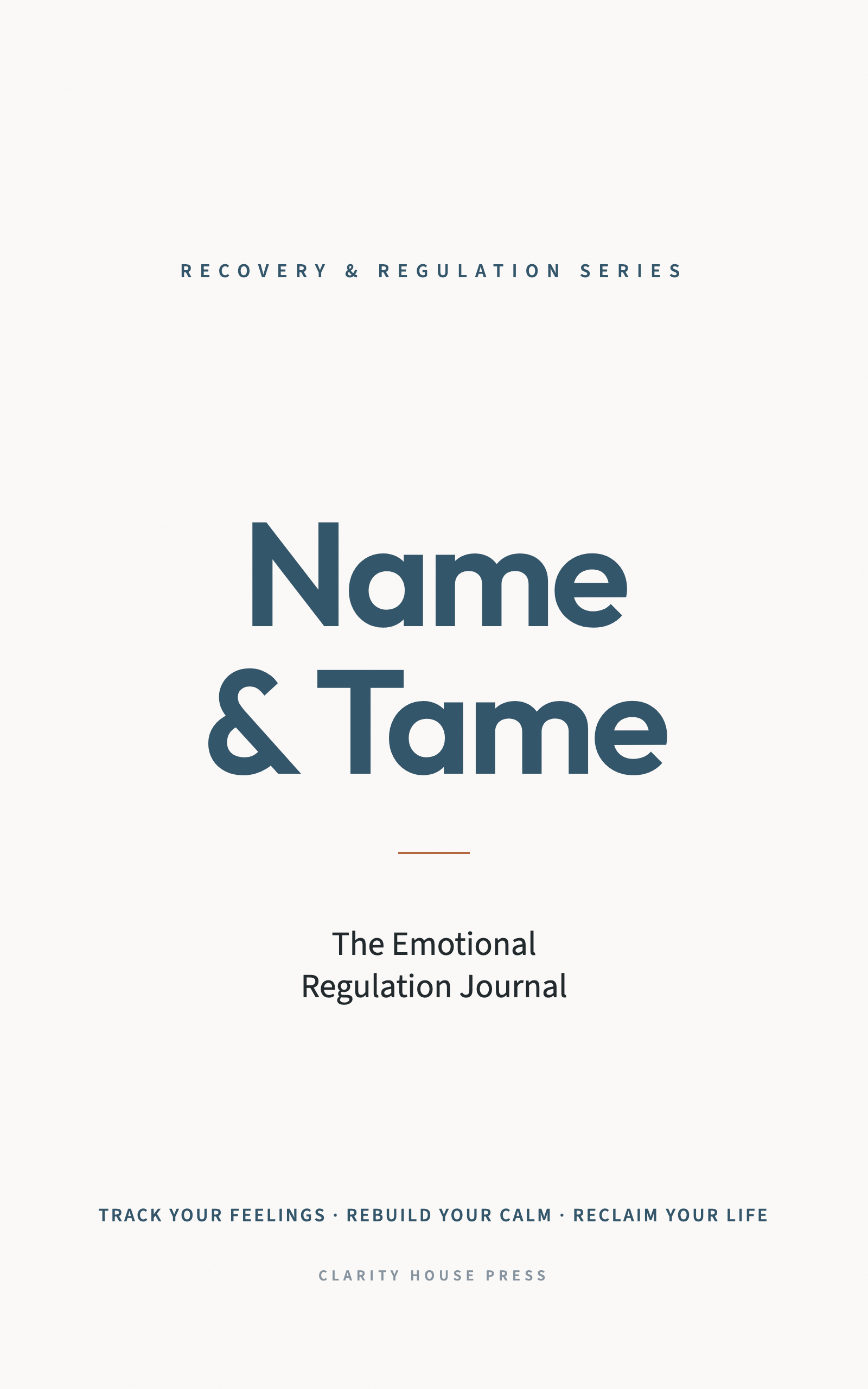

Surviving the Storm: When the Court Takes Your Children
Clarity House Press
For fathers in active high-conflict custody battles. Understand your CPTSD symptoms, begin stabilization, and build foundation for healing. 17 chapters covering recognition, symptoms, and the healing path.

What My Bones Know: A Memoir of Healing from Complex Trauma
Stephanie Foo
A journalist's honest, hopeful account of living with and healing from complex PTSD, woven with the science behind it.
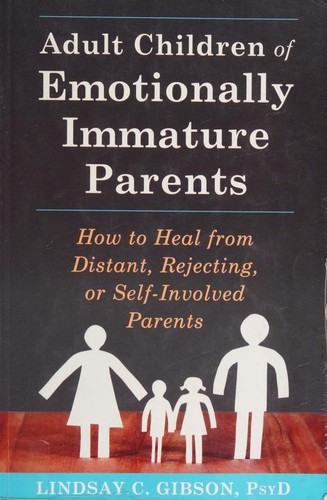
Adult Children of Emotionally Immature Parents
Lindsay C. Gibson, PsyD
A gentle, practical guide to understanding relationships with emotionally distant parents and reclaiming your inner life.
As an Amazon Associate, Clarity House Press earns from qualifying purchases. Your price is never affected.
Found this helpful?
Share it with someone who might need it.
About the Author

Clarity House Press
Editorial Team
The editorial team at Clarity House Press curates and publishes evidence-based content on narcissistic abuse recovery, high-conflict divorce, and healing. Our content is informed by research, survivor experiences, and established trauma-informed approaches.
View all posts by Clarity House Press →Published by Clarity House Press Editorial Team