Please read our important disclaimers before using this content
Your therapist says "the trauma is over." Your brain screams that it's happening right now.
You know intellectually that you're safe. Your body doesn't believe it.
You understand logically that your partner isn't your abuser. Your nervous system responds as if they are.
This disconnect—between what you know and what you feel—isn't weakness or irrationality. It's neuroscience.
Trauma changes your brain. And recovery isn't about thinking differently—it's about changing neural pathways built by the trauma itself. Understanding how childhood developmental trauma shapes the nervous system provides additional context when trauma began in early life rather than adulthood.
Let's look at what actually happens in your brain during trauma, why those changes persist, and what interventions work to facilitate healing at the neurological level.
What Happens During Trauma: The Brain Offline
During overwhelming threat, your brain shifts into survival mode. This involves specific changes:
The amygdala takes over: This almond-shaped structure detects threats and triggers alarm responses1. During trauma, it becomes hyperactive—screaming danger, flooding your system with stress hormones, initiating fight/flight/freeze.
The prefrontal cortex goes offline: Your thinking brain—responsible for rational thought, planning, decision-making—shuts down. This is why you can't "think your way out" during trauma. The brain structures that do thinking aren't accessible.
The hippocampus stops functioning normally: This structure creates narrative memories (what happened, when, in what order). During trauma, it goes offline. This is why trauma memories are fragmented, sensory, timeless—they were never properly encoded as narrative.
Stress hormones flood your system: Cortisol, adrenaline, norepinephrine surge. These prepare your body for action but impair memory formation and rational thought.
Implicit memory takes over: Sensory details (smells, sounds, body sensations) get recorded without context or timeline. Your brain catalogs: "This is what danger feels/sounds/smells like" without the context of "This happened in 2010 and ended."
This is adaptive in the moment—your brain prioritizes survival over documentation. But it creates problems later.
Why Trauma Memories Are Different
Normal memories are:
- Narrative (have beginning, middle, end)
- Time-stamped (you know when they occurred)
- In the past tense ("This happened")
- Integrated (thoughts, feelings, sensations connected)
- Accessible on purpose (you can recall them intentionally)
Trauma memories are:
- Fragmented (sensory pieces without narrative)
- Timeless (feel like they're happening now)
- Present tense ("This is happening")
- Dissociated (thoughts/feelings/sensations disconnected)
- Intrusive (they appear without your permission)
This explains flashbacks: because the hippocampus didn't properly encode the memory as past, your brain can't distinguish between remembering and experiencing. A trigger activates the implicit memory, and your brain responds as if the threat is current.
The Trauma-Altered Brain: Long-Term Changes
Single-incident trauma can resolve fairly quickly if processed. Complex or developmental trauma creates lasting neural changes:
Hyperactive amygdala:
- Constantly scanning for threats2
- Detecting danger in safe situations
- Triggering alarm unnecessarily
- Result: anxiety, hypervigilance, panic
Underactive prefrontal cortex:
- Difficulty with emotional regulation
- Impaired decision-making under stress
- Reduced impulse control
- Result: feeling overwhelmed, reactive, out of control
Smaller hippocampus:
- Memory problems3
- Difficulty with time-sequencing
- Impaired spatial memory
- Result: fragmented memory, dissociation
Dysregulated HPA axis:
- Chronic cortisol elevation (or suppression)
- Stress response stuck "on" (or "off")
- Result: chronic activation or shutdown
Reduced corpus callosum:
- Less integration between brain hemispheres
- Difficulty connecting emotional and logical processing
- Result: knowing you're safe while feeling terrified
These aren't permanent, but they don't change through willpower alone. They change through specific types of intervention that target neural pathways.
Why You Can't Think Your Way Out of Trauma
Traditional talk therapy operates on the premise that insight creates change. You understand your patterns, you change them.
This works for some issues. Not trauma.
Why? Because trauma symptoms aren't held in the parts of your brain that process language and logic (prefrontal cortex). They're held in:
- Amygdala (threat detection—no language)
- Brainstem (survival responses—no consciousness)
- Body (sensorimotor memory—no words)
You can understand your trauma perfectly and still have flashbacks. You can have complete insight into why you react a certain way and still react that way.
Because understanding happens in your cortex. Trauma symptoms live in subcortical structures that don't speak language.
Recovery requires interventions that access those structures.
Bottom-Up vs. Top-Down Processing
Top-down approaches work from cortex (thinking brain) downward:
- Cognitive therapy
- Insight-oriented talk therapy
- Understanding patterns
Useful for: Psychoeducation, recognizing triggers, developing cognitive strategies
Limited for: Changing amygdala responses, regulating nervous system, processing implicit memory
Bottom-up approaches work from body/brainstem upward:
- Somatic Experiencing
- Sensorimotor Psychotherapy
- EMDR
- Neurofeedback
- Yoga, breathwork, movement
Effective for: Regulating nervous system, processing implicit memory, changing subcortical responses
Most effective: Combination. You need understanding (top-down) AND nervous system regulation/trauma processing (bottom-up).
How Specific Therapies Change the Brain
EMDR (Eye Movement Desensitization and Reprocessing):
What it does: Bilateral stimulation (eye movements, tapping, sounds) while accessing trauma memory.
How it works neurologically[^4]:
- Activates both brain hemispheres
- Facilitates communication between amygdala and hippocampus
- Helps brain process trauma memory so hippocampus can file it as "past"
- Reduces amygdala reactivity to the memory
- Integrates fragmented sensory memory into narrative
Result: Memory becomes less triggering. You can remember without reliving.
Somatic Experiencing:
What it does: Focuses on body sensations and incomplete survival responses.
How it works neurologically:
- Accesses brainstem-level survival responses
- Completes fight/flight/freeze responses that got interrupted during trauma
- Discharges held stress activation
- Resets nervous system
Result: Reduced chronic activation, more capacity for regulation.
Neurofeedback:
What it does: Uses real-time brain activity feedback to train more adaptive patterns.
How it works neurologically:
- Monitors brain waves
- Rewards brain for producing target states (calm, focused)
- Builds new neural pathways through repetition
- Increases brain's capacity for self-regulation
Result: More stable nervous system, improved emotional regulation.
Internal Family Systems (IFS):
What it does: Works with different "parts" of self as protective systems.
How it works neurologically:
- Accesses different neural networks that hold different experiences/strategies
- Facilitates integration between networks
- Reduces amygdala activation by addressing the protective function of symptoms
- Builds compassion circuits in brain
Result: Less internal conflict, more integration, reduced symptom intensity.
The Role of the Body in Trauma Recovery
Bessel van der Kolk's research demonstrates: "The body keeps the score."
Trauma is held in your body:
- Muscle tension patterns
- Breathing restrictions
- Chronic pain
- Autoimmune conditions
- Digestive issues
These aren't "just psychological." They're neurological—your brain's control of your body was affected by trauma.
Body-based interventions work because they access sensorimotor memory:
Yoga:
- Increases interoception (awareness of body signals)
- Builds capacity to stay present in body
- Releases held tension
- Regulates nervous system through breath and movement
Breathwork:
- Directly influences vagus nerve (key to regulation)
- Shifts nervous system state
- Increases CO2 tolerance (many trauma survivors chronically hyperventilate)
Massage/bodywork:
- Releases somatic holding
- Provides safe touch (rebuilds association between touch and safety)
- Facilitates emotional release held in tissue
Neuroplasticity and Hope
Your brain has plasticity—the ability to form new neural connections throughout life4.
What this means:
- Trauma-altered brain structures can change
- New pathways can form
- Hyperactive amygdala can calm
- Underactive PFC can strengthen
- Hippocampus can grow
What supports neuroplasticity:
- New learning and experiences
- Therapy (especially trauma-focused)
- Physical exercise (especially aerobic)
- Adequate sleep (when brain consolidates new learning)
- Meditation/mindfulness (builds PFC, calms amygdala)
- Safe relationships (co-regulation teaches nervous system new patterns)
Realistic timeline:
- Months to years for significant change
- Incremental progress, not sudden transformation
- Consistency matters more than intensity
Why Co-Regulation Matters Neurologically
Your nervous system didn't develop alone—it developed in relationship with caregivers. If those relationships were traumatic, your nervous system learned dysregulation.
Co-regulation is when one person's regulated nervous system helps another's find regulation5.
Neurologically, this works through:
- Mirror neurons (your brain matches patterns it observes)
- Polyvagal communication (nervous systems read each other through facial expression, tone, gesture)6
- Limbic resonance (emotional contagion between people)
When you're with someone regulated, your nervous system can "borrow" their regulation. Over time, with repetition, you internalize it.
This is why therapy works partially through the relationship itself—not just techniques, but the experience of being with a consistently regulated, attuned person.
Practical Implications for Daily Life
Understanding the neuroscience helps you:
Stop blaming yourself: Your brain is doing what it was wired to do. It's neurology, not weakness.
Choose effective interventions: Prioritize approaches that work with your nervous system (bottom-up), not just your thoughts.
Be patient with timeline: Neural pathways change through repetition over time, not insight alone.
Work with your triggers: They're amygdala responses. You need regulation strategies, not just cognitive reframing.
Build body connection: Trauma healing requires befriending your body, where implicit memory lives. The window of tolerance framework translates these neuroscience concepts into a practical guide for daily regulation.
Seek safe relationships: Your nervous system learns regulation through co-regulation.
Practice self-compassion: Your brain is doing its best with the wiring it has. You're teaching it new patterns.
The Science of Recovery
Recovery isn't about erasing trauma from your brain. It's about:
- Building new neural pathways alongside old ones
- Reducing amygdala reactivity
- Strengthening prefrontal cortex
- Helping hippocampus properly file trauma memories as past—which the five stages of recovery describe from the survivor's experiential perspective
- Regulating nervous system
- Integrating fragmented parts of experience
This happens through:
- Trauma-focused therapy
- Bottom-up interventions
- Safe relationships
- Body-based practices
- Time and repetition
Your brain changed in response to trauma. It can change in response to healing.
That's not wishful thinking. That's neuroscience.
Resources
Neuroscience and Trauma Books:
- The Body Keeps the Score by Bessel van der Kolk - Neurobiology of trauma
- The Polyvagal Theory by Stephen Porges - Nervous system and trauma recovery
- In an Unspoken Voice by Peter Levine - Somatic neuroscience approach
- The Brain's Way of Healing by Norman Doidge - Neuroplasticity and recovery
Trauma Therapy and Neuroplasticity:
- Psychology Today - Therapists - Find trauma-specialized therapists
- EMDR International Association - EMDR for brain reprocessing
- Internal Family Systems Institute - IFS therapy directory
- Somatic Experiencing International - SE practitioner directory
Research and Crisis Support:
- National Institute of Mental Health - PTSD - Current neuroscience research
- National Center for PTSD - Neurobiology of PTSD
- 988 Suicide & Crisis Lifeline - Call or text 988 for crisis support (24/7)
- Crisis Text Line - Text HOME to 741741 for crisis counseling
References
- Akiki, T. J., Averill, C. L., Wrocklage, K. M., Schweinsburg, B., Scott, J. C., Martini, B., Averill, L. A., Southwick, S. M., Krystal, J. H., & Abdallah, C. G. (2017). The Association of PTSD Symptom Severity With Localized Hippocampus and Amygdala Abnormalities. Chronic Stress, 1. https://journals.sagepub.com/doi/full/10.1177/2470547017724069 ↩
- Fenster, R. J., Lebois, L. A. M., Ressler, K. J., & Suh, J. (2018). Brain circuit dysfunction in post-traumatic stress disorder: from mouse to man. Nature Reviews Neuroscience, 19, 535–551. https://pmc.ncbi.nlm.nih.gov/articles/PMC6168398/ ↩
- Morey, R. A., Gold, A. L., LaBar, K. S., Beall, S. K., Brown, V. M., Haswell, C. C., Nasser, J. D., Wagner, H. R., McCarthy, G., & Mid-Atlantic MIRECC Workgroup. (2012). Amygdala volume changes in posttraumatic stress disorder in a large case-controlled veterans group. Archives of General Psychiatry, 69(11), 1169–1178. https://pmc.ncbi.nlm.nih.gov/articles/PMC3647246/ ↩
- Thomaes, Engelhard, Sijbrandij, Cath, & Van (2016). Degrading traumatic memories with eye movements: a pilot functional MRI study in PTSD.. European journal of psychotraumatology. https://pmc.ncbi.nlm.nih.gov/articles/PMC5131454/ ↩
- Kaplan, G. (2025). Neuroplasticity and Nervous System Recovery: Cellular Mechanisms, Therapeutic Advances, and Future Prospects. Brain Sciences, 15(4), 400. https://pmc.ncbi.nlm.nih.gov/articles/PMC12025631/ ↩
- Feldman, R. (2017). The Neurobiology of Human Attachments. Trends in Cognitive Sciences, 21(2), 80–99. https://ruthfeldmanlab.com/wp-content/uploads/2019/05/TiCS.Neurobiology-of-attachment.2017.pdf ↩
- Porges, S. W. (2022). Polyvagal Theory: A Science of Safety. Frontiers in Integrative Neuroscience, 16. https://www.frontiersin.org/journals/integrative-neuroscience/articles/10.3389/fnint.2022.871227/full ↩
Recommended Reading
From Clarity House Press — plus trusted books for deeper understanding

Surviving the Storm: When the Court Takes Your Children
Clarity House Press
For fathers in active high-conflict custody battles. Understand your CPTSD symptoms, begin stabilization, and build foundation for healing. 17 chapters covering recognition, symptoms, and the healing path.

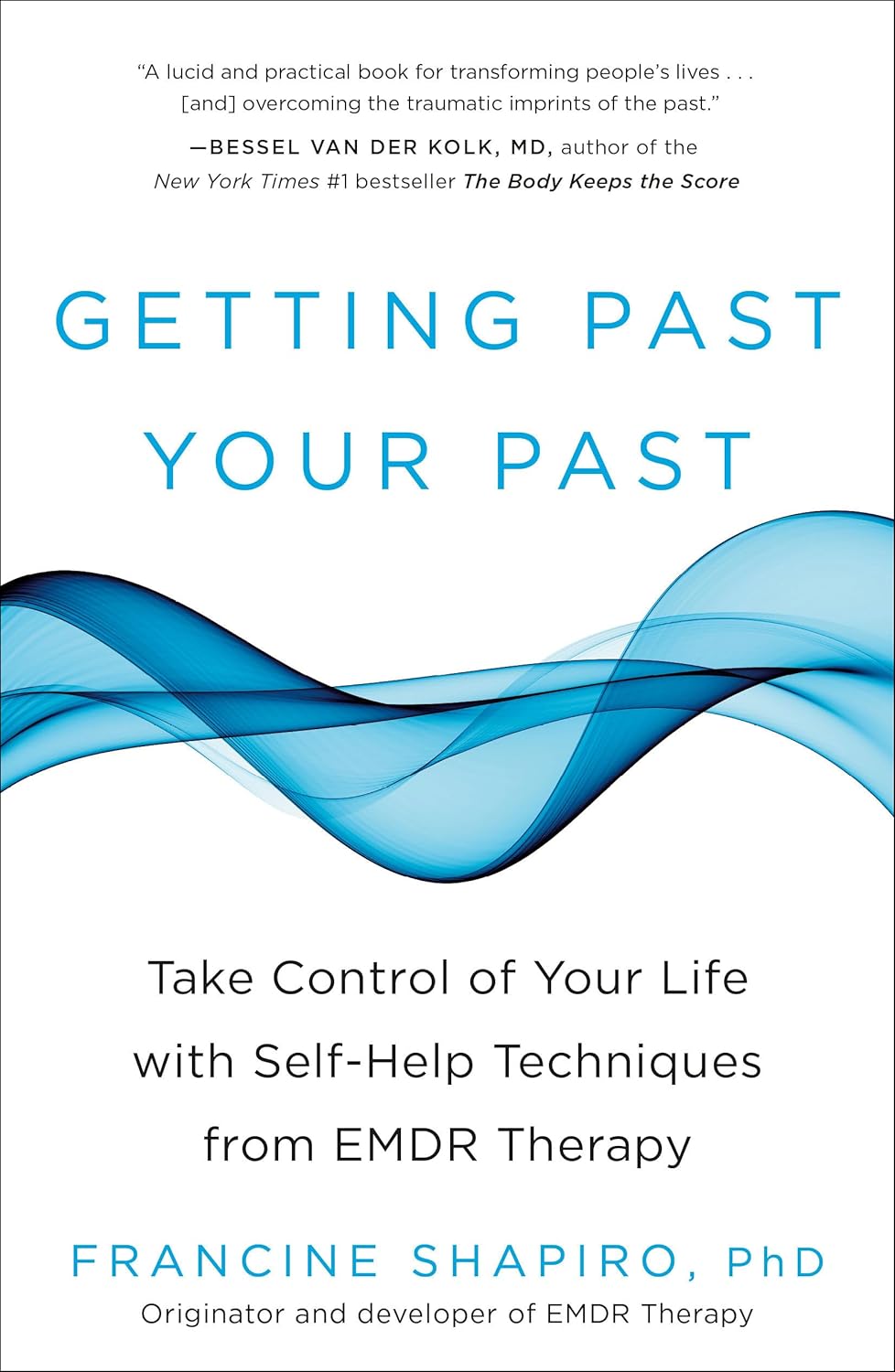
Getting Past Your Past
Francine Shapiro, PhD
Self-help techniques based on EMDR therapy to take control of your life and overcome trauma.

The Polyvagal Theory in Therapy
Deb Dana
Accessible guide to using Polyvagal Theory to regulate your nervous system and feel safe in your body.
As an Amazon Associate, Clarity House Press earns from qualifying purchases. Your price is never affected.
Found this helpful?
Share it with someone who might need it.
About the Author

Clarity House Press
Editorial Team
The editorial team at Clarity House Press curates and publishes evidence-based content on narcissistic abuse recovery, high-conflict divorce, and healing. Our content is informed by research, survivor experiences, and established trauma-informed approaches.
View all posts by Clarity House Press →Published by Clarity House Press Editorial Team