Please read our important disclaimers before using this content
Finding the right therapist after narcissistic abuse isn't just about credentials or insurance coverage—it's about finding someone who understands the specific dynamics of psychological abuse, won't gaslight you, and has the expertise to guide you through complex trauma recovery. Understanding what C-PTSD actually is and how complex trauma differs from single-incident PTSD helps you articulate your needs clearly during therapist consultations.
The wrong therapist can retraumatize you. The right therapist can be the difference between staying stuck and transforming your life.
This guide will help you identify trauma-informed therapists, ask the right questions, recognize red flags, and trust your gut when something feels off.
Why Therapist Selection Matters (Especially After Abuse)
My Story: When My Therapist Said "It Takes Two to Tango"
I spent six months with a therapist who kept asking what I did to "contribute to the dynamic." When I described being screamed at for folding towels wrong, she said, "Well, how did you respond? Did you escalate?" When I finally told her I was leaving him, she suggested couples therapy to "improve communication."
I felt gaslit all over again. I thought maybe I was the problem—maybe I was too sensitive, too reactive, too damaged to see my part clearly.
Then I found a trauma-informed therapist who said five words that changed everything: "What you're describing is abuse." She didn't ask what I did to provoke it. She helped me understand trauma bonding, taught me grounding skills, and validated that leaving seven times before it stuck was normal, not weakness.
The first therapist set my healing back two years. The second one saved my life. That's why this matters.
The Stakes Are High
After narcissistic abuse, you're:
- Hypervigilant about being manipulated again
- Struggling to trust authority figures
- Vulnerable to revictimization if a therapist is boundary-violating
- Sensitive to being dismissed or not believed
A bad therapeutic match can:
- Retraumatize you (if therapist doesn't understand abuse dynamics)
- Delay your healing (years in the wrong therapy)
- Damage your trust in the therapeutic process
- Cost you thousands of dollars
- Keep you stuck in unhelpful narratives
The right therapist can:
- Validate your experience
- Help you process trauma safely
- Teach you skills to regulate emotions
- Support you through legal battles
- Rebuild your sense of self
- Change the trajectory of your healing
Essential Qualifications to Look For
1. Licensing and Credentials
At minimum, your therapist should be licensed:
- Licensed Clinical Psychologist (PhD or PsyD): Doctoral-level, extensive training in assessment and therapy
- Licensed Clinical Social Worker (LCSW): Master's-level, often specialize in trauma and systems
- Licensed Professional Counselor (LPC/LPCC): Master's-level, general mental health counseling
- Licensed Marriage and Family Therapist (LMFT): Master's-level, specialize in relationship and family systems
Why licensing matters:
- Legal and ethical oversight (you can file complaints)
- Standardized training and competency exams
- Continuing education requirements
- Malpractice insurance
Red flag: "Life coach," "counselor" (without license), or "therapist" with no verifiable credentials. These are unregulated and offer no protection.
2. Specialization in Trauma
Look for therapists who explicitly list:
- C-PTSD / Complex PTSD
- PTSD
- Trauma
- Domestic violence / intimate partner violence
- Narcissistic abuse (ideal but rare)
- Emotional abuse / psychological abuse
Training in evidence-based trauma therapies[^8]:
- EMDR certification
- Prolonged Exposure (PE)
- Cognitive Processing Therapy (CPT)
- Trauma-Focused CBT
- Somatic Experiencing
- Sensorimotor Psychotherapy
Red flag: General therapist with no trauma training trying to treat severe C-PTSD.
3. Understanding of Narcissistic Abuse and High-Conflict Personality Disorders
Ideal qualifications:
- Experience with narcissistic personality disorder (NPD)
- Understanding of cluster B personality disorders
- Familiarity with terms like gaslighting, DARVO, triangulation, trauma bonding
- Experience with high-conflict divorce and custody battles
Why this matters: Therapists without this knowledge may:
- Suggest "marriage counseling" (dangerous with narcissists)
- Promote "co-parenting" when parallel parenting is safer
- Minimize the abuse ("All relationships have problems")
- Blame you ("What's your role in this dynamic?")
The Vetting Process: Questions to Ask
Initial Consultation Questions (Phone or First Session)
Most therapists offer 15-20 minute free consultations. Use this time to assess fit.
1. Training and Experience:
- "What's your training and experience with complex trauma?"
- "Do you have experience working with survivors of narcissistic abuse or high-conflict divorce?"
- "What therapeutic approaches do you use for trauma?" (Listen for evidence-based: EMDR, CPT, PE, somatic work)
- "Have you worked with clients navigating family court or custody battles?"
2. Theoretical Orientation:
- "What's your therapeutic approach?" (Look for: trauma-informed, attachment-based, somatic, EMDR, psychodynamic, DBT-informed)
- "How do you typically work with trauma survivors?"
3. Boundaries and Structure:
- "What are your policies on communication between sessions?" (Emergency contact? Email/text allowed?)
- "What's your cancellation policy?"
- "Do you offer sliding scale or payment plans?" (if cost is a concern)
- "How long are sessions and how often would we meet?"
4. Specialization:
- "Do you have experience with clients who've experienced gaslighting and psychological manipulation?"
- "Are you familiar with concepts like trauma bonding, DARVO, and triangulation?"
If they don't know these terms or seem dismissive, they're not the right fit.
Questions to Ask Yourself After the First Session
- Did I feel heard and believed?
- Did they validate my experience or minimize it?
- Do I feel safe with this person?
- Did they explain their approach clearly?
- Did they rush to diagnose or offer solutions, or did they listen?
- Did they respect my boundaries?
- Did anything feel "off" or uncomfortable?
Trust your gut. If something feels wrong, it probably is. After abuse, your nervous system is recalibrating—but don't ignore red flags.
Red Flags: When to Walk Away
🚩 Minimizes or Dismisses the Abuse
What harmful therapists might say:
- "All relationships have conflict."
- "It takes two to tango."
- "Have you considered what you did to contribute?"
- "He probably didn't mean it that way."
Why it's harmful: This is victim-blaming and gaslighting. You need a therapist who understands that abuse is 100% the abuser's responsibility.
🚩 Suggests Couples Therapy with Your Abuser
What harmful therapists might say:
- "Maybe couples therapy could help you two communicate better."
- "Have you tried working on the relationship?"
Why it's harmful: Standard couples therapy is contraindicated (professionally inappropriate) with an abusive partner. It gives the abuser tools to manipulate better and puts you at risk.
Exception: Specialized abuse-focused couples therapy (like Ackerman's model for coercive control) exists, but is ONLY appropriate when:
- The abuser has completed a certified batterer intervention program (typically 26-52 weeks)
- The abuser demonstrates sustained behavior change (minimum 6-12 months)
- The survivor genuinely wants reconciliation (not coerced)
- The therapist is specifically trained in domestic violence dynamics
- Safety is continuously assessed
Even then, many experts consider joint therapy contraindicated with ongoing abuse1. Standard couples therapy is always dangerous with an abusive partner.
🚩 Pushes Forgiveness or Reconciliation
What harmful therapists might say:
- "Forgiveness is essential for healing."
- "Holding onto anger will only hurt you."
- "Have you considered giving him another chance?"
- "Your kids need their father—can you work it out?"
Why it's harmful: Forgiveness is personal and optional. Pushing it is re-traumatizing. Safety first—always.
Important distinction: Some survivors find meaning, peace, or healing through faith or spiritual practice—including forgiveness on their own terms. A good therapist[^11]:
- Asks about your spiritual beliefs without judgment
- Doesn't equate "healing" with "forgiving"
- Respects if forgiveness is or isn't part of your recovery
- Supports your faith practice while prioritizing safety
🚩 Doesn't Understand Trauma or Uses Outdated Methods
Red flags:
- Expects you to "just talk through it" without addressing dysregulation
- Doesn't assess for safety or suicide risk
- Uses improper "flooding" techniques (pushing trauma processing before stabilization)—this is different from evidence-based Prolonged Exposure (PE) done properly with stabilization first
- Doesn't recognize dissociation
- Tells you to "think positively" or "just let it go"
Important: Evidence-based trauma therapies like Prolonged Exposure (PE) are helpful when done properly with stabilization first2. Red flag is therapists who rush into trauma processing without building skills for emotional regulation.
🚩 Boundary Violations
Examples:
- Shares personal details about their own divorce/abuse excessively
- Offers to be your friend on social media
- Hugs you without asking (inappropriate touch)
- Contacts you outside session without clinical reason
- Suggests meeting outside the office socially
Why it's harmful: After abuse, you're vulnerable to enmeshment and boundary confusion. Therapists must maintain professional boundaries.
🚩 Blames You for Staying
What harmful therapists might say:
- "Why didn't you leave sooner?"
- "The red flags were obvious—why did you ignore them?"
- "You chose him, so you need to take responsibility."
Why it's harmful: Trauma bonding, economic abuse, and psychological manipulation are real3. Survivors typically undergo multiple attempts at leaving before permanently ending an abusive relationship—this is normal and protective, not a character flaw4. Blame is retraumatizing.
🚩 Rigid or One-Size-Fits-All Approach
Examples:
- "I only do standard CBT" (when you need trauma-specific approaches like EMDR, CPT, or trauma-focused CBT)
- "Everyone needs to forgive to heal"
- "You need to cut all contact with your ex" (when you have kids and parallel parenting might be safer)
- Pushes their agenda without adapting to your needs
🚩 Doesn't Coordinate Care or Dismisses Other Providers
Red flags:
- Won't communicate with your psychiatrist (with your consent)
- Dismisses your need for medication
- Criticizes your previous therapists unprofessionally
- Refuses to collaborate with your attorney (if you need a court letter)
🚩 Makes You Feel Worse Consistently
Therapy should challenge you, but not retraumatize you.
Therapeutic discomfort (normal and necessary):
- Feeling emotionally drained after processing traumatic memories (but also validated and supported)
- Experiencing difficult emotions you've been avoiding (grief, anger, fear)
- Being gently challenged on self-blame or unhelpful thought patterns
- Feeling vulnerable as you build trust in the therapeutic relationship
Red flag harm (consistently leaving sessions feeling):
- Ashamed or defective
- Blamed for the abuse or staying
- Unheard or dismissed
- Gaslit ("Are you sure that happened?")
- Retraumatized (flooded with trauma content without adequate stabilization)
- Hopeless about recovery
- Confused about what's happening in therapy
Key distinction: Therapeutic work may be temporarily uncomfortable but should leave you feeling ultimately supported, validated, and equipped with tools. Harmful therapy leaves you feeling diminished, blamed, or destabilized without support.
Green Flags: Signs of a Good Trauma Therapist
✅ Validates Your Experience Immediately
What it sounds like:**
- "What you're describing is abuse."
- "Gaslighting is a form of psychological manipulation—you're not crazy."
- "Your reactions are normal responses to abnormal treatment."
Why this matters: Therapeutic alliance—the quality of the relationship between you and your therapist—is a consistent predictor of PTSD treatment outcomes and appears as important in trauma therapy as in other therapeutic contexts5.
✅ Prioritizes Safety First
They ask:**
- "Are you currently safe?"
- "Do you have a safety plan?"
- "Are there concerns about your children's safety?"
They don't push you into trauma processing before you're stabilized.
✅ Educates You About Trauma and Nervous System
They explain:**
- How trauma affects the brain and body
- Why you're having flashbacks, hypervigilance, dissociation
- What to expect in the healing process
Psychoeducation empowers you—it's a sign of good therapy.
✅ Uses Evidence-Based Approaches
They use proven methods[^5]:**
- EMDR for memory processing
- DBT skills for emotional regulation
- Somatic techniques for body-based trauma
- Trauma-informed CBT for distorted thoughts
They explain what they're doing and why.
✅ Respects Your Pace and Autonomy
What it sounds like:**
- "We'll go at your pace."
- "You're in control here—we won't do anything you're not ready for."
- "What do you need today?"
They don't push you to process memories before you're ready.
✅ Maintains Professional Boundaries
They:**
- Don't overshare personal information
- Keep sessions focused on you
- Don't friend you on social media
- Maintain consistent session times
- Communicate policies clearly
✅ Culturally Competent and Affirming
They:**
- Acknowledge intersectional identities (race, LGBTQ+, disability, etc.)
- Don't make assumptions
- Understand how systemic oppression compounds trauma
- Affirm your identities
✅ Collaborative, Not Authoritarian
They:**
- Ask your input on treatment goals
- Explain options and let you choose
- Welcome questions
- Admit when they don't know something
- Refer you out if you need specialized care they can't provide
✅ Sees You as a Whole Person, Not Just Your Trauma
They:
- Ask about your strengths, values, hopes
- Celebrate your resilience
- Help you envision a future beyond survival
- Don't reduce you to "abuse victim"
✅ Explains Therapeutic Framework and Realistic Timeline
They:
- Outline the phases of trauma therapy: Safety/Stabilization → Trauma Processing → Integration/Reconnection
- Explain what happens in each phase and approximately how long each might take
- Provide realistic healing timelines (C-PTSD recovery typically takes 3-7 years, not 3 months)
- Normalize that healing isn't linear (setbacks are part of the process) — our article on why healing isn't linear can help you manage these expectations
- Help you identify markers of progress beyond symptom reduction
Why this matters: Understanding the therapeutic roadmap prevents despair when healing feels slow and helps you track progress even when symptoms persist.
Understanding Trauma Therapy Phases: Why Your Therapist Starts with Stabilization
Many survivors are frustrated when therapists don't immediately process traumatic memories. You want to "get it over with" and move on. But good trauma therapists follow a three-phase model:
Phase 1: Safety and Stabilization (Often 3-12 months)
What happens:
- Learning grounding and emotional regulation skills
- Establishing safety (physical, emotional, relational)
- Building therapeutic alliance and trust
- Developing "window of tolerance" awareness
Window of Tolerance[^6]:
- Your optimal zone where you can process information and emotions
- Hyperarousal (above window): Panic, rage, hypervigilance, flashbacks
- Hypoarousal (below window): Numbness, dissociation, depression, shutdown
- Goal: Expand your window so you can process trauma without becoming dysregulated
Why this phase matters: Processing trauma memories while dysregulated can retraumatize you and make symptoms worse. Stabilization first = safer, more effective processing later.
Phase 2: Trauma Processing (Often 6-24 months)
What happens:
- EMDR, CPT, or PE to process specific traumatic memories
- Gradually working through trauma narrative
- Challenging distorted beliefs formed during abuse
- Integrating fragmented memories
Why this takes time: Your brain needs to process years of abuse. This can't be rushed. Research shows trauma-focused treatment for complex PTSD often requires significantly longer treatment duration than standard PTSD protocols6.
Phase 3: Integration and Reconnection (Ongoing)
What happens:
- Rebuilding identity beyond "survivor"
- Reconnecting with values, relationships, purpose
- Post-traumatic growth
- Maintaining gains and preventing relapse
Total timeline: C-PTSD recovery typically takes 3-7 years, not 3 months7.
Green flag: Your therapist explains these phases and where you are in the process.
Red flag: Your therapist processes traumatic memories without first establishing stabilization skills (this can cause decompensation).
Practical Tips for Finding a Therapist
Where to Search
START HERE (Most Accessible):
1. Psychology Today Therapist Directory
- Filter by: Insurance, location, specialties (trauma, PTSD, narcissistic abuse), therapy type (EMDR, somatic, etc.)
- www.psychologytoday.com/us/therapists
- Verification system includes license confirmation and therapist credentials
2. National Domestic Violence Hotline: 1-800-799-7233
- They provide free therapist referrals in your area
- Can discuss what you need (trauma focus, EMDR certification, etc.)
- No cost to call
- Trained advocates provide evidence-based guidance
- Website: thehotline.org
3. SAMHSA National Helpline Treatment Locator
- Free, confidential, 24/7 helpline and online tool to find treatment facilities
- findtreatment.samhsa.gov
- Especially helpful for trauma-specific treatment providers
- Spanish-language services available
4. Referrals from Trusted Sources
- Your attorney (if in custody battle)
- Your primary care doctor
- Support groups (if you're in one)
IF COST IS A BARRIER (Start Here):
- Open Path Collective: openpathcollective.org ($30-80 sessions with verified therapists)
- Sliding scale: Ask any therapist—many offer reduced rates based on income (don't assume you can't afford)
- Community mental health centers: Often have free or low-cost trauma services
- Domestic violence agencies: Frequently offer free therapy to survivors
Additional Options (if starting points above don't work):
- EMDR International Association (EMDRIA): www.emdria.org (locate certified EMDR therapists)
- International Society for the Study of Trauma and Dissociation (ISSTD): www.isst-d.org (specialized trauma and dissociation specialists)
- Somatic Experiencing Directory: traumahealing.org (Peter Levine's somatic trauma approach)
- American Association for Marriage and Family Therapy (AAMFT): aamft.org (if family systems work is needed)
- National Association of Social Workers (NASW) Therapist Finder: www.socialworkers.org (locate LCSW specialists by state)
- Telehealth platforms: BetterHelp, Talkspace offer convenience, but quality varies significantly and many trauma-informed specialists avoid these platforms due to business model concerns. If using them, thoroughly vet credentials and ask trauma-specific questions before committing. Many private practice therapists now offer teletherapy with better continuity of care.
Insurance vs. Out-of-Pocket
Insurance:
- Pros: Lower immediate cost ($20-50 copay), covered therapy counts as self-care investment
- Cons: Limited provider networks (may take longer to find right fit), some diagnoses may appear on record, limited appointment availability
Note on insurance and custody: In high-conflict custody cases, insurance records may be accessed through discovery (varies by jurisdiction). Discuss privacy concerns with your therapist and attorney. This doesn't mean avoiding treatment—untreated trauma is far more harmful in court than a diagnosis.
Out-of-Pocket:
- Pros: More provider choice, complete privacy (no insurance record), direct relationship with therapist
- Cons: $100-250+ per session (significant barrier)
Either can work. Many excellent trauma therapists accept insurance. Many survivors find transformative healing through community mental health centers. Specialized expertise ≠ financial access.
Options if cost is a barrier:
- Sliding scale: Many therapists offer reduced rates based on income (ask)
- Community mental health centers: Lower cost, often have trauma services
- Training clinics: Therapists-in-training (supervised) at reduced cost
- Domestic violence agencies: Free or low-cost therapy for survivors
- Open Path Collective: openpathcollective.org ($30-80 sessions with verified therapists)
Give It 3-4 Sessions (Unless Safety Concerns)
SAFETY FIRST: If you feel blamed, dismissed, invalidated, or unsafe—leave immediately. You don't need to give it more time.
Therapeutic relationship takes time to build. If you feel your nervousness is about opening up emotionally (normal vulnerability), give it 3-4 sessions before deciding.
However, trust your body and gut:
- If something feels off in your body or gut, trust that signal—it's probably right
- If your therapist dismisses concerns you raise, don't assume they'll improve
- If you consistently leave sessions feeling worse without also feeling supported, this is a red flag
You can leave therapy at any time, for any reason. You don't need a "good enough" reason. Your comfort and safety are non-negotiable.
When to Switch Therapists
It's okay to switch therapists if:
✅ You've given it 4-6 sessions and still don't feel safe or heard
✅ They lack expertise you need (you need EMDR; they only do talk therapy)
✅ You outgrow them (they were great for crisis stabilization, but you need deeper work now)
✅ Your needs change (you need someone who understands custody battles specifically)
✅ You experience boundary violations or ethical concerns
✅ You simply don't click (chemistry matters in therapy)
How to end therapy respectfully:
"I appreciate the work we've done, but I don't think this is the right fit for my needs right now. I've decided to seek a therapist who specializes in [specific need]. Thank you for your time."
You don't owe them a detailed explanation. If they push back or make you feel guilty, that's another red flag.
Your Next Steps
Quick Reference: Therapist Search Checklist
☐ I know what type of therapy I might need (trauma processing, emotional regulation, legal support, etc.) ☐ I've identified 3-5 potential therapists (Psychology Today, DV hotline, referrals) ☐ I've scheduled at least one free consultation ☐ I asked about their trauma training and specialization ☐ I've scheduled 3-4 sessions with someone I connected with ☐ I'm tracking: Do I feel heard? Safe? Hopeful?
When in doubt: Trust your gut.
Detailed Steps:
1. Identify what you need:
- Trauma processing (EMDR, CPT)?
- Emotional regulation skills (DBT)?
- Somatic/body-based work?
- Support during legal proceedings?
- Long-term attachment work?
2. Create a list of potential therapists:
- Use directories (Psychology Today, EMDRIA, local DV agencies)
- Filter by specialties: trauma, PTSD, domestic violence, EMDR
- Check credentials (licensed, trauma-trained)
3. Schedule 3-5 consultations:
- Most offer free 15-20 minute phone calls
- Ask the vetting questions listed above
- Notice how you feel talking to them
4. Choose 1-2 to try:
- Commit to 3-4 sessions before evaluating (unless safety concerns)
- Track: Do I feel heard? Safe? Hopeful?
5. Trust your gut:
- Your nervous system will tell you if someone is safe
- Don't override your instincts to be "polite"
NOTE ON HOTLINE NUMBERS: Phone numbers for crisis hotlines, legal aid, and support services are provided as a resource. These numbers are current as of publication but may change. Please verify hotline numbers are still active before relying on them. For the National Domestic Violence Hotline, visit thehotline.org for current contact information.
Key Takeaways
- Not all therapists are trained in trauma or narcissistic abuse—credentials and specialization matter
- Red flags include: Victim-blaming, suggesting couples therapy with abuser, boundary violations, minimizing abuse
- Green flags include: Validating your experience, prioritizing safety, using evidence-based trauma approaches
- Ask questions during consultations to assess fit before committing
- It's okay to switch therapists if it's not the right match
- Trust your gut—if something feels off, it probably is
The right therapist doesn't just treat your symptoms—they bear witness to your truth, help you reclaim your reality, and walk beside you as you rebuild yourself.
Finding them may take time, but they're out there. Don't settle for a therapist who retraumatizes you. You deserve someone who truly sees you, believes you, and has the expertise to help you heal. Once you have the right support in place, the deep work of rebuilding your identity after narcissistic abuse becomes not just possible but inevitable.
Resources
Therapist Directories and Finding Services:
- Psychology Today - Therapist Directory - Filter by specialties: trauma, PTSD, narcissistic abuse, EMDR
- National Domestic Violence Hotline - 1-800-799-7233 (free therapist referrals)
- SAMHSA National Helpline Treatment Locator - 1-800-662-4357 (24/7 confidential treatment facility locator)
- Open Path Collective - Affordable therapy ($30-80 sessions with verified therapists)
Trauma Therapy Modality Organizations:
- EMDR International Association (EMDRIA) - Find certified EMDR therapists
- Somatic Experiencing Trauma Institute - Locate somatic trauma therapists
- International Society for the Study of Trauma and Dissociation (ISSTD) - Specialists in complex trauma and dissociation
- National Association of Social Workers (NASW) - Find LCSW specialists by state
Crisis Support and Mental Health Resources:
- 988 Suicide and Crisis Lifeline - Call or text 988 (24/7 free confidential support)
- Crisis Text Line - Text HOME to 741741 (24/7 free crisis support)
- RAINN (Rape, Abuse & Incest National Network) - 1-800-656-4673 (sexual assault survivor support)
- Out of the Fog - Support for those in relationships with personality disorders
References
Resources:
- Psychology Today Therapist Directory: psychologytoday.com/us/therapists
- EMDR International Association: emdria.org
- National Domestic Violence Hotline: 1-800-799-7233 (therapist referrals)
- Open Path Collective: openpathcollective.org (affordable therapy)
Crisis Support:
- 988 Suicide and Crisis Lifeline: Call or text 988 (24/7, free, confidential)
- Website: 988lifeline.org
- LGBTQ+-affirming, culturally competent crisis support
- Crisis Text Line: Text HOME to 741741 (24/7, free)
- RAINN (Rape, Abuse & Incest National Network): 1-800-656-4673
- Specialized support for sexual assault survivors
- Website: rainn.org
References
- Powers, M. B., Halpern, J. M., Ferenschak, M. P., Gillihan, S. J., & Foa, E. B. (2010). A meta-analytic review of prolonged exposure for posttraumatic stress disorder. Clinical Psychology Review, 30(6), 635-641. https://pubmed.ncbi.nlm.nih.gov/20546985/; Cusack, K., Jonas, D. E., Forneris, C. A., et al. (2016). Psychological treatments for adults with posttraumatic stress disorder: A systematic review and meta-analysis. Clinical Psychology Review, 43, 128-141. https://pubmed.ncbi.nlm.nih.gov/26574151/ ↩
- Dutton, D. G., & Painter, S. (1993). Emotional attachments in abusive relationships: A test of traumatic bonding theory. Violence and Victims, 8(2), 105-120. https://pubmed.ncbi.nlm.nih.gov/8193053/; Leiner, A. S., Compton, M. T., Houry, D., & Kaslow, N. J. (2023). Risk factors for traumatic bonding and associations with PTSD symptoms: A moderated mediation. Journal of Interpersonal Violence, 38(9-10), 6751-6774. https://pubmed.ncbi.nlm.nih.gov/37572529/ ↩
- Rhatigan, D. L., Street, A. E., & Axsom, D. K. (2006). A critical review of theories to explain violent relationship termination: Implications for research and intervention. Clinical Psychology Review, 26(3), 321-345. https://pubmed.ncbi.nlm.nih.gov/14697121/; Khaw, L., & Hardesty, J. L. (2007). Theorizing the process of leaving: Turning points and trajectories in the stages of change. Family Relations, 56(4), 413-425. https://pubmed.ncbi.nlm.nih.gov/16642735/ ↩
- Stith, S. M., Rosen, K. H., McCollum, E. E., & Thomsen, C. J. (2004). Treating intimate partner violence within intact couple relationships: Outcomes of multi-couple versus individual couple therapy. Journal of Marital and Family Therapy, 30(3), 305-318. https://pubmed.ncbi.nlm.nih.gov/15293649/; Stith, S. M., McCollum, E. E., & Rosen, K. H. (2011). Couples therapy for domestic violence: Finding safe solutions. American Psychological Association. https://pubmed.ncbi.nlm.nih.gov/18624089/ ↩
- Williams, R., Murray, A., Holden, K., et al. (2023). Comparative effectiveness of psychotherapies in adults with posttraumatic stress disorder: A network meta-analysis of randomised controlled trials. Journal of Psychiatric Research, 158, 322-332. https://pubmed.ncbi.nlm.nih.gov/36628572/; Mavranezouli, I., Megnin-Viggars, O., Grey, N., et al. (2020). Cost-effectiveness of psychological treatments for post-traumatic stress disorder in adults. PLoS ONE, 15(4). https://pubmed.ncbi.nlm.nih.gov/32063234/ ↩
- Ogden, P., Pain, C., & Fisher, J. (2006). A sensorimotor approach to the treatment of trauma and dissociation. Psychiatric Clinics of North America, 29(1), 263-279. https://pubmed.ncbi.nlm.nih.gov/20093318/ ↩
- Karatzias, T., Murphy, P., Cloitre, M., et al. (2019). Psychological interventions for ICD-11 complex PTSD symptoms: Systematic review and meta-analysis. Psychological Medicine, 49(11), 1761-1775. https://pubmed.ncbi.nlm.nih.gov/30929820/; de Jongh, A., Resick, P. A., Zoellner, L. A., et al. (2016). Critical analysis of the current treatment guidelines for complex PTSD in adults. Depression and Anxiety, 33(5), 359-369. ↩
- Williams, R., Murray, A., Holden, K., et al. (2023). Comparative effectiveness of psychotherapies in adults with posttraumatic stress disorder: A network meta-analysis of randomised controlled trials. Journal of Psychiatric Research, 158, 322-332. https://pubmed.ncbi.nlm.nih.gov/36628572/; Lee, C. W., & Cuijpers, P. (2013). A meta-analysis of the contribution of eye movements in processing emotional memories. Journal of Behavior Therapy and Experimental Psychiatry, 44(2), 231-239. https://pubmed.ncbi.nlm.nih.gov/23266601/ ↩
- Varker, T., Brand, R. M., Ward, J., Terhaag, S., & Phelps, A. (2019). Therapeutic alliance in psychological therapy for posttraumatic stress disorder: A systematic review and meta-analysis. Psychological Medicine, 49(11), 1787-1799. https://pubmed.ncbi.nlm.nih.gov/34237173/; Fleming, A. E., Van Dis, A., Lee, C. W., & de Jongh, A. (2023). Therapeutic alliance within trauma-focused cognitive behavioral therapy: A systematic review. Journal of Traumatic Stress, 36(6), 1174-1188. https://pubmed.ncbi.nlm.nih.gov/39888977/ ↩
- Karatzias, T., Murphy, P., Cloitre, M., et al. (2019). Psychological interventions for ICD-11 complex PTSD symptoms: Systematic review and meta-analysis. Psychological Medicine, 49(11), 1761-1775. https://pubmed.ncbi.nlm.nih.gov/30929820/; Schalinski, I., Schauer, M., & Elbert, T. (2015). The shutdown dissociation scale (Shut-D). European Journal of Psychotraumatology, 6, 25652. https://pubmed.ncbi.nlm.nih.gov/25989952/ ↩
- Worthington Jr, E. L., & Sandage, S. J. (2016). Forgiveness and Spirituality in Psychotherapy: A Relational Approach. American Psychological Association. https://doi.org/10.1037/14712-000; Karaırmak, Ö., & Güloğlu, B. (2014). Metaphoric perceptions of forgiveness through the eyes of Turkish university students. Current Psychology, 33(4), 696-712. https://doi.org/10.1007/s12144-014-9231-3 ↩
Recommended Reading
From Clarity House Press — plus trusted books for deeper understanding


The Polyvagal Theory in Therapy
Deb Dana
Accessible guide to using Polyvagal Theory to regulate your nervous system and feel safe in your body.
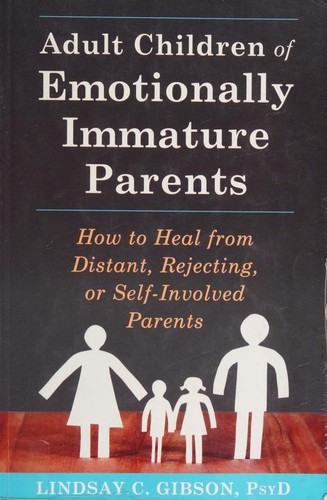
Adult Children of Emotionally Immature Parents
Lindsay C. Gibson, PsyD
A gentle, practical guide to understanding relationships with emotionally distant parents and reclaiming your inner life.
As an Amazon Associate, Clarity House Press earns from qualifying purchases. Your price is never affected.
Found this helpful?
Share it with someone who might need it.
Tags
About the Author

Clarity House Press
Editorial Team
The editorial team at Clarity House Press curates and publishes evidence-based content on narcissistic abuse recovery, high-conflict divorce, and healing. Our content is informed by research, survivor experiences, and established trauma-informed approaches.
View all posts by Clarity House Press →Published by Clarity House Press Editorial Team