Please read our important disclaimers before using this content
The thought emerges clearly during your own therapy: I want to do this. I want to help people the way my therapist helped me. Many survivors find that choosing the right therapist for narcissistic abuse recovery was the turning point in their healing—and that experience sparks the desire to provide that same quality of care to others. Or, after years of recovery, you realize your hard-won wisdom about narcissistic abuse could serve others professionally—not just as a volunteer or friend, but as a licensed therapist or certified coach. The pull is strong: transform your pain into professional purpose, use your lived experience as clinical expertise, and get paid to do meaningful work helping survivors.
Pursuing professional credentials in therapy or coaching after surviving abuse can be deeply rewarding—but it requires honest assessment of motivation, rigorous education and training, clear ethical boundaries, ongoing self-care, and the humility to recognize that lived experience, while valuable, is not the same as professional expertise.1 The path from survivor to professional helper is long, expensive, and emotionally demanding—and worth it when done for the right reasons with the right preparation.
Assessing Your Motivation and Readiness
Good Reasons to Pursue This Path
Healthy motivations:
Genuine calling to help:
- Feel drawn to therapeutic or coaching work beyond personal experience
- Want to integrate lived experience with professional training
- Passionate about evidence-based approaches to trauma
- Excited about learning clinical theory and research
- Career change feels aligned with values and purpose
Processed your own trauma:
- Significant healing accomplished
- Can talk about experience without being consumed
- Self-awareness about triggers and limitations
- Not seeking healing through helping others
- Therapy addressed your acute trauma
Professional interest:
- Curious about psychology, neuroscience, attachment theory
- Want to understand trauma academically and clinically
- Interested in therapeutic modalities beyond just what helped you
- Recognize expertise requires education, not just experience
- Eager to learn from diverse approaches
Sustainable career:
- Want to be compensated for expertise
- Looking for meaningful work that's also practical
- Understand time and financial investment required
- Ready for years of education and supervised practice
- View this as long-term career, not quick transition
Integration of experience:
- See lived experience as one valuable dimension among many
- Want to serve diverse populations, not just survivors like you
- Excited about bringing unique perspective to profession
- Balanced view of your experience as asset, not entire identity
Red Flags: When It's Not the Right Path
Problematic motivations:
Seeking healing through helping:
- Haven't fully processed own trauma yet
- Hope becoming therapist/coach will complete your healing
- Want to understand yourself better through training
- Using clients as proxy for own therapeutic work
- Need to help to feel okay
Identity-dependent:
- Survivor identity is primary identity
- Can't imagine doing work unrelated to abuse
- Story is what makes you valuable (in your mind)
- Professional worth tied entirely to lived experience
- Fear of being "just another therapist"
Validation-seeking:
- Need others to see you as healer
- Want recognition as "expert" on narcissistic abuse
- Credentials to prove you're important/smart/worthy
- Professional identity to outrun trauma identity
- Rescuer complex
Financial desperation:
- Need income immediately (this path takes years)
- Expect quick return on investment
- Don't have resources for extended education
- Can't work unpaid or low-paid during training years
- Unrealistic about earning potential early in career
Grandiosity:
- Believe your experience makes you uniquely qualified
- Think you'll be better therapist than "people who haven't lived it"
- Dismissive of traditional clinical training
- Resistance to supervision or feedback
- "I don't need to learn this, I lived it"
Insufficient healing:
- Still in crisis or high conflict
- PTSD symptoms severe and untreated
- Active substance use
- Suicidal ideation
- Severe emotional dysregulation
Timing:
Generally, consider pursuing this path:
- 3-5+ years post-separation minimum (allowing time for nervous system regulation, trauma processing to reach integration phase, identity reconstruction beyond survivor role, and clarity that this is calling, not avoidance)
- Legal matters fully resolved
- Significant personal therapy completed
- Stable life circumstances
- Financial resources for education
- Clear sense this is calling, not desperation
It's too early if:
- Divorce not final
- Custody battle ongoing
- Severe mental health symptoms untreated
- Financial crisis active
- Safety concerns unresolved
- Less than 2 years since separation (usually)
Note on Access and Systemic Barriers
This professional path requires significant financial resources ($20,000-$200,000+ depending on credential), time stability (5-8 years for therapy licensure), and access to accredited programs. If you're navigating poverty, caregiving responsibilities, disability, geographic isolation, or limited access to education, some of these paths may feel impossible—and that's not a reflection of your calling or capacity.
Peer support specialist certification (40-80 hours, significantly lower cost) may be an accessible entry point. Many communities need trauma-informed helpers regardless of credential level. Your lived experience and commitment matter, even if formal education isn't accessible right now. Consider also: volunteer work, mutual aid organizing, community education, or online support facilitation as meaningful ways to help others while you're building resources for formal credentials.
Education and Training Paths
JURISDICTIONAL NOTE: Licensing requirements vary significantly by state. The timelines, supervised hours, and educational requirements described here represent common patterns across the United States, but specific requirements differ by jurisdiction. For example: California requires 3,000 supervised hours for LMFT licensure while other states require 2,000-4,000; some states require separate law and ethics exams; scope of practice for each license type varies by state. Always verify requirements with your state's licensing board before beginning an educational program. Resources: Association of State and Provincial Psychology Boards, American Counseling Association, Association of Social Work Boards, AAMFT.
Licensed Professional Counselor (LPC) or Licensed Mental Health Counselor (LMHC)
What it is:
- Master's degree in counseling (typically 60 credit hours)
- Supervised clinical practice (2,000-4,000 hours depending on state)
- State licensing exam
- Allows you to provide therapy and bill insurance
- Requires ongoing continuing education
Educational requirements:
Master's in Counseling (MA or MS):
- 2-3 years full-time, 3-5 years part-time
- CACREP-accredited programs preferred (Council for Accreditation of Counseling and Related Educational Programs)
- Coursework: human development, counseling theory, assessment, ethics, multicultural counseling, group counseling, research, etc.
- Practicum and internship (600-900 hours clinical experience during program)
Cost:
- $30,000-$100,000+ depending on program (public vs. private universities; costs current as of 2025; National Center for Education Statistics provides current graduate tuition data)
- Plus living expenses during school
- May need to reduce work hours or stop working
Post-graduation:
- Supervised hours (2,000-4,000 hours over 2-3 years typically, depending on state)
- Supervisor fees ($50-$150 per supervision session, weekly or biweekly)
- Limited license initially (can practice only under supervision)
- National Counselor Examination (NCE) or National Clinical Mental Health Counseling Examination (NCMHCE), or state-specific exam
- Licensing fees
- Professional liability insurance required ($500-$2,500/year)
Total timeline:
- 5-8 years from starting program to full licensure (assumes continuous pursuit; may extend if working part-time or facing delays in supervised hour completion or licensing exam passage)
Specializations:
- Trauma-focused therapy
- Marriage and family (may require different degree)
- Addiction counseling
- Play therapy for children
- Clinical supervision (advanced credential)
Can you work during training?
- Yes, but reduced hours typical
- Some work in related fields (case management, residential treatment)
- Internship/practicum often unpaid
- Post-grad supervised hours may be paid (low wage typically)
Licensed Clinical Social Worker (LCSW)
What it is:
- Master of Social Work (MSW) degree (60 credit hours typically)
- Supervised clinical hours (varies by state, 2,000-4,000)
- Clinical social work exam
- Allows therapy, case management, policy work
- Often work in agencies, hospitals, schools, or private practice
Educational requirements:
MSW Program:
- 2 years full-time, longer part-time
- CSWE-accredited programs (Council on Social Work Education)
- Two-year programs for those with BSW, three-year for those without
- Coursework: human behavior, social welfare policy, research, practice methods, field education
- Field placement (900-1,200 hours over two years typically)
Cost:
- $20,000-$80,000+ depending on program (costs current as of 2025)
- Public universities often cheaper
- Some loan forgiveness programs exist for social workers (Public Service Loan Forgiveness for qualifying employment)
Post-graduation:
- Obtain LSW (Licensed Social Worker) or equivalent
- Accrue supervised clinical hours (2-3 years; varies by state: 2,000-4,000 hours)
- Pass ASWB Clinical Exam
- Apply for LCSW
- Professional liability insurance required ($500-$2,500/year)
Timeline:
- 5-7 years from starting MSW to LCSW typically (assumes continuous pursuit; may extend with part-time work or delays)
Social work approach:
- Person-in-environment perspective
- Systems thinking
- Social justice orientation
- Broader than just therapy (policy, advocacy, case management)
- Versatile career options
Licensed Marriage and Family Therapist (LMFT)
What it is:
- Master's in Marriage and Family Therapy (MFT)
- Focus on relational and systemic therapy
- Supervised clinical hours (2,000-4,000)
- State licensing exam
- Specializes in couples, families, relational issues
Relevant for abuse survivors?
- Yes—family systems disrupted by abuse
- Co-parenting therapy
- Helping children process family trauma
- New relationship counseling
- But: requires nuanced understanding that abuse disrupts family therapy norms
Education:
- Similar timeline and cost to LPC/LMHC
- COAMFTE-accredited programs
- Strong emphasis on systemic theory
- Couples and family therapy practicum
Consideration:
- MFT training can be problematic if not trauma-informed (some programs still push "family homeostasis" in ways that minimize abuse)
- Choose programs with strong trauma and DV awareness
- Your lived experience can bring needed perspective to field
Clinical Psychology (PhD or PsyD)
What it is:
- Doctoral degree in clinical psychology
- Most extensive training
- Research focus (PhD) or practice focus (PsyD)
- Allows therapy, psychological testing, research, teaching
- Highest credential in mental health field
Educational requirements:
PhD or PsyD:
- 5-7 years beyond bachelor's degree
- Coursework, research, comprehensive exams
- Dissertation (PhD) or clinical project (PsyD)
- Internship year (full-time clinical placement)
- Very competitive admission
Cost:
- PhD programs often funded (tuition waiver + stipend at reputable programs)
- PsyD programs expensive ($100,000-$200,000+; costs current as of 2025)
- Can't work full-time during doctoral training
Post-graduation:
- Supervised postdoctoral hours (1-2 years)
- EPPP (Examination for Professional Practice in Psychology)
- State licensure
- Professional liability insurance required ($500-$2,500+/year)
Timeline:
- 8-12 years total from starting PhD/PsyD to licensed psychologist (assumes continuous pursuit; longer with delays or part-time study)
Is this necessary for trauma work?
- No—master's-level therapists do excellent trauma work
- Consider if you want to teach, conduct research, or do psychological testing
- Significantly longer and more expensive path
- May not be worth it if primary goal is clinical practice with survivors
Life Coach Certification
What it is:
- NOT a licensed profession (no state regulation)
- Certification programs (not degrees)
- Focuses on goals, accountability, future (not therapy)
- Cannot treat mental illness or diagnose
- Much shorter and cheaper than therapy licensing
Certification programs:
Legitimate programs:
- ICF-accredited (International Coaching Federation)
- 60-125 hours of coach-specific training PLUS supervised coaching practice hours (ICF requires evidence of 100+ client coaching hours for Associate Certified Coach credential, plus mentor coaching)
- Cost: $3,000-$15,000 for training program
- Includes ethics training and scope-of-practice education
- Business development support
- Note: Total requirements include training hours AND actual coaching hours completed
Credential mills to avoid:
- $500 weekend certification with no supervision
- No practicum or supervised coaching requirement
- Unrealistic promises about income ("Make $10K/month immediately!")
- "Become a certified life coach in 48 hours!"
- No ethics or scope-of-practice training
- No ICF accreditation or verification
Good programs:
- ICF-accredited coaches training programs
- Trauma-informed coaching certifications
- Niche-specific programs (survivor coaching, divorce coaching, narcissistic abuse recovery coaching)
- Mentorship and supervision included
- Business support and marketing training
- Clear scope-of-practice boundaries taught
Timeline:
- 6 months to 2 years typically for completion
- Can often continue working during training
- Much faster than therapy licensing
- Note: Building a sustainable coaching practice may take additional 1-2 years
Coaching vs. Therapy:
Coaching:
- Future-focused, goal-oriented
- No diagnosis or treatment of mental illness
- Clients are "stuck" not "sick"
- Accountability and action plans
- Can't bill insurance (private pay only)
- Unregulated (anyone can call themselves coach)
Therapy:
- Addresses mental health conditions
- Diagnosis and treatment planning
- Works with trauma, depression, anxiety, etc.
- Regulated profession
- Can bill insurance
- Higher liability
Can you do both?
- Yes, many licensed therapists also offer coaching
- Clear separation required (different services, different fees)
- Coaching for clients not needing therapy
- Therapy for those who do
Coaching for abuse survivors:
- Post-separation goal-setting
- Co-parenting strategy
- Career rebuilding
- Dating after abuse
- Life reconstruction
- BUT: Must refer to therapy for PTSD, depression, acute trauma
Peer Support Specialist Certification
What it is:
- Credential based on lived experience
- Mental health recovery focus
- 40-80 hours training typically
- Can work in agencies, hospitals, community settings
- Usually paid (though not highly)
Requirements:
- Personal experience with mental health challenges
- Demonstrated recovery
- Training program (state-specific)
- Exam in some states
- Background check
Role:
- Provide peer support and mentorship
- Share lived experience
- Model recovery
- Navigate systems alongside clients
- Not therapy (complementary to therapy)2
Benefits:
- Shorter, cheaper training
- Explicitly values lived experience
- Meaningful work
- Entry point to helping professions
- Can pursue further credentials later
Limitations:
- Lower pay (typically minimum wage to $20/hour, depending on state and setting; varies with 2025 state minimum wage laws)
- Limited scope (not independent therapy)
- Not all states have formal credential
- Agency-based work usually (not private practice)
Ethical Boundaries and Countertransference
Using Your Story Professionally
When and how to disclose:
Appropriate disclosure:
- "I have personal experience with high-conflict divorce."
- "I understand navigating the family court system."
- Brief, boundaried, in service of client
- Normalizes client's experience
- Offers hope without details3
Inappropriate disclosure:
- Detailed story of your abuse
- Making session about you
- Seeking client's sympathy or validation
- Trauma dumping
- "My ex did the same thing! Let me tell you..."
Guidelines:
- Disclose only to serve client (not your needs)
- Brief (one sentence typically)
- Timing matters (not first session usually)
- Supervisor consultation about disclosure decisions
- Some therapists never disclose (also valid)
Personal website/marketing:
- "I specialize in supporting survivors of narcissistic abuse. I bring both professional training and personal understanding to this work."
- Enough to signal you get it, not so much you're defined by it
- Professional credentials first, lived experience as additional dimension
Countertransference and Self-Awareness
What is countertransference?
- Therapist's emotional reactions to client
- Can be based on therapist's own unresolved issues
- Normal and inevitable—awareness is key
- Unmanaged countertransference harms clients4
Specific risks when your trauma mirrors client's:
Over-identification:
- "This is exactly what happened to me"
- Assuming their experience matches yours
- Projecting your feelings onto them
- Losing objectivity
- Can't see their unique context
Rescue complex:
- Need to save them
- Overfunctioning on their behalf
- Crossing boundaries to "help"
- Taking responsibility for their outcomes
- Burnout and resentment
Triggering:
- Client's story activates your trauma
- Flashbacks, dissociation during session
- Strong emotional reactions
- Difficulty staying present
- Need to process your reaction (not theirs)
Anger at their abuser:
- Rage toward client's ex
- Joining client in vilification (not therapeutic)
- Losing neutrality
- Encouraging decisions based on your anger
- Countertransference-driven intervention
Pressure to fix quickly:
- Frustration when they don't leave/heal faster
- Wanting them to have insights you have
- Impatience with their process
- Forgetting everyone's timeline is different
- Your agenda overriding their readiness
How to manage:
Self-awareness:
- Recognize your triggers
- Notice when you're more activated
- Acknowledge when client's story mirrors yours
- Pause before interventions ("Is this about them or me?")
- Self-reflection after sessions
Supervision:
- Regular clinical supervision (required during training, strongly recommended throughout career)5
- Seek supervisors with trauma specialization: Not all supervisors understand the unique countertransference risks survivor-therapists face; prioritize supervisors with specific training in trauma-informed practice and complex trauma
- Discuss countertransference openly and without shame
- Get consultation on cases that activate you emotionally
- Supervision helps you separate your story from client's story6
Personal therapy:
- Ongoing therapy for yourself
- Process your reactions
- Address remaining trauma
- Not optional for trauma therapists
- Especially critical when working with population you're part of
Boundaries:
- Clear end to sessions (not extending because "they need me")
- Don't take work home (literally or emotionally)
- Refer out when case is too triggering
- It's okay to say "I don't think I'm the right fit for you"
Diversity in caseload:
- Don't only see abuse survivors
- Work with different presenting issues
- Prevents you from being consumed by one topic
- Keeps skills broad
Scope of Practice and Referrals
Know what you can and can't do:
As a coach:
- Can't diagnose or treat mental illness
- Can't provide therapy
- Must refer to therapist for PTSD, depression, suicidal ideation
- Coaching is for functioning clients with goals
- Not for acute trauma or mental health crisis
- Legal note: Providing therapy without a license is illegal in all states (misdemeanor or felony charges possible)
As a therapist:
- Can provide therapy within your training and competence
- Must refer for issues outside your expertise
- Legal questions → attorney
- Medical questions → physician
- Complex cases beyond your skill level → more experienced therapist
Ethical obligation:
- Practice only within your competence
- Get training and supervision for new modalities
- Admit when you don't know
- Refer when needed
- Client welfare above your ego or income
"I've lived it so I can treat it" is not enough:
- Lived experience ≠ clinical competence
- Need training in evidence-based trauma treatment
- Supervision essential
- Humility about limits of personal experience as sole credential
Mandatory Reporting Requirements (For Licensed Therapists)
Critical legal obligation with criminal consequences for failure:
All 50 states require licensed mental health professionals to report:
- Child abuse or neglect (suspected or known)
- Elder/dependent adult abuse (in most states)
- Imminent danger to self or others (duty to warn/protect)
What this means in practice:
- If a client discloses current child abuse (including exposure to domestic violence in some states), you must report to Child Protective Services
- If client's ex-partner is abusing their children, you must report even if it complicates custody case
- Failure to report = criminal misdemeanor in most states, plus malpractice liability and licensing board sanctions
- Reports must be made within specific timeframes (typically 24-48 hours)
For survivors becoming therapists:
This can be emotionally complex when:
- You know family court may not adequately protect children
- You fear CPS report will be weaponized by abusive co-parent
- Client fears losing custody due to mandatory report
- You've experienced false allegations yourself
You still must report. Consult with your clinical supervisor and, if needed, an attorney, but failing to report is not an option. It's your legal duty.
Important: Mandatory reporting laws vary significantly by state regarding what constitutes reportable abuse, whether DV exposure requires reporting, timeframes for reporting, and penalties for failure to report. Learn your state's specific requirements before seeing your first client.
Coaches note: Life coaches are generally NOT mandatory reporters in most states (unregulated profession), but check your state laws. However, ethical coaches should still refer suspected abuse situations to appropriate authorities or licensed professionals.
Confidentiality: Legal Limits You Must Understand
Therapist-client confidentiality is NOT absolute. You are legally required to break confidentiality when:
- Mandatory reporting situations (child abuse, elder abuse, danger to self/others)
- Court orders/subpoenas (in many jurisdictions, with proper legal process)
- Client sues you for malpractice (you can disclose information to defend yourself)
- Client introduces mental state as legal issue (e.g., custody evaluation, personal injury claim)
In custody cases specifically:
- If your client is in custody litigation and their mental health becomes an issue, your records may be discoverable
- Opposing counsel may subpoena your therapy notes
- Some states require therapists to testify about abuse allegations
- Privilege may be waived if client puts mental health "at issue" in their case
For coaches:
- You have NO legal confidentiality privilege in most states (unregulated profession)
- Anything client tells you can be subpoenaed in litigation
- Courts can compel your testimony about client communications
- Make this clear in coaching agreements and informed consent
Practice implications:
- Inform clients of confidentiality limits in writing (informed consent document)
- Document when you break confidentiality and why
- Consult an attorney when receiving subpoenas (don't just comply automatically)
- Never promise absolute confidentiality—it's both unethical and legally inaccurate
- Assume your therapy notes may be read by judge, opposing counsel, or custody evaluator
Documentation best practices for high-conflict custody cases:
✅ Do document:
- Clinically relevant information
- Objective observations
- Treatment interventions and client progress
- Mental health symptoms and treatment response
❌ Don't document:
- Personal opinions about ex-spouse ("He's obviously a narcissist")
- Statements like "Client is definitely telling truth"
- Information not relevant to treatment
- Inflammatory language that could harm client's case
Example comparison:
❌ Problematic: "Client's narcissistic ex-husband is obviously lying to court about her parenting. He's a dangerous abuser and shouldn't have custody."
✅ Appropriate: "Client reports ongoing conflict with co-parent regarding parenting time. Client experiences anxiety and hypervigilance related to custody exchanges. Treatment focused on emotion regulation and distress tolerance skills."
Professional Liability Insurance: Non-Negotiable
For licensed therapists:
- Malpractice insurance is required for licensure in some states; even if not required, it's essential protection
- Cost: $500-$2,500/year depending on specialty, coverage limits, and claims history
- Covers legal defense costs and settlements for:
- Negligence claims
- Boundary violations
- Failure to prevent client suicide
- Breach of confidentiality
- Licensing board defense costs
What to look for:
- Coverage limits: $1M per incident / $3M aggregate minimum
- "Occurrence" policy preferred over "claims-made" (covers incidents that occurred during policy period even if claim filed later)
- Licensing board defense coverage included
- Coverage for supervision (if you will supervise provisionally licensed therapists)
- Cyber liability coverage (for telehealth and electronic health record breaches)
For coaches:
- Life coach liability insurance available ($300-$1,000/year)
- Not legally required but highly recommended
- Covers general liability claims, alleged negligence, business disputes
- DOES NOT cover: Practicing therapy without a license (intentional illegal acts are never insured)
Critical practice points:
- Get insurance before seeing your first client (not after incident occurs)
- "Claims-made" policies only cover incidents that occur AND are reported during policy period
- Never let coverage lapse (gap in coverage = no coverage for incidents during gap)
- Notify insurance company immediately if client threatens lawsuit
- Keep insurance even after retirement (past incidents can be reported years later)
Self-Care as Trauma-Informed Professional
Vicarious Trauma Prevention
Working with trauma survivors will affect you:
What vicarious trauma looks like:
- Intrusive thoughts about clients' stories
- Nightmares
- Hypervigilance
- Cynicism about humanity
- Trust issues
- Worldview shift (world feels more dangerous)
- Emotional numbing or flooding
Survivors who become helpers often encounter the intersection of C-PTSD and chronic illness as a clinical reality in their caseloads—and in themselves. Recognizing these somatic patterns in your own body is part of staying professionally sustainable.
You're at higher risk because:
- You're a trauma survivor yourself78
- Empathetic engagement is your tool
- Hearing trauma stories daily
- May relate too closely to clients' experiences
Prevention:
Professional boundaries:
- Set limits on caseload (don't see 40 trauma clients per week)
- Balance trauma cases with other populations
- Use supervision
- Measure your capacity honestly
- Say no when you're full
Personal practices:
- Own therapist (ongoing)
- Physical self-care (exercise, sleep, nutrition)
- Relationships outside work
- Hobbies unrelated to trauma
- Spiritual practices if meaningful
- Rest as sacred
Workplace:
- Manageable caseload
- Administrative support
- Supervision provided
- Peer consultation
- Continuing education
- Culture that values self-care
Warning signs:
- Dreading work
- Resentment toward clients
- Feeling nothing during sessions
- Thinking about work constantly
- Physical symptoms
- Relationships suffering
Response:
- Immediate action (don't wait until crisis)
- Reduce caseload
- Increase supervision and therapy
- Take time off
- Assess if you need different role or setting
Maintaining Your Own Recovery
This work can support or threaten your healing:
Supports healing when:
- You're sufficiently healed before starting
- Boundaries are clear and maintained
- Supervision and therapy ongoing
- Work feels meaningful, not consuming
- Integration of experience and training
- Purpose and service from overflow
Threatens healing when:
- Using work to avoid your own processing
- Clients' stories trigger your unresolved trauma
- No boundaries (work/life bleeding together)
- Identity entirely wrapped in professional role
- No personal therapy
- Burnout building
Ongoing recovery practices:
- Continue your own therapy (strongly encouraged and essential for sustainable practice)
- Support groups or peer connection (separate from professional world)
- Regular assessment: "How is this work affecting my recovery?"
- Time away from abuse/trauma content (vacations without books about narcissism)
- Full life beyond this work
Permission:
- To take break from trauma work if it's too much
- To change specialties (not forever tied to abuse work)
- To leave the field if it's not sustainable
- To prioritize your healing over helping others
Integrating Lived Experience with Professional Expertise
Your Unique Value
What you bring that others might not:
Immediate credibility:
- Survivors trust you because you've been there
- "She gets it" without long explanations
- Hope embodied (they can see you're on other side)
Pattern recognition:
- Spot manipulation you lived through
- Recognize DARVO, gaslighting, triangulation (for example, the baiting and provocation cycles that kept you reactive and off-balance)
- See what clients can't name yet
- Insider knowledge of tactics
Validation without platitudes:
- Know how to validate without minimizing
- "I believe you" has weight
- Won't suggest couples therapy with narcissist
- Understand why they can't "just leave"
Trauma-informed instinctively:
- Safety and trust aren't abstract concepts
- Pacing matters (you remember being overwhelmed)
- Language that empowers, not pathologizes
- Practical strategies, not just theory
Systemic critique:
- Understand family court failures firsthand
- Know gaps in DV services
- Can advocate for systems change from experience
- Insider + professional perspective powerful
What You Still Need to Learn
Lived experience doesn't replace:
Clinical theory:
- Attachment theory: Understanding how early attachment patterns shape current relationships, therapeutic alliance, and capacity for trust. Particularly critical when working with trauma survivors who often have disrupted attachment and may unconsciously recreate trauma dynamics in the therapeutic relationship (transference, ruptures in alliance)9
- Neurobiology of trauma
- Evidence-based treatment modalities (EMDR, CPT, DBT, Prolonged Exposure)
- Diagnosis and assessment
- Human development across lifespan
Diverse presentations:
- Not all abuse looks like yours did
- Different cultures, genders, ages experience and respond to abuse differently
- Intersectionality (race, class, sexuality, disability, gender): Your experience of narcissistic abuse was shaped by your specific cultural context and identities; clients from different backgrounds experience and respond to abuse differently based on systemic barriers, community pressures, and safety considerations. Your interventions must account for these differences rather than assuming universality of your experience10
- Narcissistic abuse is one of many trauma types
- Humility about what you don't know
Ethical complexity:
- Boundaries (more complex than they seem)
- Dual relationships
- Confidentiality limits
- Mandatory reporting
- Scope of practice
Your experience is one data point, not the entire dataset:
- What helped you may not help everyone
- Your ex's tactics aren't universal
- Your recovery path isn't the only valid one
- Evidence base matters
- Stay curious and humble
The "Wounded Healer" Done Right
The "wounded healer" archetype:
The concept of the "wounded healer"—where personal wounds become a source of healing for others—appears in Jungian psychology and has been widely adapted in modern psychotherapy.11 The idea is that pain can be transformed through service, and that suffering can create depth and compassion in therapeutic work.
Done well:
- Wound is tended (healed enough to help)
- Experience integrated with training
- Humility about limits
- Boundaries clear
- Self-care prioritized
- Supervision ongoing
Done poorly:
- Open wound bleeding on clients
- Identity entirely as wounded healer
- Boundary violations
- Vicarious trauma unmanaged
- Healing sought through helping
- No professional development beyond personal story
Balance:
- Your experience as one tool among many
- Professional expertise primary
- Lived experience enriching, not replacing
- Whole person (not just survivor)
- Integration, not consumption
Key Takeaways
Becoming a therapist or coach after surviving narcissistic abuse can be deeply meaningful and professionally rewarding—but it requires rigorous education, clear ethical boundaries, ongoing self-care, and the humility to recognize that lived experience, while valuable, must be integrated with professional training and supervision. The path is long and demanding, but for those called to it with right motivation and adequate preparation, it offers the profound opportunity to transform personal pain into professional purpose.
What to remember:
- Assess motivation honestly (healing vs. healed enough to help)
- Education required is significant (5-8 years for therapy licensing)
- Coaching is faster but has limitations (not therapy)
- Lived experience is asset, not substitute for training
- Countertransference risks high when your trauma mirrors clients'
- Self-care and supervision are not optional
- Vicarious trauma prevention essential
- Know scope of practice and refer appropriately
What to expect:
- Years of education and training (and expense)
- Low or no income during training period
- Emotional intensity of working with trauma
- Deep satisfaction when done well
- Ongoing learning (never "done")
- Need for boundaries and self-care forever
- Meaningful work that can also be depleting
- Integration of personal and professional identity
How to proceed:
- Wait until sufficiently healed (3-5+ years post-separation typically)
- Research educational paths thoroughly
- Assess financial and time resources honestly
- Choose accredited, legitimate programs
- Get supervision from beginning
- Maintain own therapy throughout
- Start with peer support or coaching if not ready for full licensure
- Commit to ongoing learning and ethical practice
Permission:
- To pursue this path if truly called
- To wait until you're ready
- To choose coaching over therapy (or vice versa)
- To specialize in other areas (not trauma if it's too much)
- To leave the field if it threatens your recovery
- To set boundaries even in helping profession
- To be whole person, not just wounded healer
Your lived experience is valuable. Your hard-won wisdom matters. Your desire to help is beautiful.
Many survivors reach this point only after doing the deep work of rebuilding identity after narcissistic abuse—separating who they are from what was done to them. That groundwork is the very foundation of effective professional practice.
Just make sure you pair it with professional training, ethical practice, rigorous self-care, and the humility to keep learning.
Then you can offer clients what you wish you'd had: someone who truly understands, is professionally competent, maintains clear boundaries, and has done enough of their own healing to hold space for yours.
That's the wounded healer done right. That's when your pain becomes purpose without consuming you.
And that's when you know you're ready.
Final Legal and Professional Reminders
Before pursuing any professional credential:
- Verify state requirements with your state's licensing board (not just this article)
- Consult licensed professionals in your state about realistic timelines, costs, and job market
- Check program accreditation matches your state's licensing requirements (CACREP, CSWE, COAMFTE, APA)
- Understand malpractice insurance requirements before seeing your first client
- Learn mandatory reporting laws in your state (required for licensed therapists)
- Know confidentiality limits and when you must break privilege
- Get professional liability insurance before starting practice (required in some states, essential in all)
- Consult an attorney when receiving subpoenas (especially common in high-conflict custody cases)
This article provides general education, not professional advice for your specific situation. State requirements vary significantly. Always verify current requirements with your state licensing board and professional associations.
Resources
Professional Mental Health Training and Licensing:
- American Association of State Counseling Boards (AASCB) - Find your state counseling board and licensing requirements
- Association of Social Work Boards (ASWB) - Social work licensing requirements by state
- CACREP Directory - Council for Accreditation of Counseling & Related Educational Programs
- CSWE Directory - Council on Social Work Education accredited programs
Life Coaching Certification:
- International Coaching Federation (ICF) - Coaching certification standards and accredited programs
- Center for Credentialing & Education (CCE) - Board Certified Coach certification
- Life Coach Training Institute - Comprehensive coach training programs
- Coach Training Alliance - ICF-accredited life coach certification
Ethics, Support, and Resources:
- Zur Institute - Continuing education for mental health professionals on ethics and boundaries
- Psychology Today - Find a Therapist - Therapist directory for your own therapy
- National Domestic Violence Hotline - 1-800-799-7233 (24/7 support for abuse survivors)
- American Counseling Association (ACA) - Professional resources and ethical standards
References
- Cruciani, A., Liotti, M., & Lingiardi, V. (2024). Motivations to become psychotherapists: beyond the concept of the wounded healer. Research in Psychotherapy: Psychopathology, Process and Outcome, 27(2). https://pmc.ncbi.nlm.nih.gov/articles/PMC11417668/ ↩
- Hayes, J. A., Gelso, C. J., Goldberg, S., & Kivlighan, D. M. (2018). Countertransference management and effective psychotherapy: Meta-analytic findings. Psychotherapy, 55(4), 496-507. https://pubmed.ncbi.nlm.nih.gov/30335461/ ↩
- Henderson, L., Knight, T., & Richardson, B. (2024). Personal trauma history and secondary traumatic stress in mental health professionals: A systematic review. Journal of Psychiatric and Mental Health Nursing, 32(1), e13082. https://pmc.ncbi.nlm.nih.gov/articles/PMC11704991/ ↩
- Alva, M. H., Antony, S. P., & Kataria, K. (2024). Exploring the use of the therapist's self in therapy: A systematic review. Indian Journal of Psychological Medicine, 46(6), 561-571. https://pmc.ncbi.nlm.nih.gov/articles/PMC11572587/ ↩
- Cooper, R. E., Saunders, K. R. K., Greenburgh, A., et al. (2024). The effectiveness, implementation, and experiences of peer support approaches for mental health: A systematic umbrella review. BMC Medicine, 22, 72. https://pmc.ncbi.nlm.nih.gov/articles/PMC10902990/ ↩
- Zerubavel, N., & Wright, M. O. (2012). The dilemma of the wounded healer. Psychotherapy, 49(4), 482-491. https://pubmed.ncbi.nlm.nih.gov/22962968/ ↩
- Lingiardi, V., & Colli, A. (2015). The role of countertransference in contemporary psychiatric treatment. World Psychiatry, 14(2), 241-243. https://pmc.ncbi.nlm.nih.gov/articles/PMC7214951/ ↩
- Bowlby, J. (1988). A secure base: Parent-child attachment and healthy human development. Basic Books. ↩
- Nadal, K. L., Davidoff, K. C., Davis, L. S., & Wong, Y. (2016). Emotional, behavioral, and cognitive responses to microaggressions: Transgender perspectives. Psychology of Sexual Orientation and Gender Diversity, 3(4), 434-442. https://pubmed.ncbi.nlm.nih.gov/26819740/ ↩
- Watkins, C. E., Jr. (2012). Psychotherapy supervision in the 21st century: Revising and revitalizing the paradigm. American Journal of Psychotherapy, 66(2), 107-123. https://pubmed.ncbi.nlm.nih.gov/22696814/ ↩
- Bride, B. E., Robinson, M. M., Edwards, M., & Sheridan, S. M. (2016). Development and validation of the secondary traumatic stress scale. Journal of Traumatic Stress, 17(3), 263-270. https://pubmed.ncbi.nlm.nih.gov/15456848/ ↩
Recommended Reading
From Clarity House Press — plus trusted books for deeper understanding

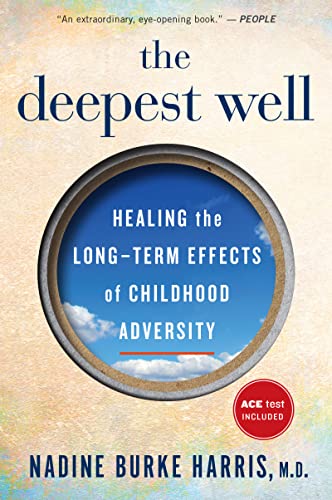
The Deepest Well
Nadine Burke Harris, M.D.
A pediatrician's clear explanation of how adverse childhood experiences affect lifelong health — and what recovery can look like.

My Grandmother's Hands
Resmaa Menakem, MSW, LICSW
A body-centered approach to healing trauma that lives in the nervous system, with practices for settling and self-regulation.
As an Amazon Associate, Clarity House Press earns from qualifying purchases. Your price is never affected.
Found this helpful?
Share it with someone who might need it.
Tags
About the Author

Clarity House Press
Editorial Team
The editorial team at Clarity House Press curates and publishes evidence-based content on narcissistic abuse recovery, high-conflict divorce, and healing. Our content is informed by research, survivor experiences, and established trauma-informed approaches.
View all posts by Clarity House Press →Published by Clarity House Press Editorial Team