Please read our important disclaimers before using this content
If you're navigating both complex trauma and chronic physical health conditions, you're not alone—and the connection between them is real, documented, and not "all in your head."
This article explores the science behind how trauma affects physical health, the specific mechanisms linking C-PTSD to chronic illness, and integrated approaches to healing both body and mind.
Important Medical Disclaimer
This article is for educational purposes only and is not a substitute for medical diagnosis or treatment.
If you are experiencing physical symptoms—including chronic pain, gastrointestinal problems, autoimmune flares, or other health concerns—consult a qualified physician or medical provider. While chronic stress from trauma can contribute to or worsen certain medical conditions, many conditions have multiple causes requiring proper medical evaluation.
Always seek a medical diagnosis from a licensed healthcare provider before assuming symptoms are stress-related. Do not delay medical care or discontinue treatment based on this article.
Understanding Complex PTSD and Physical Health
Complex PTSD (C-PTSD) develops from prolonged trauma—childhood abuse, domestic violence, narcissistic abuse—that fundamentally reshapes your nervous system baseline. Unlike PTSD from single incidents, C-PTSD affects how you see yourself, relate to others, and regulate emotions. For an in-depth overview of how complex PTSD differs from single-incident PTSD, see our complete guide to C-PTSD symptoms and diagnosis.
What many people don't realize: C-PTSD also profoundly affects your physical body.1
Your nervous system operates in predictable patterns when triggered, and these patterns have measurable physiological consequences over time. Understanding this connection is the first step toward healing.
Clarifying the Mind-Body Connection
The relationship between trauma and chronic illness is complex and bidirectional. Here's what research shows:
Trauma can:
- Intensify existing medical conditions
- Create somatic symptoms (physical symptoms without tissue damage)
- Activate pain amplification through central sensitization
- Dysregulate immune function and increase inflammation
However, chronic illness also develops from:
- Genetic predisposition
- Infectious triggers
- Autoimmune dysfunction
- Environmental factors
- Many causes unrelated to trauma
If you have both C-PTSD and chronic illness:
- Your trauma may amplify or complicate your illness experience
- Your chronic illness may have triggered or worsened trauma symptoms
- Your conditions may be entirely separate, coinciding in your life
- All of these patterns are valid and common
The goal isn't determining "which caused which" but managing both conditions with compassion for your body and access to appropriate care.
The Science: How Trauma Lives in the Body
Bessel van der Kolk's groundbreaking research showed that trauma is not just a psychological experience but a physiological one. The body stores traumatic memory in ways that bypass conscious recall, encoded in your muscles, nervous system, and stress response circuits. Trauma survivors often experience chronic somatic symptoms including muscular tension, chronic pain, gastrointestinal issues, autoimmune disorders, and fatigue—all indicative of ongoing bodily-held traumatic stress.2
The ACE Study: Establishing the Trauma-Health Connection
The landmark Adverse Childhood Experiences (ACE) Study3 involving over 17,000 participants documented a dose-response relationship between childhood adversity and adult health conditions:
Research findings:
- ACE score of 4+ associated with 2.4x increased risk of stroke
- ACE score of 2+ associated with 2.2x increased risk of autoimmune disease
- ACE score of 4+ associated with 1.9x increased risk of cancer
- Strong associations with heart disease, liver disease, diabetes, and COPD
This doesn't mean trauma causes all illness—many factors contribute. But it validates that if you're experiencing chronic health issues with a trauma history, the connection is real and recognized by medicine.
Neurobiological Mechanisms
HPA Axis Dysregulation
The hypothalamic-pituitary-adrenal axis becomes chronically disrupted in C-PTSD,4 manifesting as:
- Cortisol dysregulation (chronic elevation OR blunting, both harmful)
- Impaired stress response feedback loops
- Circadian rhythm disruption
- Downstream effects on immune function, metabolism, cardiovascular health
Research validates HPA axis dysregulation in chronic pain conditions like fibromyalgia, marked by mild hypocortisolemia, hyperreactive pituitary ACTH release, and glucocorticoid feedback resistance.5
Chronic Inflammation
Research consistently shows trauma survivors have elevated inflammatory markers:
- C-reactive protein (CRP)
- Interleukin-6 (IL-6)
- Tumor necrosis factor-alpha (TNF-alpha)
Chronic inflammation is now understood as a key mechanism linking trauma to cardiovascular disease, autoimmune conditions, and some cancers.6 Studies demonstrate that PTSD is associated with a proinflammatory state characterized by increased levels of these cytokines, which may contribute to heightened cardiovascular disease risk through impaired endothelial function.7
Polyvagal Theory and the Vagus Nerve
The vagus nerve plays a critical role in:8
- Gut-brain axis communication
- Heart rate variability (reduced in trauma survivors)
- The "dorsal vagal shutdown" state and its physical manifestations
- Why trauma affects digestion, heart function, and immune response
Allostatic Load
This concept explains cumulative physiological "wear and tear" from chronic stress—why years of hypervigilance translate to measurable physical changes and increased illness risk.
The Trauma Response Cycle
Your nervous system operates in predictable patterns when triggered:
- Trigger: Something reminds your nervous system of past trauma
- Activation: Stress hormones (cortisol and adrenaline) flood your system, triggering physiological changes—increased heart rate, rapid breathing, muscle tension, decreased digestion
- Response: Fight, flight, freeze, or fawn activates
- Aftermath: Recovery phase involving exhaustion (from hormone release), emotional processing (shame, regret), and dissociation or disconnection
Why Traditional Coping Doesn't Work
Standard stress management assumes a regulated baseline. C-PTSD means your baseline is dysregulated, so techniques like "just breathe deeply" or "think positive" often fail because they assume a regulated nervous system.
However, specific breathing techniques adapted for trauma (like 4-7-8 breathing or physiological sighs) can help when practiced in a safe, regulated state first, under guidance from trauma-informed practitioners.
Specific Conditions and Their Trauma Links
Autoimmune Disease
Research shows trauma survivors have elevated risk of lupus, rheumatoid arthritis, multiple sclerosis, and Hashimoto's thyroiditis. A 2018 JAMA study found stress-related disorders associated with 36% increased risk of autoimmune disease.9 Earlier research documented that individuals with two or more adverse childhood experiences faced a 70% increased risk for Th1-mediated autoimmune diseases and 100% increased risk for rheumatic diseases compared to those with no ACEs.10
Mechanism: Chronic inflammation and immune dysregulation from sustained nervous system activation.
Important caveat: Association does not mean all autoimmune disease is trauma-related. Genetic factors, environmental triggers, and other causes contribute significantly.
Chronic Pain
Studies show 45-57% of fibromyalgia patients report significant trauma history.11 A comprehensive 2024 systematic review found robust evidence linking childhood trauma to both PTSD/C-PTSD and chronic pain conditions, with childhood physical abuse specifically predicting altered cortisol patterns in fibromyalgia patients.12 Central sensitization—where the nervous system becomes hypersensitive to pain signals—is a key mechanism.
Related conditions:
- Fibromyalgia
- Chronic fatigue syndrome/ME
- Chronic migraine
- The frustration of "invisible" illness and medical dismissal
Digestive Disorders
Irritable bowel syndrome (IBS) shows particularly strong association with trauma, involving gut-brain axis dysregulation.13 The enteric nervous system ("second brain") contains 100 million neurons that communicate directly with your brain via the vagus nerve.
How trauma affects digestion:
- Vagal tone influences gut motility and function
- Chronic stress disrupts the microbiome
- Inflammatory bowel disease (Crohn's, ulcerative colitis) has inflammation connections
Real-World Examples
Maria's story: For years, Maria experienced chronic stomach pain, bloating, and IBS symptoms that no medication fully addressed. Multiple GI specialists found no structural cause. When she began trauma therapy for childhood emotional abuse, she learned about the gut-brain axis—how chronic stress affects digestive function. As she processed her trauma and developed nervous system regulation skills, her GI symptoms gradually improved. Her condition wasn't "all in her head," but it was connected to how her body stored stress. Integrating trauma treatment with her medical care made the difference.
David's pattern: David developed fibromyalgia in his 30s, years after escaping an abusive marriage. His doctors told him about central sensitization—how his nervous system, stuck in threat mode from prolonged abuse, had become hypersensitive to pain signals.14 Understanding his freeze response helped him recognize when he was bracing against pain, paradoxically amplifying it. Through somatic therapy, he learned to release chronic muscle tension and regulate his nervous system, reducing (though not eliminating) his pain levels.
Healing Body and Mind Together
Why Somatic Therapies Matter
Because trauma is stored in the body, talk therapy alone is often insufficient. Somatic (body-based) therapies directly address how trauma lives in your muscles, nervous system, and stress response:
Evidence-based somatic approaches:
- Somatic Experiencing: Focuses on completing trauma response cycles stored in the body
- Sensorimotor Psychotherapy: Integrates body awareness with psychological processing
- Trauma-Sensitive Yoga: Uses movement and breath to restore body-self connection
- EMDR: Uses bilateral stimulation to reprocess traumatic memories
Integrated Care: Therapy AND Medical Treatment
The mind-body connection works both ways. Trauma-informed therapy is essential, and so is appropriate medical care.
If you have been diagnosed with a chronic illness:
- Continue medical treatment as prescribed by your doctor
- Inform your physician about your trauma history (relevant for pain management, medication selection, health decisions)
- Coordinate between your therapist and medical providers for integrated treatment
- Do not stop medications or medical treatment without consulting your doctor
- Physical healing often requires both psychological work AND medical intervention
Trauma healing supports medical recovery but does not replace it. Therapy helps regulate the nervous system while medical treatment addresses the physical condition itself.
Finding Trauma-Informed Medical Care
Not all healthcare providers understand the trauma-chronic illness connection. Look for:
- Physicians trained in mind-body medicine
- Providers who validate rather than dismiss medically unexplained symptoms
- Healthcare teams willing to coordinate with mental health professionals
- Practitioners who understand how medical trauma affects treatment compliance
If you've experienced medical gaslighting (symptoms dismissed as anxiety or "just stress"), finding validating care is critical to healing.
Practical Strategies
Immediate Action Steps
-
Start where you are: You don't need to be perfect or have it all figured out. Begin with one small change.
-
Build your foundation: Prioritize safety, basic needs, and nervous system regulation before tackling deeper work.
-
Track your patterns: Keep a simple log of triggers, responses, and what helps. Patterns will emerge.
Medium-Term Strategies
Seek specialized support: Work with a trauma-specialized therapist who understands C-PTSD. If professional therapy isn't accessible, affordable, or feels right for you, healing still happens through other pathways—peer support, community, self-education, body-centered practices, and gradual nervous system changes.
Develop your toolkit: Build a collection of regulation techniques, grounding exercises, and self-soothing practices that work for your specific nervous system and account for physical limitations.
Connect with others who understand: Support groups, online communities, or peer support can reduce isolation and normalize your experience.
Long-Term Approach
Healing and change unfold over years. Some people experience significant recovery. Others find stability, reduced symptom intensity, or better quality of life alongside remaining symptoms. Your goal is uniquely yours—you define what healing looks like.
Pace yourself. Build capacity gradually. Celebrate small wins. Expect setbacks and plan for them.
Understanding Common Challenges
Many survivors recognize these patterns in their healing journey. They're not failures—they're predictable responses to trauma.
Pushing too hard too fast: When you're desperate to heal, it's natural to overextend. Notice when you're accelerating and experiment with slowing down. Setbacks teach you about your pacing edge.
Isolation: After trauma, safety feels like being alone. Connection gradually becomes possible, and it looks different for everyone. Slow exploration, not forced socializing, works better. Our guide to building a support network in recovery offers concrete, step-by-step approaches for exactly this challenge.
All-or-nothing thinking: Trauma teaches you that mistakes are catastrophic. Healing includes learning that inconsistency is normal. Today's setback doesn't erase yesterday's progress.
Comparing your timeline: Healing doesn't follow other people's schedules. Your pace depends on your nervous system, your circumstances, your resources. This variation is real, not a reflection of your commitment.
Relationship assessment: If you're in a relationship that mirrors your trauma, recovery becomes harder. When possible, moving away from the source of trauma supports healing. If you can't leave right now, that's real. Healing happens at different paces depending on your circumstances.
The knowledge-action gap: Understanding what you "should" do doesn't translate to doing it when your nervous system is activated. This is neurological, not a character flaw.
Inconsistent progress: You'll have good days and terrible days. This doesn't mean you're failing—it's the normal rhythm of healing.
Limited support: Many people, including some professionals, don't understand complex trauma. You may face minimization or bad advice. Finding practitioners who truly understand both trauma and chronic illness takes persistence.
A Note on Intersecting Conditions
If you're managing C-PTSD alongside multiple chronic illnesses, neurological conditions, physical disabilities, or facing barriers related to race, immigration status, sexuality, or other identities, this content speaks to you—and may require additional layers of adaptation.
Your healing doesn't need to look like anyone else's. If a suggestion doesn't work with your conditions or circumstances, it's not failing—it's information about what doesn't fit your specific life. You're the expert on your body and needs.
Key Takeaways
- The trauma-chronic illness connection is real: Research documents physiological mechanisms (HPA axis dysregulation, chronic inflammation, vagal tone changes) linking trauma to increased risk of autoimmune disease, chronic pain, and digestive disorders
- Correlation, not simple causation: Chronic illness develops from multiple factors. Trauma may contribute, amplify, or coexist separately
- Your symptoms are real, not imagined: Both psychological and physiological—the body keeps the score
- Healing requires integrated care: Both medical treatment AND trauma-informed therapy
- Somatic approaches matter: Body-based therapies address where trauma is stored
- You're not broken or damaged: Your responses made sense in the context where they developed
- Healing takes time and looks different for everyone: Expect the process to unfold over months and years, not days and weeks
- Professional support helps: Specialized therapists and trauma-informed physicians significantly improve outcomes, but aren't the only path to healing
- Small consistent actions compound over time into substantial change
- Connection and community are essential—isolation maintains trauma's grip
Your Next Steps
These suggestions are starting points you can adapt to your capacity and circumstances. Skip, modify, or extend timelines as needed.
-
When you have capacity: Start tracking one pattern (triggers, responses, or what helps). Use a simple method—sticky notes, phone voice notes, or a notebook. Tracking doesn't require perfect consistency.
-
If researching feels possible: Look for trauma-specialized therapists. Credentials in EMDR, Somatic Experiencing, DBT, IFS, or Sensorimotor Psychotherapy indicate relevant training. Our guide to choosing the right therapist for narcissistic abuse recovery includes specific questions to ask about somatic approaches. Telehealth expands access beyond geographic limitations. Beyond credentials, look for someone you feel safe with who demonstrates genuine understanding of trauma. The therapeutic relationship matters as much as the specific modality.
-
Experiment with what works for you: Regulation practices might be breathwork for trauma, a grounding exercise, bilateral stimulation, or something entirely different. Chronic illness may mean some days your only regulation is rest—that counts.
-
When isolation feels safe to address: Consider online communities or support groups (online or in-person) for complex trauma survivors. Connection helps, and online spaces work if in-person feels impossible.
Note for chronically ill readers: If healing work feels impossible right now, that's valid. Focus on whatever small action—if any—feels sustainable. Pacing matters more than progress.
Resources
Trauma-Informed Therapy and Medical Integration:
- EMDR International Association (EMDRIA) - Find EMDR therapists specializing in trauma and somatic symptoms
- Psychology Today - Somatic Therapy - Search for somatic and body-centered trauma therapists
- Somatic Experiencing International - Locate Somatic Experiencing practitioners for trauma and chronic illness
- International Society for Traumatic Stress Studies (ISTSS) - Provider directory for trauma specialists including medical trauma integration
Books and Resources:
- The Body Keeps the Score by Bessel van der Kolk - Foundational text on trauma's physical effects
- Complex PTSD: From Surviving to Thriving by Pete Walker - Comprehensive C-PTSD recovery guide
- When the Body Says No by Gabor Maté - The cost of hidden stress and disease connections
- ACEs Aware Initiative - Trauma-informed healthcare resources and screening tools
Crisis Support and Online Communities:
- 988 Suicide & Crisis Lifeline - Call or text 988 (24/7 free crisis support)
- Crisis Text Line - Text HOME to 741741 (24/7 free counseling)
- r/CPTSD on Reddit - 200,000+ member peer support community
- Out of the Storm Forum - Moderated C-PTSD-specific support forum
References
- Felitti VJ, Anda RF, Nordenberg D, Williamson DF, Spitz AM, Edwards V, Koss MP, Marks JS. Relationship of childhood abuse and household dysfunction to many of the leading causes of death in adults: The Adverse Childhood Experiences (ACE) Study. American Journal of Preventive Medicine. 1998;14(4):245-258. doi:10.1016/S0749-3797(98)00017-8. PMID: 9635069. ↩
- Speer KE, Semple S, Naumovski N, D'Cunha NM, McKune AJ. Childhood Trauma, the HPA Axis and Psychiatric Illnesses: A Targeted Literature Synthesis. Frontiers in Psychiatry. 2022;13:748372. doi:10.3389/fpsyt.2022.748372. PMID: 35599780. ↩
- Slavich GM, Irwin MR. From stress to inflammation and major depressive disorder: A social signal transduction theory of depression. Psychological Bulletin. 2014;140(3):774-815. doi:10.1037/a0035302. PMID: 24417575. ↩
- Porges SW. Polyvagal Theory: Current Status, Clinical Applications, and Future Directions. Clinical Neuropsychiatry. 2025;22(3):175-191. doi:10.36131/cnfioritieditore20250301. PMID: 40735382. ↩
- Song H, Fang F, Tomasson G, Arnberg FK, Mataix-Cols D, Fernández de la Cruz L, Almqvist C, Fall K, Valdimarsdóttir UA. Association of Stress-Related Disorders With Subsequent Autoimmune Disease. JAMA. 2018;319(23):2388-2400. doi:10.1001/jama.2018.7028. PMID: 29922828. ↩
- Sachs-Ericsson NJ, Sheffler JL, Stanley IH, Piazza JR, Preacher KJ. Prevalence and characterization of psychological trauma in patients with fibromyalgia: A cross-sectional study. Pain Research and Management. 2022;2022:2114451. doi:10.1155/2022/2114451. PMID: PMC9729049. ↩
- Qin HY, Cheng CW, Tang XD, Bian ZX. Impact of psychological stress on irritable bowel syndrome. World Journal of Gastroenterology. 2014;20(39):14126-14131. doi:10.3748/wjg.v20.i39.14126. PMID: PMC4202343. ↩
- Holmes L, Huynh J, Bickham D, Nguyen P. "When my mind hurts, my body hurts": Complex PTSD and chronic physical health conditions—A qualitative study exploring the factors contributing to their relationship. British Journal of Clinical Psychology. 2024;63(4):582-600. doi:10.1111/bjc.12482. PMID: PMC12506954. ↩
- Dube SR, Fairweather D, Pearson WS, Felitti VJ, Anda RF, Croft JB. Cumulative childhood stress and autoimmune diseases in adults. Psychosomatic Medicine. 2009;71(2):243-250. doi:10.1097/PSY.0b013e3181907888. PMID: 19188532. ↩
- Duni E, Ozbilgin B, Holmes EA, Murray H. Childhood trauma, PTSD/CPTSD and chronic pain: A systematic review. PLOS One. 2024;19(8):e0309332. doi:10.1371/journal.pone.0309332. PMID: 39178312. ↩
- Passos IC, Vasconcelos-Moreno MP, Costa LG, Kunz M, Brietzke E, Quevedo J, Salum G, Magalhães PV, Kapczinski F, Kauer-Sant'Anna M. Inflammation and PTSD: A systematic review. Neuroscience & Biobehavioral Reviews. 2015;47:530-542. doi:10.1016/j.neubiorev.2014.10.002. PMID: 30653780. ↩
- Heim C, Ehlert U, Hellhammer DH. The potential role of hypocortisolism in the pathophysiology of stress-related bodily disorders. Psychoneuroendocrinology. 2000;25(1):1-35. doi:10.1016/S0306-4530(99)00035-9. PMID: 10636277. ↩
- Ho, Chan, Luk, & Tang (2021). Book Review: The Body Keeps the Score: Brain, Mind, and Body in the Healing of Trauma.. Frontiers in Psychology. https://pmc.ncbi.nlm.nih.gov/articles/PMC8418154/ ↩
- Nijs J, Torres-Cueco R, van Wilgen CP, Girbes EL, Struyf F, Roussel N, van Oosterwijck J, Daenen L, Kuppens K, Vanderweeën L, Hermans L, Beckwee D, Voogt L, Clark J, Moloney N, Meeus M. Applying modern pain neuroscience in clinical practice: criteria for the classification of central sensitization pain. Pain Physician. 2014;17(5):447-457. PMID: 25247901. ↩
Recommended Reading
From Clarity House Press — plus trusted books for deeper understanding

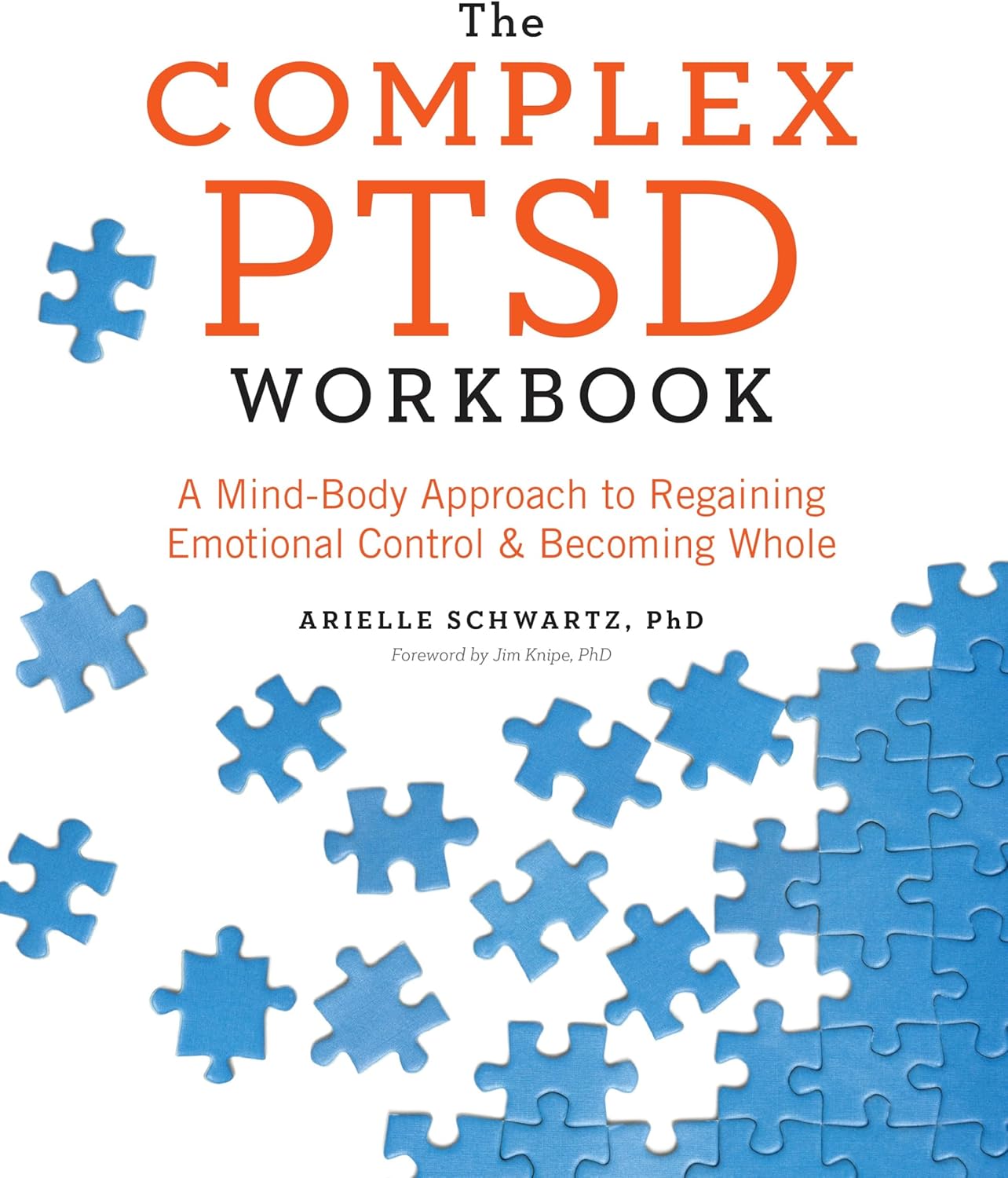
The Complex PTSD Workbook
Arielle Schwartz, PhD
A mind-body approach to regaining emotional control and becoming whole with evidence-based exercises.
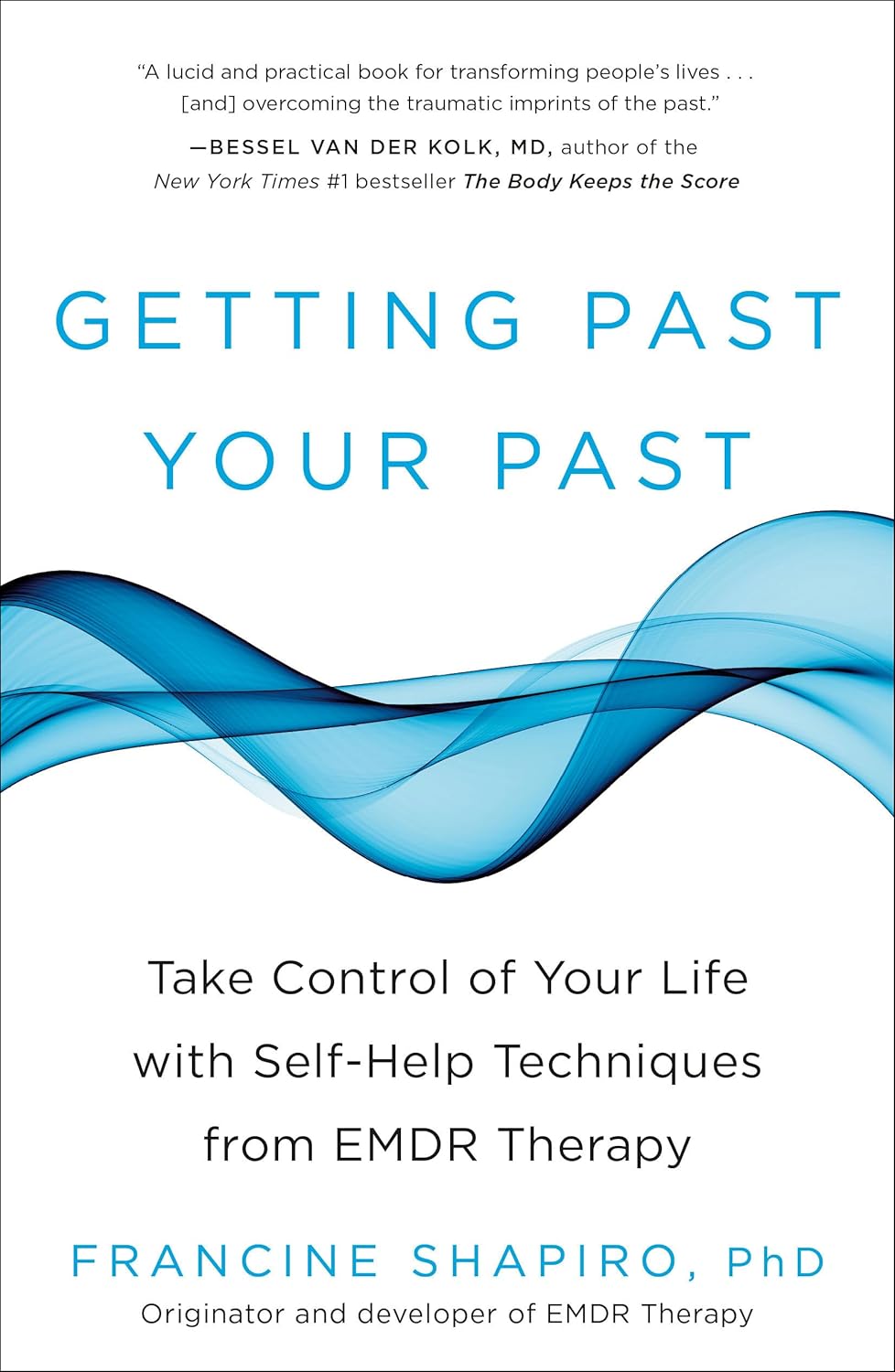
Getting Past Your Past
Francine Shapiro, PhD
Self-help techniques based on EMDR therapy to take control of your life and overcome trauma.
As an Amazon Associate, Clarity House Press earns from qualifying purchases. Your price is never affected.
Found this helpful?
Share it with someone who might need it.
About the Author

Clarity House Press
Editorial Team
The editorial team at Clarity House Press curates and publishes evidence-based content on narcissistic abuse recovery, high-conflict divorce, and healing. Our content is informed by research, survivor experiences, and established trauma-informed approaches.
View all posts by Clarity House Press →Published by Clarity House Press Editorial Team