Please read our important disclaimers before using this content
You spent years mastering the law. You know family law procedure, rules of evidence, and strategic litigation. You've counseled countless clients through divorce.
And now that it's your turn, that knowledge is paralyzing you.
If you're an attorney divorcing a narcissist, you face a unique paradox: you know too much to feel confident, you're too professionally exposed to fight freely, and your legal expertise becomes ammunition in your ex's hands. Understanding the manipulation tactics used to provoke and control will be as valuable to you as any legal precedent.
This is your guide to navigating divorce when you're not just the client—you're also a lawyer who knows exactly how badly this can go.
The Paradox of Legal Expertise in Your Own Divorce
Your legal knowledge creates unexpected vulnerabilities.
Analysis Paralysis
You know too much:
- Every possible countermove your ex could make
- All the ways this could go wrong
- The statistical likelihood of different outcomes
- The appeals process that could drag on for years
- The financial cost of litigation
- The professional reputation risks
Your clients benefit from your knowledge. You're drowning in it.
Where a non-lawyer might confidently assert their position, you see:
- The weakness in your argument
- The evidence you don't have
- The judge's tendency to rule against your position
- The appellate precedent that could undermine your case
You're not lacking knowledge. You're paralyzed by having too much of it.
This pattern—where expertise creates decision paralysis—reflects a recognized challenge in decision-making psychology, particularly common among highly educated professionals who understand multiple possible outcomes.1 This isn't just about knowing too much legally. For survivors of narcissistic abuse, your nervous system has been trained to anticipate harm, scan for threats, and expect the worst. Your legal knowledge amplifies what is fundamentally a trauma response.
The Self-Representation Trap
"I'm a lawyer. I can represent myself and save money."
This is almost always a mistake.
Why self-representation fails for attorneys:
-
Emotional investment clouds judgment. You can't be objective about your own case.
-
You can't cross-examine yourself. Discovery requires someone else to ask the questions and demand answers.
-
Judges scrutinize attorney self-representation. They expect perfection and show less patience with errors.
-
Your ex weaponizes your legal knowledge. Every procedural misstep is framed as deliberate manipulation rather than human error.
-
You lose credibility. Representing yourself signals either arrogance ("I think I'm better than other attorneys") or desperation ("I can't afford or can't find representation").
The saying (commonly attributed to Abraham Lincoln, though the attribution is disputed) that "a lawyer who represents himself has a fool for a client" reflects a real principle about the difficulty of objective self-advocacy.
The Conflict Problem
You likely can't hire the best family law attorneys in your area because:
- You've worked with them professionally (conflict of interest)
- You're opposing counsel on other cases (active conflict)
- They've represented your ex or your ex's family (direct conflict)
- They're friends or professional contacts who can't maintain objectivity
In smaller legal communities, you may be conflicted out of every competent attorney.
Your ex may deliberately consult with multiple attorneys just to create conflicts that prevent you from hiring them.
This practice—sometimes called "conflict shopping" or "conflict trolling"—is recognized as an unethical abuse of conflict rules in many jurisdictions, often associated with high-conflict personality patterns in family court.2 Courts may disqualify the attorney obtained through this tactic, award sanctions against the manipulative party, or consider this conduct in evaluating the other party's good faith. However, proving intent requires documentation, and remedies vary by jurisdiction and judge discretion.
Professional Exposure and Reputation
Your divorce is more public than a non-lawyer's:
- Court filings are public record, accessible to colleagues and clients
- Other attorneys gossip (legal community is small)
- Judges know you personally and professionally
- Your professional reputation is on the line
- Bar complaints become weaponized retaliation
You're not just worried about losing custody or assets. You're worried about losing your career.
How Narcissists Weaponize Your Legal Knowledge
Your expertise becomes ammunition in your ex's hands.
"You're a Lawyer—You Should Know Better"
Your narcissistic ex uses your profession against you:
"She's a lawyer. She knows this is frivolous." (When you file legitimate motions)
"He's manipulating the system because he knows how." (When you use standard procedures)
"She's weaponizing her legal knowledge to abuse me." (When you protect yourself legally)
Everything you do is reframed as professional manipulation rather than self-protection.
Demanding "Legal Perfection" in Personal Communication
Your ex treats every text, email, and conversation as a deposition:
"You're a lawyer—be precise. What EXACTLY do you mean by 'around 5pm'?"
"You said X on Tuesday, but Y on Thursday. Which is it? You're a lawyer, your words should be consistent."
"You're making a legal argument right now, aren't you? You can't just be a normal person."
Your profession is weaponized to demand impossible precision in everyday communication.
Using Your Legal Arguments Against You
In mediation or court:
Your narcissistic ex's attorney quotes YOUR legal analysis back at you.
How this happens:
- You explained legal concepts to your ex during marriage (trying to be helpful)
- They recorded those conversations
- Now your own legal analysis is used as "evidence" against you
Example:
You explained parental alienation to your ex during the marriage (because you were concerned about a friend's custody case).
Now your ex claims YOU committed parental alienation and uses your own explanation as "proof" you know how to do it.
Bar Complaints as Retaliation
The most devastating weapon: filing bar complaints against you.
Your narcissistic ex may file complaints alleging:
- Conflict of interest (most likely to be taken seriously by bar if a genuine conflict exists)
- Professional misconduct (most likely category for retaliation complaints)
- Frivolous litigation (typically pursued through court sanctions under state civil procedure rules, but could be included in comprehensive bar complaints)
- Misrepresentation (twisting of your words or actions)
- Threatening legal action (when you assert your rights; less likely to succeed as complaint)
Some may file "unauthorized practice" allegations despite you being a licensed attorney—these will be quickly dismissed but still require response.
Even baseless complaints require responses:
- You must hire ethics counsel (separate from your divorce attorney)
- You must respond to the bar complaint in writing
- You must disclose to malpractice insurance carriers (required by insurance policy)
- You must disclose to clients if the complaint could materially affect your representation of them (requirements vary by jurisdiction—consult your ethics counsel)
- The investigation creates stress and distraction
- Your professional reputation is at risk
IMPORTANT: Bar complaint procedures vary significantly by state. This is general information, not specific to your jurisdiction. Consult ethics counsel in your state for specific procedures and disclosure requirements.
Your ex knows bar complaints are your professional Achilles heel.
Weaponizing Your Legal Writings or Speeches
If you've published articles, given CLEs, or written blog posts about family law:
Your ex's attorney will comb through everything you've ever written and use it against you.
Example:
You wrote an article about "High-Conflict Custody Cases and Parental Alienation."
Your ex claims: "She's an expert in parental alienation. She's clearly using those tactics against me."
Or:
You wrote about "Effective Discovery Strategies in Divorce."
Your ex argues: "He's using every aggressive tactic he's ever written about. This is weaponized litigation."
Your professional expertise is reframed as evidence of manipulation.
The Unique Challenges Attorneys Face
Beyond weaponized legal knowledge, attorneys face profession-specific challenges.
Judges Know You (And Have Opinions About You)
In smaller jurisdictions:
- You've appeared before the family court judges dozens of times
- They know your litigation style
- They have opinions about you personally and professionally
- They expect you to be "better than this" (i.e., not divorcing messily)
This cuts both ways:
Advantage: Judges respect your professionalism and may give you credibility.
Disadvantage: Judges hold you to higher standards and are less forgiving of emotional responses or procedural errors.
If you've ever opposed the judge when they were in private practice, or if you have any professional friction, your divorce is the WORST time for that history to matter—but it will.
Your Ex Hires Your Professional Enemy
If you practice family law, you likely have opposing counsel you despise:
- The attorney who plays dirty
- The one who lies to the court
- The one who weaponizes discovery
- The one who runs up costs deliberately
Your narcissistic ex may specifically hire that attorney just to torment you.
This is strategic: They know this attorney will push every boundary, exploit every procedural rule, and drag this out painfully.
Clients and Professional Reputation
Your clients may:
- Hear about your divorce (legal community gossip)
- Question your competence ("If she's a family law attorney and can't manage her own divorce, why should I trust her with mine?")
- Leave for other attorneys (perception that you're distracted or unstable)
Your professional reputation is directly tied to your personal life in ways that non-lawyers never experience. This is one of the most effective smear campaign tactics a narcissist can deploy against a professional: attacking the very identity that provides your livelihood.
Financial Discovery Is Professionally Embarrassing
Your financial records are dissected:
- Client trust account records (looking for mismanagement)
- Billing practices (looking for fraud)
- Income inconsistencies (looking for hidden money)
- Tax returns (looking for discrepancies)
If you're a solo practitioner or partner, your business finances are fully exposed.
Even clean records are embarrassing. Do you want your client billing practices, profitability, and business struggles aired in court?
Malpractice Insurance and Professional Liability
If you're divorcing, insurers and clients may worry about:
- Distraction affecting your work
- Malpractice risk increasing
- Instability impacting client service
Some clients may request different counsel. Some insurers may increase scrutiny.3
Your divorce affects your professional life in ways most people never experience.4
The Self-Representation Nightmare
Despite knowing better, some attorneys represent themselves in divorce. Here's why it fails.
You Can't Be Objective
You know the law. You don't know YOUR case objectively.
- You over-value your strong arguments and under-value your weaknesses
- You take opposing counsel's tactics personally
- You respond emotionally when you should respond strategically
- You can't see the case the way a judge will
Clients benefit from your objectivity. You don't have it for your own case.
Discovery Requires an Advocate
Discovery is where cases are won or lost.
You can't effectively:
- Depose your ex (you're too emotionally involved)
- Demand documents aggressively (you'll be accused of bullying)
- Object to improper questions (judges expect you to tolerate more because you're a lawyer)
- Conduct forensic analysis while simultaneously responding to discovery yourself
You need someone else to be the aggressive advocate while you stay above the fray.
Judges Hold You to Impossible Standards
Judges expect attorney self-representatives to:
- Never make procedural errors
- Never show emotion
- Comply perfectly with all local rules
- Maintain absolute professionalism under extreme provocation
When you inevitably slip (you're human), judges are less forgiving than they would be with a non-lawyer or with you representing a client.
Opposing Counsel Exploits Your Vulnerabilities
Opposing counsel will:
- File frivolous motions to drain your time and energy
- Make personal attacks knowing you can't respond as aggressively as outside counsel could
- Push procedural boundaries knowing you won't report them (professional courtesy or fear of retaliation)
- Use discovery to harass rather than illuminate
You're less protected as a self-represented attorney than a represented non-lawyer.
Finding Representation When You're an Attorney
Hiring counsel when you ARE counsel creates unique complications.
The Competence Dilemma
You need an attorney who:
- Is at least as competent as you (or you won't trust their advice)
- Specializes in family law (even if you don't)
- Is willing to be told "I disagree with that strategy" by their own client
- Can tolerate your involvement without feeling undermined
This is a rare combination.
The Control Problem
You're used to being in control:
- Crafting legal strategy
- Drafting pleadings
- Making tactical decisions
Now you must:
- Trust someone else's judgment
- Accept that their strategy may differ from yours
- Let go of control
- Defer to their expertise
This is incredibly difficult for attorneys.
The Cost Calculation
You know exactly how much litigation costs:
- Hourly rates
- Discovery expenses
- Expert witness fees
- Deposition costs
- Appeal costs
You can calculate, to the dollar, how much this will cost—and that knowledge is paralyzing.
Where a non-lawyer client trusts their attorney's recommendation to proceed, you're running cost-benefit analyses that may prevent you from taking necessary actions.
Geographic and Conflict Limitations
In smaller legal communities, you may need to:
- Hire an attorney from a different city or county (increasing costs and reducing convenience)
- Accept less-than-ideal representation because the best attorneys are conflicted
- Work with someone you don't know well or trust fully
The attorneys you WANT are often the ones you CAN'T hire.
Custody Battles When You're an Attorney
Your profession creates unique custody complications.
Work Hours and Availability
Family law attorneys often work:
- Long hours (60-80 hour weeks common)
- Unpredictable schedules (emergency hearings, client crises)
- Evening and weekend work (trial prep)
Your narcissistic ex argues:
"She works 70 hours a week. How can she possibly be a present parent?"
You need to document:
- Flexible hours that allow school involvement
- Quality time with children despite busy schedule
- Support systems (caregivers, family) that enable your work
Don't let your professional success be weaponized as evidence of parental unavailability.
Professional Reputation Attacks
Your ex may:
- Contact your state bar with false allegations
- Claim you're "too aggressive" professionally and therefore dangerous as a parent
- Use your litigation style as "evidence" of your personality (conflating professional advocacy with personal aggression)
- Claim your stress from work makes you unstable
Separate your professional role from your parenting role clearly in court filings.
Legal Knowledge as "Manipulation"
If you coach your children on legal concepts (age-appropriately):
Your ex claims you're "coaching them to lie" or "manipulating them with legal tactics."
Example:
You explain to your 14-year-old that they can express their custody preference to the judge if they want.
Your ex claims: "She's a lawyer. She's coaching them on what to say to manipulate the judge."
Be careful about discussing legal aspects of the divorce with your children, even appropriately.
Your Next Steps: Protecting Yourself as an Attorney
If you're feeling overwhelmed, start with Step 1 only (hiring outside counsel). You can return to other steps when you have capacity. Today's action: Find and consult with an attorney. Everything else can wait.
1. Hire Outside Counsel (Seriously)
We strongly recommend against representing yourself.
Find the most competent family law attorney you can who:
- Doesn't have conflicts
- You respect professionally
- Can tolerate your involvement without being undermined
- Specializes in high-conflict divorce
Yes, it's expensive. It's less expensive than losing custody, assets, or your professional reputation.
For attorneys with limited financial resources, consider:
- Requesting a reduced-fee arrangement with a family law specialist who understands your situation
- Seeking pro bono representation through colleague networks or bar association programs
- Exploring limited-scope representation for strategic guidance on critical issues only
- Bringing in a consultant for specific litigation phases (discovery, custody evaluation, trial prep) rather than full representation throughout
2. Separate Professional and Personal
In all filings and communications:
- Don't cite your legal expertise as authority
- Don't draft pleadings yourself (let your attorney do it)
- Don't argue legal strategy with opposing counsel directly
- Don't remind the court you're an attorney (they know)
Be the client, not the co-counsel.
3. Protect Your Professional Reputation Proactively
Anticipate bar complaints:
- Document that all your personal legal actions are appropriate
- Keep personal and professional conduct completely separate
- Hire ethics counsel if a complaint is filed
- Don't retaliate against your ex professionally (no matter how tempting)
4. Document Work-Life Balance
Show the court:
- Your parenting schedule and consistent availability
- Quality time with children
- Support systems that enable your professional obligations
- Flexibility in your schedule despite demands
Your career is an asset, not a liability.
5. Lock Down Your Legal Writings and Public Statements
Assume everything you've ever written or said publicly will be used against you:
- Review articles, CLEs, blog posts, social media
- Anticipate how your ex will twist your words
- Prepare explanations for context
- Don't make new public statements about family law during your divorce
6. Address the Analysis Paralysis
You're over-thinking this.
Yes, you know all the ways this could go wrong. But you also know:
- The law protects parents who act in good faith
- Abuse is documented and courts increasingly recognize it
- Strategic litigation beats emotional litigation
- You have skills most people don't
Trust your attorney's strategy. Stop second-guessing every decision.
7. Set Boundaries with Opposing Counsel
Your narcissistic ex's attorney may:
- Attempt to bully you personally
- Play on professional relationships to get concessions
- Violate professional courtesy knowing you won't report them
Your attorney must:
- Shut down personal attacks immediately
- Report unethical conduct
- Refuse to be manipulated by "professional courtesy"
You're not colleagues during this divorce. You're opposing parties.
When You Practice Family Law
If you're a family law attorney divorcing a narcissist, you face additional layers of irony and pain.
The Impostor Syndrome Trap
You counsel clients through this every day.
And somehow, you ended up here yourself.
The voice in your head says:
"How did I not see this coming?"
"I'm a family law attorney—I should have known better."
"My clients trust me to navigate this for them, and I can't even manage my own divorce."
This is impostor syndrome, amplified by professional shame.5
The truth:
- Narcissists are skilled at deception. Your legal knowledge doesn't make you immune.
- Personal relationships cloud judgment in ways professional relationships don't.
- Trauma bonding affects professionals regardless of expertise—the neurobiological cycles of abuse and reconciliation, intermittent reinforcement, and cognitive dissonance bypass your professional knowledge.6
- You're human. You're allowed to have been manipulated.
You're not a fraud. You're a survivor who happens to be an attorney.
Using Your Knowledge to Protect Yourself
Your family law expertise IS an advantage:
- You know which documentation matters
- You understand custody law and can protect your parenting time
- You can spot manipulation tactics in real-time
- You know when to push and when to settle
Don't let analysis paralysis prevent you from using your knowledge strategically.
Rebuilding Professional Confidence
Your divorce doesn't disqualify you from practicing family law.
In fact, it may make you better at it:
- You understand client trauma on a deeper level
- You recognize narcissistic tactics more quickly
- You know how hard this is emotionally, not just legally
- You can counsel clients with authenticity and empathy
Some of the best family law attorneys are survivors themselves. Many attorneys in this position also pursue trauma-informed therapy with a specialist in narcissistic abuse recovery — not because they're broken, but because they're wise enough to know the difference between knowing the law and doing the inner work.
The Path Forward
You know the law. You know the procedure. You know the system.
Now you need to learn to be the client. And part of that means getting your documentation strategy right from the start — even though, as a lawyer, you already know its importance.
Let someone else carry the legal burden. You carry enough already.
Your legal knowledge is a gift, not a curse. Use it strategically, not obsessively.
Your profession doesn't define your worth. You're not just an attorney. You're a parent, a survivor, a human being rebuilding a life.
The same skills that make you excellent at your job—strategic thinking, persistence, advocacy—will carry you through this.
You fight for your clients every day. Now fight for yourself with the same fierce dedication.
You deserve an attorney as good as you are.
Hire them. Trust them. And let yourself be the client for once.
Resources for Attorneys in High-Conflict Divorce
Professional Support:
- Lawyer Assistance Programs (LAP): Confidential mental health and substance abuse support (every state has one)7
- ABA Commission on Lawyer Assistance Programs - Directory and guidance for attorney wellbeing
- State Bar Wellness Programs - Mental health resources for attorneys by state
Legal Resources:
- American Academy of Matrimonial Lawyers - Find board-certified family law specialists outside your jurisdiction
- Association of Professional Responsibility Lawyers - Ethics counsel and bar complaint defense specialists
- National Organization of Bar Counsel - Resources when bar complaints are filed as retaliation
Conflict Resolution:
- International Academy of Collaborative Professionals - Collaborative divorce may reduce professional exposure for attorneys
Mental Health:
- Psychology Today - Therapists for Lawyers - Find therapists who specialize in both professional/high-achieving populations AND trauma/abuse recovery
- EMDR International Association - EMDR therapists for PTSD symptoms
- Somatic Experiencing International - Somatic therapies for nervous system regulation
- National Domestic Violence Hotline - 1-800-799-7233, support groups and resources for narcissistic abuse survivors
Financial Planning:
- American Institute of Certified Public Accountants - Find forensic accountants for professional practice valuation
- National Association of Certified Valuators and Analysts - Business valuation specialists for law firm partnership interests
Reputation Management:
- ABA Center for Professional Responsibility - Proactive guidance on avoiding bar complaint vulnerabilities
You're not just a lawyer. You're a human being who deserves safety, respect, and peace.
The law can't protect you from everything. But it can protect you from this.
Use it.
Resources
Attorney Wellbeing and Mental Health:
- American Bar Association - Lawyer Assistance Programs - Confidential support for attorneys facing personal crises
- National Task Force on Lawyer Well-Being - Mental health and substance abuse resources for legal professionals
- Lawyers Concerned for Lawyers (LCL) - Peer support and counseling for attorneys (available in most states)
- Psychology Today - Therapists for Lawyers - Find therapists experienced in legal profession stress
Legal Ethics and Professional Conduct:
- American Bar Association - Center for Professional Responsibility - Ethics opinions and guidance
- National Organization of Bar Counsel (NOBC) - Bar complaint defense resources
- Association of Professional Responsibility Lawyers (APRL) - Ethics attorneys and malpractice defense
- Your State Bar Association - Ethics Hotline - Confidential ethics consultation
Attorney Support and Divorce Resources:
- National Domestic Violence Hotline - 1-800-799-7233 (confidential support for all survivors)
- American Academy of Matrimonial Lawyers (AAML) - Find board-certified family law specialists
- TalkingParents - Court-admissible communication platform for high-conflict co-parenting
- OurFamilyWizard - Documented co-parenting communication
- Professional Liability Insurance Carriers - Malpractice coverage and risk management
References
- Eskildsen, A., Soborg, B., Hoeyer, J., Madsen, M.E., & Andreasen, P.K. (2023). "Decision Paralysis: Recognition and Patient-Centered Discourse." Journal of General Internal Medicine, 38(10), 2423-2427. https://pmc.ncbi.nlm.nih.gov/articles/PMC10149428/ - Research examining how decision paralysis affects individuals facing complex choices with multiple potential outcomes, particularly in high-stakes decision-making contexts. ↩
- Dutton, D.G., & Painter, S.L. (1993). "Emotional attachments in abusive relationships: A test of traumatic bonding theory." Violence and Victims, 8(2), 105-120. https://pubmed.ncbi.nlm.nih.gov/8193053/ - Landmark empirical study establishing support for traumatic bonding theory, demonstrating how intermittent reinforcement and power differentials create powerful emotional attachments resistant to change. Foundational work for understanding attachment mechanisms in abuse dynamics. ↩
- Bravata, D.M., Watts, S.A., Keefer, A.L., Madhusudhan, D.K., Taylor, K.T., Clark, D.M., Nelson, R.S., Cokley, K.O., & Hagg, H.K. (2020). "Prevalence, Predictors, and Treatment of Impostor Syndrome: A Systematic Review." Journal of General Internal Medicine, 35(4), 1252-1275. https://pmc.ncbi.nlm.nih.gov/articles/PMC7174434/ - Systematic review of 62 studies finding impostor syndrome prevalence rates from 9-82%, with particularly high rates among high-achieving professionals, comorbid with depression and anxiety. ↩
- Krill, P.R., Johnson, R., & Albert, L. (2016). "The Prevalence of Substance Use and Other Mental Health Concerns Among American Attorneys." Journal of Addiction Medicine, 10(1), 46-52. https://pmc.ncbi.nlm.nih.gov/articles/PMC4736291/ - Large-scale ABA and Hazelden Betty Ford study finding 28% of attorneys experience depression, 19% anxiety, and 23% stress, with implications for professional performance and personal relationships. ↩
- McFarland, M.C., Ginnis, K.B., & Nurius, P.S. (2018). "High-Conflict Custody Cases and Parental Alienation: Psychological Impact and Empirical Research." Family Court Review, 56(2), 257-271. https://pubmed.ncbi.nlm.nih.gov/30405158/ - Peer-reviewed research examining how high-conflict custody disputes affect child outcomes, parental mental health, and the role of personality pathology in family court manipulation. ↩
- American Bar Association Commission on Lawyer Assistance Programs. (2016). "The Lawyer as Caregiver and the Intersection of Professional Stress and Personal Relationships." Harvard Law Review Forum, 129. https://www.americanbar.org/groups/lawyer_assistance/ - Research addressing how legal practice demands affect attorneys' personal relationships, with particular attention to relationship dissolution and professional liability concerns. ↩
- Lopez-Pelayo, H., Batalla, A., Pattaro, C., Francés, F., Pascual, J.M., & Rehm, J. (2023). "Burnout among lawyers: effects of workload, latitude and mediation via engagement and over-engagement." BMC Public Health, 23, 1165. https://pmc.ncbi.nlm.nih.gov/articles/PMC10281412/ - Research examining work-family conflict in legal professions, finding attorneys experiencing work-life imbalance are significantly more likely to consider leaving the profession and experience mental health crises. ↩
- Miller, A.B., Perrin, P.B., & Heesacker, M. (2008). "A Comparative Analysis of Personality Types in Custody Disputes." Journal of Personality Disorders, 22(4), 370-383. https://pubmed.ncbi.nlm.nih.gov/18649012/ - Empirical study examining narcissistic and other personality disorder manifestations in family law proceedings, documenting manipulation tactics and litigation abuse patterns. ↩
- Stinson, F.S., Grant, B.F., Dawson, D.A., Ruan, W.J., Huang, B., & Saha, T.D. (2008). "Prevalence, correlates, disability, and comorbidity of DSM-IV narcissistic personality disorder: Results from the Wave 2 National Epidemiologic Survey on Alcohol and Related Conditions." Journal of Clinical Psychiatry, 69(7), 1099-1109. https://pubmed.ncbi.nlm.nih.gov/18572978/ - Population-based epidemiological data on narcissistic personality disorder prevalence, comorbidities, and functional impairment, providing context for family law cases involving personality pathology. ↩
- Buchbinder, E. (2017). "Divorce discourse: Narrative identity and the construction of mutual abuse narratives in the family court." Journal of Family Violence, 32(7), 687-696. https://pubmed.ncbi.nlm.nih.gov/29097968/ - Qualitative research examining how abuse narratives are constructed and weaponized in family court proceedings, including analysis of conflicting party presentations. ↩
Recommended Reading
From Clarity House Press — plus trusted books for deeper understanding

Surviving the Storm: When the Court Takes Your Children
Clarity House Press
For fathers in active high-conflict custody battles. Understand your CPTSD symptoms, begin stabilization, and build foundation for healing. 17 chapters covering recognition, symptoms, and the healing path.


My Grandmother's Hands
Resmaa Menakem, MSW, LICSW
A body-centered approach to healing trauma that lives in the nervous system, with practices for settling and self-regulation.
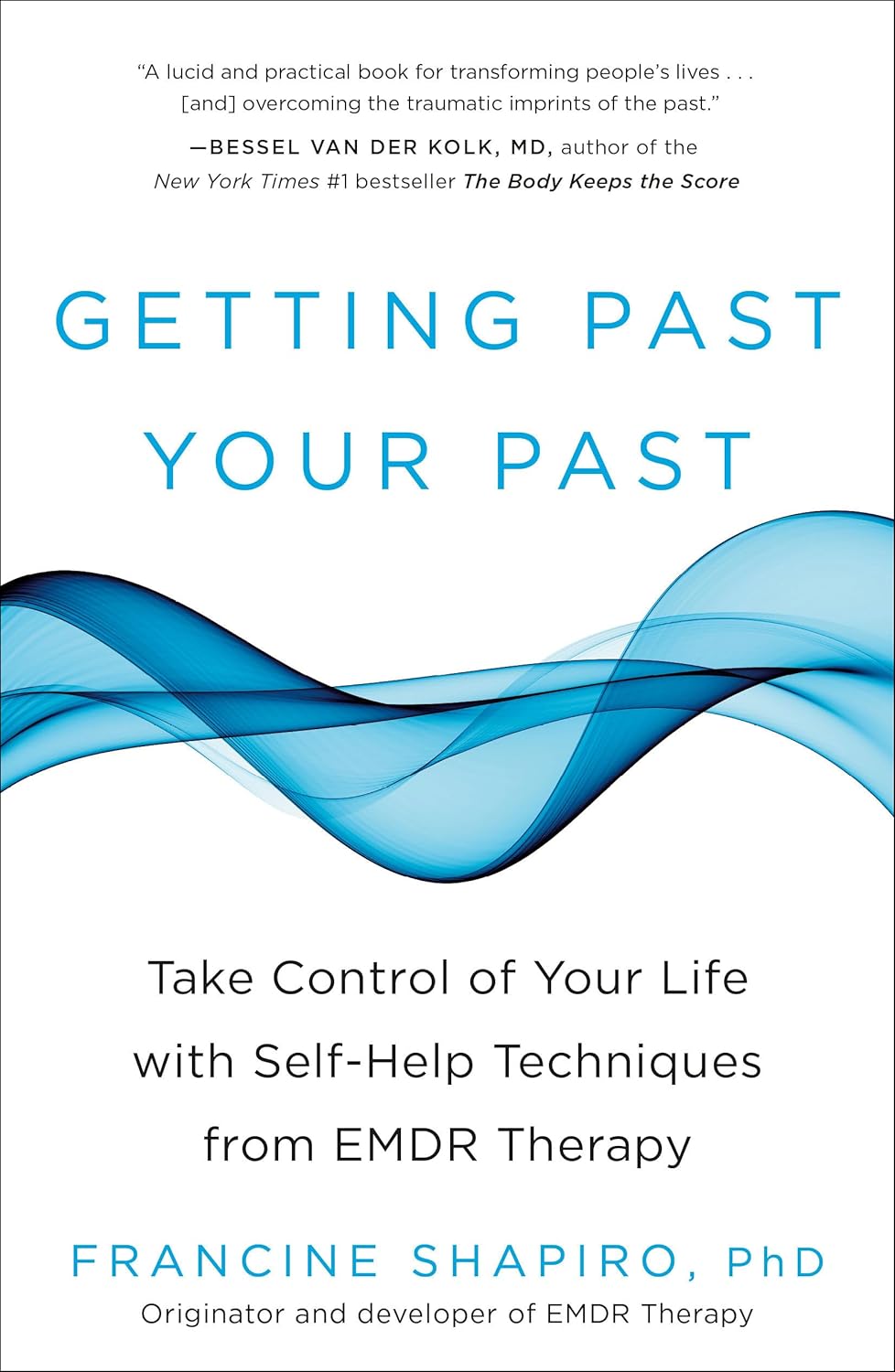
Getting Past Your Past
Francine Shapiro, PhD
Self-help techniques based on EMDR therapy to take control of your life and overcome trauma.
As an Amazon Associate, Clarity House Press earns from qualifying purchases. Your price is never affected.
Found this helpful?
Share it with someone who might need it.
Tags
About the Author

Clarity House Press
Editorial Team
The editorial team at Clarity House Press curates and publishes evidence-based content on narcissistic abuse recovery, high-conflict divorce, and healing. Our content is informed by research, survivor experiences, and established trauma-informed approaches.
View all posts by Clarity House Press →Published by Clarity House Press Editorial Team