Please read our important disclaimers before using this content
Your ex-wife tells your 10-year-old son that "real men don't abandon their families." She tells him you're just like your father—emotionally unavailable, selfish, incapable of real love. She tells him that masculinity is toxic, that men are the problem, that he needs to be "different than other boys."
Then she tells him you're trying to turn him into "one of those men."
Your son is caught between contradictory messages designed to do one thing: sever his bond with you while teaching him to distrust himself.
This is how toxic masculinity narratives get weaponized in high-conflict divorce—not to protect sons from unhealthy male role models, but to alienate them from fathers who could teach them what healthy masculinity actually looks like.
The Weaponization of "Toxic Masculinity"
How Alienating Mothers Use the Language
In recent years, cultural conversations about toxic masculinity have given alienating mothers powerful new ammunition. Research confirms that parental beliefs about masculinity exist across a spectrum from "rigid" to "flexible," with implications for how boys develop emotionally[^6]:
The narrative framework:
"I'm protecting my son from toxic male influence. His father represents everything wrong with men. I'm raising him to be different—sensitive, emotionally aware, feminist. His father would ruin that."
How it plays out:
Age 5-8: "Daddy doesn't know how to share his feelings. He's not safe to talk to about emotions."
Age 9-12: "Your father thinks boys shouldn't cry. He'll make fun of you for being sensitive. He doesn't understand you like I do."
Age 13-16: "Your father is threatened by strong women. He's controlling and patriarchal. You need to learn not to be like him."
Age 17+: "Your father is a narcissist/abuser/misogynist. Cutting him off is part of your healing and growth as an emotionally healthy man."
The Contradiction at the Heart of It
Here's the double bind alienating mothers create:
Message 1: "Your father is a typical toxic male—emotionally unavailable, controlling, selfish, aggressive."
Message 2: "Your father is pathetically weak—he abandoned us, he can't handle real emotions, he's not a real man."
The trap: Your son can't win. If he connects with you, he's aligning with toxic masculinity. If he doesn't connect with you, he's internalizing that he too will be an inadequate man.
The real goal: Not protecting your son from toxic masculinity. Destroying his relationship with you while creating confusion about his own male identity.
The Research Reality
What research actually shows about fathers and sons:
Engaged fathers produce emotionally healthy sons:
- Boys with involved fathers have better emotional regulation1
- Father-son closeness predicts lower aggression and higher empathy in boys
- Fathers who model emotional vulnerability raise sons with better mental health outcomes
- Father involvement predicts sons' academic achievement, social competence, and healthy relationship patterns
Healthy masculinity is learned from fathers:
Boys learn from fathers:
- How to be strong without being aggressive
- How to be confident without being arrogant
- How to be protective without being controlling
- How to express emotions without being overwhelming
- How to respect women while being secure in their own identity
Absent fathers create the problems alienating mothers claim to prevent:
Boys without father involvement show[^2]:
- Higher rates of aggression and behavioral problems
- Difficulty with emotional regulation
- Confusion about male identity
- Vulnerability to toxic male peer groups
- Trouble forming healthy relationships with women
The Real Toxic Pattern
Actual toxic masculinity looks like:
- Aggression, domination, control
- Emotional suppression and avoidance
- Misogyny and disrespect for women
- Shame about vulnerability
- Performance of hypermasculinity to prove worth
What alienating mothers do to sons:
- Emotional manipulation and control
- Using sons as emotional support (parentification)
- Teaching sons that masculinity is inherently shameful
- Creating confusion about identity and worth
- Modeling that women's emotions justify any behavior
Irony: The pattern that damages boys isn't healthy father involvement. It's the covert-narcissistic/borderline pattern of alienating mothers using progressive language to justify emotional abuse.
Teaching Healthy Masculinity During Divorce
What Your Son Actually Needs
Your son needs you to model:
Emotional authenticity without emotional dumping:
YES: "I feel sad sometimes about the divorce. It's okay to feel sad. I talk to my therapist about it."
NO: "Your mother destroyed me. I cry every night because of what she did."
Strength without rigidity:
YES: "I make mistakes sometimes. When I do, I apologize and try to do better."
NO: "I never make mistakes. Your mother is the problem, not me."
Boundaries without aggression:
YES: "I don't allow people to treat me disrespectfully, and I don't treat others disrespectfully either."
NO: "Your mother is a [expletive]. Women are crazy."
Protection without control:
YES: "My job is to keep you safe and help you grow into whoever you want to be."
NO: "You'll do what I say because I'm your father."
Age-Appropriate Modeling
Young boys (ages 5-8):
What they need from fathers:
Physical play that's safe and boundaried:
- Roughhousing with clear rules
- Sports that emphasize skill development, not just winning
- Building projects together
- Outdoor adventures
Emotional vocabulary development:
- Naming emotions ("I see you're frustrated")
- Modeling that men have feelings ("I'm disappointed we can't go to the park today")
- Comfort without shame ("It's okay to cry when you're hurt")
What you're teaching:
Boys learn: "I can be physical and strong AND have emotions. My dad is both."
What to avoid:
These common mistakes undermine healthy masculine development:
DON'T: "Big boys don't cry."
DON'T: Roughhousing that becomes aggressive or scary.
DON'T: Mocking emotions or calling sensitivity "weak."
Middle childhood (ages 9-12):
What they need from fathers:
Competence building:
- Teaching skills (fixing things, building, coding, cooking)
- Problem-solving together
- Encouraging interests (even if they're not traditionally "masculine")
- Sports, arts, academics—whatever HE enjoys
Identity exploration support:
- Asking about his thoughts and opinions
- Respecting his emerging autonomy
- Discussing challenges with peers
- Navigating social dynamics
What you're teaching:
Boys learn: "My worth isn't about conforming to masculine stereotypes. My dad values who I actually am."
What to avoid:
DON'T: Force him into activities you think he "should" like.
DON'T: Tease him about not being "manly enough."
DON'T: Compare him to other boys.
DON'T: Dismiss his interests if they're not stereotypically masculine.
Teenage years (ages 13-18):
What they need from fathers:
Respect for emerging identity:
- Treating him as near-adult, not child
- Asking his perspective
- Giving age-appropriate autonomy
- Maintaining boundaries while loosening control
Modeling healthy relationships:
- How you treat women (including his mother, despite divorce)
- How you handle conflict
- How you manage emotions
- How you take responsibility
Guidance on relationships and sexuality:
- Consent and respect
- Emotional intimacy vs. physical attraction
- What healthy relationships look like
- How to handle rejection and heartbreak
What you're teaching:
Boys learn: "This is what a good man looks like. I can be strong, emotional, respectful, boundaried, vulnerable, and whole."
What to avoid:
DON'T: "Locker room talk" that objectifies women.
DON'T: Modeling that divorce means you hate all women.
DON'T: Pressuring him to date or mocking him if he's not interested.
DON'T: Dismissing his emotional struggles as "typical teenage drama."
Specific Conversations to Have
When he asks about the divorce:
Age 5-8: "Mommy and I couldn't stay married, but we both love you. Divorce is about grown-up relationship stuff, not about you."
Age 9-12: "Sometimes people grow apart. Your mom and I have different ideas about how to be married. That's why we divorced. It doesn't mean either of us is bad."
Age 13-18: "Divorce is complicated. Both your mom and I contributed to problems in our marriage. I'm working on being better. I hope she is too. You don't have to pick sides."
When he repeats mother's criticisms:
Age 5-8: "I'm sorry you heard that. It must be confusing. I love you very much. What do YOU think?"
Age 9-12: "That's your mom's perspective. I see things differently. You're allowed to have your own thoughts about it."
Age 13-18: "I understand your mom told you that. Here's my perspective: [factual, not defensive]. You're old enough to think critically about what you hear from both of us."
When he asks if he'll be like you:
All ages: "You'll be yourself. You get to decide what kind of man you want to be. I'm here to support you in becoming whoever that is."
The Sports and Activities Question
Many fathers bond with sons through sports. In alienation scenarios, this often becomes contested.
Mother's narrative: "Your father only cares about you when you're winning. He's living vicariously through you. He's creating toxic competitive pressure."
Healthy father-son sports involvement looks like:
YES: Emphasizing effort, improvement, teamwork, fun
YES: Attending games/practices consistently
YES: Supporting his choice to quit if he genuinely wants to
YES: Teaching how to lose gracefully and win humbly
NO: "Screaming at referees or coaches"
NO: "Pressuring him to play when he wants to quit"
NO: "Making your relationship contingent on athletic success"
NO: "Living through his achievements"
If mother interferes with sports:
- Schedule conflicts she creates
- Refusing to transport him to games
- Telling him he doesn't have to go to practices on your time
- Mocking his participation
This is alienation tactic, not child protection.
Alternative bonding if he's not athletic:
Father-son connection doesn't require sports:
- Gaming together
- Building/creating (Lego, woodworking, coding)
- Cooking
- Music
- Art
- Hiking, camping, outdoor activities
- Intellectual pursuits (chess, debate, reading)
Bond through HIS interests, not yours.
When Your Son Is Pressured to Reject You
The Alienation Tactics Specific to Boys
"Be the man of the house" parentification:
Mother tells your son:
- "You're the man of the house now"
- "I need you to protect me from your father"
- "You're so much more mature than your father"
- "I depend on you"
What this does[^3]:
- Makes him responsible for mother's emotional wellbeing
- Creates loyalty bind (connecting with you = abandoning mother)
- Forces him into adult role he's not ready for
- Teaches him his worth comes from caretaking women
"You're just like him" shaming:
When he shows normal boy behavior:
- "You're messy just like your father"
- "You're selfish like your father"
- "You have anger issues like your father"
- "I see your father's worst traits in you"
What this does:
- Creates shame about his own identity
- Makes him fear becoming you
- Teaches him to suppress parts of himself
- Forces him to choose between authenticity and mother's approval
"Real men don't..." messaging:
Mother defines masculinity in ways you inevitably fail:
- "Real men don't abandon their families" (but you didn't—she left)
- "Real men provide financially" (but she got the house, support, assets)
- "Real men protect women" (but you're "abusing" her through litigation)
What this does:
- Puts you in no-win position
- Teaches him masculinity standards designed for you to fail
- Makes him question if he can ever be "good enough"
How to Counter Alienation Messaging
Don't match her energy:
WRONG: "Your mother is teaching you to be a weak, enmeshed mama's boy."
RIGHT: "It sounds like there's a lot of pressure on you at your mom's house. You shouldn't have to take care of her—she's the adult. You get to just be a kid here."
Affirm his identity separate from both parents:
WRONG: "You're not like me at all."
WRONG: "You're exactly like me."
RIGHT: "You're you. You have some traits from me, some from your mom, and many that are uniquely yours. I love watching you become who you are."
Model healthy masculinity by admitting imperfection:
WRONG: "I never did anything wrong in the marriage."
RIGHT: "I made mistakes in my marriage. I'm working on being better. Part of being a good man is taking responsibility and growing."
Maintain boundaries without attacking her:
WRONG: "Your mother is crazy/a liar/toxic."
RIGHT: "Your mother and I have very different perspectives. I can only control my own behavior. I'm working on being the best father I can be."
Warning Signs Your Son Is in Crisis
This section covers serious mental health concerns. If you recognize these signs, seek professional help immediately.
Seek immediate help if:
Suicide risk[^7]:
- Talking about death or wanting to die
- Giving away possessions
- Sudden calm after period of depression
- Researching methods
- Saying "everyone would be better off without me"
Serious behavioral changes:
- Sudden aggression or violence
- Substance use
- Risky sexual behavior
- Withdrawing from all relationships
- Academic collapse
Mental health deterioration:
- Can't get out of bed
- Not eating or eating excessively
- Panic attacks
- Self-harm
- Dissociation
These require professional intervention immediately.
Court Options When Alienation Targets Your Son
Request evaluation for:
- Mother's parentification of son
- Emotional incest (using son as partner replacement)
- Coaching and manipulation
- Developmental harm
Evidence to gather:
- Text messages showing parentification
- Son's statements about being "man of the house"
- Mother's statements undermining your role
- Changes in son's behavior correlated with mother's messaging
- School/medical records showing stress impact
Therapeutic interventions to request:
- Individual therapy for son (with trauma-informed therapist)
- Reunification therapy
- Requirement that mother stop parentification
- Family therapy (you and son, without mother)
Breaking Generational Patterns
If Your Father Was Absent
Many fathers fighting alienation are themselves sons of absent fathers. This adds painful layers:
The fear: "My father left. Now my son is being taught I left too. Am I repeating the pattern?"
The truth:
You're NOT repeating the pattern if:
- You're fighting to stay in his life
- You're showing up consistently
- You're doing the emotional work your father didn't do
- You're learning what healthy fatherhood looks like
The opportunity:
You can be the father you needed:
- Present even when it's hard
- Emotionally available even when you don't know how
- Breaking the cycle even when it costs you everything
What to tell your son (age-appropriate):
Young: "My dad wasn't around much. That was hard. I want to be different with you."
Teen: "My father left when I was young. I'm fighting so hard to stay in your life because I know what it feels like to lose a dad. I won't do that to you."
If Your Father Was Emotionally Unavailable
The fear: "What if my son sees me the way I saw my dad—there but not really present?"
The work:
Get therapy to process:
- Your own father wounds
- Patterns you may have internalized
- Fear of emotional intimacy
- Models of masculinity you absorbed
Then actively model what you didn't get:
- Name your emotions
- Ask about his emotions
- Physical affection appropriate to his age
- Interest in his inner world, not just achievements
- Vulnerability when appropriate
What to tell your son:
"My dad loved me but didn't know how to show it. I'm learning how to do better. If I mess up, please tell me. I want to be the dad you need."
If Your Father Was Abusive
The fear: "What if I have abusive patterns I don't see? What if my ex is right?"
The work:
Be rigorously honest:
- Get therapy to examine your own behavior
- Take accountability for actual mistakes
- Distinguish between false allegations and real patterns you need to address
- Learn healthy emotional regulation
- Break cycles of aggression, control, emotional unavailability
What to tell your son (carefully, age-appropriate):
NOT before age 16+, and only if relevant:
"My father hurt me in ways I'm still healing from. I'm working hard to be different. If I ever do something that scares or hurts you, I want you to tell me. You're safe with me, and I'm committed to being the father I needed."
The reality:
If you're doing the work, fighting to stay involved, in therapy, taking accountability—you're already breaking the cycle.
Your son will see that.
Maintaining Father-Son Traditions
Why Rituals Matter
Boys remember:
- Saturday morning pancakes
- Fishing trips
- Building projects
- Inside jokes
- Traditions that are "just dad and me"
In alienation, these traditions become targets:
Your ex schedules activities during your time. She tells him the traditions are "babyish" or "boring." She creates competing rituals at her house.
Your job: Maintain them anyway.
Traditions by Age
Young boys (5-8):
- Weekly breakfast ritual (pancakes, donuts, special restaurant)
- Bedtime routine (specific books, songs, prayers, conversations)
- Saturday morning activities (park, library, farmers market)
- Holiday traditions (decorating, baking, specific movies)
- Goodbye rituals (handshake, phrase, hug)
Tweens (9-12):
- Sports or activity together (watching games, playing catch, hiking)
- Building projects (Lego, woodworking, coding projects)
- Movie nights with specific snacks
- Camping trips or outdoor adventures
- Teaching him skills (cooking, fixing things, driving go-karts)
Teens (13-18):
- One-on-one meals (weekly breakfast or lunch out)
- Working on cars together
- Gaming sessions
- Watching sports together
- Road trips for college visits, concerts, etc.
- Teaching adult skills (changing oil, basic home repair, financial literacy)
When He Resists Traditions
If alienation is active:
He may:
- Refuse to participate
- Mock traditions as "babyish"
- Act bored or disengaged
- Say "Mom doesn't make me do this stuff"
Your response:
DON'T: Force it aggressively
DON'T: Guilt trip him
DON'T: Give up entirely
DO: Offer gently
"I know you might not want to do our Saturday pancakes today. The offer stands if you change your mind. We could also do something else you'd prefer."
Keep offering. Don't force. Don't abandon.
Creating New Traditions
If old traditions are too contaminated by alienation, create new ones:
Ask him what he'd like:
"We used to do [old tradition], but that doesn't seem to be working anymore. What's something you'd like to do together?"
Start small:
You don't need elaborate traditions. Even:
- Specific music in the car
- A phrase you say to each other
- Weekly stop at specific store
- Inside jokes
These become anchors of connection.
The Long Game: When Your Son Becomes a Man
What Adult Sons of Alienation Report
Research on adults who were alienated from parents as children shows significant long-term psychological consequences[^4]:
Common experiences:
- Relationship struggles (trust issues, fear of abandonment, difficulty with intimacy)
- Confusion about male identity
- Anger at alienating mother when they realize what happened
- Grief over lost time with father
- Guilt about rejecting father
- Desire to reconnect
Factors that facilitate adult reconnection:
- Father never gave up
- Father didn't badmouth mother despite alienation
- Father modeled healthy masculinity from distance
- Father welcomed son back without demands
- Father took responsibility for actual mistakes without accepting false narrative
Reconnection Stories
These stories illustrate what long-term persistence can achieve, even after years of estrangement.
Marcus and his son Tyler:
Tyler was 9 when alienation began. Mother told him Marcus was "dangerous." By 13, Tyler refused contact.
Marcus sent birthday cards every year. Brief. Never guilt-tripping. Just "I love you. I'm here."
Tyler joined the military at 18. Boot camp gave him perspective on strength, discipline, respect.
He realized: The man his mother described wasn't the man he remembered.
At 22, Tyler reached out. Marcus didn't demand apology. Didn't unload years of pain. Said, "I'm proud of you. Let's grab coffee."
Today, they talk weekly. Tyler's in therapy processing the alienation. He's working toward having his own family someday—and he wants Marcus to be a grandfather.
James and his son Aaron:
Aaron was alienated ages 11-19. Told James was "abusive." Refused all contact.
James never stopped showing up to Aaron's baseball games. Sat far back. Never approached. Just watched.
Aaron got engaged at 24. His fiancée asked about his family.
"I don't talk to my dad. He was abusive."
"What did he do?"
Aaron couldn't articulate specifics. Just his mother's vague claims.
Fiancée gently suggested: "Maybe you should talk to him before the wedding."
Aaron called. James answered. Didn't cry (though he wanted to). Said, "I've missed you. I'd love to meet your fiancée."
Aaron's getting married next year. James is walking him down the aisle.
Preparing for Possible Reconnection
If your son reaches out as an adult:
DO:
- Express gratitude for contact
- Move slowly
- Ask about his life
- Listen more than talk
- Take responsibility for real mistakes
- Avoid badmouthing his mother (even if deserved)
- Suggest therapy together if he's open
- Let him set the pace
DON'T:
- Dump years of pain immediately
- Demand apology
- Expect instant closeness
- Blame him for the estrangement
- Force relationship progression
- Share every way you suffered
- Make it about you
Remember: He's processing years of false narrative. Reconnection is his journey. Your job is to be safe landing place.
Your Son Needs You
Even when he says he doesn't. Even when he's been taught to reject everything you represent. Even when he's learned to perform hatred of you to earn his mother's love.
The research is clear: Boys need fathers2.
Not perfect fathers. Not fathers who never make mistakes. Not fathers who fit masculine stereotypes.
Boys need fathers who:
- Show up consistently
- Model healthy masculinity
- Take responsibility
- Set boundaries
- Express emotions
- Teach competence
- Provide unconditional love
- Stay present through rejection
You are that father.
The alienation isn't your fault. Your response to it is your responsibility.
Your son is watching—even when it seems like he isn't. He's learning what men do when things are hard. He's learning whether fathers abandon sons when sons push them away.
Teach him that real men don't give up on people they love.
Teach him that healthy masculinity includes persistence, emotional strength, unconditional love, and integrity.
Teach him by being that man—for him—even when he can't see it yet.
One day, he will.
Resources
Father-Son Relationships:
- National Fatherhood Initiative - Research and programs on healthy father involvement
- Dad University - Modern fatherhood guidance and emotional connection
- The Dad Edge - Podcast and community for intentional fatherhood
- All Pro Dad - Tools and resources for engaged fathers
Parental Alienation Support:
- Parental Alienation Awareness Organization - Support for alienated parents and children
- National Parents Organization - Advocacy for equal parenting and alienation prevention
- Family Bridges - Father-child reunification programs
- Conscious Co-Parenting Institute - Reunification therapy resources
Mental Health & Support:
- Movember Foundation - Men's mental health resources and suicide prevention
- HeadsUpGuys - Depression support specifically for men
- National Suicide Prevention Lifeline - 988 (24/7 crisis support)
- 7 Cups - Free online therapy and emotional support
References
- Islamiah, N., Breinholst, S., & Gildberg, F. A. (2023). The role of fathers in children's emotion regulation development: A systematic review. Infant and Child Development, 32(1), e2397. This systematic review of 43 studies found that fathers' positive reactions, better quality father-child relationships, and higher attachment security had significant associations with children's higher emotion regulation skills. https://onlinelibrary.wiley.com/doi/full/10.1002/icd.2397 ↩
- McLanahan, S., Tach, L., & Schneider, D. (2013). The causal effects of father absence. Annual Review of Sociology, 39, 399-427. PMC3904543. This comprehensive review found that father absence negatively affects children's social-emotional development, particularly by increasing externalizing behavior, with effects that may be more pronounced during early childhood. https://pmc.ncbi.nlm.nih.gov/articles/PMC3904543/ ↩
- Hooper, L. M., Marotta, S. A., & Lanthier, R. P. (2023). Parentification vulnerability, reactivity, resilience, and thriving: A mixed methods systematic literature review. Journal of Child and Family Studies. PMC10341267. Research shows parentified children experience suboptimal outcomes including higher incidence of depression, anxiety, and emotional difficulties, particularly when youth are forced to take on tasks beyond their developmental abilities. https://pmc.ncbi.nlm.nih.gov/articles/PMC10341267/ ↩
- Verrocchio, M. C., Baker, A. J. L., & Bernet, W. (2022). The impact of parental alienating behaviours on the mental health of adults alienated in childhood. Children and Youth Services Review, 136, 106418. PMC9026878. This study found that exposure to parental alienating behaviors in childhood can have a profound impact on mental health later in life, including anxiety disorders, trauma reactions, emotional pain, and elevated levels of suicidal ideation. https://pmc.ncbi.nlm.nih.gov/articles/PMC9026878/ ↩
- Sarkadi, A., Kristiansson, R., Oberklaid, F., & Bremberg, S. (2008). Fathers' involvement and children's developmental outcomes: A systematic review of longitudinal studies. Acta Paediatrica, 97(2), 153-158. PMID: 18052995. This systematic review found positive associations between father engagement and offspring social, behavioral, and psychological outcomes across multiple domains of child development. https://pubmed.ncbi.nlm.nih.gov/18052995/ ↩
- Way, N., Rogers, L. O., Timken, D., & Pinetta, B. (2024). A qualitative analysis of beliefs about masculinity and gender socialization among US mothers and fathers of school-age boys. Sex Roles. This study of Black, Latino, and White parents found that parent beliefs about masculinity exist across a spectrum from rigid to flexible, with implications for children's emotional health and development. ↩
- Bilsen, J. (2018). Suicide and youth: Risk factors. Frontiers in Psychiatry, 9, 540. PMC6218408. This review identified family history of depression and substance abuse, parent-child discord, poor parent-child attachment, and stressful life events as significant risk factors for adolescent suicidal behavior, while parental care and security were revealed as protective factors. https://pmc.ncbi.nlm.nih.gov/articles/PMC6218408/ ↩
Recommended Reading
From Clarity House Press — plus trusted books for deeper understanding


Getting Past Your Past
Francine Shapiro, PhD
Self-help techniques based on EMDR therapy to take control of your life and overcome trauma.
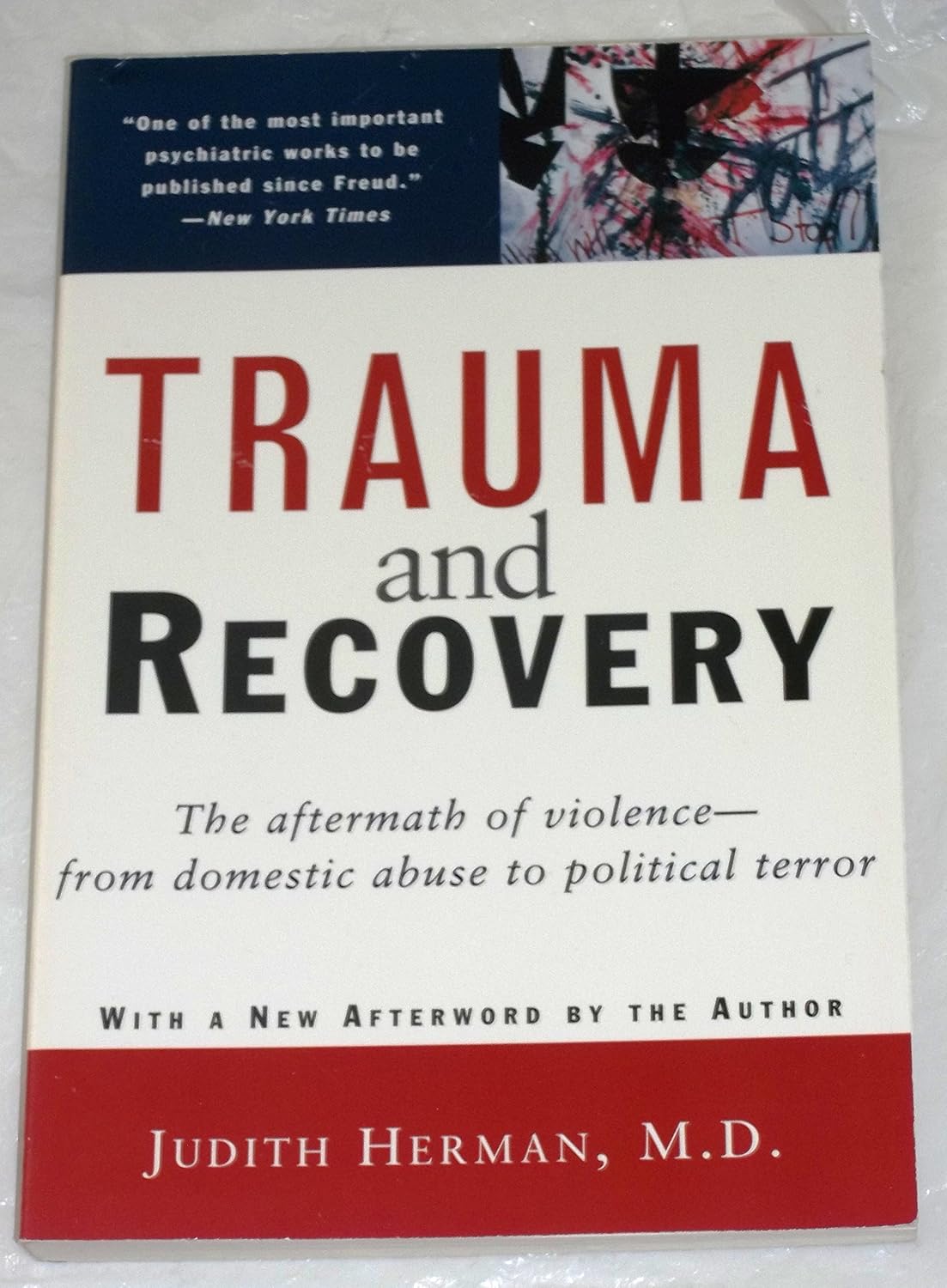
Trauma and Recovery
Judith Lewis Herman, M.D.
The seminal framework for understanding trauma and the stages of recovery — safety, remembrance, and reconnection.
As an Amazon Associate, Clarity House Press earns from qualifying purchases. Your price is never affected.
Found this helpful?
Share it with someone who might need it.
About the Author

Clarity House Press
Editorial Team
The editorial team at Clarity House Press curates and publishes evidence-based content on narcissistic abuse recovery, high-conflict divorce, and healing. Our content is informed by research, survivor experiences, and established trauma-informed approaches.
View all posts by Clarity House Press →Published by Clarity House Press Editorial Team