Please read our important disclaimers before using this content
You're in court for your custody hearing. Your ex tells the judge you're never involved in the children's lives—you don't attend school events, you don't help with homework, you barely remember their birthdays.
None of this is true. You've been to every parent-teacher conference, every soccer game, every doctor's appointment. You help with homework every night during your parenting time. You plan elaborate birthday celebrations.
But you can't prove it.
Your attorney asks, "Do you have evidence of your attendance at these events? Photos? Emails with teachers? Anything?"
You don't. You were busy being a parent, not building a legal case.
The judge looks skeptical. "Without documentation, it's your word against hers."
You're about to lose custody because you didn't document what you were doing.
In high-conflict custody cases, if you didn't document it, it didn't happen in the eyes of the court. Your excellent parenting, your consistent involvement, your sacrifices for your children—none of it matters unless you can prove it.
A critical note on documentation ethics: The purpose of documentation is to create an accurate record of reality—your involvement in your children's lives, patterns of behavior that affect co-parenting, and your children's wellbeing. This isn't about building a case against someone; it's about protecting the truth when your truth is being challenged. Document what's actually happening, not what you wish were happening or what would be most helpful legally. Courts value credibility above all else, and the best way to maintain credibility is to document honestly and completely.
Why fathers need documentation more: You may face implicit bias that assumes mothers are primary caregivers or that fathers are less involved in day-to-day parenting.1 Understanding how gender bias operates in custody evaluations prepares you for why documentation that would be unremarkable for mothers carries extra weight for fathers. Your involvement—which you may consider routine and unremarkable—needs to be documented because it will be questioned in ways mothers' involvement often isn't. This isn't about claiming discrimination; it's about recognizing reality and preparing accordingly. Your documentation establishes the truth of your parenting involvement when that truth is contested.
What to Document (Everything)
Your Parenting Involvement
Daily activities:
Keep a parenting journal documenting:
- What you did with children each day during your time
- Meals prepared, activities completed, bedtimes
- Homework help, reading together, conversations
- Any challenges and how you handled them
Why this matters:
- Demonstrates engaged, involved parenting2
- Counters claims you're disengaged or neglectful
- Shows stability and routine
- Provides specific examples for court testimony
Format: Simple dated entries in notebook or digital app
Example entry: "Tuesday, Jan 15, 2026 - Picked up kids from school 3:15pm. Made spaghetti for dinner together (Emma helped). Helped Jake with math homework (fractions). Read bedtime stories. In bed by 8:30pm."
School involvement:
Document ALL school-related activities:
- Parent-teacher conferences attended (get teacher to sign or email confirming)
- School events attended (plays, concerts, sports, award ceremonies)
- Volunteer hours (classroom help, field trip chaperone, PTA)
- Communications with teachers (save all emails)
- School pick-up/drop-off (if you do it)
Why this matters:
- Schools are central to children's lives
- Demonstrates involvement in education
- Shows communication with teachers
- Counters claims you're uninformed about children's academic lives
Medical and dental care:
Document:
- All appointments attended (request summary from provider confirming your attendance)
- Calls to schedule appointments
- Medical decisions made jointly (or her refusal to communicate)
- Pharmacy records (who picks up children's prescriptions)
- Insurance communications and payments
Why this matters:
- Medical decisions are key parental responsibility
- Demonstrates you know children's health needs
- Shows involvement in major parenting decisions
- Counters claims you're uninvolved or don't know basic health information
Extracurricular activities:
Document:
- Sports games, practices attended (photos of you there)
- Music lessons, recitals attended
- Driving children to activities
- Paying for activities (receipts, bank statements)
- Communication with coaches, instructors
Why this matters:
- Shows involvement in children's interests
- Demonstrates sacrifice of time and money
- Proves you know what's important to your children
- Counters narrative that you're absent or disengaged
Co-Parent Behavior Patterns
Communication patterns:
Document:
- Hostile, abusive, or profane messages
- Refusals to communicate about children
- Ignoring requests for information or decisions
- Late-night harassment messages
- Threats or intimidation
Why this matters:
- Shows her inability to co-parent
- Demonstrates hostile communication environment
- Supports request for communication restrictions (court apps only)
- May support parallel parenting or custody modification
Violations of custody order:
Document every single violation:
- Denied parenting time (dates, times, circumstances)
- Late for exchanges (how late, how often)
- Taking children out of state without permission
- Scheduling activities during your time without consultation
- Refusing to provide information (school, medical, etc.)
Why this matters:
- Each violation is potential contempt finding
- Pattern of violations supports custody modification
- Shows disregard for court orders
- Demonstrates her obstruction of your relationship
Alienating behaviors:
Document:
- Negative statements about you to or in front of children
- Coaching children to make allegations or refuse visitation
- Interfering with communication (blocking calls, not giving messages)
- Badmouthing you to third parties (school, doctors, family)
- Sabotaging special events or occasions
Why this matters:
- Pattern of alienating behavior may support custody modification
- Shows potential emotional harm to children3
- Documents interference with parent-child relationship
- Supports need for therapeutic intervention or custody evaluation
Substance abuse or mental health concerns:
Document (if applicable):
- Instances where she appeared intoxicated at exchange
- Children's reports of substance use in the home
- Erratic or concerning behavior
- Refusal to take prescribed medication
- Hospitalizations or crisis interventions
Why this matters:
- Raises legitimate safety concerns for children
- May support custody modification or request for evaluation
- Documents concerns requiring professional assessment
- Protects children's wellbeing
Critical ethical boundary: Only document what you directly observe or what children spontaneously share. Never interrogate children, coach them to provide information, or use them as evidence gatherers. Children should never be placed in the middle of custody disputes. If you have serious safety concerns, consult your attorney about appropriate next steps rather than investigating yourself.
Children's Wellbeing
Physical health and appearance:
Document when children arrive at your time:
- Clothing condition (dirty, weather-inappropriate, too small)
- Hygiene (unbathed, unbrushed hair, dirty nails)
- Injuries or marks (photograph and inquire age-appropriately)
- Illness or medical needs not communicated
Why this matters:
- May indicate neglect in her care
- Shows you're attentive to children's needs
- Documents pattern if concerning
- Protects children if escalation occurs
Emotional and behavioral state:
Document:
- Children's emotional state at exchanges (anxious, withdrawn, fearful)
- Behavioral issues that emerge during transition (regression, aggression)
- Statements children make about their experiences (spontaneous, not interrogated)
- Academic or social struggles you observe
Why this matters:
- May indicate emotional harm in her environment4
- Shows impact of her behaviors on children
- Supports need for custody change or therapeutic intervention
- Demonstrates your attentiveness to children's emotional needs
Positive progress during your time:
Document:
- Behavioral improvements in your care
- Academic achievements (report cards, homework completion)
- Emotional regulation and happiness
- Social development (friendships, activities)
Why this matters:
Photo and Video Evidence Guidelines
What to Photograph/Record
Routine parenting moments:
- Meals together
- Activities (parks, games, crafts, reading)
- School events (you in attendance)
- Medical appointments (you in waiting room, with child)
- Special occasions (birthdays, holidays)
Evidence of violations or concerns:
- Children's condition when they arrive (if concerning)
- Injuries or marks
- Inappropriate clothing or hygiene
- Late exchanges (timestamp photo showing you waiting)
- Property damage if she destroys your belongings
Third-party presence:
- Photos showing grandparents, friends, coaches who can testify to your involvement
- Community engagement (church, sports leagues, school)
Technical Requirements for Admissibility
Metadata preservation:
- Always preserve original unedited files (date/time stamp in EXIF data)
- If you need to crop or edit for clarity, save edited version separately but keep original
- Store original files in multiple locations (phone, computer, cloud backup)
- Be prepared to produce original unedited versions if challenged in court
Chain of custody:
- Note when photo/video was taken and by whom
- Store systematically (organized by date and event)
- Be prepared to testify about authenticity7
Legal considerations (jurisdiction-specific - consult your attorney):
Recording conversations:
- Check your state's recording laws (varies by jurisdiction)
- One-party consent states: You can record conversations you're participating in without notifying the other party
- Two-party (all-party) consent states: All parties must consent to recording or you may face criminal penalties8
- Federal law generally follows one-party consent for in-person conversations
- Phone calls may have different rules than in-person conversations
- Never record children's private conversations or therapy sessions without explicit legal authorization
- Consult your attorney before implementing any recording strategy
Video at exchanges:
- Generally permissible in public places (parking lots, designated exchange locations)
- Some states have restrictions on recording minors even in public spaces
- School property may require permission from administration
- Protects you from false allegations if done properly
- Documents behavior, timeliness, and children's condition at handoff
- Inform your attorney if you plan to use video documentation so they can advise on admissibility in your jurisdiction
- Never record inside another person's home without permission
Social media screenshots:
- Screenshot concerning posts by her
- Capture full context (username, date, public visibility)
- Save URL and HTML source
- Use archiving tools (Archive.org Wayback Machine)
Witness Statements
Who Makes Good Witnesses
Family members:
- Your parents (children's grandparents) who observe your parenting
- Siblings who spend time with you and children
- Extended family who attend events with you
Friends and community:
- Friends who've seen you parent
- Neighbors who observe your interactions
- Church members or religious community
- Parents of children's friends
Professional observers:
- Teachers who've worked with you
- Coaches who've seen you at games/practices
- Pediatricians who've met with you
- Counselors or therapists (yours or children's, if appropriate)
- Daycare providers
Why professional witnesses are powerful:
- Neutral third parties
- Trained observers of child wellbeing9
- Credible in court
- Harder to dismiss as biased
How to Request Witness Statements
Timing: Request statements when memories are fresh, not months later.
Format: Written statement on their letterhead (if professional) or signed typed statement.
What to request they include:
Their relationship to you and duration: "I am [name]'s pediatrician and have been providing care for his children since [date]."
Specific observations:
- Dates and contexts of observations
- What they witnessed (your involvement, children's wellbeing, her behaviors)
- Their professional or personal assessment
Credible, factual tone:
- Not exaggerated or emotional
- Specific examples, not generalities
- Professional and objective
Example teacher statement:
"I am Emma Smith's 4th grade teacher at Jefferson Elementary. I have taught Emma since September 2025.
Her father, John Smith, has attended both parent-teacher conferences this year (October 2025 and January 2026). He regularly emails me with questions about Emma's progress and homework assignments. He volunteered as a chaperone for our field trip in November 2025.
Emma speaks positively about time with her father and frequently mentions activities they do together. She appears well-adjusted and happy.
I have met Emma's mother once (at September orientation). She did not attend either scheduled conference.
Signed, [Teacher Name], January 15, 2026"
What makes this effective:
- Specific dates and events
- Factual observations
- Comparison showing your involvement vs. mother's
- Professional, credible tone
Communication Preservation
Save Everything
Text messages:
- Never delete any messages from her
- Screenshot important exchanges (capture date/time)
- Back up to computer/cloud regularly
- Note context if exchange is part of longer pattern
Emails:
- Create dedicated folder for all emails with her
- Never delete
- Print and save PDFs of critical exchanges
- Forward to attorney immediately if concerning
Voicemails:
- Save all voicemails
- Back up to computer (apps available)
- Transcribe threatening or abusive ones
- Note date/time received
Court-ordered communication apps (TalkingParents, OurFamilyWizard, etc.):
- Export and save all exchanges regularly
- These platforms create timestamped records that courts generally find credible
- Messages cannot be deleted or edited, which strengthens their evidentiary value
- Request court order requiring app use if not already in place
- Note: While these records are admissible, proper foundation must still be established through testimony
Organization Systems
Chronological logs:
Create master timeline including:
- All custody exchanges
- All violations
- All communications
- All events attended
- All concerning incidents
Example format:
Categorical organization:
Separate files/folders for:
- Parenting time documentation
- School involvement
- Medical care
- Communications
- Violations
- Alienation evidence
- Witness statements
- Financial records (child support, expenses)
Digital and physical backup:
Digital:
- Cloud storage (Google Drive, Dropbox, OneDrive)
- External hard drive
- Email to yourself (creates timestamp)
Physical:
- Binder with tabbed sections
- Chronological organization
- Copies of critical documents
- Bring to all attorney meetings and court hearings
Organization Systems That Work
The Three-Ring Binder Method
Create court-ready evidence binder (see also the broader documentation strategies for high-conflict custody guide for systems that apply to all parents):
Section 1: Overview
- Timeline summary
- Children's information (ages, schools, activities)
- Current custody order
- Your involvement summary
Section 2: Your Parenting
- School involvement documentation
- Medical care records
- Extracurricular participation
- Daily parenting journal excerpts
- Photos of positive interactions
Section 3: Her Violations
- Chronological log of violations
- Screenshots of denied time
- Late exchange documentation
- Communication refusals
If violations are systematic enough to warrant legal action, see the guide on contempt of court for custody order violations.
Section 4: Alienation Evidence
- Hostile communications
- Children's coached statements
- Third-party observations
- Pattern documentation
Section 5: Witness Statements
- Letters from teachers
- Statements from family
- Professional observations
- Character references
Section 6: Financial Records
- Child support payments
- Expenses paid
- Medical costs
- Extracurricular costs
Why this works:
- Attorney can review easily
- You can reference quickly in court
- Judge sees organized, credible presentation
- Everything is accessible when needed
Digital Organization Best Practices
Folder structure:
Custody Case/
├── Communications/
│   ├── Texts/
│   ├── Emails/
│   └── Voicemails/
├── Evidence/
│   ├── Photos/
│   ├── Videos/
│   └── Documents/
├── Violations/
│   ├── Denied Time/
│   ├── Late Exchanges/
│   └── Other Violations/
├── Parenting Documentation/
│   ├── School/
│   ├── Medical/
│   ├── Activities/
│   └── Journal/
└── Legal/
    ├── Court Orders/
    ├── Filings/
    └── Attorney Communications/
Naming conventions:
Use consistent, searchable file names:
- Date first:
2026-01-15_Emma-School-Play_Photo.jpg - Category:
Violation_Denied-Time_2026-01-15.pdf - Descriptive:
Text_Hostile-Language_2026-01-15.png
Backup schedule:
- Weekly: Back up all new documentation
- Monthly: Verify backup integrity
- Before court: Create complete copy for attorney
Apps and Tools
Parenting documentation apps:
- TalkingParents: Monitored communication platform
- OurFamilyWizard: Court-admissible communication and calendar
- Custody Connection: Scheduling and communication
- AppClose: Co-parenting coordination
Note-taking and journaling:
- Evernote: Searchable, cloud-synced notes
- OneNote: Organized digital notebook
- Day One: Journal with photo integration
- Simple Word/Google Doc with dates
Photo organization:
- Google Photos: Date-searchable, cloud backup
- iCloud Photos: Automatic backup with metadata
- Dropbox: Organized folders with sharing capability
Timeline creation:
- Excel/Google Sheets: Sortable, filterable logs
- Airtable: Database-style organization
- Preceden: Visual timeline creator
Your Next Steps
This week:
- Start parenting journal documenting daily activities with children
- Create basic folder structure (physical binder and digital folders)
- Request written statement from at least one witness (teacher, coach, family member)
- Screenshot and save all recent communications with her
- Begin master timeline/log of all events, violations, and interactions
This month:
- Implement comprehensive documentation system (choose method that works for you)
- Gather evidence of your involvement (school emails, medical records, activity receipts)
- Photograph/video next several parenting times showing routine activities
- Request statements from 3-5 witnesses who can attest to your parenting
- Organize all documentation for attorney review
Long-term:
- Maintain daily documentation habit (journal entries after each parenting time)
- Save ALL communications immediately (never delete anything)
- Photograph/document violations as they occur
- Update master timeline weekly
- Back up all documentation monthly
Key Takeaways
In high-conflict custody cases, if you didn't document it, it didn't happen—excellent parenting without proof loses to mediocre parenting with documentation.
Document everything: your involvement, custody order compliance (yours and hers), children's wellbeing, witness observations, all communications, and concerning behavioral patterns.
Photos and videos are powerful evidence but require preserved metadata (original files), compliance with jurisdiction-specific recording laws, and systematic organization to be effective in court.
Witness statements from neutral third parties (teachers, coaches, medical providers) are more credible than family testimony and should be specific, factual, and professional.
Organization systems (three-ring binder method, digital folders with backup, court-ready evidence presentation) make or break your case—judges and attorneys need accessible, credible documentation.
Start documenting today. Every day without documentation is a day of lost evidence. This isn't paranoid—this is survival.
Resources:
- TalkingParents or OurFamilyWizard (court-admissible communication apps)
- Evernote (documentation and note-taking)
- State recording laws (check your jurisdiction)
- Your attorney (for case-specific documentation strategy)
Resources
Documentation Tools for Fathers:
- TalkingParents - Unalterable records for custody cases
- OurFamilyWizard - Court-admissible documentation and co-parenting communication
- Custody X Change - Parenting time tracking and schedule documentation
- Google Keep - Free timestamped note-taking for evidence
Legal Support and Fathers' Rights:
- American Coalition for Fathers and Children - Fathers' rights advocacy and legal resources
- National Parents Organization - Shared parenting advocacy and state resources
- LawHelp.org - Free and low-cost legal assistance by state
- American Bar Association - Family Law - Find family law attorneys
Support and Crisis Resources:
- Dads Divorce - Support and advice for fathers in custody cases
- National Domestic Violence Hotline - 1-800-799-7233 (male victims of domestic violence)
- One Mom's Battle - High-conflict co-parenting documentation strategies
- r/Custody - Community support for custody battles
References
- 18 U.S.C. § 2511(2)(d) - Federal wiretap law regarding consent. Legal Information Institute, Cornell Law School. Available at: https://www.law.cornell.edu/uscode/text/18/2511 ↩
- 18 U.S.C. § 2511(2)(d) - Federal wiretap law regarding consent. Legal Information Institute, Cornell Law School. Available at: https://www.law.cornell.edu/uscode/text/18/2511 ↩
- Saunders, D.G., Faller, K.C., & Tolman, R.M. (2016). "Beliefs and Recommendations Regarding Child Custody and Visitation in Cases Involving Domestic Violence: A Comparison of Professionals in Different Roles." Violence Against Women, 22(6), 722-744. Available at: https://doi.org/10.1177/1077801215589862 ↩
- Baker, A.J.L., & Verrocchio, M.C. (2022). "The Impact of Parental Alienating Behaviours on the Mental Health of Adults Alienated in Childhood." International Journal of Environmental Research and Public Health, 19(6), 3536. PMC9026878. Available at: https://pmc.ncbi.nlm.nih.gov/articles/PMC9026878/ ↩
- Fenton, T.W. (2023). "Chain of Custody." StatPearls. National Center for Biotechnology Information. Available at: https://www.ncbi.nlm.nih.gov/books/NBK551677/ ↩
- Franken, A., Kerstens, S.R., & Janssen, M. (2022). "Parental Conflicts and Posttraumatic Stress of Children in High-Conflict Divorce Families." International Journal of Environmental Research and Public Health, 13(9), 906. PMC9360253. Available at: https://pmc.ncbi.nlm.nih.gov/articles/PMC9360253/ ↩
- Fabricius, W.V., & Suh, G.W. (2017). "Parenting Time, Parenting Quality, Interparental Conflict, and Mental Health Problems of Children in High-Conflict Divorce." Journal of Family Psychology, 31(3), 366-376. PMC6880406. Available at: https://pmc.ncbi.nlm.nih.gov/articles/PMC6880406/ ↩
- Moon, Lee, Chung, & Kwack (2020). Custody Evaluation in High-conflict Situations Focused on Domestic Violence and Parental Alienation Syndrome.. Soa--ch'ongsonyon chongsin uihak = Journal of child & adolescent psychiatry. https://pmc.ncbi.nlm.nih.gov/articles/PMC7289472/ ↩
- Lamb, M.E. (2004). "The Role of the Father in Child Development" (4th ed.). Journal of Child Psychology and Psychiatry, 45(1), 230-236. Research demonstrates that regular, involved parenting by fathers significantly impacts child development and wellbeing outcomes. Available at: https://doi.org/10.1111/j.1469-7610.2004.0t325.x ↩
- Kelly, J.B. (2000). "Children's Adjustment in Conflicted Marriage and Divorce: A Decade Review of Research." Journal of the American Academy of Child & Adolescent Psychiatry, 39(8), 963-973. Children benefit measurably from substantive, involved parenting relationships with both parents. Available at: https://doi.org/10.1097/00004583-200008000-00007 ↩
Recommended Reading
From Clarity House Press — plus trusted books for deeper understanding

Surviving the Storm: When the Court Takes Your Children
Clarity House Press
For fathers in active high-conflict custody battles. Understand your CPTSD symptoms, begin stabilization, and build foundation for healing. 17 chapters covering recognition, symptoms, and the healing path.

The Grieving Brain
Mary-Frances O'Connor, PhD
An accessible tour of the neuroscience of grief — why loss feels the way it does, and how the brain slowly relearns the world.
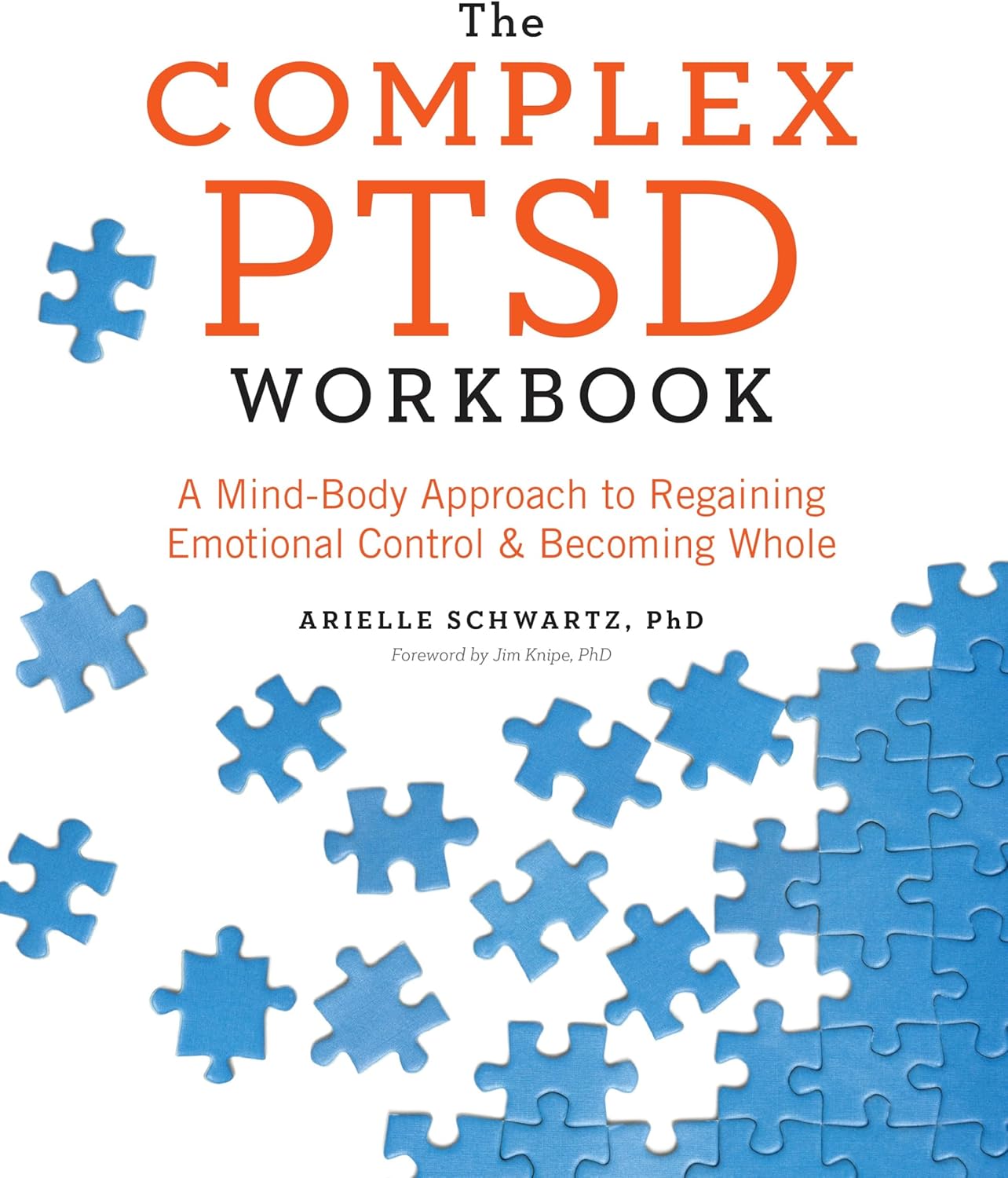
The Complex PTSD Workbook
Arielle Schwartz, PhD
A mind-body approach to regaining emotional control and becoming whole with evidence-based exercises.
As an Amazon Associate, Clarity House Press earns from qualifying purchases. Your price is never affected.
Found this helpful?
Share it with someone who might need it.
About the Author

Clarity House Press
Editorial Team
The editorial team at Clarity House Press curates and publishes evidence-based content on narcissistic abuse recovery, high-conflict divorce, and healing. Our content is informed by research, survivor experiences, and established trauma-informed approaches.
View all posts by Clarity House Press →Published by Clarity House Press Editorial Team