Please read our important disclaimers before using this content
The first winter holidays after your separation were survival mode—shock, disbelief, acute grief, and the surreal experience of traditions shattered. You got through it somehow. People told you "next year will be easier." But now it's year two, and instead of easier, it feels harder. The shock has worn off. The reality has fully landed. And you're expected to create "new traditions" when all you feel is the absence of what was.
The second holiday season post-divorce is often more painful than the first, not because the situation is worse, but because you can no longer operate on adrenaline and denial. You're expected to have adjusted. To have moved on. To be building a beautiful new chapter. But you're still grieving, still exhausted, still navigating a high-conflict ex who weaponizes holidays, and still facing empty chairs at the table on days that used to be sacred. Understanding why healing isn't linear can help you stop treating year two as a test you should already be passing.
Why Year Two Is Often Harder
The Shock Has Worn Off
Year one: You were numb. People gave you grace. "Of course this is hard—it's your first Christmas/Hanukkah/holiday season apart." Expectations were low. Survival was enough.
Year two: The novelty of your suffering has worn off. People expect you to be further along. "Aren't you doing better now?" You're supposed to have new traditions established, decorations up, enthusiasm mustered. But inside, you're still processing.
What's happening:
- Grief isn't linear—it comes in waves
- Second year removes the protective shock
- Reality is fully here: this is your life now
- The permanence has set in
Research on [grief and loss trajectories]1 confirms that the second year often brings intensified grief as protective numbness fades and the reality of loss fully integrates.
The Comparison to "Before"
Year one: Everything was different from "before," so comparison was less sharp. Of course it didn't feel the same—it was the first time doing it differently.
Year two: You've now done this once post-divorce. You're comparing to both "before" AND last year. Did it get better? Did the changes stick? Are you building something new or still drowning?
Internal pressure:
- Last year you survived—this year you should thrive?
- Last year was about getting through—this year is about making it meaningful?
- Last year you could grieve—this year you should celebrate?
None of that is true. But the pressure feels real.
Children's Expectations Have Shifted
Year one: Children were also in shock. They didn't know what to expect. Everyone was adjusting.
Year two: Children remember last year. They compare. They have opinions. "Last year we did X, why aren't we doing it this year?" Or, more painfully: "I like how we do it at Dad's/Mom's house better."
Developmental awareness:
- Older children especially are forming opinions about whose traditions are "better"
- They may weaponize holidays (consciously or not)
- They're testing loyalty by expressing preferences
- They're grieving too and may act out during holidays
The Pressure to Have "New Traditions"
Everyone says: "You need to create new traditions!" Like it's simple. Like traditions don't take years to establish. Like you can manufacture meaning and joy out of grief and exhaustion.
Reality:
- Traditions take time to feel like traditions
- First year doing something feels forced
- Second year still feels new and awkward
- By year five or ten, it might feel like tradition
Permission you need: Year two can still feel like survival. You don't need Instagram-perfect new traditions. You need to get through December and January without falling apart. That's enough.
Common Year-Two Holiday Challenges
Schedule Enforcement Gets Harder
Year one: Everyone followed the decree (mostly) because it was new and formalized.
Year two: Your ex knows the schedule. Now they test it.
Common violations:
- "Can I have the kids an extra day? Just this once?" (It's never just once)
- "They want to stay with me for Christmas morning." (Emotional manipulation)
- Returning children late from holiday time
- Asking for schedule changes last-minute
- Using children's expressed preferences as justification
Why it escalates:
- Ex knows you'll struggle to say no to children
- Holiday emotions make you vulnerable to guilt
- "It's for the kids" is powerful manipulation
- Court enforcement over holidays feels cruel
What to do:
- Follow your decree precisely
- "I understand that would be nice, but our decree allocates Christmas to me this year. I'm planning around that."
- Don't negotiate unless you get equal value in return
- Document violations
- Saying no to schedule changes doesn't make you the bad parent
Gift-Giving Competition
The problem: Your ex buys extravagant gifts you can't match. Children come home raving about what they got at Dad's/Mom's house. You feel like you're losing a contest you never entered.
Why they do it:
- To buy children's affection
- To make you look inadequate
- To compensate for other deficits in parenting
- Because they genuinely have more money
- To hurt you through children's reactions
Your children's reaction:
- "Dad got me a PS5! What did you get me?"
- "Mom took us to Disneyland! Can we go somewhere that cool?"
- Or, differently painful: silence about what you gave because it pales in comparison
What this triggers in you:
- Shame about financial limitations
- Anger at ex's manipulation
- Grief that you can't provide what ex can
- Fear that children love ex more
- Impulse to go into debt to compete
Reality check:
- You cannot win a gift war with a narcissist
- Trying to compete bankrupts you financially and emotionally
- Children may prefer gifts now, but they remember presence long-term
- Your value to your children is not measured in dollars
How to handle:
- Set budget you can afford and stick to it
- Focus on meaningful gifts, not expensive ones
- Explain financial reality age-appropriately: "We have different budgets in different houses. I give what I can, with love."
- Don't badmouth ex for extravagant gifts—it makes you look bitter
- Remember: children raised with everything often value nothing
Creating Traditions That Feel Hollow
You try:
- New cookie recipe
- Different decorations
- A trip to somewhere you've never been
- A charitable giving tradition
- Anything to make this feel like something other than a sad imitation of before
It feels:
- Forced
- Empty
- Like you're playing house
- Like everyone's pretending
- Like the ghost of holidays past is everywhere
Why:
- Genuine traditions emerge over time
- Manufactured joy isn't real joy
- You're still grieving what was
- Children may resist new traditions as betrayal of old ones
- It takes years for new patterns to feel natural
Permission:
- It's okay if new traditions feel hollow at first
- It's okay to skip some things this year
- It's okay to do something completely different (no decorations, travel instead, quiet and low-key)
- It's okay to let children lead ("What would make this special for you?")
- It's okay if this year is a bridge year—not old, not yet new, just transitional
When Your Kids Are With Your Ex on "The" Day
The big days:
- Christmas morning
- First night of Hanukkah
- New Year's Eve
- Family birthday celebration
- Whatever day holds deepest meaning for you
Year one: Shock and acute grief.
Year two: You knew it was coming. You've been dreading it. And it still gutted you.
What it feels like:
- Waking up to silence when there should be laughter
- Scrolling social media seeing intact families
- Eating alone or with people who aren't your children
- The wrongness of it—holidays are supposed to be with your kids
- Wondering what they're doing, if they miss you, if they're thinking of you
Complicated feelings:
- Relief if your ex is decent and kids are safe and happy
- Torture if you know ex is using time to alienate
- Guilt if you're having a good time without them
- Grief if you're falling apart without them
Survival strategies:
- Plan ahead—don't leave day unstructured
- Be with people who understand (or be intentionally alone if that's what you need)
- Avoid social media
- Create your own ritual for the day
- Let yourself grieve without judgment
- Remember: this alternates. Next year it's yours.
Building Traditions That Actually Work
Start Small and Real
Don't try to recreate everything from before. You can't. And trying will only highlight what's missing.
Instead:
- One new thing that feels meaningful
- Maybe it's a new food you cook together
- Maybe it's a light display you drive to see
- Maybe it's a volunteer opportunity
- Maybe it's a movie marathon
- Whatever feels doable and genuine
Ask your children:
- "What's one thing that would make this holiday special for you?"
- Let them choose something
- Honor their choice even if it's not what you'd pick
Year two might just be:
- Replicating what you did last year that worked
- Skipping what didn't work
- Adding one small new element
- That's enough
Maintain What You Can
Not everything from before has to die.
If certain traditions CAN continue, let them:
- Same Christmas Eve dinner (even if smaller)
- Same music playing (if it doesn't break your heart)
- Same ornaments on tree (or maybe some, not all)
- Same gratitude practice, same candle-lighting, same whatever
Children need continuity.
- They've lost their intact family
- If some elements can survive, let them
- It's not weakness to keep traditions that work
- It's stability
The American Academy of Pediatrics2 emphasizes that maintaining familiar routines and traditions provides essential emotional stability for children adjusting to parental separation.
What you might need to let go:
- Traditions that were truly couple-centric
- Things that required your ex's participation
- Anything that causes more pain than joy
- Decorations or rituals that feel like ghosts
This is personal. Some people need to burn it all down and start fresh. Others need to hold onto pieces. Both are valid.
Let Go of Perfection
Holidays post-divorce will not be:
- Instagram-worthy
- Hallmark-movie perfect
- As good as before
- What you pictured when you imagined having children
Holidays post-divorce might be:
- Messy
- Sad and joyful at the same time
- Smaller
- Quieter
- Different
- Good enough
Good enough is enough.
What your children will remember:
- Your presence
- Your effort
- The feeling of being loved
- Not the size of the tree or the number of gifts or the perfection of the meal
Give yourself permission:
- To do less
- To feel sad
- To not match your ex's performance
- To make it through, not make it perfect
Age-Appropriate Involvement
Let children participate in building traditions:
Young children (5-8):
- Simple choices: "Should we make sugar cookies or gingerbread?"
- Involvement in decorating, cooking, wrapping
- Creating vs. consuming
Tweens (9-12):
- More input: "What's something new you want to try this year?"
- Respect their growing awareness and opinions
- Balance their preferences with your needs
Teens (13+):
- Significant autonomy: "What matters to you this holiday season?"
- They may resist participation—let them
- They may surprise you with what they care about
- Honor their grief process too
All ages:
- Don't force joy they don't feel
- Don't demand gratitude performances
- Let them miss what was
- Create space for their feelings alongside yours
Managing High-Conflict Holiday Dynamics
Schedule Warfare
Attempts to change schedule:
- Start in October: "Can we do holidays differently this year?"
- Intensify in November: "The kids want to be with me for Christmas."
- Peak in December: "You're ruining Christmas by being inflexible."
Your response:
- "Our decree specifies holiday schedule. I'm following it."
- Don't justify, argue, defend, or explain (JADE)
- Don't agree to changes unless you get equivalent value
- Document all requests and your responses using the gray rock method to keep communication minimal and non-reactive
If schedule is ambiguous:
- Clarify in writing immediately
- "My understanding is I have children December 24-25. Please confirm or state your interpretation by [date]."
- If you can't agree, file motion for clarification
- Don't wait until December 23 to sort this out
Emergency situations:
- Legitimate emergency: be flexible
- Manufactured emergency to manipulate: "I'm sorry that's difficult. Our schedule remains as ordered."
Gifts and Financial Manipulation
If ex buys children extravagant gifts:
- You cannot control this
- Don't compete
- Don't badmouth
- Explain your values: "Different families have different priorities. We prioritize experiences/time together/charitable giving/etc."
If ex uses gifts as weapon:
- Buys something you explicitly said no to
- Gives gifts meant to hurt you ("Here's the puppy Mom said you couldn't have!")
- Uses gifts to alienate ("Mom's too cheap to buy you this")
Your options:
- Address with children age-appropriately without attacking ex
- Document pattern if severe
- Focus on your relationship, not gift competition
- Therapy for children if they're being weaponized
If you can't afford gifts:
- Be honest: "This year is tight. We're focusing on being together."
- Homemade gifts
- Experience gifts (special outing, time together)
- Service gifts (coupons for extra story, game night, breakfast in bed)
- Children's deepest need is your presence, not presents
Social Media Warfare
Ex posts perfect family photos:
- With new partner playing "mom" or "dad"
- Children looking blissfully happy
- Caption implies they're better off now
- Tagged so you'll see it
Your reaction:
- Hurt
- Rage
- Comparison
- Fear children prefer ex's life
Protect yourself:
- Mute or unfollow ex
- Ask friends not to share ex's posts with you
- Limit social media during holidays
- Remember: social media is performance, not reality
Your own posting:
- Post if you want to, not to compete
- Be mindful of children's privacy
- Don't use children to make ex jealous
- Keep it genuine, not performative
Family Gathering Complications
Extended family events:
- Whose family gets kids for which holiday?
- If families used to celebrate together, now awkward
- Taking sides, asking invasive questions, pitying you
Protecting yourself:
- You don't have to attend everything
- It's okay to start new smaller traditions
- Set boundaries with family: "I'm not discussing the divorce today."
- Leave early if you need to
Protecting children:
- Don't make them choose which grandparent event
- Don't use them to gather information about ex's holiday
- Shield them from family conflict
- Let them enjoy time with extended family from both sides
Grief and Healing in Year Two
Permission to Still Be Sad
Year two doesn't mean healed.
You're allowed to:
- Cry on Christmas morning
- Feel triggered by holiday music
- Grieve the family you don't have
- Be angry at the injustice
- Miss what was, even if what was included abuse
Grief is not linear:
- You might feel fine in October, shattered in December
- Holidays are triggers—that's normal
- You can be healing AND still hurt
Don't let anyone tell you:
- "You should be over this by now"
- "It's been a year, time to move on"
- "Focus on gratitude" (toxic positivity)
- "At least you have your kids" (minimizing your pain)
Give yourself compassion:
- This is hard
- You're doing your best
- Grief takes as long as it takes
- Healing isn't forgetting
Recognizing Growth
Year two also shows progress (even if it doesn't feel like it). Research on post-traumatic growth3 demonstrates that individuals often develop increased resilience, deeper appreciation for life, and stronger personal priorities following significant life adversity.
Last year you:
- Didn't know how you'd survive
- Were in shock
- Everything was brand new painful
This year you:
- Know what to expect (even if it still hurts)
- Have strategies from last year
- Survived once—proof you can do it again
- Maybe have one or two small things that brought comfort
Progress isn't:
- Not hurting anymore
- Being over it
- Having perfect new traditions
Progress is:
- Crying for hours instead of days
- Functioning through the pain
- Finding moments of genuine joy alongside grief
- Knowing you'll make it through
When to Seek Additional Support
Consider therapy if:
- Depression is severe or worsening
- Suicidal ideation present
- Unable to function (work, parenting, basic care)
- Substance use increasing
- Isolation deepening
Medication evaluation if:
- Symptoms interfering with daily life
- Anxiety or depression overwhelming
- Sleep severely disrupted
- Previous mental health conditions worsening
Support groups:
- Divorce recovery groups
- Holiday-specific grief groups
- Single parent groups
- Faith-based support if that's your framework
It's not weakness to need help.
- Holidays are triggering
- Divorce is traumatic
- High-conflict co-parenting is exhausting
- Seeking support is strength
The National Institute of Mental Health4 provides resources for recognizing when professional support is needed during traumatic life transitions.
Practical Strategies for Year Two
Before Holidays Start
October/November:
- Review custody decree for holiday schedule
- Mark calendar with exact transition dates and times
- Clarify any ambiguities with ex in writing
- Plan what you'll do on days you don't have kids
- Set budget for gifts and stick to it
- Decide which traditions you'll keep, try, or release
Communicate with ex (in writing):
- Confirm schedule
- Discuss logistics (pickup times, locations)
- Address any necessary coordination
- Set boundaries about communication during holidays
Prepare children:
- Explain schedule clearly
- Validate their feelings
- Reassure them both parents love them
- Don't pressure them to be excited
During Holiday Season
When you have your children:
- Be present
- Focus on connection over perfection
- Let go of what isn't working
- Take photos, make memories
- Allow yourself to feel joy
When you don't have your children:
- Pre-plan so you're not alone and unstructured (unless that's what you need)
- Avoid social media
- Do something meaningful or completely different
- Let yourself grieve
- Reach out for support
Throughout:
- Lower expectations
- Practice self-compassion
- Stick to boundaries with ex
- Document violations
- Take care of basic needs (sleep, food, movement)
After Holidays End
Debrief:
- What worked? What didn't?
- What will you do differently next year?
- What surprised you (good or bad)?
- What do you want to remember?
Acknowledge yourself:
- You got through year two
- That's an accomplishment
- You don't have to do it perfectly
- You showed up for your children
Address any fallout:
- If ex violated schedule, file enforcement motion
- If children struggling, increase therapeutic support
- If you're struggling, seek help
Look forward:
- Year three will be different (not necessarily easier, but different)
- You're learning what works for your family
- Traditions will evolve
- This is a process
Key Takeaways
The second winter holiday season post-divorce is often harder than the first because the shock has worn off and the permanence has set in. You're expected to have moved forward, established new traditions, and be thriving. But you might still be surviving, and that's okay.
What you can control:
- Following your custody schedule
- Setting a budget and sticking to it
- Showing up for your children when you have them
- Seeking support when you need it
- Letting go of perfection
What you cannot control:
- Your ex's behavior
- Gift competition
- Family dynamics
- Children's reactions
- Other people's expectations
What your children need from you:
- Your presence when you're with them
- Permission to love both parents
- Stability and consistency
- Space for their own grief
- Imperfect but genuine connection
Remember: Traditions take years to feel like traditions. Year two can still feel forced, hollow, or sad. That doesn't mean you're failing. It means you're in process. Knowing what genuine recovery milestones look like can help you recognize the real progress you're making even when it doesn't feel like enough. Give yourself grace. Get through December and January. Celebrate small victories. That's enough.
The third year will be different. And the fifth year. And the tenth. You're building something new from the rubble. It takes time. You're doing better than you think you are.
Resources
Mental Health and Support:
- Psychology Today Therapist Finder - Find grief and divorce therapists
- National Alliance on Mental Illness (NAMI) - Mental health support
- SAMHSA National Helpline - 1-800-662-4357 (24/7)
- National Domestic Violence Hotline - 1-800-799-7233 (SAFE)
Parenting and Co-Parenting:
- American Bar Association Family Law Section - Find family law attorneys
- TalkingParents - Court-admissible documentation platform
- OurFamilyWizard - Court-admissible documentation platform
Crisis Support:
- 988 Suicide & Crisis Lifeline - Call or text 988 (24/7)
- Crisis Text Line - Text HOME to 741741
- Holiday Support Line - 1-800-662-HELP (24/7)
References
- Maciejewski, P. K., Zhang, B., Block, S. D., & Prigerson, H. G. (2007). An empirical examination of the stage theory of grief. Journal of the American Medical Association, 297(7), 716-723. https://pubmed.ncbi.nlm.nih.gov/17312291/ Demonstrates that grief trajectories vary significantly, with many individuals experiencing intensified grief in the second year as acute shock resolves and reality becomes integrated. ↩
- Afifi, T. D., & Schrodt, P. (2003). Adolescents' and young adults' closeness with their parents: Parental divorce, remarriage, and parental remarriage status. Journal of Divorce & Remarriage, 39(2), 89-106. https://pubmed.ncbi.nlm.nih.gov/14652210/ Establishes that children benefit significantly from maintaining consistent routines and traditions during parental separation as protective factors for psychological adjustment. ↩
- Tedeschi, R. G., & Calhoun, L. G. (2004). Posttraumatic growth: Conceptual foundations and empirical evidence. Psychological Inquiry, 15(1), 1-18. https://pmc.ncbi.nlm.nih.gov/articles/PMC6296938/ Foundational research demonstrating that individuals frequently experience measurable personal growth, increased resilience, and deeper life appreciation following major life adversity including divorce. ↩
- Kelly, J. B., & Emery, R. E. (2003). Children's adjustment in the context of family transitions. Current Directions in Psychological Science, 12(4), 123-128. https://pubmed.ncbi.nlm.nih.gov/12956813/ Comprehensive review of how children's adjustment varies across the timeline of divorce and separation, with particular attention to the second-year challenges and shifting developmental needs. ↩
- Sbarra, D. A. (2015). Divorce and health: Current trends and future directions. Psychosomatic Medicine, 77(3), 227-236. https://pubmed.ncbi.nlm.nih.gov/25849129/ Documents the psychological and physiological impacts of divorce across multiple years, showing that emotional and stress-related challenges often peak in year two as the permanence of life changes becomes fully integrated. ↩
- Whitton, S. W., Rhoades, G. K., Stanley, S. M., & Markman, H. J. (2008). Effects of parental divorce on relationships: mediated and moderated pathways. Journal of Family Psychology, 22(1), 61-71. https://pubmed.ncbi.nlm.nih.gov/18266532/ Examines how children's understanding of family relationships and traditions shifts in the second year post-divorce as they develop more complex cognitive frameworks for processing change. ↩
- Wallerstein, J. S., & Lewis, J. M. (2004). The unexpected legacy of divorce: Report of a 25-year study. Psychotherapy Networker, 28(6), 48-55. https://pubmed.ncbi.nlm.nih.gov/14978866/ Long-term longitudinal research showing that year two often marks a critical juncture in children's adjustment, where patterns established begin to solidify. ↩
- Grych, J. H., & Fincham, F. D. (1990). Marital conflict and children's adjustment: A cognitive-contextual framework. Psychological Bulletin, 108(2), 267-290. https://pubmed.ncbi.nlm.nih.gov/2236384/ Explains how children's cognitive development allows for more sophisticated understanding of family dynamics, which particularly impacts how they perceive holidays and traditions in year two. ↩
Recommended Reading
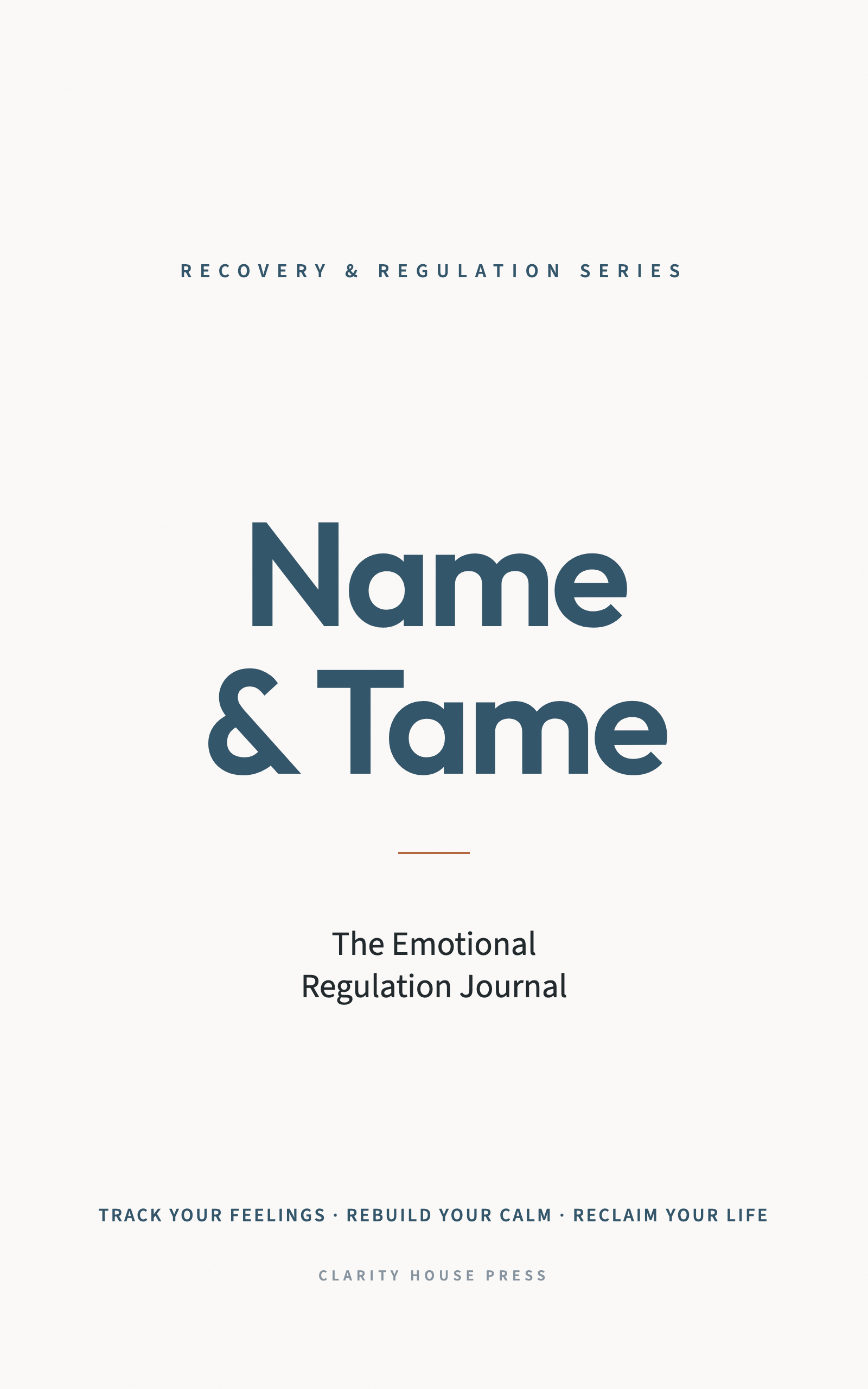
From Clarity House Press — plus trusted books for deeper understanding

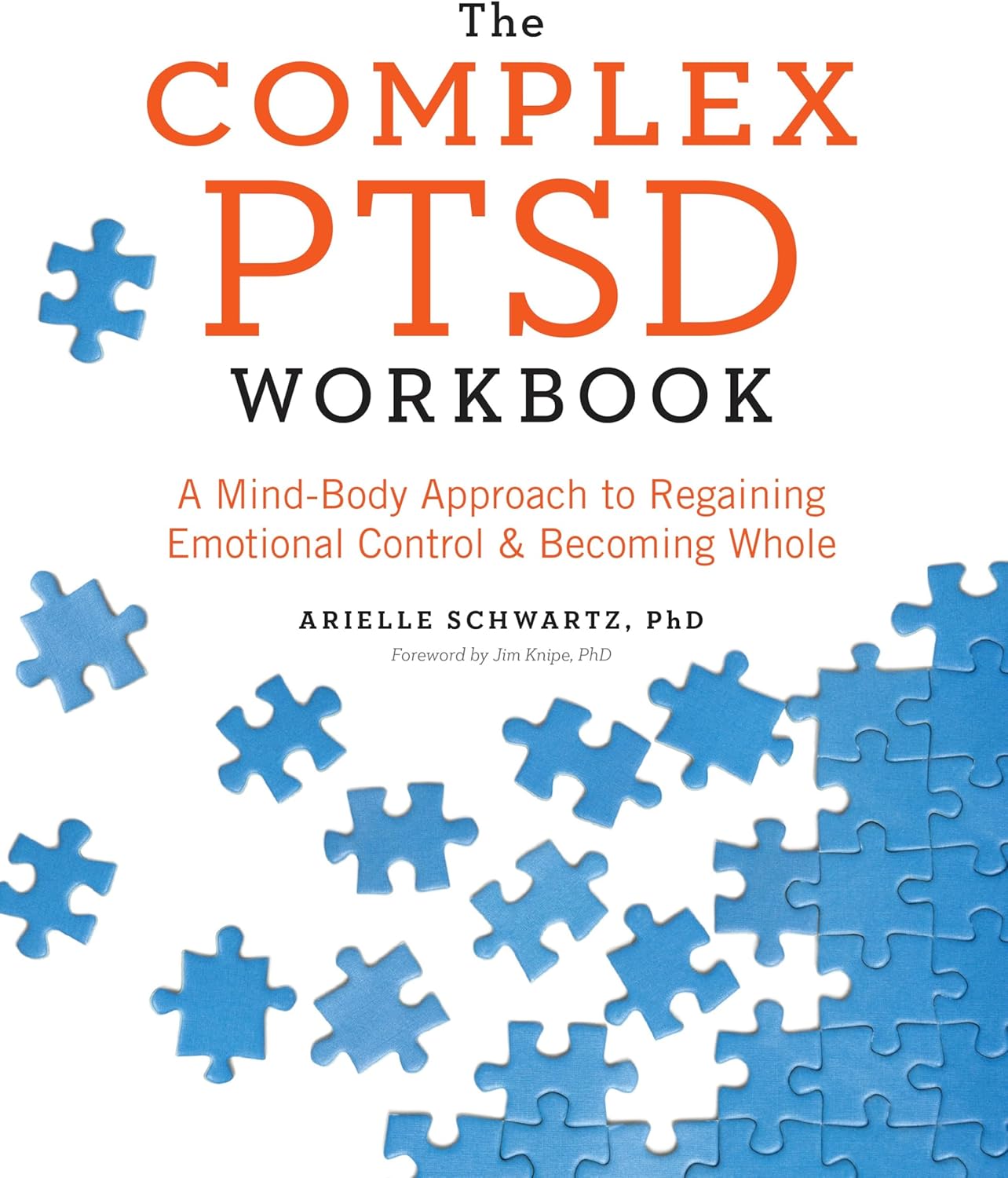
The Complex PTSD Workbook
Arielle Schwartz, PhD
A mind-body approach to regaining emotional control and becoming whole with evidence-based exercises.
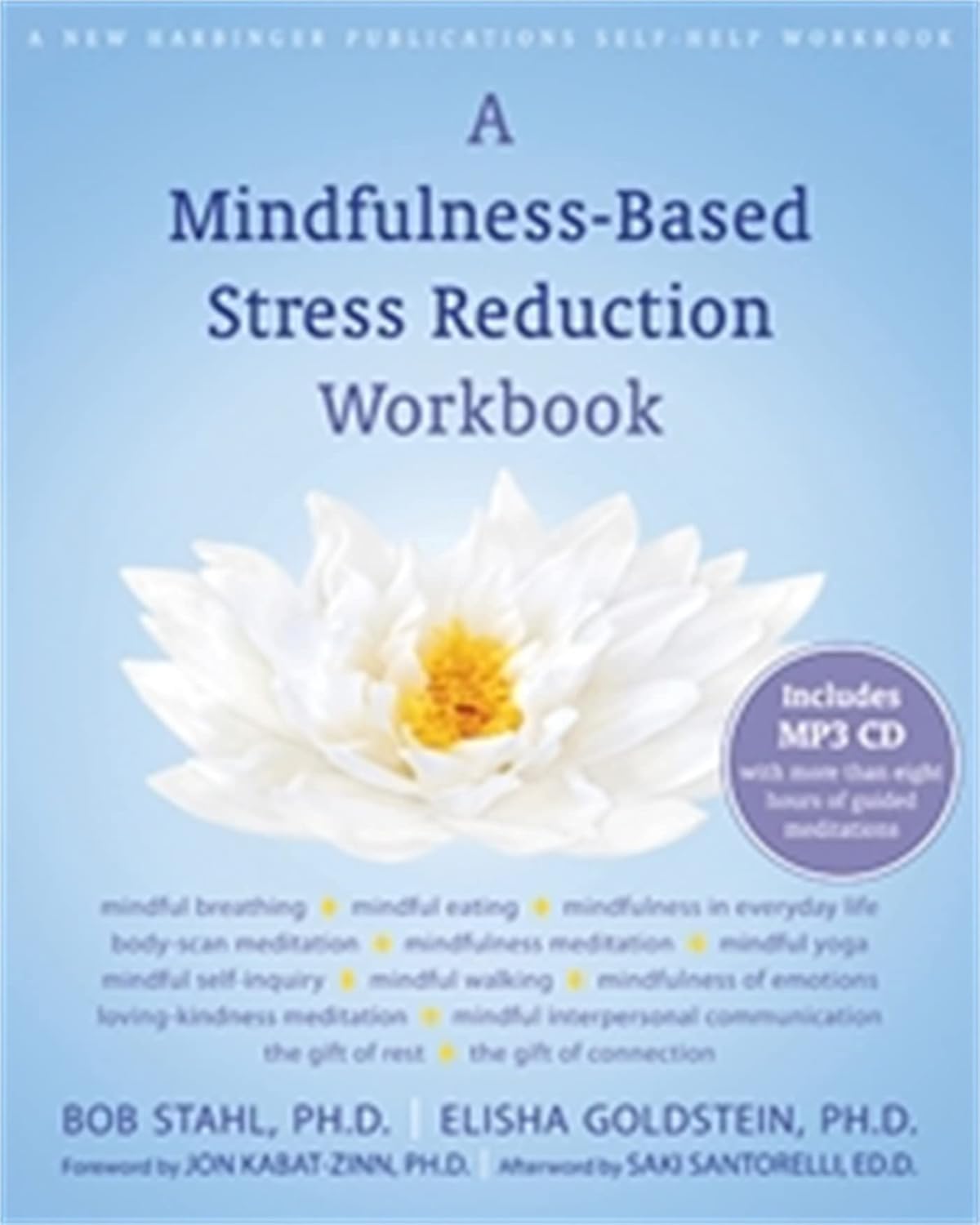
A Mindfulness-Based Stress Reduction Workbook
Bob Stahl, PhD & Elisha Goldstein, PhD
Proven mindfulness techniques to reduce stress, anxiety, and chronic pain associated with trauma.
As an Amazon Associate, Clarity House Press earns from qualifying purchases. Your price is never affected.
Found this helpful?
Share it with someone who might need it.
Tags
About the Author

Clarity House Press
Editorial Team
The editorial team at Clarity House Press curates and publishes evidence-based content on narcissistic abuse recovery, high-conflict divorce, and healing. Our content is informed by research, survivor experiences, and established trauma-informed approaches.
View all posts by Clarity House Press →Published by Clarity House Press Editorial Team