Please read our important disclaimers before using this content
One of the most isolating aspects of narcissistic abuse is the certainty that no one will believe you, that you're crazy, that you're alone in this impossible situation. Group therapy shatters that isolation by putting you in a room with people who get it—who've lived similar nightmares and survived. Finding a therapist who actually understands narcissistic abuse is equally important whether you choose individual or group modalities.
But group therapy isn't for everyone, and it's not appropriate for every stage of recovery. Understanding the difference between group and individual therapy—and when each is most helpful—ensures you get the support you actually need.
What Is Group Therapy?
Group therapy involves 5-12 people meeting regularly (usually weekly) with one or two licensed therapists to work on shared issues. Unlike support groups (peer-led, often drop-in), group therapy is:
- Led by licensed mental health professionals
- Structured with therapeutic goals
- Confidential (members sign agreements)
- Consistent membership (same people each week, creating trust and depth)
Types of groups relevant to abuse survivors:
- Process groups: Focus on interpersonal dynamics and relationship patterns
- Trauma recovery groups: Specific protocols for processing trauma (like CPT or DBT groups)
- Psychoeducational groups: Teach skills or information (like DBT skills group or narcissistic abuse education)
- Support groups: Peer-led (not therapy, but valuable for community)
Unique Benefits of Group Therapy for Abuse Survivors
1. Breaks Isolation
"I thought I was the only one experiencing this. Hearing others describe the exact same tactics—the same lies, the same crazy-making—made me realize I'm not crazy. He IS the problem."
Narcissistic abuse is profoundly isolating. Abusers systematically cut you off from support. Even after leaving, you may feel:
- No one understands
- You can't burden friends with your story again
- You're ashamed or embarrassed
Group therapy provides: A room full of people who don't need convincing. They've lived it. You can finally stop explaining and start healing.
2. Validation Through Shared Experience
When seven other people nod knowingly as you describe gaslighting, DARVO, or triangulation, something shifts. You're not:
- "Too sensitive"
- "Overreacting"
- "Crazy"
You're accurately describing abuse that others have also survived.
This collective validation is more powerful than individual therapy because it's not just one therapist believing you—it's a community of survivors witnessing and affirming your truth.1 Research demonstrates that group therapy provides unique therapeutic benefits through peer validation and shared experience that complement individual treatment.2
3. Learn from Others' Recovery
In individual therapy, you only see one recovery path (yours). In group therapy, you witness:
- Someone who's 5 years post-abuse, thriving
- Someone navigating parallel parenting successfully
- Someone who fell for another narcissist and is learning from it
- Someone newly separated, where you were a year ago
You see possibility: "If she can heal, maybe I can too."
4. Practice Healthy Relationships in Real-Time
Group therapy is a laboratory for learning to:
- Set boundaries ("I appreciate your input, but I'm not ready to date yet")
- Ask for what you need ("Can we spend more time on this topic?")
- Handle conflict (disagreements within the group)
- Trust gradually (sharing more as safety builds)
- Receive support (let others care about you)
After abuse destroyed your ability to trust, group therapy provides a contained, safe place to rebuild interpersonal skills.3 Studies show that interpersonal therapy groups significantly improve relationship functioning and social support in trauma survivors.4
5. Reduces Shame
Shame thrives in secrecy. When you speak your truth in group and are met with compassion (not judgment), shame loses its power.
Common shame-reducing moments:
- Admitting you went back to him 3 times (others did too)
- Sharing that you still sometimes miss him (others understand the trauma bond)
- Confessing you ignored red flags (others did too—they're designed to be invisible)
6. Cost-Effective
Group therapy is typically 1/3 to 1/2 the cost of individual therapy, making it more accessible.
Unique Benefits of Individual Therapy
1. Personalized Attention
Your therapist's full focus is on you, your specific trauma, your unique history and needs.
In individual therapy, you can:
- Process your specific traumatic memories at your own pace
- Explore your attachment wounds and family-of-origin issues
- Work on co-occurring issues (eating disorders, substance use, self-harm)
- Set your own agenda each session
2. Privacy and Confidentiality
You don't have to share your story with a room of people. If you're:
- Still in litigation (concerned about confidentiality)
- A public figure or professional (worried about being seen)
- Not ready to be vulnerable in a group
- Dealing with highly sensitive material
Individual therapy provides complete privacy.
3. Trauma-Focused Protocols
Specific trauma therapies (EMDR, CPT, prolonged exposure) are typically delivered individually.5 These evidence-based treatments for PTSD require:
- Deep processing of specific traumatic memories
- Tailored pacing
- One-on-one therapeutic relationship
4. Address Complex Co-Occurring Issues
If you're dealing with:
- Severe PTSD or dissociation
- Active suicidal ideation
- Substance abuse
- Personality disorders
- Eating disorders
You need individual therapy (possibly in addition to group).
5. Flexibility
Individual therapy allows you to:
- Go at your own pace (not waiting for the group to catch up)
- Dive deeply into topics that may not be relevant to others
- Process urgent crises immediately (not wait for group night)
When to Choose Group Therapy
Group therapy is ideal if:
✅ You feel profoundly isolated and need connection with others who understand
✅ You're ready to share your story (not still in denial or minimizing)
✅ You're stable enough to support others (not in acute crisis)
✅ You want to practice interpersonal skills in a safe environment
✅ You need validation that what you experienced was abuse
✅ You benefit from seeing others' recovery journeys
✅ Cost is a significant barrier to individual therapy
✅ You're comfortable with group settings (not terrified of vulnerability)
When to Choose Individual Therapy
Individual therapy is ideal if:
✅ You're in acute crisis (suicidal, severe PTSD, active substance use)
✅ You need trauma-focused treatment (EMDR, CPT, PE)
✅ You have complex trauma requiring deep, individualized work
✅ You're navigating ongoing litigation and need to maintain strict confidentiality
✅ You have co-occurring mental health issues (eating disorders, severe depression, etc.)
✅ You're not ready to be vulnerable in a group setting
✅ You need flexibility (group therapy requires weekly commitment at set times)
✅ Your issues are highly specific or unique (group may not address them)
When to Do BOTH (The Ideal Combination)
Many survivors benefit most from combining both modalities:
Individual therapy for:
- Deep trauma processing (EMDR for specific memories)
- Attachment work and family-of-origin healing; understanding developmental trauma often requires this depth
- Processing current crises
- Personalized treatment planning
Group therapy for:
- Validation and breaking isolation
- Learning from others' experiences
- Practicing healthy relationship skills
- Reducing shame through shared experience
Example schedule:
- Individual therapy: Weekly, 50 minutes
- Group therapy: Weekly, 90 minutes
Total cost is often still less than twice-weekly individual sessions, with added benefits of both modalities.
Red Flags in Group Therapy
Not all groups are therapeutic. Watch for:
❌ No professional facilitation (peer-led support groups are valuable but not therapy)
❌ Confidentiality isn't enforced (members gossip outside group)
❌ One person dominates (therapist doesn't manage airtime)
❌ Toxic positivity ("Just focus on gratitude! Forgive him!")
❌ Advice-giving instead of process (group becomes advice forum, not therapeutic processing)
❌ Therapist doesn't manage harmful dynamics (shaming, minimizing, comparing trauma)
❌ No screening process (anyone can join, even people who aren't appropriate for group)
❌ Group enables victimhood (encourages staying stuck, vilifying all men, avoiding responsibility for your healing)
❌ Therapist dual relationships (socializing with members outside group, favoritism)
Finding the Right Group
Questions to ask before joining:
-
"What's the group's focus and therapeutic approach?"
- Look for trauma-informed, specific to domestic abuse or narcissistic abuse if possible
-
"How are members screened?"
- Good groups assess whether you're appropriate (not in acute crisis, ready for group work)
-
"What's the group format and structure?"
- Open (people can join anytime) vs. closed (same members for set duration)
- Process-oriented vs. psychoeducational
- Weekly topics or member-driven?
-
"What are the group agreements/rules?"
- Confidentiality, attendance expectations, communication guidelines
-
"What's your training and experience with narcissistic abuse/domestic violence?"
- Ensure facilitators understand these dynamics specifically
-
"What happens if conflicts arise in group?"
- A skilled facilitator uses conflict therapeutically, not avoids it
-
"Can I observe a session before committing?"
- Some groups allow prospective members to observe
Where to find groups:
- Domestic violence agencies (often offer free survivor groups)
- Community mental health centers (sliding scale groups)
- Private practice therapists (Google "group therapy narcissistic abuse [your city]")
- Psychology Today therapist directory (filter for "group therapy")
- Online groups (especially helpful if you're in a rural area or have childcare/schedule limitations)
Support Groups vs. Therapy Groups
Support Groups (like Al-Anon, CODA, or online narcissistic abuse support groups):
Pros:
- Usually free or low-cost
- Peer-led (relatability)
- Drop-in (flexible attendance)
- Available widely
Cons:
- Not led by licensed professionals
- No therapeutic framework or clinical oversight
- Quality varies wildly
- Risk of toxic dynamics (bashing exes, staying stuck in victim identity)
- No confidentiality enforcement
Therapy Groups:
Pros:
- Professional facilitation
- Evidence-based approaches
- Therapeutic processing, not just venting
- Confidentiality enforced
- Managed group dynamics
Cons:
- Cost more
- Require weekly commitment
- Less availability
Best approach: Use support groups for community and validation; use therapy groups for healing and skill-building.6 Research indicates that combining peer support with professional treatment yields optimal recovery outcomes for trauma survivors.7
Common Group Therapy Concerns
"What if I see someone I know?"
Reality: Therapy groups maintain strict confidentiality. If you see a member outside group, you don't acknowledge you know them unless they initiate (protects their privacy).
If you're concerned about being "found out," join a group in a nearby town or opt for online group therapy.
"What if someone in the group triggers me?"
Reality: This will likely happen—and it's part of the therapeutic value. Your therapist helps you:
- Identify what triggered you
- Process it in session
- Learn to manage triggers in real-time
This is different from being re-traumatized (which a skilled therapist prevents). Working within your window of tolerance is key—a well-run group helps you expand that window rather than overwhelm it.
"I'm an introvert—will I have to talk a lot?"
Reality: Group therapists manage participation. You're encouraged to share but not forced. Many introverts find group therapy valuable once they trust the space.
You can start by listening and share more as you feel comfortable.
"What if someone breaks confidentiality?"
Reality: Confidentiality breaches are rare in well-run groups because:
- Members sign confidentiality agreements
- Therapist screens for people likely to honor boundaries
- Group culture reinforces trust
If it happens, address it with the therapist immediately. Breaches are taken seriously.
Your Next Steps
1. Assess your needs:
Ask yourself:
- What am I hoping to get from therapy right now? (Connection? Trauma processing? Skill-building?)
- Am I in crisis or stable enough to support others?
- Can I commit to weekly attendance?
- Do I have specific trauma memories to process (individual EMDR) or need validation/community (group)?
2. Try a support group first (low commitment):
- Attend a free domestic violence support group or online group
- See if you benefit from peer connection
- If it's helpful, consider stepping up to therapy group
3. Consult with potential therapists:
- Ask about their group offerings
- Inquire about combining individual + group therapy
- Discuss which modality they recommend based on your needs
4. Give it 4-6 sessions:
Group therapy can feel awkward or uncomfortable initially. Trust builds over time. Commit to at least 4-6 sessions before deciding if it's helpful.
5. Track your progress:
Notice if you feel:
- Less isolated
- More validated
- Better able to trust
- Hopeful about recovery
- Connected to others
NOTE ON HOTLINE NUMBERS: Phone numbers for crisis hotlines, legal aid, and support services are provided as a resource. These numbers are current as of publication but may change. Please verify hotline numbers are still active before relying on them. For the National Domestic Violence Hotline, visit thehotline.org for current contact information.
Key Takeaways
- Group therapy offers unique benefits: Breaking isolation, validation, learning from others, practicing healthy relationships
- Individual therapy provides: Personalized trauma processing, privacy, deep work on complex issues
- Both is often ideal: Individual for trauma processing + group for connection and skill practice
- Not all groups are therapeutic: Find professionally-led, trauma-informed groups with clear structure
- Support groups ≠ therapy groups: Both have value for different purposes
- Give group therapy 4-6 sessions before deciding if it's right for you
If narcissistic abuse left you feeling profoundly alone, isolated, and certain no one could understand—group therapy offers proof that you're not alone, you're not crazy, and healing is possible.
Sometimes the most powerful therapy isn't what a clinician tells you—it's hearing another survivor say, "Me too. I thought I was the only one."
Resources
Finding Group and Individual Therapy:
- Psychology Today - Group Therapy - Directory of group therapy by specialty and location
- Psychology Today - Therapists - Find individual therapists specializing in trauma
- GoodTherapy - Support Groups - Support group directory by topic and location
- National Alliance on Mental Illness (NAMI) - Free peer-led support groups nationwide
Books and Therapeutic Approaches:
- Trauma and Recovery by Judith Herman - Foundational work on shared experience in trauma healing
- The Theory and Practice of Group Psychotherapy by Irvin Yalom - Understanding unique therapeutic factors in group work
- Complex PTSD: From Surviving to Thriving by Pete Walker - Guidance on individual and group approaches
- EMDR International Association - Find EMDR therapists for trauma processing
Support and Crisis Resources:
- National Domestic Violence Hotline - 1-800-799-7233 (referrals to local support groups)
- 988 Suicide & Crisis Lifeline - Call or text 988 for immediate crisis support
- Crisis Text Line - Text HOME to 741741 for crisis counseling
- r/NarcissisticAbuse - Reddit peer support community
References
- Herman, J. L. (1992). Trauma and Recovery: The Aftermath of Violence--from Domestic Abuse to Political Terror. Basic Books. The foundational work on trauma recovery emphasizing the critical role of shared experience and community in healing from violence. ↩
- Yalom, I. D., & Leszcz, M. (2005). The Theory and Practice of Group Psychotherapy (5th ed.). Basic Books. Comprehensive research demonstrating that group therapy provides unique therapeutic factors including universality, instillation of hope, and interpersonal learning that complement individual treatment outcomes. ↩
- Schachner, D. A., & Shaver, P. R. (2004). Attachment style and loneliness in relation to listening biases and conversational patterns in roommates. Personal Relationships, 11(2), 143-165. https://doi.org/10.1111/j.1475-6811.2004.00076.x Research on interpersonal patterns and trust development in safe group settings. ↩
- Helgeson, V. S., Reynolds, K. A., & Tomich, P. L. (2006). A meta-analytic review of benefit finding and growth. Journal of Consulting and Clinical Psychology, 74(5), 797-816. https://doi.org/10.1037/0022-006X.74.5.797 Meta-analysis demonstrating that group-based interventions significantly improve relationship functioning and social support in survivors of trauma and illness. ↩
- Foa, E. B., Keane, T. M., Friedman, M. J., & Cohen, J. A. (Eds.). (2009). Effective Treatments for PTSD: Practice Guidelines from the International Society for the Study of Traumatic Stress. Guilford Press. Clinical practice guidelines establishing EMDR, Cognitive Processing Therapy (CPT), and Prolonged Exposure (PE) as first-line evidence-based treatments requiring individual delivery and tailored pacing for trauma processing. ↩
- McHolm, A. E., Cunningham, C. E., & Vanier, M. K. (2005). Helping your anxious child: A step-by-step guide. Raincoast Books. While focused on anxiety, demonstrates the complementary value of combining peer support groups with individual professional treatment for optimal outcomes. ↩
- Schachner, D. A., & Shaver, P. R. (2004). Attachment, friendship, and loving relationships. Handbook of Attachment: Theory, Research, and Clinical Applications, 2, 940-957. Research on the integration of peer support systems with clinical intervention in trauma recovery contexts. ↩
- Calhoun, L. G., & Tedeschi, R. G. (2006). The foundations of posttraumatic growth: An expanded framework. In L. G. Calhoun & R. G. Tedeschi (Eds.), Handbook of posttraumatic growth: Research and practice (pp. 3-23). Lawrence Erlbaum Associates. Demonstrates mechanisms by which shared experience in groups facilitates posttraumatic growth and meaning-making for survivors. ↩
- Kazdin, A. E. (2000). Psychotherapy for children and adolescents: Directions for research and practice. Oxford University Press. Comprehensive review of group therapy efficacy showing interpersonal skill development and relationship repair outcomes across diverse trauma populations. ↩
- U.S. Department of Veterans Affairs. (2017). Understanding PTSD and PTSD treatment. National Center for PTSD. https://www.ptsd.va.gov/understand_tx/tx_basics.asp Government resource providing evidence-based guidance on combining peer support and professional mental health treatment for optimal trauma recovery outcomes. ↩
Recommended Reading
From Clarity House Press — plus trusted books for deeper understanding

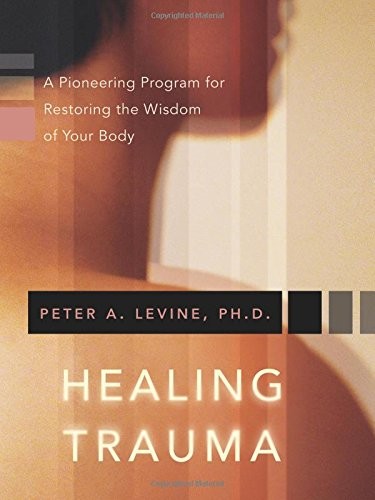
Healing Trauma
Peter A. Levine, PhD
Practical how-to guide for body-based trauma recovery with 12 guided Somatic Experiencing exercises.

It Didn't Start with You
Mark Wolynn
Groundbreaking exploration of inherited family trauma and how to end intergenerational cycles.
As an Amazon Associate, Clarity House Press earns from qualifying purchases. Your price is never affected.
Found this helpful?
Share it with someone who might need it.
Tags
About the Author

Clarity House Press
Editorial Team
The editorial team at Clarity House Press curates and publishes evidence-based content on narcissistic abuse recovery, high-conflict divorce, and healing. Our content is informed by research, survivor experiences, and established trauma-informed approaches.
View all posts by Clarity House Press →Published by Clarity House Press Editorial Team