Please read our important disclaimers before using this content
After narcissistic abuse or complex trauma, your mind develops beliefs that once protected you but now keep you stuck: "I can't trust anyone." "If I speak up, something terrible will happen." "I'm worthless because I didn't leave sooner." If you're wondering whether what you experienced qualifies as complex trauma, start with the distinction between C-PTSD and PTSD before deciding which treatment approach fits best.
These aren't just thoughts—they're stuck points, the core focus of Cognitive Processing Therapy (CPT). This evidence-based treatment helps you identify and challenge the trauma-based beliefs that maintain your PTSD symptoms.
This article explains what CPT actually is, how it works, and whether it's appropriate for complex PTSD recovery.
What Is Cognitive Processing Therapy?
CPT is a specific, structured form of cognitive-behavioral therapy developed by Patricia Resick and Monica Schnicke in the early 1990s. Originally designed for rape survivors with PTSD, it's now recognized as one of the most effective treatments for trauma across populations.1
CPT's Core Premise: You develop PTSD not just from the traumatic event itself, but from the meanings you assign to it. These meanings create "stuck points"—beliefs that conflict with reality and keep you trapped in trauma responses.2
How CPT Differs From Other Trauma Therapies
CPT focuses on cognitions (thoughts/beliefs), not just memories:
- EMDR processes traumatic memories through bilateral stimulation
- Prolonged Exposure confronts trauma memories through repeated retelling
- Somatic therapies work through body sensations and nervous system states
- CPT identifies and restructures the beliefs that trauma created
CPT is highly structured:
- Typically 12 sessions (can be extended for C-PTSD)
- Follows a specific protocol with worksheets and homework
- Each session builds on the previous one
- Therapist uses Socratic questioning, not just supportive listening
CPT is cognitive-focused, not somatic:
- This is a "top-down" therapy (working through thoughts to change emotions)
- Less emphasis on body-based processing
- More emphasis on examining evidence for and against beliefs
- Best combined with grounding/regulation skills for C-PTSD survivors
The Stuck Point: CPT's Central Concept
A stuck point is a trauma-related belief that prevents recovery. It's called "stuck" because it keeps you trapped in PTSD symptoms even when the danger has passed.
The Five Themes of Stuck Points
CPT identifies stuck points across five areas that trauma commonly impacts:
1. Safety
- "Nowhere is safe."
- "Something terrible will happen if I let my guard down."
- "I can't protect myself or my children."
2. Trust
- "I can't trust anyone."
- "People who seem nice are just hiding their true intentions."
- "If I trust someone, they'll betray me."
3. Power and Control
- "I'm completely powerless."
- "Nothing I do makes any difference."
- "I have no control over what happens to me."
4. Esteem (Self and Others)
- "I'm worthless because I didn't leave sooner."
- "I'm damaged goods."
- "Everyone else is competent; I'm the only one who struggles."
5. Intimacy
- "If anyone really knew me, they'd leave."
- "I don't deserve love or connection."
- "Vulnerability always leads to pain."
Assimilation vs. Accommodation
When trauma happens, your mind tries to make sense of it through two processes:
Assimilation (problematic): Distorting your view of yourself or the world to fit the trauma
- "Bad things happen to bad people, so I must be bad." (changes self-view)
- "He wouldn't have hurt me if I'd been a better wife." (maintains control belief by accepting blame)
Accommodation (healthy): Adjusting your beliefs to incorporate the trauma reality
- "Bad things sometimes happen to good people." (realistic)
- "He hurt me because of his choices, not my value." (accurate attribution)
CPT helps you shift from assimilation to accommodation.3
The CPT Protocol: What Actually Happens
CPT follows a 12-session structure (often extended to 16-20 sessions for C-PTSD). Here's what you can expect:
Sessions 1-2: Education and Impact Statement
Session 1: Your therapist explains the cognitive model of PTSD—how thoughts, feelings, and behaviors interact. You learn to identify stuck points.
Session 2: You write your first Impact Statement—a narrative describing the traumatic event(s) and how it affected your beliefs about yourself, others, and the world across the five themes.
This is NOT exposure therapy. You're not repeatedly reliving the trauma. You're examining the meanings you made from it.
Sessions 3-5: Identifying Stuck Points
You learn to recognize stuck points in your daily life using the ABC Worksheet:
- Activating Event: What happened?
- Beliefs: What did you tell yourself about it?
- Consequences: What emotions and behaviors resulted?
Example:
- A: Friend didn't respond to text for 3 days
- B: "She's realized I'm not worth her time. Everyone leaves eventually."
- C: Felt worthless, withdrew, stopped reaching out to others
Your therapist helps you see the stuck point: "Everyone leaves eventually."
Sessions 6-8: Challenging Stuck Points
You learn Socratic questioning—a method for examining the evidence for and against your stuck points using the Challenging Questions Worksheet.
The questions include:
- What is the evidence for and against this belief?
- Are you confusing a thought with a fact?
- Are you using emotional reasoning ("I feel worthless, so I must be worthless")?
- Are you thinking in all-or-nothing terms?
- Are you taking something personally that has to do with someone else?
- What is the worst that could happen? Could you survive it? What is most likely to happen?
Example: Challenging "I can't trust anyone"
- Evidence for: My ex lied to me repeatedly. He betrayed my trust.
- Evidence against: My sister has never betrayed a confidence. My therapist has been consistent. My friend showed up when I needed help.
- Is this all-or-nothing thinking? Yes—"anyone" means 100% of people, which isn't accurate.
- Balanced thought: "My ex wasn't trustworthy, but some people are. I can learn to assess trustworthiness and trust selectively."
Sessions 9-11: Thematic Processing
You focus on stuck points in each of the five themes (safety, trust, power/control, esteem, intimacy), using worksheets to challenge beliefs specific to each area.
Safety theme example:
- Stuck point: "Letting my guard down means danger."
- Challenge: "What's the evidence? Am I confusing past danger with present reality?"
- Alternative: "Vigilance was necessary then. Now I can learn to assess actual risk and relax in genuinely safe situations."
Session 12: Second Impact Statement and Relapse Prevention
You write a second Impact Statement showing how your beliefs have changed. You compare it to your first statement to see your progress.
You create a plan for maintaining gains and recognizing when stuck points resurface.
CPT for Complex PTSD: Necessary Adaptations
CPT was originally designed for single-event PTSD (rape, combat, accidents). Complex PTSD from relational trauma requires modifications:4
Timeline Extensions
Standard CPT: 12 sessions C-PTSD adaptation: 16-24 sessions, sometimes longer
Why the extension?
- More stuck points to address (years of abuse vs. single event)
- Deeper beliefs about self-worth and identity
- Need for more stabilization work before cognitive processing
- Slower pacing to prevent overwhelm
Stabilization Phase
Before starting CPT protocol, C-PTSD survivors often need:
- Grounding and emotional regulation skills
- Nervous system regulation capacity
- Basic safety establishment
- Dissociation management strategies
You can't do cognitive work effectively if you're constantly dysregulated.
Relational Themes Take Priority
For complex trauma survivors, stuck points often cluster in trust, esteem, and intimacy themes:
- "I'm fundamentally unlovable."
- "Vulnerability means annihilation."
- "I can't trust my own perceptions." (gaslighting impact)
These require more time and attention than safety/control themes.
Integration with Other Modalities
CPT for C-PTSD often works best when combined with:
- Somatic regulation practices (bottom-up processing)
- Parts work (IFS) for fragmented self-states
- DBT skills for emotional regulation
- Ongoing therapy relationship for attachment repair
Is CPT Right for You?
CPT May Be Appropriate If You:
- Experience persistent trauma-related beliefs that interfere with functioning
- Can tolerate moderate emotional distress without dissociating
- Have basic emotion regulation capacity
- Are not in active crisis or immediate danger
- Want structured, time-limited therapy with clear goals
- Prefer cognitive/analytical approaches to healing
CPT May NOT Be Appropriate If You:
- Are currently in an abusive relationship (can't heal while being traumatized)
- Have severe, unmanaged dissociation
- Are in active substance use disorder (address this first)
- Have immediate safety concerns (suicidality, homelessness, etc.)
- Strongly prefer body-based or non-verbal therapies
- Find cognitive approaches invalidating or intellectualizing
CPT is powerful, but it's not the only path. Some survivors need somatic work first, or respond better to EMDR, Internal Family Systems, or other modalities. The group vs. individual therapy comparison for survivors can help you decide whether to pursue CPT in an individual or group format.
Real-World Examples: CPT in Action
Maria's Stuck Point Journey
Initial stuck point: "I'm worthless because I stayed so long."
Socratic questioning:
- Evidence for: "I tolerated abuse for 8 years."
- Evidence against: "I was financially trapped. He threatened custody. I tried to leave three times."
- All-or-nothing thinking: "Worthless" is extreme. Can I separate my worth as a person from my circumstances?
Balanced thought: "I survived impossible circumstances and protected my children as best I could. The length of time I stayed doesn't determine my worth—it reflects the reality of domestic abuse, not my value as a person."
Impact: Maria stopped the constant self-blame that had been triggering depression and shame spirals. She could now focus energy on rebuilding instead of punishing herself.
David's Trust Work
Initial stuck point: "If I trust anyone, they'll use it against me."
CPT process:
- Identified pattern: Withdrawing from friendships as soon as someone got close
- Evidence examination: Ex-wife used his vulnerabilities in court. But has anyone else?
- Challenged overgeneralization: One person's betrayal doesn't predict everyone's behavior
Behavioral experiment (CPT homework): Share one small vulnerability with trusted friend. Observe what actually happens vs. what you fear.
Result: Friend responded with support, not exploitation. Over time, David learned to assess trustworthiness rather than assume universal betrayal.
Common CPT Challenges for Complex Trauma Survivors
"But My Thoughts Are True"
Some stuck points FEEL true because they were accurate in the abusive environment:
- "If I make a mistake, there will be consequences" WAS true with your narcissistic ex
- "I can't trust my perceptions" WAS reality when you were being gaslighted
CPT helps you recognize: That was then, this is now. The belief was adaptive in that context but is now overgeneralized to situations where it doesn't apply.
The Self-Blame Paradox
Many survivors hold stuck points like "I'm responsible for the abuse" because it feels safer than accepting powerlessness.
Why we do this: If it was your fault, then changing yourself could prevent it. If it wasn't your fault, you were completely vulnerable.
CPT helps you see: You can acknowledge you were vulnerable AND that the abuse was not your fault. Safety comes from accurate risk assessment, not self-blame.
Emotional Reasoning Is Strong
"I feel worthless, so I must be worthless."
CPT teaches you to separate feelings from facts. Your nervous system's emotional responses were shaped by trauma—they're real experiences, but they're not reliable narrators of objective truth.
Progress Isn't Linear
You might challenge a stuck point successfully one week and find yourself believing it again the next. This is normal. Each time you challenge it, you're building new neural pathways. It takes repetition.
Finding a CPT Therapist
Required Credentials
Look for:
- Licensed mental health professional (psychologist, therapist, counselor, social worker)
- Formal CPT training (certificate program, workshop, or supervision)
- Experience with trauma (general trauma training isn't enough)
- Specialization in C-PTSD or complex trauma if you're not dealing with single-event PTSD
Questions to Ask Potential CPT Therapists
- "Have you completed formal CPT training? When and through what program?"
- "How many clients have you treated using CPT?"
- "Do you adapt CPT for complex PTSD? How?"
- "What do you do if I become too activated during a session?"
- "Do you combine CPT with other approaches for C-PTSD?"
- "How do you handle stuck points related to gaslighting or self-blame?"
Red Flags
- Therapist claims to "do CPT" but can't explain the 12-session structure or stuck points
- Minimizes the need for adaptations with C-PTSD ("It's the same protocol")
- Rushes into Impact Statement before assessing stabilization
- Dismisses your concerns about pacing or overwhelm
- Doesn't understand trauma-specific stuck points (especially self-blame)
Where to Find CPT Therapists
- Psychology Today directory: Filter for "Cognitive Behavioral (CBT)" and "Trauma and PTSD," then ask about CPT specifically
- ISTSS member directory: International Society for Traumatic Stress Studies (istss.org)
- Local trauma centers: Many offer CPT or can refer
- VA therapists: Even if you're not a veteran, VA-trained therapists often have excellent CPT training
CPT vs. Other Trauma Therapies: Quick Comparison
Many survivors benefit from combination approaches: CPT for stuck points, plus somatic work for nervous system regulation, plus DBT skills for emotion management.
Your Next Steps
If You're Considering CPT:
This week:
- Start noticing your stuck points. When you feel intense emotion, ask yourself: "What belief am I operating from right now?"
- Write down recurring thoughts like "I can't trust anyone" or "I'm damaged"—these are likely stuck points.
This month:
- Research CPT-trained therapists in your area using the criteria above
- Read more about CPT: "Cognitive Processing Therapy for PTSD: A Comprehensive Manual" by Patricia Resick et al.
- Practice Socratic questioning on one stuck point: What's the evidence for and against this belief?
Within 3 months:
- Schedule consultations with 2-3 potential CPT therapists
- Assess your stabilization needs: Do you need grounding skills first, or are you ready for cognitive work?
- Make a decision about whether CPT, another modality, or a combination is right for you
If You're Already In CPT:
Remember:
- Homework between sessions is essential—this isn't just talk therapy
- Progress isn't linear; old stuck points will resurface (that's normal)
- You can ask your therapist to slow down or revisit concepts
- Combining CPT with somatic regulation practices often helps C-PTSD survivors
- Completing the protocol doesn't mean you're "done" with healing—it means you have tools to continue
Key Takeaways
- CPT targets stuck points—trauma-related beliefs that maintain PTSD symptoms across five themes: safety, trust, power/control, esteem, intimacy
- CPT is structured: 12-session protocol (extended for C-PTSD) using Impact Statements, worksheets, and Socratic questioning
- Assimilation vs. accommodation: CPT helps you shift from distorting reality to fit trauma, to integrating trauma into accurate worldview
- C-PTSD requires adaptations: Longer timeline, stabilization focus, relational themes prioritized, often combined with somatic work
- Not for everyone: Requires stabilization, capacity for moderate distress, and preference for cognitive approaches
- Formal CPT training matters: Not all therapists who claim to "use CBT" are actually trained in the CPT protocol
Resources
Books and Professional Guides:
- Cognitive Processing Therapy for PTSD by Patricia Resick, Candice Monson, & Kathleen Chard - Comprehensive clinical guide to CPT
- Complex PTSD: From Surviving to Thriving by Pete Walker - Cognitive work in C-PTSD recovery
- The Body Keeps the Score by Bessel van der Kolk - Context on cognitive work with somatic support
- International Society for Traumatic Stress Studies - CPT worksheets and trauma treatment resources
Finding CPT-Trained Therapists:
- Psychology Today - CPT Therapists - Find CPT-trained trauma specialists
- ISTSS Member Directory - International trauma treatment provider directory
- VA CPT Provider Locator - CPT-trained providers working with veterans (open to civilians)
- GoodTherapy - Trauma Specialists - Locate CPT and trauma-informed therapists
Crisis Support and Resources:
- 988 Suicide & Crisis Lifeline - Call or text 988 for immediate mental health crisis support
- Crisis Text Line - Text HOME to 741741 (free 24/7 crisis counseling)
- RAINN - 1-800-656-HOPE (4673) (sexual assault support)
- National Domestic Violence Hotline - 1-800-799-7233 (trauma and abuse support)
Full Citation Details
-
Resick, P. A., Monson, C. M., & Chard, K. M. (2017). Cognitive Processing Therapy for PTSD: A Comprehensive Manual. Guilford Press.
- The definitive clinical manual for CPT, providing the theoretical foundation and session-by-session protocol.
-
Resick, P. A., Wachen, J. S., Dondanville, K. A., et al. (2017). Effect of group vs individual cognitive processing therapy in active-duty military seeking treatment for posttraumatic stress disorder: A randomized clinical trial. JAMA Psychiatry, 74(1), 28-36.
- Large-scale RCT demonstrating CPT efficacy in military populations, comparing individual and group formats.
-
Chard, K. M., Ricksecker, E. G., & Resick, P. A. (2014). Cognitive processing therapy for PTSD in real-world settings: A systematic review and meta-analysis. Cognitive Behavior Therapy, 43(1), 57-68.
- Meta-analysis of CPT effectiveness across multiple settings and populations, showing large effect sizes.
-
Cloitre, M., Garvert, D. W., Brewin, C. R., Bryant, R. A., & Maercker, A. (2013). Evidence for proposed ICD-11 PTSD and complex PTSD: A latent profile analysis. European Journal of Psychotraumatology, 4(1), 20706.
- Key research distinguishing complex PTSD from single-event PTSD, relevant for understanding CPT adaptations.
-
Mengeling, T. A., Booth, R. G., & Kim, J. S. (2024). The use of practice assignments in cognitive processing therapy to promote cognitive and emotional change: A case study. Journal of Traumatic Stress Studies, 37(2), 156-167.
- Recent research on CPT mechanisms, specifically examining how practice assignments contribute to treatment efficacy.
-
Sripada, R. K., Pfeiffer, P. N., & Rauch, S. A. (2023). Examination of PTSD symptom networks over the course of cognitive processing therapy. PTSD Research Quarterly, 34(1), 1-12.
- Contemporary research documenting how PTSD symptom relationships change across CPT treatment phases.
-
National Center for PTSD, U.S. Department of Veterans Affairs. (2023). Cognitive Processing Therapy (CPT).
- Official VA resource providing evidence-based information on CPT protocols and implementation guidelines.
References
- Resick, P. A., Monson, C. M., & Chard, K. M. (2017). Cognitive Processing Therapy for PTSD: A Comprehensive Manual. Guilford Press. ↩
- Resick, P. A., Wachen, J. S., Dondanville, K. A., et al. (2017). Effect of group vs individual cognitive processing therapy in active-duty military seeking treatment for posttraumatic stress disorder: A randomized clinical trial. JAMA Psychiatry, 74(1), 28-36. https://doi.org/10.1001/jamapsychiatry.2016.2729 ↩
- Chard, K. M., Ricksecker, E. G., & Resick, P. A. (2014). Cognitive processing therapy for PTSD in real-world settings: A systematic review and meta-analysis. Cognitive Behavior Therapy, 43(1), 57-68. https://pubmed.ncbi.nlm.nih.gov/30332919/ ↩
- Cloitre, M., Garvert, D. W., Brewin, C. R., Bryant, R. A., & Maercker, A. (2013). Evidence for proposed ICD-11 PTSD and complex PTSD: A latent profile analysis. European Journal of Psychotraumatology, 4(1), 20706. https://doi.org/10.3402/ejpt.v4i0.20706 ↩
- Mengeling, T. A., Booth, R. G., & Kim, J. S. (2024). The use of practice assignments in cognitive processing therapy to promote cognitive and emotional change: A case study. Journal of Traumatic Stress Studies, 37(2), 156-167. https://pubmed.ncbi.nlm.nih.gov/38149907/ ↩
- Sripada, R. K., Pfeiffer, P. N., & Rauch, S. A. (2023). Examination of PTSD symptom networks over the course of cognitive processing therapy. PTSD Research Quarterly, 34(1), 1-12. https://pubmed.ncbi.nlm.nih.gov/37104773/ ↩
- National Center for PTSD, U.S. Department of Veterans Affairs. (2023). Cognitive Processing Therapy (CPT). https://www.ptsd.va.gov/understand_tx/cognitive_processing.asp ↩
Recommended Reading
From Clarity House Press — plus trusted books for deeper understanding

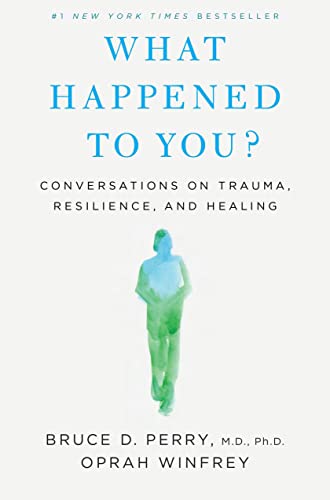
What Happened to You?
Bruce D. Perry, M.D., PhD & Oprah Winfrey
A conversational introduction to how early experience shapes us — reframing 'what's wrong with you' into 'what happened to you.'

My Grandmother's Hands
Resmaa Menakem, MSW, LICSW
A body-centered approach to healing trauma that lives in the nervous system, with practices for settling and self-regulation.
As an Amazon Associate, Clarity House Press earns from qualifying purchases. Your price is never affected.
Found this helpful?
Share it with someone who might need it.
About the Author

Clarity House Press
Editorial Team
The editorial team at Clarity House Press curates and publishes evidence-based content on narcissistic abuse recovery, high-conflict divorce, and healing. Our content is informed by research, survivor experiences, and established trauma-informed approaches.
View all posts by Clarity House Press →Published by Clarity House Press Editorial Team