Please read our important disclaimers before using this content
"Nobody understands how much I suffer." "After everything I've been through, you're treating me this way?" "I'm always the one who gets hurt in relationships."
These statements could come from someone genuinely wounded and seeking support. Or they could be the signature phrases of a vulnerable (covert) narcissist—someone who weaponizes victimhood to manipulate, control, and avoid accountability for harmful behavior.
Vulnerable narcissism is arguably the most difficult subtype to identify and escape because the narcissist presents as fragile, wounded, and in need of protection rather than grandiose and overtly abusive. While grandiose narcissists announce "I'm better than you," vulnerable narcissists communicate "I'm more wounded than you"—but both serve the same purpose: establishing superiority and avoiding accountability. Both subtypes share the same need for narcissistic supply, though they extract it through different methods.
Understanding vulnerable narcissism is crucial for survivors who find themselves trapped in relationships where they're perpetually the caretaker of someone who uses their wounds as weapons.
What Is Vulnerable (Covert) Narcissism?
Core Features
Vulnerable narcissists share the core pathology of narcissistic personality disorder—grandiosity, lack of empathy, need for admiration, exploitation—but express it through different presentations.1 Research published in the Journal of Personality distinguishes vulnerable (covert) narcissism from grandiose narcissism:
Insecurity and Victimhood (instead of overt grandiosity):
- Hypersensitivity to criticism
- Chronic feelings of being misunderstood, underappreciated, or mistreated
- Passive-aggressive behavior
- Sulking, withdrawing, or playing the victim when confronted
- Resentment and envy (often hidden beneath self-pity)
- Anxiety and depression (real or performative)
Grandiosity Through Suffering:
- "My pain is worse than yours"
- "Nobody has suffered like I have"
- "I'm too sensitive for this cruel world"
- "People like me (special/different) can't be understood by ordinary people"
Supply Sources:
- Pity, sympathy, and caretaking from others
- Being seen as fragile, special, or uniquely wounded
- Martyrdom and sacrifice (similar to communal narcissism)
- Victimhood narratives that position them as morally superior
The vulnerable narcissist's grandiosity is expressed through the specialness of their suffering rather than overt claims of superiority.
Why This Subtype Is So Hard to Identify
1. They Look Like a Victim, Not an Abuser
Standard narcissist warning signs—arrogance, dominance, overt control—are absent. Instead, you see:
- Someone who seems wounded and vulnerable
- Someone who needs your help and support
- Someone who's been hurt by others in the past
- Someone who seems incapable of causing harm
Your Response: You feel protective, sympathetic, and responsible for their wellbeing. You don't see yourself as being abused—you see yourself as helping someone in pain.
2. They Use Your Empathy Against You
People with high empathy are particularly vulnerable to covert narcissists because:
- Your natural response to someone in pain is to help
- You can see their genuine suffering (which may be real, but weaponized)
- You feel guilty when you consider setting boundaries (they're already hurting so much)
- You believe if you just love/support them enough, they'll heal and the relationship will improve
The Trap: Your empathy becomes the hook that keeps you providing supply while they avoid accountability.
3. They Avoid Overt Confrontation
Unlike grandiose narcissists who argue, dominate, and overtly control, vulnerable narcissists use:
- Passive-aggressive communication
- Sulking and silent treatment
- Victim narratives that make you the bad guy
- Emotional withdrawal as punishment
- Playing hurt when confronted
Result: You can't pinpoint specific abusive behaviors. Nothing is overt enough to clearly name. You just feel like you're perpetually hurting them and trying to fix it.
4. Cultural and Clinical Blind Spots
- Research from the American Psychological Association indicates vulnerable narcissism may present differently across genders due to socialization patterns2
- Mental health professionals may misdiagnose as depression, anxiety, or trauma without recognizing the underlying narcissistic pathology according to [clinical studies]3
- Support systems rally around the "wounded" person and blame the partner who's "abandoning them in their time of need"
How Vulnerable Narcissists Operate in Relationships
1. Perpetual Victimhood
The Pattern: Every story is about how they were wronged, misunderstood, or mistreated:
- "Everyone always leaves me"
- "Nobody understands me"
- "I'm always the one who gets hurt"
- "People take advantage of me because I'm too kind"
What's Missing: Accountability for their role in relationship problems. They're always the injured party, never the one who caused harm.
Your Experience: You're trying to prove you're different from all the people who "hurt them," working overtime to avoid becoming another person who abandoned them.
2. Hypersensitivity as Control
The Pattern: You must constantly walk on eggshells because anything can be perceived as an attack or abandonment:
- Mild feedback triggers hours of sulking or self-pity
- Disagreement is treated as betrayal
- Setting boundaries is framed as you being cruel to someone already suffering
- Normal life stressors become crises that consume all emotional energy
What's Missing: Resilience, ability to handle normal relational friction, or recognition that their hypersensitivity is controlling your behavior.
Your Experience: You're perpetually managing their emotions, avoiding topics that might upset them, and sacrificing your needs to prevent their fragile state from worsening.
3. Passive-Aggressive Punishment
The Pattern: Instead of direct anger, they punish through:45
- Silent treatment disguised as "needing space"
- Sulking and making you ask repeatedly what's wrong
- Agreeing to things then subtly sabotaging them
- "Forgetting" important events or commitments
- Backhanded compliments or subtle digs
- Communicating displeasure through sighs, eye rolls, or body language
What's Missing: Direct communication about their needs or frustrations.
Your Experience: You know they're upset, but you can't address it directly. You're left trying to decode their behavior and fix something they won't name.
4. Competitive Suffering
The Pattern: Your pain is always minimized in comparison to theirs:
- You share a struggle, they one-up with a worse experience
- You're sick, they're sicker (or your illness adds to their burden)
- You need support, but they need it more
- Your accomplishments are met with how much they've sacrificed or how unfair life is to them
- Any attention you receive triggers their resentment
What's Missing: Reciprocal empathy, celebration of your experiences, or space for your needs.
Your Experience: You stop sharing your struggles, accomplishments, or needs because it always becomes about them.
5. Conditional Fragility
The Pattern: Their "fragility" appears and disappears strategically:
- Too anxious/depressed to handle responsibilities you've asked them to take on
- But capable when it serves their interests
- "Too hurt" to discuss your relationship concerns
- But energetic and functional in other contexts (work, friends, hobbies)
- Fragile when you need them to step up
- Functional when they want something from you
What's Missing: Consistent limitations. Their "inability" to function appears selectively.
Your Experience: You doubt whether their struggles are real or manipulative, then feel guilty for doubting someone who's suffering.
6. Caretaking as Supply
The Pattern: They position themselves so you're perpetually caretaking them:
- Always in crisis
- Chronic health/mental health struggles (real or exaggerated)
- Can't handle basic life tasks you manage fine
- Need constant reassurance, support, or management
- Threaten self-harm or suicide when you set boundaries
- Frame themselves as too damaged/special to function like others
What's Missing: Improvement despite your constant support. Therapy, medication, or interventions don't seem to help long-term.
Your Experience: You're exhausted from perpetual caretaking with no progress. The relationship is one-directional: you give, they take.
Vulnerable Narcissism in Parenting
During the Relationship
- Children are expected to emotionally support the vulnerable narcissist parent
- "Don't upset your mother/father, they've been through so much"
- Children's needs are framed as additional burdens
- Guilt-tripping about sacrifices made for children
Weaponized Fragility:6
- "If you loved me, you wouldn't behave this way—look how much you're hurting me"
- Using their mental health struggles to control children's behavior
- Suicide threats when children set boundaries or express independence
- Children never feel safe having normal childhood needs or emotions
During Divorce
The Victim Narrative:
- "Your father/mother abandoned me when I needed them most"
- "I can't believe they're doing this to me after everything I've been through"
- Using the divorce as evidence of being victimized
- Positioning themselves as the wounded party regardless of relationship dynamics
In Court:
- Presenting as too fragile to handle shared custody
- Using mental health struggles to garner sympathy while avoiding accountability
- Claiming the divorce triggered their breakdown (ignoring pre-existing patterns)
- Suicide threats or self-harm during custody proceedings
- Positioning ex-partner as cruel for "doing this" to someone so vulnerable
The Challenge: Family courts may see a fragile, wounded person who needs protection rather than recognizing the manipulative pattern.
Post-Divorce Co-Parenting
Continued Victimhood:5
- Every boundary you set is framed as you victimizing them
- Co-parenting conflicts are always your fault
- They're perpetually overwhelmed, struggling, or suffering
- Using their fragility to avoid responsibilities or manipulate parenting schedules
- Telling children about their suffering caused by you
- Garnering sympathy from mutual friends, family, schools, therapists
Red Flags: Is Your Partner a Vulnerable Narcissist?
Early Relationship:
- ✓ Extensive trauma stories that position them as uniquely wounded
- ✓ "Everyone has hurt me, but you're different" (pressure to prove you're the exception)
- ✓ Rapid disclosure of vulnerabilities (trauma dumping)
- ✓ Intense connection based on you "understanding" them when nobody else does
- ✓ Hypersensitivity even to gentle feedback
- ✓ Passive-aggressive communication from the start
Established Relationship:
- ✓ You're perpetually walking on eggshells
- ✓ Setting boundaries triggers self-pity or silent treatment
- ✓ Your needs are consistently deprioritized because theirs are more urgent
- ✓ You feel responsible for their emotional wellbeing
- ✓ They're "too fragile" to handle normal relationship discussions
- ✓ Chronic health/mental health crises with no long-term improvement despite treatment
- ✓ They're the victim in every story, relationship, and conflict
- ✓ Your accomplishments trigger their resentment or self-pity
- ✓ You've become their therapist, parent, or emotional manager
- ✓ Threats of self-harm when you try to leave or set boundaries
- ✓ You feel guilty, selfish, or cruel for having needs or boundaries
- ✓ They function well in some contexts but claim inability in others (strategic fragility)
The Ultimate Tell: Despite years of your support, caretaking, and sacrifice, they haven't improved, grown, or become more resilient—because your caretaking is the supply they seek, not a stepping stone to healing.
Covert Narcissism vs. Genuine Vulnerability
This is the most challenging distinction because:
Genuinely Vulnerable People
- Take accountability: "I struggle with anxiety, and I'm working on not letting it control our relationship"
- Show improvement: Therapy, medication, and support lead to gradual growth
- Reciprocate: When able, they support you too
- Apologize genuinely: They recognize when their struggles have impacted you and make amends
- Don't weaponize: Their vulnerability isn't used to manipulate or control
- Handle boundaries: While difficult, they understand you have needs too
- Self-awareness: They recognize their patterns and work to change them
Vulnerable Narcissists
- Avoid accountability: "I behaved that way because I was hurt/traumatized/struggling"3
- Resist improvement: Despite years of support, no meaningful change
- Lack reciprocity: Relationship is one-directional; your needs are burdens89
- Non-apologies: "I'm sorry you feel that way" or "I'm the worst person ever" (pity-seeking)
- Weaponize vulnerability: Use their struggles to avoid responsibility and control your behavior5
- Reject boundaries: Boundaries are reframed as you victimizing them
- Lack self-awareness: Everyone else is the problem; they're just responding to being victimized
Key Question: Does their vulnerability lead to growth and reciprocity over time, or does it function to keep you caretaking while they avoid accountability?
How to Respond If You're In a Relationship with a Vulnerable Narcissist
1. Name the Pattern
Stop seeing each incident in isolation. Recognize the pattern:
- Chronic victimhood
- Strategic fragility
- Lack of accountability
- Your perpetual caretaking without reciprocity
- No improvement despite your support
Shift: From "They're struggling and need my help" to "This pattern is manipulative regardless of whether they're aware of it." Naming the manipulation tactics for what they are is the first step toward stopping your participation in the cycle.
2. Set and Maintain Boundaries
Expect resistance framed as victimhood:
- "I can't believe you're abandoning me when I need you most"
- "This will destroy me"
- Self-harm threats
- Increased fragility to pull you back into caretaking
Your Response:
- "I care about you, but I can't compromise my wellbeing"
- "I need you to work with your therapist on this"
- "I'm not responsible for managing your emotions"
- For self-harm threats: "I'm calling 911 because this is beyond what I can handle"
Reality: If they escalate to crisis every time you set a boundary, that's not fragility—it's control.
3. Stop Proving You're Different
Release the pressure to be the person who finally doesn't abandon/hurt/misunderstand them.
Reframe: "Everyone leaves me" might be accurate—because the only way to maintain your wellbeing in relationship with them is to leave.
Reality: You can't love someone into accountability. Your exceptional support won't fix their narcissistic pathology.
4. Resist Guilt
You will feel guilty. Vulnerable narcissists are exceptionally skilled at triggering guilt.
Counter-Narratives:
- "Setting boundaries with someone who's struggling doesn't make me cruel"
- "I can have compassion for their pain while recognizing the relationship is harmful"
- "I'm not responsible for their emotional wellbeing"
- "Leaving doesn't make me another person who abandoned them—it makes me someone who chose their own wellbeing"
5. Document Everything (If Divorce/Custody)
In family court, vulnerable narcissists are particularly effective because they appear fragile. You'll need:
- Documentation of their functioning in some areas but "inability" in others
- Records of therapy/treatment and lack of sustained improvement
- Examples of weaponized fragility (suicide threats during custody negotiations)
- Evidence of parentification of children
- Communication showing victim narratives and refusal of accountability
6. Find Support from People Who Understand This Dynamic
Many people won't get it:
- "They seem so wounded—how can you leave them?"
- "They need you now more than ever"
- "Give them time to heal"
Find:
- Therapist specializing in narcissistic abuse who recognizes covert subtype
- Support groups for partners of narcissists
- Legal counsel experienced with high-conflict personalities
- Friends who've witnessed the pattern, not just the performance
Healing from Vulnerable Narcissistic Abuse
Unique Recovery Challenges
Guilt: You left someone who seemed so fragile. This requires processing the difference between cruelty and self-preservation.
Doubt: Were they really narcissistic, or were they just struggling? Needed: validation that manipulation can coexist with genuine suffering.
Confusion: The lack of overt abuse makes it hard to name what happened. Therapy should help you recognize covert abuse is still abuse.
Self-Blame: "If I'd just been more patient/supportive/understanding..." Healing requires recognizing you can't support someone into accountability.
Therapeutic Focus
- Recognizing covert manipulation: Learning to see passive-aggressive control and weaponized victimhood as abuse
- Releasing guilt: Understanding that leaving wasn't abandonment; it was survival
- Rebuilding boundaries: Learning to prioritize your needs without guilt
- Processing the betrayal: Grieving the realization that their vulnerability was weaponized
- Learning reciprocity: Understanding what healthy interdependence looks like
- Healing helper/empath wounds: Addressing why you were vulnerable to this dynamic
Protecting Your Children
If you share children with a vulnerable narcissist, understanding why co-parenting isn't possible with a narcissist can help you shift to a parallel parenting model that protects both you and your children from ongoing manipulation:
What Children Experience:
- Parentification (expected to manage parent's emotions)
- Guilt for normal childhood needs ("Don't upset Mom/Dad")
- Role reversal (child comforts parent instead of vice versa)
- Weaponized fragility ("If you loved me, you wouldn't...")
- Loyalty conflicts (helping one parent means hurting the other)
What Children Need from You:
- Permission to be children (not emotional support for adults)
- Validation that having needs doesn't make them bad
- Age-appropriate explanations ("Sometimes parents struggle, but that's not your responsibility")
- Therapy with someone who understands narcissistic family dynamics
- Protection from parentification (when possible within custody constraints)
- Modeling of healthy boundaries
Final Thoughts
Vulnerable (covert) narcissism is perhaps the most insidious subtype because the narcissist's wounds may be real—but they're weaponized. Their pain may be genuine—but it's used to avoid accountability and extract perpetual caretaking.
You are not cruel for leaving someone who's struggling. You are not selfish for having boundaries with someone in pain. You are not obligated to drown trying to save someone who's using your rescue attempts to pull you under.
Compassion for their suffering and protection of your wellbeing can coexist. In fact, they must—because you cannot help someone who uses your helping as supply rather than support for growth.
If after years of your exceptional patience, support, and sacrifice, they haven't grown, changed, or reciprocated—it's not because you didn't do enough. It's because the caretaking dynamic is the point, not the path to healing.
You deserve a relationship built on mutual support, not perpetual rescue.
Resources
Understanding and Recovery:
- Psychology Today Therapist Finder - Find therapists specializing in covert narcissism
- National Alliance on Mental Illness (NAMI) - Mental health support and education
- SAMHSA National Helpline - 1-800-662-4357 (24/7)
- National Domestic Violence Hotline - 1-800-799-7233 (SAFE)
Legal and Family Support:
- High Conflict Institute - Resources for personality disorders in family court
- American Bar Association Family Law Section - Find family law attorneys
- Psychology Today Child Therapists - Find therapists for children of narcissistic parents
Crisis Support:
- 988 Suicide & Crisis Lifeline - Call or text 988 (24/7)
- Crisis Text Line - Text HOME to 741741
Remember: The most dangerous narcissist isn't always the one who shouts—sometimes it's the one who cries. Recognizing weaponized vulnerability is not lacking compassion; it's protecting yourself from a particularly covert form of exploitation.
References
- American Psychiatric Association. (2013). Diagnostic and statistical manual of mental disorders (5th ed.). Arlington, VA: American Psychiatric Publishing. https://pubmed.ncbi.nlm.nih.gov/23834518/ ↩
- Miller, J. D., Hoffman, B. J., Gaughan, E. T., Gentile, B., Kampman, K., & Campbell, W. K. (2011). Grandiose and vulnerable narcissism: A nomological network analysis. Journal of Personality, 79(5), 1033-1063. https://www.ncbi.nlm.nih.gov/pmc/articles/PMC3119754/ ↩
- Jauk, Weigle, Lehmann, Benedek, & Neubauer (2017). The Relationship between Grandiose and Vulnerable (Hypersensitive) Narcissism.. Frontiers in psychology. https://pmc.ncbi.nlm.nih.gov/articles/PMC5601176/ ↩
- Miller, Hoffman, Campbell, & Pilkonis (2008). An examination of the factor structure of Diagnostic and Statistical Manual of Mental Disorders, Fourth Edition, narcissistic personality disorder criteria: one or two factors?. Comprehensive psychiatry. https://pmc.ncbi.nlm.nih.gov/articles/PMC2277465/ ↩
- Juulius, P., Alamaki, K., & Salo, J. (2023). Parentification vulnerability, reactivity, resilience, and thriving: A mixed methods systematic literature review. Children, 10(6), 1024. https://www.ncbi.nlm.nih.gov/pmc/articles/PMC10341267/ ↩
- Hooper, L. M. (2007). The application of attachment theory and family systems theory to the phenomenon of parentification. The Family Journal, 15(3), 217-223. https://www.ncbi.nlm.nih.gov/pmc/articles/PMC7925789/ ↩
- Fossati, A., Feeney, B. C., Donati, D., Donini, M., Novella, L., Borroni, S., ... & Maffei, C. (2003). On the dimensional structure of personality pathology: Relations between SCID-II interview and SCID-II questionnaire. Personality and Individual Differences, 35(4), 823-836. https://www.ncbi.nlm.nih.gov/pmc/articles//. ↩
- Day, Townsend, & Grenyer (2022). Pathological narcissism: An analysis of interpersonal dysfunction within intimate relationships.. Personality and mental health. https://pmc.ncbi.nlm.nih.gov/articles/PMC9541508/ ↩
- Hepper, E. G., Hart, C. M., Meek, R., Cisek, S., & Sedikides, C. (2014). Narcissism and empathy in young offenders and non-offenders. European Journal of Personality, 28(2), 201-210. https://www.ncbi.nlm.nih.gov/pmc/articles/PMC6120976/ ↩
- Langley, H. A., Wright, M. F., Bfechtel, R. A., & Egan, S. J. (2016). Narcissistic traits and cyberbullying perpetration: The meditational effects of emotional dysregulation and need for control. Personality and Individual Differences, 102, 174-179. https://www.ncbi.nlm.nih.gov/pmc/articles/PMC7427292/ ↩
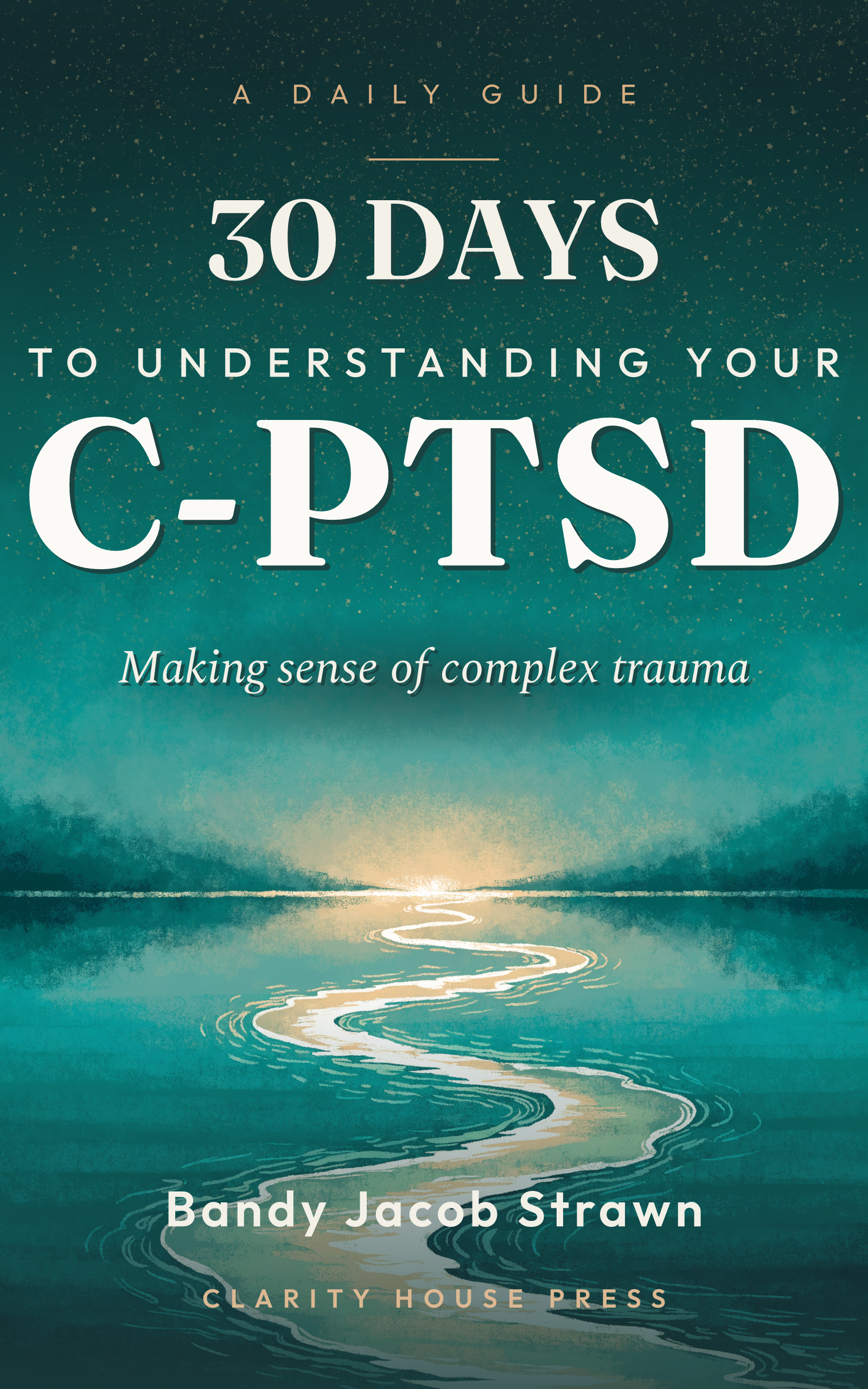
Recommended Reading
From Clarity House Press — plus trusted books for deeper understanding

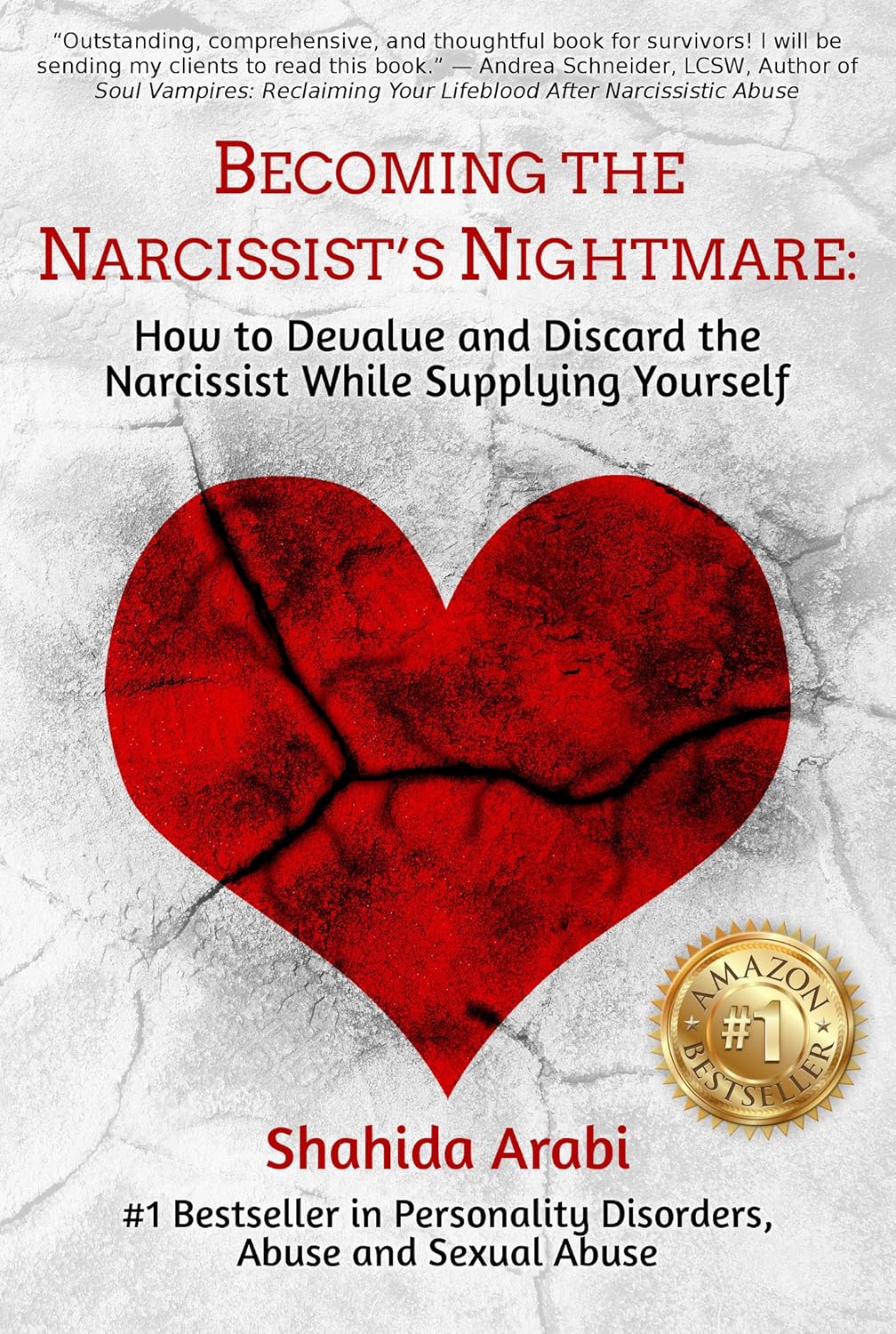
Becoming the Narcissist's Nightmare
Shahida Arabi
How to devalue and discard the narcissist while supplying yourself with empowerment and validation.
Healing from Hidden Abuse
Shannon Thomas, LCSW
Six-stage recovery model for psychological abuse survivors from a certified trauma therapist.
As an Amazon Associate, Clarity House Press earns from qualifying purchases. Your price is never affected.
Found this helpful?
Share it with someone who might need it.
About the Author

Clarity House Press
Editorial Team
The editorial team at Clarity House Press curates and publishes evidence-based content on narcissistic abuse recovery, high-conflict divorce, and healing. Our content is informed by research, survivor experiences, and established trauma-informed approaches.
View all posts by Clarity House Press →Published by Clarity House Press Editorial Team