Please read our important disclaimers before using this content
Composite account: this narrative is drawn from common survivor experiences. Names, occupations, and identifying details are illustrative and do not depict a single real person.
I have a photo from my wedding day. I'm 26 years old, wearing my grandmother's pearls, beaming at the camera. I look so happy. So certain.
I look at that photo now—at 51, three years divorced—and I want to reach through time and shake her. I want to tell her what's coming. I want to show her the signs she's missing.
But mostly, I want to tell her: The red flags are already there. You just can't see them yet.
This post is what I wish I could tell 26-year-old me. If you're in your 20s or 30s and something feels off in your relationship—please read this. The patterns I missed took 20 years of my life. Maybe I can save you from losing yours.
Red Flag #1: The Whirlwind Romance
What it looked like:
We met at a conference. Within two weeks, he told me I was "the one." Within a month, he was talking about our future—marriage, kids, the house we'd buy, the life we'd build.
It felt like fate. Like magic. Like finally being seen and chosen after years of mediocre relationships.
What I didn't know:
This is called "love bombing,"1 and it's a calculated strategy. The intensity creates artificial intimacy and bypasses your natural caution. Understanding the full narcissistic abuse cycle—from idealization through devaluation to discard—reveals how love bombing is just the opening move of a predictable pattern.
The red flags I missed:
- He barely knew me but was certain we were soulmates
- He rushed major relationship milestones (meeting family, moving in, engagement)
- He mirrored my interests perfectly (in hindsight, too perfectly)
- He created an "us against the world" narrative early on
- He was more interested in the idea of me than getting to know the real me
What I wish I'd known:
Real love develops over time. Healthy partners want to know you—your flaws, your history, your authentic self—before committing forever.
If someone is pushing for commitment before they've seen you at your worst, they're not in love with you. They're in love with their projection of you.
Red Flag #2: He Was "Damaged" by His Ex
What it looked like:
He'd been married before. His ex-wife was, according to him:
- Crazy
- Unfaithful
- Vindictive
- A terrible mother
- The reason he had trust issues
I felt special that he was willing to trust again with me. I was going to be the one who healed him. I was going to show him what real love looked like.
What I didn't know:
How someone talks about their ex tells you how they'll eventually talk about you.
The red flags I missed:
- He took zero responsibility for the marriage ending
- Every relationship problem was someone else's fault
- He painted himself as the eternal victim
- He had no empathy for his ex's perspective
- He used his "damage" to justify controlling behaviors
What I wish I'd known:
Healthy people can acknowledge their role in relationship failures. They can say "we weren't compatible" or "I made mistakes too" without villainizing their ex.
If someone's ex is always the villain, you'll be the villain next.
Red Flag #3: Small Controlling Behaviors (That I Explained Away)
What it looked like:
- He wanted to know where I was, all the time ("I just worry about you!")
- He'd criticize my outfit choices ("You're too beautiful, I don't want other men looking")
- He preferred I didn't go out with friends without him ("I'll miss you too much")
- He managed our finances from early on ("I'm better with money, let me handle it")
- He had opinions on my hair, makeup, clothes, friends, career
Each individual thing seemed small. Even sweet, at first.
What I didn't know:
Control starts small and escalates slowly. You don't notice you're in a cage because the bars appear one at a time.
The red flags I missed:
- My independence was slowly being restricted
- I was constantly adjusting my behavior to keep him happy
- His "preferences" became my requirements
- I stopped doing things I enjoyed because it was "easier" not to
- I started asking permission without realizing I was doing it
What I wish I'd known:
Love doesn't try to shrink you. It doesn't manage you. It doesn't require you to become smaller to make someone else comfortable.
If you're constantly adjusting yourself to avoid conflict, that's not compromise. That's control.
Red Flag #4: He Isolated Me (So Gradually I Didn't Notice)
What it looked like:
- My best friend Sarah was "dramatic" and "always causing problems"
- My sister was "judgmental" of our relationship
- My coworkers were "unprofessional" and I shouldn't socialize with them
- My parents "didn't understand our connection"
- My hobbies were "time we could be spending together"
Over the years, my world got smaller and smaller. By year 10, my entire social circle was his friends and their wives. I had no one who was "mine."
What I didn't know:
Isolation is a prerequisite for abuse.2 You can't recognize toxic patterns if you have no outside perspective.
The red flags I missed:
- He always had a "concern" about my relationships
- He created conflict between me and my loved ones
- He was threatened by my independent activities
- He made me feel guilty for time spent away from him
- He positioned himself as the only person who "really" understood me
What I wish I'd known:
Healthy partners encourage your friendships. They want you to have a full life outside the relationship. They trust you to have other meaningful connections.
If your partner is your whole world, that's not love. That's a prison made of roses.
Red Flag #5: The Rules Applied Differently to Him
What it looked like:
I needed to account for every dollar I spent, but he could buy whatever he wanted.
I needed to text if I was running late, but he'd disappear for hours without a word.
My friendships were threatening, but his "business dinners" with female colleagues were fine.
I needed to dress modestly, but he could comment on other women's appearances.
I needed to lose the baby weight, but he could let himself go.
What I didn't know:
This is called a double standard, and it's a form of control and entitlement.
The red flags I missed:
- Rules were about power, not mutual respect
- I was held to standards he never met himself
- He was allowed freedom I wasn't
- His mistakes were understandable, mine were character flaws
- I was expected to be perfect while he could be human
What I wish I'd known:
In healthy relationships, partners hold themselves to the same standards they expect from each other. There's reciprocity, not hierarchy.
If the rules only go one direction, you're not in a partnership. You're in a dictatorship.
Red Flag #6: Walking on Eggshells
What it looked like:
I learned to read his moods. I could tell by the way he opened the door, the tone of his "hello," the set of his shoulders whether I was about to have a good evening or a terrible one.
I managed the kids' volume, the dinner temperature, the cleanliness of the house, my availability for sex—all to avoid setting him off.
What I didn't know:
When you're constantly regulating your behavior to manage someone else's emotions, you're in an abusive dynamic.3
The red flags I missed:
- His mood dictated the entire household's atmosphere
- I was responsible for keeping him happy
- Small mistakes (dinner 10 minutes late, forgetting something at the store) created disproportionate anger
- I lived in constant low-grade anxiety
- I taught my children to tiptoe around daddy
What I wish I'd known:
You are not responsible for anyone else's emotional regulation. Adults manage their own feelings.
If you're walking on eggshells, you're not in a loving relationship. You're in survival mode.
Red Flag #7: He Was Charming to Everyone But Me
What it looked like:
In public, he was:
- Funny
- Charming
- Helpful
- Generous
- The life of the party
At home, he was:
- Critical
- Cold
- Dismissive
- Cruel
- Impossible to please
What I didn't know:
This is called a "public persona," and narcissists are masters at it.4 The person everyone else sees isn't the person you're married to.
The red flags I missed:
- He could turn the charm on and off like a switch
- No one believed me when I tried to explain what he was really like
- I started to doubt my own reality (was I the problem?)
- He got narcissistic supply from others' admiration
- I felt crazy and alone
What I wish I'd known:
If someone can be kind to strangers but cruel to you, they're choosing to be cruel. They have the capacity for kindness—they're just not giving it to you.
When the person everyone else sees is completely different from the person you experience, trust your experience.
Red Flag #8: My Feelings Were Always Wrong
What it looked like:
When I was hurt by something he said:
- "You're too sensitive"
- "I was joking, why can't you take a joke?"
- "You're misunderstanding me"
- "I never said that"
When I was angry about something he did:
- "You're overreacting"
- "It wasn't that big of a deal"
- "Why do you always have to make everything about you?"
- "After everything I do for you, this is how you treat me?"
Eventually, I stopped sharing my feelings. It was never worth it.
What I didn't know:
This is gaslighting5—psychological manipulation that makes you doubt your own perceptions and emotions. A comprehensive look at gaslighting tactics and how they damage your reality shows just how methodical this form of abuse actually is.
The red flags I missed:
- My reality was constantly invalidated
- I started apologizing for having feelings
- I questioned whether I was the unreasonable one
- I stopped trusting my own judgment
- I became numb to survive
What I wish I'd known:
Your feelings are information. They're not right or wrong—they just are. In healthy relationships, partners validate feelings even when they disagree with the interpretation.
If your emotions are constantly dismissed or weaponized against you, your reality is being distorted.
Red Flag #9: He Didn't Support My Dreams
What it looked like:
Before kids, I wanted to pursue a master's degree. He said:
- "Is it really worth the money?"
- "How will that benefit our family?"
- "Sounds stressful, are you sure you can handle it?"
After kids, I wanted to go back to work. He said:
- "The kids need you home"
- "We don't need the money"
- "What kind of mother chooses career over children?"
Every dream I had was met with doubt, discouragement, or outright opposition.
What I didn't know:
He was threatened by my potential independence and success. Keeping me small kept him in control.
The red flags I missed:
- He only supported goals that benefited him
- He framed his opposition as concern for me
- He undermined my confidence systematically
- He needed me financially dependent
- He couldn't celebrate my successes
What I wish I'd known:
Partners who love you want you to grow. They encourage your dreams even when it's inconvenient for them. They celebrate your success without feeling diminished by it.
If someone consistently talks you out of pursuing what matters to you, they don't want you to thrive. They want you to stay manageable.
Red Flag #10: I Was Never Good Enough
What it looked like:
No matter what I did, it wasn't enough:
- The house was never clean enough
- I wasn't thin enough
- I wasn't interesting enough
- I wasn't sexy enough (but also not modest enough)
- I wasn't appreciative enough of everything he did
The goalpost constantly moved. When I finally achieved something he'd criticized, he'd find something new to criticize.
What I didn't know:
This is intentional. The criticism isn't about improvement—it's about keeping you insecure and trying to earn approval you'll never receive.
The red flags I missed:
- I was in a constant state of striving for approval
- There was always a new standard I failed to meet
- He compared me to other women
- Compliments were rare and backhanded
- I believed I was the problem
What I wish I'd known:
Love doesn't require you to earn it through perfect performance. You don't have to audition for your partner's approval.
If you're never good enough, the problem isn't you. It's that you're with someone who needs you to feel inadequate to maintain control.
What I See Now That I Couldn't See Then
Looking back, the red flags were everywhere. From the first month. But I couldn't see them because:
1. I didn't know what healthy love looked like. My parents had a dysfunctional marriage. I had no template for healthy partnership.
2. I thought love was supposed to be hard. All the movies, songs, and stories told me great love required sacrifice. I was sacrificing—that must mean it was great love.
3. I was invested in the potential. I kept thinking if I could just be better, he'd become the man I saw glimpses of in the beginning.
4. Shame kept me silent. I was embarrassed to admit my marriage was failing. Admitting the red flags would mean admitting I'd made a terrible mistake.
5. I was isolated. With no outside perspective, I had nothing to compare my relationship to. I thought all marriages were like this.
6. The good moments made me doubt the bad. After a terrible fight, he'd be sweet for a few days. Those moments gave me hope and made me question whether it was really that bad.
7. I was trauma-bonded. The cycle of abuse (tension, explosion, honeymoon period, repeat) created a powerful psychological bond6 that felt like love. The neurochemistry of trauma bonding explains why this attachment is so difficult to break even when you intellectually understand the abuse.
8. I believed I could save him. I thought my love could heal his wounds, change his behaviors, make him whole.
What I Want Young People to Know
While I'm sharing my experience as a woman in a heterosexual marriage, these patterns transcend gender. If you see these red flags, they matter—whether you're a woman, man, or non-binary person.
If you're in your 20s or 30s and you're reading this thinking "that sounds like my relationship"—please listen:
You can't love someone into treating you better.
Love shouldn't require you to become smaller.
If you're constantly anxious, that's your body telling you something is wrong.
If you feel like you're going crazy, you might be experiencing gaslighting.
If all your loved ones have concerns, they might be seeing what you can't.
You are not responsible for fixing anyone.
Leaving is always harder than you think, but staying costs more.
20 years from now, you will not regret leaving. You will only regret staying.
How to Spot Red Flags Early
Here's what I wish I'd known to look for:
In the first 3 months:
- Does he move very fast emotionally?
- Does he have all bad exes with no accountability?
- Does he love-bomb and then withdraw affection?
- Does he get jealous or possessive early on?
In the first year:
- Is he slowly restricting your independence?
- Does he criticize people close to you?
- Are you adjusting your behavior to keep the peace?
- Do you feel like you're performing for his approval?
Before marriage:
- Can you be yourself completely without fear?
- Does he support your goals and dreams?
- Can you disagree without it becoming a huge conflict?
- Do your loved ones have concerns?
- Do you feel free or managed?
Trust your gut. If something feels off, it probably is.
Three Years Out: What I've Learned
I'm 51 now. My kids are adults. I've rebuilt my life from nothing. And here's what I know:
The red flags were never about me being deficient. They were about him being toxic.
I'm not "too sensitive." I was having a normal response to abnormal behavior.
I'm not "hard to please." I was with someone determined to keep me dissatisfied.
I'm not "crazy." I was being gaslit systematically.
I'm not "unlovable." I was with someone incapable of genuine love.
And most importantly: I wish I'd left 20 years earlier.
Not because those 20 years didn't have any good moments. Not because I regret my children. But because I could have had those children with a healthy partner, or raised them as a single mom without abuse, or pursued a completely different life path.
I gave 20 years to someone who was never going to change. I can't get those years back.
Don't Give Him Your 20 Years
If you see these red flags in your relationship—especially multiple red flags—please take them seriously.
Talk to people who love you. See a therapist. Research narcissistic abuse. Read books about healthy relationships. Learning to identify manipulation tactics and regain control is part of breaking free from patterns that have been normalized for years.
And if you realize you need to leave—leave. Even if it's hard. Even if it's expensive. Even if you've already invested years.
Because the cost of leaving is finite. The cost of staying compounds daily.
26-year-old me couldn't see the red flags. But you can.
Please don't waste your 20 years like I wasted mine.
You deserve so much better than walking on eggshells and shrinking yourself and earning crumbs of approval from someone incapable of genuine love.
You deserve partnership. Safety. Freedom. Real love.
Please don't settle for less.
Resources
Abuse Education and Support:
- Psychology Today Therapist Finder - Find trauma therapists
- National Domestic Violence Hotline - 1-800-799-7233 (SAFE)
- National Alliance on Mental Illness (NAMI) - Mental health support
- r/NarcissisticAbuse - Reddit support community
Therapy and Recovery:
- EMDR International Association - Find EMDR therapists
- Self-Compassion.org - Dr. Kristin Neff's resources
- SAMHSA National Helpline - 1-800-662-4357 (24/7)
Crisis Support:
- 988 Suicide & Crisis Lifeline - Call or text 988 (24/7)
- Crisis Text Line - Text HOME to 741741
References
Composite account: this narrative is drawn from common survivor experiences. Names, occupations, and identifying details are illustrative and do not depict a single real person.
References
- Batool, S., Naeem, S., Saleem, S., & Javed, H. (2022). A qualitative exploration of love bombing as a manipulation tactic in romantic relationships. Journal of Family Violence, 37(8), 1243-1252. https://doi.org/10.1007/s10896-021-00352-8 ↩
- McLindon, E. V.-M., Brown, C., McKenzie, M., Tarzia, L., & Hegarty, K. (2025). Development and validation of the psychological abuse in relationships scale. SAGE Open, 15(1), 21582605251325912. https://doi.org/10.1177/08862605251325912 ↩
- Oliver, E., Coates, A., Bennett, J. M., Willis, M. L., & Catalá-Miñana, A. (2024). Narcissism and intimate partner violence: A systematic review and meta-analysis. SAGE Open, 14(1), 15248380231196115. https://doi.org/10.1177/15248380231196115 ↩
- Klein, W., Wood, S., & Bartz, J. A. (2025). A theoretical framework for studying the phenomenon of gaslighting. Group Dynamics: Theory, Research, and Practice, 29(1), 45-67. https://doi.org/10.1177/10888683251342291 ↩
- Elliott, Eldridge, Ashfield, & Beech (2010). Exploring Risk: Potential Static, Dynamic, Protective and Treatment Factors in the Clinical Histories of Female Sex Offenders. Journal of Family Violence. https://doi.org/10.1007/s10896-010-9322-8 ↩
- Dutton, D. G., & Painter, S. L. (1993). Emotional attachments in abusive relationships: A test of traumatic bonding theory. Violence and Victims, 8(2), 105-120. https://pubmed.ncbi.nlm.nih.gov/8193053/ ↩
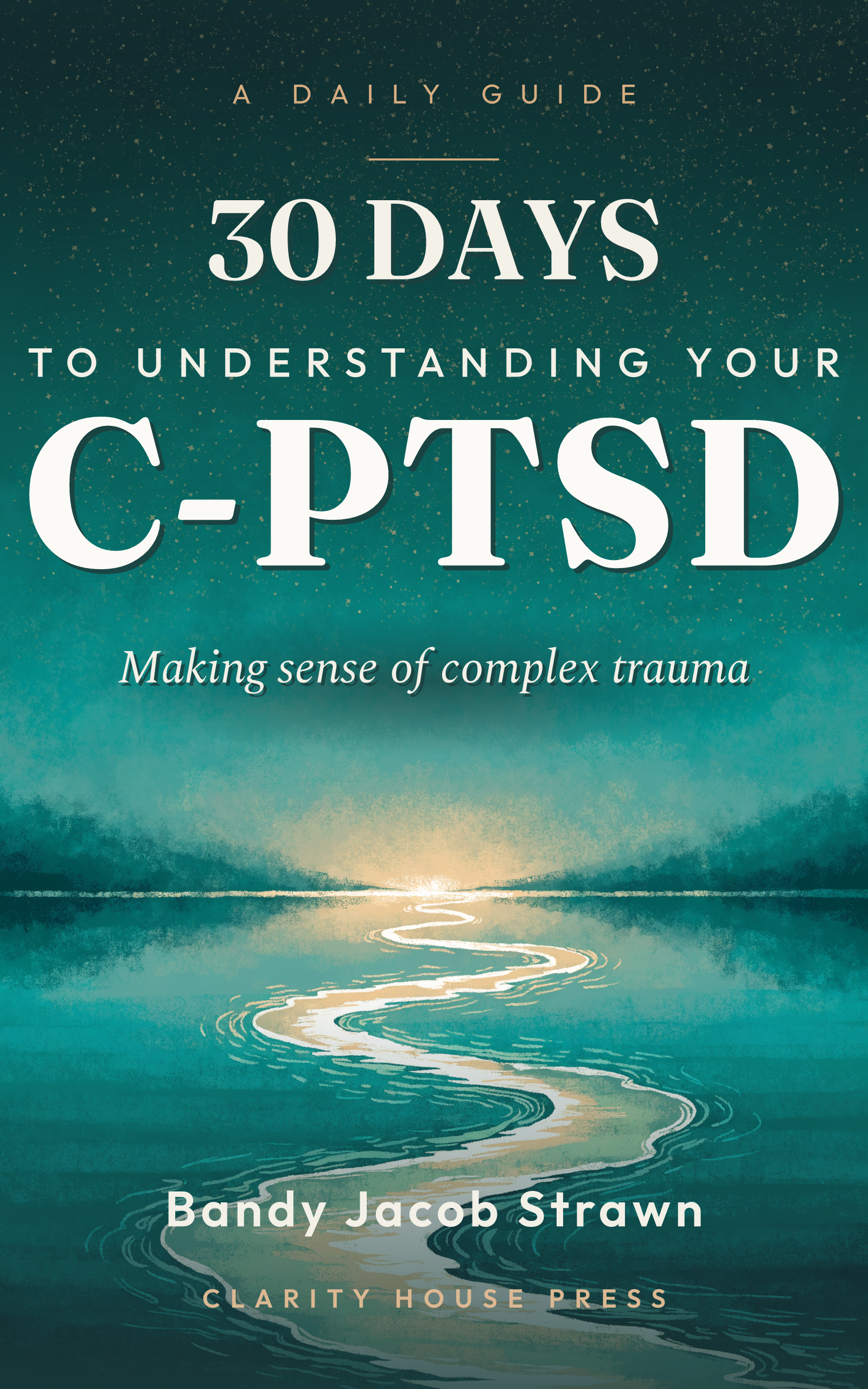
Recommended Reading
From Clarity House Press — plus trusted books for deeper understanding
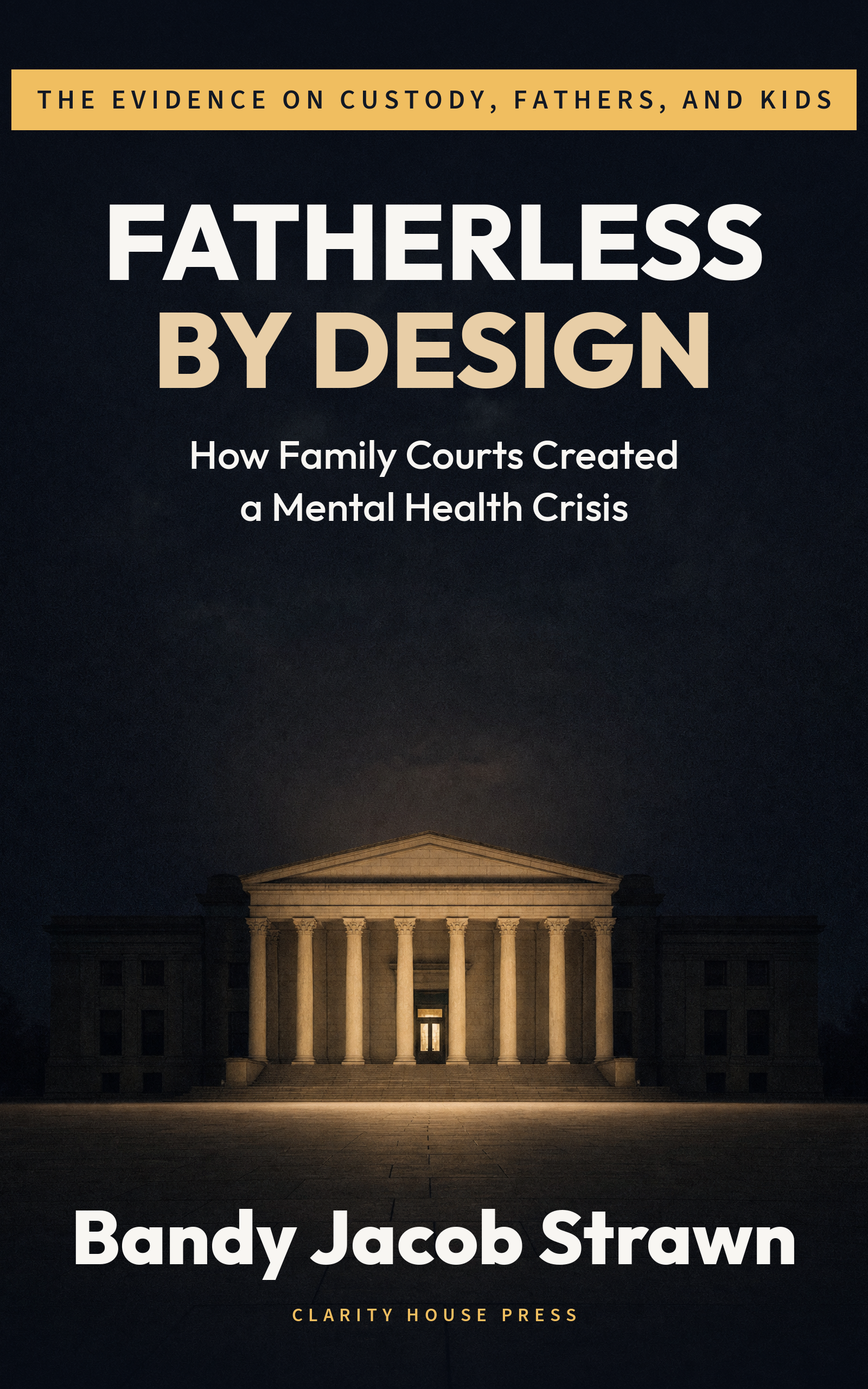
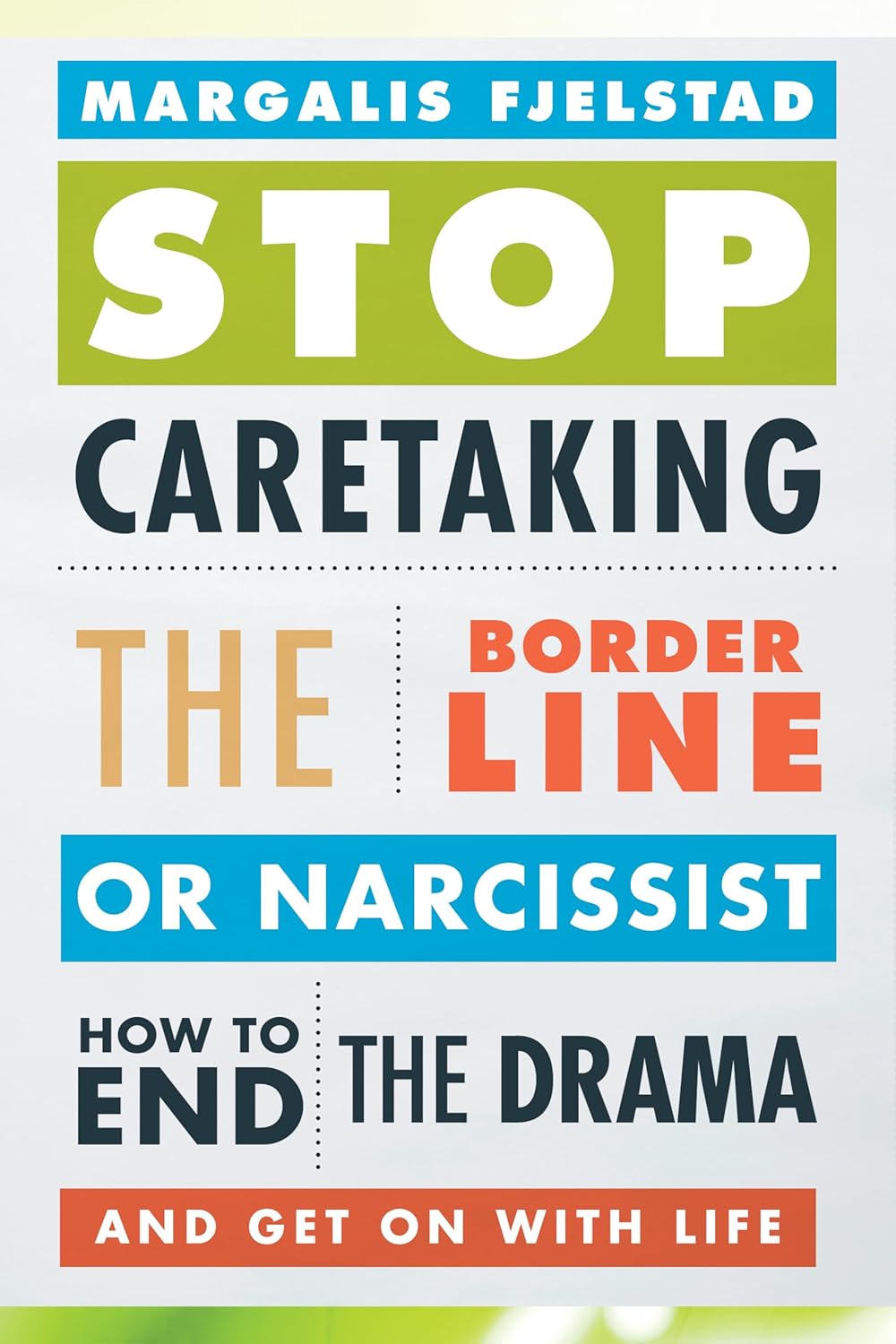
Stop Caretaking the Borderline or Narcissist
Margalis Fjelstad, PhD
How to end the drama and get on with life when dealing with personality disorders.
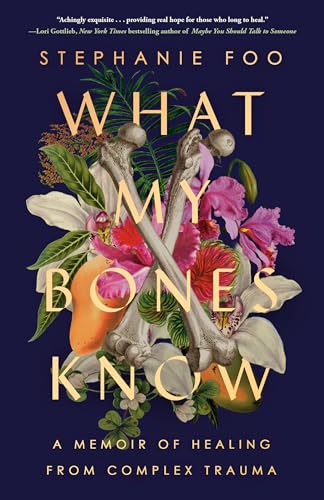
What My Bones Know: A Memoir of Healing from Complex Trauma
Stephanie Foo
A journalist's honest, hopeful account of living with and healing from complex PTSD, woven with the science behind it.
As an Amazon Associate, Clarity House Press earns from qualifying purchases. Your price is never affected.
Found this helpful?
Share it with someone who might need it.
About the Author

Clarity House Press
Editorial Team
The editorial team at Clarity House Press curates and publishes evidence-based content on narcissistic abuse recovery, high-conflict divorce, and healing. Our content is informed by research, survivor experiences, and established trauma-informed approaches.
View all posts by Clarity House Press →Published by Clarity House Press Editorial Team