Please read our important disclaimers before using this content
You trusted someone completely, and they destroyed you. Now you don't trust anyone—including yourself.
Every new person feels potentially dangerous. You analyze their words for hidden meanings, their actions for ulterior motives. You keep people at a distance, share minimally, maintain careful control. Or you swing the other direction: trust too quickly, ignore red flags, and repeat the pattern.
You don't know who's safe because you thought the narcissist was safe. Your judgment failed catastrophically. How can you ever trust your own perceptions again?
This is one of the cruelest aftereffects of narcissistic abuse: it doesn't just destroy trust in the abuser—it destroys trust in yourself, your judgment, and your ability to discern safe people from dangerous ones. Understanding how gaslighting systematically dismantles your perception is essential context for why rebuilding self-trust requires deliberate, patient work.
Here's the painful truth: your judgment didn't fail. You were systematically lied to by someone trained in deception.1 You trusted what appeared trustworthy because the narcissist was skilled at appearing trustworthy. That's not a character flaw—that's what trust looks like when you don't have reason to suspect someone is deliberately manipulating you.
But rebuilding trust—in yourself and others—is possible. Not in the naive way you trusted before, but in a grounded, discerning way that honors what you learned the hard way.
How Narcissistic Abuse Damages Discernment
Healthy discernment requires three intact systems: accurate perception, emotional attunement, and pattern recognition. Narcissistic abuse systematically damages all three.2 Research documents how relational trauma impairs the ability to accurately assess trustworthiness in others, with betrayal trauma conferring greater risk for psychological symptoms compared to nonbetrayal trauma.3
Perception Destruction
The narcissist creates cognitive dissonance by insisting their reality is correct while yours is wrong:
- "That never happened" (denying events you witnessed)
- "You're too sensitive" (invalidating legitimate emotional responses)
- "You're imagining things" (dismissing clear patterns you've observed)4
- "No one else thinks that about me" (isolation + external validation of the false self)
After months or years of this, your brain stops trusting its own input. If stating your perception results in denial, ridicule, or punishment, you learn to distrust what you perceive.
The neurological result: Reduced confidence in your sensory data. You second-guess observations you know are accurate. You ask others "Am I crazy?" about things you absolutely witnessed.
Emotional Attunement Disruption
The narcissist trains you to ignore your gut feelings:
- Your discomfort is "making things up"
- Your anxiety is "being dramatic"
- Your hurt is "being too needy"
- Your anger is "overreacting"5
When emotions are consistently invalidated, you disconnect from them as sources of information. Your nervous system is screaming "danger," but your conscious mind has been trained to dismiss those signals as unreliable.
The result: You ignore red flags because you've been conditioned to distrust warning signs. Or you interpret any discomfort as potential danger, unable to distinguish between legitimate threats and activated trauma.
Pattern Recognition Failure
Narcissists are pattern disruptors. They'll be perfect one day and cruel the next, creating randomness that prevents pattern recognition:
- Love bombing followed by devaluation
- Generosity followed by financial control
- Public affection followed by private cruelty
- Promises followed by betrayal
Your brain's pattern-recognition system evolved to detect danger by noticing patterns. The narcissist deliberately breaks patterns to prevent you from developing an accurate danger assessment.
The result: You can't identify red flags in new relationships because your pattern-detection system has been scrambled. Red flags seem "maybe normal relationship stuff" because you've lost the ability to recognize what healthy actually looks like.
The Three Types of Discomfort: Understanding What You're Feeling
Not all discomfort is danger. Not all danger feels obvious. Rebuilding discernment means learning to distinguish between:
Triggered Discomfort (Trauma Response)
What it is: Your nervous system is activated by something reminiscent of past abuse, but there's no current threat.
Examples:
- Someone raises their voice in normal conversation, and you panic
- A partner's mild criticism feels like character assassination
- Someone's silence feels like intentional withdrawal/punishment
- A busy schedule feels like abandonment
How it feels: Intense, immediate, disproportionate to the current situation. Your body is in fight/flight/freeze mode. Learning to distinguish real danger from trauma responses is a foundational skill for navigating this type of discomfort.
What to do:
- Pause and orient to the present moment
- Ask: "Am I actually in danger right now?"
- Check the facts: What's actually happening vs. what I'm afraid is happening?
- Use grounding techniques to regulate your nervous system
- Return to the interaction once you're regulated
Red Flag Discomfort (Legitimate Warning)
What it is: Your nervous system is detecting actual concerning behavior in a current relationship.
Examples:
- Someone consistently breaks promises
- Your boundaries are disrespected despite clear communication
- You feel smaller/less-than after interactions
- Your concerns are dismissed or mocked
- You're isolated from support systems
- They gaslight you or deny events
- Love is conditional on compliance
How it feels: Persistent unease, not just momentary activation. Your body stays in low-level alert even when you try to rationalize.
What to do:
- Trust the signal—your nervous system is detecting real danger
- Document specific incidents (not interpretations)
- Seek outside perspective from someone who understands abuse
- Set boundaries or plan exit if behavior continues
- Increase support and reduce access
Growth Discomfort (Healthy Challenge)
What it is: You're doing something new or difficult, and your nervous system is activated by the unfamiliar, not by danger.
Examples:
- Speaking up in a meeting when you usually stay quiet
- Starting a new relationship after recovery
- Setting a boundary for the first time
- Being vulnerable with someone trustworthy
- Making an autonomous decision
How it feels: Nervous energy, uncertainty, but without the fear of imminent harm. You might feel scared, but you also feel capable.
What to do:
- Acknowledge the nervousness as normal
- Check: "Am I safe? Is this person trustworthy?"
- If yes to both, proceed and notice the courage you're building
- Afterward, celebrate the discomfort you moved through
Rebuilding Self-Trust: The Foundation for Discernment
You can't discern safe people until you trust your own perceptions. Here's how to rebuild that foundation.6 Restoring self-trust is a critical component of recovery from intimate partner violence, with evidence-based approaches including cognitive processing therapy, prolonged exposure, and eye movement desensitization and reprocessing (EMDR).7
Phase 1: Reality Testing (Weeks 1-4)
Start with observable, neutral facts—not trauma-related situations.
The Evidence Journal:
Daily practice for 15 minutes:
-
Record what you observed through your senses:
- Not: "He was angry"
- Yes: "He raised his voice 3 times, clenched his fists, didn't make eye contact for 10 minutes"
-
Note your perception:
- "I perceived this as anger"
-
Check your perception (if possible):
- "I asked: 'Are you angry?' He said: 'Yes, I am'"
- OR: "I asked my friend who was there. She said: 'Yes, he seemed really angry'"
-
Pattern recognition (after 2 weeks):
- "I accurately perceived the situation 12 out of 14 times"
- "When I trust my perceptions, I'm right approximately 86% of the time"
Why this works: Creates objective evidence that your perceptions are accurate. Rebuilds confidence through data, not platitudes.
Phase 2: Decision-Making Confidence (Weeks 4-12)
Build evidence that your choices are sound.
The Preference Log:
Track small, reversible decisions:
- Decision: "Chose tea instead of coffee this morning"
- Doubt level (1-10): 7
- Outcome: "Didn't regret it. Felt good"
- Reflection: "My preference was valid"
Repeat with decisions like: what to wear, which book to read, what to eat, when to exercise, which movie to watch.
What you'll notice over 30 days:
- Doubt levels decrease
- Most decisions have positive or neutral outcomes
- You remember: "I'm actually pretty good at knowing what I want"
Phase 3: Emotional Trust (Weeks 12-24)
Practice trusting your emotional signals in low-stakes situations.
Feeling Validation Practice:
When you notice an emotion, validate it before analyzing it:
- "I feel frustrated" (identify)
- "That makes sense because..." (validate)
- "What does this tell me?" (listen to the information)
- "What do I need?" (respond to the emotion)
Example:
- Feeling: Disappointed
- Validation: "It makes sense I'm disappointed—I was looking forward to this"
- Information: "I care about this; it matters to me"
- Need: "I need to process this disappointment or find an alternative"
Over time, you'll experience your emotions as reliable data about what matters to you—not as character flaws or overreactions.
The Green Flags: What Safe People Actually Look Like
You likely have a detailed mental list of red flags. But do you know what green flags look like? Healthy people can seem boring compared to the intensity of narcissistic relationships. A detailed guide to recognizing green flags in healthy relationships can help recalibrate what you should actually be looking for.
Consistency Across Contexts
Green flag: They're the same person with you, their boss, their family, strangers.
What to look for: No mask-switching. No sudden shifts in how they present themselves. Their values align across relationships.
Red flag: Different version of themselves with different people. Public vs. private behavior is dramatically different.
Respect for Your Autonomy
Green flag: They encourage your independence, friendships, goals. Your life doesn't revolve around them.
What to look for: They ask about your interests without making it about them. They support your decisions even when they'd choose differently. They respect your "no" without punishment.
Red flag: They need to know where you are/who you're with. They discourage friendships. Your autonomy is a threat.
Accountability and Repair
Green flag: When they mess up, they acknowledge it, apologize, and change behavior.
What to look for: They take responsibility. They don't blame you for their actions. They work to repair the rupture. You see behavior change, not just apologies.
Red flag: They justify, minimize, deny, or blame you. "I'm sorry you feel that way" is not an apology. Pattern of same behavior recurring.
Reciprocity
Green flag: Both of you give and receive care. It's not one-directional.
What to look for: They remember things that matter to you. They ask how you're doing. They show up for you. You don't always have to initiate.
Red flag: You're always the giver, always the one working on the relationship. Your needs matter less than theirs. One-directional care.
Consistency Between Words and Actions
Green flag: What they say matches what they do. Their actions prove their words.
What to look for: Promises are kept. Follow-through. You can predict their behavior because it's consistent.
Red flag: They say one thing and do another. Promises aren't kept. Behavior is unpredictable or contradicts stated values.
Building Your Discernment Skills: Practical Exercises
Exercise 1: The Slow Trust Progression
Don't jump into deep trust. Build it in stages.
Level 1 - Limited Transparency (Early friendship):
- Share surface-level information
- Observe how they handle what you share
- Do they respect your privacy? Use information against you? Gossip?
Level 2 - Moderate Vulnerability (Developing friendship):
- Share something that matters to you but isn't your deepest wound
- Observe: Are they trustworthy with this? Do they minimize? Weaponize it later?
Level 3 - Emotional Presence (Closer friendship):
- Share how you actually feel, not just surface emotions
- Observe: Do they hold space? Try to fix? Invalidate?
Level 4 - Core Vulnerabilities (Intimate relationship):
- Only share deepest wounds with people who've proven trustworthiness at all previous levels
- Observe: Do they honor the vulnerability? Use it? Protect it?
The rule: Don't move to the next level until they've proven trustworthy at the current level. Trust is earned through consistency, not granted through hope.
Exercise 2: The Outside Perspective Check
You've learned not to trust your judgment. An outside perspective can recalibrate your assessment.
Process:
- Describe the situation to a trusted person who understands healthy relationships
- Include specific behaviors, not interpretations
- Ask: "Does this seem normal to you?"
- Listen to their response without defending
- Ask: "What would you be concerned about?"
Important: Choose people who:
- Have healthy relationships themselves
- Understand narcissistic abuse patterns
- Won't minimize your concerns
- Will be honest, not just supportive
Avoid: People who dismiss your concerns, minimize abuse, or push you to "give them another chance."
Exercise 3: Pattern Recognition Rebuilding
Your pattern-recognition system was scrambled. Rebuild it by studying healthy patterns.
Weekly reflection:
Choose one person in your life who has a healthy relationship. Each week, observe and document:
- How do they handle conflict?
- What happens after disagreement?
- How do they speak about their partner when they're apart?
- What boundaries do they maintain?
- How do they balance time together and separate time?
- How do they handle disappointment?
What you're doing: Recalibrating your brain's understanding of what healthy actually looks like.
Real-World Example: Marcus's Discernment Journey
Marcus left his marriage after 12 years of emotional abuse. His ex was a charismatic manipulator who'd convinced Marcus he was the problem. Two years out, Marcus was terrified of dating again.
His first attempts: Too much suspicion. He'd analyze every text for hidden meaning. A partner's work lateness seemed like intentional withdrawal. He ended several relationships prematurely because he couldn't distinguish between his triggers and actual red flags.
The turning point: Marcus started working with a therapist trained in complex trauma. Together they:
- Identified his specific triggers (sudden emotional unavailability, dismissal of his feelings)
- Created a "green flag checklist" from his observations of healthy couples
- Built a slow-trust progression he wouldn't violate when anxiety arose
- Established an outside-perspective rule: any major decision got run by his therapist first
His rebuild: Over 18 months, Marcus developed genuine discernment. He began dating Sarah. When anxiety arose (she was working late), he:
- Paused and identified: trigger or red flag?
- Checked the facts: Sarah had mentioned the project deadline
- Verified with her: "Hey, I know you mentioned working late tonight. Still on track?"
- Regulated his nervous system while getting accurate information
Today, Marcus can distinguish between his nervous system's warnings and actual danger. He trusts himself again—not blindly, but wisely.
The Timeline: What to Expect
Rebuilding discernment isn't quick, but it's absolutely possible.8 Secure attachment patterns can be developed even after relational trauma, though it requires time and intentional practice guided by therapeutic support.9 Understanding how attachment wounds shape relationship patterns helps explain why certain dynamics feel so familiar—and how to interrupt them.
Months 1-3: Reality testing phase. You'll start noticing your perceptions are actually accurate. This is shocking but foundational.
Months 3-6: Confidence building. Small decisions feel less overwhelming. You remember liking yourself.
Months 6-12: Emotional attunement rebuilding. You start trusting your gut feelings again, but with more discernment about what they mean.
Months 12-24: Relationship discernment. You can identify green flags and red flags. You set boundaries. You choose people more wisely.
24+ months: Integration. Discernment becomes natural. You trust yourself while remaining appropriately cautious. You're neither hypervigilant nor naive.
This isn't linear. You'll have setbacks when new situations trigger old patterns. That's normal and doesn't mean you're failing.
Common Pitfalls: What Gets in the Way
Pitfall 1: Trusting Too Quickly to Prove You're Not Paranoid
After abuse, you might swing into excessive trust to prove to yourself and others that you're not damaged. This is how cycles repeat.
Instead: Trust your slow progression. Let people earn it. Speed isn't evidence of healing.
Pitfall 2: Expecting Perfect Green Flags
No one is perfect. People who show green flags will sometimes mess up. The difference is what happens next: Do they repair? Take accountability? Change behavior?
Instead: Look for consistent patterns of healthy behavior and genuine repair, not perfection.
Pitfall 3: Staying in Situations to Prove You're Not Broken
You might stay in unhealthy situations longer than you should to prove your judgment is sound. This is self-sabotage dressed as healing.
Instead: Trust your discernment enough to leave when something doesn't feel right. Your nervous system isn't the enemy—it's a source of information.
Pitfall 4: Asking Untrustworthy People for Validation
You might seek reassurance about your judgment from the very people you should be cautious of. This recreates the dynamic where someone else's reality becomes more important than yours.
Instead: Seek feedback only from people who've proven themselves trustworthy.
Why This Matters: More Than Just Dating
Rebuilding discernment affects every relationship:
- Friendships: Choosing people who actually care about you, not people who use you
- Family: Setting boundaries with family members who enabled or participated in abuse
- Professional: Identifying manipulative bosses and colleagues; knowing when to leave toxic workplaces
- Self-care: Recognizing when something is helping vs. hurting your recovery
The stakes are highest in intimate relationships, but the principle applies everywhere: your judgment matters. You can learn to trust it again.
Your Next Steps
This week:
- Start your Evidence Journal. Spend 15 minutes daily documenting observable facts (not interpretations).
- Identify one person in your life with a healthy relationship. Ask if you can learn from observing theirs.
This month:
- Complete the Preference Log for at least 30 days. Track your decisions and their outcomes.
- Create your Green Flags checklist. Write down what you're looking for in people you trust.
- Identify 2-3 people whose outside perspective you trust. Let them know you might ask for reality checks.
Ongoing:
- Practice distinguishing between triggered discomfort, red flags, and growth discomfort. Get curious about each.
- Notice when you're trusting yourself. Celebrate it.
- When you make a choice and it turns out well, acknowledge it: "I knew what I was doing."
The Bottom Line
Your judgment didn't fail. You were lied to systematically by someone skilled at deception. That's not a reflection on your intelligence or character—that's what trust looks like before betrayal teaches you to be wary.
But wariness doesn't have to mean cynicism. You can rebuild discernment: the ability to see people clearly, understand what safety looks like, and trust your perception again.
It takes time. It requires patience with yourself when anxiety arises. It means building evidence slowly that your judgment is sound.
But on the other side of that work is something invaluable: the ability to choose your people wisely, to recognize danger early, and to trust yourself again.
That's not just healing. That's transformation.
Resources
Trauma Therapy and Support:
- Psychology Today Therapist Finder - Find trauma therapists
- EMDR International Association - Find EMDR therapists
- National Alliance on Mental Illness (NAMI) - Mental health support
- SAMHSA National Helpline - 1-800-662-4357 (24/7)
Recovery and Support:
- Self-Compassion.org - Dr. Kristin Neff's resources
- National Domestic Violence Hotline - 1-800-799-7233 (SAFE)
- DivorceCare - Local divorce support groups
Crisis Support:
- 988 Suicide & Crisis Lifeline - Call or text 988 (24/7)
- Crisis Text Line - Text HOME to 741741
References
- Oliver, E., Coates, A., Bennett, J. M., & Willis, M. L. (2024). Narcissism and intimate partner violence: A systematic review and meta-analysis. Trauma Violence Abuse, 25(3), 1871-1884. https://pubmed.ncbi.nlm.nih.gov/37702183/ ↩
- DePrince, A. P., & Freyd, J. J. (2002). The harm of betrayal trauma theory: Examining descriptive validity. Journal of Traumatic Stress, 15(3), 159-166. https://pubmed.ncbi.nlm.nih.gov/12092905/ ↩
- Chang, V. T., Silver, B. J., & Holman, E. A. (2024). The differential impact of betrayal trauma and non-betrayal trauma on somatic symptoms. Psychological Trauma: Theory, Research, Practice, and Policy, 16(3), 331-339. https://pmc.ncbi.nlm.nih.gov/articles/PMC9949359/ ↩
- Bellomare, M., Genova, V. G., & Miano, P. (2024). Gaslighting exposure during emerging adulthood: Personality traits and vulnerability paths. International Journal of Psychological Research, 17(1), 29-39. https://pmc.ncbi.nlm.nih.gov/articles/PMC11456334/ ↩
- Klein, M., & Brody, L. R. (2023). A qualitative analysis of gaslighting in romantic relationships. Personal Relationships, 30(3), 458-481. https://onlinelibrary.wiley.com/doi/10.1111/pere.12510 ↩
- National Center for PTSD. (2024). Addressing the stress and trauma of experiencing intimate partner violence. U.S. Department of Veterans Affairs. https://www.ptsd.va.gov/professional/treat/type/intimate_partner_violence.asp ↩
- Flasch, P., Murray, C. E., & Crowe, A. (2017). Overcoming abuse: A phenomenological investigation of the journey to recovery from past intimate partner violence. Journal of Interpersonal Violence, 32(22), 3373-3401. https://pubmed.ncbi.nlm.nih.gov/26384491/ ↩
- Schore, A. N. (2003). Affect regulation and the repair of the self. W.W. Norton & Company. ↩
- Baer, N., & Gerasimova, T. (2021). Healing trauma: Attachment, mind, body, and brain. Frontiers in Psychology, 12, 674628. https://pmc.ncbi.nlm.nih.gov/articles/PMC8329624/ ↩
Recommended Reading
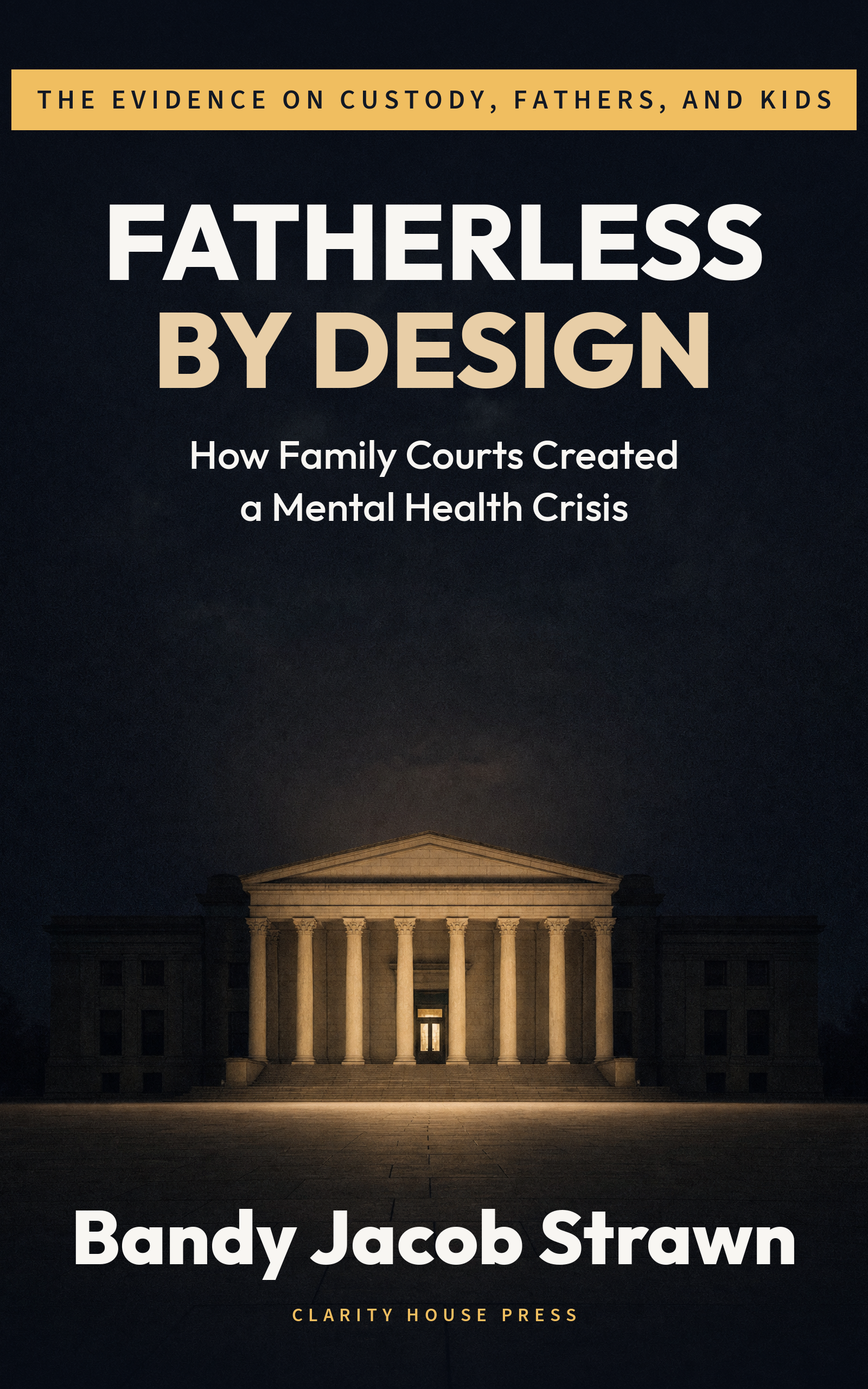
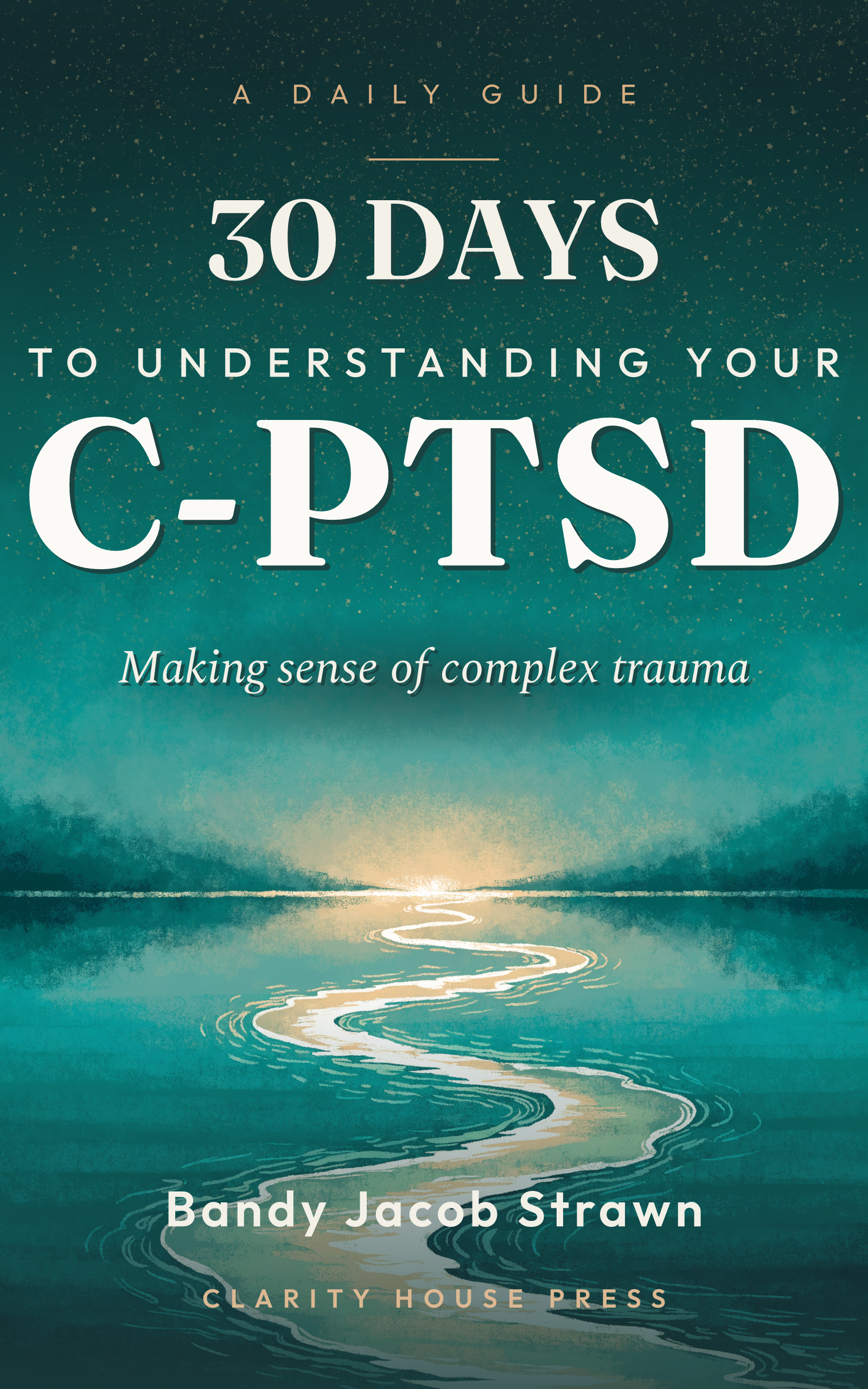
From Clarity House Press — plus trusted books for deeper understanding
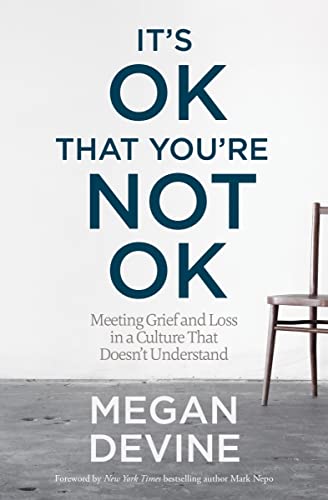
It's OK That You're Not OK
Megan Devine, LPC
A grounded, permission-giving companion for grief that resists tidy timelines and lets loss simply be witnessed.
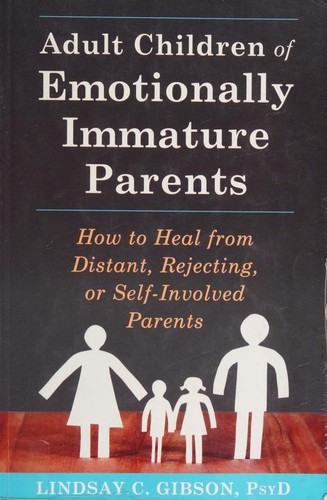
Adult Children of Emotionally Immature Parents
Lindsay C. Gibson, PsyD
A gentle, practical guide to understanding relationships with emotionally distant parents and reclaiming your inner life.
As an Amazon Associate, Clarity House Press earns from qualifying purchases. Your price is never affected.
Found this helpful?
Share it with someone who might need it.
About the Author

Clarity House Press
Editorial Team
The editorial team at Clarity House Press curates and publishes evidence-based content on narcissistic abuse recovery, high-conflict divorce, and healing. Our content is informed by research, survivor experiences, and established trauma-informed approaches.
View all posts by Clarity House Press →Published by Clarity House Press Editorial Team