Please read our important disclaimers before using this content
If you developed a substance use problem during narcissistic abuse—or if a pre-existing addiction worsened—you're experiencing a documented trauma response, not a moral failing.
Substance use disorders commonly emerge as coping mechanisms in abusive relationships. Survivors turn to alcohol, drugs, or prescription medications to manage overwhelming emotions, numb pain, or escape an unbearable reality. This often happens in tandem with developing C-PTSD symptoms — the two conditions frequently reinforce each other and require integrated treatment.
Understanding why addiction develops during narcissistic abuse, how substance use is weaponized in custody battles, and what dual recovery (from both abuse and addiction) looks like is essential for healing and protecting your parental rights.
The Trauma-Addiction Connection
Research consistently shows strong links between trauma—especially prolonged interpersonal trauma—and substance use disorders.1 Studies demonstrate that up to 59% of individuals with PTSD also suffer from comorbid alcohol or drug use disorders, with trauma exposure significantly increasing the risk of developing substance use problems.2
Why Substance Use Develops During Narcissistic Abuse:
1. Self-Medication for Trauma Symptoms
- Using substances to manage PTSD symptoms (hypervigilance, intrusive thoughts, flashbacks)
- Alcohol or drugs to achieve sleep when anxiety prevents rest
- Substances to numb emotional pain
The self-medication hypothesis—which posits that individuals use substances to temporarily alleviate trauma-related symptoms—has received substantial empirical support, with longitudinal studies showing that trauma exposure typically precedes the development of substance abuse problems.3
2. Coping with Emotional Dysregulation
- Using substances to manage overwhelming feelings
- Drugs or alcohol as only available emotional regulation tool
- Temporary relief from constant state of distress
3. Escaping Unbearable Reality
- Substances provide temporary escape from abuse
- Creating altered state where abuse feels distant
- Numbing awareness of trapped situation
4. Social Isolation
- Narcissists isolate victims from support systems
- Substances become only "companion" or "relief"
- Using alone because there's no one else
5. Abuser Encouragement
- Some narcissists actively encourage substance use (easier to control intoxicated partner)
- Providing substances, encouraging drinking
- Using substances together (trauma bonding through shared use)
6. Recreating Familiar Patterns
- If you grew up with addiction in family of origin
- Narcissistic abuse recreates childhood trauma
- Substance use is familiar coping mechanism
How Narcissists Exploit and Enable Addiction
Narcissistic abusers don't just happen to be with partners who develop substance problems—they often actively create conditions that trigger or worsen addiction.
1. Deliberate Enabling
Some narcissists encourage substance use because intoxicated partners are easier to control, manipulate, and gaslight.
Enabling tactics:**
- Buying alcohol or drugs for you
- Encouraging drinking at home (isolating)
- Using substances together (creating bond, shared secret)
- Pressuring you to use when you're trying to cut back
- Making sobriety difficult (keeping alcohol in house, using around you)
What this looks like:
"He'd bring home expensive wine every night, pour me glass after glass, encourage me to 'relax.' I started drinking more than I ever had. Then when I'd be drunk, he'd start arguments or make major decisions I'd agree to while intoxicated. The next day he'd say 'You agreed to this last night—don't you remember?' I started blacking out regularly. Years later I realized he was deliberately getting me drunk to maintain control."
2. Creating Unbearable Stress
Some narcissists create such extreme, chronic stress that substance use becomes the only available coping mechanism.
Stress tactics:**
- Constant chaos and unpredictability
- Financial stress
- Sleep deprivation
- Threatening abandonment
- Isolating you from all other support
What this looks like:
"The anxiety was so constant and overwhelming that I started taking my prescribed Xanax more frequently than directed. Then I'd run out early and experience withdrawal. I'd take my daughter's ADHD medication to function. I'd drink wine to sleep. I became dependent on multiple substances just to survive the daily stress of living with him. I wasn't getting high for fun—I was medicating unbearable anxiety."
3. Weaponizing Addiction Against You
After encouraging or enabling your substance use, narcissists weaponize it as proof you're the problem. Research confirms that intimate partner violence is directly associated with increased substance-related service utilization and significantly impedes substance use disorder treatment engagement and completion, often increasing the likelihood of relapse.4
Weaponization tactics:**
- Suddenly expressing "concern" about your drinking (after buying you alcohol)
- Threatening to report you to authorities
- Telling family/friends you have a "problem" (creating isolation)
- Using your substance use to justify their abuse ("I only yell because you're drunk")
- Documenting your use for future custody battle
What this looks like:
"For two years he bought me wine every night and we'd drink together. When I filed for divorce, he suddenly became 'concerned' about my drinking. He told my family I was an alcoholic, reported me to CPS, told the judge I had a substance abuse problem. He had videos of me drunk—drunk on the wine he'd bought and encouraged me to drink. He never mentioned his own drinking, only mine."
4. Sabotaging Recovery Attempts
When you try to get sober or reduce substance use, narcissists often sabotage recovery.
Sabotage tactics:**
- Keeping alcohol in the house when you're trying to quit
- Mocking AA/NA attendance
- Creating crises that trigger relapse
- Preventing therapy attendance
- Minimizing your efforts ("You don't have a real problem")
- Using around you
- Offering substances "just this once"
What this looks like:
"I went to my first AA meeting and came home feeling hopeful. He said 'You're not an alcoholic—those people have real problems. You're being dramatic.' When I kept going, he'd schedule conflicts during meeting times, create fights right before I had to leave, or tell me I was 'abandoning the family' for an hour. I relapsed multiple times before I realized his sabotage was deliberate."
Substance Use Weaponized in Custody Battles
If you have any history of substance use—even if you're in stable recovery—expect the narcissist to weaponize it in court.
Common Legal Attacks:
1. Exaggerating severity:
- Framing social drinking as alcoholism
- Describing prescribed medication as "drug abuse"
- Claiming occasional marijuana use is addiction
- Presenting past use as current use
2. Providing no context:
- Showing evidence of intoxication without mentioning they encouraged it
- Photos/videos of you impaired (without showing it was at their urging)
- Medical records showing substance use (without abuse context)
- DUI or legal history (without explaining circumstances)
3. Claiming children are in danger:
- "She drinks while caring for the children" (even if untrue)
- "He's high around the kids"
- "I'm worried about their safety"
- Alleging neglect due to substance use
4. Demanding invasive monitoring:
- Random drug testing
- Alcohol monitoring (ankle bracelet)
- Supervised visitation
- Hair follicle testing
- Using positive tests (even for prescribed medication) as evidence
5. Ignoring their own substance use:
- Focusing court's attention entirely on your use
- Minimizing or hiding their own use
- Positioning themselves as "concerned sober parent"
Protecting Yourself in Court:
If you're in active recovery:
Document your recovery:
- AA/NA attendance records
- Sobriety date and continuous sobriety
- Sponsor contact information
- Outpatient treatment completion
- Sober living facility records
- Clean drug tests (get them regularly, even if not required)
Get recovery-supportive professionals:
- Therapist letter attesting to your recovery and parenting capacity
- Addiction specialist statement
- Sponsor letter (if appropriate)
- Recovery coach documentation
Proactively address history:
- Don't hide past use (they'll find it anyway)
- Present it with context: "I developed substance dependence as result of abuse, sought treatment, have been sober X months/years"
- Emphasize current stability, not past struggles
Show children are safe and thriving:
- Pediatrician records
- School performance
- Children's therapist statement (if applicable)
- Evidence of stable, sober parenting
If you're still using or recently relapsed:
Be honest with your attorney:
- They can't help you if they don't know the truth
- Lying will be discovered and hurt your case
- Strategic planning depends on accurate information
Get treatment immediately:
- Even if it's just to show effort
- Intensive outpatient, residential, or AA/NA
- Document everything
- Shows you're addressing the issue
Request supportive custody arrangement:
- Temporary reduction in custody while you stabilize (if necessary)
- Sober coach or supervision initially
- Drug testing to demonstrate progress
- Path to increased custody as you maintain sobriety
Address safety genuinely:
- If substance use has impaired your parenting, acknowledge it
- Show concrete steps you're taking
- Don't minimize or deny if there are real concerns
- Commit to putting children's safety first
The "Dual Recovery" Challenge
Recovering from narcissistic abuse while also recovering from addiction is "dual recovery"—and it's exponentially harder than either alone. The complexity of treating comorbid PTSD and substance use disorders is well-documented, with this dual diagnosis associated with more severe symptoms, greater functional impairment, and significantly worse treatment outcomes compared to either condition alone.5 Understanding how to select the right therapy approach for trauma recovery becomes especially important when addiction and abuse trauma are both present.
Why Dual Recovery Is So Difficult:
1. Both require significant emotional work:
- Processing abuse trauma
- Processing addiction trauma
- Limited emotional bandwidth for both
2. Trauma triggers substance cravings:
- Divorce stress activates trauma
- Trauma activates desire to use
- Court dates, custody exchanges, legal stress = high relapse risk
3. Early sobriety is emotionally raw:
- You're feeling everything without numbing
- Abuse recovery brings up intense emotions
- No substance buffer for emotional pain
4. Isolation vs. recovery community:
- Abuse may have isolated you from support
- AA/NA provides community but can feel overwhelming
- Rebuilding social connections while newly sober is hard
5. Shame compounds:
- Shame from abuse (being abused)
- Shame from addiction (using substances)
- Double shame makes reaching out harder
6. Narcissist continues triggering:
- They know your triggers and use them
- Deliberately creating stress to trigger relapse
- Using co-parenting contact as opportunity to destabilize
Strategies for Dual Recovery:
1. Treat both conditions simultaneously:
- Find therapist who understands addiction + trauma
- Don't try to "fix" one before addressing the other
- Integrated treatment approach
Clinical trials demonstrate that individual, manualized, trauma-focused treatments are the most efficacious psychotherapies for comorbid PTSD and substance use disorders, and importantly, patients do not need to be abstinent to initiate or benefit from evidence-based PTSD treatment.6
2. Build dual support system:
- AA/NA for addiction recovery
- Abuse survivor support groups
- Ideally, find groups that address both (trauma + addiction)
- Individual therapy + group support
3. Protect your sobriety during divorce:
- Divorce is high-risk time for relapse
- Extra meetings, more support, closer sponsor contact
- Remove access to substances
- Sober support person on speed dial
4. Develop non-substance coping mechanisms:
- What you used substances for (sleep, anxiety, escape) needs new solutions
- Medication for anxiety/sleep (non-addictive options)
- Healthy coping strategies (exercise, creative expression, connection)
- Regulation tools (breathing, grounding, meditation)
5. Be gentle with yourself:
- Relapse doesn't mean failure—it means you need more support
- Both trauma recovery and addiction recovery are non-linear
- Self-compassion is essential (shame fuels relapse)
6. Work with recovery-informed legal team:
- Attorney who understands addiction recovery
- Won't shame you for past use
- Strategic about how to present your recovery in court
- Understands relapse as part of recovery, not moral failing
Sobriety Weaponized: When You're the Sober One
Sometimes the narcissist has the substance problem and you're the one who's sober (or sobered up first).
How They Weaponize YOUR Sobriety:
1. Framing you as "no fun":
- Your sobriety highlights their use
- They accuse you of being "boring" since you quit
- Pressure to use "just this once"
2. Claiming you've "changed":
- "You're not the person I married" (because you're sober)
- Using your recovery as excuse for their behavior
- Positioning your health as abandonment of them
3. Continuing to use around you:
- Deliberately using in your presence
- Keeping substances in shared spaces
- Testing your commitment to sobriety
4. Telling children you're the problem:
- "Mom doesn't drink because she's uptight"
- Framing your sobriety as deficiency
- Encouraging kids to see you as "no fun"
Protecting Your Sobriety:
- Firm boundaries about substance use in your presence
- Document their use (if custody is concern)
- Explain your recovery to children age-appropriately
- Don't apologize for being sober
- Leave if they won't respect your recovery
When Your Children Are Affected by Substance Use
Children exposed to parental substance use—yours or narcissist's—need specific support.
If Your Substance Use Affected Your Children:
Acknowledge impact:
- Age-appropriate acknowledgment of your past use
- Apology for times you weren't fully present
- Explanation of your recovery (not graphic details)
- Reassurance that you're getting help
Rebuild trust:
- Consistent, sober presence
- Following through on commitments
- Predictable routines
- Transparency about recovery (at appropriate level)
Get them support:
- Therapy to process their experience
- Al-Ateen (for older children/teens)
- Education about addiction (it's not their fault, not their responsibility)
Model recovery:
- Let them see you going to meetings (without oversharing)
- Show healthy coping mechanisms
- Demonstrate that people can get better
If Narcissist's Substance Use Affects Children:
Document safely:
- Evidence of use around children
- DUI with kids in car
- Neglect due to intoxication
- Medical/legal records showing use
Protect children:
- Right of first refusal (if they can't care for kids due to use, kids come to you)
- Sobriety testing as condition of custody
- Supervised visitation if necessary
- Emergency protective orders if immediate danger
Get children therapeutic support:
- Therapy to process parent's addiction
- Al-Ateen for older children
- Validation that parent's use isn't their fault
- Coping strategies for unpredictable parent
Don't badmouth addicted parent:
- Acknowledge "Dad/Mom is struggling with something difficult"
- Validate children's feelings
- Don't force relationship if children are scared
- Don't bash them (even if you're furious)
Types of Substance Use and Abuse Considerations
Different substances present different challenges in custody/divorce contexts.
Alcohol
Legal but scrutinized:
- Social drinking vs. alcoholism is subjective
- DUI history heavily weighted
- Functioning alcoholics can hide use
- Withdrawal can be medically dangerous
Court considerations:
- Sobriety testing less invasive than drug testing
- Alcohol monitoring devices (SCRAM bracelet)
- "No drinking while children present" provisions
- Treatment completion
Marijuana
Increasingly legal, still complicated:
- Legal in many states, federally illegal
- Medical marijuana card doesn't prevent custody issues
- Can test positive for weeks after use
- Different judicial attitudes by region
Court considerations:
- Even where legal, judge may restrict use around children
- Hair follicle tests show months of use
- Medical use may be treated differently
- Frequency and quantity matter
Prescription Medication
Legitimate medical use vs. abuse:
- Many parents legitimately need pain medication, anxiety meds, ADHD meds
- Abuse of own prescription is still substance abuse
- Using someone else's prescription is illegal
- Mixing medications can be dangerous
Court considerations:
- Doctor's statement about medical necessity
- Taking as prescribed (not more, not less)
- Not mixing with alcohol
- Secure storage away from children
Illegal Drugs
Any use is legally problematic:
- Cocaine, methamphetamine, heroin, etc.
- Zero tolerance in custody cases
- Criminal charges possible
- Immediate supervised custody likely
Court considerations:
- Completion of inpatient treatment
- Sustained sobriety (usually 1+ years)
- Random drug testing
- Gradual reintroduction to unsupervised custody
Finding Addiction-Informed Trauma Therapy
You need a therapist who understands both addiction and narcissistic abuse—many specialize in one but not both.
What Addiction-Informed Trauma Therapy Includes:
1. Understanding addiction as trauma response:
- Recognizing substance use developed as coping mechanism
- Not shaming use, addressing underlying trauma
- Treating trauma to prevent relapse
2. Trauma-informed addiction treatment:
- Understanding that trauma processing can trigger cravings
- Addressing trauma carefully to not destabilize sobriety
- Treating PTSD symptoms that maintain addiction
- Building regulation skills before processing worst trauma
3. Dual diagnosis expertise:
- Treating co-occurring disorders (addiction + PTSD, depression, anxiety)
- Understanding medication interactions
- Coordinating with prescriber
4. Relapse as part of recovery:
- Not giving up on client who relapses
- Analyzing relapse for information (what triggered it?)
- Adjusting treatment based on relapse patterns
- Shame reduction around relapse
Finding the Right Therapist:
Ask potential therapists:
- "Do you have training in treating substance use disorders?"
- "Are you familiar with how trauma—specifically narcissistic abuse—contributes to addiction?"
- "How do you approach relapse?"
- "Do you work with clients in active recovery or only those who are stably sober?"
Red flags:
- Requiring sobriety before treating trauma (catch-22)
- Shaming about substance use
- "Just stop using" approach without addressing underlying issues
- Not understanding 12-step programs or medication-assisted treatment
- Rigid timelines for recovery
Where to find addiction + trauma therapists:
- SAMHSA treatment locator (samhsa.gov)
- Psychology Today (filter: addiction + trauma)
- Local addiction treatment centers (ask about trauma-informed care)
- AA/NA members' therapist recommendations
Research shows that integrated, trauma-informed substance use treatment significantly improves outcomes for survivors of intimate partner violence, with specialized women's empowerment groups demonstrating high satisfaction and increased empowerment among participants with co-occurring IPV trauma and substance use disorders.7
Medication-Assisted Treatment (MAT)
For opioid or alcohol addiction, medication can be life-saving.
Common MAT Medications:
For opioid addiction:
- Methadone
- Buprenorphine (Suboxone)
- Naltrexone (Vivitrol)
For alcohol addiction:
- Naltrexone
- Acamprosate (Campral)
- Disulfiram (Antabuse)
MAT in Custody Proceedings:
Narcissist may weaponize MAT:
- "She's still on drugs" (misrepresenting methadone/Suboxone as "getting high")
- "He's not really sober" (dismissing MAT as legitimate treatment)
- Demanding you stop MAT (medically dangerous)
Protecting MAT in court:
- Doctor's statement that MAT is evidence-based treatment
- Emphasize MAT prevents relapse (protects children)
- Show MAT allows you to function as parent
- Research supporting MAT (bring to court if necessary)
- Don't let judge or narcissist pressure you to stop treatment that's working
12-Step Programs and Recovery Community
AA, NA, and other 12-step programs are the most accessible recovery support for many people.
Benefits of 12-Step Programs:
- Free and widely available
- Community of people who understand
- 24/7 support (sponsor, hotline)
- Structure and routine
- Spiritual component (if desired)
Challenges During High-Conflict Divorce:
1. Anonymity concerns:
- Narcissist may try to infiltrate your meetings
- Fear of running into people who know them
- Worry about privacy
2. Time commitment:
- "90 meetings in 90 days" hard during divorce chaos
- Legal appointments conflict with meeting times
- Custody schedule makes regular meetings difficult
3. Vulnerability in meetings:
- Sharing honestly while narcissist could use it against you
- Fear of being recorded or surveilled
- Trust issues after abuse
Strategies:
- Attend meetings in different area (not your neighborhood)
- Use online meetings for anonymity
- Let sponsor know about safety concerns
- Don't share identifying details in meetings
- Find women-only or men-only meetings (if abuser is different gender)
- Consider alternative recovery programs if 12-step doesn't feel safe
Your Addiction Is Not Your Fault—And You Can Still Be Responsible for Recovery
After narcissistic abuse, many people with addiction history feel intense shame. You may believe you're "weak," "broken," or "a bad parent" because of substance use.
This is what the abuser—and addiction stigma—taught you.
Addiction is a medical condition, often triggered by trauma. You didn't choose addiction any more than you chose abuse.
AND you're still responsible for your recovery. Not because it's your fault, but because you're the only one who can do it.
Both can be true:
- The abuse made addiction more likely (not your fault)
- AND you're responsible for getting treatment (your responsibility)
Building a recovery support community is critical. Support groups for survivors of narcissistic abuse provide peer validation that neither AA/NA nor standard therapy may offer — a community that understands both the abuse and its consequences.
Both can be true:
- Substance use was survival mechanism (understandable)
- AND it may have impacted your children (needs amends)
Both can be true:
- You're doing your absolute best (effort matters)
- AND you may need more support (asking for help is strength)
NOTE ON HOTLINE NUMBERS: Phone numbers for crisis hotlines, legal aid, and support services are provided as a resource. These numbers are current as of publication but may change. Please verify hotline numbers are still active before relying on them. For the National Domestic Violence Hotline, visit thehotline.org for current contact information.
Resources for Dual Recovery
Addiction Treatment Locators:
- SAMHSA National Helpline - 1-800-662-4357 (free, confidential, 24/7)
- SAMHSA Treatment Locator - Find treatment facilities near you
- Alcoholics Anonymous - AA meeting finder
- Narcotics Anonymous - NA meeting finder
- SMART Recovery - Science-based alternative to 12-step
Trauma + Addiction Resources:
- Seeking Safety - Evidence-based treatment for trauma and substance use
- Dual Recovery Anonymous - 12-step for dual diagnosis
Books:
- The Body Keeps the Score by Bessel van der Kolk (trauma and addiction)
- In the Realm of Hungry Ghosts by Gabor Maté (addiction and trauma)
- Unbroken Brain by Maia Szalavitz (addiction as learning disorder, not moral failing)
- The Sober Lush by Amanda Eyre Ward and Jardine Libaire (sober living guide)
Online Support:
- r/stopdrinking (Reddit)
- r/OpiatesRecovery (Reddit)
- AA Online Meetings (aa-intergroup.org)
- SMART Recovery Online Meetings
- Sober Grid (app)
Moving Forward
Recovering from addiction while divorcing a narcissist is one of the hardest things you'll ever do.
You're processing abuse trauma while maintaining sobriety. You're navigating legal system while going to meetings. You're facing someone who weaponizes your recovery while you're building a new life.
There will be days when sobriety feels impossible. Court dates that make you want to drink. Custody exchanges that activate every trauma trigger.
On those days, remember:
You used substances to survive unbearable circumstances. That made sense.
Now you're choosing different survival strategies. That's growth.
Sobriety doesn't mean you're weak for having needed substances before. It means you're strong enough to face life without them now.
Recovery isn't linear. Divorce isn't linear. Trauma healing isn't linear.
You don't have to be perfect. You have to be committed.
One day sober. One meeting. One phone call to your sponsor. One moment of not using when you desperately want to.
The narcissist is gone or going. The substances can go too.
You are building a sober, free, authentic life—one day at a time.
Resources
Substance Abuse Treatment and Recovery:
- SAMHSA National Helpline - 1-800-662-4357 (24/7) treatment referrals
- Alcoholics Anonymous - Find local AA meetings
- Narcotics Anonymous - Find local NA meetings
- SMART Recovery - Science-based addiction recovery support
Trauma and Domestic Violence Support:
- National Domestic Violence Hotline - 1-800-799-7233 (SAFE) (24/7)
- Psychology Today Therapist Finder - Find trauma and addiction specialists
- National Alliance on Mental Illness (NAMI) - Mental health education and support
Crisis Support:
- 988 Suicide & Crisis Lifeline - Call or text 988 (24/7)
- Crisis Text Line - Text HOME to 741741
References
- Hinckley, J. D., Riggs, P., & Sakai, J. T. (2024). Co-occurring trauma- and stressor-related and substance-related disorders in youth: A narrative review. Medical Research Archives. https://scholarworks.indianapolis.iu.edu/items/0fc76bb6-c703-4f0d-bbc7-9698cff291cc ↩
- Norman, S. B., Hamblen, J. L., Schnurr, P. P., Eftekhari, A., & Riggs, D. S. (2022). PTSD / substance use disorder comorbidity: Treatment options and public health needs. American Journal on Addictions, 31(4), 275-283. https://doi.org/10.1111/ajad.13289 ↩
- NYU Steinhardt Applied Psychology. (2024). Addressing trauma in substance abuse treatment. https://wp.nyu.edu/steinhardt-appsych_opus/addressing-trauma-in-substance-abuse-treatment/ ↩
- Kraanen, F. L., Vedel, E., Scholing, A., & Emmelkamp, P. M. G. (2022). Intimate partner violence as a predictor of substance use outcomes among women: A systematic review. Addiction Research & Theory, 30(2), 73-86. https://doi.org/10.1080/16066359.2021.1981828 ↩
- U.S. Department of Veterans Affairs, National Center for PTSD. (2024). Posttraumatic stress disorder and substance use disorder screening, assessment, and treatment. PTSD Research Quarterly, 31(2). https://www.ptsd.va.gov/publications/rq_docs/V31N2.pdf ↩
- Watkins, L. E., Sprang, K. R., & Rothbaum, B. O. (2024). State of the science: Treatment of comorbid posttraumatic stress disorder and substance use disorders. Journal of Traumatic Stress, 37(4), 523-534. https://doi.org/10.1002/jts.23058 ↩
- Kubiak, S. P., Beeble, M. L., & Bybee, D. (2024). Recovering safety: A pilot study of a women's empowerment group for survivors of intimate partner violence with substance use disorders. Journal of Substance Use and Addiction Treatment, 156, 209226. https://doi.org/10.1016/j.josat.2023.209226 ↩
Recommended Reading
From Clarity House Press — plus trusted books for deeper understanding

In an Unspoken Voice
Peter A. Levine, PhD
Classic guide from the creator of Somatic Experiencing revealing how the body holds the key to trauma recovery.
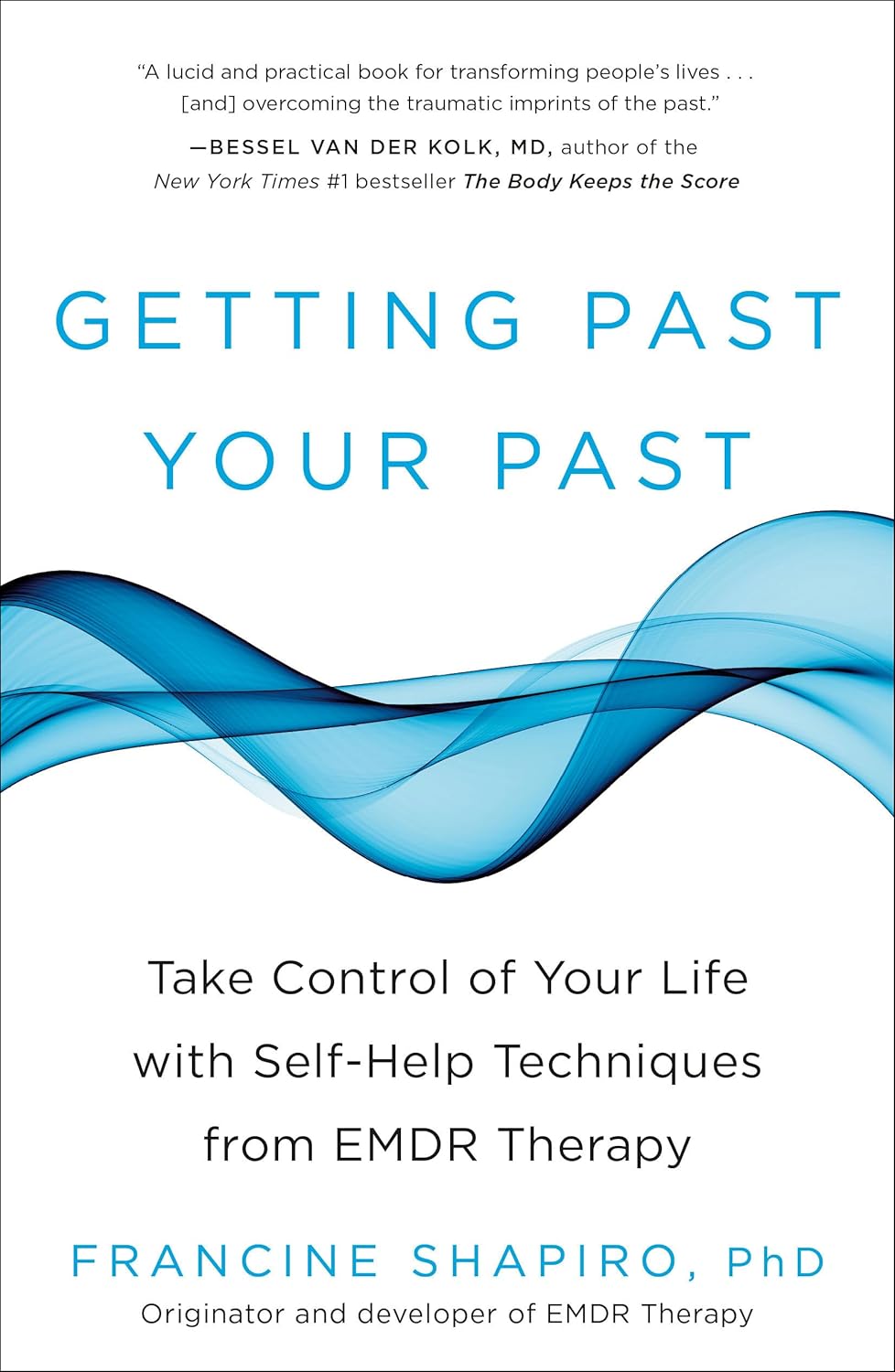
Getting Past Your Past
Francine Shapiro, PhD
Self-help techniques based on EMDR therapy to take control of your life and overcome trauma.
As an Amazon Associate, Clarity House Press earns from qualifying purchases. Your price is never affected.
Found this helpful?
Share it with someone who might need it.
About the Author

Clarity House Press
Editorial Team
The editorial team at Clarity House Press curates and publishes evidence-based content on narcissistic abuse recovery, high-conflict divorce, and healing. Our content is informed by research, survivor experiences, and established trauma-informed approaches.
View all posts by Clarity House Press →Published by Clarity House Press Editorial Team