Please read our important disclaimers before using this content
Shame is perhaps the most painful emotion humans experience. Unlike guilt, which says "I did something bad," shame says "I am bad." This distinction matters profoundly for complex trauma survivors, for whom shame often becomes not just an emotion but a core identity, a pervasive sense of being fundamentally defective, worthless, and unlovable. To understand how shame fits into the broader picture, it helps to first understand what distinguishes C-PTSD from standard PTSD and why relational trauma creates such pervasive wounds to the self.
Understanding the difference between shame and guilt, how complex trauma creates toxic shame, and evidence-based approaches to healing it is essential for recovery.
The Difference Between Shame and Guilt
Though often used interchangeably, shame and guilt are fundamentally different emotional experiences. Research published in Psychological Bulletin demonstrates that shame is associated with psychological maladjustment while guilt shows adaptive correlations, validating this distinction as clinically meaningful.12
Guilt: "I Did Bad"
Guilt is about behavior. When you feel guilty, you feel bad about something you did or failed to do.
Characteristics of guilt:
- Focused on specific actions or behaviors
- Includes a sense of responsibility
- Motivates repair, apology, or change
- Can be resolved through action
- Involves evaluation of behavior against values
- Generally adaptive when proportionate
Example of guilt: "I snapped at my child this morning. I feel bad about that. I should apologize and do better."
Healthy guilt serves an important social function. It signals that you violated your own values and motivates correction.1 When guilt is proportionate to the offense and leads to repair, it is functional.
Shame: "I Am Bad"
Shame is about the self. When you feel shame, you feel that something is fundamentally wrong with who you are.
Characteristics of shame:
- Focused on the entire self, not specific behavior
- Involves a sense of exposure and wanting to hide
- Creates the impulse to disappear, withdraw, or die
- Cannot be resolved through action (because it is about being, not doing)
- Attacks the worth of the person
- Generally toxic and destructive
Example of shame: "I snapped at my child. I am a terrible person. I am unfit to be a parent. There is something fundamentally wrong with me."
Shame does not motivate repair; it motivates hiding. If you are fundamentally defective, there is nothing to fix, only something to conceal.
Why This Distinction Matters
Mistaking shame for guilt leads to ineffective responses:
- If you treat shame like guilt (trying to repair specific behaviors), you never address the core wound
- Shame drives behaviors that create real guilt, which reinforces the shame (a vicious cycle)
- Shame is about identity, requiring different healing approaches than behavioral issues
How Complex Trauma Creates Toxic Shame
Shame in complex PTSD is not just an emotion; it is a developmental outcome. According to research from the National Center for PTSD, chronic shame is recognized as a core feature distinguishing Complex PTSD from standard PTSD presentations.34
Childhood Shame Development
Children are not born with shame. They develop it through interaction with caregivers.
Healthy development: In healthy attachment, children learn that they are valuable, lovable, and capable. When they misbehave, they learn that the behavior is wrong while their worth remains intact: "You did something wrong" not "You are wrong."
Traumatic development: In abusive or neglectful environments, children receive different messages:
- "You are bad" (explicit shaming)
- "Your needs are a burden" (implicit message of being too much)
- "You do not deserve care" (neglect)
- "You caused this" (blame for abuse)
- "If people knew the real you, they would reject you" (conditional regard)
Children cannot evaluate these messages objectively. They accept them as truth about who they are.
Why Children Internalize Shame
Children internalize shame for several reasons:
Attachment preservation: Believing you are bad preserves attachment to caregivers. If the problem is you, the caregiver is still good and potentially available. Recognizing the caregiver as harmful would be existentially threatening.
Control illusion: Believing you caused the abuse provides a sense of control. If you caused it, maybe you can prevent it by being better. This is preferable to the terrifying truth: you have no control over whether you are abused.
Cognitive limitations: Young children are developmentally egocentric. They assume they are the cause of what happens around them.
Explicit messages: Often, abusers explicitly blame children for the abuse, and children believe them.
The Shame Core in C-PTSD
By adulthood, this creates a "shame core" at the center of identity:
Pervasive: Shame colors everything. It is not about specific behaviors but about being.
Hidden: The shame is often outside awareness. It operates implicitly, affecting thoughts, feelings, and behaviors without conscious recognition.
Defended: Because shame is intolerable, elaborate defenses develop against experiencing it (perfectionism, people-pleasing, withdrawal, aggression, etc.).
Self-fulfilling: Shame-driven behaviors create experiences that confirm the shame, perpetuating the cycle.
How Toxic Shame Manifests
Shame in complex PTSD shows up in multiple ways.
The Inner Critic
The abusive voice from childhood becomes internalized as a brutal inner critic:
- Constant self-attack and self-criticism
- Harsh judgment of every mistake or perceived failure
- Comparison to others (always unfavorable)
- Name-calling and derogatory self-talk
- Predicting and expecting rejection
The inner critic carries the shame forward, recreating the abusive dynamic internally. For a deeper exploration of this phenomenon, see our guide on understanding the inner critic in C-PTSD.
Hiding and Withdrawal
Shame creates the impulse to hide:
- Social withdrawal and isolation
- Reluctance to share thoughts, feelings, or experiences
- Concealing struggles, even from close others
- Avoiding situations where you might be seen or evaluated
- Living a smaller life to avoid exposure
People-Pleasing and Fawning
Another shame response is excessive accommodation:
- Compulsive people-pleasing
- Inability to say no or set boundaries
- Disappearing yourself to avoid rejection
- Anticipating and meeting others' needs while neglecting your own
- Apologizing constantly, even for things that are not your fault
Perfectionism and Overachievement
Shame can drive achievement-oriented defenses:
- Working relentlessly to prove worth
- Standards so high they cannot be met
- Achievement that never feels like enough
- Self-worth tied entirely to performance
- Terror of being seen as incompetent or inadequate
Anger and Aggression
Shame can also convert to anger:
- Rage at perceived slights or criticism
- Attacking others before they can attack you
- Defensiveness that prevents intimacy
- Contempt for others (externalized shame)
- Bullying or abusive behavior (passing shame to others)
Physical Manifestations
Shame lives in the body:
- Collapsed posture, hunched shoulders
- Difficulty making eye contact
- Blushing, heating up when shame activates
- Feeling small, wanting to shrink
- Gastrointestinal distress (shame has a strong gut connection)
The Shame-Isolation-Shame Cycle
Shame creates a self-perpetuating cycle:
Shame creates isolation: Shame's impulse is to hide. You withdraw to avoid being seen.
Isolation prevents correction: Alone, you cannot receive the connection and validation that would update your shame beliefs.
Isolation confirms shame: Being alone feels like proof that you are unlovable, reinforcing the shame.
Shame increases: Greater shame drives greater isolation.
Breaking this cycle requires risk: allowing yourself to be seen despite the terror of exposure.
The Neurobiological Basis of Shame
Shame is not just psychological; it has a distinct neurobiological signature.
Brain Regions Involved
The anterior cingulate cortex (ACC) activates strongly during shame experiences. This region monitors for social errors and threats to social belonging.
The insula processes the visceral, bodily experience of shame: the heat, the sinking feeling, the desire to disappear.
The prefrontal cortex often goes offline during intense shame, reducing the ability to think clearly, access perspective, or self-soothe.
The amygdala can activate during shame, particularly when shame is associated with early traumatic experiences. Shame becomes a threat response.
Shame as Social Threat
From an evolutionary perspective, shame signals that social standing is threatened. For our ancestors, social exclusion meant death. The intensity of shame makes sense in this context: it was an emergency signal about survival-level threats.
For complex trauma survivors, this system has been repeatedly activated, often in situations where the threat was real: rejection, abuse, neglect. The shame response became wired to fire at lower thresholds and with greater intensity.
The Body's Shame Response
Shame produces consistent physical patterns:5
- Blood flow changes causing blushing or pallor
- Posture collapses inward (protection of vital organs)
- Gaze averts (avoiding social engagement)
- Muscle tone decreases (submission display)
- Parasympathetic activation (freeze/withdrawal)
Understanding these physical patterns helps with recognizing shame in the moment and offers intervention points for body-based approaches.
Evidence-Based Approaches to Healing Shame
Several therapeutic approaches effectively address shame.
Shame Resilience Theory
Brene Brown's research identified four elements of shame resilience:6
Recognizing shame triggers: Learning to identify what activates your shame response.
Practicing critical awareness: Examining shame messages for accuracy and origin.
Reaching out: Sharing shame experiences with empathic others who can offer connection rather than judgment.
Speaking shame: Naming shame reduces its power. Shame thrives in secrecy.
Internal Family Systems (IFS)
IFS works with shame by approaching it with curiosity rather than judgment. This approach is explored in depth in our guide to IFS and parts work for complex trauma:
Identifying shame-carrying parts: Parts of self that hold the shame from childhood experiences.7
Unburdening: Through a specific process, these parts can release the shame they carry.
Core Self connection: Accessing the core Self, which is inherently worthy and cannot be shamed.
Compassion-Focused Therapy (CFT)
CFT directly targets shame through building self-compassion. Research found that self-compassion interventions significantly reduce shame and self-criticism across clinical populations:8
Understanding the threat system: Learning how shame activates threat responses.
Developing the soothing system: Building capacity for self-soothing and self-compassion.
Compassionate imagery: Practices that develop an internalized compassionate presence.
Compassionate reframing: Responding to self-criticism with compassion rather than agreement.
EMDR and Trauma Processing
Processing the traumatic experiences that created shame can reduce its intensity:9
Memory processing: Working through specific memories where shame was implanted.
Negative cognition identification: Identifying the shame-based beliefs ("I am worthless," "I am unlovable").
Positive cognition installation: Replacing shame beliefs with more accurate, compassionate beliefs.
Somatic Approaches
Because shame lives in the body, body-based approaches can help:
Posture work: Deliberately assuming open, confident posture to counteract shame collapse.
Pendulation: Moving attention between shame sensations and resource sensations.
Completion: Allowing shame responses to complete rather than suppressing them.
What Helps Day to Day
Beyond therapy, daily practices support shame healing.
Noticing Shame
The first step is awareness:
- Learn to recognize shame's physical sensations in your body
- Notice when the inner critic activates
- Identify your shame triggers
- Name the experience: "This is shame"
Naming shame begins to create separation between you and the emotion.
Questioning Shame Messages
Shame messages are typically distorted:
- Ask: Where did this belief come from?
- Ask: Would I say this to someone I love?
- Ask: Is this message accurate, or does it come from trauma?
- Ask: What would a compassionate observer see?
You do not need to believe every thought your shame generates.
Connection Despite Shame
Breaking isolation requires intentional risk:
- Share something you feel shame about with a safe person
- Notice whether their response confirms or contradicts your shame expectation
- Allow yourself to receive compassion from others
- Build relationships where you can be seen
Connection is shame's antidote. Shame cannot survive empathic witnessing. Research confirms that therapeutic alliance and empathic connection are among the strongest predictors of shame reduction in trauma treatment.68 This is one reason why support groups for survivors can be so powerful—being witnessed and believed by others who understand the dynamic can directly interrupt the shame-isolation cycle.
Self-Compassion Practice
Deliberately practice self-compassion:
- When you notice self-criticism, pause and respond with kindness
- Use self-compassion meditations (Kristin Neff's work provides many)
- Ask: "What would I say to a friend feeling this way?"
- Touch yourself gently (hand on heart) while speaking compassionately
Self-compassion is a skill that develops with practice.
Key Takeaways
- Guilt is about behavior ("I did bad"); shame is about self ("I am bad")
- Complex trauma creates toxic shame through childhood experiences that teach children they are fundamentally defective
- Shame becomes a core identity, defended and hidden, operating outside awareness
- Shame manifests as inner critic, withdrawal, people-pleasing, perfectionism, or anger
- The shame-isolation-shame cycle perpetuates the wound
- Effective approaches include shame resilience practices, IFS, compassion-focused therapy, EMDR, and somatic work
- Daily practices of naming shame, questioning shame messages, risking connection, and practicing self-compassion support healing
- Shame cannot survive empathic connection; isolation perpetuates it
Your Next Steps
-
Learn your shame signs: What does shame feel like in your body? What thoughts arise? What behaviors follow?
-
Identify shame triggers: What situations, interactions, or internal experiences activate your shame?
-
Practice naming: When you notice shame activating, simply name it: "This is shame."
-
Risk connection: Share something you feel shame about with one safe person and notice their response.
-
Explore compassion practices: Try Kristin Neff's self-compassion meditations or practices from compassion-focused therapy.
Resources
Shame and Trauma Recovery:
- The Center for Self-Compassion - Dr. Kristin Neff's research-based practices for shame healing
- Brené Brown - Shame resilience research and resources
- Psychology Today Therapist Finder - Find therapists specializing in shame and C-PTSD
- EMDR International Association - Find certified EMDR therapists for trauma processing
Mental Health Support:
- National Alliance on Mental Illness (NAMI) - Mental health education and support groups
- SAMHSA National Helpline - 1-800-662-4357 for mental health referrals (24/7)
- International Society for Traumatic Stress Studies - Trauma treatment resources
- Anxiety and Depression Association of America (ADAA) - Mental health resources
Crisis Support:
- 988 Suicide & Crisis Lifeline - Call or text 988 (24/7)
- Crisis Text Line - Text HOME to 741741
- National Domestic Violence Hotline - 1-800-799-7233 (SAFE)
References
- Tangney, J. P., Stuewig, J., & Mashek, D. J. (2007). Moral emotions and moral behavior. Current Directions in Psychological Science, 16(4), 221-225. https://doi.org/10.1111/j.1467-8721.2007.00501.x ↩
- Tangney, J. P., & Dearing, R. L. (2002). Shame and guilt. Guilford Press. ↩
- Brown, B. (2006). Shame resilience theory: A grounded theory study on women and shame. Journal of Social Work Education, 42(3), 703-730. https://doi.org/10.5175/JSWE.2006.200400528 ↩
- Gilbert, P., & Andrews, B. (Eds.). (1998). Shame: Interpersonal behavior, psychopathology, and culture. Oxford University Press. ↩
- Lowman, & Kilburg (2011). Guidelines for case study submissions to Consulting Psychology Journal: Practice and Research.. Consulting Psychology Journal: Practice and Research. https://doi.org/10.1037/a0021242 ↩
- Zeller, M., Yuval, K., & Nitzan-Assayag, Y. (2015). Shame as a core feature of posttraumatic stress disorder. Frontiers in Psychiatry, 6, 159. https://doi.org/10.3389/fpsyt.2015.00159 ↩
- Neff, K. D., & Germer, C. K. (2013). A pilot study and randomized controlled trial of the mindful self-compassion program. Journal of Clinical Psychology, 69(1), 28-44. https://doi.org/10.1002/jclp.21923 ↩
- Kirsch, L. G., & Brondino, M. J. (2016). An investigation of negative cognition in complex post-traumatic stress disorder. British Journal of Clinical Psychology, 55(4), 416-430. https://doi.org/10.1111/bjc.12107 ↩
- Shapiro, F. (2014). The role of eye movement desensitization and reprocessing (EMDR) therapy in medicine: Addressing the psychological and physical symptoms stemming from adverse life experiences. Permanente Journal, 18(1), 71-77. https://doi.org/10.7812/TPP/13-181 ↩
- U.S. Department of Veterans Affairs. National Center for PTSD. (2023). Complex PTSD. Retrieved from https://www.ptsd.va.gov/professional/treat/essentials/complex_ptsd.asp ↩
Recommended Reading
From Clarity House Press — plus trusted books for deeper understanding

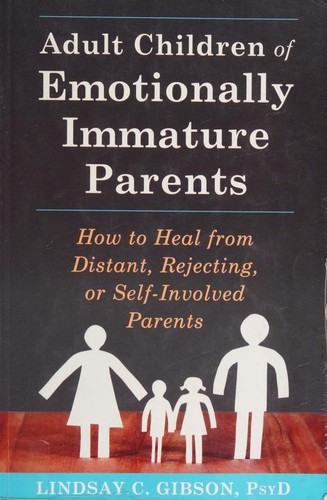
Adult Children of Emotionally Immature Parents
Lindsay C. Gibson, PsyD
A gentle, practical guide to understanding relationships with emotionally distant parents and reclaiming your inner life.

Complex PTSD: From Surviving to Thriving
Pete Walker
A clear, compassionate guide to recognizing and working with the lasting effects of prolonged childhood adversity.
As an Amazon Associate, Clarity House Press earns from qualifying purchases. Your price is never affected.
Found this helpful?
Share it with someone who might need it.
About the Author

Clarity House Press
Editorial Team
The editorial team at Clarity House Press curates and publishes evidence-based content on narcissistic abuse recovery, high-conflict divorce, and healing. Our content is informed by research, survivor experiences, and established trauma-informed approaches.
View all posts by Clarity House Press →Published by Clarity House Press Editorial Team