Please read our important disclaimers before using this content
Do you ever feel like different parts of you want completely different things?
Part of you knows you need to set boundaries—but another part feels guilty and wants to give in. Part of you is furious at what happened—but another part blames yourself. Part of you wants to heal and move forward—but another part feels stuck in survival mode.
These aren't contradictions. They're different parts of your internal system, each trying to protect you in their own way.
Internal Family Systems (IFS) is a therapeutic approach that helps you understand, communicate with, and heal these parts—leading to integration, self-compassion, and the ability to lead your life from your wise, grounded Self.
For complex trauma survivors whose internal world feels fragmented or conflicted, IFS offers a compassionate framework for understanding and healing. This approach pairs particularly well with inner child work and reparenting, which addresses the same wounded parts from a slightly different angle. Research shows statistically and clinically significant reductions in PTSD and depressive symptoms with IFS therapy, with 92% of participants no longer meeting diagnostic criteria for PTSD at follow-up in one study.1
What Is Internal Family Systems (IFS)?
IFS was developed by Dr. Richard Schwartz in the 1980s. It's based on the understanding that:
Our psyche is naturally multiple—we all have different "parts."
These aren't separate personalities (like in Dissociative Identity Disorder). They're subpersonalities—different aspects of yourself with their own feelings, beliefs, and protective roles. A comprehensive 2025 scoping review of IFS research identified 27 studies across multiple methodologies, with existing evidence highlighting IFS as a promising treatment particularly useful for chronic pain, depression, and post-traumatic stress disorder.2
The Core Principles of IFS
1. Everyone Has Parts (And That's Normal)
Parts are natural subdivisions of the mind that develop throughout life, especially in response to stress and trauma.
Examples of parts:
- The Perfectionist (demands flawless performance to avoid criticism)
- The People-Pleaser (tries to make everyone happy to prevent conflict)
- The Inner Critic (harsh voice that may sound like an internalized abuser)
- The Wounded Child (carries pain from past trauma)
- The Protector (shuts down emotions to prevent vulnerability)
- The Angry Part (ready to defend you with rage)
After complex trauma, you might notice:
- A part that wants to be understood (truth-telling part)
- A part that's terrified of judgment (shame part)
- A part that blames you (internalized abuser part)
- A part that wants justice (anger part)
- A part that just wants peace (exhausted part)
These internal parts reflect the neurobiological fragmentation that occurs when trauma disrupts the brain's integrative processes, creating what researchers describe as structural dissociation.3
2. All Parts Have Positive Intentions
Even parts that seem destructive are trying to protect you from pain or danger.
Examples:
- The part that avoids conflict: Trying to keep you safe from confrontation
- The self-critical part: Trying to make you "good enough" so you won't be rejected
- The numbing part: Trying to protect you from overwhelming emotions
IFS teaches: No part is "bad." They're all doing their best with limited strategies, often developed during times of threat or deprivation.
3. Parts Get Stuck in Extreme Roles
When you experience trauma (especially developmental or relational trauma), parts take on extreme protective roles:
- The Perfectionist becomes tyrannical (nothing is ever good enough)
- The People-Pleaser becomes self-sacrificial (your needs don't matter)
- The Protector becomes a prison guard (won't let you feel or trust anyone)
IFS helps these parts relax and return to their healthy, balanced roles. Research on complex PTSD symptoms shows that IFS concepts—particularly Self-leadership and protective parts—are significantly associated with disturbances in self-organization, suggesting IFS may be particularly effective for treating complex trauma presentations.4
4. You Have a Core Self
Beneath all the parts is your Self (capital S)—your core essence that has innate qualities:
- Calm
- Curiosity
- Compassion
- Confidence
- Courage
- Clarity
- Creativity
- Connectedness
These are called the 8 C's of Self.
When you're in Self, you can lead your internal system—listening to parts, understanding them, and helping them heal.
After trauma: Parts often take over completely (you become flooded with shame, rage, or numbness). IFS helps you access Self and lead from that grounded place.
The IFS Parts Map: Exiles, Managers, and Firefighters
IFS organizes parts into three categories based on their protective roles:
1. Exiles (Wounded Parts)
What they are:
Young, vulnerable parts carrying the burdens of trauma—shame, terror, worthlessness, abandonment.
Example Exiles:
- Inner Child who felt unsafe or unloved
- Young Self who experienced betrayal or abuse
- Part that carries the terror from traumatic events
What they hold:
- Core wounds and pain
- Beliefs like: "I'm unlovable. I'm not safe. I'm defective."
- Overwhelming emotions (fear, grief, shame)
Why they're called Exiles:
Other parts try to keep them locked away because their pain feels unbearable.
2. Managers (Proactive Protectors)
What they are:
Parts that try to keep you safe by controlling your life, preventing vulnerability, and keeping Exiles from being triggered.
Example Managers:
- Perfectionist: "If I'm perfect, I won't be criticized or rejected."
- People-Pleaser: "If I make everyone happy, I'll be safe from conflict."
- Hypervigilance: "If I monitor everything, I can prevent danger."
- Intellectual Part: "If I stay in my head, I won't feel overwhelming emotions."
- Achievement Part: "If I'm successful, I'll prove I'm worthy."
Manager parts often run your daily life—and can be exhausting in their constant vigilance.
3. Firefighters (Reactive Protectors)
What they are:
Parts that activate after an Exile has been triggered, trying to numb, distract from, or discharge overwhelming pain.
Example Firefighters:
- Dissociation (checking out, feeling unreal)
- Substance use (alcohol, drugs to numb)
- Binge eating (soothing with food)
- Self-harm (releasing emotional pain through physical pain)
- Rage (externalizing pain as anger)
- Compulsive behaviors (spending, sex, gaming, work)
Firefighters are emergency responders—they don't care about long-term consequences, only immediate relief from unbearable feelings.
How IFS Works for Complex Trauma
1. Validates Internal Conflict
You're not "broken" for experiencing contradictory feelings. You have parts with different experiences, needs, and protective strategies.
Normal after complex trauma:
- Part of you knows something was wrong AND part of you minimizes it
- Part of you is furious AND part of you feels guilty
- Part of you wants to speak up AND part of you wants to stay invisible
IFS normalizes this: "Of course you have a part that minimizes what happened—that part is trying to protect you from the full weight of the truth. AND you have a part that knows it was serious. Both are real."
2. Reduces Self-Judgment
After complex trauma, many survivors have a harsh inner critic (often an internalized abuser or critical caregiver voice). The comprehensive guide to the inner critic in C-PTSD recovery explores this part in depth.
The Critic says:
- "You're too sensitive."
- "You should have known better."
- "You're weak / broken / damaged."
Research demonstrates that self-compassion is particularly important for complex PTSD recovery, showing stronger associations with disturbances in self-organization (negative self-concept and emotion dysregulation) than with core PTSD symptoms.5
IFS approach:
Instead of fighting the Critic or believing it, you:
- Recognize it as a part (not the truth about you)
- Get curious: "What is this Critic part trying to protect me from?"
- Discover: The Critic is trying to keep you safe by making you "perfect" so you won't be vulnerable to harm again
Once you understand the Critic's protective intention, it can soften and become less harsh.
3. Addresses Fragmentation
Complex trauma often creates internal fragmentation—different parts hold different pieces of the trauma, different ages, different beliefs.
IFS helps integrate these fragments:
- Acknowledging all parts (not exiling some and privileging others)
- Helping parts communicate with each other
- Bringing Self-leadership to the internal system
- Unburdening parts from trauma they've carried. This integration process connects to somatic experiencing, which works on the same fragmentation from the body's perspective.
This leads to wholeness, not continued fragmentation. Studies show that dissociation and memory fragmentation in PTSD are closely linked, with peritraumatic dissociation contributing to how trauma memories are encoded and later experienced.6
4. Heals Internalized Messages
Many survivors have parts that carry internalized messages from abusers, neglectful caregivers, or harmful systems:
- "You're too much."
- "Your feelings don't matter."
- "You deserved it."
IFS helps you:
- Recognize: "This isn't my voice—it's a message I internalized."
- Separate: "This part is carrying something that doesn't belong to me."
- Unburden: Helping the part release the toxic message and receive new qualities (worth, belonging, safety)
What an IFS Session Looks Like
Step 1: Accessing Self
The therapist helps you get into Self-energy (calm, curious, compassionate).
How:
- Grounding and centering
- Noticing which parts are activated ("I notice anxiety")
- Asking those parts to step back briefly so you can be in Self
When you're in Self, you might say:
- "I'm curious about this part."
- "I care about what this part is experiencing."
vs. when you're blended with a part:
- "I AM anxious." (No separation—you're flooded by the part)
Step 2: Getting to Know a Part
The therapist guides you to focus on a specific part.
Example dialogue:
Therapist: "What part would like some attention today?"
You: "The part that feels ashamed."
Therapist: "Where do you notice that shame in your body?"
You: "In my chest and throat—heavy, tight."
Therapist: "How do you feel toward this ashamed part?"
You: "I hate it. I wish it would go away."
Therapist: "So there's another part that hates the shame. Can you ask that critical part to give us some space, so we can get to know the ashamed part?"
You: [Pause] "Okay, it stepped back a little."
Therapist: "How do you feel toward the ashamed part now?"
You: "Sad for it. Curious about what it's carrying."
Therapist: "That's Self. Ask the ashamed part: What do you want me to know?"
You: [Checking in with the part] "It says, 'You were told you were too much. You learned to hide.'"
Therapist: "How old is this ashamed part?"
You: [Checks in] "Maybe 7 or 8 years old."
Therapist: "What does this young part need from you?"
You: "It needs to know it's safe to be seen. That being myself isn't dangerous anymore."
This is internal communication—you (from Self) are listening to, understanding, and caring for your parts.
Step 3: Unburdening (When Ready)
Over multiple sessions, once a part feels heard and trusts you, you can help it unburden—release the pain, shame, or beliefs it's been carrying.
Unburdening might involve:
- Visualizing the burden (as a weight, darkness, or stone)
- Asking the part if it's ready to release it
- Imagining the burden leaving (dissolving, returning to earth, transforming)
- Inviting in new qualities (the part might receive safety, belonging, worth, joy)
After unburdening, parts relax into healthy roles:
- The Perfectionist becomes healthy striving (not tyranny)
- The People-Pleaser becomes genuine care (not self-sacrifice)
- The Protector becomes discernment (not constant hypervigilance)
Recent research on online group-based IFS treatment demonstrates significant PTSD symptom reduction (effect size d = −0.9 at 24 weeks), with improvements in decentering, self-compassion, and emotion regulation.7 Intent-to-treat analyses from a pilot study of IFS for childhood trauma survivors demonstrated large effect sizes for PTSD symptoms (d = −4.46), associated PTSD features (d = −1.27), and depression (d = −1.51), providing preliminary support for IFS as a promising practice.8
IFS Techniques You Can Practice
1. Noticing Parts Language
Throughout the day, practice naming parts:**
- "A part of me is anxious about that meeting."
- "A part of me wants to avoid this conversation."
- "A part of me feels ashamed."
This creates separation—you're not the anxiety; you have a part that's anxious.
2. Self-to-Part Check-In
When a part is activated:**
- Notice it: "I notice a part that's panicking."
- Check your relationship to it: "How do I feel toward this part?" (Curious? Compassionate? Or critical/blended?)
- If blended, ask other parts to step back: "Can the parts that are judging this panic give us some space?"
- Ask the part: "What do you want me to know? What are you protecting me from? How old are you? What do you need?"
This can be internal dialogue or written journaling.
3. Parts Mapping
Draw or write about your parts:**
- What parts do I notice? (List them: Critic, Perfectionist, Wounded Child, Protector, etc.)
- What does each part do? (Its role, what it's trying to protect)
- Which parts are in conflict? (Part that wants connection vs. part that isolates)
- Which are Exiles, Managers, Firefighters?
4. Asking Parts to Step Back
When overwhelmed by a part:
Say internally: "I appreciate you trying to protect me. Can you step back just a little so I can be in Self and think clearly?"
Often, parts will give you space if they trust you're not ignoring or rejecting them.
IFS vs. Other Trauma Therapies
IFS vs. EMDR
EMDR: Targets specific traumatic memories for reprocessing and desensitization
IFS: Works with parts that hold trauma, integrating the internal system
Can be combined: EMDR to reprocess memories + IFS to heal parts carrying those memories
IFS vs. CBT
CBT: Challenges distorted thoughts and beliefs
IFS: Views "distorted thoughts" as parts with protective roles; uses curiosity instead of challenge
Example:
Belief: "I'm worthless."
- CBT: "Is that true? What's the evidence? Let's challenge it."
- IFS: "What part believes you're worthless? Let's understand it. What's it protecting you from? What does it need?"
IFS vs. Somatic Experiencing
SE: Focuses on body sensations and completing trauma response cycles
IFS: Uses body awareness but emphasizes internal relationship-building with parts
Many therapists integrate both approaches.
Finding an IFS Therapist
Look for:
- IFS-trained therapist (IFS Institute offers training levels 1-3)
- Licensed mental health professional (psychologist, LMFT, LCSW, LPC)
- Experience with complex trauma
Where to find IFS therapists:
- IFS Institute: ifs-institute.com (therapist directory)
- Psychology Today (filter for IFS)
Questions to ask:
- "What level of IFS training do you have?"
- "How long have you been practicing IFS?"
- "Do you have experience with complex trauma and developmental trauma?"
Research demonstrates IFS effectiveness for comorbid conditions, with a 2024 pilot study showing that participants with PTSD and substance use disorder experienced 1.7-point weekly reductions in PTSD symptoms, with 54% achieving clinically meaningful improvement.9 A 2016 randomized controlled trial demonstrated the efficacy of IFS for depression among female college students, with both IFS and interpersonal process groups showing significant declines in depressive symptoms.10
Timeline and Expectations
IFS is typically long-term work:
- Weekly or biweekly sessions
- Months to years (complex trauma with many parts takes time)
- Progress feels gradual (less internal conflict, more self-compassion, parts softening over time)
You may notice:
- Feeling less at war with yourself
- Self-critical voice becoming gentler
- Ability to hold contradictory feelings without shame
- More compassion for yourself and your protective strategies
- Parts beginning to trust you (Self) to lead
Meta-analytic evidence indicates that self-compassion-focused interventions produce medium protective effects on posttraumatic stress symptoms (standardized mean difference = −0.65), with longer interventions showing better outcomes.11 A 2013 randomized controlled trial of IFS-based psychotherapy for rheumatoid arthritis demonstrated improvements in both psychological outcomes and disease activity measures, establishing proof-of-concept for IFS applications beyond mental health conditions.12
Key Takeaways
- IFS views the psyche as naturally multiple—having parts is normal, not pathological
- All parts have positive intentions, even when their strategies cause problems
- Three types of parts: Exiles (wounded), Managers (proactive protectors), Firefighters (reactive protectors)
- Self is your core essence—calm, curious, compassionate, capable of leading your internal system
- IFS helps complex trauma survivors: Understand internal conflict, reduce self-judgment, integrate fragmentation, heal internalized messages
- Parts work involves: Noticing parts, accessing Self, building internal relationships, unburdening trauma
- Find an IFS-trained therapist via IFS Institute directory or Psychology Today
Your Next Steps
-
This week: Practice noticing parts language. When you have a strong emotion, try saying "A part of me feels [emotion]" instead of "I am [emotion]."
-
This month: Try parts mapping. List the parts you notice, what they do, and what they might be protecting you from.
-
Within 3 months: Research IFS therapists in your area. Look for training credentials and complex trauma experience.
-
Ongoing: Practice Self-to-part check-ins when activated. Ask: "What does this part want me to know? What does it need?"
Additional Resources
Books:
- No Bad Parts by Richard Schwartz (IFS overview)
- Internal Family Systems Therapy by Richard Schwartz (clinical guide)
- You Are the One You've Been Waiting For by Richard Schwartz (IFS and relationships)
Resources
Internal Family Systems Therapy:
- Internal Family Systems Institute - Official IFS organization and training center
- IFS Therapist Directory - Find certified IFS therapists nationwide
- No Bad Parts by Richard Schwartz - Comprehensive guide to IFS therapy by the model's creator
- Self-Therapy by Jay Earley - Step-by-step IFS guide for trauma survivors
Trauma Therapy and Parts Work:
- Psychology Today - Therapists - Filter for "IFS" and "complex trauma"
- EMDR International Association - Find EMDR therapists who integrate parts work
- The Body Keeps the Score by Bessel van der Kolk - Understanding dissociation and trauma fragments
- International Society for the Study of Trauma and Dissociation - Resources for complex trauma and parts
Crisis Support and Community:
- 988 Suicide & Crisis Lifeline - Call or text 988 for immediate crisis support (24/7)
- Crisis Text Line - Text HOME to 741741 for crisis counseling
- r/InternalFamilySystems - Reddit community for IFS practitioners and learners
- SAMHSA National Helpline - 1-800-662-4357 (mental health treatment referrals)
References
NOTE ON HOTLINE NUMBERS: Phone numbers for crisis hotlines are provided as a resource. These numbers are current as of publication but may change. Please verify hotline numbers are still active before relying on them.
If you feel fragmented, at war with yourself, or like different parts of you want completely different things, IFS offers a framework for internal integration and peace.
You don't have to get rid of any parts. You don't have to hate the parts that seem problematic. You don't have to force yourself to feel only one way.
You just have to listen to them, from Self, with curiosity and compassion—and help them heal.
References
- Haddock, S. A., Weiler, L. M., Trump, L. J., & Henry, K. L. (2022). Internal Family Systems (IFS) Therapy for Posttraumatic Stress Disorder (PTSD) among Survivors of Multiple Childhood Trauma: A Pilot Effectiveness Study. Journal of Aggression, Maltreatment & Trauma, 31(1), 22-43. https://doi.org/10.1080/10926771.2021.2013375 ↩
- Steele, K., van der Hart, O., & Nijenhuis, E. R. (2005). Phase-oriented treatment of structural dissociation in complex traumatization: Overcoming trauma-related phobias. Journal of Trauma & Dissociation, 6(3), 11-53. https://doi.org/10.1300/J229v06n03_02 ↩
- Karatzias, T., Shevlin, M., Hyland, P., Brewin, C. R., Cloitre, M., Bradley, A., Kitchiner, N. J., Jumbe, S., Bisson, J. I., & Roberts, N. P. (2018). Is Self-Compassion a Worthwhile Therapeutic Target for ICD-11 Complex PTSD (CPTSD)? Behavioural and Cognitive Psychotherapy, 47(3), 257-269. https://doi.org/10.1017/S1352465818000577 ↩
- Halligan, S. L., Michael, T., Clark, D. M., & Ehlers, A. (2003). Posttraumatic stress disorder following assault: The role of cognitive processing, trauma memory, and appraisals. Journal of Consulting and Clinical Psychology, 71(3), 419-431. https://doi.org/10.1037/0022-006X.71.3.419 ↩
- Comeau, A., Smith, L. J., Smith, L., Soumerai Rea, H., Ward, M. C., Creedon, T. B., Sweezy, M., Rosenberg, L. G., & Schuman-Olivier, Z. (2024). Online group-based internal family systems treatment for posttraumatic stress disorder: Feasibility and acceptability of the program for alleviating and resolving trauma and stress. Psychological Trauma: Theory, Research, Practice, and Policy, 16(Suppl 3), S636–S640. https://doi.org/10.1037/tra0001688 ↩
- Au, T. M., Sauer-Zavala, S., King, M. W., Petrocchi, N., Barlow, D. H., & Litz, B. T. (2017). Compassion-Based Therapy for Trauma-Related Shame and Posttraumatic Stress: Initial Evaluation Using a Multiple Baseline Design. Behavior Therapy, 48(2), 207-221. https://doi.org/10.1016/j.beth.2016.11.012 ↩
- Ally, D., Tobiasz-Veltz, L., Tu, K., Comeau, A., Bumpus, C., Blot, T., Rice, F. K., Orr, B., Soumerai Rea, H., Sweezy, M., & Schuman-Olivier, Z. (2025). A pilot study of an online group-based Internal Family Systems intervention for comorbid posttraumatic stress disorder and substance use. Frontiers in Psychiatry, 16, Article 1544435. https://doi.org/10.3389/fpsyt.2025.1544435 ↩
- Hodgson, K., Hutchinson, A. D., & Bland, R. (2025). Exploring the evidence for Internal Family Systems therapy: A scoping review of current research, gaps, and future directions. Clinical Psychologist. Advance online publication. https://doi.org/10.1080/13284207.2025.2533127 ↩
- Hodgson, K., Hutchinson, A. D., Wilson, C., & Nettelbeck, T. (2025). The relationship between symptoms of complex posttraumatic disorder and core concepts in Internal Family Systems therapy. Clinical Psychologist. Advance online publication. https://doi.org/10.1080/13284207.2025.2467123 ↩
- Haddock, S. A., Weiler, L. M., Trump, L. J., & Henry, K. L. (2022). Internal Family Systems (IFS) Therapy for Posttraumatic Stress Disorder (PTSD) among Survivors of Multiple Childhood Trauma: A Pilot Effectiveness Study. Journal of Aggression, Maltreatment & Trauma, 31(1), 22-43. https://doi.org/10.1080/10926771.2021.2013375 ↩
- Haddock, S. A., Weiler, L. M., Trump, L. J., & Henry, K. L. (2017). The efficacy of Internal Family Systems therapy in the treatment of depression among female college students: A pilot study. Journal of Marital and Family Therapy, 43(1), 131-144. https://doi.org/10.1111/jmft.12184 ↩
- Shadick, N. A., Sowell, N. F., Frits, M. L., Hoffman, S. M., Hartz, S. A., Booth, F. D., Sweezy, M., Rogers, E. M., Dubin, R. L., Atkinson, J. C., Friedman, A. L., Augusto, F., Iannaccone, C. K., Fossel, A. H., Quinn, G., Cui, J., Losina, E., & Schwartz, R. (2013). A randomized controlled trial of an internal family systems-based psychotherapeutic intervention on outcomes in rheumatoid arthritis: A proof-of-concept study. The Journal of Rheumatology, 40(11), 1831-1841. https://doi.org/10.3899/jrheum.121465 ↩
Recommended Reading
From Clarity House Press — plus trusted books for deeper understanding

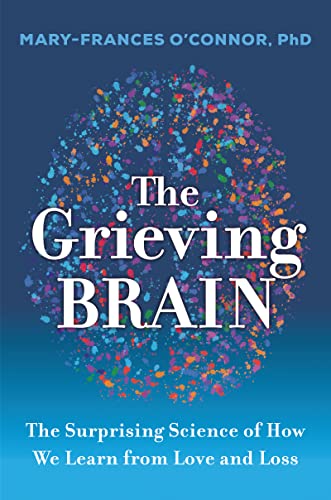
The Grieving Brain
Mary-Frances O'Connor, PhD
An accessible tour of the neuroscience of grief — why loss feels the way it does, and how the brain slowly relearns the world.
Complex PTSD: From Surviving to Thriving
Pete Walker
A clear, compassionate guide to recognizing and working with the lasting effects of prolonged childhood adversity.
As an Amazon Associate, Clarity House Press earns from qualifying purchases. Your price is never affected.
Found this helpful?
Share it with someone who might need it.
About the Author

Clarity House Press
Editorial Team
The editorial team at Clarity House Press curates and publishes evidence-based content on narcissistic abuse recovery, high-conflict divorce, and healing. Our content is informed by research, survivor experiences, and established trauma-informed approaches.
View all posts by Clarity House Press →Published by Clarity House Press Editorial Team